Fermi-Dirac Distribution
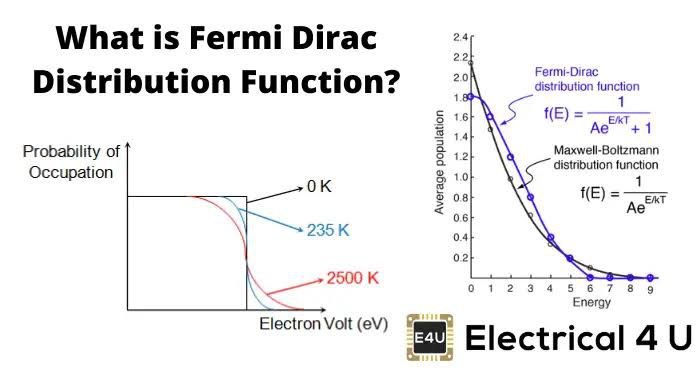
Fermi–Dirac statistics is a type of quantum statistics that applies to the physics of a system consisting of many non-interacting, identical particles that obey the Pauli exclusion principle. A result is the Fermi–Dirac distribution of particles over energy states. It is named after Enrico Fermi and Paul Dirac, each of whom derived the distribution independently in 1926. Fermi–Dirac statistics is a part of the field of statistical mechanics and uses the principles of quantum mechanics.
Fermi–Dirac statistics applies to identical and indistinguishable particles with half-integer spin (1/2, 3/2, etc.), called fermions, in thermodynamic equilibrium. For the case of negligible interaction between particles, the system can be described in terms of single-particle energy states. A result is the Fermi–Dirac distribution of particles over these states where no two particles can occupy the same state, which has a considerable effect on the properties of the system. Fermi–Dirac statistics is most commonly applied to electrons, a type of fermion with spin 1/2.
━━━━━━━━━━━
☢ @Physics ⚡
Fermi–Dirac statistics is a type of quantum statistics that applies to the physics of a system consisting of many non-interacting, identical particles that obey the Pauli exclusion principle. A result is the Fermi–Dirac distribution of particles over energy states. It is named after Enrico Fermi and Paul Dirac, each of whom derived the distribution independently in 1926. Fermi–Dirac statistics is a part of the field of statistical mechanics and uses the principles of quantum mechanics.
Fermi–Dirac statistics applies to identical and indistinguishable particles with half-integer spin (1/2, 3/2, etc.), called fermions, in thermodynamic equilibrium. For the case of negligible interaction between particles, the system can be described in terms of single-particle energy states. A result is the Fermi–Dirac distribution of particles over these states where no two particles can occupy the same state, which has a considerable effect on the properties of the system. Fermi–Dirac statistics is most commonly applied to electrons, a type of fermion with spin 1/2.
━━━━━━━━━━━
☢ @Physics ⚡
👍18❤11🔥7
━━━━━━━━━━━
☢ @Physics ⚡
Please open Telegram to view this post
VIEW IN TELEGRAM

🔥18❤5👍3
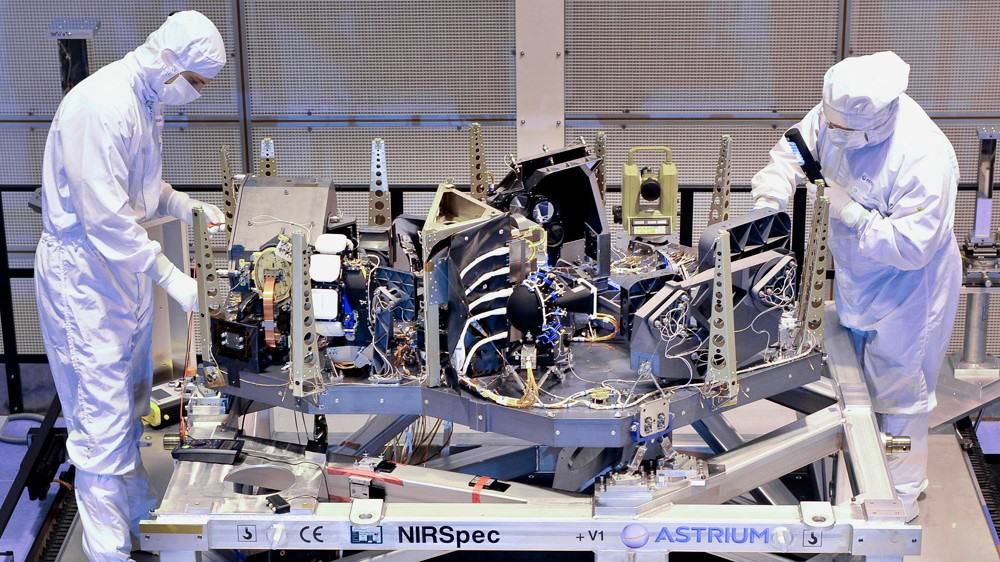
Lots of oxygen existed in the early universe as JWST spectrograph reveals that life may have emerged earlier than previously thought.
✅ Source : Click here
━━━━━━━━━━━
☢ @Physics ⚡
✅ Source : Click here
━━━━━━━━━━━
☢ @Physics ⚡
❤17👍6🔥4😱3
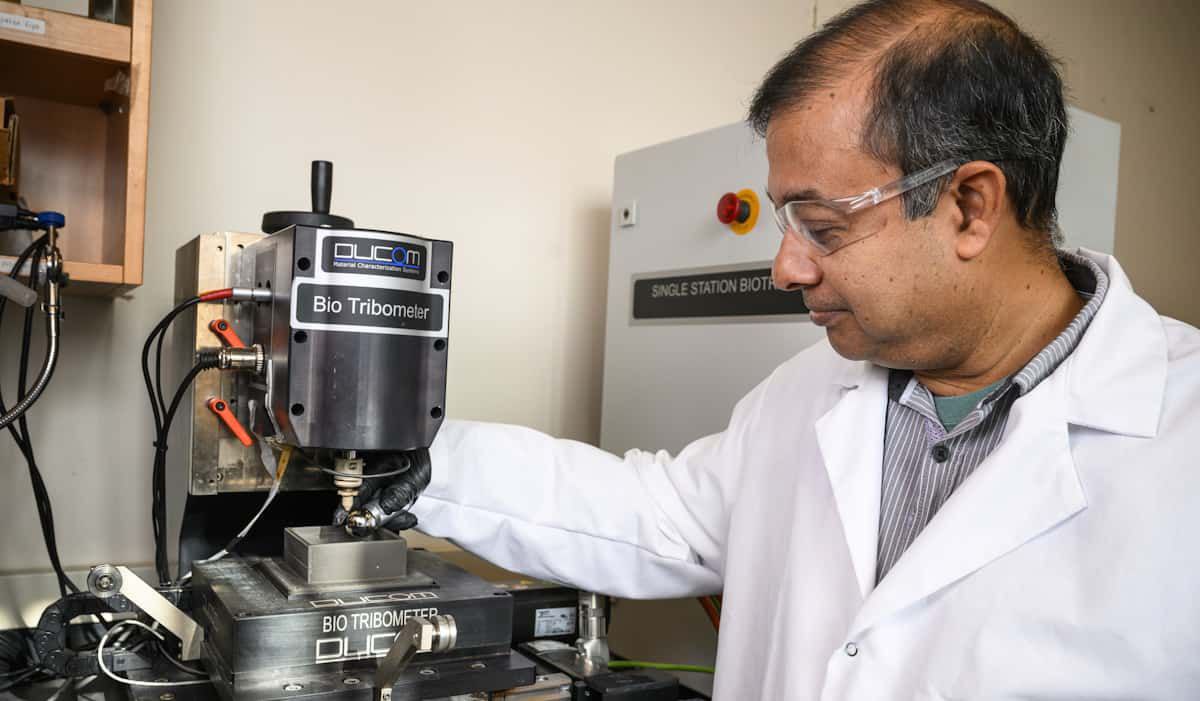
A novel titanium alloy can create load-bearing implants with inherent antibacterial response - enabling safer orthopaedic implant surgeries.
✅Source : Click here
━━━━━━━━━━━
☢ @Physics ⚡
✅Source : Click here
━━━━━━━━━━━
☢ @Physics ⚡
🔥9❤6👍1
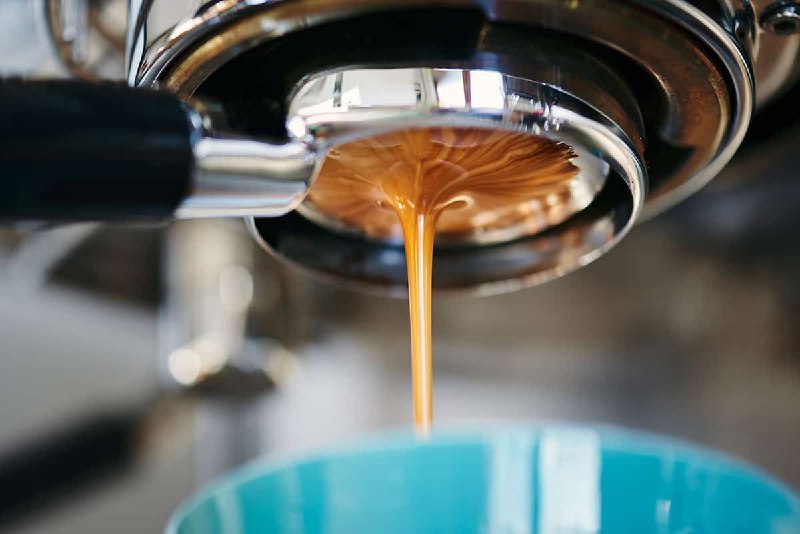
🤔 What volcanoes and coffeemaking have in common, the physics of playing the didjeridu.
✅Source : Click here
━━━━━━━━━━━
☢ @Physics ⚡
✅Source : Click here
━━━━━━━━━━━
☢ @Physics ⚡
Please open Telegram to view this post
VIEW IN TELEGRAM
👍13❤5🔥5
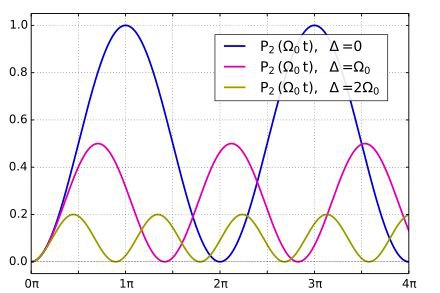
In physics, the Rabi cycle (or Rabi flop) is the cyclic behaviour of a two-level quantum system in the presence of an oscillatory driving field. A great variety of physical processes belonging to the areas of quantum computing, condensed matter, atomic and molecular physics, and nuclear and particle physics can be conveniently studied in terms of two-level quantum mechanical systems, and exhibit Rabi flopping when coupled to an optical driving field. The effect is important in quantum optics, magnetic resonance and quantum computing, and is named after Isidor Isaac Rabi.
A two-level system is one that has two possible energy levels. These two levels are a ground state with lower energy and an excited state with higher energy. If the energy levels are not degenerate (i.e. not having equal energies), the system can absorb a quantum of energy and transition from the ground state to the "excited" state. When an atom (or some other two-level system) is illuminated by a coherent beam of photons, it will cyclically absorb photons and re-emit them by stimulated emission. One such cycle is called a Rabi cycle, and the inverse of its duration is the Rabi frequency of the system. The effect can be modeled using the Jaynes–Cummings model and the Bloch vector formalism.
━━━━━━━━━━━
☢ @Physics ⚡
A two-level system is one that has two possible energy levels. These two levels are a ground state with lower energy and an excited state with higher energy. If the energy levels are not degenerate (i.e. not having equal energies), the system can absorb a quantum of energy and transition from the ground state to the "excited" state. When an atom (or some other two-level system) is illuminated by a coherent beam of photons, it will cyclically absorb photons and re-emit them by stimulated emission. One such cycle is called a Rabi cycle, and the inverse of its duration is the Rabi frequency of the system. The effect can be modeled using the Jaynes–Cummings model and the Bloch vector formalism.
━━━━━━━━━━━
☢ @Physics ⚡
❤22👍16🔥7
Stratospheric effect boosts global warming as carbon dioxide levels rise.
✅ Source : Click here
━━━━━━━━━━━
☢ @Physics ⚡
✅ Source : Click here
━━━━━━━━━━━
☢ @Physics ⚡

❤14🔥7👍5🤩1
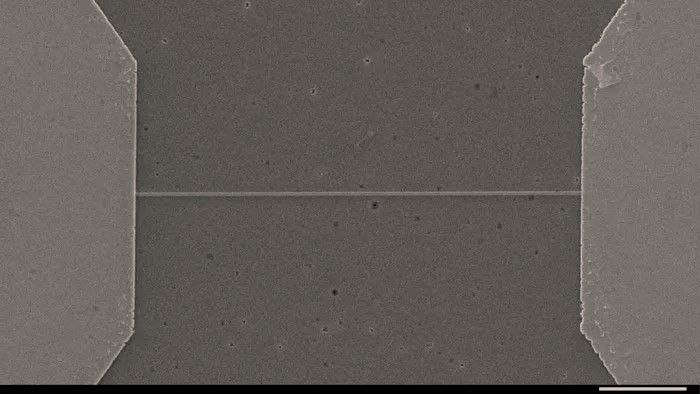
Strange metal is quiet when it comes to shot noise. New measurements suggest that quasiparticles don't carry current in strange metals.
✅Source : Click here
━━━━━━━━━━━
☢ @Physics ⚡
✅Source : Click here
━━━━━━━━━━━
☢ @Physics ⚡
👍11🔥11❤4
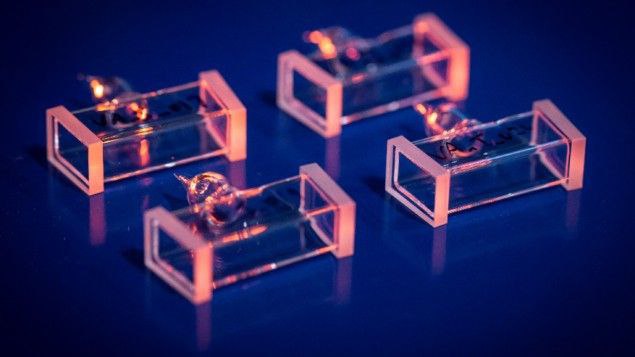
Next-gen atomic clocks run at optical frequencies. The best of them can remain precise to within a second after 50 billion years. And soon, for the first time, you’ll be able to buy one of your very own.
✅Source : Click here
━━━━━━━━━━━
☢ @Physics ⚡
✅Source : Click here
━━━━━━━━━━━
☢ @Physics ⚡
👍10🔥7❤5
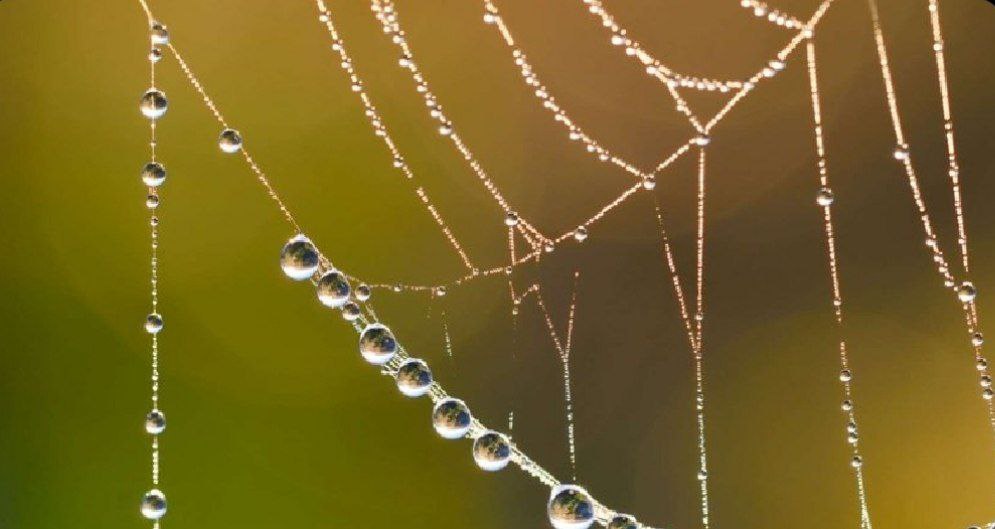
💧 Water droplets move faster down bundles of fibres than down individual fibres – even when the total perimeter of the two structures is identical.
✅ Source : Click here
━━━━━━━━━━━
☢ @Physics ⚡
✅ Source : Click here
━━━━━━━━━━━
☢ @Physics ⚡
❤13👍8🔥8😱3🤩2