In physics, a free particle is a particle that, in some sense, is not bound by an external force, or equivalently not in a region where its potential energy varies. In classical physics, this means the particle is present in a "field-free" space. In quantum mechanics, it means the particle is in a region of uniform potential, usually set to zero in the region of interest since the potential can be arbitrarily set to zero at any point in space.
━━━━━━━━━━━
☢ @Physics ⚡
━━━━━━━━━━━
☢ @Physics ⚡

❤13👍13🔥6😱1
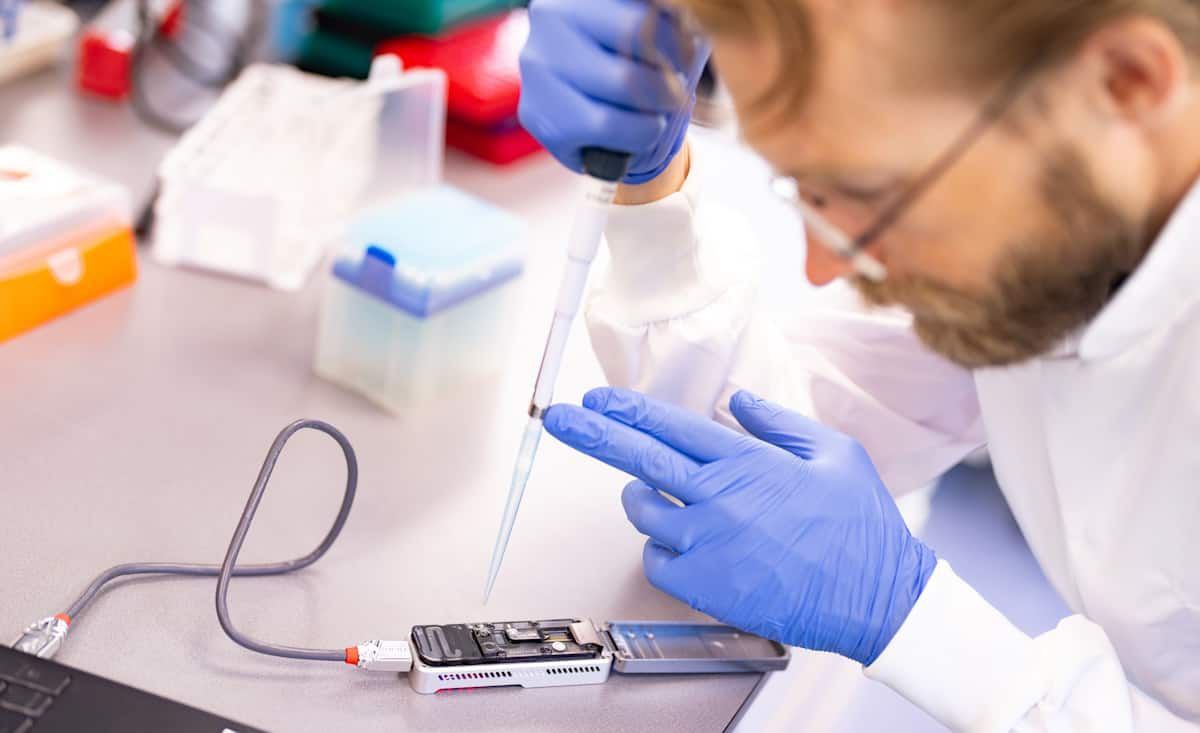
A new tool combines rapid DNA sequencing and artificial intelligence to classify brain tumours during surgery.
✅Source : Click here
━━━━━━━━━━━
☢ @Physics ⚡
✅Source : Click here
━━━━━━━━━━━
☢ @Physics ⚡
👍11❤4🔥4😱1
Fermat's principle, also known as the principle of least time, is the link between ray optics and wave optics. Fermat's principle states that the path taken by a ray between two given points is the path that can be traveled in the least time.
First proposed by the French mathematician Pierre de Fermat in 1662, as a means of explaining the ordinary law of refraction of light Fermat's principle was initially controversial because it seemed to ascribe knowledge and intent to nature. Not until the 19th century was it understood that nature's ability to test alternative paths is merely a fundamental property of waves. If points A and B are given, a wavefront expanding from A sweeps all possible ray paths radiating from A, whether they pass through B or not. If the wavefront reaches point B, it sweeps not only the ray path(s) from A to B, but also an infinitude of nearby paths with the same endpoints. Fermat's principle describes any ray that happens to reach point B; there is no implication that the ray "knew" the quickest path or "intended" to take that path.
━━━━━━━━━━━
☢ @Physics ⚡
First proposed by the French mathematician Pierre de Fermat in 1662, as a means of explaining the ordinary law of refraction of light Fermat's principle was initially controversial because it seemed to ascribe knowledge and intent to nature. Not until the 19th century was it understood that nature's ability to test alternative paths is merely a fundamental property of waves. If points A and B are given, a wavefront expanding from A sweeps all possible ray paths radiating from A, whether they pass through B or not. If the wavefront reaches point B, it sweeps not only the ray path(s) from A to B, but also an infinitude of nearby paths with the same endpoints. Fermat's principle describes any ray that happens to reach point B; there is no implication that the ray "knew" the quickest path or "intended" to take that path.
━━━━━━━━━━━
☢ @Physics ⚡

👍18❤7🔥7🎉2
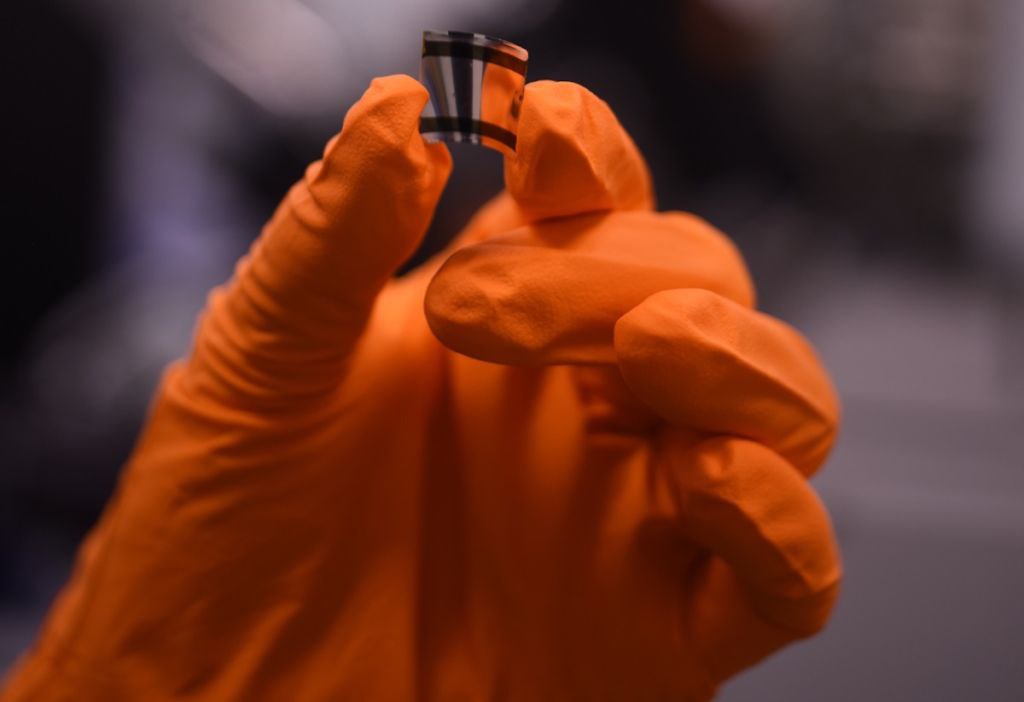
Flexible X-ray detectors based on organic semiconductors modified with high-Z heteroatoms could prove ideal for a wide range of medical imaging, radiotherapy and dosimetry applications.
✅Source : Click here
━━━━━━━━━━━
☢ @Physics ⚡
✅Source : Click here
━━━━━━━━━━━
☢ @Physics ⚡
👍9🔥9🤩3😁1
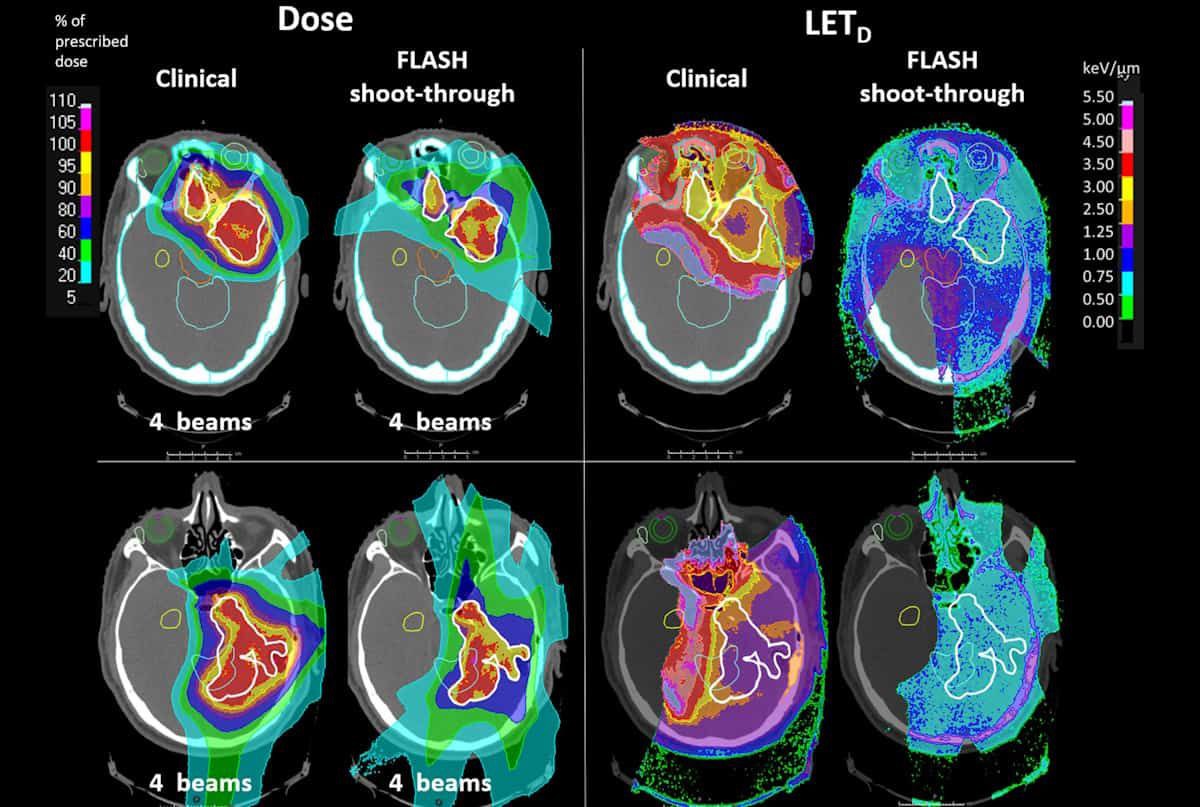
Shoot-through proton FLASH beams provide a robust approach to brain tumour treatment.
✅Source : Click here
━━━━━━━━━━━
☢ @Physics ⚡
✅Source : Click here
━━━━━━━━━━━
☢ @Physics ⚡
👍13❤4🔥4🤩3
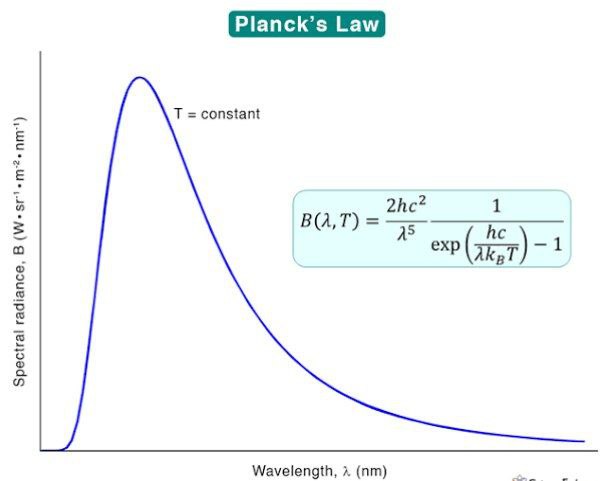
In physics, Planck's law (also Planck radiation law 1305 ) describes the spectral density of electromagnetic radiation emitted by a black body in thermal equilibrium at a given temperature T, when there is no net flow of matter or energy between the body and its environment. At the end of the 19th century, physicists were unable to explain why the observed spectrum of black-body radiation, which by then had been accurately measured, diverged significantly at higher frequencies from that predicted by existing theories. In 1900, German physicist Max Planck heuristically derived a formula for the observed spectrum by assuming that a hypothetical electrically charged oscillator in a cavity that contained black-body radiation could only change its energy in a minimal increment, E, that was proportional to the frequency of its associated electromagnetic wave. While Planck originally regarded the hypothesis of dividing energy into increments as a mathematical artifice, introduced merely to get the correct answer, other physicists including Albert Einstein built on his work, and Planck's insight is now recognized to be of fundamental importance to quantum theory.
━━━━━━━━━━━
☢ @Physics ⚡
━━━━━━━━━━━
☢ @Physics ⚡
👍17❤11🔥6
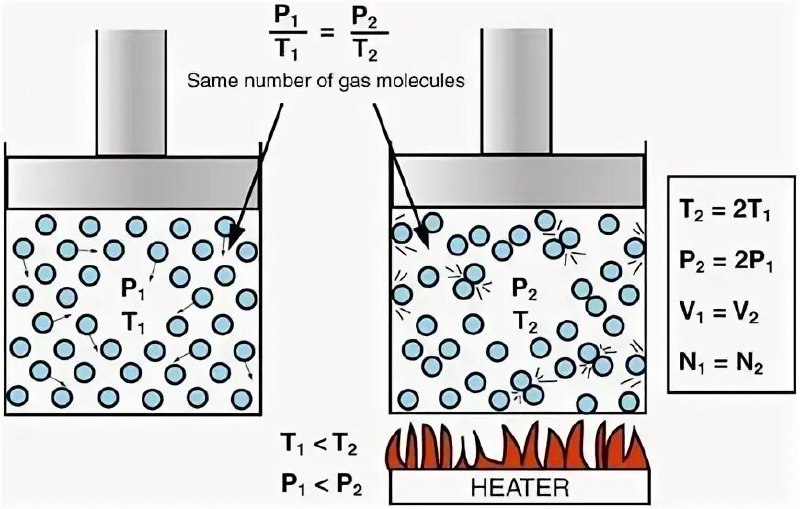
Gay-Lussac's law usually refers to Joseph-Louis Gay-Lussac's law of combining volumes of gases, discovered in 1808 and published in 1809. However, it sometimes refers to the proportionality of the volume of a gas to its absolute temperature at constant pressure. The latter law was published by Gay-Lussac in 1802, but in the article in which he described his work, he cited earlier unpublished work from the 1780s by Jacques Charles. Consequently, the volume-temperature proportionality is usually known as Charles's Law.
The law of combining volumes states that when gases chemically react together, they do so in amounts by volume which bear small whole-number ratios (the volumes calculated at standard temperature and pressure).
The ratio between the volumes of the reactant gases and the gaseous products can be expressed in simple whole numbers.
━━━━━━━━━━━
☢ @Physics ⚡
The law of combining volumes states that when gases chemically react together, they do so in amounts by volume which bear small whole-number ratios (the volumes calculated at standard temperature and pressure).
The ratio between the volumes of the reactant gases and the gaseous products can be expressed in simple whole numbers.
━━━━━━━━━━━
☢ @Physics ⚡
👍12🔥10❤8
Mysterious ultrahigh-energy cosmic ray puzzles astronomers.
✅Source : Click here
━━━━━━━━━━━
☢ @Physics ⚡
✅Source : Click here
━━━━━━━━━━━
☢ @Physics ⚡

❤24🔥6😱6👍5
Cosmic-ray exposure on space missions could cause erectile dysfunction, liquid channels in ice boost frost damage.
✅Source : Click here
━━━━━━━━━━━
☢ @Physics ⚡
✅Source : Click here
━━━━━━━━━━━
☢ @Physics ⚡

🔥7❤6👍6😱6
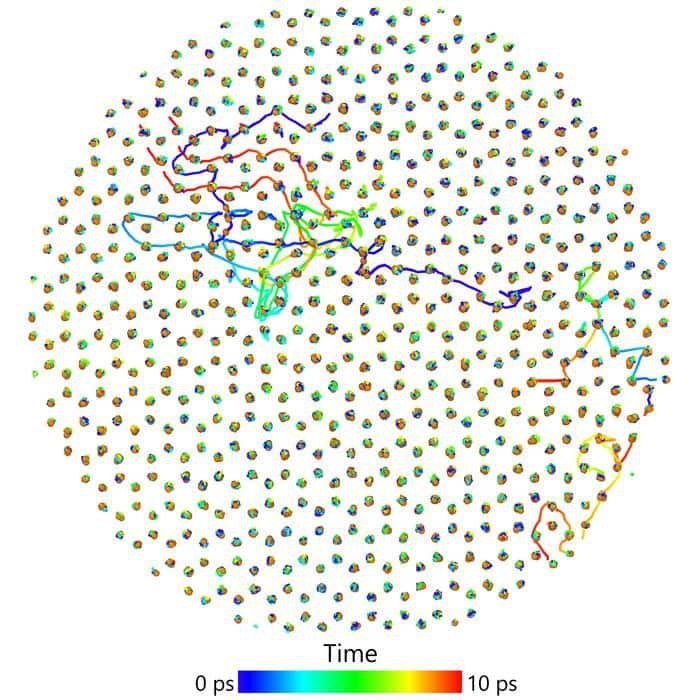
Iron atoms at the centre of the Earth move much faster than was previously thought, say researchers in the US and China.
✅ Source : Click here
━━━━━━━━━━━
☢ @Physics ⚡
✅ Source : Click here
━━━━━━━━━━━
☢ @Physics ⚡
👍17🔥6❤4😱1🎉1
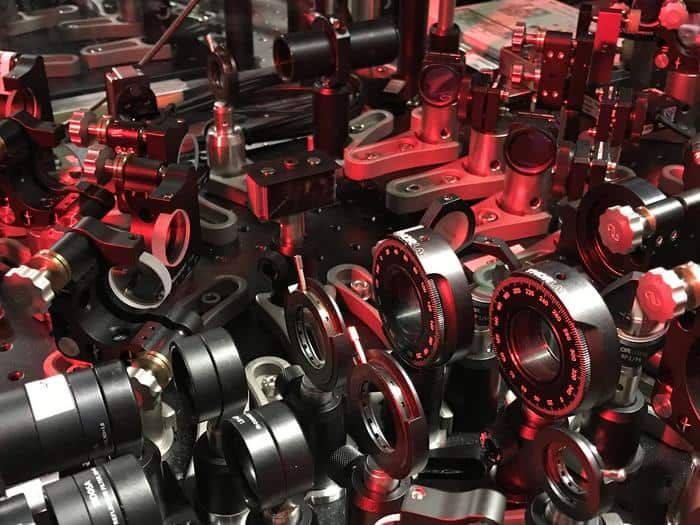
When excited with laser light, an organic material in a metastable phase behaves a little like a room-temperature superconductor. With the right light source, it might even be possible to keep the material in its superconducting-like state continuously.
✅Source : Click here
━━━━━━━━━━━
☢ @Physics ⚡
✅Source : Click here
━━━━━━━━━━━
☢ @Physics ⚡
🔥10👍7❤4