
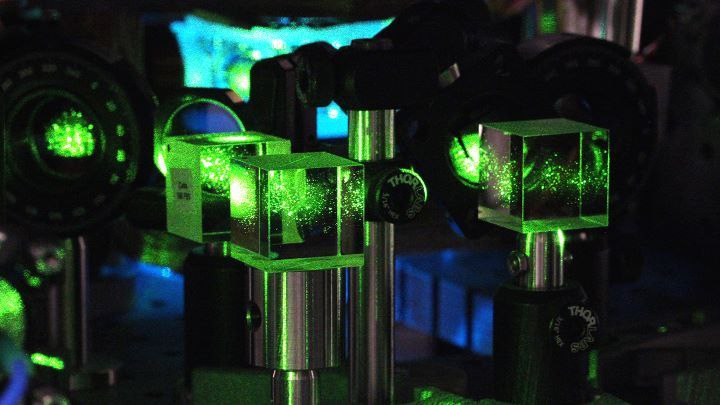
Neutral atoms are a bit of an underdog in the race to build a practical quantum computer, but three recent demonstrations of low noise, new error mitigation capacities and strong potential for scaling up are pushing them towards the front of the pack.
✅Source : Click here
━━━━━━━━━━━
☢ @Physics ⚡
✅Source : Click here
━━━━━━━━━━━
☢ @Physics ⚡
🔥13👍5❤3
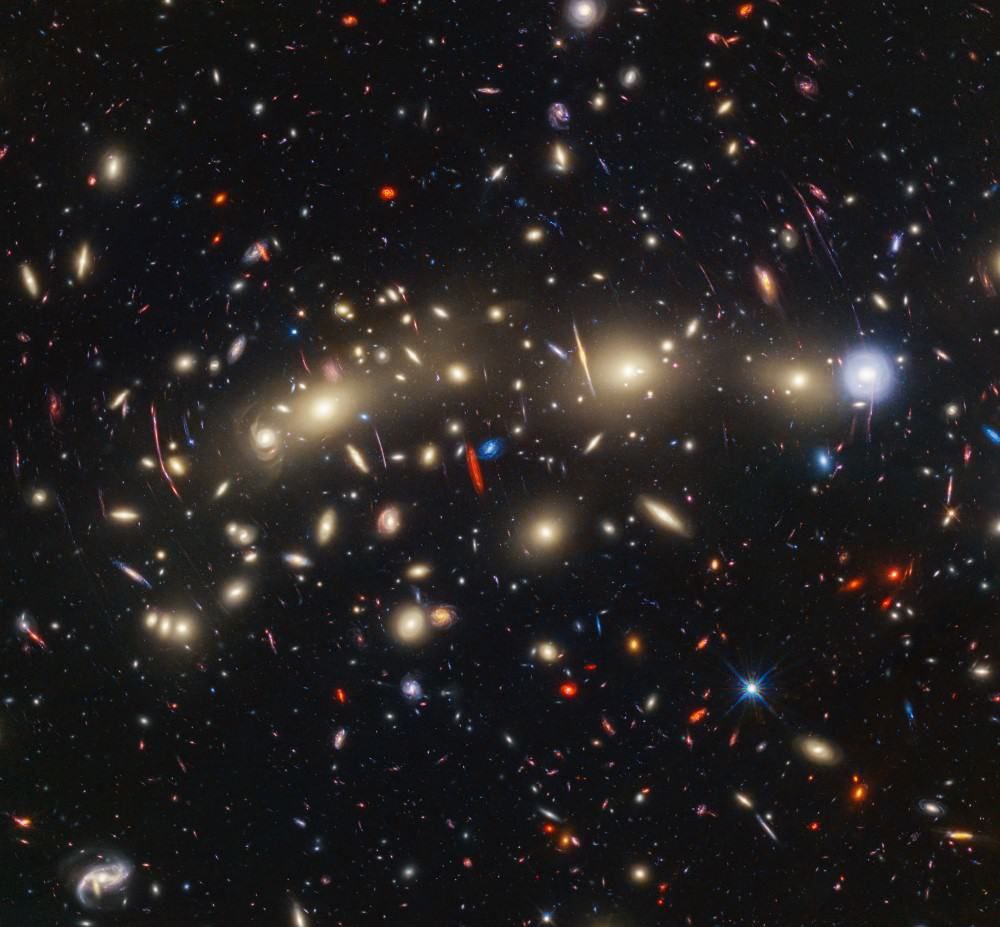
The mechanics of a belly flop, how crickets use the ground to amplify their calls and a spectacular colour image of the universe all in this week's.
✅Source : Click here
━━━━━━━━━━━
☢ @Physics ⚡
✅Source : Click here
━━━━━━━━━━━
☢ @Physics ⚡
❤13👍12🔥8
Energy-efficient transistor enables AI analysis of health data within wearable devices - without relying on cloud computing for help.
✅Source : Click here
━━━━━━━━━━━
☢ @Physics ⚡
✅Source : Click here
━━━━━━━━━━━
☢ @Physics ⚡

❤10🔥8👍6🎉2
The European Space Agency’s Euclid mission takes its first dazzling images of the cosmos.
✅Source : Click here
━━━━━━━━━━━
☢ @Physics ⚡
✅Source : Click here
━━━━━━━━━━━
☢ @Physics ⚡

🔥13👍8❤7🤩4
Wave–particle duality is the concept in quantum mechanics that quantum entities exhibit particle or wave properties according to the experimental circumstances. It expresses the inability of the classical concepts such as particle or wave to fully describe the behavior of quantum objects. During the 19th and early 20th centuries, light was found to behave as a wave, and then later discovered to have a particulate character, whereas electrons were found to act as particles, and then later discovered to have wavelike aspects. The concept of duality arose to name these contradictions. Around the year 1900 it was understood that light was a wave, and electrons as well as atoms were particles. There were a few pieces of experimental evidence that hinted at something deeper. Over the next quarter of a century there was a major change in scientific thinking with acceptance of quantization of light as well as wave behavior of electrons, all of which led to the concept of wave-particle duality.
━━━━━━━━━━━
☢ @Physics ⚡
━━━━━━━━━━━
☢ @Physics ⚡

👍25❤11🔥11
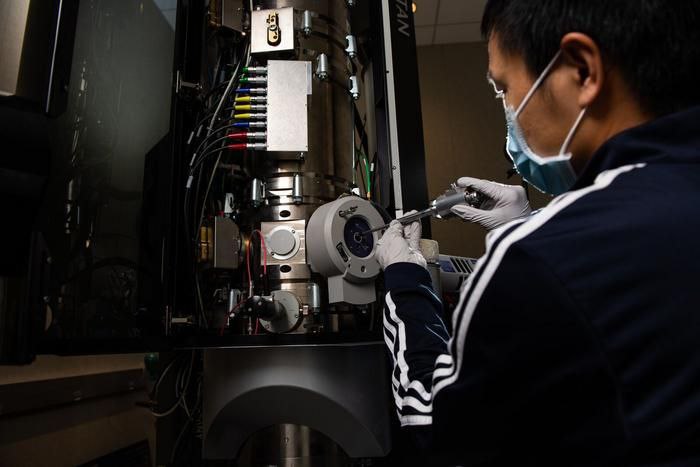
The first direct measurements of thin, supposedly insulating deposits in ageing rechargeable lithium-ion batteries have turned up a surprising result: the deposits are not a perfect insulator.
✅ Source : Click here
━━━━━━━━━━━
☢ @Physics ⚡
✅ Source : Click here
━━━━━━━━━━━
☢ @Physics ⚡
🔥7❤5👍5😱1
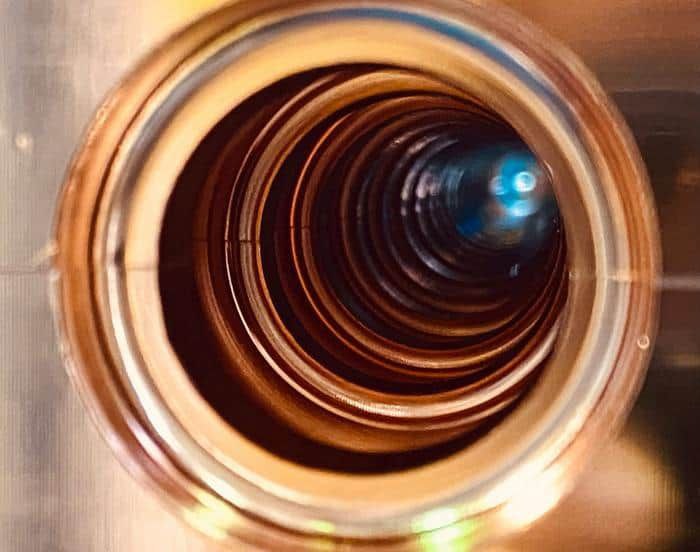
An analysis of the potential environmental impact of the Cool Copper Collider – a proposed successor to CERN’s Large Hadron Collider – finds that it could be an environmentally friendly option.
✅ Source : Click here
━━━━━━━━━━━
☢ @Physics ⚡
✅ Source : Click here
━━━━━━━━━━━
☢ @Physics ⚡
👍9❤5🔥4
Coulomb's inverse-square law, or simply Coulomb's law, is an experimental law of physics that calculates the amount of force between two electrically charged particles at rest. This electric force is conventionally called electrostatic force or Coulomb force. Although the law was known earlier, it was first published in 1785 by French physicist Charles-Augustin de Coulomb. Coulomb's law was essential to the development of the theory of electromagnetism and maybe even its starting point, as it allowed meaningful discussions of the amount of electric charge in a particle. The law states that the magnitude, or absolute value, of the attractive or repulsive electrostatic force between two point charges is directly proportional to the product of the magnitudes of their charges and inversely proportional to the squared distance between them. Coulomb discovered that bodies with like electrical charges repel:
It follows therefore from these three tests, that the repulsive force that the two balls – [that were] electrified with the same kind of electricity – exert on each other, follows the inverse proportion of the square of the distance. Ancient cultures around the Mediterranean knew that certain objects, such as rods of amber, could be rubbed with cat's fur to attract light objects like feathers and pieces of paper. Thales of Miletus made the first recorded description of static electricity around 600 BC, when he noticed that friction could make a piece of amber attract small objects.
━━━━━━━━━━━
☢ @Physics ⚡
It follows therefore from these three tests, that the repulsive force that the two balls – [that were] electrified with the same kind of electricity – exert on each other, follows the inverse proportion of the square of the distance. Ancient cultures around the Mediterranean knew that certain objects, such as rods of amber, could be rubbed with cat's fur to attract light objects like feathers and pieces of paper. Thales of Miletus made the first recorded description of static electricity around 600 BC, when he noticed that friction could make a piece of amber attract small objects.
━━━━━━━━━━━
☢ @Physics ⚡

👍29❤13🔥5😱1🤩1
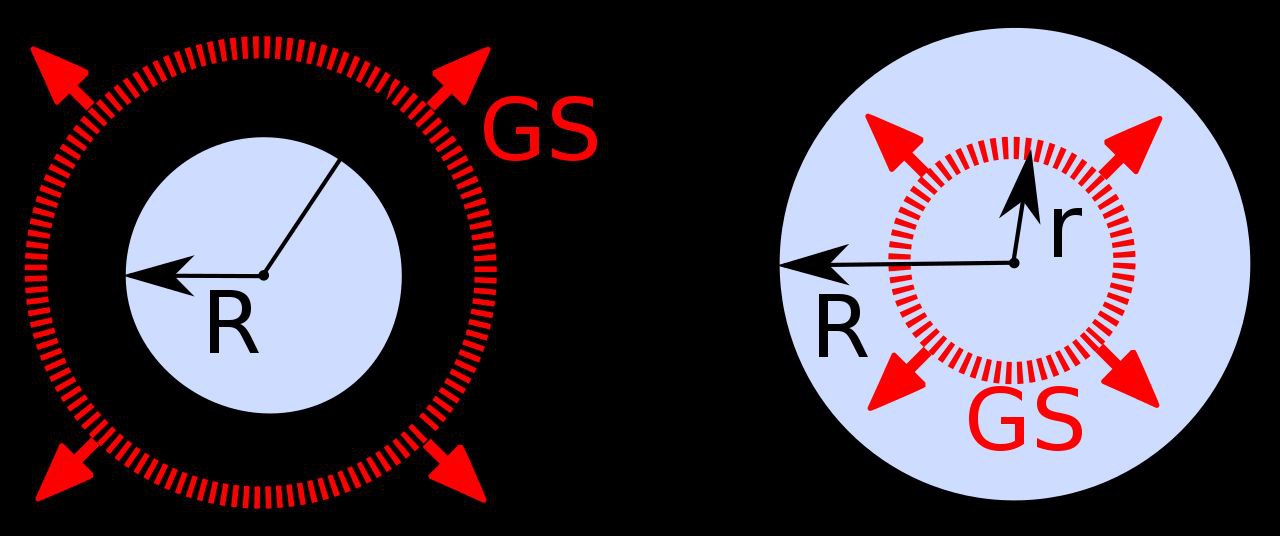
In physics (specifically electromagnetism), Gauss's law, also known as Gauss's flux theorem, (or sometimes simply called Gauss's theorem) is a law relating the distribution of electric charge to the resulting electric field. In its integral form, it states that the flux of the electric field out of an arbitrary closed surface is proportional to the electric charge enclosed by the surface, irrespective of how that charge is distributed. Even though the law alone is insufficient to determine the electric field across a surface enclosing any charge distribution, this may be possible in cases where symmetry mandates uniformity of the field. Where no such symmetry exists, Gauss's law can be used in its differential form, which states that the divergence of the electric field is proportional to the local density of charge.
The law was first formulated by Joseph-Louis Lagrange in 1773, followed by Carl Friedrich Gauss in 1835, both in the context of the attraction of ellipsoids. It is one of Maxwell's equations, which forms the basis of classical electrodynamics. Gauss's law can be used to derive Coulomb's law, and vice versa.
━━━━━━━━━━━
☢ @Physics ⚡
The law was first formulated by Joseph-Louis Lagrange in 1773, followed by Carl Friedrich Gauss in 1835, both in the context of the attraction of ellipsoids. It is one of Maxwell's equations, which forms the basis of classical electrodynamics. Gauss's law can be used to derive Coulomb's law, and vice versa.
━━━━━━━━━━━
☢ @Physics ⚡
👍14❤9🔥6😁2😱2
The Schrödinger equation is a linear partial differential equation that governs the wave function of a quantum-mechanical system. 1–2 Its discovery was a significant landmark in the development of quantum mechanics. It is named after Erwin Schrödinger, who postulated the equation in 1925 and published it in 1926, forming the basis for the work that resulted in his Nobel Prize in Physics in 1933.
Conceptually, the Schrödinger equation is the quantum counterpart of Newton's second law in classical mechanics. Given a set of known initial conditions, Newton's second law makes a mathematical prediction as to what path a given physical system will take over time. The Schrödinger equation gives the evolution over time of a wave function, the quantum-mechanical characterization of an isolated physical system. The equation was postulated by Schrödinger based on a postulate of Louis de Broglie that all matter has an associated matter wave. The equation predicted bound states of the atom in agreement with experimental observations.
━━━━━━━━━━━
☢ @Physics ⚡
Conceptually, the Schrödinger equation is the quantum counterpart of Newton's second law in classical mechanics. Given a set of known initial conditions, Newton's second law makes a mathematical prediction as to what path a given physical system will take over time. The Schrödinger equation gives the evolution over time of a wave function, the quantum-mechanical characterization of an isolated physical system. The equation was postulated by Schrödinger based on a postulate of Louis de Broglie that all matter has an associated matter wave. The equation predicted bound states of the atom in agreement with experimental observations.
━━━━━━━━━━━
☢ @Physics ⚡

❤26👍9🔥7🤩4
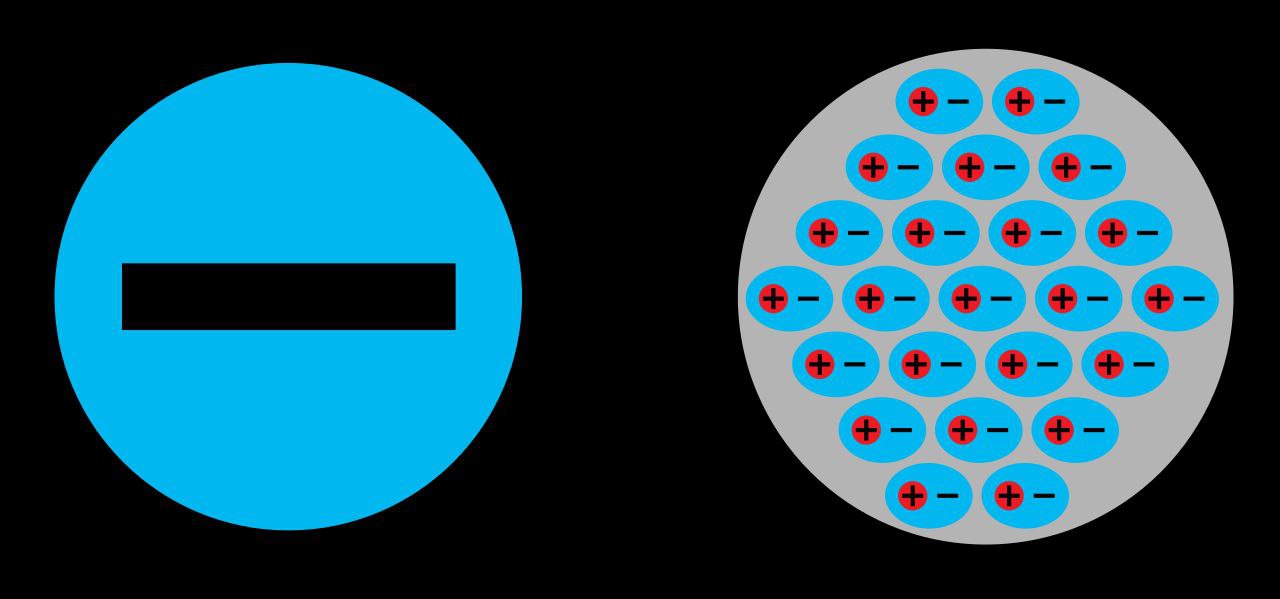
In physics, the electric displacement field (denoted by D) or electric induction is a vector field that appears in Maxwell's equations. It accounts for the electromagnetic effects of polarization and that of an electric field, combining the two in an auxiliary field. It plays a major role in topics such as the capacitance of a material, as well the response of dielectrics to electric field, and how shapes can change due to electric fields in piezoelectricity or flexoelectricity as well as the creation of voltages and charge transfer due to elastic strains.
If an electric field is applied to an insulator, then (for instance) the negative charges can move slightly towards the positive side of the field, and the positive charges in the other direction. This leads to an induced dipole which is described as a polarization. There can be slightly different movements of the negative electrons and positive nuclei in molecules, or different displacements of the atoms in an ionic compound. Materials which do not have an inversion center display piezoelectricity and always have a polarization; in others spatially varying strains can break the inversion symmetry and lead to polarization, the flexoelectric effect. Other stimuli such as magnetic fields can lead to polarization in some materials, this being called the magnetoelectric effect.
━━━━━━━━━━━
☢ @Physics ⚡
If an electric field is applied to an insulator, then (for instance) the negative charges can move slightly towards the positive side of the field, and the positive charges in the other direction. This leads to an induced dipole which is described as a polarization. There can be slightly different movements of the negative electrons and positive nuclei in molecules, or different displacements of the atoms in an ionic compound. Materials which do not have an inversion center display piezoelectricity and always have a polarization; in others spatially varying strains can break the inversion symmetry and lead to polarization, the flexoelectric effect. Other stimuli such as magnetic fields can lead to polarization in some materials, this being called the magnetoelectric effect.
━━━━━━━━━━━
☢ @Physics ⚡
👍11🔥9❤4🎉2