
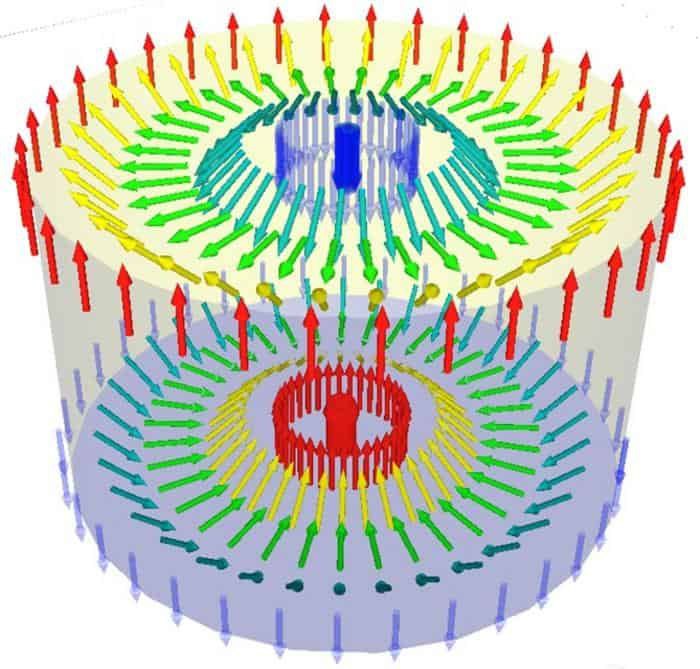
Skyrmions diffuse more than 10 times faster than their natural drift rate in specially-designed materials. The extra speed could be a boon for novel forms of computing based on random processes like Brownian motion.
✅Source : Click here
━━━━━━━━━━━
☢ @Physics ⚡
✅Source : Click here
━━━━━━━━━━━
☢ @Physics ⚡
❤10🔥7👍5😱1
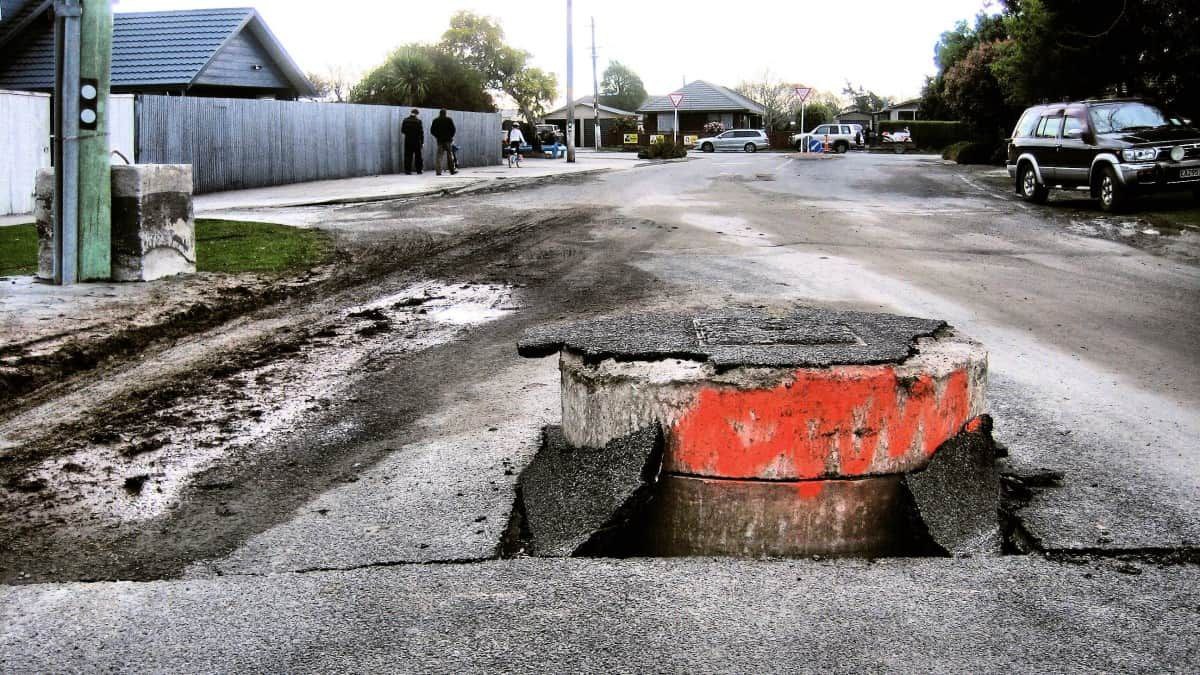
Contrary to conventional wisdom, soil liquefaction during earthquakes can occur away from epicentres, in drained conditions, and at relatively low seismic energy density levels.
✅Source : Click here
━━━━━━━━━━━
☢ @Physics ⚡
✅Source : Click here
━━━━━━━━━━━
☢ @Physics ⚡
👍9❤8🔥6🎉3
A centrifugal governor is a specific type of governor with a feedback system that controls the speed of an engine by regulating the flow of fuel or working fluid, so as to maintain a near-constant speed. It uses the principle of proportional control. Centrifugal governors, also known as "centrifugal regulators" and "fly-ball governors", were invented by Christiaan Huygens and used to regulate the distance and pressure between millstones in windmills in the 17th century. In 1788, James Watt adapted one to control his steam engine where it regulates the admission of steam into the cylinder(s), a development that proved so important he is sometimes called the inventor. Centrifugal governors' widest use was on steam engines during the Steam Age in the 19th century. They are also found on stationary internal combustion engines and variously fueled turbines, and in some modern striking clocks.
A simple governor does not maintain an exact speed but a speed range, since under increasing load the governor opens the throttle as the speed (RPM) decreases.
━━━━━━━━━━━
☢ @Physics ⚡
A simple governor does not maintain an exact speed but a speed range, since under increasing load the governor opens the throttle as the speed (RPM) decreases.
━━━━━━━━━━━
☢ @Physics ⚡

👍23🔥11❤8
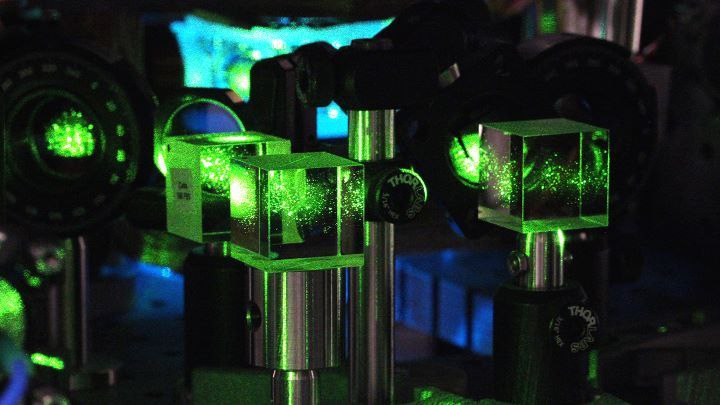
Neutral atoms are a bit of an underdog in the race to build a practical quantum computer, but three recent demonstrations of low noise, new error mitigation capacities and strong potential for scaling up are pushing them towards the front of the pack.
✅Source : Click here
━━━━━━━━━━━
☢ @Physics ⚡
✅Source : Click here
━━━━━━━━━━━
☢ @Physics ⚡
🔥13👍5❤3
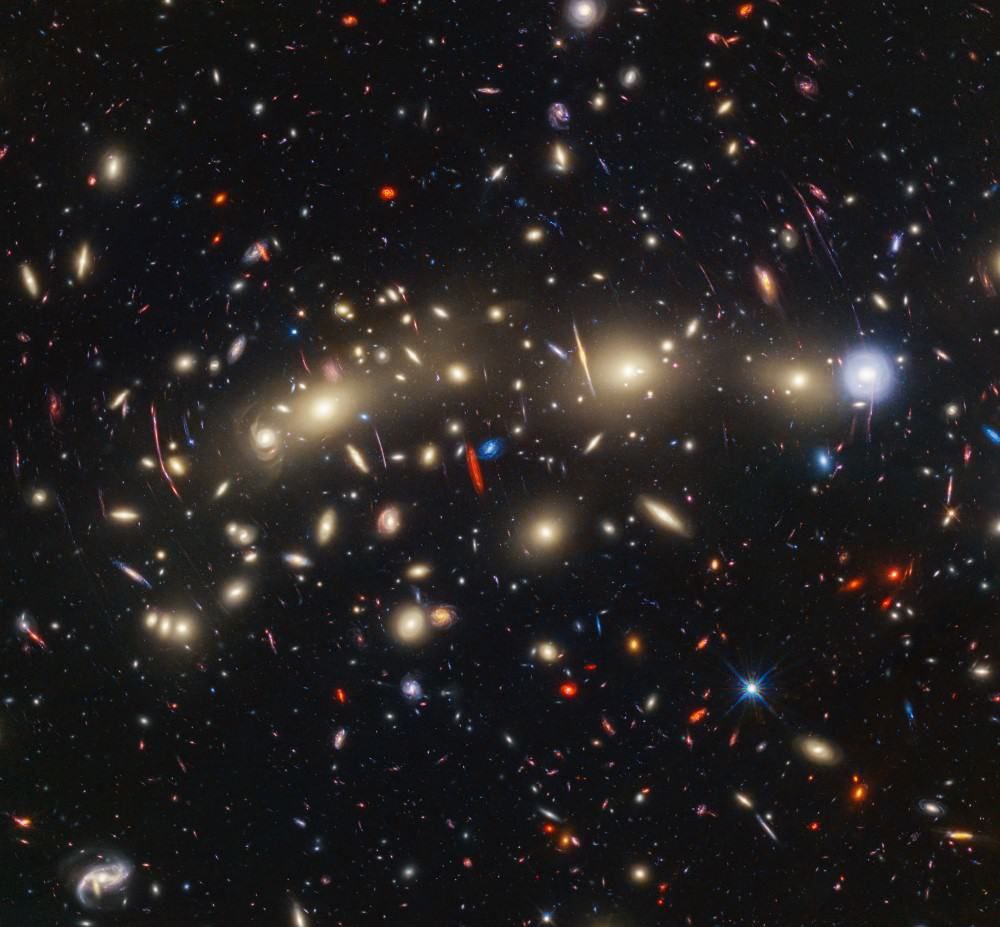
The mechanics of a belly flop, how crickets use the ground to amplify their calls and a spectacular colour image of the universe all in this week's.
✅Source : Click here
━━━━━━━━━━━
☢ @Physics ⚡
✅Source : Click here
━━━━━━━━━━━
☢ @Physics ⚡
❤13👍12🔥8
Energy-efficient transistor enables AI analysis of health data within wearable devices - without relying on cloud computing for help.
✅Source : Click here
━━━━━━━━━━━
☢ @Physics ⚡
✅Source : Click here
━━━━━━━━━━━
☢ @Physics ⚡

❤10🔥8👍6🎉2
The European Space Agency’s Euclid mission takes its first dazzling images of the cosmos.
✅Source : Click here
━━━━━━━━━━━
☢ @Physics ⚡
✅Source : Click here
━━━━━━━━━━━
☢ @Physics ⚡

🔥13👍8❤7🤩4
Wave–particle duality is the concept in quantum mechanics that quantum entities exhibit particle or wave properties according to the experimental circumstances. It expresses the inability of the classical concepts such as particle or wave to fully describe the behavior of quantum objects. During the 19th and early 20th centuries, light was found to behave as a wave, and then later discovered to have a particulate character, whereas electrons were found to act as particles, and then later discovered to have wavelike aspects. The concept of duality arose to name these contradictions. Around the year 1900 it was understood that light was a wave, and electrons as well as atoms were particles. There were a few pieces of experimental evidence that hinted at something deeper. Over the next quarter of a century there was a major change in scientific thinking with acceptance of quantization of light as well as wave behavior of electrons, all of which led to the concept of wave-particle duality.
━━━━━━━━━━━
☢ @Physics ⚡
━━━━━━━━━━━
☢ @Physics ⚡

👍25❤11🔥11
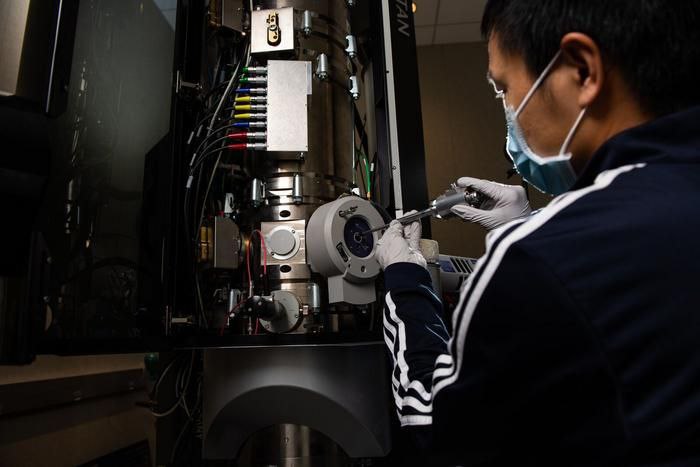
The first direct measurements of thin, supposedly insulating deposits in ageing rechargeable lithium-ion batteries have turned up a surprising result: the deposits are not a perfect insulator.
✅ Source : Click here
━━━━━━━━━━━
☢ @Physics ⚡
✅ Source : Click here
━━━━━━━━━━━
☢ @Physics ⚡
🔥7❤5👍5😱1
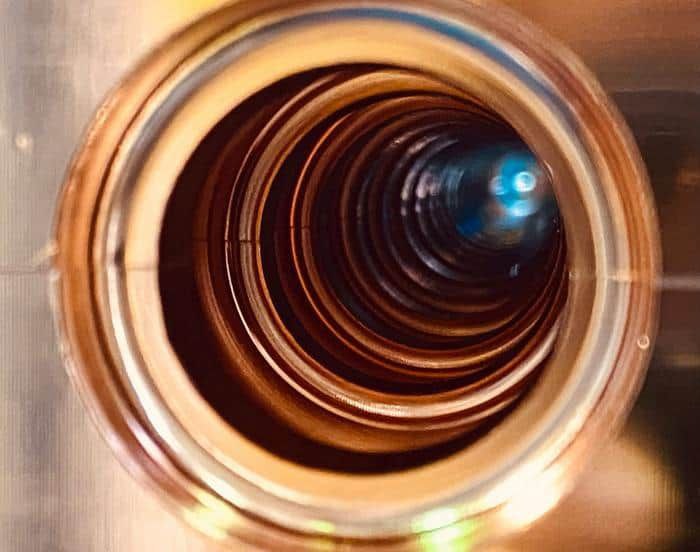
An analysis of the potential environmental impact of the Cool Copper Collider – a proposed successor to CERN’s Large Hadron Collider – finds that it could be an environmentally friendly option.
✅ Source : Click here
━━━━━━━━━━━
☢ @Physics ⚡
✅ Source : Click here
━━━━━━━━━━━
☢ @Physics ⚡
👍9❤5🔥4