
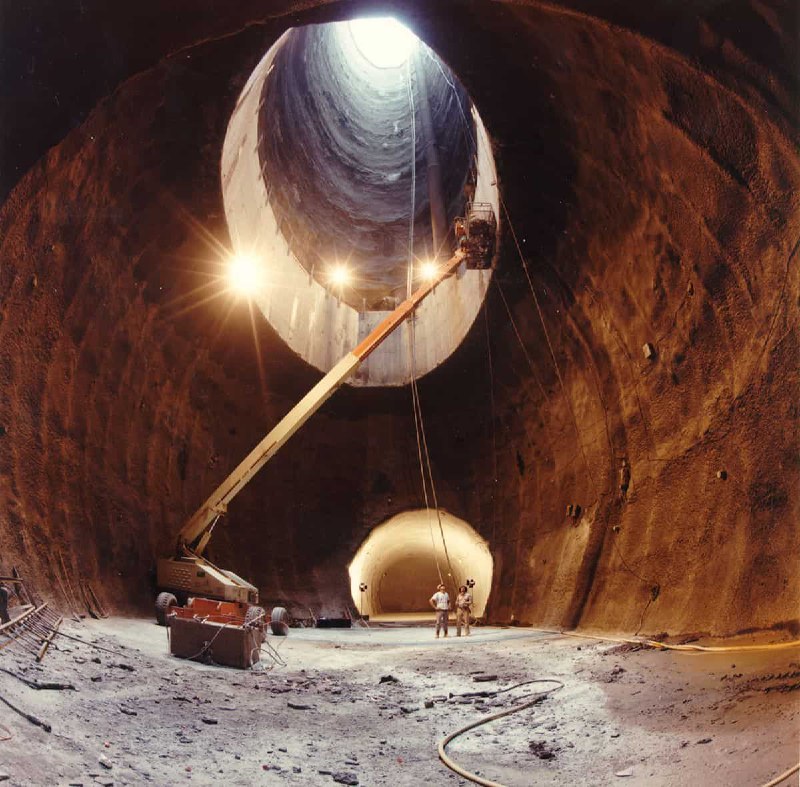
Physicist and science historian Michael Riordan ponders whether a different approach would have saved the Superconducting Super Collider from cancellation.
✅Source : Click Here
━━━━━━━━━━━
☢ @Physics ⚡
✅Source : Click Here
━━━━━━━━━━━
☢ @Physics ⚡
❤15👍9🔥8🎉4
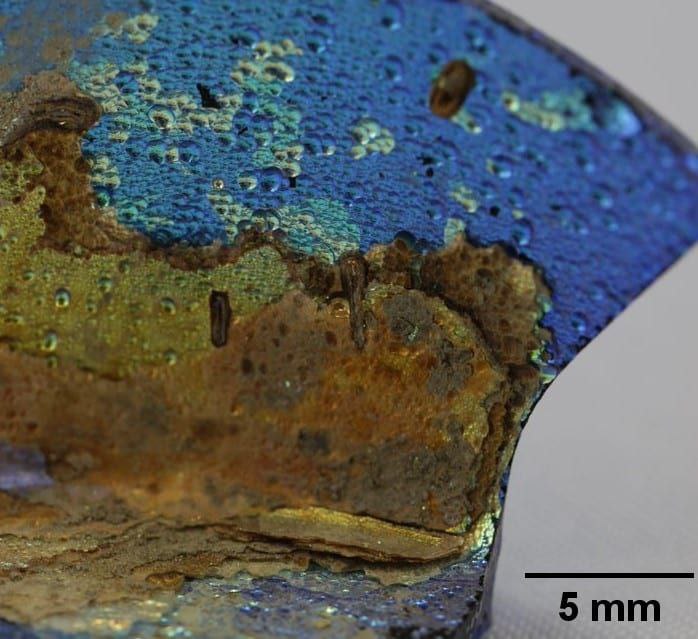
A distinctive iridescent patina on an ancient Roman glass fragment stems from a photonic crystal structure that formed naturally within the material over time.
✅Source : Click here
━━━━━━━━━━━
☢ @Physics ⚡
✅Source : Click here
━━━━━━━━━━━
☢ @Physics ⚡
👍14❤10🔥7
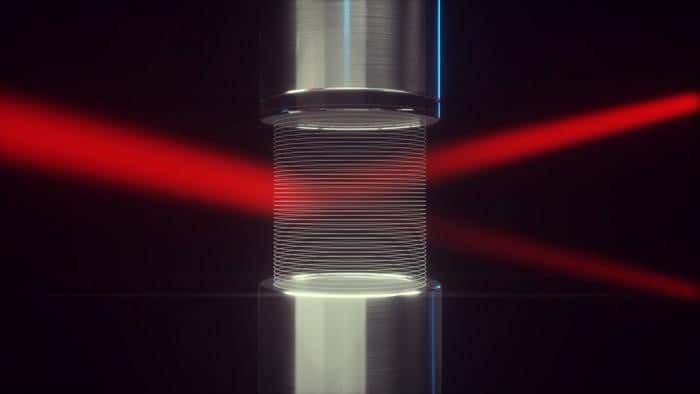
Ultrasound waves in air have been used to manipulate powerful laser beams – in a first claimed by researchers.
✅Source : Click here
━━━━━━━━━━━
☢ @Physics ⚡
✅Source : Click here
━━━━━━━━━━━
☢ @Physics ⚡
👍15❤11🔥11
Researchers develop a magnetoelectric implant that enables wireless stimulation of nerve cells in response to magnetic pulses.
✅Source : Click here
━━━━━━━━━━━
☢ @Physics ⚡
✅Source : Click here
━━━━━━━━━━━
☢ @Physics ⚡

👍14❤9😱8🔥7
A centrifuge is a device that uses centrifugal force to subject a specimen to a specified constant force, for example to separate various components of a fluid. This is achieved by spinning the fluid at high speed within a container, thereby separating fluids of different densities (e.g. cream from milk) or liquids from solids. It works by causing denser substances and particles to move outward in the radial direction. At the same time, objects that are less dense are displaced and moved to the centre. In a laboratory centrifuge that uses sample tubes, the radial acceleration causes denser particles to settle to the bottom of the tube, while low-density substances rise to the top. A centrifuge can be a very effective filter that separates contaminants from the main body of fluid.
━━━━━━━━━━━
☢ @Physics ⚡
━━━━━━━━━━━
☢ @Physics ⚡

👍30❤15🔥4
Researchers discover that the Kortokoff sounds heard through a stethoscope may not be sound waves at all.
✅Source : Click here
━━━━━━━━━━━
☢ @Physics ⚡
✅Source : Click here
━━━━━━━━━━━
☢ @Physics ⚡

🔥13👍7❤6
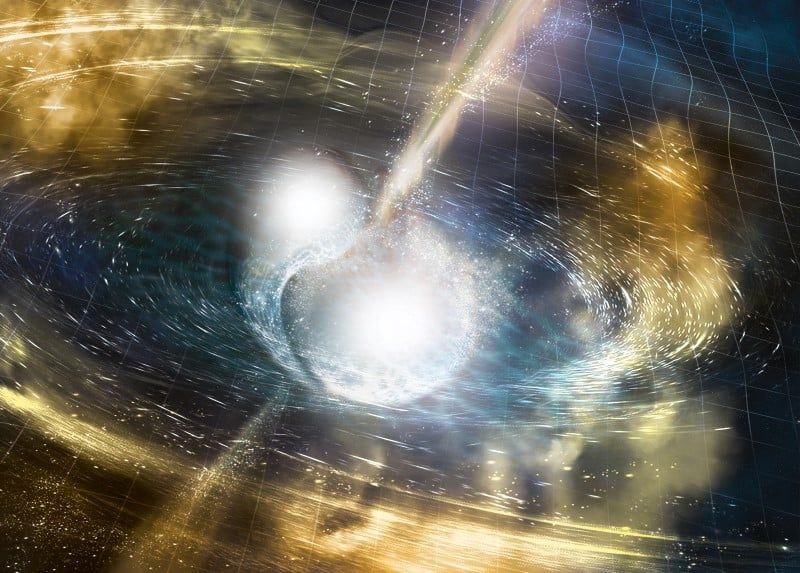
Two studies find evidence for the production of tellurium in neutron star mergers, strengthening the case that such cosmic collisions are responsible for most of the heavy elements in the universe.
✅Source : Click here
━━━━━━━━━━━
☢ @Physics ⚡
✅Source : Click here
━━━━━━━━━━━
☢ @Physics ⚡
❤15👍7🔥5
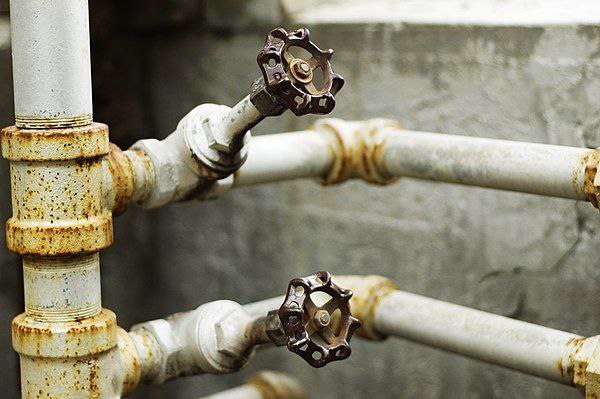
A valve is a device or natural object that regulates, directs or controls the flow of a fluid (gases, liquids, fluidized solids, or slurries) by opening, closing, or partially obstructing various passageways. Valves are technically fittings, but are usually discussed as a separate category. In an open valve, fluid flows in a direction from higher pressure to lower pressure. The word is derived from the Latin valva, the moving part of a door, in turn from volvere, to turn, roll.
The simplest, and very ancient, valve is simply a freely hinged flap which swings down to obstruct fluid (gas or liquid) flow in one direction, but is pushed up by the flow itself when the flow is moving in the opposite direction. This is called a check valve, as it prevents or "checks" the flow in one direction. Modern control valves may regulate pressure or flow downstream and operate on sophisticated automation systems.
━━━━━━━━━━━
☢ @Physics ⚡
The simplest, and very ancient, valve is simply a freely hinged flap which swings down to obstruct fluid (gas or liquid) flow in one direction, but is pushed up by the flow itself when the flow is moving in the opposite direction. This is called a check valve, as it prevents or "checks" the flow in one direction. Modern control valves may regulate pressure or flow downstream and operate on sophisticated automation systems.
━━━━━━━━━━━
☢ @Physics ⚡
👍19❤8🔥7
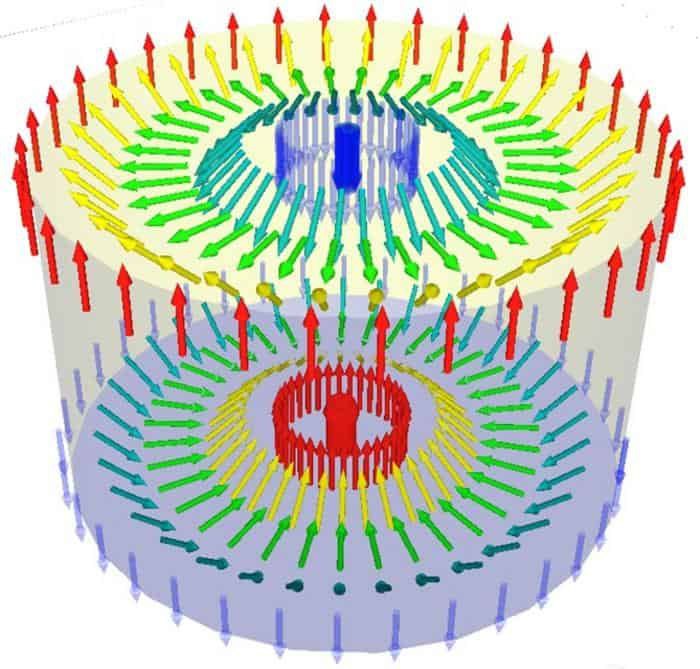
Skyrmions diffuse more than 10 times faster than their natural drift rate in specially-designed materials. The extra speed could be a boon for novel forms of computing based on random processes like Brownian motion.
✅Source : Click here
━━━━━━━━━━━
☢ @Physics ⚡
✅Source : Click here
━━━━━━━━━━━
☢ @Physics ⚡
❤10🔥7👍5😱1
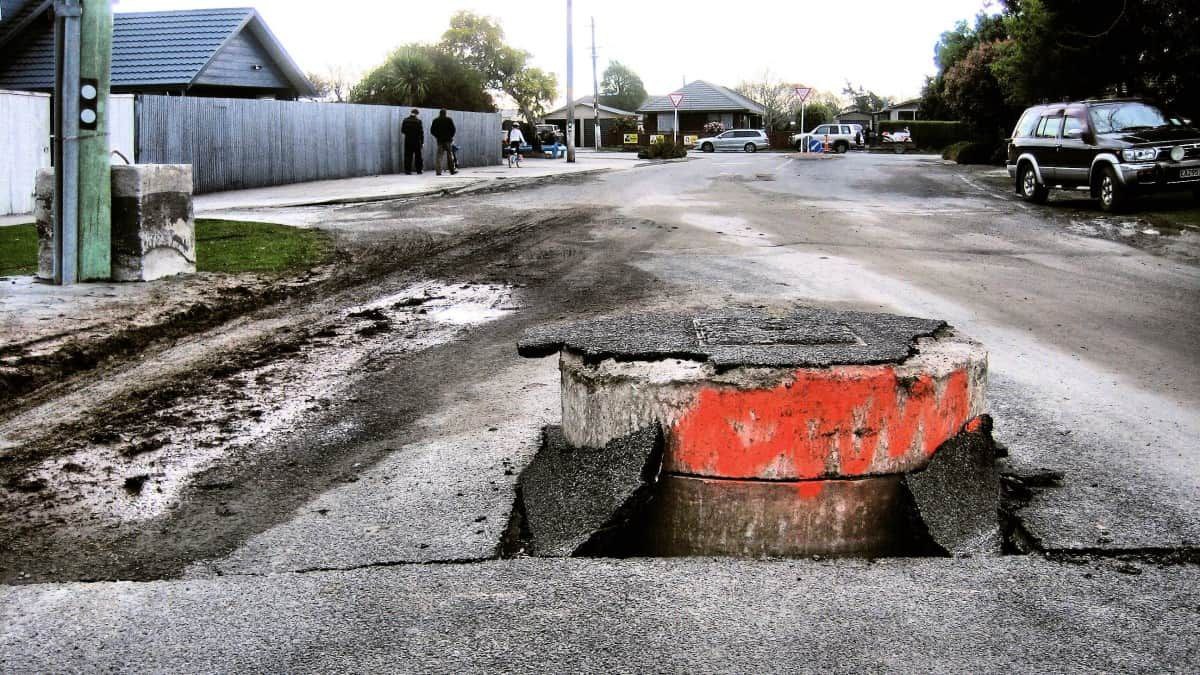
Contrary to conventional wisdom, soil liquefaction during earthquakes can occur away from epicentres, in drained conditions, and at relatively low seismic energy density levels.
✅Source : Click here
━━━━━━━━━━━
☢ @Physics ⚡
✅Source : Click here
━━━━━━━━━━━
☢ @Physics ⚡
👍9❤8🔥6🎉3
A centrifugal governor is a specific type of governor with a feedback system that controls the speed of an engine by regulating the flow of fuel or working fluid, so as to maintain a near-constant speed. It uses the principle of proportional control. Centrifugal governors, also known as "centrifugal regulators" and "fly-ball governors", were invented by Christiaan Huygens and used to regulate the distance and pressure between millstones in windmills in the 17th century. In 1788, James Watt adapted one to control his steam engine where it regulates the admission of steam into the cylinder(s), a development that proved so important he is sometimes called the inventor. Centrifugal governors' widest use was on steam engines during the Steam Age in the 19th century. They are also found on stationary internal combustion engines and variously fueled turbines, and in some modern striking clocks.
A simple governor does not maintain an exact speed but a speed range, since under increasing load the governor opens the throttle as the speed (RPM) decreases.
━━━━━━━━━━━
☢ @Physics ⚡
A simple governor does not maintain an exact speed but a speed range, since under increasing load the governor opens the throttle as the speed (RPM) decreases.
━━━━━━━━━━━
☢ @Physics ⚡

👍23🔥11❤8