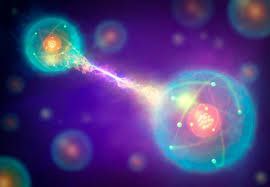
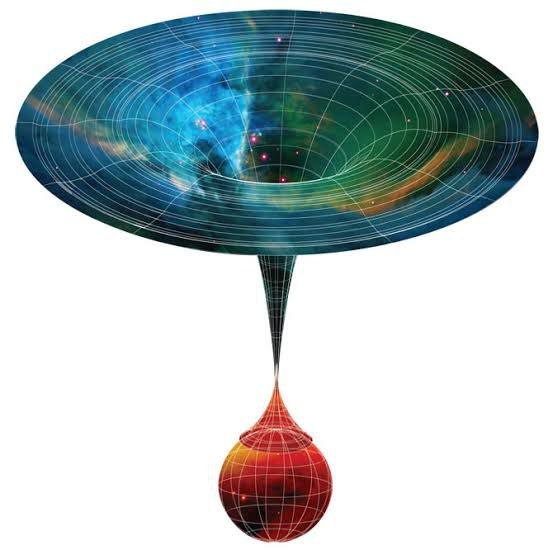
Quantum entanglement is a physical phenomenon that occurs when a group of particles are generated, interact, or share spatial proximity in a way such that the quantum state of each particle of the group cannot be described independently of the state of the others, including when the particles are separated by a large distance. The topic of quantum entanglement is at the heart of the disparity between classical and quantum physics: entanglement is a primary feature of quantum mechanics lacking in classical mechanics.
━━━━━━━━━━━━━
☢ @Physics ⚡
━━━━━━━━━━━━━
☢ @Physics ⚡
👍2
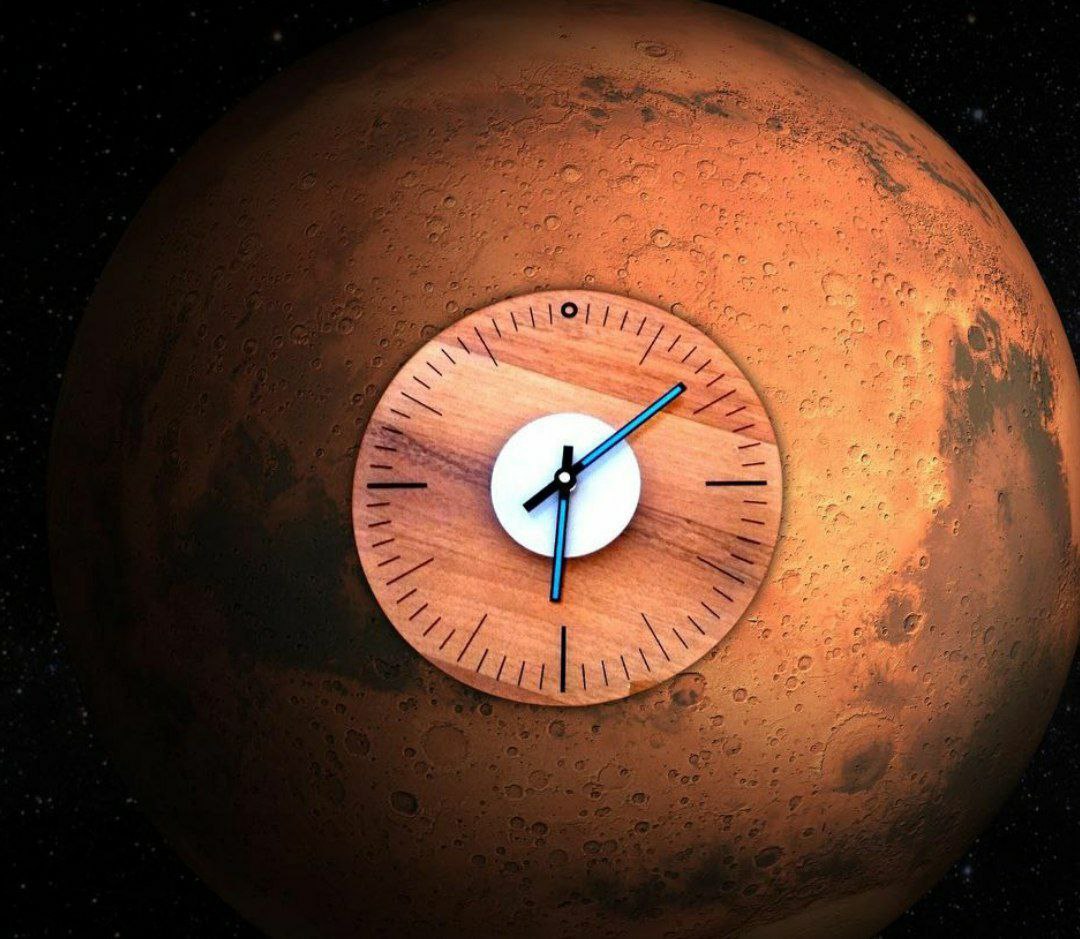
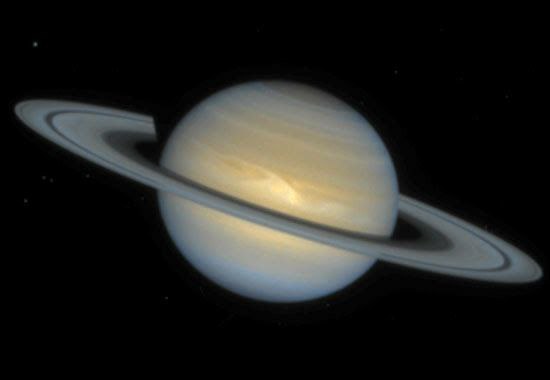
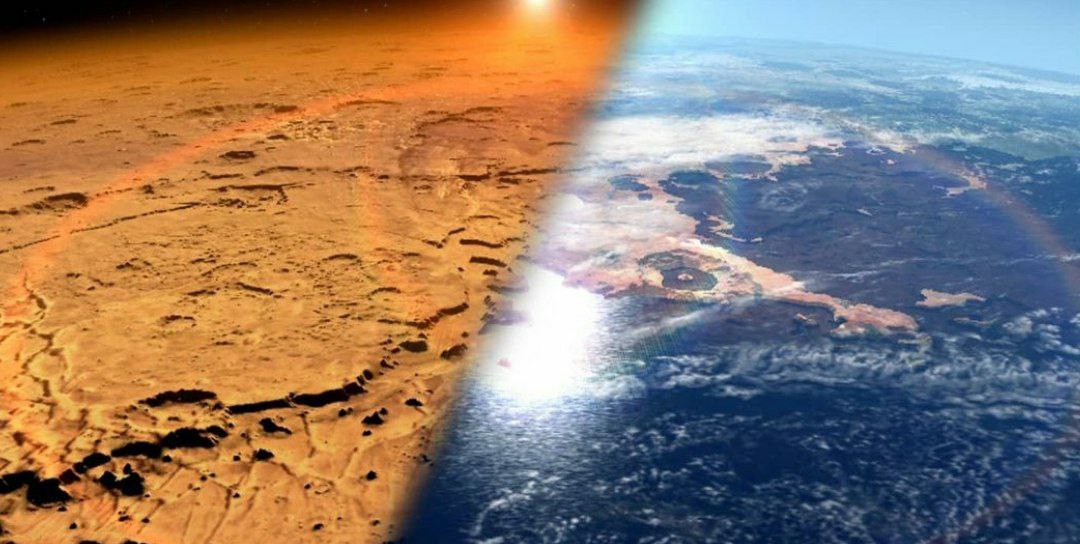
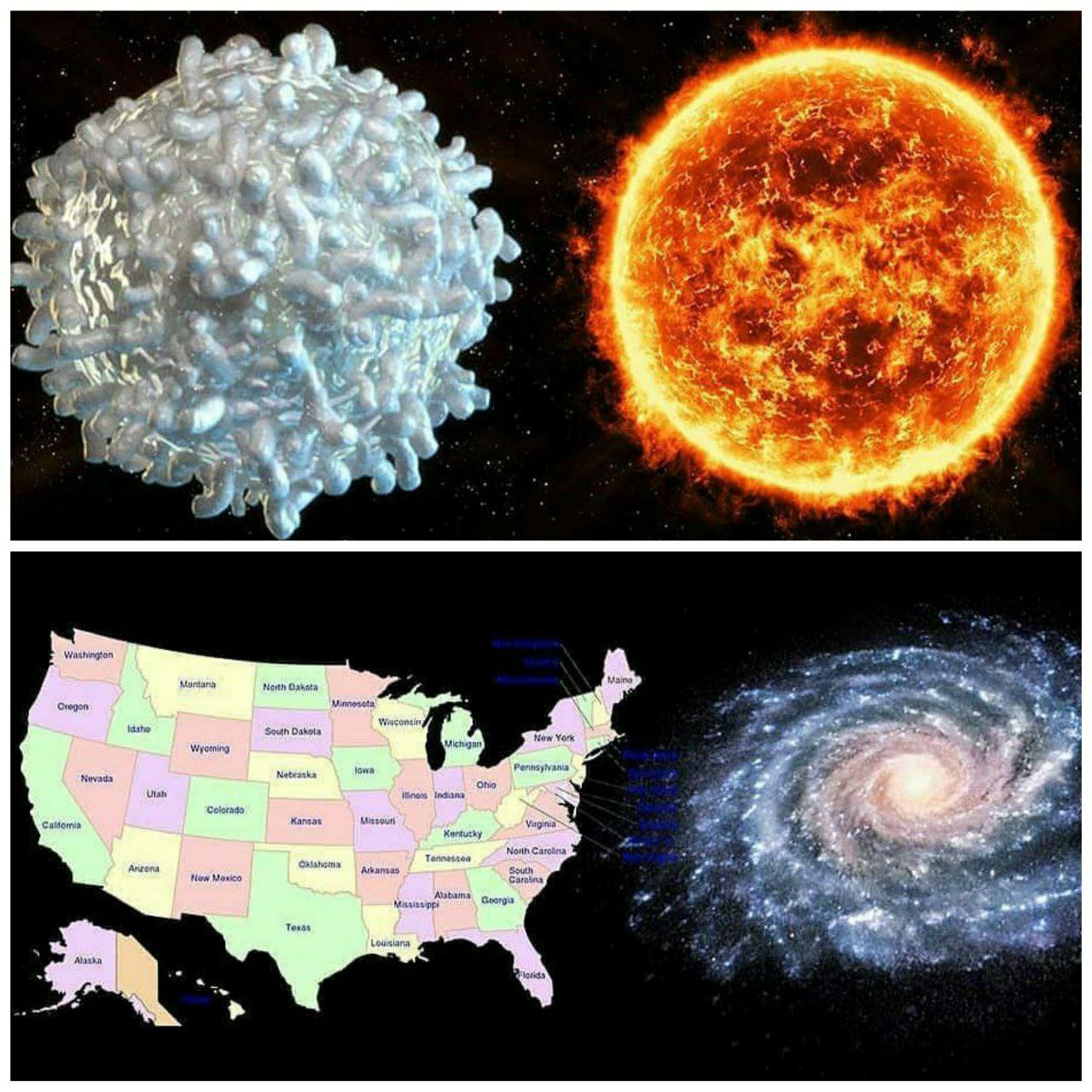
In quantum field theory, a false vacuum is a hypothetical vacuum that is not actively decaying, but somewhat yet not entirely stable ("metastable"). It may last for a very long time in that state (a property known as metastability), and might eventually move to a more stable state, an event known as false vacuum decay or vacuum metastability event. The most common suggestion of how such a change might happen is called bubble nucleation – if a small region of the universe by chance reached a more stable vacuum, this "bubble" (also called "bounce") would spread.
━━━━━━━━━━━━━
☢ @Physics ⚡
━━━━━━━━━━━━━
☢ @Physics ⚡
❤2🤩1
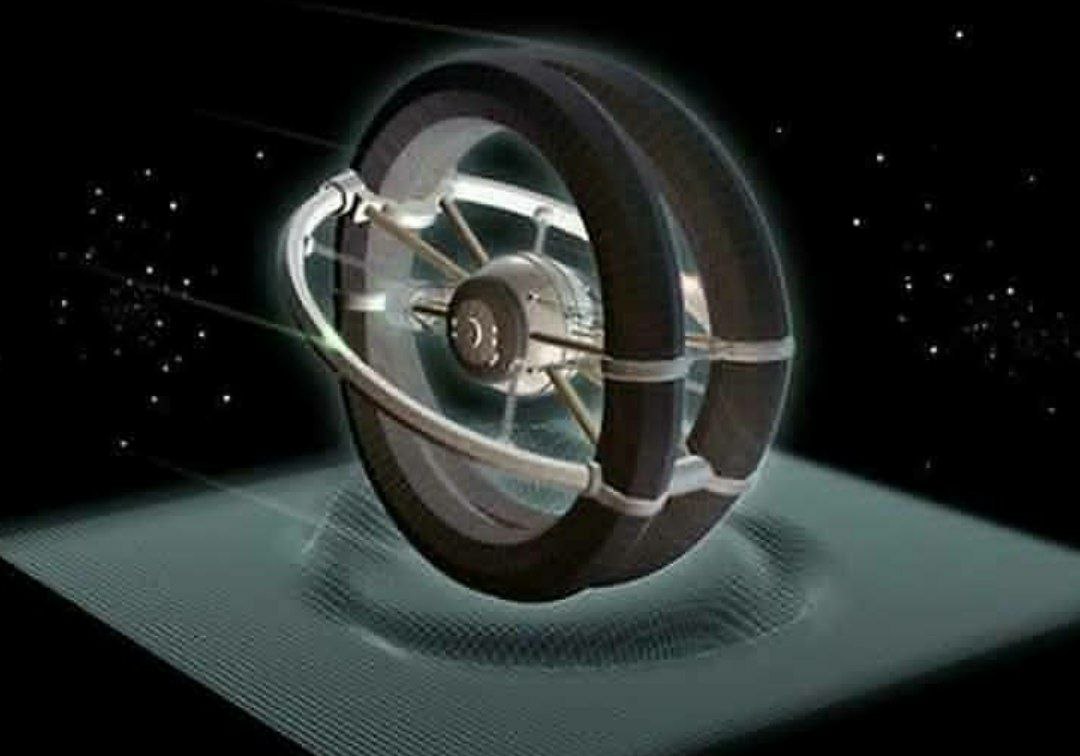
A warp drive is a fictional superluminal spacecraft propulsion system in many science fiction works, most notably Star Trek, and a subject of ongoing physics research. A spacecraft equipped with a warp drive may travel at speeds greater than that of light by many orders of magnitude.
━━━━━━━━━━━━━
☢ @Physics ⚡
━━━━━━━━━━━━━
☢ @Physics ⚡
👍2