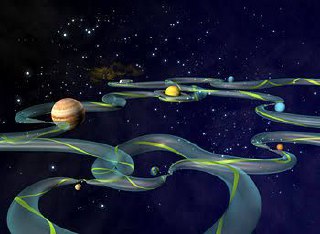
Our sun bends light. Affected by gravity, the path of a beam of light is not entirely straight. So if a beam of light from a distant star passes close to our sun, it will actually bend slightly around it. The effect on an observer—like us—is that we see stars in different spots than they are actually located.
━━━━━━━━━━━━━
☢ @Physics ⚡
━━━━━━━━━━━━━
☢ @Physics ⚡

👍2
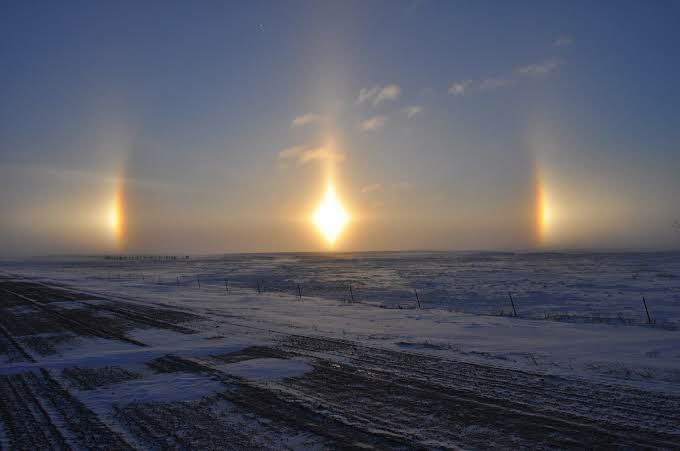
Sun dog, also called mock sun or parhelion, atmospheric optical phenomenon appearing in the sky as luminous spots 22° on each side of the Sun and at the same elevation as the Sun. Usually, the edges closest to the Sun will appear reddish. Other colours are occasionally visible, but more often the outer portions of each spot appear whitish.
━━━━━━━━━━━━━
☢ @Physics ⚡
━━━━━━━━━━━━━
☢ @Physics ⚡
🔥3

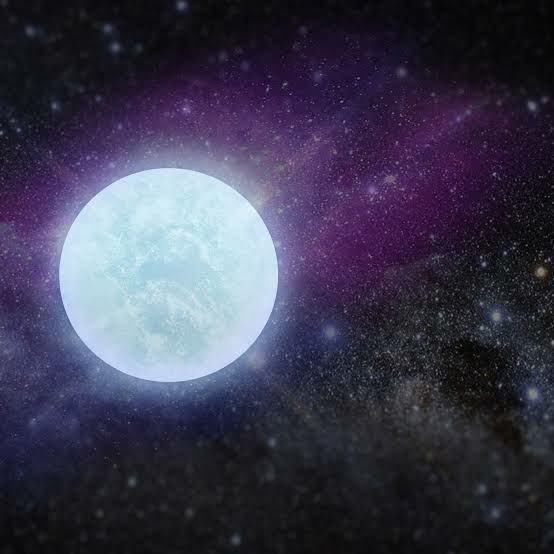


The Magnus effect is an observable phenomenon that is commonly associated with a spinning object moving through air or another fluid. The path of the spinning object is deflected in a manner that is not present when the object is not spinning. The deflection can be explained by the difference in pressure of the fluid on opposite sides of the spinning object. The Magnus Effect depends on the speed of rotation.
━━━━━━━━━━━━━
☢ @Physics ⚡
━━━━━━━━━━━━━
☢ @Physics ⚡
👍2
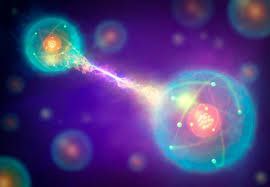
Quantum entanglement is a physical phenomenon that occurs when a group of particles are generated, interact, or share spatial proximity in a way such that the quantum state of each particle of the group cannot be described independently of the state of the others, including when the particles are separated by a large distance. The topic of quantum entanglement is at the heart of the disparity between classical and quantum physics: entanglement is a primary feature of quantum mechanics lacking in classical mechanics.
━━━━━━━━━━━━━
☢ @Physics ⚡
━━━━━━━━━━━━━
☢ @Physics ⚡
👍2