
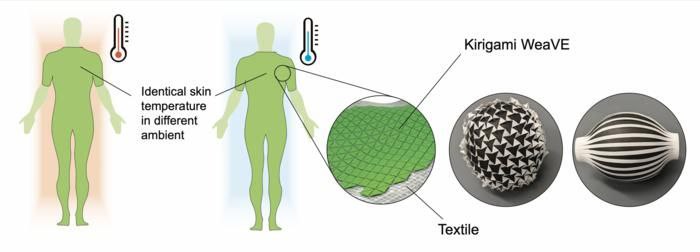
A new thermoregulating textile keeps its wearers comfortable with a minimal amount of energy input thanks to a conductive polymer that can be modified to adjust how much infrared radiation it sheds.
✅ Source: Click here
━━━━━━━━━━━
☢ @Physics ⚡
✅ Source: Click here
━━━━━━━━━━━
☢ @Physics ⚡
❤15👍13🔥4
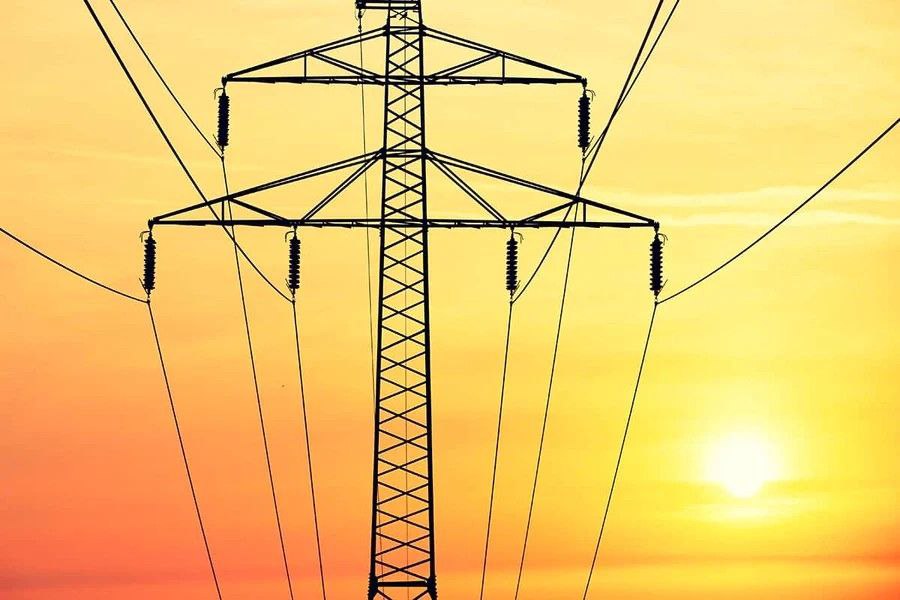
A new algorithm can identify where an electric current surge occurred in a power grid. This could make it easier to avoid outages and subsequent equipment failures along transmission lines.
✅ Source: Click here
━━━━━━━━━━━
☢ @Physics ⚡
✅ Source: Click here
━━━━━━━━━━━
☢ @Physics ⚡
👍16❤10🔥9
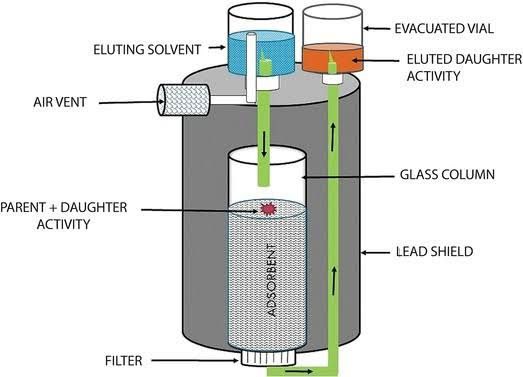
A radionuclide generator is a device which provides a local supply of a short-lived radioactive substance from the decay of a longer-lived parent radionuclide. They are commonly used in nuclear medicine to supply radiopharmacy. The generator provides a way to separate the desired product from the parent, typically in a process that can be repeated several times over the life of the parent.
Use of a generator avoids the challenge of distributing short-lived radionuclides from the original production site (typically a nuclear reactor) to individual users; the loss of activity due to decay in transit can result in too little being supplied or the need for much larger initial quantities to be sent out (incurring additional production and transport costs). An alternative to generators for on-site production of radionuclides is a cyclotron, though it is uncommon that the same radionuclide can be provided by both methods. It is feasible to have cyclotrons at larger centres, but they are much more expensive and complex than generators. In some cases a cyclotron is used to produce the parent radionuclide for a generator.
━━━━━━━━━━━
☢ @Physics ⚡
👍20❤10🔥8😱1
A linear particle accelerator (often shortened to linac) is a type of particle accelerator that accelerates charged subatomic particles or ions to a high speed by subjecting them to a series of oscillating electric potentials along a linear beamline. The principles for such machines were proposed by Gustav Ising in 1924, while the first machine that was constructed was constructed by Rolf Widerøe in 1928 at the RWTH Aachen University. Linacs have many applications: they generate X-rays and high energy electrons for medicinal purposes in radiation therapy, serve as particle injectors for higher-energy accelerators, and are used directly to achieve the highest kinetic energy for light particles (electrons and positrons) for particle physics.
━━━━━━━━━━━
☢ @Physics ⚡
━━━━━━━━━━━
☢ @Physics ⚡

👍15🔥15❤10🤩7🎉1
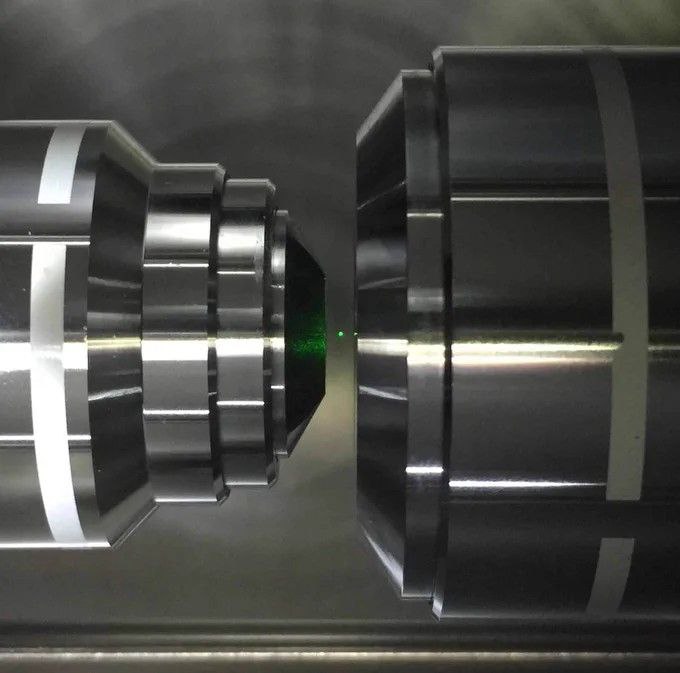
Physicists in China have developed a technique for simultaneously measuring the mass and temperature of a single nanoparticle levitating in an optical trap.
✅ Source: Click here
━━━━━━━━━━━
☢ @Physics ⚡
✅ Source: Click here
━━━━━━━━━━━
☢ @Physics ⚡
🔥20👍18❤8
A trio of US astronomers has found compelling evidence for “dark stars” – hypothetical objects powered by the annihilation of dark matter.
✅ Source: Click here
━━━━━━━━━━━
☢ @Physics ⚡
✅ Source: Click here
━━━━━━━━━━━
☢ @Physics ⚡

❤18👍7🔥5🎉3
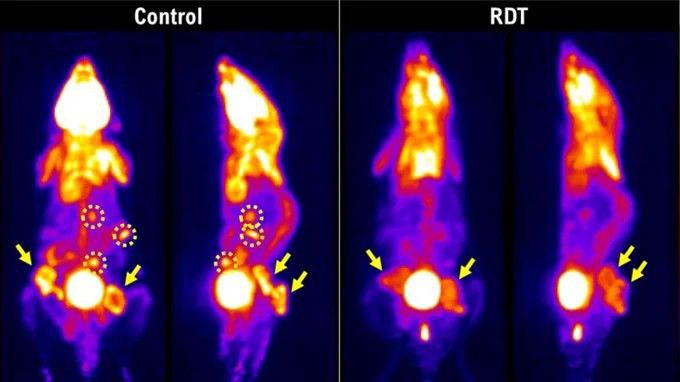
Radiodynamic therapy uses the Cherenkov radiation generated during radiotherapy to enhance tumour treatments.
✅ Source: Click here
━━━━━━━━━━━
☢ @Physics ⚡
✅ Source: Click here
━━━━━━━━━━━
☢ @Physics ⚡
👍18🔥9❤4
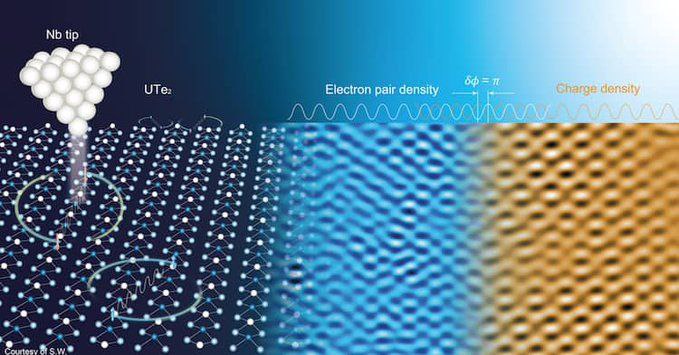
Physicists have identified a new crystalline superconducting state in uranium ditelluride. The existence of this state challenges the conventional picture of superconductivity and could have implications for the development of quantum computers.
✅ Source: Click here
━━━━━━━━━━━
☢ @Physics ⚡
✅ Source: Click here
━━━━━━━━━━━
☢ @Physics ⚡
❤18👍9🔥9😱3🎉1
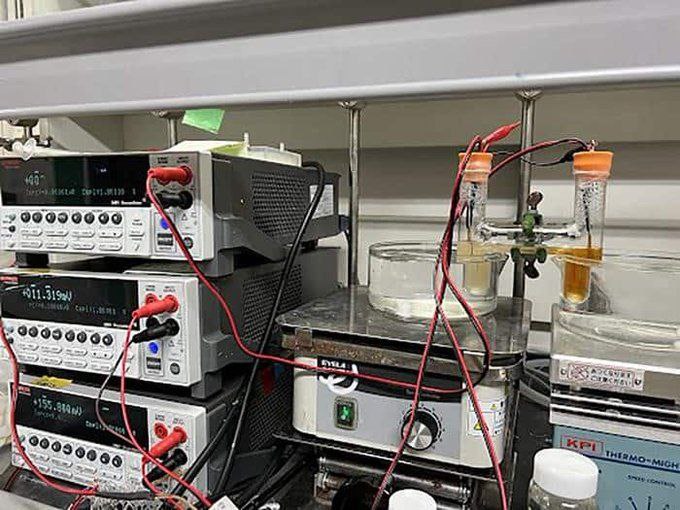
A new “thermocell” that generates a voltage by exploiting temperature-related phase transitions in a pair of electrodes has been unveiled by researchers.
✅ Source: Click here
━━━━━━━━━━━
☢ @Physics ⚡
✅ Source: Click here
━━━━━━━━━━━
☢ @Physics ⚡
👍23❤8🔥6😁1
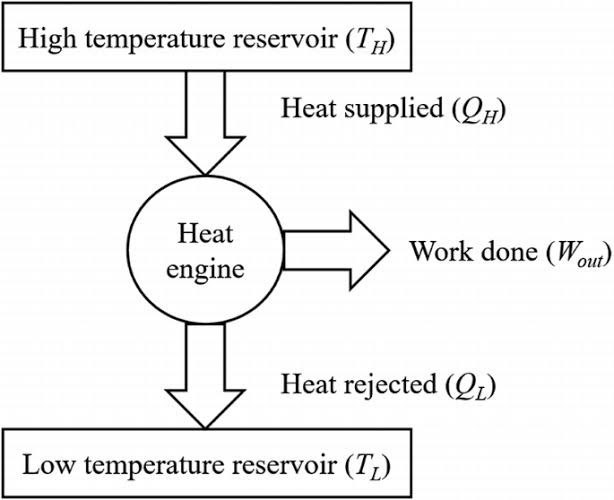
A Carnot heat engine is a theoretical heat engine that operates on the Carnot cycle. The basic model for this engine was developed by Nicolas Léonard Sadi Carnot in 1824. The Carnot engine model was graphically expanded by Benoît Paul Émile Clapeyron in 1834 and mathematically explored by Rudolf Clausius in 1857, work that led to the fundamental thermodynamic concept of entropy. The Carnot engine is the most efficient heat engine which is theoretically possible. The efficiency depends only upon the absolute temperatures of the hot and cold heat reservoirs between which it operates.
━━━━━━━━━━━
☢ @Physics ⚡
━━━━━━━━━━━
☢ @Physics ⚡
👍23🔥11❤7🤩2🎉1
Thermal radiation is electromagnetic radiation generated by the thermal motion of particles in matter. Thermal radiation is generated when heat from the movement of charges in the material (electrons and protons in common forms of matter) is converted to electromagnetic radiation. All matter with a temperature greater than absolute zero emits thermal radiation. At room temperature, most of the emission is in the infrared (IR) spectrum. Particle motion results in charge-acceleration or dipole oscillation which produces electromagnetic radiation.
━━━━━━━━━━━
☢ @Physics ⚡
━━━━━━━━━━━
☢ @Physics ⚡

👍39❤9🔥5🤩3