
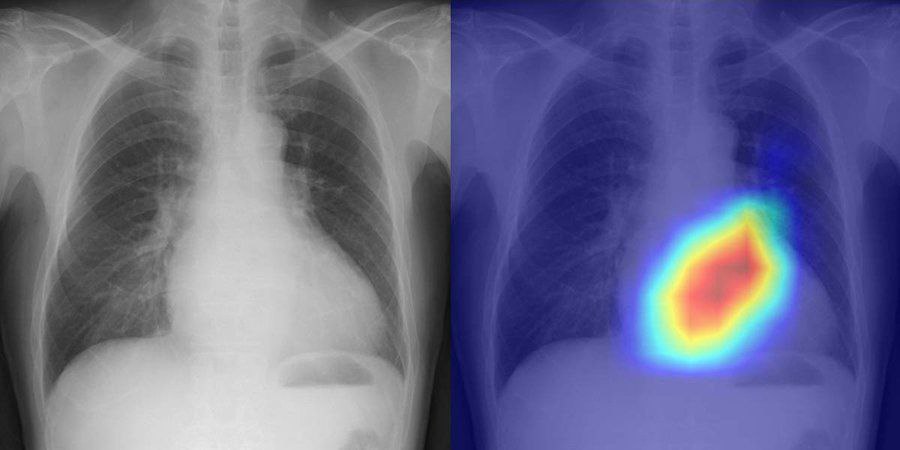
Deep-learning model uses artificial intelligence to detect and classify cardiac disease from chest X-rays.
✅ Source: Click here
━━━━━━━━━━━
☢ @Physics ⚡
✅ Source: Click here
━━━━━━━━━━━
☢ @Physics ⚡
👍22🔥12❤5😱2🎉1
The Large Hadron Collider (LHC) is the world's largest and highest-energy particle collider. It was built by the European Organization for Nuclear Research (CERN) between 1998 and 2008 in collaboration with over 10,000 scientists and hundreds of universities and laboratories, as well as more than 100 countries. It lies in a tunnel 27 kilometres (17 mi) in circumference and as deep as 175 metres (574 ft) beneath the France–Switzerland border near Geneva.
━━━━━━━━━━━
☢ @Physics ⚡
━━━━━━━━━━━
☢ @Physics ⚡

👍18🔥12❤10🎉2
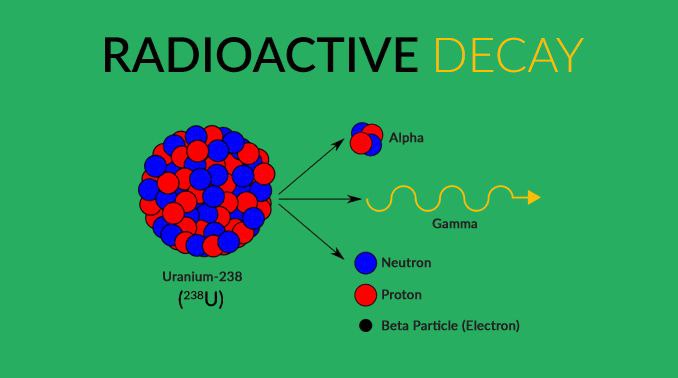
Radioactive decay (also known as nuclear decay, radioactivity, radioactive disintegration, or nuclear disintegration) is the process by which an unstable atomic nucleus loses energy by radiation. A material containing unstable nuclei is considered radioactive. Three of the most common types of decay are alpha, beta, and gamma decay, all of which involve emitting particles. The weak force is the mechanism that is responsible for beta decay, while the other two are governed by the electromagnetism and nuclear force.
━━━━━━━━━━━
☢ @Physics ⚡
━━━━━━━━━━━
☢ @Physics ⚡
👍36❤13🔥8😱1🤩1
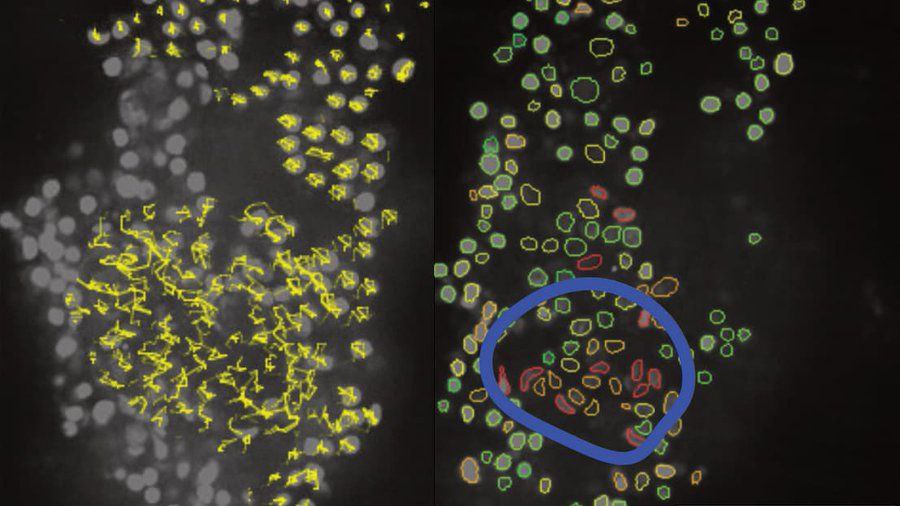
The physical concept of jamming could improve predictions of whether cancers are likely to spread.
✅ Source: Click here
━━━━━━━━━━━
☢ @Physics ⚡
✅ Source: Click here
━━━━━━━━━━━
☢ @Physics ⚡
🔥17👍11😱5
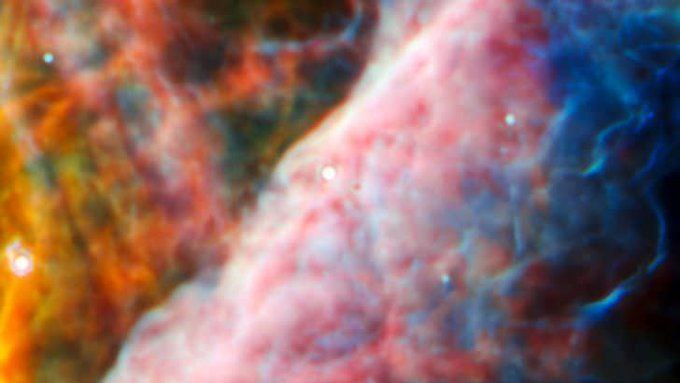
For the first time, astronomers have observed the signature of methyl cations in a planet-forming disc.
✅ Source: Click here
━━━━━━━━━━━
☢ @Physics ⚡
✅ Source: Click here
━━━━━━━━━━━
☢ @Physics ⚡
🔥26❤6👍3
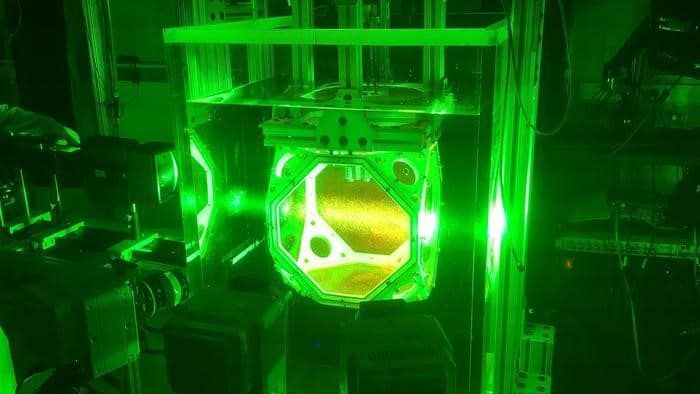
Researchers in the US have isolated a ball of turbulence inside a tank of water and sustained it by firing vortex rings from the corners of the tank.
✅ Source: Click here
━━━━━━━━━━━
☢ @Physics ⚡
✅ Source: Click here
━━━━━━━━━━━
☢ @Physics ⚡
🔥19👍12❤8
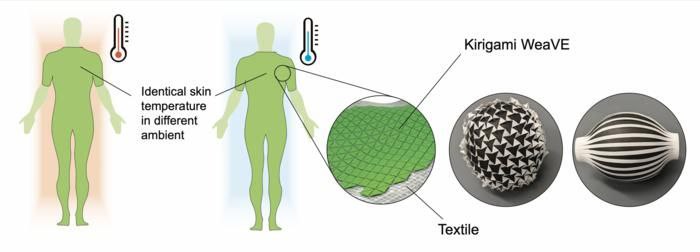
A new thermoregulating textile keeps its wearers comfortable with a minimal amount of energy input thanks to a conductive polymer that can be modified to adjust how much infrared radiation it sheds.
✅ Source: Click here
━━━━━━━━━━━
☢ @Physics ⚡
✅ Source: Click here
━━━━━━━━━━━
☢ @Physics ⚡
❤15👍13🔥4
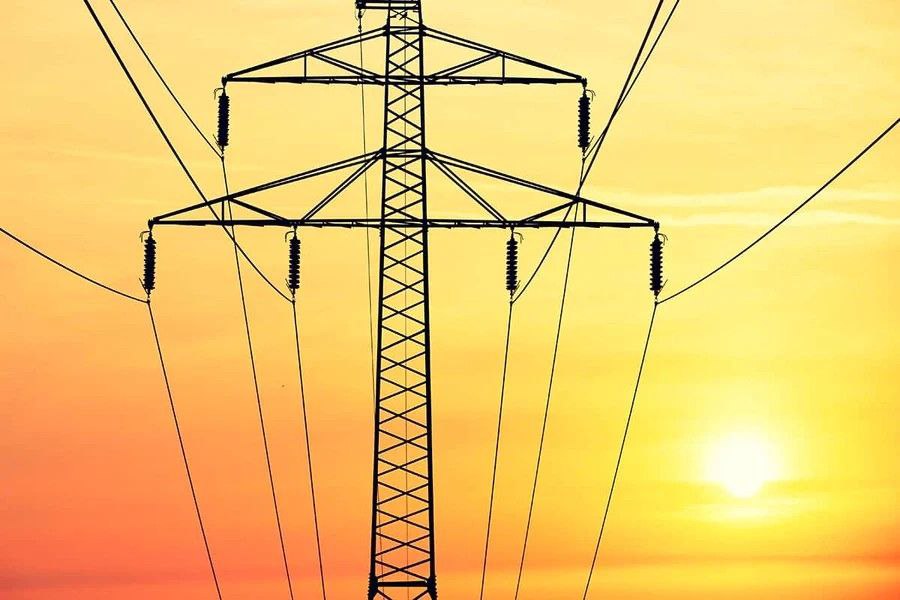
A new algorithm can identify where an electric current surge occurred in a power grid. This could make it easier to avoid outages and subsequent equipment failures along transmission lines.
✅ Source: Click here
━━━━━━━━━━━
☢ @Physics ⚡
✅ Source: Click here
━━━━━━━━━━━
☢ @Physics ⚡
👍16❤10🔥9
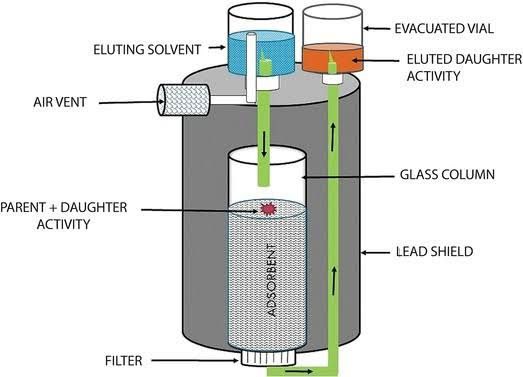
A radionuclide generator is a device which provides a local supply of a short-lived radioactive substance from the decay of a longer-lived parent radionuclide. They are commonly used in nuclear medicine to supply radiopharmacy. The generator provides a way to separate the desired product from the parent, typically in a process that can be repeated several times over the life of the parent.
Use of a generator avoids the challenge of distributing short-lived radionuclides from the original production site (typically a nuclear reactor) to individual users; the loss of activity due to decay in transit can result in too little being supplied or the need for much larger initial quantities to be sent out (incurring additional production and transport costs). An alternative to generators for on-site production of radionuclides is a cyclotron, though it is uncommon that the same radionuclide can be provided by both methods. It is feasible to have cyclotrons at larger centres, but they are much more expensive and complex than generators. In some cases a cyclotron is used to produce the parent radionuclide for a generator.
━━━━━━━━━━━
☢ @Physics ⚡
👍20❤10🔥8😱1
A linear particle accelerator (often shortened to linac) is a type of particle accelerator that accelerates charged subatomic particles or ions to a high speed by subjecting them to a series of oscillating electric potentials along a linear beamline. The principles for such machines were proposed by Gustav Ising in 1924, while the first machine that was constructed was constructed by Rolf Widerøe in 1928 at the RWTH Aachen University. Linacs have many applications: they generate X-rays and high energy electrons for medicinal purposes in radiation therapy, serve as particle injectors for higher-energy accelerators, and are used directly to achieve the highest kinetic energy for light particles (electrons and positrons) for particle physics.
━━━━━━━━━━━
☢ @Physics ⚡
━━━━━━━━━━━
☢ @Physics ⚡

👍15🔥15❤10🤩7🎉1
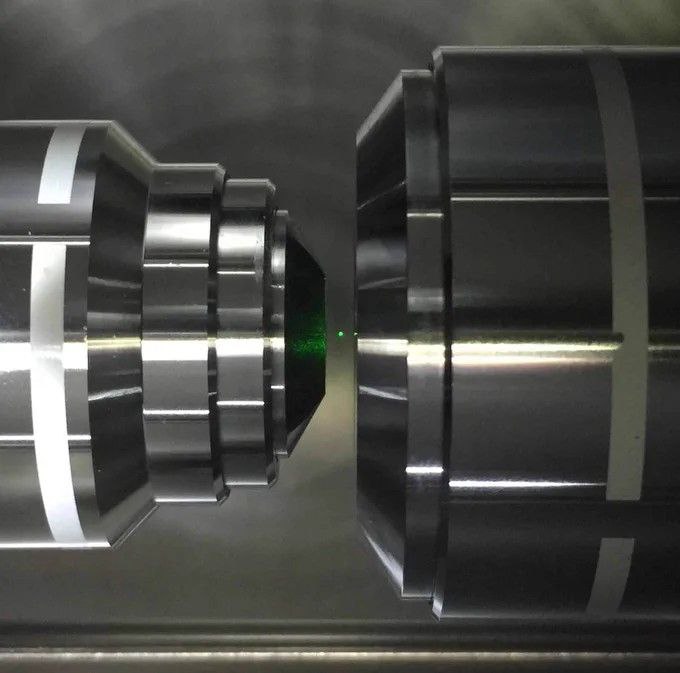
Physicists in China have developed a technique for simultaneously measuring the mass and temperature of a single nanoparticle levitating in an optical trap.
✅ Source: Click here
━━━━━━━━━━━
☢ @Physics ⚡
✅ Source: Click here
━━━━━━━━━━━
☢ @Physics ⚡
🔥20👍18❤8