
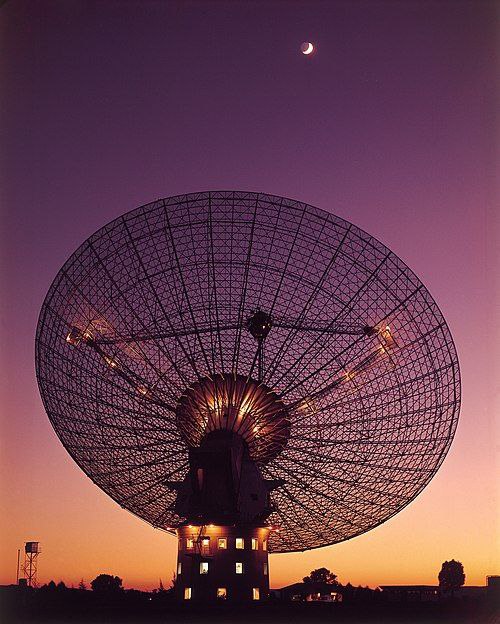
A radio telescope is a specialized antenna and radio receiver used to detect radio waves from astronomical radio sources in the sky. Radio telescopes are the main observing instrument used in radio astronomy, which studies the radio frequency portion of the electromagnetic spectrum emitted by astronomical objects, just as optical telescopes are the main observing instrument used in traditional optical astronomy which studies the light wave portion of the spectrum coming from astronomical objects. Unlike optical telescopes, radio telescopes can be used in the daytime as well as at night.
━━━━━━━━━━━
☢ @Physics ⚡
━━━━━━━━━━━
☢ @Physics ⚡
👍27🔥11❤8
An astronomical interferometer or telescope array is a set of separate telescopes, mirror segments, or radio telescope antennas that work together as a single telescope to provide higher resolution images of astronomical objects such as stars, nebulas and galaxies by means of interferometry. The advantage of this technique is that it can theoretically produce images with the angular resolution of a huge telescope with an aperture equal to the separation, called baseline, between the component telescopes. The main drawback is that it does not collect as much light as the complete instrument's mirror. Thus it is mainly useful for fine resolution of more luminous astronomical objects, such as close binary stars. Another drawback is that the maximum angular size of a detectable emission source is limited by the minimum gap between detectors in the collector array.
━━━━━━━━━━━
☢ @Physics ⚡
━━━━━━━━━━━
☢ @Physics ⚡

👍25❤10🔥7😱1
Gravitational collapse is the contraction of an astronomical object due to the influence of its own gravity, which tends to draw matter inward toward the center of gravity. Gravitational collapse is a fundamental mechanism for structure formation in the universe. Over time an initial, relatively smooth distribution of matter will collapse to form pockets of higher density, typically creating a hierarchy of condensed structures such as clusters of galaxies, stellar groups, stars and planets.
━━━━━━━━━━━
☢ @Physics ⚡
━━━━━━━━━━━
☢ @Physics ⚡

👍25🔥10❤6🤩2
A biodegradable ultrasound device implanted during tumour surgery generates a powerful acoustic wave inside the brain to open the blood–brain barrier and deliver drugs that kill any residual cancer cells.
✅ Source: Click here
━━━━━━━━━━━
☢ @Physics ⚡
✅ Source: Click here
━━━━━━━━━━━
☢ @Physics ⚡

👍28❤10🔥7😱5
Cosmic muons could provide a practical alternative to global navigation satellite systems (GNSSs) in places where radio signals cannot reach.
✅ Source: Click here
━━━━━━━━━━━
☢ @Physics ⚡
✅ Source: Click here
━━━━━━━━━━━
☢ @Physics ⚡

🔥18👍11❤10
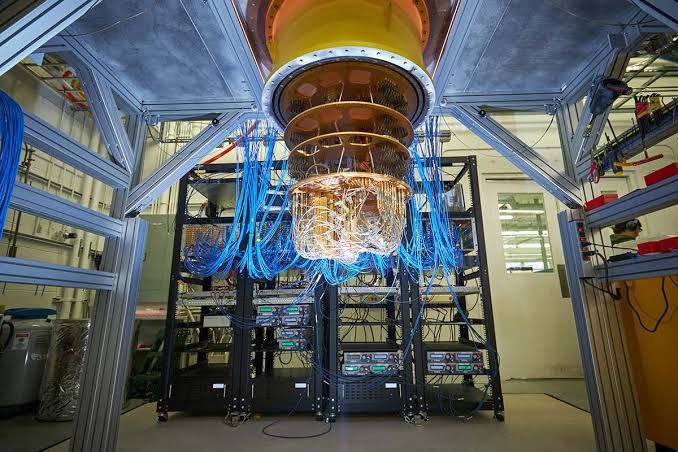
Researchers have shown how sound can be used to create two quintessentially quantum effects: superposition and interference. As a result, sound-based technologies could soon be used to create quantum computers.
✅ Source: Click here
━━━━━━━━━━━
☢ @Physics ⚡
✅ Source: Click here
━━━━━━━━━━━
☢ @Physics ⚡
❤20👍14🔥10🤩7
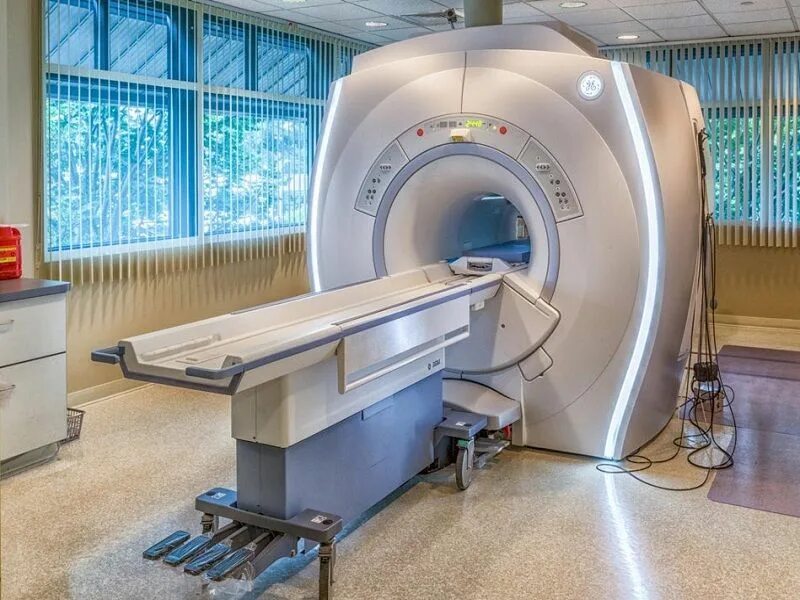
An MRI coil array that can be worn like a sports bra could improve patient comfort and enhance image quality.
✅ Source: Click here
━━━━━━━━━━━
☢ @Physics ⚡
✅ Source: Click here
━━━━━━━━━━━
☢ @Physics ⚡
🔥20👍14❤8😁2🎉2🤩2
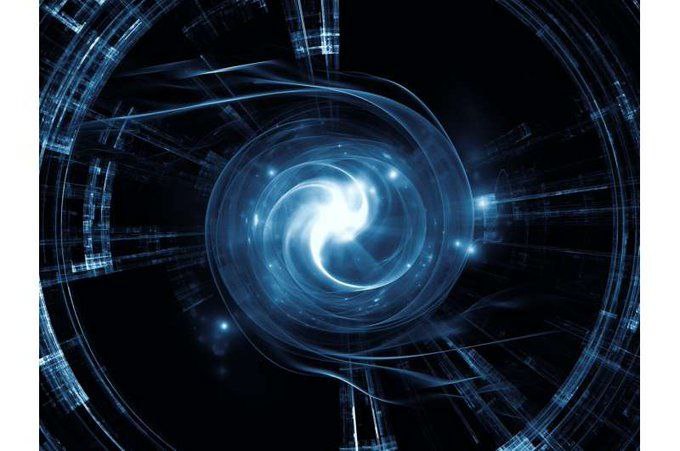
For the first time, physicists have created a strongly-interacting quantum liquid known as a Laughlin state in ultracold atoms. Observing this fractional quantum Hall state in atoms could lead to fresh insights into fundamental physics.
✅ Source: Click here
━━━━━━━━━━━
☢ @Physics ⚡
✅ Source: Click here
━━━━━━━━━━━
☢ @Physics ⚡
🔥19👍15❤8😱2😢1🎉1🤩1
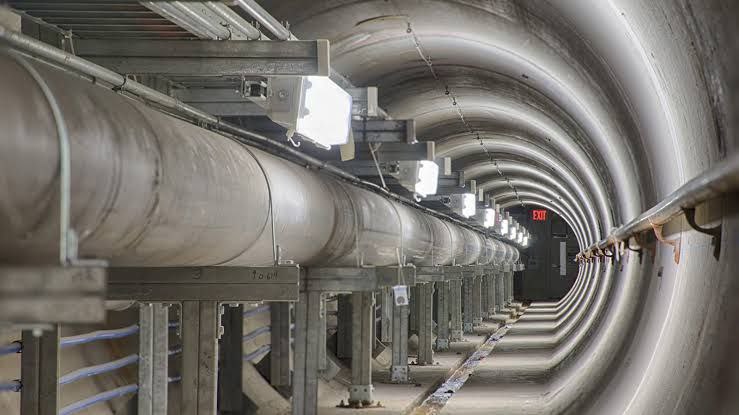
An accelerator neutrino is a human-generated neutrino or antineutrino obtained using particle accelerators, in which beam of protons is accelerated and collided with a fixed target, producing mesons (mainly pions) which then decay into neutrinos. Depending on the energy of the accelerated protons and whether mesons decay in flight or at rest it is possible to generate neutrinos of a different flavour, energy and angular distribution. Accelerator neutrinos are used to study neutrino interactions and neutrino oscillations taking advantage of high intensity of neutrino beams, as well as a possibility to control and understand their type and kinematic properties to a much greater extent than for neutrinos from other sources.
━━━━━━━━━━━
☢ @Physics ⚡
━━━━━━━━━━━
☢ @Physics ⚡
❤23👍20🔥16😢4🤩2🎉1
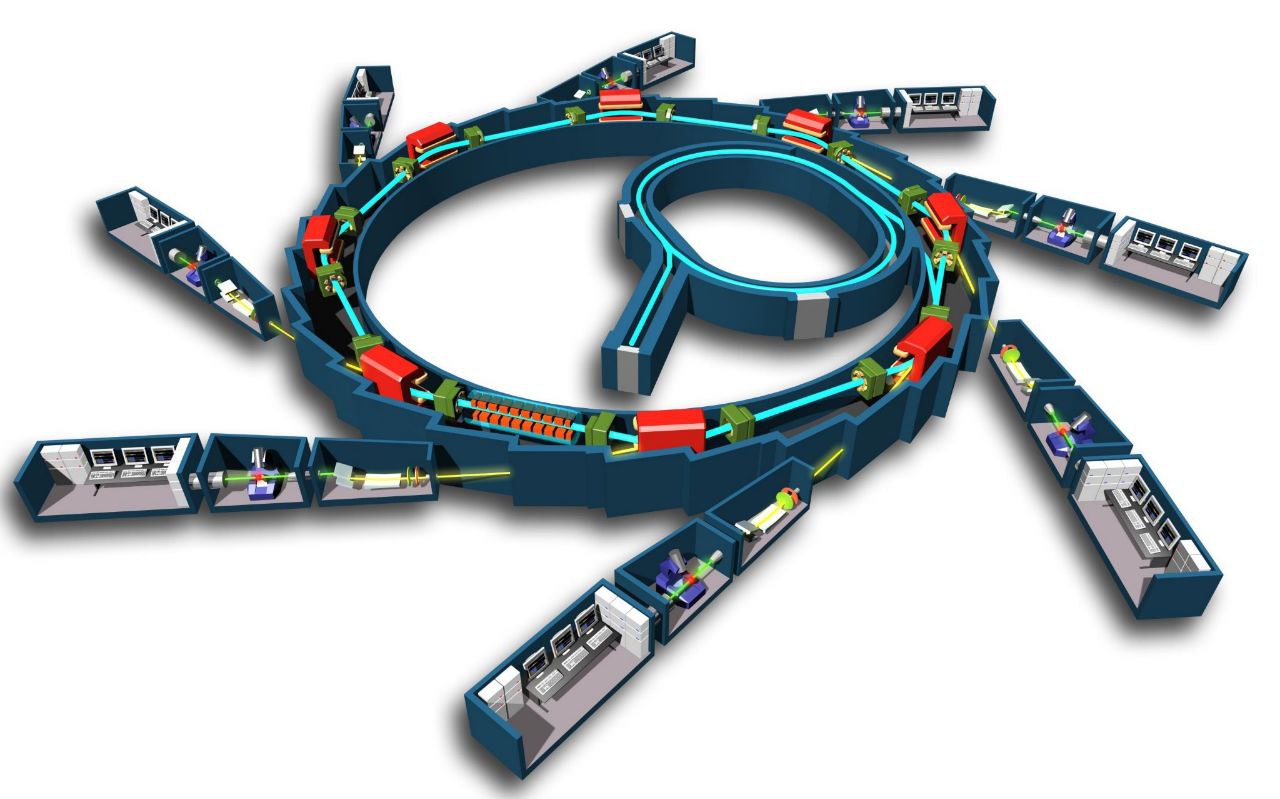
A synchrotron is a particular type of cyclic particle accelerator, descended from the cyclotron, in which the accelerating particle beam travels around a fixed closed-loop path. The magnetic field which bends the particle beam into its closed path increases with time during the accelerating process, being synchronized to the increasing kinetic energy of the particles. The synchrotron is one of the first accelerator concepts to enable the construction of large-scale facilities, since bending, beam focusing and acceleration can be separated into different components. The most powerful modern particle accelerators use versions of the synchrotron design.
━━━━━━━━━━━
☢ @Physics ⚡
━━━━━━━━━━━
☢ @Physics ⚡
👍22🔥8❤5