
Presolar grains are interstellar solid matter in the form of tiny solid grains that originated at a time before the Sun was formed. Presolar stardust grains formed within outflowing and cooling gases from earlier presolar stars.
The stellar nucleosynthesis that took place within each presolar star gives to each granule an isotopic composition unique to that parent star, which differs from the isotopic composition of our solar system's matter as well as from the galactic average. These isotopic signatures often fingerprint very specific astrophysical nuclear processes that took place within the parent star and prove their presolar origin.
━━━━━━━━━━━
☢ @Physics ⚡

👍19❤9🔥8🎉5😱1
The slow neutron-capture process, or s-process, is a series of reactions in nuclear astrophysics that occur in stars, particularly asymptotic giant branch stars. The s-process is responsible for the creation (nucleosynthesis) of approximately half the atomic nuclei heavier than iron.
In the s-process, a seed nucleus undergoes neutron capture to form an isotope with one higher atomic mass. If the new isotope is stable, a series of increases in mass can occur, but if it is unstable, then beta decay will occur, producing an element of the next higher atomic number. The process is slow (hence the name) in the sense that there is sufficient time for this radioactive decay to occur before another neutron is captured. A series of these reactions produces stable isotopes by moving along the valley of beta-decay stable isobars in the table of nuclides.
━━━━━━━━━━━
☢ @Physics ⚡
👍20❤9🔥5🤩5🎉3
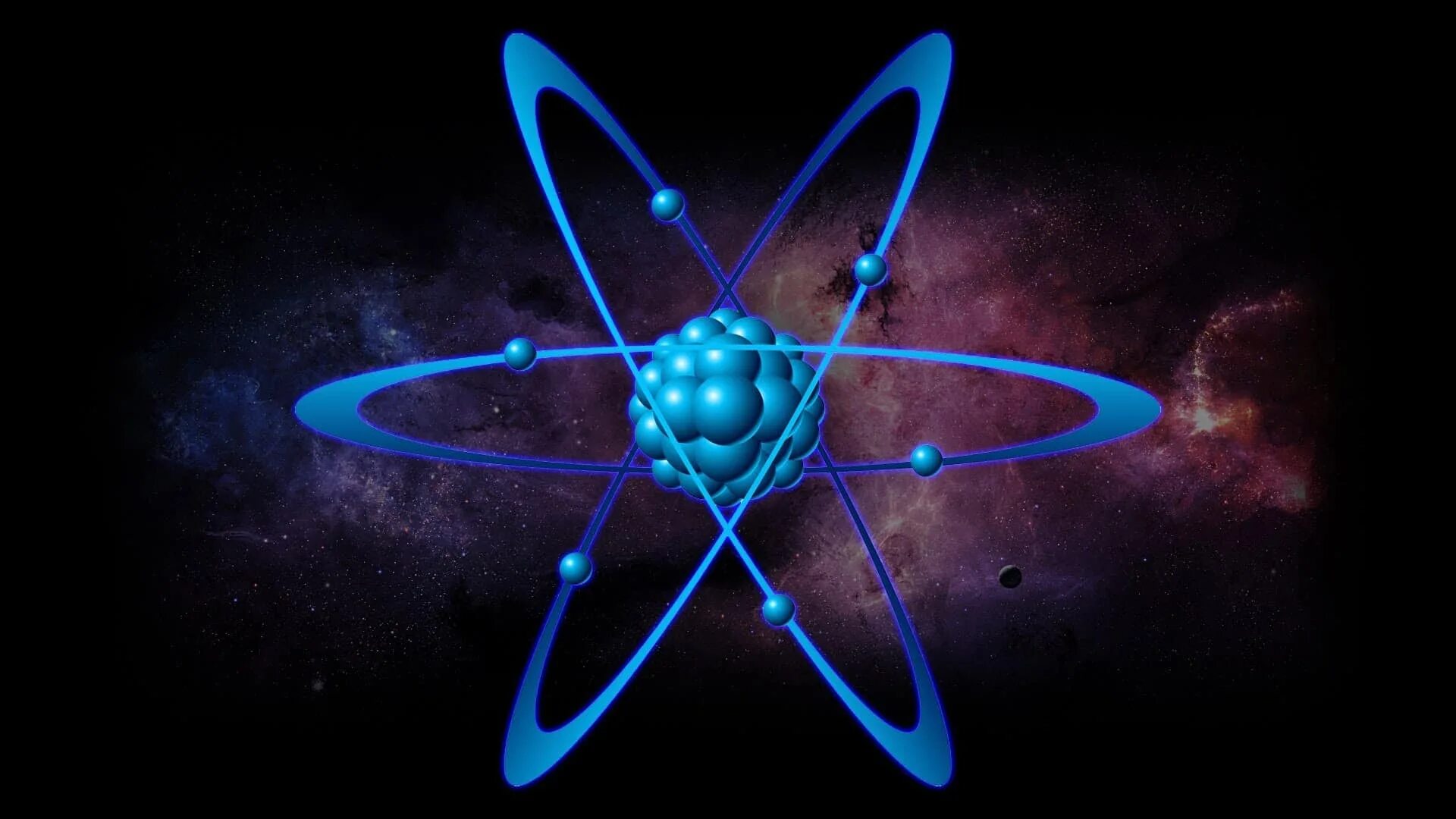
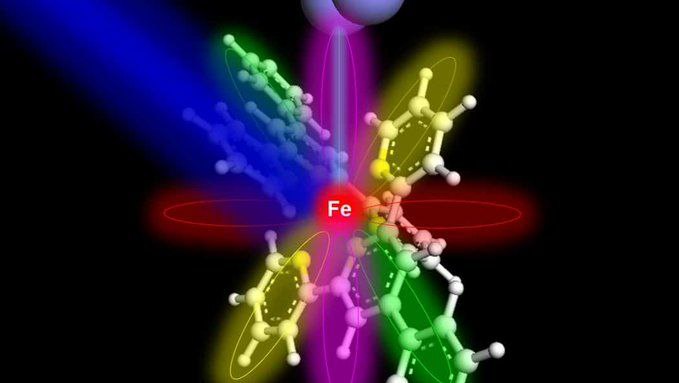
The resolution of synchrotron X-ray scanning tunnelling microscopy has reached the single-atom limit for the first time.
✅ Source: Click here
━━━━━━━━━━━
☢ @Physics ⚡
✅ Source: Click here
━━━━━━━━━━━
☢ @Physics ⚡
❤19👍17🔥8🤩8😁2
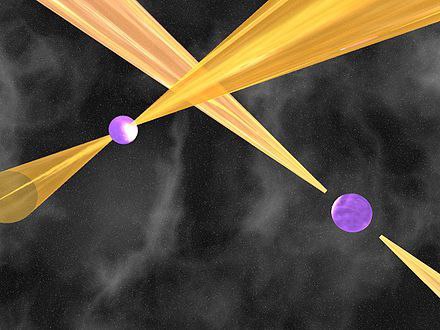
A binary pulsar is a pulsar with a binary companion, often a white dwarf or neutron star. (In at least one case, the double pulsar PSR J0737-3039, the companion neutron star is another pulsar as well.) Binary pulsars are one of the few objects which allow physicists to test general relativity because of the strong gravitational fields in their vicinities. Although the binary companion to the pulsar is usually difficult or impossible to observe directly, its presence can be deduced from the timing of the pulses from the pulsar itself, which can be measured with extraordinary accuracy by radio telescopes.
━━━━━━━━━━━
☢ @Physics ⚡
━━━━━━━━━━━
☢ @Physics ⚡
👍26🤩9❤7🔥4
An elastocaloric cooling system that absorbs heat as tension is released in bundles of metal tubes has been developed by a team of researchers in the US and China.
✅ Source: Click here
━━━━━━━━━━━
☢ @Physics ⚡
✅ Source: Click here
━━━━━━━━━━━
☢ @Physics ⚡

👍23🔥10❤7
Magnetic fields that reactivate damaged motoneurons could one day provide a new treatment for neurodegenerative diseases.
✅ Source: Click here
━━━━━━━━━━━
☢ @Physics ⚡
✅ Source: Click here
━━━━━━━━━━━
☢ @Physics ⚡

👍26🔥7❤6🤩6😱3🎉3
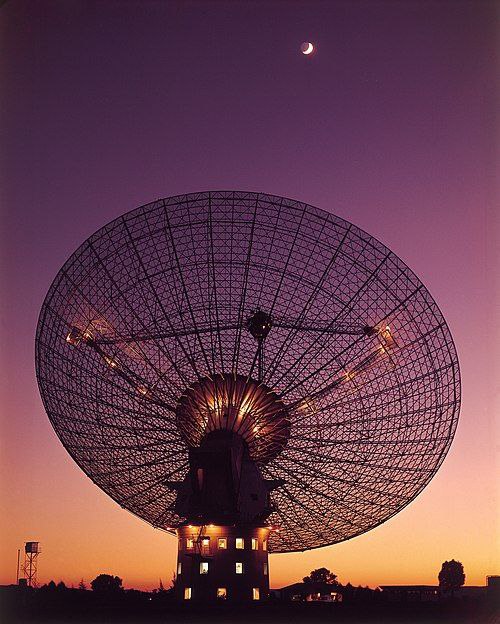
A radio telescope is a specialized antenna and radio receiver used to detect radio waves from astronomical radio sources in the sky. Radio telescopes are the main observing instrument used in radio astronomy, which studies the radio frequency portion of the electromagnetic spectrum emitted by astronomical objects, just as optical telescopes are the main observing instrument used in traditional optical astronomy which studies the light wave portion of the spectrum coming from astronomical objects. Unlike optical telescopes, radio telescopes can be used in the daytime as well as at night.
━━━━━━━━━━━
☢ @Physics ⚡
━━━━━━━━━━━
☢ @Physics ⚡
👍27🔥11❤8
An astronomical interferometer or telescope array is a set of separate telescopes, mirror segments, or radio telescope antennas that work together as a single telescope to provide higher resolution images of astronomical objects such as stars, nebulas and galaxies by means of interferometry. The advantage of this technique is that it can theoretically produce images with the angular resolution of a huge telescope with an aperture equal to the separation, called baseline, between the component telescopes. The main drawback is that it does not collect as much light as the complete instrument's mirror. Thus it is mainly useful for fine resolution of more luminous astronomical objects, such as close binary stars. Another drawback is that the maximum angular size of a detectable emission source is limited by the minimum gap between detectors in the collector array.
━━━━━━━━━━━
☢ @Physics ⚡
━━━━━━━━━━━
☢ @Physics ⚡

👍25❤10🔥7😱1
Gravitational collapse is the contraction of an astronomical object due to the influence of its own gravity, which tends to draw matter inward toward the center of gravity. Gravitational collapse is a fundamental mechanism for structure formation in the universe. Over time an initial, relatively smooth distribution of matter will collapse to form pockets of higher density, typically creating a hierarchy of condensed structures such as clusters of galaxies, stellar groups, stars and planets.
━━━━━━━━━━━
☢ @Physics ⚡
━━━━━━━━━━━
☢ @Physics ⚡

👍25🔥10❤6🤩2
A biodegradable ultrasound device implanted during tumour surgery generates a powerful acoustic wave inside the brain to open the blood–brain barrier and deliver drugs that kill any residual cancer cells.
✅ Source: Click here
━━━━━━━━━━━
☢ @Physics ⚡
✅ Source: Click here
━━━━━━━━━━━
☢ @Physics ⚡

👍28❤10🔥7😱5