
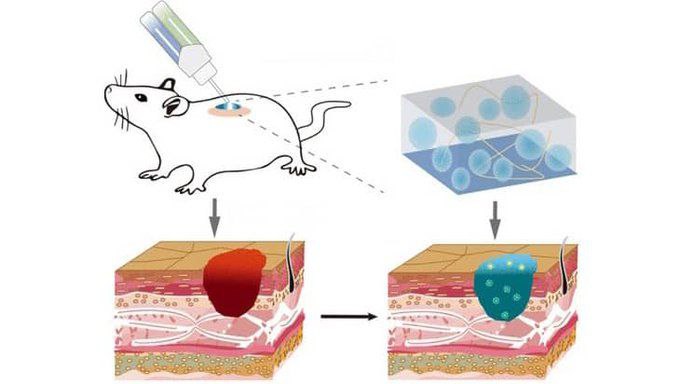
A wound-healing ink can be 3D printed directly into injuries to accelerate the body’s natural healing process.
✅ Source: Click here
━━━━━━━━━━━
☢ @Physics ⚡
✅ Source: Click here
━━━━━━━━━━━
☢ @Physics ⚡
👍25🔥12😱5❤3🎉3🤩1

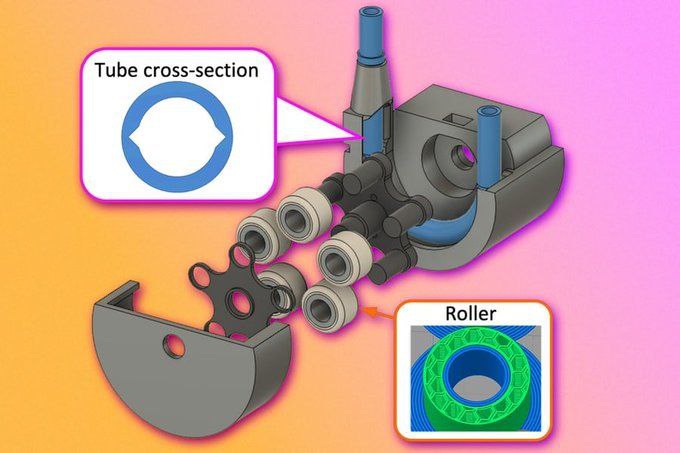
Researchers in the US have developed a tiny 3D-printed vacuum pump that could bring mass spectrometry to the masses.
✅ Source: Click here
━━━━━━━━━━━
☢ @Physics ⚡
✅ Source: Click here
━━━━━━━━━━━
☢ @Physics ⚡
❤21👍15🔥5🤩2
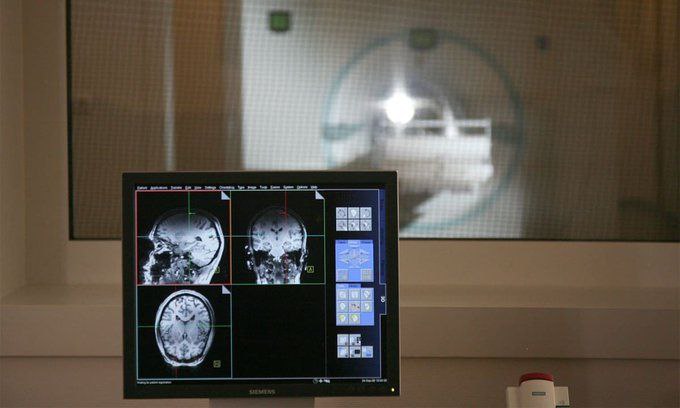
Pioneering MRI method captures brain glucose metabolism without the need to administer radioactive substances.
✅ Source: Click here
━━━━━━━━━━━
☢ @Physics ⚡
✅ Source: Click here
━━━━━━━━━━━
☢ @Physics ⚡
🔥16👍10❤6
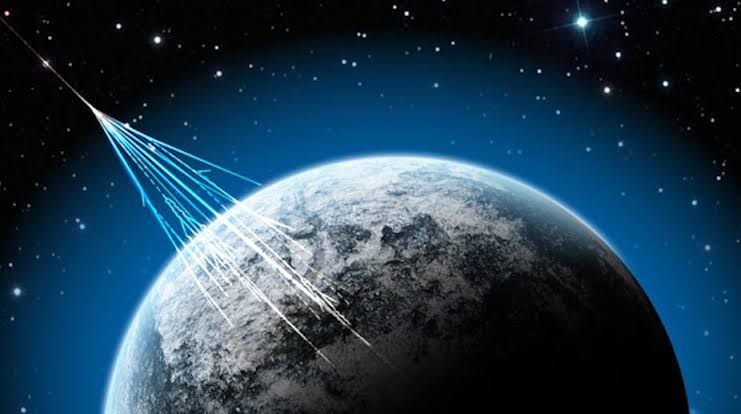
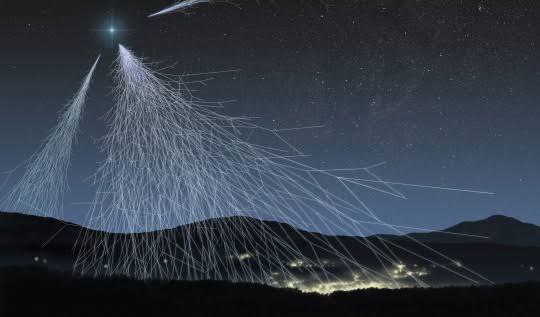
Cosmic rays are high-energy particles or clusters of particles (primarily represented by protons or atomic nuclei) that move through space at nearly the speed of light. They originate from the Sun, from outside of the Solar System in our own galaxy, and from distant galaxies. Upon impact with Earth's atmosphere, cosmic rays produce showers of secondary particles, some of which reach the surface, although the bulk is deflected off into space by the magnetosphere or the heliosphere.
━━━━━━━━━━━
☢ @Physics ⚡
━━━━━━━━━━━
☢ @Physics ⚡
👍25❤12🔥9🤩1
An air shower is an extensive (many kilometres wide) cascade of ionized particles and electromagnetic radiation produced in the atmosphere when a primary cosmic ray (i.e. one of extraterrestrial origin) enters the atmosphere. When a particle, which could be a proton, a nucleus, an electron, a photon, or (rarely) a positron, strikes an atom's nucleus in the air it produces many energetic hadrons. The unstable hadrons decay in the air speedily into other particles and electromagnetic radiation, which are part of the particle shower components. The secondary radiation rains down, including x-rays, muons, protons, antiprotons, alpha particles, pions, electrons, positrons, and neutrons.
━━━━━━━━━━━
☢ @Physics ⚡
━━━━━━━━━━━
☢ @Physics ⚡

👍20❤18🔥6
In particle physics, a shower is a cascade of secondary particles produced as the result of a high-energy particle interacting with dense matter. The incoming particle interacts, producing multiple new particles with lesser energy; each of these then interacts, in the same way, a process that continues until many thousands, millions, or even billions of low-energy particles are produced. These are then stopped in the matter and absorbed.
━━━━━━━━━━━
☢ @Physics ⚡
━━━━━━━━━━━
☢ @Physics ⚡
👍34🔥18❤5🎉4
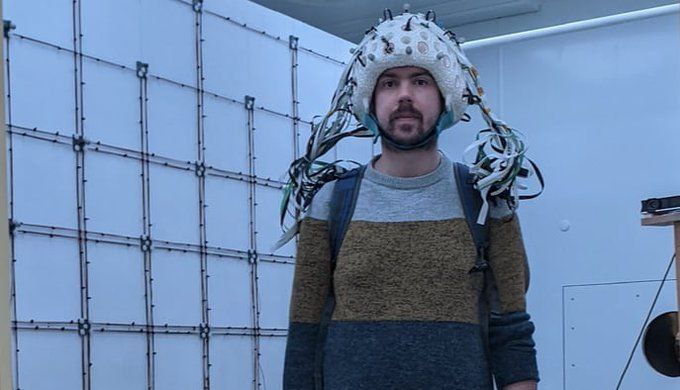
A wearable brain scanner can measure brain function whilst people are standing and walking around.
✅ Source: Click here
━━━━━━━━━━━
☢ @Physics ⚡
✅ Source: Click here
━━━━━━━━━━━
☢ @Physics ⚡
👍17❤10🔥8
In particle physics, a hadron is a composite subatomic particle made of two or more quarks held together by the strong interaction. They are analogous to molecules that are held together by the electric force. Most of the mass of ordinary matter comes from two hadrons: the proton and the neutron, while most of the mass of the protons and neutrons is in turn due to the binding energy of their constituent quarks, due to the strong force.
━━━━━━━━━━━
☢ @Physics ⚡
━━━━━━━━━━━
☢ @Physics ⚡
❤31👍14🔥7🎉4
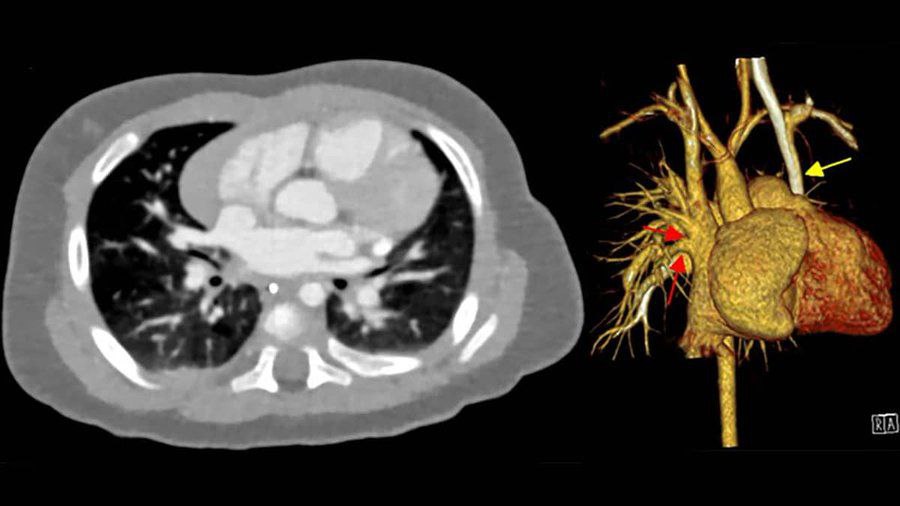
Photon-counting CT improves cardiac imaging quality in children with suspected heart defects, without increasing the radiation dose.
✅ Source: Click here
━━━━━━━━━━━
☢ @Physics ⚡
✅ Source: Click here
━━━━━━━━━━━
☢ @Physics ⚡
❤15🔥9👍7