
Astrobiology is a scientific field within the life and environmental sciences that studies the origins, early evolution, distribution, and future of life in the universe by investigating its deterministic conditions and contingent events. As a discipline, astrobiology is founded on the premise that life may exist beyond Earth.
Research in astrobiology comprises three main areas: the study of habitable environments in the Solar System and beyond, the search for planetary biosignatures of past or present extraterrestrial life, and the study of the origin and early evolution of life on Earth.
━━━━━━━━━━━
☢ @Physics ⚡
Research in astrobiology comprises three main areas: the study of habitable environments in the Solar System and beyond, the search for planetary biosignatures of past or present extraterrestrial life, and the study of the origin and early evolution of life on Earth.
━━━━━━━━━━━
☢ @Physics ⚡

❤26👍17🔥5
Planetary habitability is the measure of a planet's or a natural satellite's potential to develop and maintain environments hospitable to life. Life may be generated directly on a planet or satellite endogenously or be transferred to it from another body, through a hypothetical process known as panspermia. Environments do not need to contain life to be considered habitable nor are accepted habitable zones (HZ) the only areas in which life might arise.
As the existence of life beyond Earth is unknown, planetary habitability is largely an extrapolation of conditions on Earth and the characteristics of the Sun and Solar System which appear favorable to life's flourishing. Of particular interest are those factors that have sustained complex, multicellular organisms on Earth and not just simpler, unicellular creatures. Research and theory in this regard is a component of a number of natural sciences, such as astronomy, planetary science and the emerging discipline of astrobiology.
━━━━━━━━━━━
☢ @Physics ⚡

👍25❤10🔥7🎉5
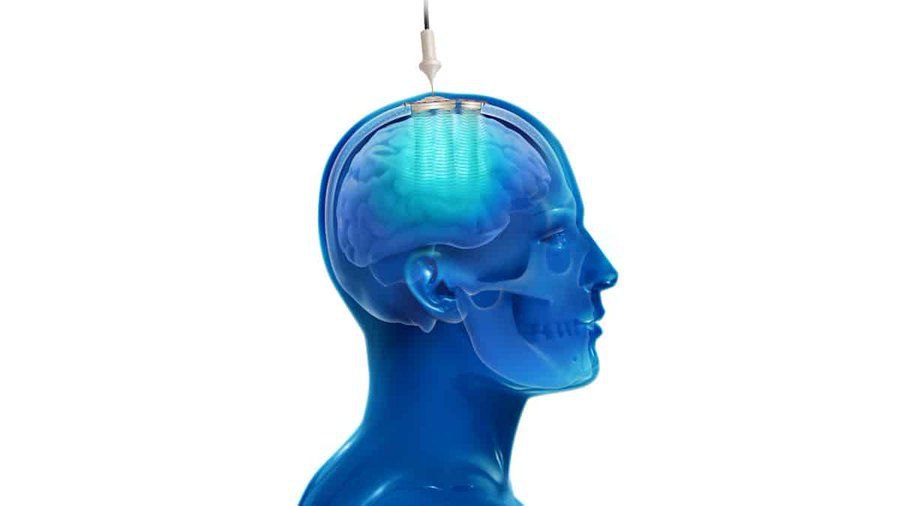
Low-intensity pulsed ultrasound combined with microbubbles opens the blood–brain barrier to deliver chemotherapy drugs to brain tumours.
✅ Source: Click here
━━━━━━━━━━━
☢ @Physics ⚡
✅ Source: Click here
━━━━━━━━━━━
☢ @Physics ⚡
🔥18😱13❤7👍7
Machine learning framework can improve diagnostic accuracy, predict therapy response and tailor treatments for patients with colorectal cancer.
✅ Source: Click here
━━━━━━━━━━━
☢ @Physics ⚡
✅ Source: Click here
━━━━━━━━━━━
☢ @Physics ⚡

👍17🔥9❤5🤩5🎉2
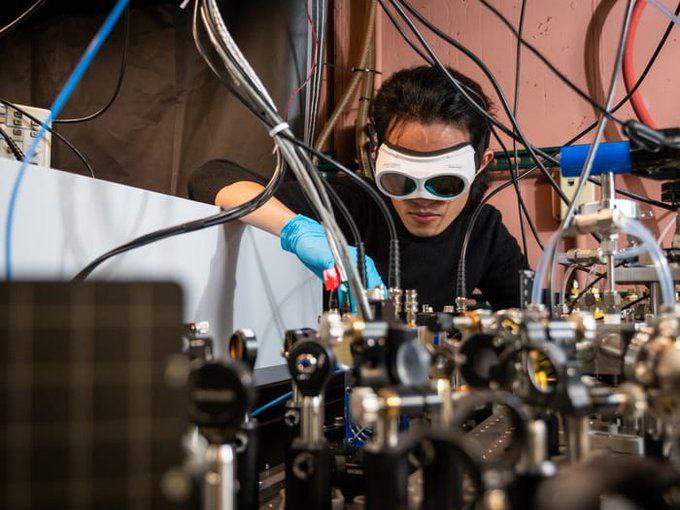
A new diagnostic tool based on optical frequency comb technology can rapidly test for COVID-19 in exhaled breath.
✅ Source: Click here
━━━━━━━━━━━
☢ @Physics ⚡
✅ Source: Click here
━━━━━━━━━━━
☢ @Physics ⚡
🔥24👍11❤8😁2😱1
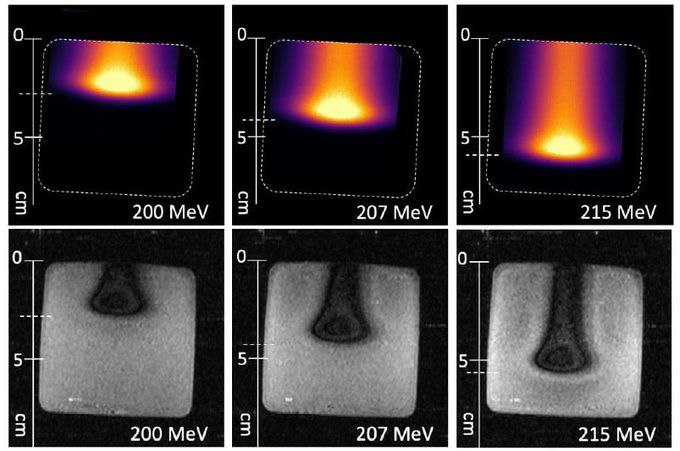
In-beam MRI could one day provide real-time feedback on the beam range and energy deposition during proton therapy treatments.
✅ Source: Click here
━━━━━━━━━━━
☢ @Physics ⚡
✅ Source: Click here
━━━━━━━━━━━
☢ @Physics ⚡
🔥16👍6❤3🎉1
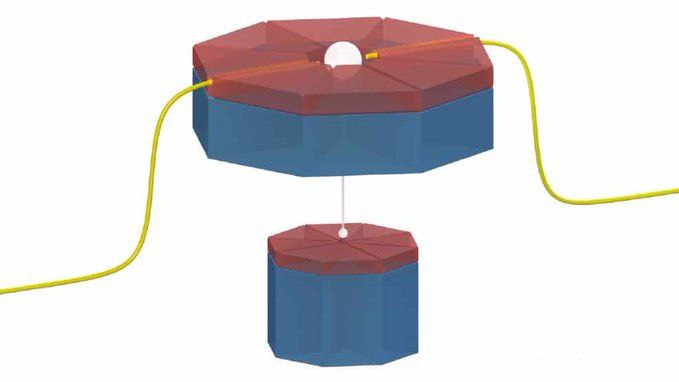
Physicists in China want to widen the search for dark matter using a minuscule levitating oscillator.
✅ Source: Click here
━━━━━━━━━━━
☢ @Physics ⚡
✅ Source: Click here
━━━━━━━━━━━
☢ @Physics ⚡
🔥18👍9❤8
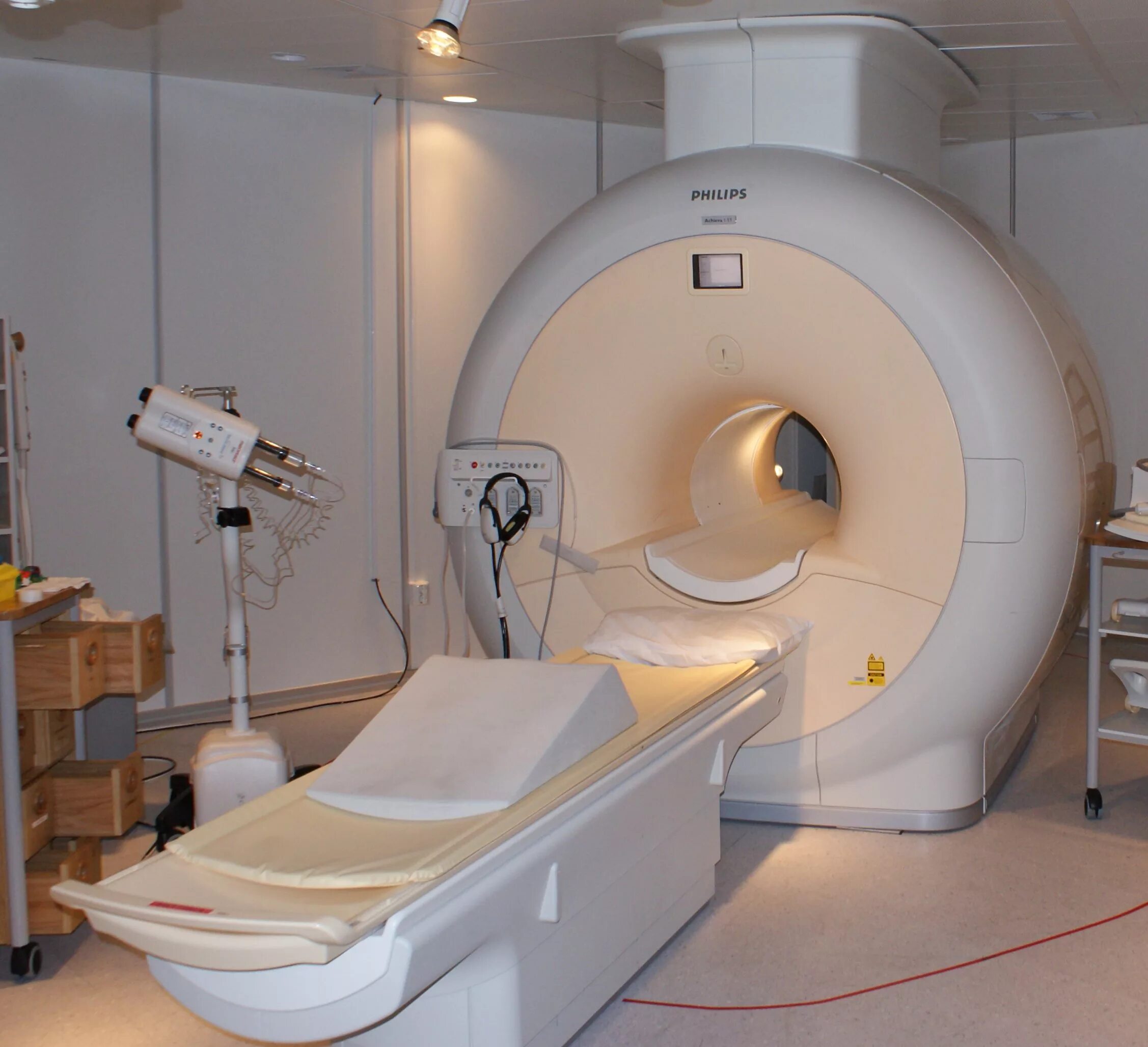
Magnetic resonance imaging (MRI) is a medical imaging technique used in radiology to form pictures of the anatomy and the physiological processes of the body. MRI scanners use strong magnetic fields, magnetic field gradients, and radio waves to generate images of the organs in the body. MRI does not involve X-rays or the use of ionizing radiation, which distinguishes it from CT and PET scans. MRI is a medical application of nuclear magnetic resonance (NMR) which can also be used for imaging in other NMR applications, such as NMR spectroscopy.
MRI is widely used in hospitals and clinics for medical diagnosis, staging and follow-up of disease. Compared to CT, MRI provides better contrast in images of soft tissues, e.g. in the brain or abdomen. However, it may be perceived as less comfortable by patients, due to the usually longer and louder measurements with the subject in a long, confining tube, though "Open" MRI designs mostly relieve this. Additionally, implants and other non-removable metal in the body can pose a risk and may exclude some patients from undergoing an MRI examination safely.
━━━━━━━━━━━
☢ @Physics ⚡
👍35❤16🔥13😱3🤩2
Nuclear magnetic resonance spectroscopy, most commonly known as NMR spectroscopy or magnetic resonance spectroscopy (MRS), is a spectroscopic technique to observe local magnetic fields around atomic nuclei. This spectroscopy is based on the measurement of absorption of electromagnetic radiations in the radio frequency region from roughly 4 to 900 MHz. Absorption of radio waves in the presence of magnetic fields is accompanied by a special type of nuclear transition, and for this reason, such type of spectroscopy is known as Nuclear Magnetic Resonance Spectroscopy. The sample is placed in a magnetic field and the NMR signal is produced by excitation of the nuclei sample with radio waves into nuclear magnetic resonance, which is detected with sensitive radio receivers. The intramolecular magnetic field around an atom in a molecule changes the resonance frequency, thus giving access to details of the electronic structure of a molecule and its individual functional groups. As the fields are unique or highly characteristic to individual compounds, in modern organic chemistry practice, NMR spectroscopy is the definitive method to identify monomolecular organic compounds.
━━━━━━━━━━━
☢ @Physics ⚡
━━━━━━━━━━━
☢ @Physics ⚡

🔥20👍13❤7😱2🤩2
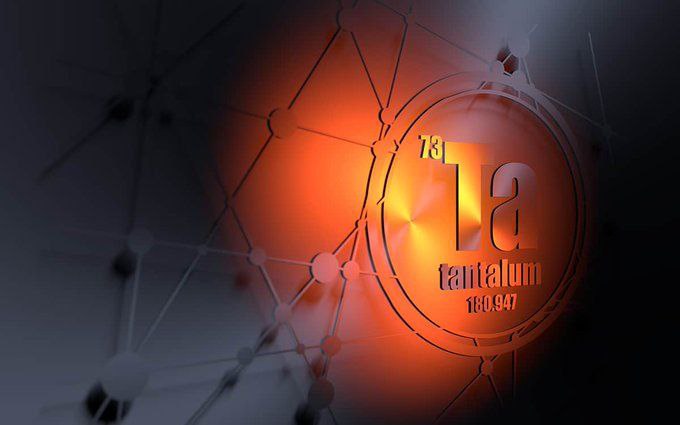
At a temperature of 30 K and a pressure of 200 GPa, tantalum polyhydride becomes a superconductor – the first superconducting hydride made from a Group 5 transition metal.
✅ Source: Click here
━━━━━━━━━━━
☢ @Physics ⚡
✅ Source: Click here
━━━━━━━━━━━
☢ @Physics ⚡
❤26👍12🔥11😱5🤩2