

Small speakers in your headphones use electricity and moving magnets to create sound waves. The sound waves that come from the speaker bounce off your eardrums, which your brain interprets as music. Sound waves that you hear, whether they come from another person or a speaker, bounce off objects and move through the air and into your ears. Your brain uses the waves to interpret where a sound is coming from and how loud it is.
━━━━━━━━━━━━━
☢ @Physics ⚡
━━━━━━━━━━━━━
☢ @Physics ⚡
🔥3

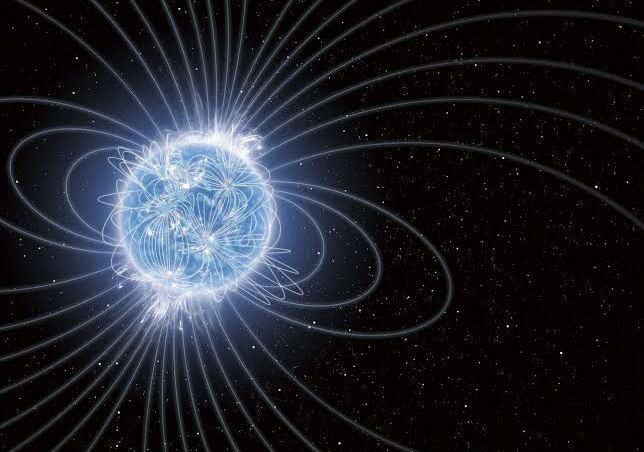
Some animals are affected by magnets. Magnets have been used to study bee communication patterns, migratory cycles and several other animal behaviors. This is because many animals can sense magnetic fields. For instance, some sharks are repelled by them and birds and turtles navigate by them.
━━━━━━━━━━━━━
☢ @Physics ⚡
━━━━━━━━━━━━━
☢ @Physics ⚡

👍2❤1

Our sun bends light. Affected by gravity, the path of a beam of light is not entirely straight. So if a beam of light from a distant star passes close to our sun, it will actually bend slightly around it. The effect on an observer—like us—is that we see stars in different spots than they are actually located.
━━━━━━━━━━━━━
☢ @Physics ⚡
━━━━━━━━━━━━━
☢ @Physics ⚡

👍2
Sun dog, also called mock sun or parhelion, atmospheric optical phenomenon appearing in the sky as luminous spots 22° on each side of the Sun and at the same elevation as the Sun. Usually, the edges closest to the Sun will appear reddish. Other colours are occasionally visible, but more often the outer portions of each spot appear whitish.
━━━━━━━━━━━━━
☢ @Physics ⚡
━━━━━━━━━━━━━
☢ @Physics ⚡

🔥3