
An accretion disk is a structure (often a circumstellar disk) formed by diffuse material in orbital motion around a massive central body. The central body is most frequently a star. Friction, uneven irradiance, magnetohydrodynamic effects, and other forces induce instabilities causing orbiting material in the disk to spiral inward towards the central body. Gravitational and frictional forces compress and raise the temperature of the material, causing the emission of electromagnetic radiation. The frequency range of that radiation depends on the central object's mass. Accretion disks of young stars and protostars radiate in the infrared; those around neutron stars and black holes in the X-ray part of the spectrum. The study of oscillation modes in accretion disks is referred to as diskoseismology.
━━━━━━━━━━━
☢ @Physics ⚡| @Education 📖
━━━━━━━━━━━
☢ @Physics ⚡| @Education 📖
👍17🔥8❤2🤩2
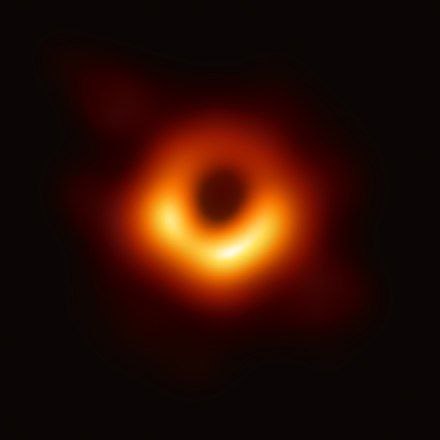
Gravitational waves from black holes could hold the key to resolving the information paradox arising from Hawking radiation.
✅ Source: Click here
━━━━━━━━━━━
☢ @Physics ⚡| @Education 📖
✅ Source: Click here
━━━━━━━━━━━
☢ @Physics ⚡| @Education 📖
❤18👍8🔥7🎉3😱1
Researchers have developed a new type of targeted radionuclide therapy that uses engineered bacteria to attract radiopharmaceuticals into tumours to kill cancer cells.
✅ Source: Click here
━━━━━━━━━━━
☢ @Physics ⚡| @Education 📖
✅ Source: Click here
━━━━━━━━━━━
☢ @Physics ⚡| @Education 📖
👍34❤8🔥6🎉3
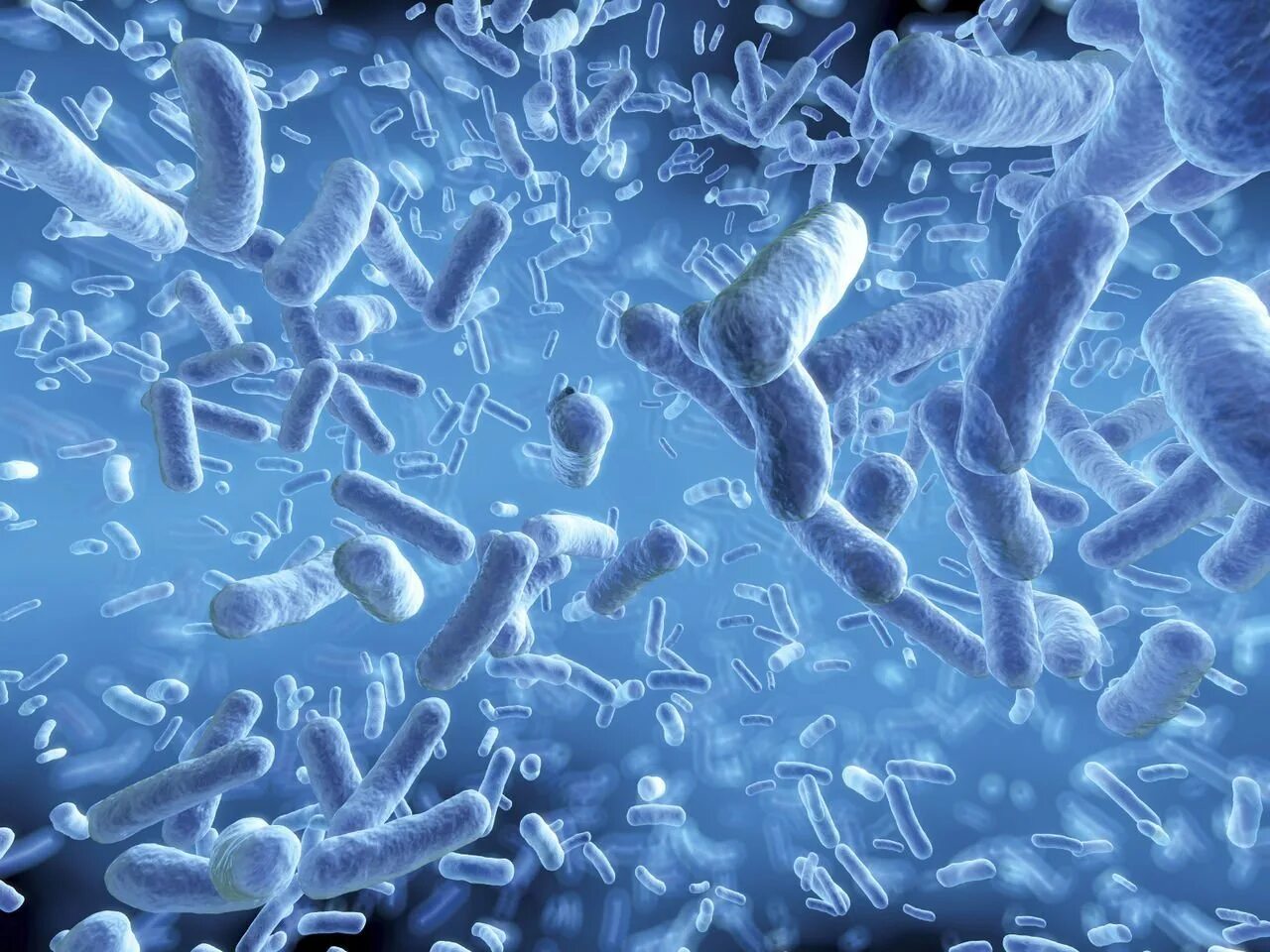
Researchers have created bowtie-shaped nanostructured microparticles whose chirality can be tuned continuously over a wide range.
✅ Source: Click here
━━━━━━━━━━━
☢ @Physics ⚡| @Education 📖
✅ Source: Click here
━━━━━━━━━━━
☢ @Physics ⚡| @Education 📖
🔥21❤9👍9🤩2
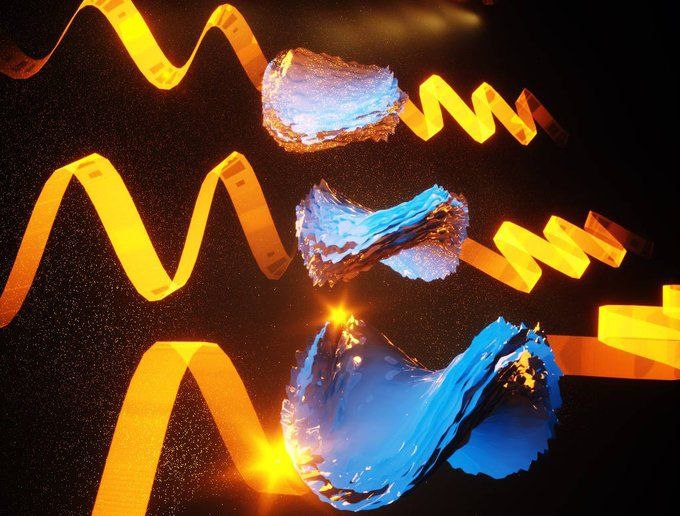
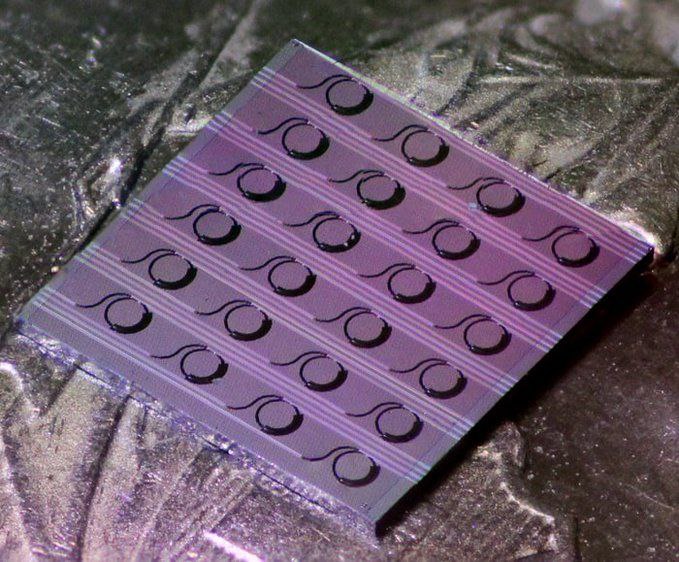
A new type of ultrafast tuneable laser based on lithium niobate photonic integrated circuits could prove ideal for use in continuous-wave LiDAR systems.
✅ Source: Click here
━━━━━━━━━━━
☢ @Physics ⚡| @Education 📖
✅ Source: Click here
━━━━━━━━━━━
☢ @Physics ⚡| @Education 📖
❤16👍9🔥6
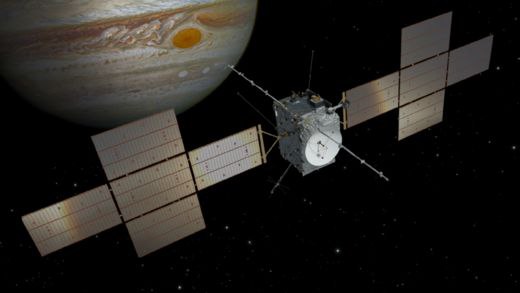
The Jupiter Icy Moons Explorer (JUICE) is an interplanetary spacecraft that was launched on 14 April 2023 by the European Space Agency (ESA) with Airbus Defence and Space as the main contractor. The mission is planned to study Ganymede, Callisto, and Europa, three of Jupiter's Galilean moons. They are thought to have significant bodies of liquid water beneath their icy surfaces which would make them potentially habitable environments. The mission does not focus on volcanically active Io, a non-icy moon.
━━━━━━━━━━━
☢ @Physics ⚡
━━━━━━━━━━━
☢ @Physics ⚡
👍21🔥8❤6😁3
The Hubble Space Telescope (often referred to as HST or Hubble) is a space telescope that was launched into low Earth orbit in 1990 and remains in operation. It was not the first space telescope, but it is one of the largest and most versatile, renowned both as a vital research tool and as a public relations boon for astronomy. The Hubble telescope is named after astronomer Edwin Hubble and is one of NASA's Great Observatories. The Space Telescope Science Institute (STScI) selects Hubble's targets and processes the resulting data, while the Goddard Space Flight Center (GSFC) controls the spacecraft.
━━━━━━━━━━━
☢ @Physics
━━━━━━━━━━━
☢ @Physics

❤24👍9🔥9
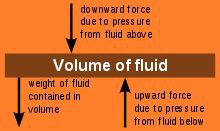
In fluid mechanics, hydrostatic equilibrium (hydrostatic balance, hydrostasy) is the condition of a fluid or plastic solid at rest, which occurs when external forces, such as gravity, are balanced by a pressure-gradient force. In the planetary physics of Earth, the pressure-gradient force prevents gravity from collapsing the planetary atmosphere into a thin, dense shell, whereas gravity prevents the pressure-gradient force from diffusing the atmosphere into outer space.
━━━━━━━━━━━
☢ @Physics
━━━━━━━━━━━
☢ @Physics
👍21❤8🔥8
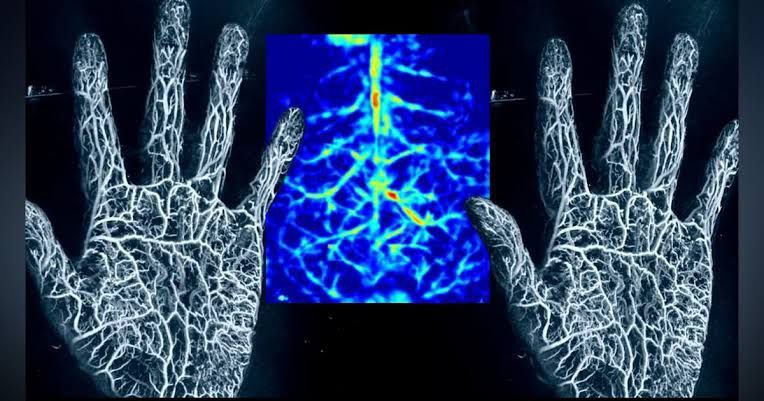
A photoacoustic imaging system that measures tumour oxygenation could help predict a tumour's response to radiotherapy.
✅ Source: Click here
━━━━━━━━━━━
☢ @Physics ⚡| @Education 📖
✅ Source: Click here
━━━━━━━━━━━
☢ @Physics ⚡| @Education 📖
❤18👍13🔥8🤩2
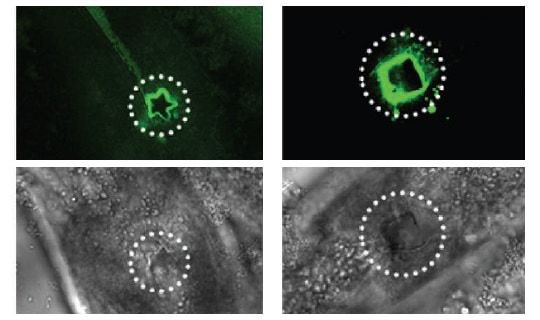
Researchers print 3D conducting structures in a living organism, in an early step towards printing next-generation implants for medical applications.
✅ Source: Click here
━━━━━━━━━━━
☢ @Physics ⚡
✅ Source: Click here
━━━━━━━━━━━
☢ @Physics ⚡
👍16❤7🔥5🎉4