
Nanowires grown by a common bacterium act as an “electronic nose” to detect chemical tracers, including those exhaled by patients with conditions such as asthma and kidney disease.
✅ Source: Click here
━━━━━━━━━━━
☢ @Physics ⚡| @Education 📖
✅ Source: Click here
━━━━━━━━━━━
☢ @Physics ⚡| @Education 📖

👍18❤5🔥5🎉5
An implantable device releases medication when triggered by external pulses of light, then dissolves in the body when no longer required.
✅ Source: Click here
━━━━━━━━━━━
☢ @Physics ⚡| @Education 📖
✅ Source: Click here
━━━━━━━━━━━
☢ @Physics ⚡| @Education 📖
👍17🔥9❤6🎉3🤩1
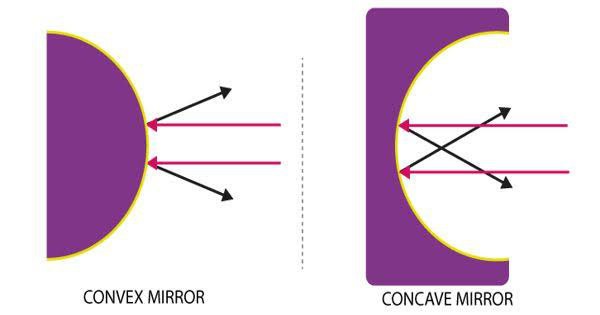
A curved mirror is a mirror with a curved reflecting surface. The surface may be either convex (bulging outward) or concave (recessed inward). Most curved mirrors have surfaces that are shaped like part of a sphere, but other shapes are sometimes used in optical devices. The most common non-spherical type are parabolic reflectors, found in optical devices such as reflecting telescopes that need to image distant objects, since spherical mirror systems, like spherical lenses, suffer from spherical aberration. Distorting mirrors are used for entertainment. They have convex and concave regions that produce deliberately distorted images. They also provide highly magnified or highly diminished (smaller) images when the object is placed at certain distances.
━━━━━━━━━━━
☢ @Physics ⚡| @Education 📖
━━━━━━━━━━━
☢ @Physics ⚡| @Education 📖
👍19🔥10❤7
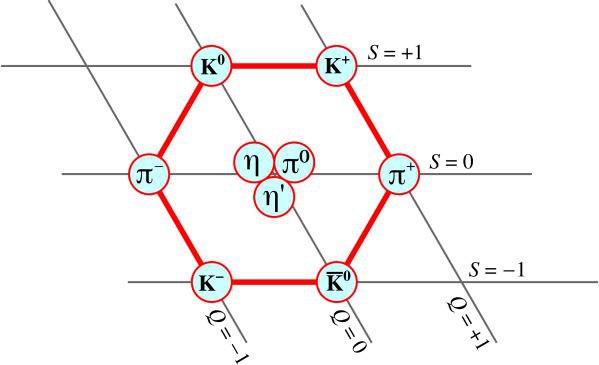
In particle physics, a meson is a type of hadronic subatomic particle composed of an equal number of quarks and antiquarks, usually one of each, bound together by the strong interaction. Because mesons are composed of quark sub-particles, they have a meaningful physical size, a diameter of roughly one femtometre (10⁻¹⁵ m), which is about 0.6 times the size of a proton or neutron. All mesons are unstable, with the longest-lived lasting for only a few tens of a nanosecond. Heavier mesons decay to lighter mesons and ultimately to stable electrons, neutrinos and photons.
━━━━━━━━━━━
☢ @Physics ⚡| @Education 📖
━━━━━━━━━━━
☢ @Physics ⚡| @Education 📖
👍26🔥7❤6🤩1
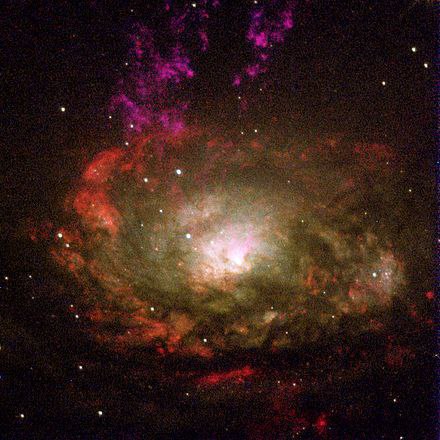
Seyfert galaxies are one of the two largest groups of active galaxies, along with quasars. They have quasar-like nuclei (very luminous, distant and bright sources of electromagnetic radiation) with very high surface brightnesses whose spectra reveal strong, high-ionisation emission lines, but unlike quasars, their host galaxies are clearly detectable.
Seyfert galaxies account for about 10% of all galaxies and are some of the most intensely studied objects in astronomy, as they are thought to be powered by the same phenomena that occur in quasars, although they are closer and less luminous than quasars. These galaxies have supermassive black holes at their centers which are surrounded by accretion discs of in-falling material. The accretion discs are believed to be the source of the observed ultraviolet radiation. Ultraviolet emission and absorption lines provide the best diagnostics for the composition of the surrounding material. Seen in visible light, most
Seyfert galaxies look like normal spiral galaxies, but when studied under other wavelengths, it becomes clear that the luminosity of their cores is of comparable intensity to the luminosity of whole galaxies the size of the Milky Way.
Seyfert galaxies are named after Carl Seyfert, who first described this class in 1943.
━━━━━━━━━━━
☢ @Physics ⚡| @Education 📖
👍23🔥12❤9
An accretion disk is a structure (often a circumstellar disk) formed by diffuse material in orbital motion around a massive central body. The central body is most frequently a star. Friction, uneven irradiance, magnetohydrodynamic effects, and other forces induce instabilities causing orbiting material in the disk to spiral inward towards the central body. Gravitational and frictional forces compress and raise the temperature of the material, causing the emission of electromagnetic radiation. The frequency range of that radiation depends on the central object's mass. Accretion disks of young stars and protostars radiate in the infrared; those around neutron stars and black holes in the X-ray part of the spectrum. The study of oscillation modes in accretion disks is referred to as diskoseismology.
━━━━━━━━━━━
☢ @Physics ⚡| @Education 📖
━━━━━━━━━━━
☢ @Physics ⚡| @Education 📖
👍17🔥8❤2🤩2
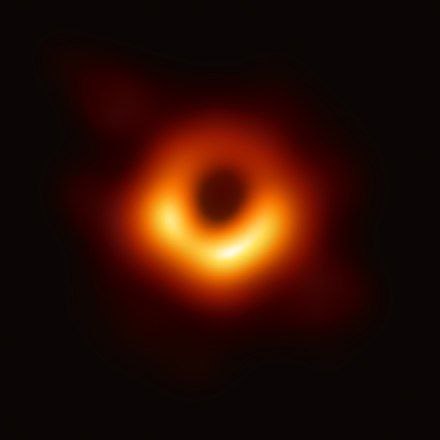
Gravitational waves from black holes could hold the key to resolving the information paradox arising from Hawking radiation.
✅ Source: Click here
━━━━━━━━━━━
☢ @Physics ⚡| @Education 📖
✅ Source: Click here
━━━━━━━━━━━
☢ @Physics ⚡| @Education 📖
❤18👍8🔥7🎉3😱1
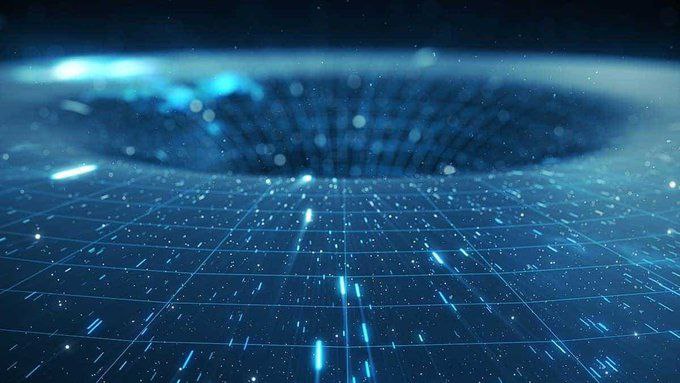
Researchers have developed a new type of targeted radionuclide therapy that uses engineered bacteria to attract radiopharmaceuticals into tumours to kill cancer cells.
✅ Source: Click here
━━━━━━━━━━━
☢ @Physics ⚡| @Education 📖
✅ Source: Click here
━━━━━━━━━━━
☢ @Physics ⚡| @Education 📖
👍34❤8🔥6🎉3
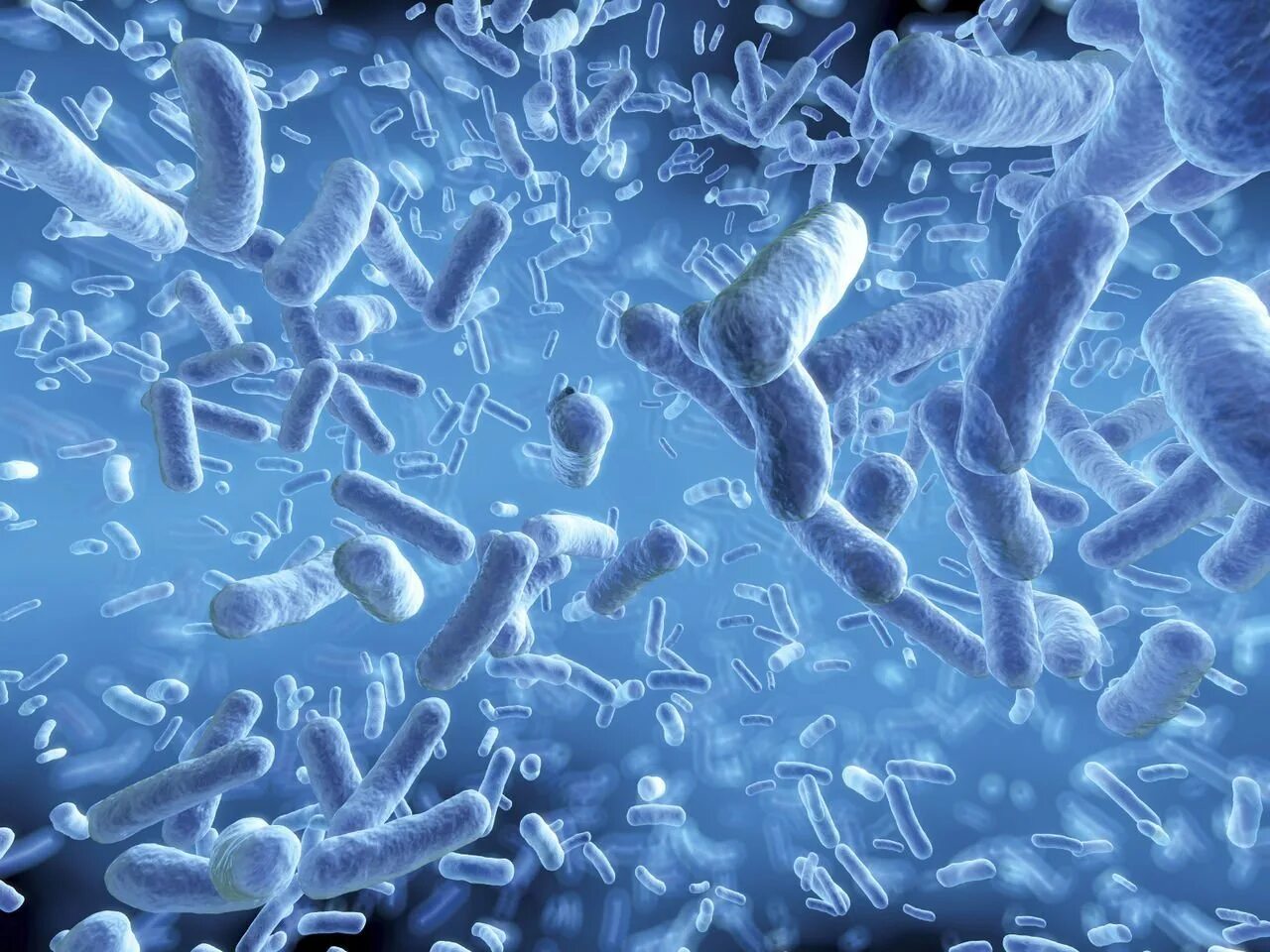
Researchers have created bowtie-shaped nanostructured microparticles whose chirality can be tuned continuously over a wide range.
✅ Source: Click here
━━━━━━━━━━━
☢ @Physics ⚡| @Education 📖
✅ Source: Click here
━━━━━━━━━━━
☢ @Physics ⚡| @Education 📖
🔥21❤9👍9🤩2
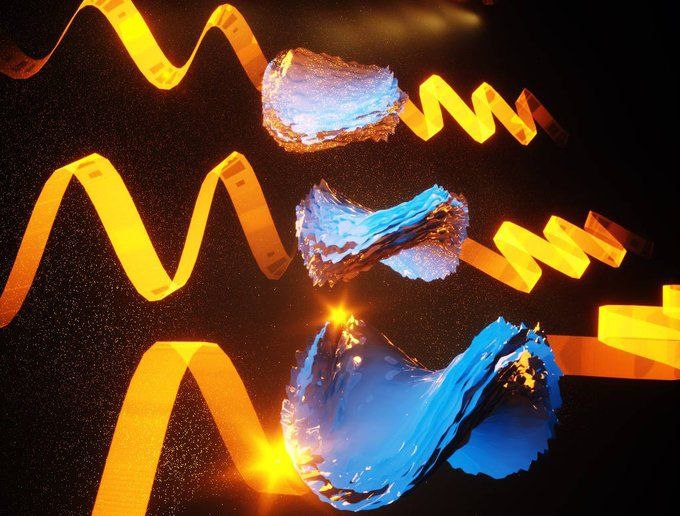
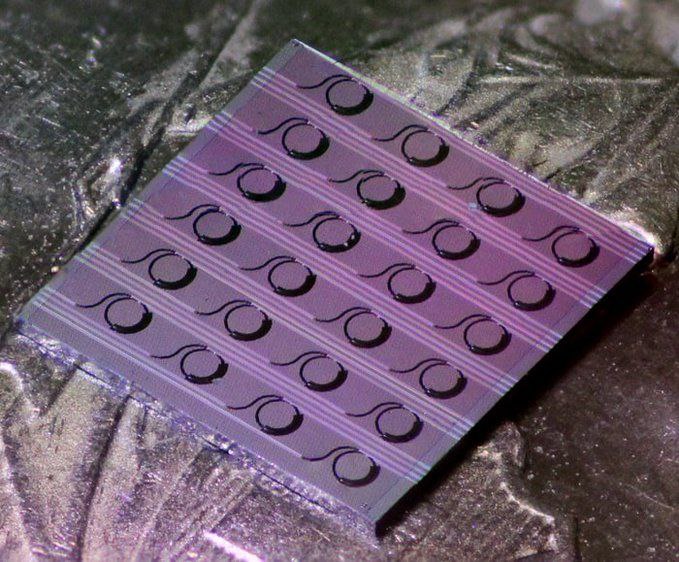
A new type of ultrafast tuneable laser based on lithium niobate photonic integrated circuits could prove ideal for use in continuous-wave LiDAR systems.
✅ Source: Click here
━━━━━━━━━━━
☢ @Physics ⚡| @Education 📖
✅ Source: Click here
━━━━━━━━━━━
☢ @Physics ⚡| @Education 📖
❤16👍9🔥6