
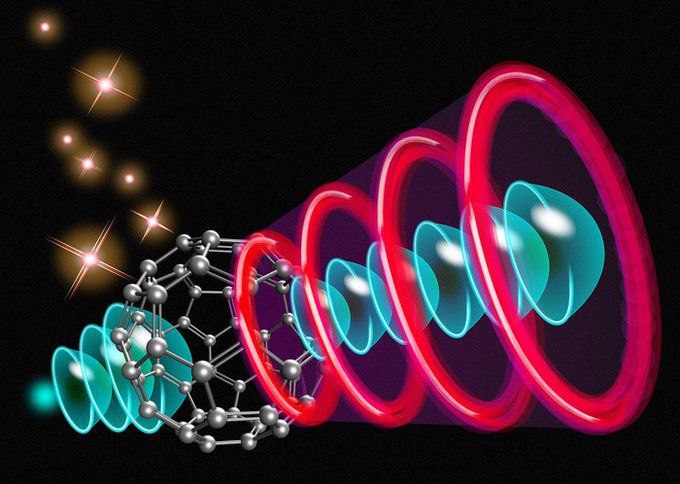
A thyristor is a solid-state semiconductor device with four layers of alternating P- and N-type materials used for high-power applications. It acts exclusively as a bistable switch (or a latch) conducting when the gate receives a current trigger, and continuing to conduct until the voltage across the device is reverse-biased, or until the voltage is removed (by some other means). There are two designs, differing in what triggers the conducting state. In a three-lead thyristor, a small current on its Gate lead controls the larger current of the Anode to Cathode path. In a two-lead thyristor, conduction begins when the potential difference between the Anode and Cathode themselves is sufficiently large (breakdown voltage).
━━━━━━━━━━━
☢ @Physics ⚡| @Education 📖
━━━━━━━━━━━
☢ @Physics ⚡| @Education 📖

🔥20👍14❤7😱3🤩3
New device has a switching speed that’s four to five orders of magnitude faster than current solid-state transistors.
✅ Source: Click here
━━━━━━━━━━━
☢ @Physics ⚡| @Education 📖
✅ Source: Click here
━━━━━━━━━━━
☢ @Physics ⚡| @Education 📖
🔥21👍12😱12❤11🤩1
━━━━━━━━━━━
☢ @Physics ⚡| @Education 📖
Please open Telegram to view this post
VIEW IN TELEGRAM
🔥20❤17👍6🤩6😁4
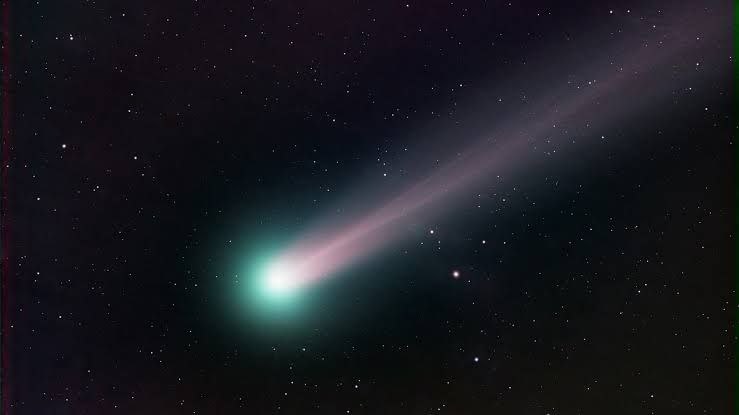
A comet is an icy, small Solar System body that warms and begins to release gases when passing close to the Sun, a process called outgassing. This produces an extended, gravitationally unbound atmosphere or coma surrounding the nucleus, and sometimes a tail of gas and dust gas blown out from the coma. These phenomena are due to the effects of solar radiation and the outstreaming solar wind plasma acting upon the nucleus of the comet. Comet nuclei range from a few hundred meters to tens of kilometers across and are composed of loose collections of ice, dust, and small rocky particles. The coma may be up to 15 times Earth's diameter, while the tail may stretch beyond one astronomical unit. If sufficiently close and bright, a comet may be seen from Earth without the aid of a telescope and can subtend an arc of up to 30° (60 Moons) across the sky. Comets have been observed and recorded since ancient times by many cultures and religions.
━━━━━━━━━━━
☢ @Physics ⚡| @Education 📖
━━━━━━━━━━━
☢ @Physics ⚡| @Education 📖
👍19🔥10❤7🤩4
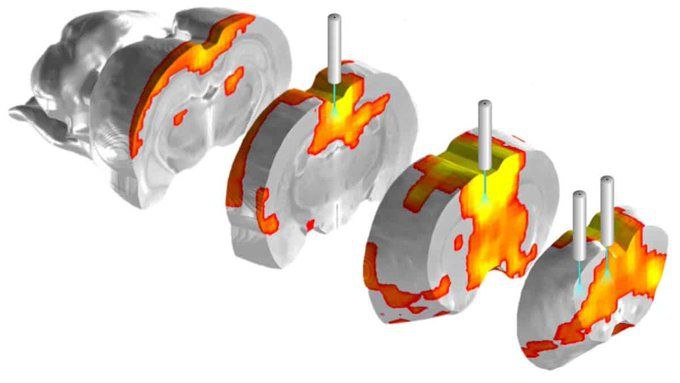
The imaging platform combines functional MRI with fibre photometry to study the daydreaming brain.
✅ Source: Click here
━━━━━━━━━━━
☢ @Physics ⚡| @Education 📖
✅ Source: Click here
━━━━━━━━━━━
☢ @Physics ⚡| @Education 📖
❤12👍10🔥10😱7🤩4
A meteoroid is a small rocky or metallic body in outer space.
Meteoroids are defined as objects significantly smaller than asteroids, ranging in size from grains to objects up to a meter wide. Objects smaller than this are classified as micrometeoroids or space dust. Most are fragments from comets or asteroids, whereas others are collision impact debris ejected from bodies such as the Moon or Mars.
When a meteoroid, comet, or asteroid enters Earth's atmosphere at a speed typically in excess of 20 km/s (72,000 km/h; 45,000 mph), aerodynamic heating of that object produces a streak of light, both from the glowing object and the trail of glowing particles that it leaves in its wake. This phenomenon is called a meteor or "shooting star". Meteors typically become visible when they are about 100 km above sea level. A series of many meteors appearing seconds or minutes apart and appearing to originate from the same fixed point in the sky is called a meteor shower. A meteorite is the remains of a meteoroid that has survived the ablation of its surface material during its passage through the atmosphere as a meteor and has impacted the ground.
━━━━━━━━━━━
☢ @Physics ⚡| @Education 📖
❤17👍15🔥12
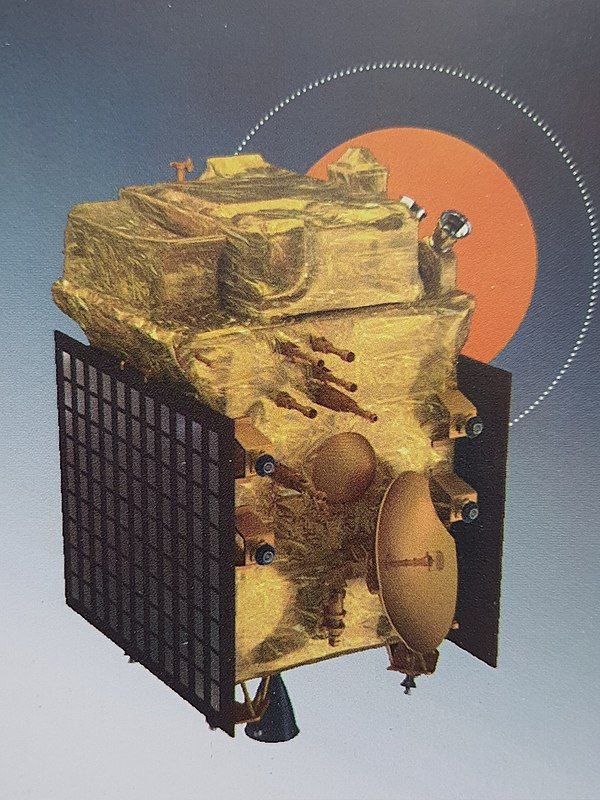
Aditya L1 is a planned coronagraphy spacecraft to study solar atmosphere, currently being designed and developed by the Indian Space Research Organisation (ISRO) and various other Indian research institutes. It will be inserted in a halo orbit around the L1 point between the Earth and the Sun where it will study the solar atmosphere, solar magnetic storms and its impact on the environment around Earth.
Key scientific objectives are coronal heating, solar wind acceleration, coronal magnetometry, origin and monitoring of near-UV solar radiation and the continuous observation of photosphere, chromosphere and corona, solar energetic particles and magnetic field of the Sun.
It is the first Indian mission dedicated to observe the Sun, and is planned to be launched in June-July 2023 aboard a PSLV-XL launch vehicle.
━━━━━━━━━━━
☢ @Physics ⚡| @Education 📖
🔥22👍12😱3😢3🤩2😁1
A smart bionic finger maps internal shapes and textures of complex layered objects such as human tissue.
✅ Source: Click here
━━━━━━━━━━━
☢ @Physics ⚡| @Education 📖
✅ Source: Click here
━━━━━━━━━━━
☢ @Physics ⚡| @Education 📖
👍12🔥8❤5🎉3
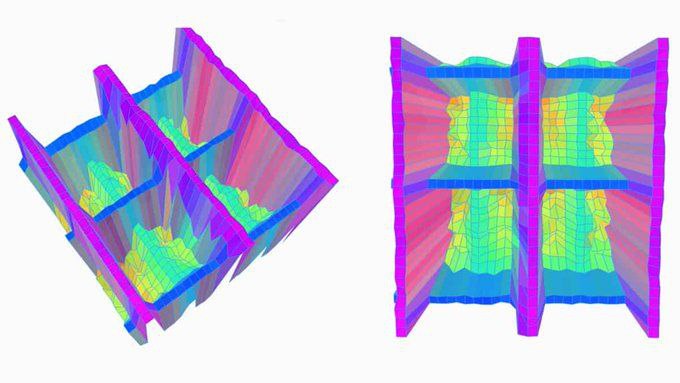
In particle physics, a Grand Unified Theory (GUT) is a model in which, at high energies, the three gauge interactions of the Standard Model comprising the electromagnetic, weak, and strong forces are merged into a single force. Although this unified force has not been directly observed, many GUT models theorize its existence. If unification of these three interactions is possible, it raises the possibility that there was a grand unification epoch in the very early universe in which these three fundamental interactions were not yet distinct.
━━━━━━━━━━━
☢ @Physics ⚡| @Education 📖
━━━━━━━━━━━
☢ @Physics ⚡| @Education 📖
👍21❤9🔥9🎉3
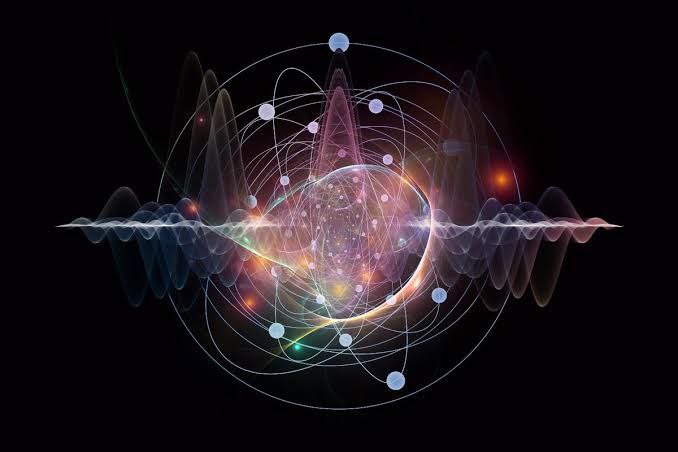
A Manx comet is a rocky, minor, celestial body that has a long-period comet orbit. Unlike most bodies on a long-period comet orbit which typically sport long, bright tails, the Manx comet is tailless, more typical of an inner Solar System asteroid. The nickname comes from the Manx breed of tailless cat. Examples include C/2013 P2 (PANSTARRS), discovered on 4 August 2013, which has an orbital period greater than 51 million years, and C/2014 S3 (PANSTARRS), discovered on 22 September 2014, which is thought to originate from the Oort cloud and could help explain the formation of the Solar System.
━━━━━━━━━━━
☢ @Physics ⚡| @Education 📖
━━━━━━━━━━━
☢ @Physics ⚡| @Education 📖

❤15👍10🔥9🤩6
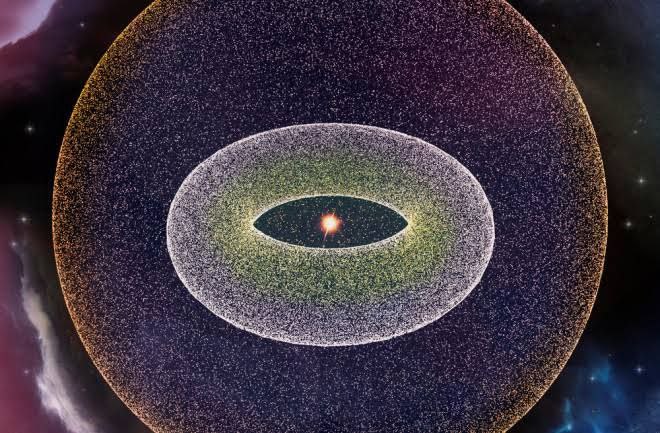
The Oort cloud, sometimes called the Öpik–Oort cloud, first described in 1950 by the Dutch astronomer Jan Oort, is a theoretical concept of a cloud of predominantly icy planetesimals proposed to surround the Sun at distances ranging from 2,000 to 200,000 AU (0.03 to 3.2 light-years). It is divided into two regions: a disc-shaped inner Oort cloud (or Hills cloud) and a spherical outer Oort cloud. Both regions lie beyond the heliosphere and are in interstellar space. The Kuiper belt, the scattered disc and the detached objects, the other three reservoirs of trans-Neptunian objects, are less than one thousandth as far from the Sun as the Oort cloud.
━━━━━━━━━━━
☢ @Physics ⚡| @Education 📖
━━━━━━━━━━━
☢ @Physics ⚡| @Education 📖
👍20❤10🔥10