
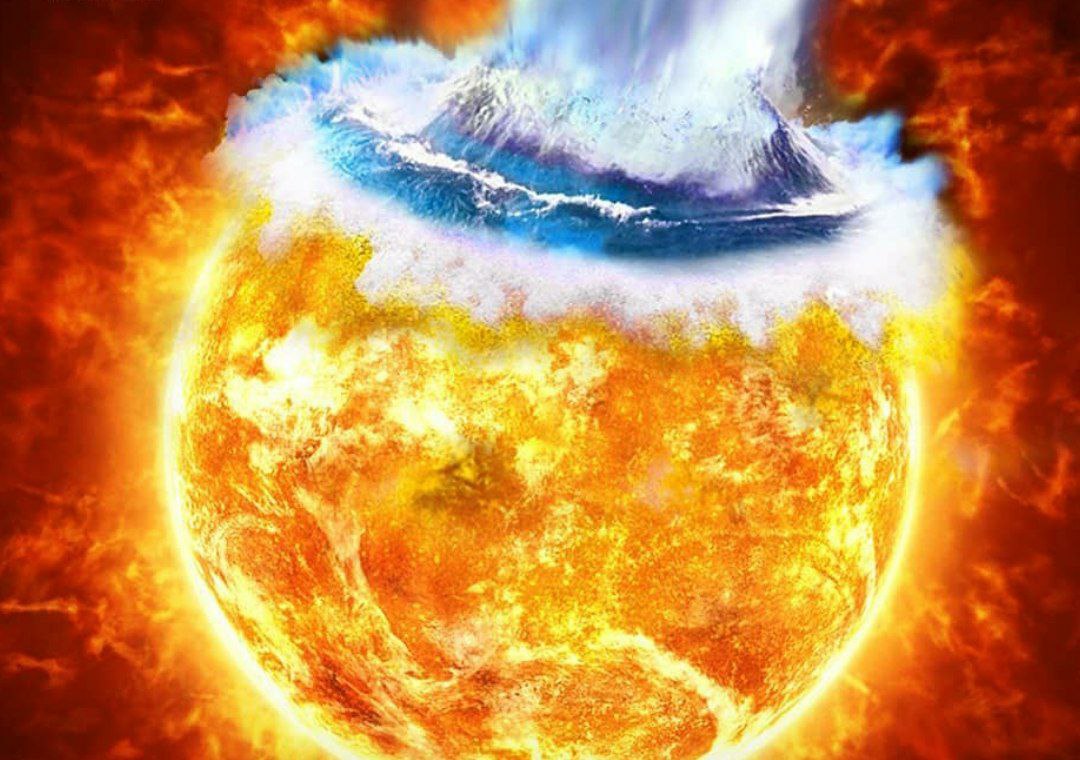
What if you pour water on the Sun?
If you were to fill a bucket the size of the Sun with water and pour it on the Sun, it wouldn't extinguish it. Instead, it will add to the Sun's mass and increase it's Hydrogen and Oxygen reserves - creating a bigger blue-white star 1.7 times the original size, and would fry nearby planets!
━━━━━━━━━━━━━
☢ @Physics ⚡
🔥8❤4


Small speakers in your headphones use electricity and moving magnets to create sound waves. The sound waves that come from the speaker bounce off your eardrums, which your brain interprets as music. Sound waves that you hear, whether they come from another person or a speaker, bounce off objects and move through the air and into your ears. Your brain uses the waves to interpret where a sound is coming from and how loud it is.
━━━━━━━━━━━━━
☢ @Physics ⚡
━━━━━━━━━━━━━
☢ @Physics ⚡

🔥3

