
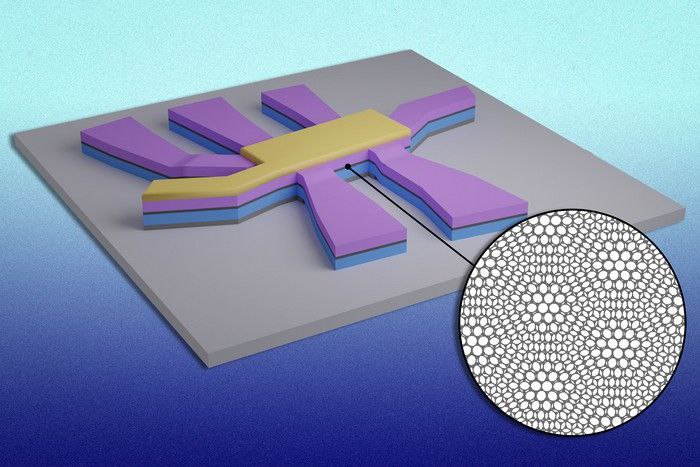
Superconductivity can be switched on and off in a novel magic-angle graphene device.
✅ Source: Click here
━━━━━━━━━━━
☢ @Physics ⚡| @Education 📖
━━━━━━━━━━━
☢ @Physics ⚡| @Education 📖
Please open Telegram to view this post
VIEW IN TELEGRAM
🔥19👍12❤8🎉5😱3
In systems involving heat transfer, a condenser is a heat exchanger used to condense a gaseous substance into a liquid state through cooling. In so doing, the latent heat is released by the substance and transferred to the surrounding environment. Condensers are used for efficient heat rejection in many industrial systems. Condensers can be made according to numerous designs, and come in many sizes ranging from rather small (hand-held) to very large (industrial-scale units used in plant processes). For example, a refrigerator uses a condenser to get rid of heat extracted from the interior of the unit to the outside air.
Condensers are used in air conditioning, industrial chemical processes such as distillation, steam power plants and other heat-exchange systems. Use of cooling water or surrounding air as the coolant is common in many condensers.
━━━━━━━━━━━
☢ @Physics ⚡| @Education 📖
Condensers are used in air conditioning, industrial chemical processes such as distillation, steam power plants and other heat-exchange systems. Use of cooling water or surrounding air as the coolant is common in many condensers.
━━━━━━━━━━━
☢ @Physics ⚡| @Education 📖

👍29🔥8❤7😱1
Huygens' principle is a concept in physics that states that every point on a wavefront is a source of secondary waves, which spread out in all directions. These secondary waves combine to create the overall wavefront, allowing the wave to propagate through space. This principle is based on the idea that light or other waves can be thought of as a series of wavelets that spread out from each point on a wavefront. Huygens' principle has been used to explain many phenomena, including diffraction, interference, and polarization. It is a fundamental principle in the study of wave phenomena and has helped scientists understand the behavior of light, sound, and other waves.
━━━━━━━━━━━
☢ @Physics ⚡| @Education 📖
━━━━━━━━━━━
☢ @Physics ⚡| @Education 📖
👍50❤14😱4🔥3🎉3🤩3😢1
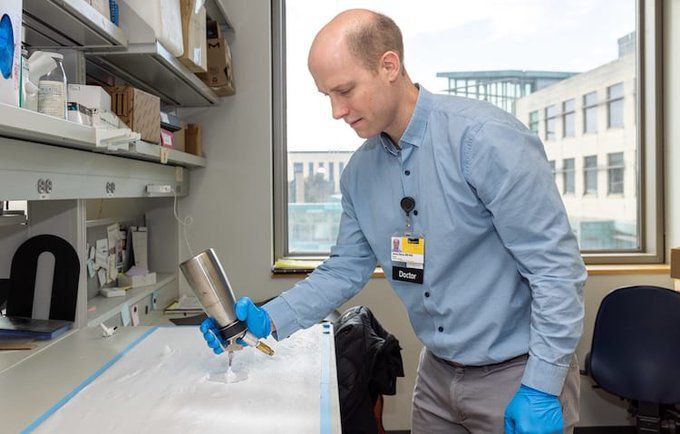
Oxygen-trapping materials that can be injected directly into tumour tissues can improve the response of cancer cells to radiotherapy or chemotherapies.
✅ Source: Click here
━━━━━━━━━━━
☢ @Physics ⚡| @Education 📖
━━━━━━━━━━━
☢ @Physics ⚡| @Education 📖
Please open Telegram to view this post
VIEW IN TELEGRAM
👍26❤17🔥5🤩5
Baffles are flow-directing or obstructing vanes or panels used to direct a flow of liquid or gas. It is used in some household stoves and in some industrial process vessels (tanks), such as shell and tube heat exchangers, chemical reactors, and static mixers.
Baffles are an integral part of the shell and tube heat exchanger design. A baffle is designed to support tube bundles and direct the flow of fluids for maximum efficiency. Baffle design and tolerances for heat exchangers are discussed in the standards of the Tubular Exchanger Manufacturers Association (TEMA).
━━━━━━━━━━━
☢ @Physics ⚡| @Education 📖

👍12🔥6🤩5
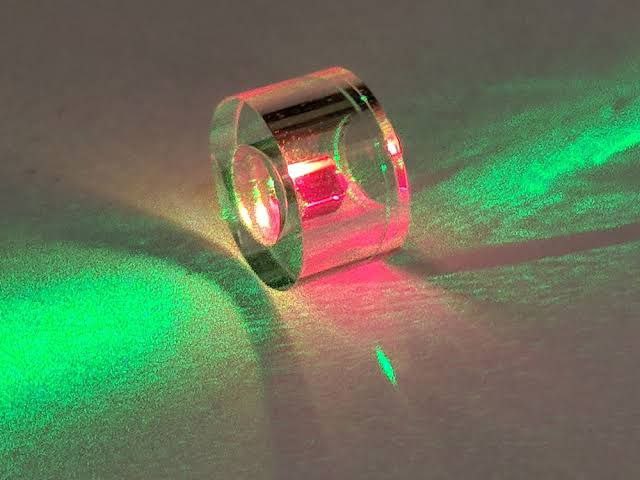
A maser (an acronym for microwave amplification by stimulated emission of radiation) is a device that produces coherent electromagnetic waves through amplification by stimulated emission. The first maser was built by Charles H. Townes, James P. Gordon, and Herbert J. Zeiger at Columbia University in 1953. Townes, Nikolay Basov and Alexander Prokhorov were awarded the 1964 Nobel Prize in Physics for theoretical work leading to the maser. Masers are also used as the timekeeping device in atomic clocks, and as extremely low-noise microwave amplifiers in radio telescopes and deep-space spacecraft communication ground stations.
━━━━━━━━━━━
☢ @Physics ⚡| @Education 📖
━━━━━━━━━━━
☢ @Physics ⚡| @Education 📖
👍24❤7🔥7🎉5😁1
Radio waves are a type of electromagnetic radiation with the longest wavelengths in the electromagnetic spectrum, typically with frequencies of 300 gigahertz (GHz) and below. At 300 GHz, the corresponding wavelength is 1 mm (shorter than a grain of rice); at 30 Hz the corresponding wavelength is 10,000 kilometers (6,200 miles) (longer than the radius of the Earth). Like all electromagnetic waves, radio waves in a vacuum travel at the speed of light, and in the Earth's atmosphere at a close, but slightly lower speed. Radio waves are generated by charged particles undergoing acceleration, such as time-varying electric currents. Naturally occurring radio waves are emitted by lightning and astronomical objects, and are part of the blackbody radiation emitted by all warm objects.
━━━━━━━━━━━
☢ @Physics ⚡| @Education 📖
━━━━━━━━━━━
☢ @Physics ⚡| @Education 📖
👍36🔥13❤10😱6
A Gunn diode, also known as a transferred electron device (TED), is a form of diode, a two-terminal semiconductor electronic component, with negative resistance, used in high-frequency electronics. It is based on the "Gunn effect" discovered in 1962 by physicist J. B. Gunn. Its largest use is in electronic oscillators to generate microwaves, in applications such as radar speed guns, microwave relay data link transmitters, and automatic door openers.
━━━━━━━━━━━
☢ @Physics ⚡| @Education 📖
━━━━━━━━━━━
☢ @Physics ⚡| @Education 📖

👍21🔥8❤5😱1
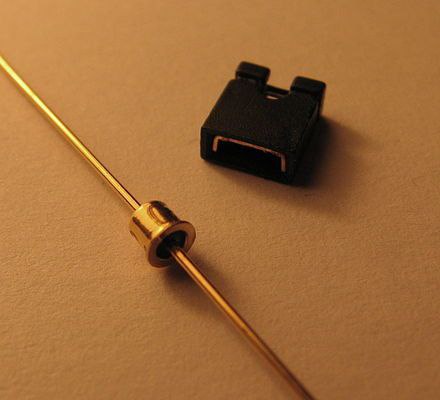
A tunnel diode or Esaki diode is a type of semiconductor diode that has effectively "negative resistance" due to the quantum mechanical effect called tunneling. It was invented in August 1957 by Leo Esaki, Yuriko Kurose, and Takashi Suzuki when they were working at Tokyo Tsushin Kogyo, now known as Sony. In 1973, Esaki received the Nobel Prize in Physics, jointly with Brian Josephson, for discovering the electron tunneling effect used in these diodes. Robert Noyce independently devised the idea of a tunnel diode while working for William Shockley, but was discouraged from pursuing it. Tunnel diodes were first manufactured by Sony in 1957, followed by General Electric and other companies from about 1960, and are still made in low volume today.
━━━━━━━━━━━
☢ @Physics ⚡| @Education 📖
━━━━━━━━━━━
☢ @Physics ⚡| @Education 📖
👍24🔥10😱3❤1😁1
Baby shellfish use photonic nanospheres overlying their eye pigments to make themselves appear completely transparent and hide from predators.
✅ Source: Click here
━━━━━━━━━━━
☢ @Physics ⚡| @Education 📖
━━━━━━━━━━━
☢ @Physics ⚡| @Education 📖
Please open Telegram to view this post
VIEW IN TELEGRAM

🔥14😱6❤5👍4🤩2