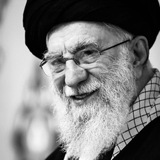
To the American Public: What Is the Trump Administration Hiding?
Reports citing Pentagon leaks and coverage from The New York Times reveal that U.S. military casualties in the campaign launched alongside Israel against Iran since February 28 have surged past 624 wounded service members.
President Donald Trump and his current administration continue to downplay the true scale of this conflict to the public. While official briefings brush off mounting casualties as routine operational risks, hundreds of American families are dealing with the real-world impact of an expanding foreign war.
Key questions the American public must force Washington to answer:
Why is the Trump administration obscuring the real casualty figures and keeping Congress in the dark?
What is the strategic end goal, and how many more American service members will be placed in harm's way before diplomatic solutions are prioritized?
How much longer will official channels hide the true human cost of this escalation?
Demand transparency from leadership before the toll rises even higher.
☑️ Our website
🖋 @observer_5
Reports citing Pentagon leaks and coverage from The New York Times reveal that U.S. military casualties in the campaign launched alongside Israel against Iran since February 28 have surged past 624 wounded service members.
President Donald Trump and his current administration continue to downplay the true scale of this conflict to the public. While official briefings brush off mounting casualties as routine operational risks, hundreds of American families are dealing with the real-world impact of an expanding foreign war.
Key questions the American public must force Washington to answer:
Why is the Trump administration obscuring the real casualty figures and keeping Congress in the dark?
What is the strategic end goal, and how many more American service members will be placed in harm's way before diplomatic solutions are prioritized?
How much longer will official channels hide the true human cost of this escalation?
Demand transparency from leadership before the toll rises even higher.
Please open Telegram to view this post
VIEW IN TELEGRAM
Please open Telegram to view this post
VIEW IN TELEGRAM
👎1
🔴 DAILY MILITARY BRIEFING: LEBANON FRONT
1. Summary of Israeli Attacks (July 25–26, 2026)
July 25, 2026
Demolition
Detonations: Majdal Zoun, Msha' Mnasouri, Kfar Tebnit, Hadatha, At Tiri, Kounine–Bint Jbeil outskirts, Markaba, Nabatieh al-Foqa–Kfar Tebnit line.
Artillery Shelling: Majdal Zoun, Kfar Tebnit outskirts, Kounine, Markaba, Ali al-Taher Hill, Beit Yahoun–Kounine area.
Machine Gun Sweeps: Lebanese Army post (Majdal Zoun–Mansouri), Majdal Zoun, Beit Yahoun, Hadatha, Buyut al-Siyad, Khiam City.
Other Operations: Quadcopter bomb in Mansouri, illumination flares in Hadatha, armored movement on At Tiri–Hadatha road with drone cover.
July 26, 2026
Demolition
Detonations: Majdal Zoun, Hadatha, Aitaroun, Mays al-Jabal, At Tiri–Bint Jbeil, Kounine–Ainata, At Tiri, Kfar Tebnit outskirts, Al-Qantara, Rashaf.
Air Strikes: Fighter jet strike on Alman Al-Shoumarieh outskirts.
Artillery Shelling: Ali al-Taher Hill, Mays al-Jabal, Shamaa.
Machine Gun Sweeps: Mansouri, Buyut al-Siyad, Hadatha.
2. Casualties
July 25: 0 reported casualties.
July 26: 0 reported casualties.
3. Expert Tactical Evaluation
Operational Intensity:
Slight escalation overall. Demolition operations expanded from 8 to 10 sectors (adding Aitaroun, Al-Qantara, and Rashaf) to clear structures and line-of-sight along the border. Fixed-wing airstrikes replaced quadcopter bombings, indicating an increase in ordnance yield despite a slight drop in artillery points.
Munitions & Ordnance Used:
Artillery: 155mm field artillery and tank shells targeting vantage points (Ali al-Taher Hill) and transit corridors.
Demolitions: High-explosive engineering charges for structural land clearing.
Direct Fire & Aerial: Heavy machine guns (12.7mm/14.5mm) for terrain sweeps, tactical air-to-ground missiles, quadcopter-dropped munitions, and illumination flares.
☑️ Our website
🖋 @observer_5
Check out the next post for more details👇
1. Summary of Israeli Attacks (July 25–26, 2026)
July 25, 2026
Demolition
Detonations: Majdal Zoun, Msha' Mnasouri, Kfar Tebnit, Hadatha, At Tiri, Kounine–Bint Jbeil outskirts, Markaba, Nabatieh al-Foqa–Kfar Tebnit line.
Artillery Shelling: Majdal Zoun, Kfar Tebnit outskirts, Kounine, Markaba, Ali al-Taher Hill, Beit Yahoun–Kounine area.
Machine Gun Sweeps: Lebanese Army post (Majdal Zoun–Mansouri), Majdal Zoun, Beit Yahoun, Hadatha, Buyut al-Siyad, Khiam City.
Other Operations: Quadcopter bomb in Mansouri, illumination flares in Hadatha, armored movement on At Tiri–Hadatha road with drone cover.
July 26, 2026
Demolition
Detonations: Majdal Zoun, Hadatha, Aitaroun, Mays al-Jabal, At Tiri–Bint Jbeil, Kounine–Ainata, At Tiri, Kfar Tebnit outskirts, Al-Qantara, Rashaf.
Air Strikes: Fighter jet strike on Alman Al-Shoumarieh outskirts.
Artillery Shelling: Ali al-Taher Hill, Mays al-Jabal, Shamaa.
Machine Gun Sweeps: Mansouri, Buyut al-Siyad, Hadatha.
2. Casualties
July 25: 0 reported casualties.
July 26: 0 reported casualties.
3. Expert Tactical Evaluation
Operational Intensity:
Slight escalation overall. Demolition operations expanded from 8 to 10 sectors (adding Aitaroun, Al-Qantara, and Rashaf) to clear structures and line-of-sight along the border. Fixed-wing airstrikes replaced quadcopter bombings, indicating an increase in ordnance yield despite a slight drop in artillery points.
Munitions & Ordnance Used:
Artillery: 155mm field artillery and tank shells targeting vantage points (Ali al-Taher Hill) and transit corridors.
Demolitions: High-explosive engineering charges for structural land clearing.
Direct Fire & Aerial: Heavy machine guns (12.7mm/14.5mm) for terrain sweeps, tactical air-to-ground missiles, quadcopter-dropped munitions, and illumination flares.
Check out the next post for more details
Please open Telegram to view this post
VIEW IN TELEGRAM
Please open Telegram to view this post
VIEW IN TELEGRAM
😢1
🔴 DAILY MILITARY FIELD BRIEFING: LEBANON FRONT
1. Summary of Israeli Attacks (July 25 – July 26, 2026)
Yesterday (July 25, 2026)
Demolition / Engineering Explosions: Majdal Zoun, Msha' Mnasouri, Kfar Tebnit, Hadatha, At Tiri, Outskirts of Kounine – Bint Jbeil, Markaba, Corridor between Nabatieh al-Foqa and Kfar Tebnit.
Artillery Shelling: Majdal Zoun, Outskirts of Kfar Tebnit – Nabatieh al-Foqa, Kfar Tebnit, Kounine, Markaba, Ali al-Taher Hill, Sector between Beit Yahoun and Kounine.
Heavy Machine Gun Sweep Operations: Lebanese Army position between Majdal Zoun and Mansouri, Majdal Zoun, Beit Yahoun, Hadatha, Outskirts of Buyut al-Siyad, Khiam City.
Loitering Munitions / Quadcopter Bombs: Mansouri.
Illumination Flares: Hadatha.
Mechanized Reconnaissance: Movement of Israeli armored/mechanized elements along the At Tiri–Hadatha main road, coordinated with overhead UAV reconnaissance.
Today (July 26, 2026)
Demolition / Engineering Explosions: Majdal Zoun, Hadatha, Aitaroun, Mays al-Jabal, Sector between At Tiri and Bint Jbeil, Sector between Kounine and Ainata, At Tiri, Outskirts of Kfar Tebnit, Al-Qantara, Rashaf.
Air Strikes: Tactical warplane strike targeting the outskirts of Alman Al-Shoumarieh.
Artillery Shelling: Ali al-Taher Hill, Mays al-Jabal, Shamaa.
Heavy Machine Gun Sweep Operations: Mansouri, Buyut al-Siyad, Hadatha.
2. Official Casualty Assessment
July 25, 2026: 0 Direct Reported Casualties (Low human toll due to civilian evacuation, targeting of open fields/outskirts, and deliberate defensive posturing).
July 26, 2026: 0 Direct Reported Casualties (Strikes targeted infrastructure, open terrain, and defensive perimeters).
3. Strategic & Tactical Military Analysis
Trend Assessment: Escalation vs. De-escalation
Increase in Engineering/Demolition Activity: Controlled demolition detonations escalated on July 26, expanding from 8 specific zones on July 25 to 10 distinct sectors (notably adding Aitaroun, Mays al-Jabal, Al-Qantara, and Rashaf). This indicates a deliberate push to alter the local terrain, destroy cover, and clear firing lanes along the southern border belt.
Shift in Air Assets: While July 25 saw localized quadcopter-dropped munitions in Mansouri, July 26 marked an escalation to fixed-wing fighter jet airstrikes (targeting Alman Al-Shoumarieh), indicating a shift back toward higher-yield tactical air support.
Slight Contraction in Direct Fire Engagements: Machine gun sweep operations and direct artillery barrage sectors saw a slight geographic reduction on July 26 compared to July 25, indicating a shift from active contact probing to systemic structural suppression and clearing.
Artillery & Munitions Profile
Field Artillery & Armor Cannon: 155mm high-explosive (HE) artillery rounds and 120mm tank fire utilized for perimeter denial, interdiction, and suppression across high-altitude vantage points (such as Ali al-Taher Hill) and valley corridors (e.g., between Beit Yahoun and Kounine).
Heavy Machine Guns (HMG): 12.7mm (.50 cal) and 14.5mm vehicular/coaxial heavy machine guns deployed for suppressive fire sweeps to clear tree lines, roadside positions, and movement corridors.
High-Explosive Demolitions: Controlled land-based engineering charges used to systematically clear structures and natural cover in key frontline villages.
Aerial Munitions: Rotary-wing/quadcopter grenade drops for precision point suppression, alongside fixed-wing guided air-to-ground missiles for deeper tactical strikes.
Pyrotechnics: White phosphorus or standard illumination flares deployed over Hadatha to maintain night-vision coverage and deny undetected movement.
☑️ Our website
🖋 @observer_5
1. Summary of Israeli Attacks (July 25 – July 26, 2026)
Yesterday (July 25, 2026)
Demolition / Engineering Explosions: Majdal Zoun, Msha' Mnasouri, Kfar Tebnit, Hadatha, At Tiri, Outskirts of Kounine – Bint Jbeil, Markaba, Corridor between Nabatieh al-Foqa and Kfar Tebnit.
Artillery Shelling: Majdal Zoun, Outskirts of Kfar Tebnit – Nabatieh al-Foqa, Kfar Tebnit, Kounine, Markaba, Ali al-Taher Hill, Sector between Beit Yahoun and Kounine.
Heavy Machine Gun Sweep Operations: Lebanese Army position between Majdal Zoun and Mansouri, Majdal Zoun, Beit Yahoun, Hadatha, Outskirts of Buyut al-Siyad, Khiam City.
Loitering Munitions / Quadcopter Bombs: Mansouri.
Illumination Flares: Hadatha.
Mechanized Reconnaissance: Movement of Israeli armored/mechanized elements along the At Tiri–Hadatha main road, coordinated with overhead UAV reconnaissance.
Today (July 26, 2026)
Demolition / Engineering Explosions: Majdal Zoun, Hadatha, Aitaroun, Mays al-Jabal, Sector between At Tiri and Bint Jbeil, Sector between Kounine and Ainata, At Tiri, Outskirts of Kfar Tebnit, Al-Qantara, Rashaf.
Air Strikes: Tactical warplane strike targeting the outskirts of Alman Al-Shoumarieh.
Artillery Shelling: Ali al-Taher Hill, Mays al-Jabal, Shamaa.
Heavy Machine Gun Sweep Operations: Mansouri, Buyut al-Siyad, Hadatha.
2. Official Casualty Assessment
July 25, 2026: 0 Direct Reported Casualties (Low human toll due to civilian evacuation, targeting of open fields/outskirts, and deliberate defensive posturing).
July 26, 2026: 0 Direct Reported Casualties (Strikes targeted infrastructure, open terrain, and defensive perimeters).
3. Strategic & Tactical Military Analysis
Trend Assessment: Escalation vs. De-escalation
Increase in Engineering/Demolition Activity: Controlled demolition detonations escalated on July 26, expanding from 8 specific zones on July 25 to 10 distinct sectors (notably adding Aitaroun, Mays al-Jabal, Al-Qantara, and Rashaf). This indicates a deliberate push to alter the local terrain, destroy cover, and clear firing lanes along the southern border belt.
Shift in Air Assets: While July 25 saw localized quadcopter-dropped munitions in Mansouri, July 26 marked an escalation to fixed-wing fighter jet airstrikes (targeting Alman Al-Shoumarieh), indicating a shift back toward higher-yield tactical air support.
Slight Contraction in Direct Fire Engagements: Machine gun sweep operations and direct artillery barrage sectors saw a slight geographic reduction on July 26 compared to July 25, indicating a shift from active contact probing to systemic structural suppression and clearing.
Artillery & Munitions Profile
Field Artillery & Armor Cannon: 155mm high-explosive (HE) artillery rounds and 120mm tank fire utilized for perimeter denial, interdiction, and suppression across high-altitude vantage points (such as Ali al-Taher Hill) and valley corridors (e.g., between Beit Yahoun and Kounine).
Heavy Machine Guns (HMG): 12.7mm (.50 cal) and 14.5mm vehicular/coaxial heavy machine guns deployed for suppressive fire sweeps to clear tree lines, roadside positions, and movement corridors.
High-Explosive Demolitions: Controlled land-based engineering charges used to systematically clear structures and natural cover in key frontline villages.
Aerial Munitions: Rotary-wing/quadcopter grenade drops for precision point suppression, alongside fixed-wing guided air-to-ground missiles for deeper tactical strikes.
Pyrotechnics: White phosphorus or standard illumination flares deployed over Hadatha to maintain night-vision coverage and deny undetected movement.
Please open Telegram to view this post
VIEW IN TELEGRAM
Please open Telegram to view this post
VIEW IN TELEGRAM
😱1
This media is not supported in your browser
VIEW IN TELEGRAM
If you thought foreign policy was made in public summits, wake up
The leaked tape makes it painfully obvious: Lindsey Graham wasn't crafting strategy; he was serving as a glorified bridge for Netanyahu to bypass official channels and plant ideas in Trump's head. Netanyahu used Graham as a low-risk sounding board. You test radical escalation in private with a political insider before taking it to the Oval Office.
Watch the dynamic in that clip carefully. When Graham gets overly eager—proposing that Trump jump straight into bombing Lebanon—Netanyahu immediately checks him. Why? Because Netanyahu isn't interested in American tactical enthusiasm; he demands strategic convergence. Netanyahu wanted total focus locked onto Iran, explicitly steering Washington to suit Israel’s timelines without opening prematurely chaotic fronts in Lebanon that could backfire.
Let’s cut through the sentimental noise following Graham's recent death. Was he influential? Absolutely—as a loud, persistent megaphone for foreign intervention. But Trump’s machine doesn't rely on one senator. Donald Trump acts on his own volatile calculus and the immediate inner circle surrounding him. Graham’s passing eliminates a middleman, nothing more.
With Graham gone, the informal "backchannel" shrinks. Netanyahu doesn't get to whisper into an unofficial conduit anymore—he has to deal directly with institutional heavyweights like Secretary of State Marco Rubio and White House policy directors. The backchannel era is replaced by official, transactional diplomacy.
The Reality Check
Stop believing the theater of official press briefings. Washington's wars are negotiated through private calls, manipulated egos, and calculated leaks long before a single missile is fired.
Please open Telegram to view this post
VIEW IN TELEGRAM
🔗 Bypassing the Gulf Chokepoints: The Geopolitics of the Iraq-Syria-Lebanon Oil Corridor
The recent high-level talks in Baghdad on July 26, 2026, between Lebanese Prime Minister Nawaf Salam and Iraqi Prime Minister Ali al-Zaidi—following Iraq’s cabinet approval of a new pipeline framework—signal a major shift in Eastern Mediterranean energy geopolitics. Reported by The National, Baghdad’s proposal to extend crude pipelines through Syria to the Lebanese port of Tripoli is far more than an energy transaction; it is a strategic restructuring of land-based trade corridors across West Asia.
1. Breaking Maritime Hegemony and Vulnerability
Historically, Iraq’s crude exports (exceeding 3.4 million barrels per day) have been constrained by two geopolitical choke points: the Persian Gulf / Strait of Hormuz—vulnerable to US naval coercion and regional escalation—and the northern Ceyhan pipeline through Turkey, subject to perpetual political bargaining with Ankara. Reviving and expanding the historic 928-kilometer Kirkuk-Tripoli corridor (historically rated at 410,000 bpd) provides Baghdad with an independent, direct overland gateway to the Eastern Mediterranean.
2. The Resistance Corridor as an Economic Fortress
From a critical regional perspective, connecting Baghdad, Damascus, and Beirut via pipeline infrastructure cements the geography of the Axis of Resistance into an integrated economic fortress.
Syria gains crucial transit revenues and domestic fuel access, directly undercutting the impact of Western Caesar Act sanctions.
Lebanon secures a stable crude supply for its starved power grid and positions the Tripoli Oil Facilities as a vital Mediterranean export hub.
Iraq diversifies its sovereign export options away from NATO-controlled transit routes and Gulf maritime bottlenecks.
3. Structural Obstacles and Western Sanctions
While technical assessments and multi-stage proposals target initial storage and partial operations between 2027 and 2030, the real battleground will be geopolitical.
Washington and its regional allies will view a functional Baghdad-Damascus-Tripoli energy axis as a direct challenge to Western financial leverage over the Levant. The ultimate success of this pipeline will depend on the sovereign political will of Baghdad, Damascus, and Beirut to withstand external pressure and secure their economic borders.
☑️ Our website
🖋 @observer_5
The recent high-level talks in Baghdad on July 26, 2026, between Lebanese Prime Minister Nawaf Salam and Iraqi Prime Minister Ali al-Zaidi—following Iraq’s cabinet approval of a new pipeline framework—signal a major shift in Eastern Mediterranean energy geopolitics. Reported by The National, Baghdad’s proposal to extend crude pipelines through Syria to the Lebanese port of Tripoli is far more than an energy transaction; it is a strategic restructuring of land-based trade corridors across West Asia.
1. Breaking Maritime Hegemony and Vulnerability
Historically, Iraq’s crude exports (exceeding 3.4 million barrels per day) have been constrained by two geopolitical choke points: the Persian Gulf / Strait of Hormuz—vulnerable to US naval coercion and regional escalation—and the northern Ceyhan pipeline through Turkey, subject to perpetual political bargaining with Ankara. Reviving and expanding the historic 928-kilometer Kirkuk-Tripoli corridor (historically rated at 410,000 bpd) provides Baghdad with an independent, direct overland gateway to the Eastern Mediterranean.
2. The Resistance Corridor as an Economic Fortress
From a critical regional perspective, connecting Baghdad, Damascus, and Beirut via pipeline infrastructure cements the geography of the Axis of Resistance into an integrated economic fortress.
Syria gains crucial transit revenues and domestic fuel access, directly undercutting the impact of Western Caesar Act sanctions.
Lebanon secures a stable crude supply for its starved power grid and positions the Tripoli Oil Facilities as a vital Mediterranean export hub.
Iraq diversifies its sovereign export options away from NATO-controlled transit routes and Gulf maritime bottlenecks.
3. Structural Obstacles and Western Sanctions
While technical assessments and multi-stage proposals target initial storage and partial operations between 2027 and 2030, the real battleground will be geopolitical.
Washington and its regional allies will view a functional Baghdad-Damascus-Tripoli energy axis as a direct challenge to Western financial leverage over the Levant. The ultimate success of this pipeline will depend on the sovereign political will of Baghdad, Damascus, and Beirut to withstand external pressure and secure their economic borders.
Please open Telegram to view this post
VIEW IN TELEGRAM
👍1
🚨 The Subversion of American Sovereignty: NDAA Section 219 (formerly Sec. 224)
The latest push to merge the U.S. and Israeli military-industrial complexes is moving through Congress as Section 219 (originally Section 224) of the FY2027 National Defense Authorization Act.
Who Engineered This?
It originated as the U.S.-Israel FUTURES Act, introduced by Senators Ted Budd (R-NC) and Kirsten Gillibrand (D-NY) along with Rep. Ronny Jackson (R-TX). When it stalled as a standalone bill, House Armed Services Committee leadership—Reps. Mike Rogers (R-AL) and Adam Smith (D-WA)—smuggled its core provisions directly into the defense budget to guarantee passage.
How It Changes Future Wars?
This is not standard foreign aid; it is systemic institutional fusion.
Data & AI Integration: Mandates "network integration" and "data fusion" across artificial intelligence, autonomous systems, cyber defense, and targeting architecture.
Automated Entanglement: U.S. military hardware and command systems will run on shared code and intelligence streams with Israel.
Bypassing Congress: By embedding integration into the Pentagon’s acquisition apparatus, future wars will no longer require explicit Congressional debate or annual aid approvals. American intelligence and logistical pipelines will automatically drag the U.S. into regional escalations.
Can the Federal Government Retract It?
Legally, yes. Practically, almost impossible.
Congress can always repeal a law or defund an initiative in future legislative cycles. However, once military hardware architectures, software pipelines, intelligence databases, and joint industrial supply chains are fused, untangling them takes years and billions of dollars. It creates a permanent operational dependency that future administrations cannot simply turn off with an executive order.
Why People Are Calling This Treason?
Critique across both sides of the political spectrum centers on national sovereignty:
Surrender of Military Command: Subordinating American data infrastructure and military R&D to a foreign nation strips the Commander-in-Chief and Congress of unilateral control over U.S. forces.
Erosion of the Constitution: Article I, Section 8 gives Congress sole authority over war powers. Handing foreign entities real-time access to military networks delegates American war-making capabilities to a foreign capital.
Foreign Influence Over Defense Jobs: Establishing joint domestic manufacturing operations locks U.S. defense jobs into foreign policy decisions, turning American industrial policy into a hostage of foreign interests.
☑️ Our website
🖋 @observer_5
The latest push to merge the U.S. and Israeli military-industrial complexes is moving through Congress as Section 219 (originally Section 224) of the FY2027 National Defense Authorization Act.
Who Engineered This?
It originated as the U.S.-Israel FUTURES Act, introduced by Senators Ted Budd (R-NC) and Kirsten Gillibrand (D-NY) along with Rep. Ronny Jackson (R-TX). When it stalled as a standalone bill, House Armed Services Committee leadership—Reps. Mike Rogers (R-AL) and Adam Smith (D-WA)—smuggled its core provisions directly into the defense budget to guarantee passage.
How It Changes Future Wars?
This is not standard foreign aid; it is systemic institutional fusion.
Data & AI Integration: Mandates "network integration" and "data fusion" across artificial intelligence, autonomous systems, cyber defense, and targeting architecture.
Automated Entanglement: U.S. military hardware and command systems will run on shared code and intelligence streams with Israel.
Bypassing Congress: By embedding integration into the Pentagon’s acquisition apparatus, future wars will no longer require explicit Congressional debate or annual aid approvals. American intelligence and logistical pipelines will automatically drag the U.S. into regional escalations.
Can the Federal Government Retract It?
Legally, yes. Practically, almost impossible.
Congress can always repeal a law or defund an initiative in future legislative cycles. However, once military hardware architectures, software pipelines, intelligence databases, and joint industrial supply chains are fused, untangling them takes years and billions of dollars. It creates a permanent operational dependency that future administrations cannot simply turn off with an executive order.
Why People Are Calling This Treason?
Critique across both sides of the political spectrum centers on national sovereignty:
Surrender of Military Command: Subordinating American data infrastructure and military R&D to a foreign nation strips the Commander-in-Chief and Congress of unilateral control over U.S. forces.
Erosion of the Constitution: Article I, Section 8 gives Congress sole authority over war powers. Handing foreign entities real-time access to military networks delegates American war-making capabilities to a foreign capital.
Foreign Influence Over Defense Jobs: Establishing joint domestic manufacturing operations locks U.S. defense jobs into foreign policy decisions, turning American industrial policy into a hostage of foreign interests.
Please open Telegram to view this post
VIEW IN TELEGRAM
👎1
🚨 The Times (UK): Hunting Khamenei — How the CIA and Mossad Are Trying to Track Sayyed Mojtaba
According to a report published by The Times ( 28/7/2026 ) , the U.S. Central Intelligence Agency (CIA) and Israel’s Mossad have intensified efforts to locate and monitor Iran’s new Supreme Leader, Sayyed Mojtaba Khamenei, after he disappeared from public view and has avoided any public appearances or audio recordings since his appointment on March 8.
Key points from the report:
Complete digital blackout: Sayyed Mojtaba has reportedly cut off all electronic communications, including mobile phones and portable devices, severely limiting the aerial surveillance and cyber-monitoring capabilities previously relied upon by Washington and Tel Aviv.
Shift to Human Intelligence (HUMINT): Intelligence agencies have increasingly turned to tracking handwritten messages and multi-layered courier networks in an effort to penetrate the small inner circle surrounding him.
Suspected hiding locations: Analysts believe he may be sheltering in deep underground tunnel complexes beneath Tehran or in heavily fortified military facilities near the city of Qom.
Operational challenges and security measures: Intelligence assessments suggest he may have suffered a serious facial injury during the February 28 airstrike. He is reportedly under strict protection by the Islamic Revolutionary Guard Corps (IRGC), with only two or three individuals aware of his exact location. The report also raises the possibility that body doubles are being used to complicate tracking efforts.
Strategic dilemma: Washington and Tel Aviv are said to be weighing the consequences of targeting him if his location is confirmed, while also questioning what type of leadership could emerge in his place and whether his continued absence may, paradoxically, contribute to regional stability.
☑️ Our website
🖋 @observer_5
According to a report published by The Times ( 28/7/2026 ) , the U.S. Central Intelligence Agency (CIA) and Israel’s Mossad have intensified efforts to locate and monitor Iran’s new Supreme Leader, Sayyed Mojtaba Khamenei, after he disappeared from public view and has avoided any public appearances or audio recordings since his appointment on March 8.
Key points from the report:
Complete digital blackout: Sayyed Mojtaba has reportedly cut off all electronic communications, including mobile phones and portable devices, severely limiting the aerial surveillance and cyber-monitoring capabilities previously relied upon by Washington and Tel Aviv.
Shift to Human Intelligence (HUMINT): Intelligence agencies have increasingly turned to tracking handwritten messages and multi-layered courier networks in an effort to penetrate the small inner circle surrounding him.
Suspected hiding locations: Analysts believe he may be sheltering in deep underground tunnel complexes beneath Tehran or in heavily fortified military facilities near the city of Qom.
Operational challenges and security measures: Intelligence assessments suggest he may have suffered a serious facial injury during the February 28 airstrike. He is reportedly under strict protection by the Islamic Revolutionary Guard Corps (IRGC), with only two or three individuals aware of his exact location. The report also raises the possibility that body doubles are being used to complicate tracking efforts.
Strategic dilemma: Washington and Tel Aviv are said to be weighing the consequences of targeting him if his location is confirmed, while also questioning what type of leadership could emerge in his place and whether his continued absence may, paradoxically, contribute to regional stability.
Please open Telegram to view this post
VIEW IN TELEGRAM
🤬1
Global marine insurers led by Lloyd’s of London (Ascot, Navium) have pulled war-risk coverage for Saudi-linked shipping in the Red Sea following targeted strikes on Saudi crude tankers (Encelia, Layla).
Strategic Strike: The strikes render Riyadh's East-West Pipeline to Yanbu useless as an alternative route to the Strait of Hormuz.
Insurance Collapse: War-risk premiums spiked above 3% before underwriters outright canceled coverage for Saudi-linked cargo.
Economic Deterrence: Sana'a weaponized financial underwriting, forcing carriers like Bahri into dark-sailing or taking expensive diversions around the Cape of Good Hope.
Ansar Allah proves that economic blockades no longer require traditional navies—only the ability to break the adversary's financial safety net. 🚢
Please open Telegram to view this post
VIEW IN TELEGRAM
👍1
🇮🇶🔥🇺🇦 UKRAINIANS COMMITTING TERRORISM IN IRAQ!!
🗣️ Iraq’s National Security Advisor Qasim al‑Aboudi reveals: Ukrainian intelligence cells are active across Iraq, staging false‑flag attacks on government facilities.
📂 “
.”
⚠️ He added the probe is complex and ongoing, with arrested members confessing to working for Ukraine.
🤡 Vanilla ISIS strikes again.
☑️ Our website
🖋 @observer_5
🗣️ Iraq’s National Security Advisor Qasim al‑Aboudi reveals: Ukrainian intelligence cells are active across Iraq, staging false‑flag attacks on government facilities.
📂 “
A new file shows clear UKRAINIAN INTERFERENCE. We’ve uncovered groups carrying out limited bombings—cells tied directly to Ukraine
.”
Please open Telegram to view this post
VIEW IN TELEGRAM
🤬1
▪️Amid escalating regional tensions, the Saudi Ministry of Defense announced that it had intercepted drones targeting oil facilities in Riyadh and the Eastern Province, claiming they were launched from Iraqi territory. According to the Saudi narrative, the attack bypassed the Yemeni theater of operations, citing the geographical proximity of Iraq’s border to the targeted sites.
▪️Satellite imagery and footage released following the statement showed massive fires and towering flames at Saudi Aramco’s Abqaiq refinery in eastern Saudi Arabia. The strikes reportedly caused extensive damage to fuel storage facilities and critical infrastructure linked to oil refining operations.
▪️In response, the Islamic Resistance in Iraq categorically denied the accusations in a strongly worded statement, arguing that the claims were intended to justify Saudi security failures and obscure the true nature of the ongoing conflict.
▪️Meanwhile, Iraq’s domestic political scene saw leaders of the Coordination Framework reaffirm their rejection of using Iraqi territory to launch attacks against other countries, while expressing support for efforts to consolidate the state’s monopoly over arms.
▪️Caught between competing narratives and the undeniable reality of burning infrastructure, Iraq once again emerges as a critical fault line in the broader struggle over regional influence and energy security.
Please open Telegram to view this post
VIEW IN TELEGRAM
Please open Telegram to view this post
VIEW IN TELEGRAM
🫡1
The Observer
From a practical and technical standpoint, the Saudi claim appears to rest on geographical considerations, arguing that the targeted site is significantly closer to Iraq than to Yemen. This has created a sharp divergence between the competing narratives.
Rather than rushing to accuse either side of outright deception, it is important to recognize that, if these strikes did occur, they would reflect an evolution in operational capabilities. Even if the Iraqi Resistance was not responsible, the very act of directing accusations toward Iraq highlights the psychological and political dimensions of the conflict, positioning Iraq itself as a central arena in the regional confrontation.
These accusations are not isolated incidents but part of a much broader geopolitical struggle. Whether or not the Iraqi Resistance carried out the attack, it remains engaged in what it views as an existential conflict, mobilizing all available resources.
If the Saudi account is accurate, the incident falls squarely within the ongoing energy war engulfing the region. If not, Iraq’s inclusion in the narrative still underscores the intensity of the intelligence and psychological warfare being waged, demanding a clear understanding of the conflict’s true nature.
The current atmosphere recalls the events of 2019 following the attacks on Aramco facilities, when those incidents were widely seen as contributing to political instability and heightened tensions inside Iraq.
The latest statement from the Saudi Ministry of Defense reinforces the perception that Riyadh has openly adopted a confrontational posture toward Iraq and is prepared to use any pretext to increase pressure on the country. This reality requires preparedness for a wide range of potential security scenarios.
The Iraqi Resistance is now facing one of its most difficult and sensitive phases. It is operating amid diminishing support, while many political and official actors have chosen de-escalation over confrontation.
This is reflected in the repeated accusations directed against the Resistance and the growing political and media pressure surrounding it. Similar claims surfaced only days ago when Masrour Barzani alleged that drones targeting sites in Erbil had been launched from Mosul, calling on Baghdad to take action against what he described as “outlaws.”
The recurrence of such accusations, combined with comparable precedents, evokes the security climate that preceded 2011, highlighting the scale of the current challenge. Under these circumstances, the Resistance faces mounting pressure to strengthen its security readiness and prepare calculated responses capable of preserving its deterrence and responding to threats against Iraq’s security.
Please open Telegram to view this post
VIEW IN TELEGRAM
Please open Telegram to view this post
VIEW IN TELEGRAM
🤨1
⚔️ Spokesman for the Khatam al-Anbiya (PBUH) Central Headquarters:
🇺🇸 Following what it described as U.S. acts of aggression and Washington’s continued efforts to destabilize the region, the U.S. President announced that compensation would be provided for ships damaged during the imposed war against the Islamic Republic of Iran.
“illegal and unsafe route”
south of the Strait of Hormuz — using frozen Iranian assets.
The headquarters warned the U.S. President of the consequences of what it described as an unlawful measure.
🚢🌊 It further stated that all companies and countries supporting Trump’s proposal and using Iran’s frozen assets under this pretext should be aware that, from this moment onward, the Armed Forces of the Islamic Republic of Iran 🇮🇷 will not allow any of their vessels to pass through the Strait of Hormuz.
Please open Telegram to view this post
VIEW IN TELEGRAM
🔥1
🏛️ The Trump-Netanyahu Diplomatic Track
U.S. Summit
Israeli Prime Minister Benjamin Netanyahu has arrived in the United States for a high-stakes meeting with Donald Trump. Netanyahu declared that countering Iran remains his top priority during the discussions.
Regional Pressure & F-35 Friction
Regional Settlement Calls: Hundreds of former Israeli security and diplomatic officials are actively pressuring Trump to push for a sustainable, comprehensive regional settlement.
F-35 Dispute: Trump publicly dismissed internal Israeli opposition regarding a potential U.S. F-35 fighter jet sale to Türkiye. Responding to Israeli concerns over regional air balance, Trump emphasized
U.S. autonomy in defense sales and praised Türkiye as a key ally.
The Observer will continue to provide updates as further details and developments emerge.
☑️ Our website
🖋 @observer_5
U.S. Summit
Israeli Prime Minister Benjamin Netanyahu has arrived in the United States for a high-stakes meeting with Donald Trump. Netanyahu declared that countering Iran remains his top priority during the discussions.
Regional Pressure & F-35 Friction
Regional Settlement Calls: Hundreds of former Israeli security and diplomatic officials are actively pressuring Trump to push for a sustainable, comprehensive regional settlement.
F-35 Dispute: Trump publicly dismissed internal Israeli opposition regarding a potential U.S. F-35 fighter jet sale to Türkiye. Responding to Israeli concerns over regional air balance, Trump emphasized
U.S. autonomy in defense sales and praised Türkiye as a key ally.
The Observer will continue to provide updates as further details and developments emerge.
Please open Telegram to view this post
VIEW IN TELEGRAM
🌚1
The Observer
🏛️ The Trump-Netanyahu Diplomatic Track U.S. Summit Israeli Prime Minister Benjamin Netanyahu has arrived in the United States for a high-stakes meeting with Donald Trump. Netanyahu declared that countering Iran remains his top priority during the discussions.…
🔹 Discussions will also cover:
🇱🇧 The framework agreement on Lebanon
🇵🇸 The situation in Gaza
🕊️ Trump is reportedly pushing for a temporary diplomatic pause to create room for negotiations, while Netanyahu continues to favor sustained military pressure.
🇺🇸 Trump faces mounting political and economic challenges ahead of the November midterm elections.
Netanyahu is balancing shifting regional realities with increasing internal political demands.
Please open Telegram to view this post
VIEW IN TELEGRAM
🤨1