
Mira Murati
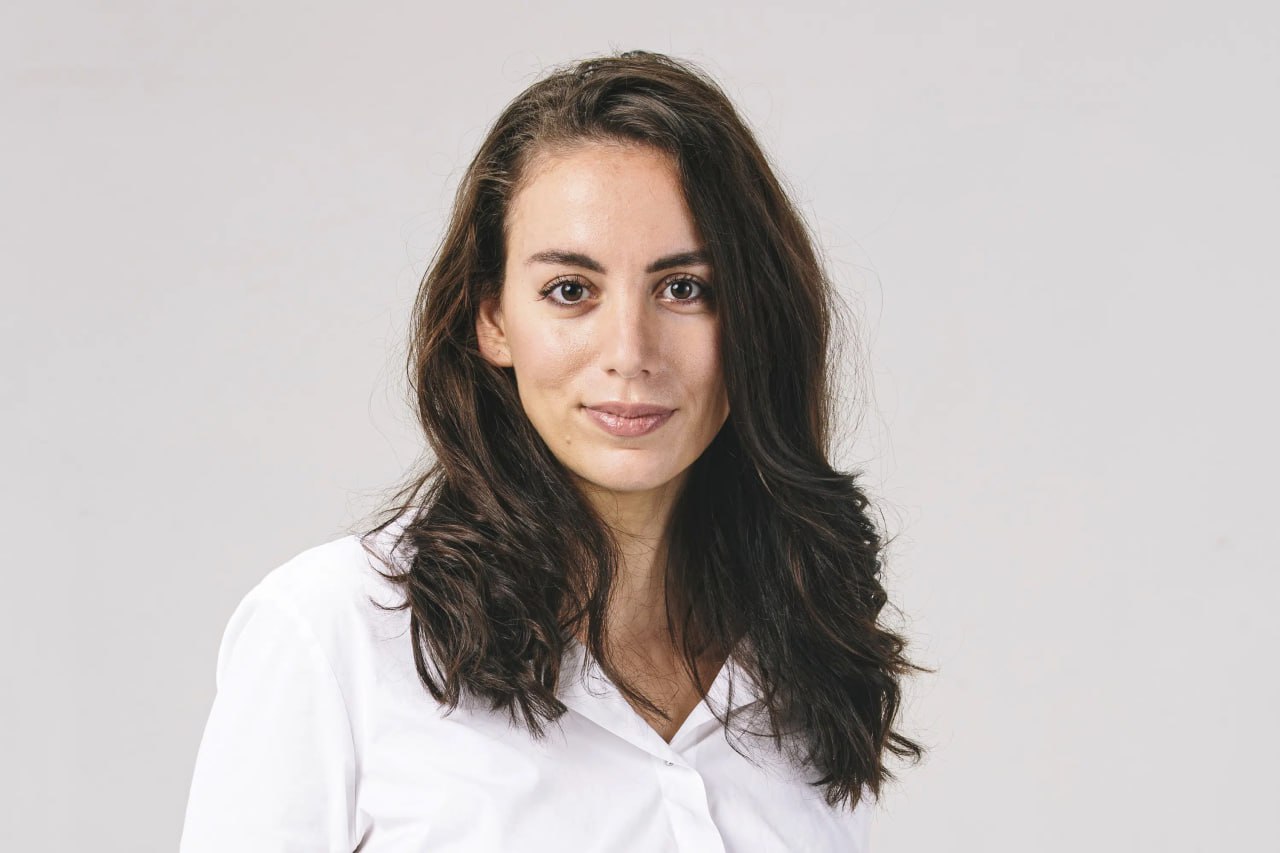
Sam Altman is often seen as the mastermind behind GPT models and OpenAI, but there are so many people behind the scenes who made it possible.
Mira Murati, CTO at OpenAI, is one of the key visionaries behind the project who oversaw the ChatGPT from ideation to production. Born and raised in Albania, Mira came to the States as an international student and worked her way up to who she is today.
It makes you think about how women in STEM are often overlooked by the media and people, despite their remarkable achievements.
Another important thing to reflect is how immigrants shape the US economy and the innovation that drives it. It is sad to see the US policymakers who do not take action on improving immigrant visas and work permits.
Here's an interview with her and Emily Chang from Bloomberg: https://youtu.be/p9Q5a1Vn-Hk
@noordievdev
Sam Altman is often seen as the mastermind behind GPT models and OpenAI, but there are so many people behind the scenes who made it possible.
Mira Murati, CTO at OpenAI, is one of the key visionaries behind the project who oversaw the ChatGPT from ideation to production. Born and raised in Albania, Mira came to the States as an international student and worked her way up to who she is today.
It makes you think about how women in STEM are often overlooked by the media and people, despite their remarkable achievements.
Another important thing to reflect is how immigrants shape the US economy and the innovation that drives it. It is sad to see the US policymakers who do not take action on improving immigrant visas and work permits.
Here's an interview with her and Emily Chang from Bloomberg: https://youtu.be/p9Q5a1Vn-Hk
@noordievdev
👍14🔥4❤2
On Integrity
Why do you respect the people you respect? Because they have been consistent in showing strong moral principles and have held on tight to their honesty. With the slow degradation of those principles, one's respect for them diminishes.
Then how do you, as a person, establish trustworthiness? According to Marcus Aurelius, father of stoicism, you should "never esteem anything as of advantage to you that will make you break your word or lose your self-respect." Hence, you need to stand your ground, and establish a set of principles that you stick to. Be just to those around you and always be seeking wisdom. Even big time criminals, who have committed horrendous crimes, have principles on certain matters.
Because, at the end of the day, principles are what makes us human.
@noordievdev
Why do you respect the people you respect? Because they have been consistent in showing strong moral principles and have held on tight to their honesty. With the slow degradation of those principles, one's respect for them diminishes.
Then how do you, as a person, establish trustworthiness? According to Marcus Aurelius, father of stoicism, you should "never esteem anything as of advantage to you that will make you break your word or lose your self-respect." Hence, you need to stand your ground, and establish a set of principles that you stick to. Be just to those around you and always be seeking wisdom. Even big time criminals, who have committed horrendous crimes, have principles on certain matters.
Because, at the end of the day, principles are what makes us human.
@noordievdev
👍13❤2
Luck=Probability
The probability of getting two 6s in a dice roll is 1 in 36. If you keep rolling the dice, you will eventually get two 6s. And Luck is a different word for probability. Put differently, if you keep trying, you will increase the odds of success and will, in due course, get 'lucky'.
@noordievdev
The probability of getting two 6s in a dice roll is 1 in 36. If you keep rolling the dice, you will eventually get two 6s. And Luck is a different word for probability. Put differently, if you keep trying, you will increase the odds of success and will, in due course, get 'lucky'.
@noordievdev
👍11❤4🔥4🌚2
The week is almost over, and it's time to think about the past 7 days. Reflect on you what accomplished, what you did great and what can be improved. Last but not least, take a break because you deserve it.
@noordievdev
@noordievdev
👍16❤9🔥1
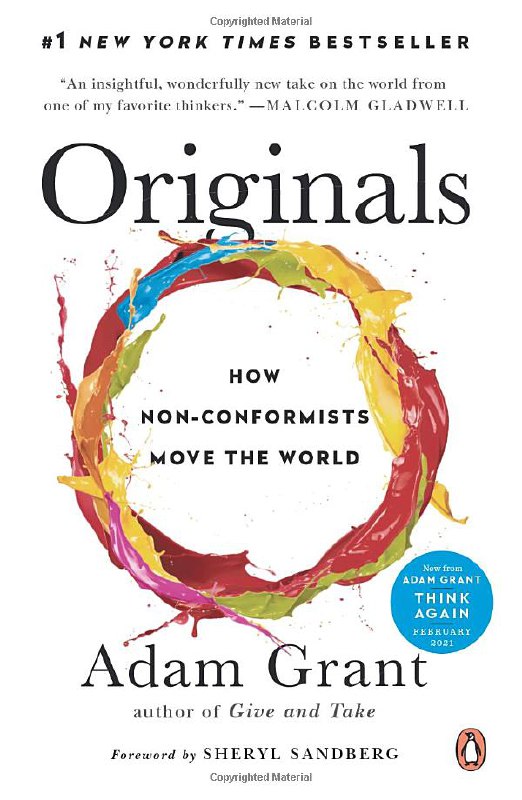
Started reading "Originals: How Non-Conformists Move the World" by Adam Grant. The book is about generating new ideas and not conforming to traditional practices. I didn't know about the author, but I got the book for free so I might as well give it a go.
@noordievdev
@noordievdev
👍6❤2
In the following video, Cal Newport, computer science professor at Georgetown, talks about how you can read 5 books a month:
https://youtu.be/gRBkIdc_VYU
@noordievdev
https://youtu.be/gRBkIdc_VYU
@noordievdev
YouTube
How to Read 5 Books a Month | Cal Newport’s Method
Download my FREE Deep Life Guide HERE: https://bit.ly/3QBIcug
Cal Newport talks about how he reads 5 books every month. Cal gives 5 tips to accomplish this. The first tip is to read more interesting books. The second tip is to schedule reading like you would…
Cal Newport talks about how he reads 5 books every month. Cal gives 5 tips to accomplish this. The first tip is to read more interesting books. The second tip is to schedule reading like you would…
👍8❤3
It's now easier more than ever to study abroad. Uzbek government will be reimbursing the cost of attendance for anyone who gets into any top-100 ranked university. Time to open them SAT books.
source: https://kun.uz/uz/news/2023/06/27/dunyoning-top-100-oliygohiga-kirgan-yoshlarga-el-yurt-umidi-jamgarmasi-mablaglari-qoshimcha-imtihonlarsiz-ajratiladi
@noordievdev
source: https://kun.uz/uz/news/2023/06/27/dunyoning-top-100-oliygohiga-kirgan-yoshlarga-el-yurt-umidi-jamgarmasi-mablaglari-qoshimcha-imtihonlarsiz-ajratiladi
@noordievdev
👍10😱6🔥2🌚1
Supreme Court of the US ruled against the affirmative action practiced in many US colleges today. That means, US colleges will not be allowed to consider race as part of the application evaluation process. I am not sure how this will affect the international applicants, but it will definitely have a huge impact on the minority groups within the US.
Source: https://www.nytimes.com/live/2023/06/29/us/affirmative-action-supreme-court
@noordievdev
Source: https://www.nytimes.com/live/2023/06/29/us/affirmative-action-supreme-court
@noordievdev
😭8❤1🔥1🤡1
affirmative_action_georgetown.pdf
86.6 KB
John J. DeGioia, President of Georgetown University, sent this email to all students today about the US Court's ruling on Affirmative Action.
@noordievdev
@noordievdev
👍10
Forwarded from Hacker News
NL Times
Dutch rules will soon prevent schoolchildren from having a phone in the classroom
Children will soon be prevented from bringing mobile phones into Dutch classrooms. Sources close to the Cabinet confirmed that schools will have until October 1 figure out how they can arrange the restriction on their own. If that fails, national rules may…
🔥6👎2
I, along with my undergrad and postdoc friends, submitted our paper for review. Let's see if it goes through the peer review and gets published.
@noordievdev
@noordievdev
❤8👍5
On Higher Education - Part 1
With the recent developments surrounding the college admissions, I decided to make a post about it given our audience. Before we delve into the topic of affirmative action, we should establish what higher education is all about. What, in your opinion, is the purpose of higher education? According to Paulo Freire, a Brazilian educator and a philosopher, the purpose of higher education is not just to transmit knowledge and skills, but to empower individuals and foster critical consciousness. In Freire's view, traditional education offers a banking model, where teachers deposit information into passive students, treating them as empty vessels to be filled. He argued that this approach reinforces the existing power imbalances and does not promote genuine learning or liberation. Instead of the banking model, he offers a problem posing model where students are encouraged to become critical thinkers and agents of change (Liberal Arts comes the closest to problem posing method of education imho).*
But in reality, we are still stuck with the banking model of education where schools and colleges deposit information into the passive receivers, students. I took a history class in the Spring semester where the professor used to lecture for 75 minutes straight. To make the matter worse, she had a 10% participation grade. This was coming from a professor with more than a decade of experience. Looking back, that was the most effort I put in a course evaluation.
It make you wonder, if that is the case with experienced scholars, what do you expect from new PhD grads breaking into the academia? Interestingly, university does not offer training on how to teach as all professors are expected to have their own teaching styles.
With the current banking model, higher educational institutions produce rule abiding workers who don't practice critical thinking, and only a handful of them would set out to change the world (This sentence is obviously exaggerated). The cycle repeats itself because without a college degree you can't get a "good job" with a fairly good compensation. That, fortunately, is slowly changing, and in the second part of this post, I'll focus on that, elite colleges and what you get from studying at one.
*Taken from Paulo Freire's "Pedagogy of the Oppressed."
@noordievdev
With the recent developments surrounding the college admissions, I decided to make a post about it given our audience. Before we delve into the topic of affirmative action, we should establish what higher education is all about. What, in your opinion, is the purpose of higher education? According to Paulo Freire, a Brazilian educator and a philosopher, the purpose of higher education is not just to transmit knowledge and skills, but to empower individuals and foster critical consciousness. In Freire's view, traditional education offers a banking model, where teachers deposit information into passive students, treating them as empty vessels to be filled. He argued that this approach reinforces the existing power imbalances and does not promote genuine learning or liberation. Instead of the banking model, he offers a problem posing model where students are encouraged to become critical thinkers and agents of change (Liberal Arts comes the closest to problem posing method of education imho).*
But in reality, we are still stuck with the banking model of education where schools and colleges deposit information into the passive receivers, students. I took a history class in the Spring semester where the professor used to lecture for 75 minutes straight. To make the matter worse, she had a 10% participation grade. This was coming from a professor with more than a decade of experience. Looking back, that was the most effort I put in a course evaluation.
It make you wonder, if that is the case with experienced scholars, what do you expect from new PhD grads breaking into the academia? Interestingly, university does not offer training on how to teach as all professors are expected to have their own teaching styles.
With the current banking model, higher educational institutions produce rule abiding workers who don't practice critical thinking, and only a handful of them would set out to change the world (This sentence is obviously exaggerated). The cycle repeats itself because without a college degree you can't get a "good job" with a fairly good compensation. That, fortunately, is slowly changing, and in the second part of this post, I'll focus on that, elite colleges and what you get from studying at one.
*Taken from Paulo Freire's "Pedagogy of the Oppressed."
@noordievdev
🔥8👍3❤1
Yusuf Abdurakhimov
We Are Uzbekistan 🇺🇿 @TenxStartuper
Startup ecosystem is growing so fast in Uzbekistan, Optimus Prime had to do an intro video himself.
@noordievdev
@noordievdev
🔥9❤4🙏1