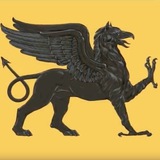
Forwarded from Mudflood Research, Tartaria, True Aryan History (bsod)
The Yezidis in Iraq are an ancient Indo-Aryan ethnic group, often called the “blonde blood line”. They are infamous for their religion of "Yezidism", for which they have been the subject of genocide and slavery by Muslim invaders.
The Yezidis know their god as SATAN (Shaitan), however due to centuries of Muslim persecution they are forbidden to speak this name out of fear, they refer to Satan under numerous names such as "Melek Tawus" and "Ankar". They are forbidden to share knowledge with outsiders and most practice occurs in secret, though some of their beliefs are found in the Al-Jilwah, also known as the Black Book of Satan. They state that they migrated many centuries ago from Northern India into the Near East, and were part of ancient civilizations.
Much like the Slavo-Aryan calendar, the Yezidi calendar is over seven thousand years old and they follow the old Pagan ways. They also worship the Sun God whom they call Shamash, also known as Dazhbog to the Slavs, the Greek Apollo, or Azazel in the Bible.
The Yezidis know their god as SATAN (Shaitan), however due to centuries of Muslim persecution they are forbidden to speak this name out of fear, they refer to Satan under numerous names such as "Melek Tawus" and "Ankar". They are forbidden to share knowledge with outsiders and most practice occurs in secret, though some of their beliefs are found in the Al-Jilwah, also known as the Black Book of Satan. They state that they migrated many centuries ago from Northern India into the Near East, and were part of ancient civilizations.
Much like the Slavo-Aryan calendar, the Yezidi calendar is over seven thousand years old and they follow the old Pagan ways. They also worship the Sun God whom they call Shamash, also known as Dazhbog to the Slavs, the Greek Apollo, or Azazel in the Bible.
❤12👍7👎5🤔2
Mudflood
Photo
❤4👍3😁1
Excavations in Trinity Lavra of St. Sergius in Sergiyev Posad town. Red bricks, clay
https://en.m.wikipedia.org/wiki/Trinity_Lavra_of_St._Sergius
https://en.m.wikipedia.org/wiki/Trinity_Lavra_of_St._Sergius
👍4
Officials say: "An ancient artifact was discovered in the Gatchina region. A unique find was a three-hundred-year-old stone foundation in the basement of the Rozhdestveno museum-estate. According to one version of archaeologists, this may be the foundation of the wooden palace of Alexei Petrovich, the son of Peter I."
What can we see here - again doors in place of window openings.
What can we see here - again doors in place of window openings.
👍11