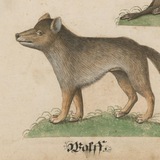
Книга -- зеркало свой эпохи. И, как и всякое зеркало, она отражает только то, что стоит напротив. При работе с отражениями следует помнить: помимо того, что отражается незамутнённо, есть то, что отражается только частично или не отражается вовсе. Ключ к некоторым темным пассажам может лежать вне текста, в руках у публики, которой он адресовывался.
👍5
"Помиимо покорности по отношению к власти, я обладаю не меньшей любовью в свободе, без которой человек менее счастлив, чем зверь". Кто сказал?
Anonymous Quiz
10%
Макиавелли
19%
Гоббс
5%
Локк
3%
Декарт
19%
Монтескье
7%
Кант
12%
Спиноза
5%
Лейбниц
2%
Юм
19%
Руссо
👍2😁2
Spinosa next, to hide his black Design,
And to his Side th' unwary to incline,
For Heav'n his Ensigns treacherous displays,
Declares for God, while he that God betrays:
For whom he's pleas'd such Evidence to bring,
As saves the Name, while it subverts the Thing
And to his Side th' unwary to incline,
For Heav'n his Ensigns treacherous displays,
Declares for God, while he that God betrays:
For whom he's pleas'd such Evidence to bring,
As saves the Name, while it subverts the Thing
👍2
A rose in winter has an essence, in summer it has an existence also (Watts, Logic):
https://www.youtube.com/watch?v=CTpyz63q-6c&ab_channel=%D0%9C%D1%83%D0%B7%D1%8B%D0%BA%D0%B0%D0%BD%D0%B0%D1%81%D0%BE%D0%B2%D0%B5%D1%82%D1%81%D0%BA%D0%BE%D0%BC%D1%82%D0%B5%D0%BB%D0%B5%D0%B2%D0%B8%D0%B4%D0%B5%D0%BD%D0%B8%D0%B8
https://www.youtube.com/watch?v=CTpyz63q-6c&ab_channel=%D0%9C%D1%83%D0%B7%D1%8B%D0%BA%D0%B0%D0%BD%D0%B0%D1%81%D0%BE%D0%B2%D0%B5%D1%82%D1%81%D0%BA%D0%BE%D0%BC%D1%82%D0%B5%D0%BB%D0%B5%D0%B2%D0%B8%D0%B4%D0%B5%D0%BD%D0%B8%D0%B8
YouTube
Юрий Шатунов и "Ласковый май" - "Белые розы" (1989)
Группа "Ласковый май", солист Юрий Шатунов - "Белые розы"
Текст песни:
Немного теплее за стеклом, но злые морозы
Вхожу в эти двери, словно в сад июльских цветов
Я их так хочу согреть теплом, но белые розы
У всех на глазах я целовать и гладить готов
Я их так…
Текст песни:
Немного теплее за стеклом, но злые морозы
Вхожу в эти двери, словно в сад июльских цветов
Я их так хочу согреть теплом, но белые розы
У всех на глазах я целовать и гладить готов
Я их так…
👍2❤1🤯1
Философия обиженного языка
Spinosa next, to hide his black Design, And to his Side th' unwary to incline, For Heav'n his Ensigns treacherous displays, Declares for God, while he that God betrays: For whom he's pleas'd such Evidence to bring, As saves the Name, while it subverts the…
But above all, the Hot-brain’d Atheist Crew,
That ever Greece, or Rome, or Britain knew,
Wave all their Laurels, and their Palms to You.
Spinoza Smiles, and cries – The Work is done;
L-----T shall Finish; (Satan’s Darling Son:)
L-----T shall Finish, what Spinoza first Begun
That ever Greece, or Rome, or Britain knew,
Wave all their Laurels, and their Palms to You.
Spinoza Smiles, and cries – The Work is done;
L-----T shall Finish; (Satan’s Darling Son:)
L-----T shall Finish, what Spinoza first Begun
👍2
Катехизис атеиста из работы Ч. Уолзли религиозного апологета второй половины 17 века:
Quest
DO you believe there is a God?
A. No: I believe there is none.
Q. What is the true ground of your belief?
A. Because I have no mind there should be one.
Q. What other reason do you give for it?
A. Because I never saw him.
Q. If there be a God, must he not be infinite, and so invisible?
A. Yes, if there be one, he must.
Q. Why then do you demand to see him?
A. Because I know I cannot see him, and so may have a sure ground to deny him.
Q. If there be no God, how came this world to be?
A. It made it self by meer chance.
Q. After what manner was it first pieced together?
A. By a casual hit of Atoms one against another.
Q. How came those Atoms so to hit one against another?
A. As they were eternally dancing about, in an infinite space.
Q. Whence came the reason of mankind; and all that order and regularity we find in the world?
A. From the meer accidental conjunction of those Atoms.
Q. What is that men call Religion?
A. A politick cheat put upon the world.
Q. Who were the first contrivers of this cheat?
A. Some cunning men that designed to keep the world in subjection and awe.
Q. What was the first ground of it?
A. Men were frighted with Tales, that were told them, about invisible nothings.
Q. When did this fright first seize men?
A. 'Tis very long ago: and (for ought we can find) 'tis as old as the world it self.
Q. Has this fright upon men been general?
A. Yes: The whole world, in all ages of it, have been possessed with a fear of nothing.
Q. What is the great end that every man is to live to?
A. To please himself.
Q. How prove you that?
A. Because there is nothing above him: and so he is his own Law.
Q. Are men to make any distinction in their actions?
A. No further, nor upon no other account, but as they please or displease themselves?
Q. Is there any such thing as good and evil?
A. No; 'tis a distinction the world hath been conzened with.
Q. When was that distinction first brought into the world?
A. 'Tis of the same date with those fables about a Deity; and relates wholly to them.
Q. Is there any thing for a man to hope for, or stand in fear of, beyond this world?
A. No, nothing at all.
Q. What becomes of a man when he dyes?
A. He returns into his first Atoms.
Q. What becomes of those Atoms?
A They still help to carry on the great round of the world.
(Wolseley, The unreasonableness of atheism made manifest in a discourse written by the command of a person of honour)
Quest
DO you believe there is a God?
A. No: I believe there is none.
Q. What is the true ground of your belief?
A. Because I have no mind there should be one.
Q. What other reason do you give for it?
A. Because I never saw him.
Q. If there be a God, must he not be infinite, and so invisible?
A. Yes, if there be one, he must.
Q. Why then do you demand to see him?
A. Because I know I cannot see him, and so may have a sure ground to deny him.
Q. If there be no God, how came this world to be?
A. It made it self by meer chance.
Q. After what manner was it first pieced together?
A. By a casual hit of Atoms one against another.
Q. How came those Atoms so to hit one against another?
A. As they were eternally dancing about, in an infinite space.
Q. Whence came the reason of mankind; and all that order and regularity we find in the world?
A. From the meer accidental conjunction of those Atoms.
Q. What is that men call Religion?
A. A politick cheat put upon the world.
Q. Who were the first contrivers of this cheat?
A. Some cunning men that designed to keep the world in subjection and awe.
Q. What was the first ground of it?
A. Men were frighted with Tales, that were told them, about invisible nothings.
Q. When did this fright first seize men?
A. 'Tis very long ago: and (for ought we can find) 'tis as old as the world it self.
Q. Has this fright upon men been general?
A. Yes: The whole world, in all ages of it, have been possessed with a fear of nothing.
Q. What is the great end that every man is to live to?
A. To please himself.
Q. How prove you that?
A. Because there is nothing above him: and so he is his own Law.
Q. Are men to make any distinction in their actions?
A. No further, nor upon no other account, but as they please or displease themselves?
Q. Is there any such thing as good and evil?
A. No; 'tis a distinction the world hath been conzened with.
Q. When was that distinction first brought into the world?
A. 'Tis of the same date with those fables about a Deity; and relates wholly to them.
Q. Is there any thing for a man to hope for, or stand in fear of, beyond this world?
A. No, nothing at all.
Q. What becomes of a man when he dyes?
A. He returns into his first Atoms.
Q. What becomes of those Atoms?
A They still help to carry on the great round of the world.
(Wolseley, The unreasonableness of atheism made manifest in a discourse written by the command of a person of honour)
🔥6😁2
Кто?: "Сами поэты, хотя и лжецы по профессии, всегда стремятся предать своим вымыслам ощущение исинности"
Anonymous Quiz
2%
Декарт
8%
Мальбранш
7%
Берк
8%
Локк
8%
Кант
29%
Юм
7%
Хатченсон
3%
Мендельсон
20%
Вольтер
7%
Свифт
👍6
Every beginning student of Kant asks sooner
or later, "But howdoes Kant know that phenomena are not things in themselves? (Lewis, Mind and the World Order, 215). Было?
or later, "But howdoes Kant know that phenomena are not things in themselves? (Lewis, Mind and the World Order, 215). Было?
Anonymous Poll
48%
да
30%
нет
22%
не student of Kant
👍2
Кант:
Таким образом, всякий спор о природе нашего мыслящего существа и связи его с телесным миром есть лишь результат того, что пробел в той области, о которой [спорящим] ничего не известно, восполняют паралогизмами разума, превращая свои мысли в вещи и гипостазируя их <...> каждый воображает, что будто знает, нечто о предметах, о чем ни один человек не имеет никакого понятия, или превращает свои представления в предметы и таким образом вращается в вечном кругу двусмысленностей и противоречий (А395)
Занимательно, что Кант скорее всего НЕ цитирует вот это место, так как я пока не понимаю, каким образом оно должно было достигнуть его глаз, хотя, возможно, в будущем мне удастся это выяснить:
I am not for changing things into ideas, but rather ideas into things; since those immediate objects of perception, which according to you, are only appearances of things, I take to be the real things themselves (Berkeley, Three Dialogues, 188)
Таким образом, всякий спор о природе нашего мыслящего существа и связи его с телесным миром есть лишь результат того, что пробел в той области, о которой [спорящим] ничего не известно, восполняют паралогизмами разума, превращая свои мысли в вещи и гипостазируя их <...> каждый воображает, что будто знает, нечто о предметах, о чем ни один человек не имеет никакого понятия, или превращает свои представления в предметы и таким образом вращается в вечном кругу двусмысленностей и противоречий (А395)
Занимательно, что Кант скорее всего НЕ цитирует вот это место, так как я пока не понимаю, каким образом оно должно было достигнуть его глаз, хотя, возможно, в будущем мне удастся это выяснить:
I am not for changing things into ideas, but rather ideas into things; since those immediate objects of perception, which according to you, are only appearances of things, I take to be the real things themselves (Berkeley, Three Dialogues, 188)
👍4