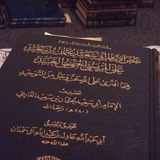
This report has spread widely across social media, and it was shared by a number of well-known preachers.
As you can see, it is attributed here to Siyar Aʿlām al-Nubalāʾ. But if you return to the biography of al-Rabīʿ in Siyar, you will not find this report.
And if you search through the books in general, you will not find any trace of it.
I myself had an experience compiling the reports of al-Rabīʿ ibn Khuthaym, which I published on my website under the title “The Authentic Musnad Reports of al-Rabīʿ ibn Khuthaym.”
Among the most comprehensive contemporary works in this field of reports is Aḥmad al-Ṭayyār’s Ḥayāt al-Salaf bayna al-Qawl wa-l-ʿAmal.
I reviewed it and did not find this report. I also asked a group of students of knowledge whether they had come across it, and their answer was negative. Their findings matched my own research.
If it is said: “Do we not show leniency regarding weak reports, especially since these are soft-hearted admonitions (raqāʾiq)?”
It is replied: This only applies when the report actually exists, not when it is something entirely fabricated from the outset.
As you can see, it is attributed here to Siyar Aʿlām al-Nubalāʾ. But if you return to the biography of al-Rabīʿ in Siyar, you will not find this report.
And if you search through the books in general, you will not find any trace of it.
I myself had an experience compiling the reports of al-Rabīʿ ibn Khuthaym, which I published on my website under the title “The Authentic Musnad Reports of al-Rabīʿ ibn Khuthaym.”
Among the most comprehensive contemporary works in this field of reports is Aḥmad al-Ṭayyār’s Ḥayāt al-Salaf bayna al-Qawl wa-l-ʿAmal.
I reviewed it and did not find this report. I also asked a group of students of knowledge whether they had come across it, and their answer was negative. Their findings matched my own research.
If it is said: “Do we not show leniency regarding weak reports, especially since these are soft-hearted admonitions (raqāʾiq)?”
It is replied: This only applies when the report actually exists, not when it is something entirely fabricated from the outset.
👍2❤1
This media is not supported in your browser
VIEW IN TELEGRAM
Forwarded from قناة | أبي جعفر عبدالله الخليفي
Media is too big
VIEW IN TELEGRAM
نيك فوينتس (Nick Fuentes): معلق سياسي أمريكي يميني متطرف، معروف بآرائه المعادية لليهود والمثليين.
أُزيل من يوتيوب وتويتش وديلايف وغيرها، بسبب خطاب الكراهية والتحريض على اليهود، كما مُنع من وسائل الدفع الإلكترونية.
يكرر تصريحات معادية لليهود، يشكك بالهولوكوست، وصف نفسه بأنه لا يريد أن تكون أمريكا "يهودية-مسيحية"، بل دولة مسيحية فقط، قائلاً: "أنت إما كاثوليكي أو تكون مع اليهود".
برنامجه: "America First" — برنامج مباشر يروِّج فيه للقومية البيضاء واليمين المتطرف، يستخدم السخرية والميمات لنشر أفكاره، وينظِّم عبره مؤتمراً سياسياً موازٍ لـ CPAC، اسمه AFPAC.
يُسأل هنا عن دخول المرأة إلى عالم السياسة ويجيب بهذا الجواب العجيب.
يقول في مضامينه إن دخول المرأة إلى أي مجال مختص بالرجال يفسده، لأن ذلك يغير سلوكيات الرجال في هذا المجال.
ويمكن الزيادة على ذلك بأن النساء في عامة المجالات المختلطة يستفدن من حسن الهيئة أو ما يسمى بـ(النفوذ الجنسي) مما يجعل العدل بعيد المنال.
وكلامه ذكرني بكلام قلته في بعض المجموعات التي كانت مهتمة بنقد الإلحاد العربي، حيث قلت لهم إن وجود نساء بينهم مع عدم انضباطهم بأي أخلاقيات سيشتت شملهم، وقد كان ذلك، فقد ظهرت بعدها مشكلات كثيرة بينهم لداعي التنافس على النساء واتهامات متبادلة وشتائم.
أُزيل من يوتيوب وتويتش وديلايف وغيرها، بسبب خطاب الكراهية والتحريض على اليهود، كما مُنع من وسائل الدفع الإلكترونية.
يكرر تصريحات معادية لليهود، يشكك بالهولوكوست، وصف نفسه بأنه لا يريد أن تكون أمريكا "يهودية-مسيحية"، بل دولة مسيحية فقط، قائلاً: "أنت إما كاثوليكي أو تكون مع اليهود".
برنامجه: "America First" — برنامج مباشر يروِّج فيه للقومية البيضاء واليمين المتطرف، يستخدم السخرية والميمات لنشر أفكاره، وينظِّم عبره مؤتمراً سياسياً موازٍ لـ CPAC، اسمه AFPAC.
يُسأل هنا عن دخول المرأة إلى عالم السياسة ويجيب بهذا الجواب العجيب.
يقول في مضامينه إن دخول المرأة إلى أي مجال مختص بالرجال يفسده، لأن ذلك يغير سلوكيات الرجال في هذا المجال.
ويمكن الزيادة على ذلك بأن النساء في عامة المجالات المختلطة يستفدن من حسن الهيئة أو ما يسمى بـ(النفوذ الجنسي) مما يجعل العدل بعيد المنال.
وكلامه ذكرني بكلام قلته في بعض المجموعات التي كانت مهتمة بنقد الإلحاد العربي، حيث قلت لهم إن وجود نساء بينهم مع عدم انضباطهم بأي أخلاقيات سيشتت شملهم، وقد كان ذلك، فقد ظهرت بعدها مشكلات كثيرة بينهم لداعي التنافس على النساء واتهامات متبادلة وشتائم.
Nick Fuentes: An American far-right political commentator, known for his anti-Jewish and anti-homosexual views.
He was removed from YouTube, Twitch, DLive, and other platforms due to hate speech and incitement against Jews, and he was also banned from electronic payment services.
He repeatedly makes anti-Jewish statements, questions the Holocaust, and described himself as not wanting America to be a “Judeo-Christian” nation, but rather a purely Christian nation, saying: “You’re either Catholic, or you’re with the Jews.”
His program: “America First”, a livestream where he promotes white nationalism and the far-right, using satire and memes to spread his ideas. Through it, he also organizes a political conference parallel to CPAC, called AFPAC.
Here, he is asked about women entering the world of politics, and he responds with this strange answer:
He says in essence that women entering any field that is specific to men ruins it, because it changes the behavior of the men in that field.
He adds that in general, in mixed-gender fields, women benefit from their appearance or what is called “sexual influence”, which makes fairness unattainable.
His words reminded me of something I once said in some groups that were concerned with critiquing Arab atheism: I told them that the presence of women among them, while they lacked any ethical discipline, would scatter their unity. And indeed, that happened. Many problems later appeared among them due to competition over women, along with mutual accusations and insults.
He was removed from YouTube, Twitch, DLive, and other platforms due to hate speech and incitement against Jews, and he was also banned from electronic payment services.
He repeatedly makes anti-Jewish statements, questions the Holocaust, and described himself as not wanting America to be a “Judeo-Christian” nation, but rather a purely Christian nation, saying: “You’re either Catholic, or you’re with the Jews.”
His program: “America First”, a livestream where he promotes white nationalism and the far-right, using satire and memes to spread his ideas. Through it, he also organizes a political conference parallel to CPAC, called AFPAC.
Here, he is asked about women entering the world of politics, and he responds with this strange answer:
He says in essence that women entering any field that is specific to men ruins it, because it changes the behavior of the men in that field.
He adds that in general, in mixed-gender fields, women benefit from their appearance or what is called “sexual influence”, which makes fairness unattainable.
His words reminded me of something I once said in some groups that were concerned with critiquing Arab atheism: I told them that the presence of women among them, while they lacked any ethical discipline, would scatter their unity. And indeed, that happened. Many problems later appeared among them due to competition over women, along with mutual accusations and insults.
❤2👍2
This media is not supported in your browser
VIEW IN TELEGRAM
Forwarded from قناة | أبي جعفر عبدالله الخليفي
هذا مقطع من حساب صاحبه عنده أكثر من نصف مليون متابع من كافة الطوائف، يقتصر على سؤال واحد لكي يجيب عليه الناس في التعليقات.
هنا سألهم: لو كان هناك شيء واحد تريد أن تمحيه من الوجود وإذا محوته لن يعود أبداً، ما هو؟
والتعليقات قرابة ال١٠٠٠ مررت عليها كلها، وهي والله بمثابة صورة للأديان المعاصرة وما تعتبره كفراً أكبر عندها؛
دين السياسة الأمريكية = "الديمقراطيون" "الليبراليون".
دين المؤامرات = "اليهود" "روتشيلد".
دين قضية فلسطين = "الصهاينة".
دين الوحدة والتمازج = "العنصرية" "الكره".
دين الملحد واللاأدري = "الأديان".
دين النسوية = "الرجال".
دين المعارضة للإنجاب = "الإنسانية".
دين التقدمية الإنسانية = "البعوض" "السرطان".
دين العدمية والاكتئاب = "نفسي" "العالم".
الليبراليون التقدميون = "أشخاص يستصغرون عقول الآخرين" "ضيقي الأفق".
دين الريد بل والعزاب = "النساء" "النسويات".
دين النصارى والحداثة = "الإسلام".
ولم يذكر أي أحد النصرانية لاستهانتهم بها.
أكثر هؤلاء دينه تحقيقاً الهوى، وهو دين مواز، قد يتظاهر بالتدين بدين معين، ولكن يفسره بحسب هواه.
البلاء لا ينحصر بالإلحاد، بل هناك الإلحاد المقنع، وهو تفسير الدين بحسب الهوى.
جوهر التدين تقديم حق الله على هواك، رجاء ثوابه وخوفاً من عقابه.
غير أنه قد غرس في عقل الإنسان بطريقة غير مباشرة أن الدين وسيلة لتحقيق مقاصد دنيوية، هذه المقاصد صارت هي المعبود والمألوه أو هي الأولوية.
لذا الإسلام مكروه عند كثيرين، لأنه دين لا يمكن علمنته، وحق الله فيه فوق كل شيء، وربما يكون كارهه أفقه به ممن يعتنقه ويحرفه.
وأما النصرانية فهُذِّبت وشُذِّبت، فصارت لا تخيف ولا تشكل هاجساً.
هنا سألهم: لو كان هناك شيء واحد تريد أن تمحيه من الوجود وإذا محوته لن يعود أبداً، ما هو؟
والتعليقات قرابة ال١٠٠٠ مررت عليها كلها، وهي والله بمثابة صورة للأديان المعاصرة وما تعتبره كفراً أكبر عندها؛
دين السياسة الأمريكية = "الديمقراطيون" "الليبراليون".
دين المؤامرات = "اليهود" "روتشيلد".
دين قضية فلسطين = "الصهاينة".
دين الوحدة والتمازج = "العنصرية" "الكره".
دين الملحد واللاأدري = "الأديان".
دين النسوية = "الرجال".
دين المعارضة للإنجاب = "الإنسانية".
دين التقدمية الإنسانية = "البعوض" "السرطان".
دين العدمية والاكتئاب = "نفسي" "العالم".
الليبراليون التقدميون = "أشخاص يستصغرون عقول الآخرين" "ضيقي الأفق".
دين الريد بل والعزاب = "النساء" "النسويات".
دين النصارى والحداثة = "الإسلام".
ولم يذكر أي أحد النصرانية لاستهانتهم بها.
أكثر هؤلاء دينه تحقيقاً الهوى، وهو دين مواز، قد يتظاهر بالتدين بدين معين، ولكن يفسره بحسب هواه.
البلاء لا ينحصر بالإلحاد، بل هناك الإلحاد المقنع، وهو تفسير الدين بحسب الهوى.
جوهر التدين تقديم حق الله على هواك، رجاء ثوابه وخوفاً من عقابه.
غير أنه قد غرس في عقل الإنسان بطريقة غير مباشرة أن الدين وسيلة لتحقيق مقاصد دنيوية، هذه المقاصد صارت هي المعبود والمألوه أو هي الأولوية.
لذا الإسلام مكروه عند كثيرين، لأنه دين لا يمكن علمنته، وحق الله فيه فوق كل شيء، وربما يكون كارهه أفقه به ممن يعتنقه ويحرفه.
وأما النصرانية فهُذِّبت وشُذِّبت، فصارت لا تخيف ولا تشكل هاجساً.
This is a post from an account whose owner has more than half a million followers from all different sects. His style is to restrict himself to one single question so that people respond in the comments.
Here he asked them: If there were one thing you could erase from existence, and if erased it would never return, what would it be?
The comments were around one thousand. I went through all of them, and honestly, they are like a snapshot of today’s religions and what each one considers to be the greatest form of disbelief:
The religion of American politics = “the Democrats,” “the liberals.”
The religion of conspiracies = “the Jews,” “the Rothschilds.”
The religion of the Palestinian cause = “the Zionists.”
The religion of unity and fusion = “racism,” “hatred.”
The religion of the atheist and the agnostic = “religions.”
The religion of feminism = “men.”
The religion of anti-natalism = “humanity.”
The religion of humanist progressivism = “mosquitoes,” “cancer.”
The religion of nihilism and depression = “myself,” “the world.”
Progressive liberals = “people who belittle others’ minds,” “narrow-minded ones.”
The religion of Red Pill and bachelors = “women,” “feminists.”
The religion of Christians and modernity = “Islam.”
And no one mentioned Christianity, because they take it lightly.
Most of these people’s religion in reality is the fulfillment of desire. It is a seperate religion. One might outwardly claim a certain religion, but interprets it according to his whims.
The affliction is not limited to atheism. There is also concealed atheism, which is to interpret religion according to one’s desires.
The essence of true religion is to place the right of Allah above your own desires, hoping for His reward and fearing His punishment.
Yet it has been subtly planted in the human mind that religion is merely a means to achieve worldly ends. Those ends have become the object of worship, the deity, or at least the ultimate priority.
This is why Islam is detested by many: because it is a religion that cannot be secularized. The right of Allah in it is above everything. And perhaps the one who hates it understands this better than some of those who claim it but distort it.
As for Christianity, it has been trimmed down and domesticated until it no longer instills fear or poses any real concern.
Here he asked them: If there were one thing you could erase from existence, and if erased it would never return, what would it be?
The comments were around one thousand. I went through all of them, and honestly, they are like a snapshot of today’s religions and what each one considers to be the greatest form of disbelief:
The religion of American politics = “the Democrats,” “the liberals.”
The religion of conspiracies = “the Jews,” “the Rothschilds.”
The religion of the Palestinian cause = “the Zionists.”
The religion of unity and fusion = “racism,” “hatred.”
The religion of the atheist and the agnostic = “religions.”
The religion of feminism = “men.”
The religion of anti-natalism = “humanity.”
The religion of humanist progressivism = “mosquitoes,” “cancer.”
The religion of nihilism and depression = “myself,” “the world.”
Progressive liberals = “people who belittle others’ minds,” “narrow-minded ones.”
The religion of Red Pill and bachelors = “women,” “feminists.”
The religion of Christians and modernity = “Islam.”
And no one mentioned Christianity, because they take it lightly.
Most of these people’s religion in reality is the fulfillment of desire. It is a seperate religion. One might outwardly claim a certain religion, but interprets it according to his whims.
The affliction is not limited to atheism. There is also concealed atheism, which is to interpret religion according to one’s desires.
The essence of true religion is to place the right of Allah above your own desires, hoping for His reward and fearing His punishment.
Yet it has been subtly planted in the human mind that religion is merely a means to achieve worldly ends. Those ends have become the object of worship, the deity, or at least the ultimate priority.
This is why Islam is detested by many: because it is a religion that cannot be secularized. The right of Allah in it is above everything. And perhaps the one who hates it understands this better than some of those who claim it but distort it.
As for Christianity, it has been trimmed down and domesticated until it no longer instills fear or poses any real concern.
❤1👍1
This media is not supported in your browser
VIEW IN TELEGRAM
Forwarded from قناة | أبي جعفر عبدالله الخليفي
بين «لا تجعلوا قبري عيداً» و(اجعلوا مولدي عيداً)...
قال أبو داود في سننه: "2042- حدثنا أحمد بن صالح، قرأت على عبد الله بن نافع، أخبرني ابن أبي ذئب، عن سعيد المقبري، عن أبي هريرة، قال: قال رسول الله ﷺ: «لا تجعلوا بيوتكم قبورا، ولا تجعلوا قبري عيدا، وصلوا علي فإن صلاتكم تبلغني حيث كنتم»".
هذا الحديث له تفسيران منتشران بين المنتسبين للعلم.
التفسير الأول: هو تفسير غالب الصوفية، قالوا إن النبي ﷺ نهى عن اتخاذ قبره عيداً، بمعنى أنه قال: لا تجعلوا قبري كالعيد لا يأتي إلا يوماً أو يومين في السنة، بل ائتوا قبري كل يوم!
وهذا التفسير قد يستخدم في النهي عن المولد، لأن المولد هو يوم واحد في السنة لمن اتخذوه عيداً، وتراهم يتحدثون عن طاعات يفعلونها مثل قراءة القرآن والصلاة على النبي ﷺ وغيرها من الطاعات التي ينبغي أن يلزمها المسلم يومياً.
وإن كان الغالب عليهم الاحتفال بالملاهي.
التفسير الثاني: هو النهي عن التردد على قبره لأجل الصلاة عليه، ويدل عليه تتمة الخبر: «وصلوا علي فإن صلاتكم تبلغني حيث كنتم».
فهذا نهي عن تخصيص مكان للإكثار من الصلاة عليه، ومثله تخصيص زمان للإكثار من الصلاة عليه ﷺ.
وقال أبو يعلى في مسنده: "469- حدثنا أبو بكر بن أبي شيبة، حدثنا زيد بن الحباب، حدثنا جعفر بن إبراهيم، من ولد ذي الجناحين، قال: حدثنا علي بن عمر، عن أبيه، عن علي بن حسين، أنه رأى رجلا يجيء إلى فرجة كانت عند قبر النبي ﷺ، فيدخل فيها فيدعو، فنهاه، فقال: ألا أحدثكم حديثا سمعته من أبي، عن جدي، عن رسول الله ﷺ، قال: «لا تتخذوا قبري عيدا، ولا بيوتكم قبورا، فإن تسليمكم يبلغني أينما كنتم»".
أقول: والحق أن عامة المحتفلين يشوهون مفهوم المحبة كما يشوهون مفهوم التدين، فإن كثيراً من الناس يريدون ديناً خفيفاً قليل التكاليف.
وكلما حدثتهم بالسنة والتمسك بها اتهموك بالتعصب أو التشدد أو التنطع أو حتى الإرهاب.
ولكن حين يكون إظهار المحبة بالاحتفالات والقصائد المطربة وتوزيع الحلوى وألبسة معينة، فذلك يحبه النساء والأطفال وتميل إليه النفوس.
تجد كثيراً ممن يزعم المحبة بهذا الصنيع يشمئز من سنن ثابتة عن النبي ﷺ، كإطلاق اللحية وتقصير الإزار (والحق أنها واجبات)، حتى إن كثيراً منهم تراه راغباً عن السنن التي لها منفعة ظاهرة، كالسواك.
والمتفقه منهم تراه معرضاً عن كتب الحديث التي فيها بركة كثرة الصلاة على النبي ﷺ، ولو نظر فيها فإنه ينظر لتحصيل الإجازات أو المعرفة، لا للتحاكم إليها في النزاعات، وينظر إليها على أنها طلاسم لا يفكها إلا المجتهد المطلق.
والمتصوف منهم تراه حريصاً على أوراد الطريقة أكثر من حرصه على الأذكار الثابتة عن النبي ﷺ.
وترى المرء منهم يلبس طاقية عليها (تمثال النعل النبوي) وهو مسبل وحليق!
بل ترى كثيراً منهم ينفِّر من السنن الظاهرة مناكفةً لمن يسميهم وهابية حين يراهم حريصين على ذلك، ألم يطالب ذلك المفتي الصوفي النساء بنزع النقاب لأنه عادة وهابية!
وترى الأصول عندهم مبنية على عدم المحاكمة لسنة النبي ﷺ بحجة أنها أخبار آحاد، حتى إن أحد كبارهم يفخر بأنهم لا يأخذون بأخبار الآحاد في العقيدة عند حواره مع علماني، وعامة السنة آحاد.
ويا ليت شعري هم لا يأخذون بالقرآن حتى، فذلك البيت المشهور عندهم:
وكل نص أوهم التشبيها ... أوله أو فوض ورم تنزيهاً
النص هو ما كان في القرآن والسنة يعتبرونه موهماً للكفر، وهو التشبيه، لذا يحرفونه عن ظاهره أو يعاملونه كأنه لم يأتِ، ولا يقولون: ما دام جاء في النص وتواردت عليه النصوص فلا يكون باطلاً، بل مفهوم التنزيه أخذوه من اليونان وحكموه على الكتاب والسنة.
ثم بعد كل هذه المخازي اخترعوا محبة زائفة مبناها على الاستدراك على الشرع ومناقضته.
قال أبو داود في سننه: "2042- حدثنا أحمد بن صالح، قرأت على عبد الله بن نافع، أخبرني ابن أبي ذئب، عن سعيد المقبري، عن أبي هريرة، قال: قال رسول الله ﷺ: «لا تجعلوا بيوتكم قبورا، ولا تجعلوا قبري عيدا، وصلوا علي فإن صلاتكم تبلغني حيث كنتم»".
هذا الحديث له تفسيران منتشران بين المنتسبين للعلم.
التفسير الأول: هو تفسير غالب الصوفية، قالوا إن النبي ﷺ نهى عن اتخاذ قبره عيداً، بمعنى أنه قال: لا تجعلوا قبري كالعيد لا يأتي إلا يوماً أو يومين في السنة، بل ائتوا قبري كل يوم!
وهذا التفسير قد يستخدم في النهي عن المولد، لأن المولد هو يوم واحد في السنة لمن اتخذوه عيداً، وتراهم يتحدثون عن طاعات يفعلونها مثل قراءة القرآن والصلاة على النبي ﷺ وغيرها من الطاعات التي ينبغي أن يلزمها المسلم يومياً.
وإن كان الغالب عليهم الاحتفال بالملاهي.
التفسير الثاني: هو النهي عن التردد على قبره لأجل الصلاة عليه، ويدل عليه تتمة الخبر: «وصلوا علي فإن صلاتكم تبلغني حيث كنتم».
فهذا نهي عن تخصيص مكان للإكثار من الصلاة عليه، ومثله تخصيص زمان للإكثار من الصلاة عليه ﷺ.
وقال أبو يعلى في مسنده: "469- حدثنا أبو بكر بن أبي شيبة، حدثنا زيد بن الحباب، حدثنا جعفر بن إبراهيم، من ولد ذي الجناحين، قال: حدثنا علي بن عمر، عن أبيه، عن علي بن حسين، أنه رأى رجلا يجيء إلى فرجة كانت عند قبر النبي ﷺ، فيدخل فيها فيدعو، فنهاه، فقال: ألا أحدثكم حديثا سمعته من أبي، عن جدي، عن رسول الله ﷺ، قال: «لا تتخذوا قبري عيدا، ولا بيوتكم قبورا، فإن تسليمكم يبلغني أينما كنتم»".
أقول: والحق أن عامة المحتفلين يشوهون مفهوم المحبة كما يشوهون مفهوم التدين، فإن كثيراً من الناس يريدون ديناً خفيفاً قليل التكاليف.
وكلما حدثتهم بالسنة والتمسك بها اتهموك بالتعصب أو التشدد أو التنطع أو حتى الإرهاب.
ولكن حين يكون إظهار المحبة بالاحتفالات والقصائد المطربة وتوزيع الحلوى وألبسة معينة، فذلك يحبه النساء والأطفال وتميل إليه النفوس.
تجد كثيراً ممن يزعم المحبة بهذا الصنيع يشمئز من سنن ثابتة عن النبي ﷺ، كإطلاق اللحية وتقصير الإزار (والحق أنها واجبات)، حتى إن كثيراً منهم تراه راغباً عن السنن التي لها منفعة ظاهرة، كالسواك.
والمتفقه منهم تراه معرضاً عن كتب الحديث التي فيها بركة كثرة الصلاة على النبي ﷺ، ولو نظر فيها فإنه ينظر لتحصيل الإجازات أو المعرفة، لا للتحاكم إليها في النزاعات، وينظر إليها على أنها طلاسم لا يفكها إلا المجتهد المطلق.
والمتصوف منهم تراه حريصاً على أوراد الطريقة أكثر من حرصه على الأذكار الثابتة عن النبي ﷺ.
وترى المرء منهم يلبس طاقية عليها (تمثال النعل النبوي) وهو مسبل وحليق!
بل ترى كثيراً منهم ينفِّر من السنن الظاهرة مناكفةً لمن يسميهم وهابية حين يراهم حريصين على ذلك، ألم يطالب ذلك المفتي الصوفي النساء بنزع النقاب لأنه عادة وهابية!
وترى الأصول عندهم مبنية على عدم المحاكمة لسنة النبي ﷺ بحجة أنها أخبار آحاد، حتى إن أحد كبارهم يفخر بأنهم لا يأخذون بأخبار الآحاد في العقيدة عند حواره مع علماني، وعامة السنة آحاد.
ويا ليت شعري هم لا يأخذون بالقرآن حتى، فذلك البيت المشهور عندهم:
وكل نص أوهم التشبيها ... أوله أو فوض ورم تنزيهاً
النص هو ما كان في القرآن والسنة يعتبرونه موهماً للكفر، وهو التشبيه، لذا يحرفونه عن ظاهره أو يعاملونه كأنه لم يأتِ، ولا يقولون: ما دام جاء في النص وتواردت عليه النصوص فلا يكون باطلاً، بل مفهوم التنزيه أخذوه من اليونان وحكموه على الكتاب والسنة.
ثم بعد كل هذه المخازي اخترعوا محبة زائفة مبناها على الاستدراك على الشرع ومناقضته.
Between “Do not make my grave an Eid” and “Make my birthday an Eid”
Abū Dāwūd said in his Sunan:
This ḥadīth has two well-known interpretations among those affiliated with knowledge:
The first interpretation:
It is the interpretation commonly held by the Ṣūfīs. They say that the Prophet ﷺ forbade making his grave into an Eid, meaning: Do not make my grave like Eid, which is only visited once or twice a year; rather, come to my grave every day!
This interpretation is sometimes used as an argument against celebrating the Mawlid, since the Mawlid is also one day in the year for those who have taken it as an Eid. They often mention acts of devotion done on that day, such as Qur'ān recitation and sending blessings upon the Prophet ﷺ, acts which, in reality, a Muslim should remain constant upon every day.
Though, what dominates their Mawlid gatherings are amusements and entertainment.
The second interpretation:
It is the prohibition of visiting his grave for the sake of sending prayers upon him. This is indicated by the continuation of the report: “And send blessings upon me, for your blessings reach me wherever you are.”
Thus it is a prohibition from designating a specific place to increase in sending ṣalawāt upon him ﷺ, just as it is a prohibition from designating a specific time for that purpose.
Abū Yaʿlā said in his Musnad:
I say: The truth is that most of those who celebrate (Mawlid) distort the meaning of love just as they distort the meaning of religion. Many people desire a religion that is light and free of burdens.
Whenever you speak to them about the Sunnah and adhering to it, they accuse you of being rigid, extreme, or even “terrorist.”
But when the “love” is shown through celebrations, melodious poems, sweets, and special dress, it is beloved to women and children, and souls naturally incline to it.
You will find many of those who claim love in this manner repulsed by established Sunnahs of the Prophet ﷺ, such as letting the beard grow or shortening the garment - which are in fact obligations. Many of them even turn away from Sunnahs with clear benefits, like the siwāk.
As for the more “knowledgeable” among them, he is often indifferent towards the books of ḥadīth that carry the blessings of abundant ṣalawāt upon the Prophet ﷺ. If he looks into them, it is only for attaining ijāzahs (certificates) or intellectual knowledge, not for referring back to them in disputes. He treats them as coded texts that only a so-called “absolute mujtahid” can decipher.
As for the Ṣūfī adherent, you will find him more attached to the litanies of his ṭarīqah than to the authentic adhkār transmitted from the Prophet ﷺ.
You may see a man wearing a cap with an emblem of the “Prophet’s sandal,” while at the same time he is clean-shaven and his clothes hang below the ankles![!!!]
Indeed, many among them repel people from the Sunnahs outwardly practiced, only out of spite against those they label as “Wahhābīs” when they see them holding firm to such Sunnahs. Did not that Ṣūfī muftī even demand that women remove the niqāb, claiming it is a “Wahhābī custom”?
Their foundations are built upon refusing to subject themselves to the Sunnah of the Prophet ﷺ under the pretext that the reports are “āḥād.” One of their leading figures even boasted, in a debate with a secularist, that they do not accept solitary reports in creed. Yet most of the Sunnah is solitary reports!
Abū Dāwūd said in his Sunan:
“2042 – [...] from Abū Hurayrah, who said: The Messenger of Allāh ﷺ said: ‘Do not make your houses like graves, and do not make my grave an Eid, and send blessings upon me, for indeed your blessings reach me wherever you are.’”
This ḥadīth has two well-known interpretations among those affiliated with knowledge:
The first interpretation:
It is the interpretation commonly held by the Ṣūfīs. They say that the Prophet ﷺ forbade making his grave into an Eid, meaning: Do not make my grave like Eid, which is only visited once or twice a year; rather, come to my grave every day!
This interpretation is sometimes used as an argument against celebrating the Mawlid, since the Mawlid is also one day in the year for those who have taken it as an Eid. They often mention acts of devotion done on that day, such as Qur'ān recitation and sending blessings upon the Prophet ﷺ, acts which, in reality, a Muslim should remain constant upon every day.
Though, what dominates their Mawlid gatherings are amusements and entertainment.
The second interpretation:
It is the prohibition of visiting his grave for the sake of sending prayers upon him. This is indicated by the continuation of the report: “And send blessings upon me, for your blessings reach me wherever you are.”
Thus it is a prohibition from designating a specific place to increase in sending ṣalawāt upon him ﷺ, just as it is a prohibition from designating a specific time for that purpose.
Abū Yaʿlā said in his Musnad:
“469 – [...] from 'Alī bin al-Ḥusayn, that he saw a man come to an opening near the grave of the Prophet ﷺ, enter into it and supplicate there. He forbade him, and said: Shall I not inform you of a ḥadīth I heard from my father, from my grandfather, from the Messenger of Allah ﷺ? He said: ‘Do not take my grave as an Eid, nor your houses as graves, for indeed your greetings reach me wherever you are.’”
I say: The truth is that most of those who celebrate (Mawlid) distort the meaning of love just as they distort the meaning of religion. Many people desire a religion that is light and free of burdens.
Whenever you speak to them about the Sunnah and adhering to it, they accuse you of being rigid, extreme, or even “terrorist.”
But when the “love” is shown through celebrations, melodious poems, sweets, and special dress, it is beloved to women and children, and souls naturally incline to it.
You will find many of those who claim love in this manner repulsed by established Sunnahs of the Prophet ﷺ, such as letting the beard grow or shortening the garment - which are in fact obligations. Many of them even turn away from Sunnahs with clear benefits, like the siwāk.
As for the more “knowledgeable” among them, he is often indifferent towards the books of ḥadīth that carry the blessings of abundant ṣalawāt upon the Prophet ﷺ. If he looks into them, it is only for attaining ijāzahs (certificates) or intellectual knowledge, not for referring back to them in disputes. He treats them as coded texts that only a so-called “absolute mujtahid” can decipher.
As for the Ṣūfī adherent, you will find him more attached to the litanies of his ṭarīqah than to the authentic adhkār transmitted from the Prophet ﷺ.
You may see a man wearing a cap with an emblem of the “Prophet’s sandal,” while at the same time he is clean-shaven and his clothes hang below the ankles![!!!]
Indeed, many among them repel people from the Sunnahs outwardly practiced, only out of spite against those they label as “Wahhābīs” when they see them holding firm to such Sunnahs. Did not that Ṣūfī muftī even demand that women remove the niqāb, claiming it is a “Wahhābī custom”?
Their foundations are built upon refusing to subject themselves to the Sunnah of the Prophet ﷺ under the pretext that the reports are “āḥād.” One of their leading figures even boasted, in a debate with a secularist, that they do not accept solitary reports in creed. Yet most of the Sunnah is solitary reports!
❤1👍1
And if only they acted upon the Qur'ān itself! For that famous couplet of theirs says:
By “text” they mean the Qur'ān and Sunnah. They consider them suggesting disbelief (anthropomorphism), thus they either distort them away from their apparent meaning or treat them as if they never existed. Instead of saying: “Since it has come in the text and multiple proofs, it cannot be false,” they subordinated revelation to a concept of transcendence taken from the Greeks, imposing it upon the Qur'ān and Sunnah.
And after all these corruptions, they invented a false love, built upon overruling the Sharī'ah and contradicting it.
“And every text that suggests anthropomorphism -
interpret it or deny [the meaning] it, while asserting transcendence [i.e. that you want to glorify Allāh with this].”
By “text” they mean the Qur'ān and Sunnah. They consider them suggesting disbelief (anthropomorphism), thus they either distort them away from their apparent meaning or treat them as if they never existed. Instead of saying: “Since it has come in the text and multiple proofs, it cannot be false,” they subordinated revelation to a concept of transcendence taken from the Greeks, imposing it upon the Qur'ān and Sunnah.
And after all these corruptions, they invented a false love, built upon overruling the Sharī'ah and contradicting it.
❤1👍1
This media is not supported in your browser
VIEW IN TELEGRAM
Forwarded from Aqeedah | عقيدة
📚 مجلس قراءة وشرح كتاب الأصول الستة للإمام المجدد محمد بن عبد الوهاب طيب الله ثراه
🗓 وذلك يوم الأحد 15 ربيع الأول الموافق 7 أيلول.
🕙 (9:00 مساءً بتوقيت مكة) | (14:00 عصرا بتوقيت أمريكا الشمالية)
🎙 على الشيخ عبد الله الخليفي – حفظه الله –
📖 سيتم قراءة المتن باللغتين العربية والإنجليزية، كما سيشرح الشيخ باللغة العربية، ويترجم الشرح مباشرةً إلى اللغة الإنجليزية.
🔗 الدرس سيكون مباشرًا على ديسكورد:
https://discord.gg/aqeedah-qyd-1126287961248514178
🔗 وتيلجرام:
https://t.me/aqeeedah
🗓 وذلك يوم الأحد 15 ربيع الأول الموافق 7 أيلول.
🕙 (9:00 مساءً بتوقيت مكة) | (14:00 عصرا بتوقيت أمريكا الشمالية)
🎙 على الشيخ عبد الله الخليفي – حفظه الله –
📖 سيتم قراءة المتن باللغتين العربية والإنجليزية، كما سيشرح الشيخ باللغة العربية، ويترجم الشرح مباشرةً إلى اللغة الإنجليزية.
🔗 الدرس سيكون مباشرًا على ديسكورد:
https://discord.gg/aqeedah-qyd-1126287961248514178
🔗 وتيلجرام:
https://t.me/aqeeedah
❤1👍1
This media is not supported in your browser
VIEW IN TELEGRAM
Forwarded from قناة | أبي جعفر عبدالله الخليفي
هذا التعليق ذكرني بواحدة علقت عند الكيالي تطالبه بعمل حلقة عن عدم وجوب الحجاب!
مع الفارق بين المسألتين، ولكن الجوهر واحد، وهو أن يكون المرء تشبع بشهوات جاءت من فلسفات غربية فاسدة حالمة كالنسوية والليبرالية ثم يريد خطاباً دينياً موافقاً لهذا.
هذا تعليق على مقطع لمفتٍ يقول إنه لا يصح حديث في طاعة الزوجة للزوج.
ترى احتفاءً عظيماً بالمقطع وكأن الناس كانوا يقولون على المرأة أن تطيع زوجها في معصية أو تطيعه فيما لا تطيق.
وكأن نساء المسلمين قبل هذا الزمان اللواتي تداولت بينهن هذه الأحاديث كن في سجن ومذلة.
والحق أنهن لو كن يفكرن كالنساء العصريات لكان عددنا اليوم ربع عددنا الحالي أو حتى أقل، لكثرة حالات الطلاق والتفكك الأسري.
أصل طاعة الزوج ثابت في النصوص بوضوح، ولكن بعض الفضائل التي علِّقت عليه قد يناقش فيها البعض.
قال تعالى: {الرجال قوامون على النساء}، وقال: {فإن أطعنكم فلا تبغوا عليهن سبيلا إن الله كان عليا كبيرا} [النساء ٣٤].
وفي الصحيحين من حديث ابن عمر عن النبي ﷺ: «ائذنوا للنساء بالليل إلى المساجد».
وهذا معناه أن النساء يستأذن الرجال القوامين عليهن في الخروج.
وهناك خبر عدم صيام المرأة تطوعاً إلا بإذن زوجها، وخبر لعن الملائكة لها إن هجرت فراشه، وغيرها، وهذه أحاديث لا يمكن لأحد تضعيفها لورودها في الصحيح.
النساء اليوم يعلمن أن على الرجال حقوق لهن، ويعرفن ذلك جيداً، ويعدِّدنه ويلمن على التقصير فيه، ولو لم يوجبه الشرع، وإنما أوجبه العرف أو حتى لم يوجبه العرف، ولكنها رغبت به.
فإذا جاء الأمر إلى طاعة الزوج بالمعروف والمقدور عليه، فإنهن يبحثن عن شيخ يضعِّف أو آخر يحرِّف.
هناك كافر يكفر بالدين صراحة إذا خالف هواه، وهناك من يريد البقاء على الدين والاستفادة منه، ولكن مع ترك ما لا يعجبه فيه، يريد جنة لم تُحفَّ بالمكاره وناراً لم تُحفَّ بالشهوات.
مع الفارق بين المسألتين، ولكن الجوهر واحد، وهو أن يكون المرء تشبع بشهوات جاءت من فلسفات غربية فاسدة حالمة كالنسوية والليبرالية ثم يريد خطاباً دينياً موافقاً لهذا.
هذا تعليق على مقطع لمفتٍ يقول إنه لا يصح حديث في طاعة الزوجة للزوج.
ترى احتفاءً عظيماً بالمقطع وكأن الناس كانوا يقولون على المرأة أن تطيع زوجها في معصية أو تطيعه فيما لا تطيق.
وكأن نساء المسلمين قبل هذا الزمان اللواتي تداولت بينهن هذه الأحاديث كن في سجن ومذلة.
والحق أنهن لو كن يفكرن كالنساء العصريات لكان عددنا اليوم ربع عددنا الحالي أو حتى أقل، لكثرة حالات الطلاق والتفكك الأسري.
أصل طاعة الزوج ثابت في النصوص بوضوح، ولكن بعض الفضائل التي علِّقت عليه قد يناقش فيها البعض.
قال تعالى: {الرجال قوامون على النساء}، وقال: {فإن أطعنكم فلا تبغوا عليهن سبيلا إن الله كان عليا كبيرا} [النساء ٣٤].
وفي الصحيحين من حديث ابن عمر عن النبي ﷺ: «ائذنوا للنساء بالليل إلى المساجد».
وهذا معناه أن النساء يستأذن الرجال القوامين عليهن في الخروج.
وهناك خبر عدم صيام المرأة تطوعاً إلا بإذن زوجها، وخبر لعن الملائكة لها إن هجرت فراشه، وغيرها، وهذه أحاديث لا يمكن لأحد تضعيفها لورودها في الصحيح.
النساء اليوم يعلمن أن على الرجال حقوق لهن، ويعرفن ذلك جيداً، ويعدِّدنه ويلمن على التقصير فيه، ولو لم يوجبه الشرع، وإنما أوجبه العرف أو حتى لم يوجبه العرف، ولكنها رغبت به.
فإذا جاء الأمر إلى طاعة الزوج بالمعروف والمقدور عليه، فإنهن يبحثن عن شيخ يضعِّف أو آخر يحرِّف.
هناك كافر يكفر بالدين صراحة إذا خالف هواه، وهناك من يريد البقاء على الدين والاستفادة منه، ولكن مع ترك ما لا يعجبه فيه، يريد جنة لم تُحفَّ بالمكاره وناراً لم تُحفَّ بالشهوات.
This comment reminded me of a woman who wrote to al-Kayyālī asking him to make an episode about the non-obligation of ḥijāb!
Though the two matters differ, the essence is the same: a person who has been saturated with desires stemming from corrupt Western philosophies like feminism and liberalism, and then seeks a religious discourse that agrees with them.
This was a comment on a clip of a mufti saying that there is no authentic ḥadīth on a wife’s obedience to her husband.
You then see tremendous celebration of the clip, as though people had been claiming that a woman must obey her husband in sin or in things beyond her ability.
As if Muslim women before this era, who transmitted such aḥādīth among themselves, were imprisoned and humiliated.
Though the two matters differ, the essence is the same: a person who has been saturated with desires stemming from corrupt Western philosophies like feminism and liberalism, and then seeks a religious discourse that agrees with them.
This was a comment on a clip of a mufti saying that there is no authentic ḥadīth on a wife’s obedience to her husband.
You then see tremendous celebration of the clip, as though people had been claiming that a woman must obey her husband in sin or in things beyond her ability.
As if Muslim women before this era, who transmitted such aḥādīth among themselves, were imprisoned and humiliated.
❤1👍1
In reality, had they thought like modern women do, our population today would have been a quarter of what it is, or even less, because of the abundance of divorce and family breakdown.
The foundation of obedience to the husband is clearly established in the texts, though some of the particular virtues attached to it may be a matter of scholarly discussion.
Allah said: “Men are protectors and maintainers of women” [al-Nisā 34], and He said: “If they obey you, then seek not against them means. Surely, Allāh is Ever Most High, Most Great” [al-Nisā 34].
And in al-Bukhārī and Muslim, from the ḥadīth of Ibn 'Umar, the Prophet ﷺ said: “Grant permission to the women to attend the mosques at night.”
This implies that women ask permission from the men who are responsible for them when they go out.
There is also the report that a woman should not fast voluntarily except with her husband’s permission, and the report that the angels curse her if she refuses his bed, and these are aḥādīth that no one can weaken, for they are in the Ṣaḥīḥ.
Women today know well that they have rights upon men. They know this very well, enumerate them, and rebuke men for falling short in them, even when such rights are not obligated by Sharīʿah, but only by custom, or not even by custom, but simply because they desire them.
But when it comes to obedience to the husband in what is reasonable and within her capacity, they go searching for a shaykh to weaken a text or another to distort it.
There is the disbeliever who outright rejects religion when it conflicts with his desires, and there is the one who wants to remain within religion and benefit from it, but while discarding what he dislikes of it, seeking a Paradise not surrounded by hardships, and a Hell not surrounded by desires.
The foundation of obedience to the husband is clearly established in the texts, though some of the particular virtues attached to it may be a matter of scholarly discussion.
Allah said: “Men are protectors and maintainers of women” [al-Nisā 34], and He said: “If they obey you, then seek not against them means. Surely, Allāh is Ever Most High, Most Great” [al-Nisā 34].
And in al-Bukhārī and Muslim, from the ḥadīth of Ibn 'Umar, the Prophet ﷺ said: “Grant permission to the women to attend the mosques at night.”
This implies that women ask permission from the men who are responsible for them when they go out.
There is also the report that a woman should not fast voluntarily except with her husband’s permission, and the report that the angels curse her if she refuses his bed, and these are aḥādīth that no one can weaken, for they are in the Ṣaḥīḥ.
Women today know well that they have rights upon men. They know this very well, enumerate them, and rebuke men for falling short in them, even when such rights are not obligated by Sharīʿah, but only by custom, or not even by custom, but simply because they desire them.
But when it comes to obedience to the husband in what is reasonable and within her capacity, they go searching for a shaykh to weaken a text or another to distort it.
There is the disbeliever who outright rejects religion when it conflicts with his desires, and there is the one who wants to remain within religion and benefit from it, but while discarding what he dislikes of it, seeking a Paradise not surrounded by hardships, and a Hell not surrounded by desires.
👍2❤1
This media is not supported in your browser
VIEW IN TELEGRAM
Forwarded from قناة | أبي جعفر عبدالله الخليفي
"لماذا تتقدم النساء بطلبات طلاق أكثر من الرجال"
لعلك تظن أنك ستجد في المقال خطابا تحليليا دقيقا، ولكنْ كل الذي ستجده تزيين للطلاق بلسان أكاديميات نسويات يفسرن الأمور تفسيرا رغبويا.
قبل عرض الكلام والتعليق عليه تذكَّر أمرين:
الأول: قوله تعالى: {فيتعلمون منهما ما يفرقون به بين المرء وزوجه}، نعم الطلاق مشروع في حالات معينة، غير أن من يزين الطلاق ويحوله إلى ظاهرة هو من الشيطان ويخدم أغراض الشياطين من فشو الفواحش وما يلحقها.
الثاني: الحديث عن المجتمع الغربي وله خصوصياته، لكننا في عالم مفتوح والناس يتأثر بعضهم ببعض، وفي مجتمعاتنا انتشر الطلاق من جهة النساء باسم الخلع وطلاق الضرر، ولا نقول إن كل امرأة تطلب الطلاق هي على باطل وإنما نتحدث عن الظاهرة ككل.
تحلل الأكاديميات النسويات انتشار الطلاق من جهة النساء بأن المرأة مع التحرر الاقتصادي صار بإمكانها التخلص من "العلاقات غير السعيدة" بسهولة بخلاف الماضي (ولا أدري لماذا لا يستغني الرجال عن العلاقات غير السعيدة بالمقدار نفسه وهم مستغنون ماديا أصالة).
وأن الرجال يميلون لعدم الطلاق لأن الزواج أنفع لهم (يطيل أعمارهم)! نعم؛ هذا الهراء الرغبوي موجود في كلام الأكاديميات النسويات.
تلاحظ أنهن في تحليلهن لا يخرجن عن شيطنة الرجل وافتراض ملائكية الأنثى، ويحصرن الأسباب في هذا السياق، وإن فرضنا صحة هذه الأسباب فهناك أسباب أخرى غفل عنها، وهي:
١. أن كثيرا من النساء ترغب بالاتصال برجل آخر يمنيها بالزواج ويخببها على زوجها، وهذا معنى أشير له في الحديث النبوي «لعن الله من خبب امرأة على زوجها».
بينما الرجال يفضلون الخيانة على ترك زوجاتهم والزواج بأخريات أو يكونون أكثر وفاء (من يعترض على هذا التحليل ليسأل نفسه لماذا لم يعترض على تحليلات النسويات السابقة، علما أنه تعضده حوادث معروفة شرقا وغربا).
٢. أن الرجل عليه تكاليف في الزواج أعظم من المرأة لهذا لا يكون ميالا لإنهاء العلاقة التي كلفته كثيرا بسهولة.
وهذا التحليل يهربون منه لئلا يعترفوا بالأعباء التي يتحملها الرجل، لئلا يثبتوا له حقوقا مقابل هذه الأعباء فيكون طريقا لإثبات القوامة.
٣. انفعالية وعاطفية كثير من النساء مما يجعلها تقدم على هذا القرار الخطير، وكثير منهن تندم، ومنهن من تفعله لترى تمسك الرجل بها ثم لا يمكنها التراجع.
هذه الأسباب أكثر واقعية وأقرب للعقل والشرع (الذي جعل عقدة النكاح بيد الرجل) من تحليلات النسويات الغريبة.
لعلك تظن أنك ستجد في المقال خطابا تحليليا دقيقا، ولكنْ كل الذي ستجده تزيين للطلاق بلسان أكاديميات نسويات يفسرن الأمور تفسيرا رغبويا.
قبل عرض الكلام والتعليق عليه تذكَّر أمرين:
الأول: قوله تعالى: {فيتعلمون منهما ما يفرقون به بين المرء وزوجه}، نعم الطلاق مشروع في حالات معينة، غير أن من يزين الطلاق ويحوله إلى ظاهرة هو من الشيطان ويخدم أغراض الشياطين من فشو الفواحش وما يلحقها.
الثاني: الحديث عن المجتمع الغربي وله خصوصياته، لكننا في عالم مفتوح والناس يتأثر بعضهم ببعض، وفي مجتمعاتنا انتشر الطلاق من جهة النساء باسم الخلع وطلاق الضرر، ولا نقول إن كل امرأة تطلب الطلاق هي على باطل وإنما نتحدث عن الظاهرة ككل.
تحلل الأكاديميات النسويات انتشار الطلاق من جهة النساء بأن المرأة مع التحرر الاقتصادي صار بإمكانها التخلص من "العلاقات غير السعيدة" بسهولة بخلاف الماضي (ولا أدري لماذا لا يستغني الرجال عن العلاقات غير السعيدة بالمقدار نفسه وهم مستغنون ماديا أصالة).
وأن الرجال يميلون لعدم الطلاق لأن الزواج أنفع لهم (يطيل أعمارهم)! نعم؛ هذا الهراء الرغبوي موجود في كلام الأكاديميات النسويات.
تلاحظ أنهن في تحليلهن لا يخرجن عن شيطنة الرجل وافتراض ملائكية الأنثى، ويحصرن الأسباب في هذا السياق، وإن فرضنا صحة هذه الأسباب فهناك أسباب أخرى غفل عنها، وهي:
١. أن كثيرا من النساء ترغب بالاتصال برجل آخر يمنيها بالزواج ويخببها على زوجها، وهذا معنى أشير له في الحديث النبوي «لعن الله من خبب امرأة على زوجها».
بينما الرجال يفضلون الخيانة على ترك زوجاتهم والزواج بأخريات أو يكونون أكثر وفاء (من يعترض على هذا التحليل ليسأل نفسه لماذا لم يعترض على تحليلات النسويات السابقة، علما أنه تعضده حوادث معروفة شرقا وغربا).
٢. أن الرجل عليه تكاليف في الزواج أعظم من المرأة لهذا لا يكون ميالا لإنهاء العلاقة التي كلفته كثيرا بسهولة.
وهذا التحليل يهربون منه لئلا يعترفوا بالأعباء التي يتحملها الرجل، لئلا يثبتوا له حقوقا مقابل هذه الأعباء فيكون طريقا لإثبات القوامة.
٣. انفعالية وعاطفية كثير من النساء مما يجعلها تقدم على هذا القرار الخطير، وكثير منهن تندم، ومنهن من تفعله لترى تمسك الرجل بها ثم لا يمكنها التراجع.
هذه الأسباب أكثر واقعية وأقرب للعقل والشرع (الذي جعل عقدة النكاح بيد الرجل) من تحليلات النسويات الغريبة.
❤1👍1
“Why Do Women File for Divorce More than Men?”
You may think you will find in the article a precise analytical discourse, but all you will actually find is an embellishment of divorce by the tongues of feminist academics who interpret matters through the lens of desire.
Before presenting their words and commenting on them, remember two things:
First: Allah says: “They learned from them that by which they cause separation between a man and his wife” [al-Baqarah: 102]. Yes, divorce is legislated in certain cases, but whoever beautifies divorce and turns it into a trend is serving the aims of Shayṭān, who seeks the spread of immorality and its consequences.
Second: The discussion here is about Western society with its own particularities. But since we live in an open world where people influence each other, in our societies divorce initiated by women has also spread under the banner of khulʿ and ṭalāq ḍarar (divorce on grounds of harm). We do not say that every woman who requests divorce is in the wrong, but rather we are discussing the phenomenon as a whole.
Feminist academics explain the spread of divorce from women’s side by claiming that with economic independence, a woman can now easily free herself from “unhappy relationships,” unlike in the past. (Though one wonders: why then do men not abandon their “unhappy relationships” in equal measure, given that they are already financially independent by default?)
They further claim that men tend not to divorce because marriage benefits them (it lengthens their lifespan)! Yes—this desire-driven nonsense can be found in the words of feminist academics.
You will notice that in their analysis, they never depart from demonizing the man and presuming the angelic innocence of the woman, restricting all causes to this framework. Even if we were to accept these reasons, there are other explanations they neglect, namely:
1. Many women desire connection with another man who promises her marriage and entices her away from her husband. This is exactly what the Prophet ﷺ pointed to when he said: “Allah curses the one who turns a woman against her husband.”
Meanwhile, men often prefer betrayal over divorcing their wives and marrying others or they are more loyal. (And whoever objects to this analysis should first ask himself why he did not object to the earlier feminist analyses, especially since this view is supported by well-known incidents both East and West.)
2. A man bears far greater financial burdens in marriage than a woman, which is why he is not quick to end a relationship that has cost him so much.
This analysis is avoided deliberately so that people will not have to acknowledge the burdens men bear lest it become a pathway to recognizing his rights in proportion to those burdens, which would in turn affirm qiwāmah (male authority in the household).
3. The impulsiveness and emotional nature of many women leads them to take this grave decision. Many later regret it. Some do it only to test whether the man will hold on to them, yet once initiated, they cannot retract it.
These reasons are far more realistic, rational, and closer to the Sharʿī wisdom since Allah placed the authority of divorce (uqdat al-nikāḥ) in the man’s hand, than the strange explanations offered by feminists.
You may think you will find in the article a precise analytical discourse, but all you will actually find is an embellishment of divorce by the tongues of feminist academics who interpret matters through the lens of desire.
Before presenting their words and commenting on them, remember two things:
First: Allah says: “They learned from them that by which they cause separation between a man and his wife” [al-Baqarah: 102]. Yes, divorce is legislated in certain cases, but whoever beautifies divorce and turns it into a trend is serving the aims of Shayṭān, who seeks the spread of immorality and its consequences.
Second: The discussion here is about Western society with its own particularities. But since we live in an open world where people influence each other, in our societies divorce initiated by women has also spread under the banner of khulʿ and ṭalāq ḍarar (divorce on grounds of harm). We do not say that every woman who requests divorce is in the wrong, but rather we are discussing the phenomenon as a whole.
Feminist academics explain the spread of divorce from women’s side by claiming that with economic independence, a woman can now easily free herself from “unhappy relationships,” unlike in the past. (Though one wonders: why then do men not abandon their “unhappy relationships” in equal measure, given that they are already financially independent by default?)
They further claim that men tend not to divorce because marriage benefits them (it lengthens their lifespan)! Yes—this desire-driven nonsense can be found in the words of feminist academics.
You will notice that in their analysis, they never depart from demonizing the man and presuming the angelic innocence of the woman, restricting all causes to this framework. Even if we were to accept these reasons, there are other explanations they neglect, namely:
1. Many women desire connection with another man who promises her marriage and entices her away from her husband. This is exactly what the Prophet ﷺ pointed to when he said: “Allah curses the one who turns a woman against her husband.”
Meanwhile, men often prefer betrayal over divorcing their wives and marrying others or they are more loyal. (And whoever objects to this analysis should first ask himself why he did not object to the earlier feminist analyses, especially since this view is supported by well-known incidents both East and West.)
2. A man bears far greater financial burdens in marriage than a woman, which is why he is not quick to end a relationship that has cost him so much.
This analysis is avoided deliberately so that people will not have to acknowledge the burdens men bear lest it become a pathway to recognizing his rights in proportion to those burdens, which would in turn affirm qiwāmah (male authority in the household).
3. The impulsiveness and emotional nature of many women leads them to take this grave decision. Many later regret it. Some do it only to test whether the man will hold on to them, yet once initiated, they cannot retract it.
These reasons are far more realistic, rational, and closer to the Sharʿī wisdom since Allah placed the authority of divorce (uqdat al-nikāḥ) in the man’s hand, than the strange explanations offered by feminists.
👍2❤1