This media is not supported in your browser
VIEW IN TELEGRAM
Forwarded from قناة | أبي جعفر عبدالله الخليفي
مستفاد من بعض الإخوة:
جملة "لا تسب فإن في السماء إلهاً يا صاحبي" انتشرت كـmeme في 2021 في تركيا، حينما صورت والدة ابنها وهو يلعب Fortnite وينصح رفيقه بألا يسب، لأن في السماء إلهاً يحاسبه. وخرج كل "المشايخ" الماتريدية على اليوتيوب وقتها وأنكروا تلك المقالة وتأسفوا من انتشارها بين العوام.
وهذه المقالة مشهورة جداً عند الأتراك. وهناك أغانٍ عنها كذلك مثل: "إن في السماء إلهاً أفلا تخاف؟!" ومثل "إن في السماء إلهاً فلا تكذب".
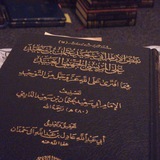
وهذه فتوى في الصورة تشهد بانتشار المقالة وتنسبها لجهلة العوام وتحرمها.
فما يدعيه بعض طلبة العلم من انتشار التجهم في العوام لا حقيقة له في أي بلد من البلاد، لا بلاد المسلمين ولا المشركين، إنما تنتشر الخرافات والسحر والقبوريات عادة (هذا كلام الأخ مع شيء من التعديل).
أقول: ولكن هؤلاء المشيخة يغتالون فطرة من استطاعوا أن يغتالوا من العامة، وقد سأل النبي ﷺ جارية: «أين الله؟» فقالت: «في السماء»، فشهد لها بالإيمان.
يقول جستون باريت المتخصص في علم الإدراك الديني في جامعة أكسفورد في كتابه «فطرية الإيمان»: "لا يوجد لدينا دليل على أن فكرة كون ثلاثة أشخاص في واحد (فكرة الثالوث المسيحي) منطقية تماما للأطفال أو للعديد من البالغين، وبالمثل فكرة أن الله ليس له موقع في المكان أو الزمان، كما يقترح بعض المسلمين (يقصد الجهمية) واليهود والمسيحيين اللاهوتيين، مرهقة لعقول البالغين والأطفال على حد سواء".
ما قاله هنا حول عقيدة (الله لا داخل العالم ولا خارجه) يعترف به حذاق الأشعرية، كالعز بن عبد السلام والغزالي الذي اعترف أن عقيدتهم لا يعتقدها إلا واحد بالألف.
وهذا يبدد خرافة السواد الأعظم، فغالب الناس على مر الزمان لا يعتقدون هذه العقيدة، لذا قرر ابن تيمية وابن القيم أن الشرك في الناس أكثر من التعطيل.
وأي تنفير من الإسلام أعظم من نسبة هذه العقائد المنافية للفطرة والنصوص فضلاً عن العقل له؟
قال ابن تيمية في «درء تعارض العقل والنقل» [6/155]: "وهذه الحكاية إنما افتراها بعض الجهمية من المعتزلة ونحوهم، لأن ابن كلاب خالف هؤلاء في إثبات الصفات، وهم ينسبون مثبتة الصفات إلى مشابهة النصارى، وهو أشبه بالنصارى، لأنه يلزمهم أن يقولوا: إنه في كل مكان، وهذا أعظم من قول النصارى، أو أن يقولوا ما هو شر من هذا، وهو أنه لا داخل العالم ولا خارجه".
فصرح أن مقالة المعطلة شر من مقالة النصارى، وكلها مناقضة للفطرة.
جملة "لا تسب فإن في السماء إلهاً يا صاحبي" انتشرت كـmeme في 2021 في تركيا، حينما صورت والدة ابنها وهو يلعب Fortnite وينصح رفيقه بألا يسب، لأن في السماء إلهاً يحاسبه. وخرج كل "المشايخ" الماتريدية على اليوتيوب وقتها وأنكروا تلك المقالة وتأسفوا من انتشارها بين العوام.
وهذه المقالة مشهورة جداً عند الأتراك. وهناك أغانٍ عنها كذلك مثل: "إن في السماء إلهاً أفلا تخاف؟!" ومثل "إن في السماء إلهاً فلا تكذب".
وهذه فتوى في الصورة تشهد بانتشار المقالة وتنسبها لجهلة العوام وتحرمها.
فما يدعيه بعض طلبة العلم من انتشار التجهم في العوام لا حقيقة له في أي بلد من البلاد، لا بلاد المسلمين ولا المشركين، إنما تنتشر الخرافات والسحر والقبوريات عادة (هذا كلام الأخ مع شيء من التعديل).
أقول: ولكن هؤلاء المشيخة يغتالون فطرة من استطاعوا أن يغتالوا من العامة، وقد سأل النبي ﷺ جارية: «أين الله؟» فقالت: «في السماء»، فشهد لها بالإيمان.
يقول جستون باريت المتخصص في علم الإدراك الديني في جامعة أكسفورد في كتابه «فطرية الإيمان»: "لا يوجد لدينا دليل على أن فكرة كون ثلاثة أشخاص في واحد (فكرة الثالوث المسيحي) منطقية تماما للأطفال أو للعديد من البالغين، وبالمثل فكرة أن الله ليس له موقع في المكان أو الزمان، كما يقترح بعض المسلمين (يقصد الجهمية) واليهود والمسيحيين اللاهوتيين، مرهقة لعقول البالغين والأطفال على حد سواء".
ما قاله هنا حول عقيدة (الله لا داخل العالم ولا خارجه) يعترف به حذاق الأشعرية، كالعز بن عبد السلام والغزالي الذي اعترف أن عقيدتهم لا يعتقدها إلا واحد بالألف.
وهذا يبدد خرافة السواد الأعظم، فغالب الناس على مر الزمان لا يعتقدون هذه العقيدة، لذا قرر ابن تيمية وابن القيم أن الشرك في الناس أكثر من التعطيل.
وأي تنفير من الإسلام أعظم من نسبة هذه العقائد المنافية للفطرة والنصوص فضلاً عن العقل له؟
قال ابن تيمية في «درء تعارض العقل والنقل» [6/155]: "وهذه الحكاية إنما افتراها بعض الجهمية من المعتزلة ونحوهم، لأن ابن كلاب خالف هؤلاء في إثبات الصفات، وهم ينسبون مثبتة الصفات إلى مشابهة النصارى، وهو أشبه بالنصارى، لأنه يلزمهم أن يقولوا: إنه في كل مكان، وهذا أعظم من قول النصارى، أو أن يقولوا ما هو شر من هذا، وهو أنه لا داخل العالم ولا خارجه".
فصرح أن مقالة المعطلة شر من مقالة النصارى، وكلها مناقضة للفطرة.
❤1👍1
Benefited from some brothers:
The phrase “Don’t curse, for there is a God in the heaven, my friend” spread as a meme in Turkey in 2021. It originated when a mother recorded her son while he was playing Fortnite, advising his friend not to curse because “there is a God in the heaven who will hold you accountable.” At the time, all the Maturidi "sheikhs" on YouTube condemned the statement and lamented its popularity among the common folk.
This expression is well known among the Turks. There are even songs inspired by it, such as: “Indeed, there is a God in the heaven — will you not fear?” and “Indeed, there is a God in the heaven — so do not lie.”
A fatwa (pictured) confirms the spread of this phrase and attributes it to the ignorant masses, declaring it impermissible.
The phrase “Don’t curse, for there is a God in the heaven, my friend” spread as a meme in Turkey in 2021. It originated when a mother recorded her son while he was playing Fortnite, advising his friend not to curse because “there is a God in the heaven who will hold you accountable.” At the time, all the Maturidi "sheikhs" on YouTube condemned the statement and lamented its popularity among the common folk.
This expression is well known among the Turks. There are even songs inspired by it, such as: “Indeed, there is a God in the heaven — will you not fear?” and “Indeed, there is a God in the heaven — so do not lie.”
A fatwa (pictured) confirms the spread of this phrase and attributes it to the ignorant masses, declaring it impermissible.
❤1👍1
Some students of knowledge claim that Jahmism is widespread among the general public, but this has no basis in any land — whether in Muslim countries or among polytheists. What actually spreads among the common folk are superstitions, magic, and grave worship (paraphrased with slight edits).
I say: These scholars assassinate the fitrah (natural disposition) of any layperson they are able to influence. The Prophet ﷺ asked a slave girl, “Where is Allah?” She replied, “In the heaven,” and he affirmed her faith.
Justin Barrett, a cognitive scientist of religion at Oxford University, states in his book “Born Believers”:
What he describes here — the belief that “Allah is neither inside the world nor outside it” — is acknowledged by the most astute of the Ashʿarīs themselves. Al-ʿIzz ibn ʿAbd al-Salām and al-Ghazālī admitted that this belief is only truly grasped by one in a thousand.
This shatters the myth of the so-called “vast majority.” Throughout history, the majority of people have not believed in such doctrines. This is why Ibn Taymiyyah and Ibn al-Qayyim asserted that shirk (polytheism) is more widespread among people than taʿṭīl (negation of Allah’s attributes).
And what could be more repelling from Islam than attributing to it beliefs that oppose innate human nature (fitrah), clear texts, and even reason?
Ibn Taymiyyah said in Darʾ Taʿāruḍ al-ʿAql wa al-Naql [6/155]:
He clearly stated that the doctrine of the negators is worse than that of the Christians — all of it being in contradiction to the fitrah.
I say: These scholars assassinate the fitrah (natural disposition) of any layperson they are able to influence. The Prophet ﷺ asked a slave girl, “Where is Allah?” She replied, “In the heaven,” and he affirmed her faith.
Justin Barrett, a cognitive scientist of religion at Oxford University, states in his book “Born Believers”:
“We have no evidence that the idea of three persons in one (the Christian Trinity) makes sense to children — or even to many adults. Likewise, the idea that God is in no location in space or time, as some Muslims (referring to the Jahmites), Jews, and Christian theologians propose, is mentally exhausting for both adults and children.”
What he describes here — the belief that “Allah is neither inside the world nor outside it” — is acknowledged by the most astute of the Ashʿarīs themselves. Al-ʿIzz ibn ʿAbd al-Salām and al-Ghazālī admitted that this belief is only truly grasped by one in a thousand.
This shatters the myth of the so-called “vast majority.” Throughout history, the majority of people have not believed in such doctrines. This is why Ibn Taymiyyah and Ibn al-Qayyim asserted that shirk (polytheism) is more widespread among people than taʿṭīl (negation of Allah’s attributes).
And what could be more repelling from Islam than attributing to it beliefs that oppose innate human nature (fitrah), clear texts, and even reason?
Ibn Taymiyyah said in Darʾ Taʿāruḍ al-ʿAql wa al-Naql [6/155]:
“This narrative was fabricated by some Jahmites among the Muʿtazilah and their likes. Ibn Kullāb opposed them by affirming the attributes, so they accused those who affirm Allah’s attributes of resembling the Christians. Yet, they are closer to resembling the Christians, for their views necessitate saying that Allah is in every place — which is worse than what the Christians say — or that He is neither within the world nor outside of it, which is even worse than that.”
He clearly stated that the doctrine of the negators is worse than that of the Christians — all of it being in contradiction to the fitrah.
Forwarded from Hamza | قناة حَمْزَة بْن أَحْمَد
The Mushrikin of Quraysh understood what لا اله إلا الله meant. This is why they refused to say it. They knew it meant not to worship any other than Allah. Not to direct any acts of worship to other than Allah. Not an angel, not a Prophet, not a stone, not a tree.
Many of the Murji'a today do not know this, we ask Allah to protect us.
Many of the Murji'a today do not know this, we ask Allah to protect us.
This media is not supported in your browser
VIEW IN TELEGRAM
Forwarded from قناة | أبي جعفر عبدالله الخليفي
وُضع في مصر قانون لتنظيم الفتوى، وضعه الأزهر.
ويقصدون به أنهم لا يسمحون بالفتوى إلا لمن صرِّح له في هيئتهم، ولو كان يفتي من أربعين سنة أو أكثر.
رأى السلفيون أن الفتوى المقصود بها مشايخهم الذين تنهال عليهم الاتصالات كلما جلسوا للفتوى، حتى إن بعضهم يوجد في فهرسته ١٠ آلاف فتوى.
وصاروا يقولون إن من الأزهريين المصرح لهم -بل كبار المشايخ في الأزهر- من لا يلتزم بالمذاهب الأربعة في مسائل الطلاق (ويأخذ كلام ابن تيمية)!
ويجوِّز تهنئة الكفار بأعيادهم.
ومنهم من يكره ختان الإناث مطلقاً، ويقول إن النقاب عادة ومباح، لا هو مستحب ولا واجب.
ويجوِّز مصافحة النساء، ويجوِّز المعازف، وينكر الرجم وحد الردة.
ومنهم من يمارس التلفيق صراحة، مثل سعد الدين الهلالي.
فالتنظيم لو كان المراد به الالتزام بالمذاهب، فهم أول من يمنع.
في الحقيقة أنا لم أستغرب من الأمر، وأهديه للرومانسيين الذين ظنوا أن بتزكيتهم لمؤسسة تخالفهم عقدياً في مناهجها أنهم سيرضون عنهم.
أهل البدع لهم نصيب من قوله تعالى: {ولن ترضى عنك اليهود ولا النصارى حتى تتبع ملتهم} [البقرة: ١٢٠].
فهم وإن لم يكونوا يهوداً ولا نصارى، إلا أنهم يشركونهم بهذا المعنى، كما فهمه بعض المفسرين، فكل مبتدع لم يهتدِ للصراط المستقيم ففيه شعبة من المغضوب عليهم والضالين.
ولبيان الأمر أكثر: احتكار العلم، ذلك الهاجس المسيطر عليهم ليس بابه التبشير العقدي فحسب، بل بابه أيضاً إعلاء قيمة المؤسسة التي يحصَّل منها المال والجاه.
فالتعليم المجاني والبذل المستمر قد يزهِّد الناس في دخولها أو يجعل أبناءها بلا ولاء مطلق للمؤسسة.
وهنا هم سيستخدمون كل وسيلة ممكنة، بدءاً من التوريط الأمني ما استطاعوا إلى ذلك سبيلاً، كما حصل في العراق، ثم بتر المقاطع وممارسة أساليب إعلامية للشيطنة.
فإن لم يفلح ذلك كله رفعوا لك ورقة التمذهب.
فإن لم يفلح ادعوا أنك جامد ومتشدد (ولاحظ التباين بين التهمتين، ولكنهم يجمعون بين الجمود على المذهب وافق الدليل أو خالفه، والمرونة أمام الحداثة، وإن خالفت المذهب في كثير منهم)!
وربما لعبوا على وتر الوطنية وصوروا للناس أنك فكر وافد، وهم فكر وسطي لا يكفِّر أحداً مهما فعل، كما فعل في المغرب.
فإن لم يفلح كل ذلك جاءوك بورقة تنظيم الفتوى، حتى لا تفتي الناس في بلد يصدِّر فيها دعاة الإلحاد والعلمنة فيديوهات وهم مرتاحون وعندهم مؤسساتهم الرسمية.
يضارع ذلك إرهاب الباحثين الذين يُشك بولائهم للمؤسسة، والذين يظهر في أبحاثهم أنهم يعزون لمشايخ سلفيين في رسائلهم العلمية.
ولن يقف الأمر عند هذا، فحتى المساجد لو استطاعوا لأخرجوا القوم منها، ثم تجد المرء منهم يجالس العلمانيين والليبراليين ويردد كلامهم.
ويقصدون به أنهم لا يسمحون بالفتوى إلا لمن صرِّح له في هيئتهم، ولو كان يفتي من أربعين سنة أو أكثر.
رأى السلفيون أن الفتوى المقصود بها مشايخهم الذين تنهال عليهم الاتصالات كلما جلسوا للفتوى، حتى إن بعضهم يوجد في فهرسته ١٠ آلاف فتوى.
وصاروا يقولون إن من الأزهريين المصرح لهم -بل كبار المشايخ في الأزهر- من لا يلتزم بالمذاهب الأربعة في مسائل الطلاق (ويأخذ كلام ابن تيمية)!
ويجوِّز تهنئة الكفار بأعيادهم.
ومنهم من يكره ختان الإناث مطلقاً، ويقول إن النقاب عادة ومباح، لا هو مستحب ولا واجب.
ويجوِّز مصافحة النساء، ويجوِّز المعازف، وينكر الرجم وحد الردة.
ومنهم من يمارس التلفيق صراحة، مثل سعد الدين الهلالي.
فالتنظيم لو كان المراد به الالتزام بالمذاهب، فهم أول من يمنع.
في الحقيقة أنا لم أستغرب من الأمر، وأهديه للرومانسيين الذين ظنوا أن بتزكيتهم لمؤسسة تخالفهم عقدياً في مناهجها أنهم سيرضون عنهم.
أهل البدع لهم نصيب من قوله تعالى: {ولن ترضى عنك اليهود ولا النصارى حتى تتبع ملتهم} [البقرة: ١٢٠].
فهم وإن لم يكونوا يهوداً ولا نصارى، إلا أنهم يشركونهم بهذا المعنى، كما فهمه بعض المفسرين، فكل مبتدع لم يهتدِ للصراط المستقيم ففيه شعبة من المغضوب عليهم والضالين.
ولبيان الأمر أكثر: احتكار العلم، ذلك الهاجس المسيطر عليهم ليس بابه التبشير العقدي فحسب، بل بابه أيضاً إعلاء قيمة المؤسسة التي يحصَّل منها المال والجاه.
فالتعليم المجاني والبذل المستمر قد يزهِّد الناس في دخولها أو يجعل أبناءها بلا ولاء مطلق للمؤسسة.
وهنا هم سيستخدمون كل وسيلة ممكنة، بدءاً من التوريط الأمني ما استطاعوا إلى ذلك سبيلاً، كما حصل في العراق، ثم بتر المقاطع وممارسة أساليب إعلامية للشيطنة.
فإن لم يفلح ذلك كله رفعوا لك ورقة التمذهب.
فإن لم يفلح ادعوا أنك جامد ومتشدد (ولاحظ التباين بين التهمتين، ولكنهم يجمعون بين الجمود على المذهب وافق الدليل أو خالفه، والمرونة أمام الحداثة، وإن خالفت المذهب في كثير منهم)!
وربما لعبوا على وتر الوطنية وصوروا للناس أنك فكر وافد، وهم فكر وسطي لا يكفِّر أحداً مهما فعل، كما فعل في المغرب.
فإن لم يفلح كل ذلك جاءوك بورقة تنظيم الفتوى، حتى لا تفتي الناس في بلد يصدِّر فيها دعاة الإلحاد والعلمنة فيديوهات وهم مرتاحون وعندهم مؤسساتهم الرسمية.
يضارع ذلك إرهاب الباحثين الذين يُشك بولائهم للمؤسسة، والذين يظهر في أبحاثهم أنهم يعزون لمشايخ سلفيين في رسائلهم العلمية.
ولن يقف الأمر عند هذا، فحتى المساجد لو استطاعوا لأخرجوا القوم منها، ثم تجد المرء منهم يجالس العلمانيين والليبراليين ويردد كلامهم.
A law was established in Egypt to regulate fatwas, and it was instituted by Al-Azhar.
What they mean by this is that no one is allowed to issue fatwas unless they have been officially authorized by their institution—even if the person has been giving fatwas for over forty years.
The Salafis saw this move as targeting their scholars in particular—those who are constantly overwhelmed with questions and calls every time they sit down to issue fatwas. Some of them have indexes with over 10,000 recorded fatwas.
What they mean by this is that no one is allowed to issue fatwas unless they have been officially authorized by their institution—even if the person has been giving fatwas for over forty years.
The Salafis saw this move as targeting their scholars in particular—those who are constantly overwhelmed with questions and calls every time they sit down to issue fatwas. Some of them have indexes with over 10,000 recorded fatwas.
❤1👍1
They began to point out that some of those authorized by Al-Azhar—including senior scholars—do not even adhere to the four madhhabs in matters like divorce, instead taking the views of Ibn Taymiyyah.
These same scholars permit congratulating non-Muslims on their religious holidays.
Some of them completely oppose female circumcision, claim that the niqab is merely a cultural custom and is neither recommended nor obligatory.
They allow shaking hands with women, permit musical instruments, and deny the punishments of stoning and apostasy.
Some of them openly practice talfiq (mixing between madhhabs), like Saad al-Din al-Hilali.
So if this regulation was truly meant to enforce adherence to the madhhabs, then they would be the first to be banned.
In truth, I wasn't surprised by any of this. I dedicate this news to the romantics who thought that by praising and endorsing an institution that opposes them theologically in its methodology, they would win its approval.
People of innovation have a share in the meaning of the verse:
"And never will the Jews or the Christians be pleased with you until you follow their religion." [al-Baqarah: 120]
Even though they are not Jews or Christians, they share in this meaning, as some commentators have explained—every innovator who is not guided to the Straight Path has a share in the traits of those who have earned Allah’s anger and those who are astray.
To clarify further: this obsession with monopolizing knowledge is not just about theological propagation; it's also about elevating the value of the institution from which they gain wealth and status.
Free education and continuous giving may dissuade people from joining them or result in their graduates having no absolute loyalty to the institution.
That’s why they will use every possible tool—starting with involving state security whenever they can, as happened in Iraq. Then come the edited video clips and media smear campaigns.
If all of that fails, they’ll bring out the card of “following the madhhab.”
If that doesn’t work, they’ll accuse you of being rigid and extreme. (Notice the contradiction in these two accusations: one of rigidly sticking to the madhhab even against the evidence, and the other of being too flexible in front of modernity—even when it clearly violates the madhhab! Yet they make both accusations!)
They might also play the nationalism card, portraying you as a foreign ideology, while they are the moderate, local voice that never excommunicates anyone, no matter what they do—just as has been done in Morocco.
If none of that works, they’ll finally bring out the “fatwa regulation” card—so you can’t give fatwas in a country where atheists and secularists openly produce videos, fully supported by official institutions.
This goes hand-in-hand with the intimidation of researchers whose loyalty to the institution is in doubt—those whose academic works reference Salafi scholars in their theses.
And it won't stop there. If they could, they would even kick these people out of the mosques. Yet you’ll find many of them sitting with secularists and liberals, echoing their rhetoric.
These same scholars permit congratulating non-Muslims on their religious holidays.
Some of them completely oppose female circumcision, claim that the niqab is merely a cultural custom and is neither recommended nor obligatory.
They allow shaking hands with women, permit musical instruments, and deny the punishments of stoning and apostasy.
Some of them openly practice talfiq (mixing between madhhabs), like Saad al-Din al-Hilali.
So if this regulation was truly meant to enforce adherence to the madhhabs, then they would be the first to be banned.
In truth, I wasn't surprised by any of this. I dedicate this news to the romantics who thought that by praising and endorsing an institution that opposes them theologically in its methodology, they would win its approval.
People of innovation have a share in the meaning of the verse:
"And never will the Jews or the Christians be pleased with you until you follow their religion." [al-Baqarah: 120]
Even though they are not Jews or Christians, they share in this meaning, as some commentators have explained—every innovator who is not guided to the Straight Path has a share in the traits of those who have earned Allah’s anger and those who are astray.
To clarify further: this obsession with monopolizing knowledge is not just about theological propagation; it's also about elevating the value of the institution from which they gain wealth and status.
Free education and continuous giving may dissuade people from joining them or result in their graduates having no absolute loyalty to the institution.
That’s why they will use every possible tool—starting with involving state security whenever they can, as happened in Iraq. Then come the edited video clips and media smear campaigns.
If all of that fails, they’ll bring out the card of “following the madhhab.”
If that doesn’t work, they’ll accuse you of being rigid and extreme. (Notice the contradiction in these two accusations: one of rigidly sticking to the madhhab even against the evidence, and the other of being too flexible in front of modernity—even when it clearly violates the madhhab! Yet they make both accusations!)
They might also play the nationalism card, portraying you as a foreign ideology, while they are the moderate, local voice that never excommunicates anyone, no matter what they do—just as has been done in Morocco.
If none of that works, they’ll finally bring out the “fatwa regulation” card—so you can’t give fatwas in a country where atheists and secularists openly produce videos, fully supported by official institutions.
This goes hand-in-hand with the intimidation of researchers whose loyalty to the institution is in doubt—those whose academic works reference Salafi scholars in their theses.
And it won't stop there. If they could, they would even kick these people out of the mosques. Yet you’ll find many of them sitting with secularists and liberals, echoing their rhetoric.
❤2👍1
Forwarded from قناة | أبي جعفر عبدالله الخليفي
الخبر يقول: "وفقاً لموقع أكسيوس، صرح مسؤول دفاعي إسرائيلي بأن الغارات الإسرائيلية استهدفت هيئة الأركان العامة للجيش الإيراني، بمن فيهم رئيس الأركان الإيراني وكبار العلماء النوويين، وأضاف المسؤول: "هناك احتمال متزايد بأنهم جميعاً قد قُضي عليهم".
فيرد عليه أحد المعلقين بقوله: إن كانت إسرائيل اغتالت كل هؤلاء، فإن إيران ستردُّ بقوة وتتفاقم المشكلة.
في هذا المقام تحضرني كلمة الإمام مالك المروية في «الجامع لمسائل المدونة» [6/238]: "ينتقم الله من ظالم بظالم ثم ينتقم من كليهما، قال تعالى: {فإذا جاء وعد أولاهما بعثنا عليكم عبادا لنا أولي بأس شديد}".
نسأل الله أن يكون الأمر كما قال الإمام مالك وأن يسلم الله أهل السنة في كل مكان.
فيرد عليه أحد المعلقين بقوله: إن كانت إسرائيل اغتالت كل هؤلاء، فإن إيران ستردُّ بقوة وتتفاقم المشكلة.
في هذا المقام تحضرني كلمة الإمام مالك المروية في «الجامع لمسائل المدونة» [6/238]: "ينتقم الله من ظالم بظالم ثم ينتقم من كليهما، قال تعالى: {فإذا جاء وعد أولاهما بعثنا عليكم عبادا لنا أولي بأس شديد}".
نسأل الله أن يكون الأمر كما قال الإمام مالك وأن يسلم الله أهل السنة في كل مكان.
❤1👍1
The report says:
"According to Axios, an Israeli defense official stated that the Israeli airstrikes targeted the Iranian military’s General Staff, including the Iranian Chief of Staff and senior nuclear scientists. The official added: 'There is a growing likelihood that all of them have been eliminated.'"
One of the commentators responded by saying:
"If Israel has indeed assassinated all those figures, then Iran will retaliate forcefully, and the problem will escalate."
At this point, the saying of Imam Mālik comes to mind, as narrated in al-Jāmiʿ li-Masāʾil al-Mudawwanah [6/238]:
"Allah exacts revenge on an oppressor by means of another oppressor, then He exacts revenge on both of them."
As Allah says: {So when the [time for] the first of the two promises came, We sent against you servants of Ours—those of great military might} [al-Isrāʾ: 5].
We ask Allah that the matter be as Imām Mālik said, and that He protect the Ahl al-Sunnah wherever they are.
"According to Axios, an Israeli defense official stated that the Israeli airstrikes targeted the Iranian military’s General Staff, including the Iranian Chief of Staff and senior nuclear scientists. The official added: 'There is a growing likelihood that all of them have been eliminated.'"
One of the commentators responded by saying:
"If Israel has indeed assassinated all those figures, then Iran will retaliate forcefully, and the problem will escalate."
At this point, the saying of Imam Mālik comes to mind, as narrated in al-Jāmiʿ li-Masāʾil al-Mudawwanah [6/238]:
"Allah exacts revenge on an oppressor by means of another oppressor, then He exacts revenge on both of them."
As Allah says: {So when the [time for] the first of the two promises came, We sent against you servants of Ours—those of great military might} [al-Isrāʾ: 5].
We ask Allah that the matter be as Imām Mālik said, and that He protect the Ahl al-Sunnah wherever they are.
❤1👍1
Forwarded from قناة | أبي جعفر عبدالله الخليفي
ابن تيمية: الرافضي الذي يفضل علياً على الأنبياء أكفر من اليهود والنصارى...
قال ابن تيمية في «منهاج السنة» [7/255]: "الثالث: أن هذا باطل قطعا؛ لأن هذا يقتضي أن يكون علي أفضل من إبراهيم ومحمد؛ لأنه وسط وهما طرفان. وأفضل الخلق إبراهيم ومحمد، فمن فضل عليهما علياً كان أكفر من اليهود والنصارى".
جاء في أجوبة مركز الأجوبة العقائدية الشيعي على الإنترنت: "الذي عليه أكثر علمائنا المتأخرين أن الأئمة الاثني عشر أفضل من جميع الأنبياء حتى أولي العزم".
الحرب الدائرة بين الرافضة واليهود تحكمها موازين مصالح ونظر هنا وهناك، وليست هي مباراة كرة قدم لا بد أن تشجع فيها أحد الفريقين.
فيكفيك أن تقول: اللهم أهلك الظالمين بالظالمين واكتب للمسلمين خيراً.
أما أن تأتي بنقل مجتزأ لابن تيمية وتفعله وتترك بقية كلام الرجل في نفس الموضوع، فهذا تحكم لا يصلح ولا بد فيه من بيان، خصوصاً مع شدة الحط على المخالفين.
وهذا ما قاله فيمن فضل علياً على الأنبياء، فكيف بمن أعطى الاثني عشر صفات الألوهية والولاية التكوينية؟
وقد صرح ابن تيمية في هذا الكتاب مراراً بأن النصيرية والإسماعيلية أكفر من اليهود والنصارى، وفي زماننا لو نصر هؤلاء القضية الفلسطينية ما اعتبر كلام ابن تيمية بشيء.
وقال ابن تيمية في «منهاج السنة» [8/534]: "لو كانت إحدى الطائفتين مرتدين عن الإسلام، لكانوا أكفر من اليهود والنصارى الباقين على دينهم وأحق بالقتال".
ومن ضمن المرتدين الشيعة الإمامية عنده.
قال ابن تيمية في «منهاج السنة» [4/490]: "والجواب بعد أن يقال: الله أكبر على هؤلاء المرتدين المفترين (يقصد ابن المطهر ومن معه)، أتباع المرتدين الذين برزوا بمعاداة الله ورسوله وكتابه ودينه، ومرقوا من الإسلام ونبذوه وراء ظهورهم، وشاقوا الله ورسوله وعباده المؤمنين، وتولوا أهل الردة والشقاق، فإن هذا الفصل وأمثاله من كلامهم يحقق أن هؤلاء القوم المتعصبين على الصديق -رضي الله عنه- وحزبه من أصولهم من جنس المرتدين الكفار، كالمرتدين الذين قاتلهم الصديق -رضي الله عنه".
وقال ابن تيمية في «الصارم المسلول»: "وكذلك من زعم منهم أن القرآن نقص منه آيات وكتمت أو زعم أن له تأويلات باطنة تسقط الأعمال المشروعة ونحو ذلك، وهؤلاء يسمون القرامطة والباطنية ومنهم التناسخية، وهؤلاء لا خلاف في كفرهم".
والإمامية اليوم منهم إخبارية يقولون بالتحريف صراحة، ومنهم أصولية يزعمون أن أهل السنة زادوا الحروف الستة، فهؤلاء قائلون بالتحريف ضمناً ولا يقولون بتكفير الطائفة الأولى.
قال ابن القيم كما في «مختصر الصواعق المرسلة» [ص378]: "وقد سلك فيها الجهمية والرافضة، فإنهم حرفوا نصوص الحديث ولم يتمكنوا من ذلك في ألفاظ القرآن، وإن كان الرافضة حرفوا كثيراً من لفظه، وادعوا أن أهل السنة غيروه عن وجهه".
وهذا يشمل الطائفتين لو تأملت.
واسم الرافضة يشمل أصنافاً كثيرة عند المتقدمين والمتأخرين، ويطلق على كل سباب، غير أن الإمامية لهم خصائص.
قال ابن القيم في «إغاثة اللهفان»: "وأخرج الروافض الإلحاد والكفر، والقدح فى سادات الصحابة وحزب رسول الله صلى الله تعالى عليه وآله وسلم، وأوليائه وأنصاره، في قالب محبة أهل البيت، والتعصب لهم، وموالاتهم".
وقال ابن تيمية في «منهاج السنة»: "ولهذا كان بينهم وبين اليهود من المشابهة في الخبث، واتباع الهوى، وغير ذلك من أخلاق اليهود، وبينهم وبين النصارى من المشابهة في الغلو، والجهل، وغير ذلك من أخلاق النصارى ما أشبهوا به هؤلاء من وجه، وهؤلاء من وجه، وما زال الناس يصفونهم بذلك".
وقال ابن تيمية في «منهاج السنة» [1/482]: "وأما من دخل في غلوة الشيعة كالإسماعيلية الذين يقولون بإلهية الحاكم ونحوه من أئمتهم، ويقولون: إن محمد بن إسماعيل نسخ شريعة محمد بن عبد الله، وغير ذلك من المقالات التي هي من مقالات الغالية من الرافضة، فهؤلاء شر من أكثر الكفار من اليهود والنصارى والمشركين، وهم ينتسبون إلى الشيعة يتظاهرون بمذاهبهم".
هنا ابن تيمية يقول من قال إن هناك شخصاً سينسخ شرع محمد ﷺ فهو أكفر من اليهود والنصارى.
جاء في غيبة النعماني: "19- وأخبرنا علي بن الحسين، بإسناده عن أحمد بن محمد بن أبي نصر، عن عاصم بن حميد الحناط، عن أبي بصير، قال: قال أبو جعفر (عليه السلام): يقوم القائم بأمر جديد، وكتاب جديد، وقضاء جديد، على العرب شديد، ليس شأنه إلا السيف، ولا يستتيب أحدا، ولا تأخذه في الله لومة لائم".
وعامة روايات خروج القائم تؤكد هذا المعنى، أنه قادم بشرع جديد.
ومن زعم تقليد عالم، عليه أن يجمع كلامه.
لسنا في سياق التهوين من شأن إجرام اليهود، ولا يستخدم إجرامهم للتهوين من شأن كفر الرافضة وإجرامهم، كما لا يفعل العكس.
قال ابن تيمية في «منهاج السنة» [7/255]: "الثالث: أن هذا باطل قطعا؛ لأن هذا يقتضي أن يكون علي أفضل من إبراهيم ومحمد؛ لأنه وسط وهما طرفان. وأفضل الخلق إبراهيم ومحمد، فمن فضل عليهما علياً كان أكفر من اليهود والنصارى".
جاء في أجوبة مركز الأجوبة العقائدية الشيعي على الإنترنت: "الذي عليه أكثر علمائنا المتأخرين أن الأئمة الاثني عشر أفضل من جميع الأنبياء حتى أولي العزم".
الحرب الدائرة بين الرافضة واليهود تحكمها موازين مصالح ونظر هنا وهناك، وليست هي مباراة كرة قدم لا بد أن تشجع فيها أحد الفريقين.
فيكفيك أن تقول: اللهم أهلك الظالمين بالظالمين واكتب للمسلمين خيراً.
أما أن تأتي بنقل مجتزأ لابن تيمية وتفعله وتترك بقية كلام الرجل في نفس الموضوع، فهذا تحكم لا يصلح ولا بد فيه من بيان، خصوصاً مع شدة الحط على المخالفين.
وهذا ما قاله فيمن فضل علياً على الأنبياء، فكيف بمن أعطى الاثني عشر صفات الألوهية والولاية التكوينية؟
وقد صرح ابن تيمية في هذا الكتاب مراراً بأن النصيرية والإسماعيلية أكفر من اليهود والنصارى، وفي زماننا لو نصر هؤلاء القضية الفلسطينية ما اعتبر كلام ابن تيمية بشيء.
وقال ابن تيمية في «منهاج السنة» [8/534]: "لو كانت إحدى الطائفتين مرتدين عن الإسلام، لكانوا أكفر من اليهود والنصارى الباقين على دينهم وأحق بالقتال".
ومن ضمن المرتدين الشيعة الإمامية عنده.
قال ابن تيمية في «منهاج السنة» [4/490]: "والجواب بعد أن يقال: الله أكبر على هؤلاء المرتدين المفترين (يقصد ابن المطهر ومن معه)، أتباع المرتدين الذين برزوا بمعاداة الله ورسوله وكتابه ودينه، ومرقوا من الإسلام ونبذوه وراء ظهورهم، وشاقوا الله ورسوله وعباده المؤمنين، وتولوا أهل الردة والشقاق، فإن هذا الفصل وأمثاله من كلامهم يحقق أن هؤلاء القوم المتعصبين على الصديق -رضي الله عنه- وحزبه من أصولهم من جنس المرتدين الكفار، كالمرتدين الذين قاتلهم الصديق -رضي الله عنه".
وقال ابن تيمية في «الصارم المسلول»: "وكذلك من زعم منهم أن القرآن نقص منه آيات وكتمت أو زعم أن له تأويلات باطنة تسقط الأعمال المشروعة ونحو ذلك، وهؤلاء يسمون القرامطة والباطنية ومنهم التناسخية، وهؤلاء لا خلاف في كفرهم".
والإمامية اليوم منهم إخبارية يقولون بالتحريف صراحة، ومنهم أصولية يزعمون أن أهل السنة زادوا الحروف الستة، فهؤلاء قائلون بالتحريف ضمناً ولا يقولون بتكفير الطائفة الأولى.
قال ابن القيم كما في «مختصر الصواعق المرسلة» [ص378]: "وقد سلك فيها الجهمية والرافضة، فإنهم حرفوا نصوص الحديث ولم يتمكنوا من ذلك في ألفاظ القرآن، وإن كان الرافضة حرفوا كثيراً من لفظه، وادعوا أن أهل السنة غيروه عن وجهه".
وهذا يشمل الطائفتين لو تأملت.
واسم الرافضة يشمل أصنافاً كثيرة عند المتقدمين والمتأخرين، ويطلق على كل سباب، غير أن الإمامية لهم خصائص.
قال ابن القيم في «إغاثة اللهفان»: "وأخرج الروافض الإلحاد والكفر، والقدح فى سادات الصحابة وحزب رسول الله صلى الله تعالى عليه وآله وسلم، وأوليائه وأنصاره، في قالب محبة أهل البيت، والتعصب لهم، وموالاتهم".
وقال ابن تيمية في «منهاج السنة»: "ولهذا كان بينهم وبين اليهود من المشابهة في الخبث، واتباع الهوى، وغير ذلك من أخلاق اليهود، وبينهم وبين النصارى من المشابهة في الغلو، والجهل، وغير ذلك من أخلاق النصارى ما أشبهوا به هؤلاء من وجه، وهؤلاء من وجه، وما زال الناس يصفونهم بذلك".
وقال ابن تيمية في «منهاج السنة» [1/482]: "وأما من دخل في غلوة الشيعة كالإسماعيلية الذين يقولون بإلهية الحاكم ونحوه من أئمتهم، ويقولون: إن محمد بن إسماعيل نسخ شريعة محمد بن عبد الله، وغير ذلك من المقالات التي هي من مقالات الغالية من الرافضة، فهؤلاء شر من أكثر الكفار من اليهود والنصارى والمشركين، وهم ينتسبون إلى الشيعة يتظاهرون بمذاهبهم".
هنا ابن تيمية يقول من قال إن هناك شخصاً سينسخ شرع محمد ﷺ فهو أكفر من اليهود والنصارى.
جاء في غيبة النعماني: "19- وأخبرنا علي بن الحسين، بإسناده عن أحمد بن محمد بن أبي نصر، عن عاصم بن حميد الحناط، عن أبي بصير، قال: قال أبو جعفر (عليه السلام): يقوم القائم بأمر جديد، وكتاب جديد، وقضاء جديد، على العرب شديد، ليس شأنه إلا السيف، ولا يستتيب أحدا، ولا تأخذه في الله لومة لائم".
وعامة روايات خروج القائم تؤكد هذا المعنى، أنه قادم بشرع جديد.
ومن زعم تقليد عالم، عليه أن يجمع كلامه.
لسنا في سياق التهوين من شأن إجرام اليهود، ولا يستخدم إجرامهم للتهوين من شأن كفر الرافضة وإجرامهم، كما لا يفعل العكس.
❤2👍1
Ibn Taymiyyah: The Rāfiḍī who prefers ʿAlī over the Prophets is more disbelieving than the Jews and Christians...
Ibn Taymiyyah said in Minhāj al-Sunnah [7/255]:
It was mentioned in the answers provided by the Shiʿī doctrinal question center online:
The ongoing war between the Rāfiḍah and the Jews is governed by considerations of interest and shifting perspectives—it is not a football match where one must support one side against the other.
It is sufficient for you to say:
But to quote a single excerpt from Ibn Taymiyyah, apply it, and leave out the rest of what the Shaykh said on the same topic is an arbitrary approach that is invalid—it requires clarification, especially when such strong condemnation is involved.
This is what he said about the one who prefers ʿAlī over the prophets—then what about the one who attributes divine qualities and creative authority (wilāyah takwīniyyah) to the Twelve Imāms?
Ibn Taymiyyah explicitly stated multiple times in this book that the Nuṣayriyyah and Ismāʿīliyyah are more disbelieving than the Jews and Christians. And in our time, if such sects were to support the Palestinian cause, it would not negate what Ibn Taymiyyah said.
Ibn Taymiyyah said in Minhāj al-Sunnah [8/534]:
And among those considered apostates according to him are the Imāmī Shīʿah.
He also said in Minhāj al-Sunnah [4/490]:
Ibn Taymiyyah also said in al-Ṣārim al-Maslūl:
Today, among the Imāmī Shīʿah are the Akhbāriyyah, who explicitly claim the Qur'an has been altered, and the Uṣūliyyah, who allege that the Sunnis have added six letters to the Qur’an. So they affirm distortion (taḥrīf) implicitly, and do not declare the first group disbelievers.
Ibn al-Qayyim said in Mukhtaṣar al-Ṣawāʿiq al-Mursalah [p. 378]:
This includes both sects, if you reflect carefully.
The term Rāfiḍah encompasses many sub-groups, both in early and later times. It applies to anyone who curses the Companions, though the Imāmiyyah have their own distinct traits.
Ibn al-Qayyim said in Ighāthat al-Lahfān:
Ibn Taymiyyah said in Minhāj al-Sunnah [7/255]:
“Third: This is undoubtedly false, because this would entail that ʿAlī is superior to Ibrāhīm and Muḥammad, since he would then be in the middle and they at the two ends. But the best of creation are Ibrāhīm and Muḥammad. So whoever gives preference to ʿAlī over them is more of a disbeliever than the Jews and the Christians.”
It was mentioned in the answers provided by the Shiʿī doctrinal question center online:
“What the majority of our later scholars agree upon is that the twelve Imāms are superior to all prophets, even those of strong resolve (ūlū al-ʿazm).”
The ongoing war between the Rāfiḍah and the Jews is governed by considerations of interest and shifting perspectives—it is not a football match where one must support one side against the other.
It is sufficient for you to say:
“O Allah, destroy the oppressors by means of the oppressors, and grant relief and goodness to the Muslims.”
But to quote a single excerpt from Ibn Taymiyyah, apply it, and leave out the rest of what the Shaykh said on the same topic is an arbitrary approach that is invalid—it requires clarification, especially when such strong condemnation is involved.
This is what he said about the one who prefers ʿAlī over the prophets—then what about the one who attributes divine qualities and creative authority (wilāyah takwīniyyah) to the Twelve Imāms?
Ibn Taymiyyah explicitly stated multiple times in this book that the Nuṣayriyyah and Ismāʿīliyyah are more disbelieving than the Jews and Christians. And in our time, if such sects were to support the Palestinian cause, it would not negate what Ibn Taymiyyah said.
Ibn Taymiyyah said in Minhāj al-Sunnah [8/534]:
“If either of the two groups were apostates from Islam, they would be more disbelieving than the Jews and Christians who remain on their religion and would be more deserving of being fought.”
And among those considered apostates according to him are the Imāmī Shīʿah.
He also said in Minhāj al-Sunnah [4/490]:
“The answer, after saying ‘Allāhu Akbar upon these lying apostates’ (referring to Ibn al-Muṭahhar and his followers), the followers of apostates who openly oppose Allah and His Messenger, His Book and His religion, and who have departed from Islam and thrown it behind their backs, waging war against Allah, His Messenger, and the believing servants, and allying with the apostates and the people of schism—this section and others like it in their writings prove that these zealots against al-Ṣiddīq (may Allah be pleased with him) and his group are, at their core, of the same kind as the apostates, like those whom al-Ṣiddīq fought.”
Ibn Taymiyyah also said in al-Ṣārim al-Maslūl:
“Likewise, those among them who claim that verses were removed from the Qur’an or hidden, or who claim it has esoteric interpretations that nullify the prescribed acts of worship—such people are called the Qarmaṭah and the Bāṭiniyyah, among them are the reincarnationists (tanāsukhiyyah). There is no difference of opinion about their disbelief.”
Today, among the Imāmī Shīʿah are the Akhbāriyyah, who explicitly claim the Qur'an has been altered, and the Uṣūliyyah, who allege that the Sunnis have added six letters to the Qur’an. So they affirm distortion (taḥrīf) implicitly, and do not declare the first group disbelievers.
Ibn al-Qayyim said in Mukhtaṣar al-Ṣawāʿiq al-Mursalah [p. 378]:
“This path was taken by the Jahmiyyah and the Rāfiḍah, for they distorted the texts of ḥadīth and were unable to do so with the words of the Qur’an—although the Rāfiḍah did distort many of its words, and claimed that the Sunnis changed it from its intended form.”
This includes both sects, if you reflect carefully.
The term Rāfiḍah encompasses many sub-groups, both in early and later times. It applies to anyone who curses the Companions, though the Imāmiyyah have their own distinct traits.
Ibn al-Qayyim said in Ighāthat al-Lahfān:
❤1👍1
“The Rāfiḍah presented their heresy, disbelief, and slander of the chiefs among the Companions, the party of the Messenger of Allah ﷺ, and his allies and supporters, under the guise of love for Ahl al-Bayt and zeal for them and their allegiance.”
Ibn Taymiyyah said in Minhāj al-Sunnah:
“That is why there is resemblance between them and the Jews in wickedness, following desires, and other traits of the Jews; and between them and the Christians in extremism, ignorance, and other traits of the Christians. They resemble the Jews in one respect and the Christians in another, and people have always described them as such.”
He also said in Minhāj al-Sunnah [1/482]:
“As for those who delve into extreme Shiʿism, like the Ismāʿīliyyah who claim divinity for al-Ḥākim and others among their Imāms, and who say that Muḥammad ibn Ismāʿīl abrogated the Sharīʿah of Muḥammad ibn ʿAbd Allāh, and similar statements from the extremists among the Rāfiḍah—these are worse than most of the disbelievers among the Jews, Christians, and polytheists. They claim affiliation with Shiʿism and outwardly display its doctrines.”
Here, Ibn Taymiyyah is saying that one who claims that someone will come to abrogate the Sharīʿah of Muḥammad ﷺ is more disbelieving than the Jews and Christians.
It is narrated in Ghaybat al-Nuʿmānī:
“19 – ʿAlī bin al-Ḥusayn narrated to us with his chain from Aḥmad bin Muḥammad bin Abī Naṣr, from ʿĀṣim bin Ḥumayd al-Ḥannāṭ, from Abū Baṣīr, who said: Abū Jaʿfar (ʿalayhi as-salām) said: ‘The Qāʾim will rise with a new command, a new book, and a new judgment, harsh upon the Arabs. His only concern will be the sword, and he will not accept repentance, nor will he be deterred by the blame of any critic for the sake of Allah.’”
Most narrations regarding the coming of the Qāʾim affirm this idea—that he is coming with a new Sharīʿah.
And whoever claims to be following a scholar must compile all his statements.
We are not in a context where the crimes of the Jews should be minimized, nor should their crimes be used to downplay the disbelief and crimes of the Rāfiḍah—just as we should not do the opposite.
❤1👍1
Forwarded from قناة | أبي جعفر عبدالله الخليفي
هذا مقال من موقع ميبا نيوز، يوثق تاريخياً تعاون إيران مع الولايات المتحدة الأمريكية في غزو العراق وأفغانستان (أكبر جريمتين لأمريكا في المنطقة، مع دعمهم للكيان السرطاني الصهيوني).
والمقال بعنوان: كيف تعاونت إيران مع أمريكا في غزو العراق وأفغانستان؟
التصريح المكتوب بالفارسي عندك أعلاه ترجمته: "تصريحات أحمدي نجاد المذكورة أعلاه، والتي نشرتها وكالة الأنباء الإيرانية الرسمية (إرنا) واصل أحمدي نجاد تصريحاته في هذا الاتجاه في الفترة التالية، وأدلى بخطاب مماثل عام ٢٠٠٩ مستخدماً التصريحات التالية: "وصفت أمريكا إيران بأنها محور الشر، لقد أهانوها بشدة عندما كانت إيران أكثر دولة تعاونت معهم في أفغانستان والعراق".
ثم قال كاتب المقال: "تصريحات أحمدي نجاد المذكورة أعلاه والتي نشرتها وكالة الأنباء الإيرانية الرسمية (إيرنا) فيما يلي الوثائق والتصريحات التي تكشف عن تعاون إيران مع الولايات المتحدة في أفغانستان والعراق".
من أهم ما ذكره: "في مقابلة أجريت عام ٢٠٠٥ قال محسن رضائي، القائد السابق للحرس الثوري الإيراني والشخصية البارزة في الساحة السياسية الإيرانية، والذي شغل لفترة طويلة منصب أمين مجمع تشخيص مصلحة النظام، عن الوضع في أفغانستان: "لعب حلفاء إيران في أفغانستان والعراق دوراً هاماً في الإطاحة بطالبان وصدام حسين، وقدمت لهم إيران الدعم اللازم. لعب بعض قادة الحرس الثوري، الذين قدموا المشورة لتحالف الشمال، دوراً محورياً في الاستيلاء على كابول. كانت هذه القوات مدربة تدريباً خاصاً على حرب المدن، واكتسبت خبرة في هذا المجال خلال الحرب الإيرانية العراقية. وكانوا فعالين للغاية ونشطين في تقديم المشورة لهذه المجموعة. ومع ذلك سرعان ما استغلت الدعاية العسكرية الأمريكية العديد من هذه النجاحات"".
ومما ذكره: "في تقرير نشرته صحيفة كيهان المقربة من المرشد الأعلى الإيراني خامنئي، أكد موسويان أن الولايات المتحدة قد حصلت على خرائط لمراكز طالبان، وألقى باللوم على "الإصلاحيين". وعبر محمد خاتمي، الذي شغل منصب رئيس إيران بين عامي 1997 و2005، عن تعاونه مع الولايات المتحدة خلال غزو أفغانستان بالكلمات التالية: "كانت طالبان عدونا. اعتقدت أمريكا أن طالبان عدوها أيضاً. إذا أطاحت بطالبان، فسيخدم ذلك مصالح إيران"" (ووضع فيديو خاتمي وهو يتكلم بالصوت والصورة).
وقال كاتب المقال: "على الرغم من دعم إيران العلني للولايات المتحدة في غزوها لأفغانستان، جادل المرشد الأعلى الإيراني علي خامنئي بعكس ذلك في خطاب ألقاه عام ٢٠٠٣. زعم خامنئي أن طالبان خلقتها الولايات المتحدة ضد إيران:
"لقد نظم الأمريكيون أنفسهم حركة طالبان في شرق بلادنا. كانوا سلفيين فكرياً ومعادين بشدة للشيعة وإيران والثورة الإسلامية والإمام. كنا نعلم ذلك، وكان واضحاً تماماً، ولدينا تقارير عديدة عنه. (...) ونتيجة لذلك، نظم الأمريكيون أنفسهم حركة طالبان ورعوها" (وذكر تاريخ الكلمة ووثقها من الصحف الإيرانية).
والمقال طويل جداً، مليء بالوثائق المصورة، من أراده فليأخذه من هناك، وهو منشور في عام ٢٠٢٤.
أذكر هذا لأن كثيراً من الشباب لم يدركوا هذه الحقبة، ولِما ظنوا أن إجرام إيران مقتصر على ما رأوه في سوريا أو اليمن هذه الأيام.
لا أقول هذا تهويناً من شأن إجرام الكيان الصهيوني، ولا هذا سبب إشكاليتي الرئيسي مع الإمامية الذين خلافنا معهم عقدي، وإنما لبيان أن المواقف العاطفية مختزلة باللحظة وتتجاوز التاريخ، فدماء الفلسطينيين غالية، وكذلك دماء بقية المسلمين الذين تسبب هذا النظام المجرم بقتل الملايين منهم، تارةً بشكل مباشر وتارةً بإعانة غيرهم، ومع ذلك يسعون بنشر الشرك بينهم.
والمقال بعنوان: كيف تعاونت إيران مع أمريكا في غزو العراق وأفغانستان؟
التصريح المكتوب بالفارسي عندك أعلاه ترجمته: "تصريحات أحمدي نجاد المذكورة أعلاه، والتي نشرتها وكالة الأنباء الإيرانية الرسمية (إرنا) واصل أحمدي نجاد تصريحاته في هذا الاتجاه في الفترة التالية، وأدلى بخطاب مماثل عام ٢٠٠٩ مستخدماً التصريحات التالية: "وصفت أمريكا إيران بأنها محور الشر، لقد أهانوها بشدة عندما كانت إيران أكثر دولة تعاونت معهم في أفغانستان والعراق".
ثم قال كاتب المقال: "تصريحات أحمدي نجاد المذكورة أعلاه والتي نشرتها وكالة الأنباء الإيرانية الرسمية (إيرنا) فيما يلي الوثائق والتصريحات التي تكشف عن تعاون إيران مع الولايات المتحدة في أفغانستان والعراق".
من أهم ما ذكره: "في مقابلة أجريت عام ٢٠٠٥ قال محسن رضائي، القائد السابق للحرس الثوري الإيراني والشخصية البارزة في الساحة السياسية الإيرانية، والذي شغل لفترة طويلة منصب أمين مجمع تشخيص مصلحة النظام، عن الوضع في أفغانستان: "لعب حلفاء إيران في أفغانستان والعراق دوراً هاماً في الإطاحة بطالبان وصدام حسين، وقدمت لهم إيران الدعم اللازم. لعب بعض قادة الحرس الثوري، الذين قدموا المشورة لتحالف الشمال، دوراً محورياً في الاستيلاء على كابول. كانت هذه القوات مدربة تدريباً خاصاً على حرب المدن، واكتسبت خبرة في هذا المجال خلال الحرب الإيرانية العراقية. وكانوا فعالين للغاية ونشطين في تقديم المشورة لهذه المجموعة. ومع ذلك سرعان ما استغلت الدعاية العسكرية الأمريكية العديد من هذه النجاحات"".
ومما ذكره: "في تقرير نشرته صحيفة كيهان المقربة من المرشد الأعلى الإيراني خامنئي، أكد موسويان أن الولايات المتحدة قد حصلت على خرائط لمراكز طالبان، وألقى باللوم على "الإصلاحيين". وعبر محمد خاتمي، الذي شغل منصب رئيس إيران بين عامي 1997 و2005، عن تعاونه مع الولايات المتحدة خلال غزو أفغانستان بالكلمات التالية: "كانت طالبان عدونا. اعتقدت أمريكا أن طالبان عدوها أيضاً. إذا أطاحت بطالبان، فسيخدم ذلك مصالح إيران"" (ووضع فيديو خاتمي وهو يتكلم بالصوت والصورة).
وقال كاتب المقال: "على الرغم من دعم إيران العلني للولايات المتحدة في غزوها لأفغانستان، جادل المرشد الأعلى الإيراني علي خامنئي بعكس ذلك في خطاب ألقاه عام ٢٠٠٣. زعم خامنئي أن طالبان خلقتها الولايات المتحدة ضد إيران:
"لقد نظم الأمريكيون أنفسهم حركة طالبان في شرق بلادنا. كانوا سلفيين فكرياً ومعادين بشدة للشيعة وإيران والثورة الإسلامية والإمام. كنا نعلم ذلك، وكان واضحاً تماماً، ولدينا تقارير عديدة عنه. (...) ونتيجة لذلك، نظم الأمريكيون أنفسهم حركة طالبان ورعوها" (وذكر تاريخ الكلمة ووثقها من الصحف الإيرانية).
والمقال طويل جداً، مليء بالوثائق المصورة، من أراده فليأخذه من هناك، وهو منشور في عام ٢٠٢٤.
أذكر هذا لأن كثيراً من الشباب لم يدركوا هذه الحقبة، ولِما ظنوا أن إجرام إيران مقتصر على ما رأوه في سوريا أو اليمن هذه الأيام.
لا أقول هذا تهويناً من شأن إجرام الكيان الصهيوني، ولا هذا سبب إشكاليتي الرئيسي مع الإمامية الذين خلافنا معهم عقدي، وإنما لبيان أن المواقف العاطفية مختزلة باللحظة وتتجاوز التاريخ، فدماء الفلسطينيين غالية، وكذلك دماء بقية المسلمين الذين تسبب هذا النظام المجرم بقتل الملايين منهم، تارةً بشكل مباشر وتارةً بإعانة غيرهم، ومع ذلك يسعون بنشر الشرك بينهم.
❤1👍1
This is an article from the Mepa News website, which documents the historical cooperation between Iran and the United States of America in the invasions of Iraq and Afghanistan — the two greatest crimes committed by America in the region, alongside its support for the cancerous Zionist entity.
The article is titled: How Did Iran Cooperate with America in the Invasion of Iraq and Afghanistan?
The article is titled: How Did Iran Cooperate with America in the Invasion of Iraq and Afghanistan?
❤1👍1
The statement written in Persian above is translated as:
“The above-mentioned statements by Ahmadinejad, published by the official Iranian news agency IRNA — Ahmadinejad continued making such statements in the following period and gave a similar speech in 2009, in which he said: ‘America described Iran as part of the axis of evil. They insulted it severely, while Iran was the country that cooperated with them the most in Afghanistan and Iraq.’”
Then the article’s author said:
“The above-mentioned statements by Ahmadinejad, published by the official Iranian news agency (IRNA). Below are the documents and statements that reveal Iran's cooperation with the United States in Afghanistan and Iraq.”
Among the most important things mentioned:
“In a 2005 interview, Mohsen Rezaee — the former commander of the Iranian Revolutionary Guard Corps and a prominent figure in the Iranian political arena, who also served for a long time as Secretary of the Expediency Discernment Council — said about the situation in Afghanistan:
‘Iran’s allies in Afghanistan and Iraq played an important role in toppling the Taliban and Saddam Hussein, and Iran provided them with the necessary support. Some IRGC commanders, who advised the Northern Alliance, played a pivotal role in capturing Kabul. These forces were specially trained in urban warfare and had gained expertise during the Iran–Iraq war. They were highly effective and active in providing consultation to this group. Nevertheless, U.S. military propaganda quickly claimed credit for many of these successes.’”
Also mentioned:
“In a report published by Kayhan newspaper — close to Iran’s Supreme Leader Khamenei — Mousavian confirmed that the United States had obtained maps of Taliban positions, blaming the ‘reformists’ for it.
Mohammad Khatami, who served as President of Iran from 1997 to 2005, expressed his cooperation with the United States during the invasion of Afghanistan with the following words:
‘The Taliban were our enemies. America also saw them as its enemy. If they toppled the Taliban, that would serve Iran’s interests.’”
(A video of Khatami speaking was shown, with audio and visuals.)
The article’s author then said:
“Despite Iran’s open support for the United States in its invasion of Afghanistan, Iran’s Supreme Leader Ali Khamenei claimed the opposite in a speech he delivered in 2003. Khamenei alleged that the Taliban were created by the United States against Iran:
‘The Americans themselves created the Taliban movement in the east of our country. They were intellectually Salafi, and extremely hostile to the Shi‘a, Iran, the Islamic Revolution, and the Imam. We knew this — it was absolutely clear — and we had many reports about it. (…) As a result, the Americans themselves organized and sponsored the Taliban movement.’”
(The date of the speech was documented and sourced from Iranian newspapers.)
The article is very long and filled with documented images. Whoever wants it can get it from there. It was published in 2024.
I mention this because many of the youth are unaware of this era, and they think that Iran’s crimes are limited to what they see today in Syria or Yemen.
I do not say this to downplay the crimes of the Zionist entity — nor is this the primary reason for my issue with the Imāmiyyah, since our dispute with them is theological — but to show that emotional stances are often short-sighted and disconnected from history. The blood of the Palestinians is precious — and so is the blood of the rest of the Muslims whom this criminal regime has helped kill, sometimes directly and sometimes by assisting others. And yet, they also strive to spread shirk among them.
“The above-mentioned statements by Ahmadinejad, published by the official Iranian news agency IRNA — Ahmadinejad continued making such statements in the following period and gave a similar speech in 2009, in which he said: ‘America described Iran as part of the axis of evil. They insulted it severely, while Iran was the country that cooperated with them the most in Afghanistan and Iraq.’”
Then the article’s author said:
“The above-mentioned statements by Ahmadinejad, published by the official Iranian news agency (IRNA). Below are the documents and statements that reveal Iran's cooperation with the United States in Afghanistan and Iraq.”
Among the most important things mentioned:
“In a 2005 interview, Mohsen Rezaee — the former commander of the Iranian Revolutionary Guard Corps and a prominent figure in the Iranian political arena, who also served for a long time as Secretary of the Expediency Discernment Council — said about the situation in Afghanistan:
‘Iran’s allies in Afghanistan and Iraq played an important role in toppling the Taliban and Saddam Hussein, and Iran provided them with the necessary support. Some IRGC commanders, who advised the Northern Alliance, played a pivotal role in capturing Kabul. These forces were specially trained in urban warfare and had gained expertise during the Iran–Iraq war. They were highly effective and active in providing consultation to this group. Nevertheless, U.S. military propaganda quickly claimed credit for many of these successes.’”
Also mentioned:
“In a report published by Kayhan newspaper — close to Iran’s Supreme Leader Khamenei — Mousavian confirmed that the United States had obtained maps of Taliban positions, blaming the ‘reformists’ for it.
Mohammad Khatami, who served as President of Iran from 1997 to 2005, expressed his cooperation with the United States during the invasion of Afghanistan with the following words:
‘The Taliban were our enemies. America also saw them as its enemy. If they toppled the Taliban, that would serve Iran’s interests.’”
(A video of Khatami speaking was shown, with audio and visuals.)
The article’s author then said:
“Despite Iran’s open support for the United States in its invasion of Afghanistan, Iran’s Supreme Leader Ali Khamenei claimed the opposite in a speech he delivered in 2003. Khamenei alleged that the Taliban were created by the United States against Iran:
‘The Americans themselves created the Taliban movement in the east of our country. They were intellectually Salafi, and extremely hostile to the Shi‘a, Iran, the Islamic Revolution, and the Imam. We knew this — it was absolutely clear — and we had many reports about it. (…) As a result, the Americans themselves organized and sponsored the Taliban movement.’”
(The date of the speech was documented and sourced from Iranian newspapers.)
The article is very long and filled with documented images. Whoever wants it can get it from there. It was published in 2024.
I mention this because many of the youth are unaware of this era, and they think that Iran’s crimes are limited to what they see today in Syria or Yemen.
I do not say this to downplay the crimes of the Zionist entity — nor is this the primary reason for my issue with the Imāmiyyah, since our dispute with them is theological — but to show that emotional stances are often short-sighted and disconnected from history. The blood of the Palestinians is precious — and so is the blood of the rest of the Muslims whom this criminal regime has helped kill, sometimes directly and sometimes by assisting others. And yet, they also strive to spread shirk among them.
❤1
Forwarded from قناة | أبي جعفر عبدالله الخليفي
فائدة: الدليل من القرآن على أولوية إعطاء الفقراء من طلاب العلم الزكاة والصدقة...
قال تعالى: ﴿للفقراء الذين أحصروا في سبيل الله لا يستطيعون ضرباً في الأرض يحسبهم الجاهل أغنياء من التعفف تعرفهم بسيماهم لا يسألون الناس إلحافاً وما تنفقوا من خير فإن الله به عليم﴾ [البقرة ٢٧٣].
قال عبد الرزاق في تفسيره: "٣٥٠- نا معمر، عن قتادة، في قوله تعالى: {للفقراء الذين أحصروا في سبيل الله} [البقرة: ٢٧٣] قال: «حصروا أنفسهم للغزو، فلا يستطيعون تجارة، يحسبهم الجاهل أغنياء من التعفف»".
وقال الطبري في تفسيره: "٦٢١٦- حدثني يونس، قال: أخبرنا ابن وهب، قال: قال ابن زيد في قوله:{للفقراء الذين أحصروا في سبيل الله}، قال: كانت الأرض كلها كفراً، لا يستطيع أحد أن يخرُج يبتغي من فضل الله، إذا خرج خرج في كفرٍ. وقيل: كانت الأرض كلها حرباً على أهل هذا البلد، وكانوا لا يتوجهون جهة إلا لهم فيها عدو، فقال الله عز وجل: {للفقراء الذين أحصروا في سبيل الله} الآية. كانوا ههنا في سبيل الله".
أقول: عامة تفاسير السلف مما ذكرت ومما لم أذكر تدور حول هذا المعنى، أن هؤلاء صاروا لا يستطيعون ضرباً في الأرض (السفر في التجارة) بسبب هجرتهم أو بسبب جهادهم.
فخلاصة حالهم أنهم ضاق عليهم الاكتساب بسبب أمر شرعي فعلوه، وكانوا أهل تعفف، فحث الله عز وجل أهل اليسار من أهل الإيمان أن يتفقدوهم وينفقوا عليهم.
واليوم يوجد لهؤلاء نظراء من طلاب العلم، ممن اشتغالهم بالعلم الشرعي ضيق عليهم أمر الاكتساب.
وقد قال الله عز وجل: ﴿وما كان المؤمنون لينفروا كافة فلولا نفر من كل فرقة منهم طائفة ليتفقهوا في الدين ولينذروا قومهم إذا رجعوا إليهم لعلهم يحذرون﴾ [التوبة ١٢٢].
فهؤلاء يشابهون أولئك بدلالة القياس، خصوصاً وأن كثيراً منهم ضعف اكتسابه لاتقائه الحرام والشبهات، أو قيدته ظروف أخرى.
وقد رأيت في حياتي ما لا أحصيه إلا بكلفة من النابهين ممن أخرجه طلب الرزق وضغط الأهل أو الزوجة أو الأولاد إلى ترك الطلب أو ربما ترك الالتزام أو حتى إراقة ماء الوجه.
ومنهم من باع نفسه على قوم يستغلون ما عنده، ليمرر لهم أهواءهم أو يشد أودهم في خصوماتهم، ومثل هذا ليس معذوراً، بل هو أخس ممن يأكل بالطبل والزمر، غير أن إغلاق باب الشر مطلوب، كما في حديث: «تُصُدِّق الليلة على زانية» و«تُصُدِّق على سارق»، قيل في الخبر إن الصدقة قد تخرجهم مما هم فيه، وهؤلاء ليسوا معذورين باتفاق الناس.
ومثل هذا مما يحتسب به أشد الاحتساب، فمن جهز غازياً فقد غزا، والعلم النافع مما يجري أجره حتى بعد الوفاة.
والزكاة الواجبة لا تعطى لغير الفقير والمحتاج، ولكنك تتخير بين الفقراء، فكما أن الفقير اليتيم المرءُ يحتسب بإعطائه أكثر مما يحتسب في غيره، فكذلك طالب العلم المتعفف.
قال تعالى: ﴿للفقراء الذين أحصروا في سبيل الله لا يستطيعون ضرباً في الأرض يحسبهم الجاهل أغنياء من التعفف تعرفهم بسيماهم لا يسألون الناس إلحافاً وما تنفقوا من خير فإن الله به عليم﴾ [البقرة ٢٧٣].
قال عبد الرزاق في تفسيره: "٣٥٠- نا معمر، عن قتادة، في قوله تعالى: {للفقراء الذين أحصروا في سبيل الله} [البقرة: ٢٧٣] قال: «حصروا أنفسهم للغزو، فلا يستطيعون تجارة، يحسبهم الجاهل أغنياء من التعفف»".
وقال الطبري في تفسيره: "٦٢١٦- حدثني يونس، قال: أخبرنا ابن وهب، قال: قال ابن زيد في قوله:{للفقراء الذين أحصروا في سبيل الله}، قال: كانت الأرض كلها كفراً، لا يستطيع أحد أن يخرُج يبتغي من فضل الله، إذا خرج خرج في كفرٍ. وقيل: كانت الأرض كلها حرباً على أهل هذا البلد، وكانوا لا يتوجهون جهة إلا لهم فيها عدو، فقال الله عز وجل: {للفقراء الذين أحصروا في سبيل الله} الآية. كانوا ههنا في سبيل الله".
أقول: عامة تفاسير السلف مما ذكرت ومما لم أذكر تدور حول هذا المعنى، أن هؤلاء صاروا لا يستطيعون ضرباً في الأرض (السفر في التجارة) بسبب هجرتهم أو بسبب جهادهم.
فخلاصة حالهم أنهم ضاق عليهم الاكتساب بسبب أمر شرعي فعلوه، وكانوا أهل تعفف، فحث الله عز وجل أهل اليسار من أهل الإيمان أن يتفقدوهم وينفقوا عليهم.
واليوم يوجد لهؤلاء نظراء من طلاب العلم، ممن اشتغالهم بالعلم الشرعي ضيق عليهم أمر الاكتساب.
وقد قال الله عز وجل: ﴿وما كان المؤمنون لينفروا كافة فلولا نفر من كل فرقة منهم طائفة ليتفقهوا في الدين ولينذروا قومهم إذا رجعوا إليهم لعلهم يحذرون﴾ [التوبة ١٢٢].
فهؤلاء يشابهون أولئك بدلالة القياس، خصوصاً وأن كثيراً منهم ضعف اكتسابه لاتقائه الحرام والشبهات، أو قيدته ظروف أخرى.
وقد رأيت في حياتي ما لا أحصيه إلا بكلفة من النابهين ممن أخرجه طلب الرزق وضغط الأهل أو الزوجة أو الأولاد إلى ترك الطلب أو ربما ترك الالتزام أو حتى إراقة ماء الوجه.
ومنهم من باع نفسه على قوم يستغلون ما عنده، ليمرر لهم أهواءهم أو يشد أودهم في خصوماتهم، ومثل هذا ليس معذوراً، بل هو أخس ممن يأكل بالطبل والزمر، غير أن إغلاق باب الشر مطلوب، كما في حديث: «تُصُدِّق الليلة على زانية» و«تُصُدِّق على سارق»، قيل في الخبر إن الصدقة قد تخرجهم مما هم فيه، وهؤلاء ليسوا معذورين باتفاق الناس.
ومثل هذا مما يحتسب به أشد الاحتساب، فمن جهز غازياً فقد غزا، والعلم النافع مما يجري أجره حتى بعد الوفاة.
والزكاة الواجبة لا تعطى لغير الفقير والمحتاج، ولكنك تتخير بين الفقراء، فكما أن الفقير اليتيم المرءُ يحتسب بإعطائه أكثر مما يحتسب في غيره، فكذلك طالب العلم المتعفف.
❤1
Benefit: The Qur'anic Evidence for Giving Priority to Poor Students of Knowledge in Zakah and Charity
Allah the Most High said:
[Surah Al-Baqarah 2:273]
Al-Razzaq said in his Tafsir:
And Al-Ṭabarī said in his Tafsir:
I say: The general understanding of the Salaf’s tafsīr—both those mentioned and others—is that these people were unable to travel for trade due to a religious matter: either hijrah or jihād.
So in essence, their means of earning were constrained due to a shar‘i reason they undertook. And they were dignified, refraining from asking. Therefore, Allah encouraged the wealthy believers to care for them and spend on them.
Today, there are counterparts to them among the students of sacred knowledge, whose pursuit of Islamic knowledge has limited their ability to earn.
And Allah the Most High said:
[Surah At-Tawbah 9:122]
These students are comparable to those described in the previous verse, by way of analogy (qiyās)—especially since many of them have limited income because they avoid ḥarām and shubuhāt, or are restricted by other circumstances.
I have personally seen countless examples—only countable with great difficulty—of gifted individuals who were driven by the burden of earning a living, or pressure from family, spouses, or children, to abandon seeking knowledge—or even to abandon religious commitment altogether—or to endure humiliation and loss of dignity.
Some even sold themselves to groups who exploited their knowledge to push their own desires or support them in their disputes. Such a person is not excused; rather, he is more disgraceful than someone who lives off music and drums. Nevertheless, blocking the path to evil remains necessary, as shown in the ḥadīth: “Charity was given tonight to a prostitute,” and “to a thief.” It was said in the report that charity might be the means to take them out of what they are in. And none of these are excused, by agreement of the people.
Supporting students of knowledge in this way is among the most valuable forms of reward. For “whoever equips a fighter has himself fought,” and beneficial knowledge is among that whose reward continues even after death.
Obligatory zakah is not to be given to anyone other than the poor and needy, but within that category, one may choose who among them is more deserving. Just as giving to a poor orphan carries more reward than giving to another poor person, likewise, the dignified student of knowledge holds higher reward.
Allah the Most High said:
"Charity is for the poor who are restricted for the cause of Allah, unable to travel in the land. The ignorant consider them wealthy due to their restraint, but you recognize them by their mark—they do not beg people persistently. And whatever good you spend—indeed, Allah is All-Knowing of it."
[Surah Al-Baqarah 2:273]
Al-Razzaq said in his Tafsir:
350 – Ma‘mar narrated from Qatadah regarding the saying of Allah: {Charity is for the poor who are restricted for the cause of Allah} [2:273], he said: "They restricted themselves for jihad and so are unable to engage in trade. The ignorant consider them wealthy due to their restraint."
And Al-Ṭabarī said in his Tafsir:
6216 – Yunus narrated to us, who said: Ibn Wahb informed us, who said: Ibn Zayd said regarding the verse {Charity is for the poor who are restricted for the cause of Allah}, 'The land was full of disbelief; no one could travel seeking the bounty of Allah without entering into disbelief. And it was said: the land was all at war with the people of this city—whichever direction they turned, they had enemies. So Allah said: {Charity is for the poor who are restricted for the cause of Allah}—they were here in the path of Allah.'
I say: The general understanding of the Salaf’s tafsīr—both those mentioned and others—is that these people were unable to travel for trade due to a religious matter: either hijrah or jihād.
So in essence, their means of earning were constrained due to a shar‘i reason they undertook. And they were dignified, refraining from asking. Therefore, Allah encouraged the wealthy believers to care for them and spend on them.
Today, there are counterparts to them among the students of sacred knowledge, whose pursuit of Islamic knowledge has limited their ability to earn.
And Allah the Most High said:
"And it is not for the believers to go forth all at once. So why not a group from every faction go forth to gain understanding in religion and warn their people when they return to them, so that they may beware?"
[Surah At-Tawbah 9:122]
These students are comparable to those described in the previous verse, by way of analogy (qiyās)—especially since many of them have limited income because they avoid ḥarām and shubuhāt, or are restricted by other circumstances.
I have personally seen countless examples—only countable with great difficulty—of gifted individuals who were driven by the burden of earning a living, or pressure from family, spouses, or children, to abandon seeking knowledge—or even to abandon religious commitment altogether—or to endure humiliation and loss of dignity.
Some even sold themselves to groups who exploited their knowledge to push their own desires or support them in their disputes. Such a person is not excused; rather, he is more disgraceful than someone who lives off music and drums. Nevertheless, blocking the path to evil remains necessary, as shown in the ḥadīth: “Charity was given tonight to a prostitute,” and “to a thief.” It was said in the report that charity might be the means to take them out of what they are in. And none of these are excused, by agreement of the people.
Supporting students of knowledge in this way is among the most valuable forms of reward. For “whoever equips a fighter has himself fought,” and beneficial knowledge is among that whose reward continues even after death.
Obligatory zakah is not to be given to anyone other than the poor and needy, but within that category, one may choose who among them is more deserving. Just as giving to a poor orphan carries more reward than giving to another poor person, likewise, the dignified student of knowledge holds higher reward.
❤2👍1