
📡 AI + Heat = The Next Energy Crisis
---
📌 What’s happening
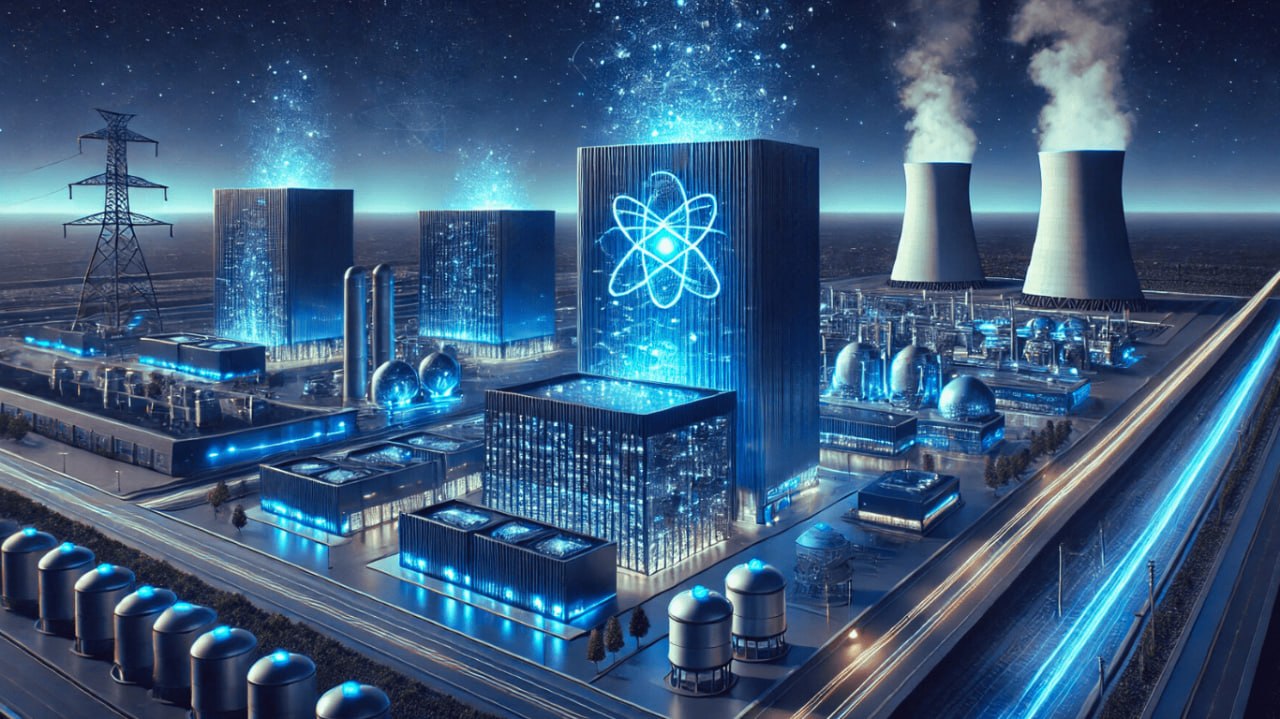
The US is entering summer with record temperatures — and a new structural problem:
AI data centers and air conditioning are now competing for the same electricity.
This is not seasonal.
It’s a permanent shift in demand.
---
🔥 Demand is exploding
• The US just recorded its hottest 12-month period ever
• Early heat waves are already pushing AC usage higher
• At the same time, ~3,000 data centers are active, with 1,500+ in development
According to Goldman Sachs:
→ Data center power demand: +50% by 2027
→ +165% by 2030
---
⚡️ The core problem
The grid was built for stable demand
Now it faces:
• Peak demand spikes (AC)
• Constant baseload demand (AI)
👉 These two don’t coexist well
“The math doesn’t work” without massive infrastructure expansion.
---
🏗 Capex response (but too slow)
Utilities are planning:
→ $1.4 trillion in grid upgrades over 5 years
But:
• infrastructure takes years
• demand is rising now
→ gap = stress + higher prices
---
📉 Real example: Texas
• Current peak demand: ~85,500 MW
• Expected by 2032: 367,790 MW
That’s not growth.
That’s a system redesign problem.
---
💸 What this means financially
1. Higher electricity bills
Older power plants are being reactivated → more expensive
2. Inflation pressure
Energy costs feed into everything:
→ goods
→ services
→ logistics
3. Energy market volatility
Especially with geopolitical risk (Iran, LNG disruption)
---
🌍 The hidden global effect
The US exports LNG → reduces domestic supply
→ raises internal energy costs
At the same time:
• Asia & Europe compete for energy
• global prices increase
→ imported goods become more expensive
---
🧠 Key insight
This is not just an “energy story”
It’s a macro regime shift:
AI → energy demand → infrastructure strain → inflation → rates → markets
---
⚠️ The real risk
Markets are currently focused on:
→ AI growth
→ tech upside
But ignoring:
→ energy constraints
If supply can’t keep up:
• margins compress
• costs rise
• growth slows
---
📝 In brief
AI doesn’t just need chips.
It needs massive amounts of energy.
And this summer may be the first real test of whether the system can handle it.
#AI #Energy #Macro #Inflation #Markets #Tech #Investing
---
The US is entering summer with record temperatures — and a new structural problem:
AI data centers and air conditioning are now competing for the same electricity.
This is not seasonal.
It’s a permanent shift in demand.
---
• The US just recorded its hottest 12-month period ever
• Early heat waves are already pushing AC usage higher
• At the same time, ~3,000 data centers are active, with 1,500+ in development
According to Goldman Sachs:
→ Data center power demand: +50% by 2027
→ +165% by 2030
---
The grid was built for stable demand
Now it faces:
• Peak demand spikes (AC)
• Constant baseload demand (AI)
👉 These two don’t coexist well
“The math doesn’t work” without massive infrastructure expansion.
---
🏗 Capex response (but too slow)
Utilities are planning:
→ $1.4 trillion in grid upgrades over 5 years
But:
• infrastructure takes years
• demand is rising now
→ gap = stress + higher prices
---
• Current peak demand: ~85,500 MW
• Expected by 2032: 367,790 MW
That’s not growth.
That’s a system redesign problem.
---
1. Higher electricity bills
Older power plants are being reactivated → more expensive
2. Inflation pressure
Energy costs feed into everything:
→ goods
→ services
→ logistics
3. Energy market volatility
Especially with geopolitical risk (Iran, LNG disruption)
---
🌍 The hidden global effect
The US exports LNG → reduces domestic supply
→ raises internal energy costs
At the same time:
• Asia & Europe compete for energy
• global prices increase
→ imported goods become more expensive
---
This is not just an “energy story”
It’s a macro regime shift:
AI → energy demand → infrastructure strain → inflation → rates → markets
---
Markets are currently focused on:
→ AI growth
→ tech upside
But ignoring:
→ energy constraints
If supply can’t keep up:
• margins compress
• costs rise
• growth slows
---
📝 In brief
AI doesn’t just need chips.
It needs massive amounts of energy.
And this summer may be the first real test of whether the system can handle it.
#AI #Energy #Macro #Inflation #Markets #Tech #Investing
Please open Telegram to view this post
VIEW IN TELEGRAM
🔥10🎉10❤7💯6👍5👏4
📊 Today’s Key Economic Events
🇪🇺 Germany Inflation (PPI) — 02:00
PPI (MoM): 2.5% vs 1.4% expected (prev -0.5%)
→ Strong upside surprise → renewed inflation pressure in Europe
🇨🇦 Canada Inflation Data — 08:30
• CPI (MoM): 1.1% expected (prev 0.5%)
• Core CPI (YoY): prev 2.3%
→ Key release for BoC policy direction
🇨🇦 BoC Business Outlook Survey — 10:30 / 11:30
→ Insight into business sentiment, demand, and inflation expectations
🇪🇺 ECB Lagarde Speaks — 12:40
→ Potential guidance on rates and inflation outlook
🇳🇿 New Zealand Data (Evening) — 18:45
• CPI (QoQ): 0.8% expected (prev 0.6%)
• CPI (YoY): 2.9% expected
→ Important for RBNZ policy expectations
🧠 Key Focus Today
• Europe: inflation surprise + ECB tone
• Canada: inflation + business sentiment
• New Zealand: inflation trajectory
📝 In brief
Today is a global inflation day
→ Europe showing pressure
→ Canada & NZ will confirm if trend persists
👉 Central bank expectations remain the main driver
#Macro #CPI #Inflation #ECB #BoC #Markets
🇪🇺 Germany Inflation (PPI) — 02:00
PPI (MoM): 2.5% vs 1.4% expected (prev -0.5%)
→ Strong upside surprise → renewed inflation pressure in Europe
🇨🇦 Canada Inflation Data — 08:30
• CPI (MoM): 1.1% expected (prev 0.5%)
• Core CPI (YoY): prev 2.3%
→ Key release for BoC policy direction
🇨🇦 BoC Business Outlook Survey — 10:30 / 11:30
→ Insight into business sentiment, demand, and inflation expectations
🇪🇺 ECB Lagarde Speaks — 12:40
→ Potential guidance on rates and inflation outlook
🇳🇿 New Zealand Data (Evening) — 18:45
• CPI (QoQ): 0.8% expected (prev 0.6%)
• CPI (YoY): 2.9% expected
→ Important for RBNZ policy expectations
🧠 Key Focus Today
• Europe: inflation surprise + ECB tone
• Canada: inflation + business sentiment
• New Zealand: inflation trajectory
📝 In brief
Today is a global inflation day
→ Europe showing pressure
→ Canada & NZ will confirm if trend persists
👉 Central bank expectations remain the main driver
#Macro #CPI #Inflation #ECB #BoC #Markets
💯8👍7🔥4🎉4👏3❤2
📡 Deep Dive: The Oil Market Is Breaking, And It’s Not Priced In Yet
📌 The signal: force majeure in Kuwait
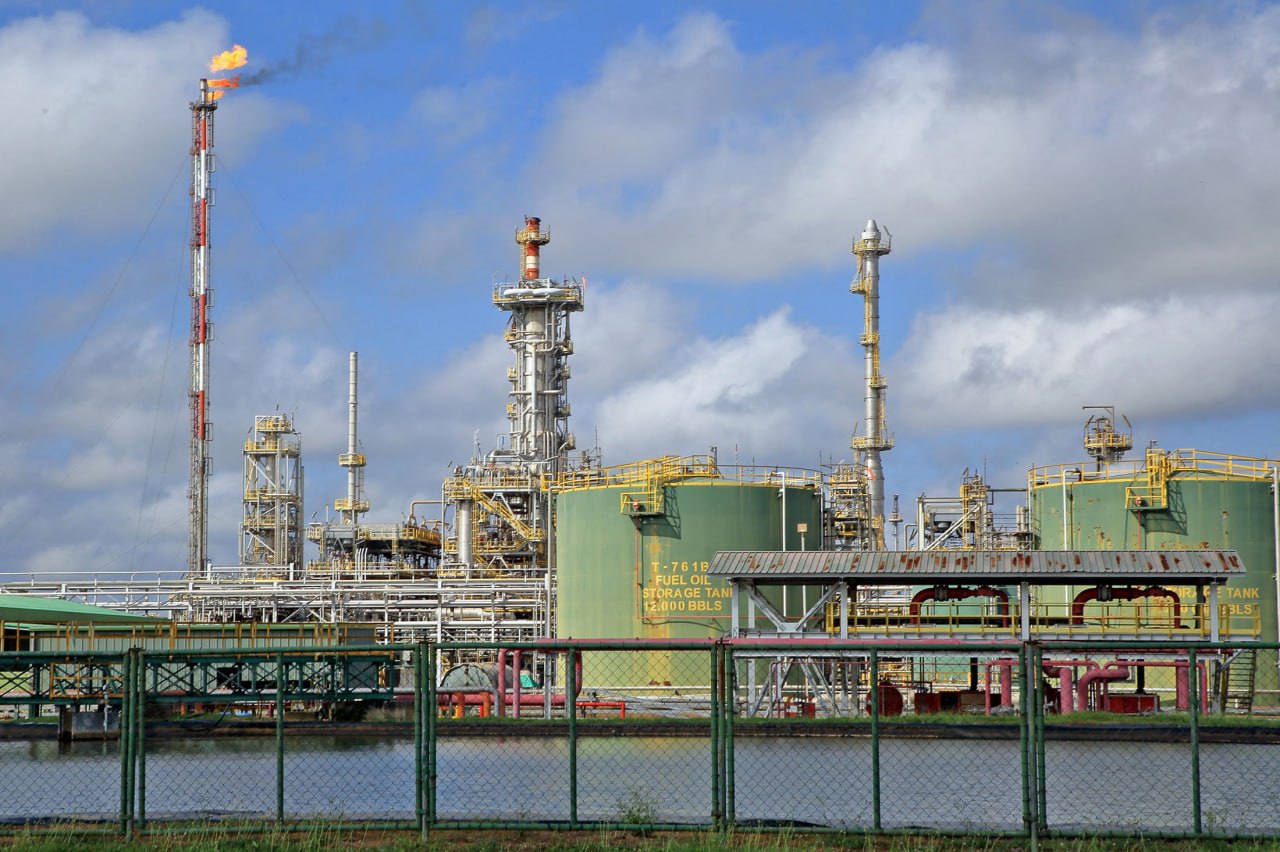
Kuwait has declared force majeure on oil shipments.
This is not routine.
It means:
👉 contracts cannot be honored
👉 supply chains are effectively broken
Even if the Strait of Hormuz reopens,
Kuwait admits it cannot immediately resume normal exports.
This is a physical market disruption, not just a pricing event.
🛢 What’s really happening in oil markets
We are entering a rare state where:
• Shipping routes are partially frozen
• Storage tanks in the Gulf are filling
• Flows are disrupted, not demand
This creates a paradox:
👉 oil exists, but cannot move efficiently
→ logistics, not supply, becomes the bottleneck
📈 Market reaction (so far)
• Brent: ~$95.5 (+5.6%)
• EU gas: +11%
• Equities: down
Markets are starting to reprice risk
but still assuming temporary disruption.
🧠 The structural shift (key insight)
This is no longer just a geopolitical event.
It’s a transition toward a fragmented energy system:
Old model:
→ global, fluid, optimized supply chains
New model:
→ regional, constrained, politically controlled flows
⚠️
If disruption persists:
• Shipping costs spike
• Insurance premiums surge
• Supply chains reroute inefficiently
→ effective supply decreases
→ prices rise faster than expected
This is how you get non-linear oil shocks.
🌍 Winners are already forming
At ~$100 oil:
• South America could add +2.1M barrels/day by 2035
• Brazil, Guyana, Suriname scaling production
• Venezuela potential comeback (if sanctions ease)
• Argentina (Vaca Muerta) accelerating
→ capital is rotating toward alternative supply zones
💸 Macro transmission
Energy shock → spreads through system:
Oil ↑ →
• inflation ↑
• transport costs ↑
• goods prices ↑
→ central banks delay cuts
→ financial conditions tighten
→ equities under pressure
📝 In brief
The oil market is no longer just tight
it’s becoming logistically constrained and politically fragmented.
And when flows break,
prices don’t adjust smoothly
they jump.
#Oil #Energy #Macro #Geopolitics #Inflation #Markets #Investing
Kuwait has declared force majeure on oil shipments.
This is not routine.
It means:
👉 contracts cannot be honored
👉 supply chains are effectively broken
Even if the Strait of Hormuz reopens,
Kuwait admits it cannot immediately resume normal exports.
This is a physical market disruption, not just a pricing event.
🛢 What’s really happening in oil markets
We are entering a rare state where:
• Shipping routes are partially frozen
• Storage tanks in the Gulf are filling
• Flows are disrupted, not demand
This creates a paradox:
👉 oil exists, but cannot move efficiently
→ logistics, not supply, becomes the bottleneck
• Brent: ~$95.5 (+5.6%)
• EU gas: +11%
• Equities: down
Markets are starting to reprice risk
but still assuming temporary disruption.
This is no longer just a geopolitical event.
It’s a transition toward a fragmented energy system:
Old model:
→ global, fluid, optimized supply chains
New model:
→ regional, constrained, politically controlled flows
If disruption persists:
• Shipping costs spike
• Insurance premiums surge
• Supply chains reroute inefficiently
→ effective supply decreases
→ prices rise faster than expected
This is how you get non-linear oil shocks.
🌍 Winners are already forming
At ~$100 oil:
• South America could add +2.1M barrels/day by 2035
• Brazil, Guyana, Suriname scaling production
• Venezuela potential comeback (if sanctions ease)
• Argentina (Vaca Muerta) accelerating
→ capital is rotating toward alternative supply zones
Energy shock → spreads through system:
Oil ↑ →
• inflation ↑
• transport costs ↑
• goods prices ↑
→ central banks delay cuts
→ financial conditions tighten
→ equities under pressure
📝 In brief
The oil market is no longer just tight
it’s becoming logistically constrained and politically fragmented.
And when flows break,
prices don’t adjust smoothly
they jump.
#Oil #Energy #Macro #Geopolitics #Inflation #Markets #Investing
Please open Telegram to view this post
VIEW IN TELEGRAM
🔥7👍5💯5👏3❤2
🌍 Geopolitics & Energy
• Iran war escalation → policy response
Trump invoking wartime powers to control rising energy costs
• Oil market focus (API data later)
Inventory expectations: -1.0M vs +6.1M prior → tightening signals
🇪🇺 Europe
• Hungary political tension
Magyar pushes for arrests tied to ICC war crime accusations
• ECB communication
Lagarde team (Nagel, De Guindos) speaking → rate guidance
• Germany sentiment (ZEW)
Expectations deteriorating → growth concerns rising
🇬🇧 UK Labor Market
• Earnings: 3.8% vs 3.6% expected
• Unemployment: 4.9% (better than expected)
• Claimants rising → mixed labor signals
→ Wage pressure remains, but cracks appearing
🇺🇸 United States — Core Focus
• Retail Sales (key)
Headline: +1.4% expected vs 0.6% prior
Core: +1.3% expected
→ Consumer strength still driving economy
• ADP Employment
Leading signal for labor market
• Business Inventories
Expected rebound → 0.3% vs -0.1% prior
• Housing
Pending sales expected flat → slowdown risk
• GDPNow (Atlanta Fed)
Tracking growth: ~1.3%
• Fed Waller speech
→ Policy tone crucial after recent inflation signals
🇯🇵 Japan Trade Data (Late Session)
• Exports: +11% expected vs 4% prior
• Trade balance improving sharply
→ External demand recovery signal
🏢 Corporate & Industry Signals
• Spirit Airlines restructuring risk
Government stake considered to avoid collapse
• Caesars $18B deal talks
→ M&A activity returning in high-rate environment
• QVC decline
Traditional retail losing to creator economy
#Markets #Macro #RetailSales #Oil #ECB #Fed #Geopolitics
Please open Telegram to view this post
VIEW IN TELEGRAM
❤3👏3🎉2💯2🔥1
How Commodity Traders Control Markets (and Why It’s Terrifying) 📊
Most people think markets are driven by fundamentals.
Growth, earnings, macro data.
The reality is more uncomfortable:
a small group of commodity traders can move entire markets.
📌 Core idea
Commodity traders don’t just react to markets
they shape them.
They sit at the intersection of:
• physical supply (oil, gas, metals)
• financial derivatives
• geopolitical risk
This gives them information and execution advantages no one else has.
⚙️ How the system actually works
In theory:
→ supply and demand set prices
In practice:
→ pricing is influenced by positioning, flows, and expectations
Large traders:
• hedge physical exposure
• speculate using leverage
• anticipate disruptions before they become public
This creates a feedback loop:
Positioning → price movement → narrative → more positioning
🛢 Why commodities are different
Unlike equities, commodities are:
• physically constrained
• sensitive to logistics (shipping, storage)
• tightly linked to geopolitics
This means small changes in flows can create massive price swings.
📈 Market implication
When traders anticipate disruption:
• they price it in early
• volatility increases before fundamentals change
• retail and slower capital react too late
→ markets become reflexive, not reactive
⚠️ The uncomfortable truth
This is not a perfectly efficient system.
It’s closer to:
→ a network of insiders with better data
→ operating in markets where timing = edge
As the video suggests,
this concentration of influence can look structurally unfair.
🧠 Why this matters now
In a world of:
• geopolitical conflicts
• energy shocks
• supply chain fragmentation
commodity traders become even more powerful.
Because they are the first to understand:
👉 where the system breaks
📱 Source
#Markets #Commodities #Oil #Trading #Macro #Finance
Most people think markets are driven by fundamentals.
Growth, earnings, macro data.
The reality is more uncomfortable:
a small group of commodity traders can move entire markets.
Commodity traders don’t just react to markets
they shape them.
They sit at the intersection of:
• physical supply (oil, gas, metals)
• financial derivatives
• geopolitical risk
This gives them information and execution advantages no one else has.
In theory:
→ supply and demand set prices
In practice:
→ pricing is influenced by positioning, flows, and expectations
Large traders:
• hedge physical exposure
• speculate using leverage
• anticipate disruptions before they become public
This creates a feedback loop:
Positioning → price movement → narrative → more positioning
🛢 Why commodities are different
Unlike equities, commodities are:
• physically constrained
• sensitive to logistics (shipping, storage)
• tightly linked to geopolitics
This means small changes in flows can create massive price swings.
📈 Market implication
When traders anticipate disruption:
• they price it in early
• volatility increases before fundamentals change
• retail and slower capital react too late
→ markets become reflexive, not reactive
⚠️ The uncomfortable truth
This is not a perfectly efficient system.
It’s closer to:
→ a network of insiders with better data
→ operating in markets where timing = edge
As the video suggests,
this concentration of influence can look structurally unfair.
🧠 Why this matters now
In a world of:
• geopolitical conflicts
• energy shocks
• supply chain fragmentation
commodity traders become even more powerful.
Because they are the first to understand:
👉 where the system breaks
#Markets #Commodities #Oil #Trading #Macro #Finance
Please open Telegram to view this post
VIEW IN TELEGRAM
YouTube
How the Iran War Spiked Oil Prices
Get Exclusive NordVPN deal + 4 months extra
here → https://nordvpn.com/wendover
It’s risk-free with Nord’s 30-day money-back guarantee!
Youtube: http://www.YouTube.com/WendoverProductions
Instagram: http://Instagram.com/sam.from.wendover
Twitter: http…
here → https://nordvpn.com/wendover
It’s risk-free with Nord’s 30-day money-back guarantee!
Youtube: http://www.YouTube.com/WendoverProductions
Instagram: http://Instagram.com/sam.from.wendover
Twitter: http…
❤3👏3🎉3👍1🔥1💯1
📊 Economic Calendar April 22 (Full Events Overview)
---
• 🇬🇧 02:00 — CPI YoY (Mar)
Act: 3.3% | Cons: 3.3% | Prev: 3.0%
• 🇬🇧 02:00 — CPI MoM (Mar)
Act: 0.7% | Cons: 0.6% | Prev: 0.4%
• 🇬🇧 02:00 — PPI Input MoM (Mar)
Act: 4.4% | Cons: 2.8% | Prev: 0.9%
---
• 🇪🇺 03:00 — ECB’s Elderson Speaks
• 🇪🇺 03:40 — ECB’s Lane Speaks
---
• 🇮🇳 07:30 — RBI MPC Meeting Minutes
---
• 🇨🇦 08:30 — New Housing Price Index MoM (Mar)
Cons: 0.2% | Prev: 0.3%
---
• 🇪🇺 09:15 — ECB’s Lane Speaks
---
• 🇺🇸 10:30 — Crude Oil Inventories
Cons: -1.0M | Prev: -0.913M
• 🇺🇸 10:30 — Cushing Crude Oil Inventories
Prev: -1.727M
---
• 🇺🇸 13:00 — 20-Year Bond Auction
Prev: 4.817%
• 🇪🇺 13:00 — German Buba President Nagel Speaks
---
• 🇪🇺 13:30 — ECB President Lagarde Speaks
---
• 🇯🇵 20:30 — Services PMI (Apr)
Prev: 53.4
---
• 🇦🇺 21:30 — Unemployment Rate (Mar)
Prev: 4.3%
---
#EconomicCalendar #Macro #Forex #Markets
---
• 🇬🇧 02:00 — CPI YoY (Mar)
Act: 3.3% | Cons: 3.3% | Prev: 3.0%
• 🇬🇧 02:00 — CPI MoM (Mar)
Act: 0.7% | Cons: 0.6% | Prev: 0.4%
• 🇬🇧 02:00 — PPI Input MoM (Mar)
Act: 4.4% | Cons: 2.8% | Prev: 0.9%
---
• 🇪🇺 03:00 — ECB’s Elderson Speaks
• 🇪🇺 03:40 — ECB’s Lane Speaks
---
• 🇮🇳 07:30 — RBI MPC Meeting Minutes
---
• 🇨🇦 08:30 — New Housing Price Index MoM (Mar)
Cons: 0.2% | Prev: 0.3%
---
• 🇪🇺 09:15 — ECB’s Lane Speaks
---
• 🇺🇸 10:30 — Crude Oil Inventories
Cons: -1.0M | Prev: -0.913M
• 🇺🇸 10:30 — Cushing Crude Oil Inventories
Prev: -1.727M
---
• 🇺🇸 13:00 — 20-Year Bond Auction
Prev: 4.817%
• 🇪🇺 13:00 — German Buba President Nagel Speaks
---
• 🇪🇺 13:30 — ECB President Lagarde Speaks
---
• 🇯🇵 20:30 — Services PMI (Apr)
Prev: 53.4
---
• 🇦🇺 21:30 — Unemployment Rate (Mar)
Prev: 4.3%
---
#EconomicCalendar #Macro #Forex #Markets
👏7👍6❤4🎉2🔥1💯1
Platforms like Polymarket and Kalshi are growing fast, allowing users to place bets on real-world events — from elections to wars to macro trends.
They present themselves as tools that “price probabilities,” where the market reflects the most likely outcome. In theory, this should aggregate information better than traditional forecasting.
But in practice, something else is happening.
These platforms are driven by:
• speculation
• narrative shifts
• short-term positioning
Users aren’t investing in fundamentals —
they’re betting on what others believe will happen next.
⚠️ The key issue: information asymmetry
If some participants have better or earlier information,
the system stops being predictive.
It becomes:
→ a market where informed players extract value
→ and others provide liquidity
This is especially sensitive when markets involve:
• geopolitics
• policy decisions
• global conflicts
Prediction markets are expanding into areas that influence real decisions.
If they become widely used as signals:
→ they can shape narratives
→ influence behavior
→ even affect outcomes
📝 In brief
Prediction markets promise to reveal the future.
But in reality, they may just reflect who is better informed — or better positioned.
And that’s a very different system.
#Finance #Markets #PredictionMarkets #Macro #Investing
Please open Telegram to view this post
VIEW IN TELEGRAM
YouTube
Polymarket Asked To Work With Us. We Exposed Their Scam Instead.
Prediction markets are scamming the working class.
Polymarket and Kalshi claim they are "democratizing finance," but their business model enables a handful of elites to fleece their customers.
On Polymarket just 0.04% of traders capture 70% of the profits.…
Polymarket and Kalshi claim they are "democratizing finance," but their business model enables a handful of elites to fleece their customers.
On Polymarket just 0.04% of traders capture 70% of the profits.…
💯5👏3🔥2👍1🎉1
---
Despite a major geopolitical shock, global markets are staying resilient.
Instead of collapsing, equities remain near highs and risk sentiment is holding.
👉 Source
---
Companies continue to beat expectations → profits remain the main driver
The AI boom is still attracting capital and supporting valuations ([Reuters][1])
Jobs remain stable → no immediate recession signal ([Reuters][2])
Investors are betting the conflict will not escalate long-term
Capital flows adapt quickly → markets recover faster than in the past ([ABC News][3])
---
⚠️ But there’s a disconnect
While markets stay strong:
• Oil supply disruptions remain severe
• Inflation risks are rising
• Supply chains are under pressure ([Business Insider][4])
→ Real economy signals are weaker than market pricing
#Markets #Macro #Investing #AI #Oil #Geopolitics
Please open Telegram to view this post
VIEW IN TELEGRAM
Bloomberg.com
Five Reasons Global Markets Are Surprisingly Resilient Despite War in Iran
Nearly two months into the conflict in Iran, global stock markets are staging a defiant rally. From the US to Taiwan and South Korea, a disconnect has emerged: while the geopolitical tensions remain high, equities are charging back toward all-time highs.
🔥4👍3💯3❤2🎉1
Self-driving cars were supposed to be one of AI’s biggest breakthroughs.
Instead, progress is slowing — and the industry may be facing a massive overestimation of its potential.
Autonomous driving works well in controlled environments.
But in the real world:
• edge cases are everywhere
• unpredictability is constant
• full autonomy remains extremely difficult
👉 The last 1% of driving is the hardest, and most expensive, to solve
Billions have already been invested in autonomous driving.
If full autonomy is delayed or fails to scale:
• companies may not recover investments
• business models break
• valuations could be repriced
→ This is where the “$2 trillion risk” comes from
AI is powerful, but not all applications scale equally.
Self-driving is a reminder that:
👉 some problems are not just technological
👉 they are physical, unpredictable, and systemic
📝 In brief
Self-driving cars are not dead,
but they’re much harder than expected.
And that gap between expectation and reality
👉 is where financial risk builds.
#AI #AutonomousDriving #Tech #Investing #Future
Please open Telegram to view this post
VIEW IN TELEGRAM
YouTube
Self-Driving Cars are DOOMED. The $2 Trillion AI Disaster
Self-driving cars are already safer than human drivers in many situations, so why aren’t they everywhere? That’s the real mystery.
Waymo’s robotaxis have logged millions of miles, posted impressive safety data, and shown that autonomous driving can work…
Waymo’s robotaxis have logged millions of miles, posted impressive safety data, and shown that autonomous driving can work…
🔥4💯3❤2🎉2👏1
📌 What’s happening
Despite tariffs, geopolitical tensions, and supply chain disruptions, global trade is not collapsing.
Instead, it is being reshaped by deeper structural forces.
👉 Source
Most people think tariffs and politics are driving global trade changes.
But the reality is different:
👉 technology and economic transformation matter more than tariffs
🌍 What’s really driving trade
The article highlights three structural forces:
• Technology (especially AI)
Demand for chips, servers, and data center infrastructure is reshaping global trade flows
• Supply chain reconfiguration
Companies are not deglobalizing — they are redirecting trade flows toward new countries (ASEAN, India, etc.)
• Emerging markets growth
New production hubs are rising, while traditional corridors (like US–China) are weakening
Even after:
• tariffs at historic highs
• US–China trade down ~30%
👉 global trade is still growing
This means:
→ the system is adapting, not collapsing
Winners:
• Southeast Asia (new manufacturing hubs)
• India (electronics, exports)
• Latin America (commodities)
Struggling:
• Europe (caught between US tariffs and Chinese competition)
#Macro #GlobalTrade #Economics #AI #SupplyChains
Please open Telegram to view this post
VIEW IN TELEGRAM
Project Syndicate
The Deeper Forces Shaping Global Trade
Tiago Devesa, Jeongmin Seong and Olivia White identify the main factors that are both sustaining trade volumes and reconfiguring flows.
❤5👍2👏2🎉2🔥1💯1
Forwarded from AI News Daily
---
Two major signals from the hedge fund world:
• Bill Ackman is launching a ~$5B IPO to secure permanent capital
• Bobby Jain is shutting down external fundraising to operate under Millennium Management
👉 The industry structure is shifting.
---
Ackman is moving toward a permanent capital model:
• ~$30B AUM
• ~$20B fee-paying
• IPO expected to raise ~$5B
👉 Goal:
Invest long-term without redemption pressure
This reflects a broader trend:
→ funds want *stable, sticky capital*
---
Instead of scaling independently, Jain is:
• returning external capital
• managing money exclusively for Millennium
👉 Translation:
even top managers struggle to compete alone
---
The hedge fund industry is becoming:
• more expensive (talent + tech + data)
• more competitive (dominated by giants like Citadel and Millennium)
• more institutionalized
👉 Scale is now a *requirement*, not an advantage
---
We are moving from:
• independent hedge funds
→ to platform-based investing ecosystems
Where:
• large firms provide infrastructure
• smaller managers plug into the system
---
📝 In brief
The hedge fund world is consolidating.
👉 Big players get bigger
👉 Smaller players either adapt or disappear
And capital is becoming more centralized and long-term.
---
#Finance #HedgeFunds #Investing #Markets #IPO
Please open Telegram to view this post
VIEW IN TELEGRAM
Forwarded from AI News Daily
The video explores a scenario where Tim Cook could step down as CEO of Apple — and why this would matter far beyond the company itself.
Apple isn’t just another company.
It is:
• one of the largest companies in the world
• a major driver of indices like the S&P 500
• a core holding for global investors
👉 A leadership change could trigger market-wide reactions
The concern is not immediate collapse
but uncertainty.
Markets rely heavily on:
• predictable leadership
• consistent strategy
• long-term vision
👉 A transition introduces doubt about:
• innovation pipeline
• AI strategy
• future growth
If something like this happens, focus shifts to:
• Who replaces the CEO
• Whether strategy changes
• How markets react in the short term
Historically:
👉 large tech CEO exits often create volatility
Mega-cap companies like Apple are no longer just businesses
they are systemically important assets
→ Changes at the top can ripple across:
• indices
• ETFs
• global portfolios
📝 In brief
A CEO change at Apple wouldn’t just be corporate news.
👉 It would be a macro event
Because when the biggest company moves,
the whole market feels it.
#Apple #Markets #Tech #Investing #Macro
Please open Telegram to view this post
VIEW IN TELEGRAM
YouTube
An Unknown Engineer is Apple's New CEO
Visit https://brilliant.org/coldfusion for 20% off a premium subscription.
Tim Cook has been at the helm of Apple since the passing of Steve Jobs in 2011. He's now stepping down from the lead role to be replaced by a little known mechanical engineer, John…
Tim Cook has been at the helm of Apple since the passing of Steve Jobs in 2011. He's now stepping down from the lead role to be replaced by a little known mechanical engineer, John…
The video explains a critical but often ignored trend:
👉 people are having fewer children worldwide
🧠 The core idea
This is not just a social issue
it’s a major macroeconomic shift.
Lower birth rates mean:
• fewer workers in the future
• slower economic growth
• increasing pressure on pension systems
Modern economies rely on population growth.
If population declines:
• consumption slows
• labor shortages increase
• productivity must compensate
👉 Without growth, long-term GDP trends weaken
Aging societies create:
• higher public spending (healthcare, pensions)
• lower tax revenues
• rising debt pressure
This is already visible in countries like Japan and parts of Europe.
The biggest economic challenge of the next decades may not be:
• inflation
• interest rates
• or geopolitics
👉 but demographics
📝 In brief
Fewer children today =
👉 weaker economies tomorrow
And unlike market cycles,
this trend is slow, structural, and hard to reverse.
#Macro #Demographics #Economics #Markets #Finance
Please open Telegram to view this post
VIEW IN TELEGRAM
YouTube
Why are we having fewer children? | In Case You Missed It
If fewer people have children... what happens next?
Across the globe birth rates are falling, populations are ageing and debates about parenthood have become intensely divisive.
In this video, we set out to understand why parenthood might no longer feel…
Across the globe birth rates are falling, populations are ageing and debates about parenthood have become intensely divisive.
In this video, we set out to understand why parenthood might no longer feel…
---
Four tech giants, Alphabet, Amazon, Meta, and Microsoft, just reported earnings, and one theme dominates: AI.
---
• Meta
Raised full-year capex to $125B–$145B, well above expectations → shares fell after hours
• Alphabet
Beat revenue expectations (~$94.7B vs ~$91.6B expected)
• Amazon
Cloud growth strongest in 3+ years, but capex jumped to $44.2B
• Microsoft
Azure revenue grew ~39%, slightly above expectations
---
AI is reshaping the economics of Big Tech:
• massive infrastructure buildout
• rising cloud demand
• increasing dependence on AI workloads
👉 Growth is strong but so are costs
---
Markets are reacting to:
• rising capital expenditures
• uncertain return timelines
• pressure on margins
👉 Even strong earnings can trigger stock declines
---
This is not just earnings season
it’s an AI arms race
Companies are spending aggressively today
to dominate tomorrow’s infrastructure
---
📝 In brief
Big Tech is scaling AI at full speed
👉 demand is real
👉 revenues are growing
👉 but costs are exploding
The key question now:
👉 when does AI turn into sustained profit?
---
#Markets #AI #BigTech #Earnings #Investing
Please open Telegram to view this post
VIEW IN TELEGRAM
Bloomberg.com
Microsoft Projects ‘Modest’ Cloud Acceleration Amid AI Jitters
Microsoft Corp. said cloud computing revenue and spending on AI infrastructure will accelerate this year, a bid to convince investors that its huge bets on artificial intelligence are poised to pay off.
❤1
---
A new finance video breaks down a scenario many investors fear:
what actually happens if the U.S. economy enters a serious downturn.
---
A crash is not just “stocks going down.”
It usually spreads through the economy in stages:
• consumer spending slows
• companies cut costs
• unemployment rises
• credit becomes tighter
• markets reprice risk
👉 The real danger is when financial stress moves from Wall Street into the real economy.
---
In a major downturn, markets immediately look to the Federal Reserve.
Investors expect:
• rate cuts
• liquidity support
• emergency lending tools
But if inflation is still high, the Fed has less room to act.
That is the hard part:
👉 fighting recession and inflation at the same time.
---
During crashes, weak companies get exposed.
Debt becomes harder to refinance, speculative assets sell off first, and cash flow becomes more important than growth stories.
The market shifts from:
*“How fast can this grow?”*
to
**“Can this survive?”**
#Finance #Markets #Economy #Recession #Investing
Please open Telegram to view this post
VIEW IN TELEGRAM
YouTube
What Actually Happens if the U.S. Economy Crashes
Head to https://betterhelp.com/invisiblehand for 10% off your first month of therapy with our paid partner, BetterHelp. Make your mental health and growth a positive focus this year
🚨 We're Hiring! If you like economics and want to be part of the creative…
🚨 We're Hiring! If you like economics and want to be part of the creative…
🔥2🎉2👍1💯1
A new leak suggests Google is working on an advanced AI assistant called Cosmo, designed to go beyond chat and operate across apps and services.
Unlike traditional assistants, Cosmo is expected to:
• connect multiple apps and services
• maintain context across tasks
• perform multi-step actions autonomously
👉 Think less “assistant”
👉 more operating layer for your digital life
Current assistants:
• answer questions
• execute simple commands
Cosmo’s direction:
• plan tasks
• move between apps
• complete workflows
👉 This is the shift toward AI agents
Google is not alone:
• OpenAI → agent-based systems
• Anthropic → tool-using models
• Microsoft → copilots across products
👉 The race is no longer about chatbots
👉 it’s about who controls the interface to everything
If successful, systems like Cosmo could:
• replace traditional app navigation
• centralize user interaction into one AI layer
• reduce the need for multiple apps entirely
#AI #Google #AIAgents #Automation #Tech
Please open Telegram to view this post
VIEW IN TELEGRAM
9to5Google
Google releases experimental ‘COSMO’ AI assistant app on Play Store [U]
Yesterday, Google published “COSMO,” an “experimental AI assistant application for Android devices” on the Play Store.
❤1
💸 Why Your Cost of Living Is Not Going Back to “Normal”
Patrick Boyle’s latest video focuses on a brutal but important economic reality: even when inflation slows down, prices usually do not return to where they were before.
That is the part many people misunderstand.
Inflation going from 8% to 2% does not mean life becomes cheap again. It means prices are still rising, just more slowly. The previous price increases remain embedded in rent, groceries, insurance, services, restaurants, and daily expenses.
📉 Lower inflation ≠ lower prices.
This is why many people still feel poorer even after official inflation numbers improve.
The deeper issue is that wages often recover slowly, while essential costs adjust quickly and rarely reverse. Housing, food, energy, healthcare, transportation, and insurance became structurally more expensive after the pandemic inflation shock. In many countries, real wages are now recovering, but OECD data still shows that in half of OECD countries real wages remained below early-2021 levels as of Q1 2025.
So the “cost of living crisis” is not only about inflation today. It is about the permanent price level left behind by past inflation.
Light deep dive:
There are three layers to the problem.
1️⃣ First, prices are sticky. Companies are usually quicker to raise prices than to cut them. Once consumers accept a new price level, businesses have little incentive to reverse it unless demand collapses or competition forces them.
2️⃣ Second, essential goods hit harder. A 20% increase in luxury goods is optional. A 20% increase in rent, food, energy, or insurance directly reduces disposable income.
3️⃣ Third, asset owners and wage earners experience inflation differently. People who own property, stocks, or businesses may see nominal wealth rise. People relying mainly on wages feel the pressure first, because their income adjusts later and often incompletely.
➡️ The result is a strange economy where headline indicators can look stable while households still feel squeezed.
The big takeaway:
Inflation can come down.
Interest rates can stabilize.
Markets can recover.
But unless wages grow faster than prices for long enough, the standard of living does not fully recover.
That is why the cost of living debate is becoming one of the most important economic issues of the decade.
Source:
📱 Patrick Boyle
Supporting data:
🔗 OECD real wages recovering but still below early-2021 levels in half of OECD countries
🔗 IMF global inflation trend and macroeconomic outlook
🔗 World Bank cost of living pressures remain elevated in several economies
Patrick Boyle’s latest video focuses on a brutal but important economic reality: even when inflation slows down, prices usually do not return to where they were before.
That is the part many people misunderstand.
Inflation going from 8% to 2% does not mean life becomes cheap again. It means prices are still rising, just more slowly. The previous price increases remain embedded in rent, groceries, insurance, services, restaurants, and daily expenses.
This is why many people still feel poorer even after official inflation numbers improve.
The deeper issue is that wages often recover slowly, while essential costs adjust quickly and rarely reverse. Housing, food, energy, healthcare, transportation, and insurance became structurally more expensive after the pandemic inflation shock. In many countries, real wages are now recovering, but OECD data still shows that in half of OECD countries real wages remained below early-2021 levels as of Q1 2025.
So the “cost of living crisis” is not only about inflation today. It is about the permanent price level left behind by past inflation.
Light deep dive:
There are three layers to the problem.
The big takeaway:
The economy may “normalize” statistically, but your personal budget may not.
Inflation can come down.
Interest rates can stabilize.
Markets can recover.
But unless wages grow faster than prices for long enough, the standard of living does not fully recover.
That is why the cost of living debate is becoming one of the most important economic issues of the decade.
Source:
Supporting data:
Please open Telegram to view this post
VIEW IN TELEGRAM
YouTube
Is Inflation About to Get Much Worse?
🚀 Streamline your entire business with Odoo — the all-in-one, easy-to-use ERP platform that centralizes, automates, and scales your operations from sales and accounting to inventory and eCommerce 📈⚙️. Try out Odoo for 15 days (no credit card required) 👉🏻…
❤1
Forwarded from Finance facts 💼
What does GDP stand for?
Anonymous Quiz
76%
Gross Domestic Product
13%
Gross Demand Pricing
7%
General Domestic Profit
5%
Global Debt Position
This week is relatively light early on due to multiple global holidays, but key US macro data later in the week could drive markets — especially around growth, labor, and inflation.
🧠 Early week: low liquidity, central bank focus
Monday–Tuesday are impacted by holidays across major economies (Japan, China, UK), meaning:
👉 thinner trading volumes
👉 potentially higher volatility on low activity
The main early catalyst:
• 🇦🇺 RBA Rate Decision
Expected at 4.35% (vs 4.10%)
👉 Signals continued tightening bias
📊 Midweek: growth & demand signals (US)
Markets will focus on services and labor demand:
• Services PMI / ISM Services
→ Expected stable (~51–54 range)
👉 Indicates moderate expansion
• JOLTS Job Openings
→ Slight decline expected
👉 Cooling labor demand
• ADP Employment (Wed)
→ Expected ~90K (vs 62K prior)
👉 Early signal for payrolls
🛢 Energy market check
• Crude Oil Inventories (Wed)
👉 Key for oil price direction and inflation expectations
📉 Late week: labor market in focus (KEY EVENT)
Friday is the most important day:
• Nonfarm Payrolls (NFP)
→ Expected: 73K (vs 178K prior)
👉 Significant slowdown
• Unemployment Rate
→ Expected: 4.3% (stable)
• Wage Growth (MoM)
→ Expected: 0.3% (vs 0.2%)
👉 Markets will watch the balance between:
• slowing job growth
• still-solid wages
💡 Key insight
This week is about one question:
👉 Is the US labor market cooling enough to justify rate cuts?
• Weak jobs → bullish for markets (rate cuts)
• Strong wages → inflation risk remains
📝 In brief
• Early week → low liquidity
• Midweek → growth + demand signals
• Friday → critical labor market data
👉 Expect volatility around NFP
#Macro #EconomicCalendar #NFP #Markets #Finance
Please open Telegram to view this post
VIEW IN TELEGRAM
👍2