
🌍 **EU Carbon Border Tax Takes Effect**
The EU's Carbon Border Adjustment Mechanism (CBAM) is now fully operational, imposing tariffs on carbon-intensive imports like steel, cement, and aluminum. This could reshape global trade patterns and accelerate green industrial policies worldwide.
#eu #carbon #climate #trade #finance
The EU's Carbon Border Adjustment Mechanism (CBAM) is now fully operational, imposing tariffs on carbon-intensive imports like steel, cement, and aluminum. This could reshape global trade patterns and accelerate green industrial policies worldwide.
#eu #carbon #climate #trade #finance
📡 Private Credit Under Pressure: Wall Street Starts Pulling Back
For years, private credit funds have been one of the most profitable corners of finance. Cheap leverage from major banks allowed these funds to scale aggressively and deliver high returns.
Now that dynamic is starting to break.
👉 Source
---
📌 What’s happening
Major banks like JPMorgan, Goldman Sachs, and Barclays are tightening lending conditions for private credit funds.
They are:
• Increasing interest rates on leveraged facilities
• Marking down loan collateral
• Forcing funds to replace weaker assets in their portfolios
At the same time, investors are pulling capital, putting additional pressure on the sector.
---
🔎 Why this matters
Private credit has grown into a trillion-dollar market, largely outside traditional regulatory scrutiny.
Its success depended on one key factor:
👉 easy leverage
Now that leverage is becoming:
• more expensive
• more selective
• more risk-sensitive
→ the entire return structure of the industry is at risk.
---
💡 Key insight
This is not just a sector issue.
Private credit has been acting as a shadow banking system, funding companies that traditional banks avoided.
If conditions tighten:
• refinancing becomes harder
• default risk increases
• liquidity dries up
This creates a potential credit cycle turning point.
---
⚠️ What could happen next
If the trend continues:
• weaker funds may face forced deleveraging
• asset prices could be repriced downward
• spillover into broader credit markets becomes possible
This is how stress typically propagates:
from niche → to systemic.
---
🧠 Bigger picture
At the same time, markets are dealing with:
• rising geopolitical risk (oil, Middle East)
• interest rate uncertainty
• tightening financial conditions
Private credit was one of the last “easy return” pockets.
That era may be ending.
---
📝 In brief
Wall Street is no longer fueling private credit —
it’s starting to protect itself from it.
And when leverage gets pulled,
everything reprices.
---
#Finance #PrivateCredit #Markets #WallStreet #Macro #Investing #Risk
For years, private credit funds have been one of the most profitable corners of finance. Cheap leverage from major banks allowed these funds to scale aggressively and deliver high returns.
Now that dynamic is starting to break.
👉 Source
---
Major banks like JPMorgan, Goldman Sachs, and Barclays are tightening lending conditions for private credit funds.
They are:
• Increasing interest rates on leveraged facilities
• Marking down loan collateral
• Forcing funds to replace weaker assets in their portfolios
At the same time, investors are pulling capital, putting additional pressure on the sector.
---
Private credit has grown into a trillion-dollar market, largely outside traditional regulatory scrutiny.
Its success depended on one key factor:
👉 easy leverage
Now that leverage is becoming:
• more expensive
• more selective
• more risk-sensitive
→ the entire return structure of the industry is at risk.
---
This is not just a sector issue.
Private credit has been acting as a shadow banking system, funding companies that traditional banks avoided.
If conditions tighten:
• refinancing becomes harder
• default risk increases
• liquidity dries up
This creates a potential credit cycle turning point.
---
If the trend continues:
• weaker funds may face forced deleveraging
• asset prices could be repriced downward
• spillover into broader credit markets becomes possible
This is how stress typically propagates:
from niche → to systemic.
---
🧠 Bigger picture
At the same time, markets are dealing with:
• rising geopolitical risk (oil, Middle East)
• interest rate uncertainty
• tightening financial conditions
Private credit was one of the last “easy return” pockets.
That era may be ending.
---
📝 In brief
Wall Street is no longer fueling private credit —
it’s starting to protect itself from it.
And when leverage gets pulled,
everything reprices.
---
#Finance #PrivateCredit #Markets #WallStreet #Macro #Investing #Risk
Please open Telegram to view this post
VIEW IN TELEGRAM

📊 What to Watch Tomorrow — Markets & Macro
📈 Stocks Holding Highs
Markets remain near record levels despite Middle East tensions
→ Risk-on sentiment is holding… for now
🛢 Oil & Geopolitics
Crude inventories: -0.91M vs +2.1M expected
→ Supply tightening + war risk = upside pressure on oil
🇨🇳 China Growth Strength
GDP (Q1): 5.0% vs 4.8% expected
→ Supports global demand + commodities
🇺🇸 Inflation Cooling (PPI)
PPI (MoM): 0.5% vs 1.1% expected
→ Reduces immediate pressure on Fed tightening
🇺🇸 Labor Market Still Strong
Jobless Claims: 207K vs 213K expected
→ Labor resilience remains intact
🏭 Manufacturing Surprise (Strong)
Philly Fed Index: 26.7 vs 10.3 expected
→ Industrial activity rebounding sharply
🏛 Trump Speeches = Market Catalyst
Multiple appearances impacting:
→ oil expectations
→ geopolitical risk
→ market direction
🚀 SpaceX IPO Incoming
Potential largest IPO ever
→ Major liquidity + tech sector impact
⚡️ Allbirds AI Hype Reversal
Stock drops after +582% surge
→ AI speculation starting to unwind
🌍 Global Deals & Capital Flows
• Europe: potential mega-deal emerging
• South America: $270B untapped market attracting banks
🏙 US Fiscal & Policy Signals
• NYC second-home tax debate
• NY tax revenue above expectations (+$2.3B)
✈️ Airline Consolidation Risk
United + American potential tie-up
→ Less competition → higher prices
#Markets #Macro #SP500 #Oil #Investing #Finance
📈 Stocks Holding Highs
Markets remain near record levels despite Middle East tensions
→ Risk-on sentiment is holding… for now
🛢 Oil & Geopolitics
Crude inventories: -0.91M vs +2.1M expected
→ Supply tightening + war risk = upside pressure on oil
🇨🇳 China Growth Strength
GDP (Q1): 5.0% vs 4.8% expected
→ Supports global demand + commodities
🇺🇸 Inflation Cooling (PPI)
PPI (MoM): 0.5% vs 1.1% expected
→ Reduces immediate pressure on Fed tightening
🇺🇸 Labor Market Still Strong
Jobless Claims: 207K vs 213K expected
→ Labor resilience remains intact
🏭 Manufacturing Surprise (Strong)
Philly Fed Index: 26.7 vs 10.3 expected
→ Industrial activity rebounding sharply
🏛 Trump Speeches = Market Catalyst
Multiple appearances impacting:
→ oil expectations
→ geopolitical risk
→ market direction
🚀 SpaceX IPO Incoming
Potential largest IPO ever
→ Major liquidity + tech sector impact
⚡️ Allbirds AI Hype Reversal
Stock drops after +582% surge
→ AI speculation starting to unwind
🌍 Global Deals & Capital Flows
• Europe: potential mega-deal emerging
• South America: $270B untapped market attracting banks
🏙 US Fiscal & Policy Signals
• NYC second-home tax debate
• NY tax revenue above expectations (+$2.3B)
✈️ Airline Consolidation Risk
United + American potential tie-up
→ Less competition → higher prices
#Markets #Macro #SP500 #Oil #Investing #Finance
👏4❤2🔥2🎉2👍1💯1
✨ Fact #1
The 'Inverted Yield Curve' Predicts Recessions
When short-term government bonds pay more than long-term ones, it's called an inverted yield curve. This unusual event has preceded every U.S. recession since 1955, with a lag of 6-24 months.
Is the curve inverted now? Check and share!
#finance #economics #recession #bonds #investing
The 'Inverted Yield Curve' Predicts Recessions
When short-term government bonds pay more than long-term ones, it's called an inverted yield curve. This unusual event has preceded every U.S. recession since 1955, with a lag of 6-24 months.
Is the curve inverted now? Check and share!
#finance #economics #recession #bonds #investing
👍1🔥1
✨ Fact #2
Central Banks Create Money From Nothing
Through Quantitative Easing (QE), central banks like the Fed create new digital money to buy bonds. This 'printing' aims to stimulate the economy but can fuel asset bubbles and inflation.
Understand monetary policy to protect your wealth!
#centralbanks #monetarypolicy #inflation #economy #QE
Central Banks Create Money From Nothing
Through Quantitative Easing (QE), central banks like the Fed create new digital money to buy bonds. This 'printing' aims to stimulate the economy but can fuel asset bubbles and inflation.
Understand monetary policy to protect your wealth!
#centralbanks #monetarypolicy #inflation #economy #QE
👍3💯3👏2🎉2🔥1
✨ Fact #3
Stock Markets Often Rise During Inflation
While high inflation hurts bonds, stocks can be a hedge. Companies can raise prices, protecting profits. Historically, equities have outperformed during moderate inflationary periods.
Review your portfolio for inflation protection.
#stockmarket #inflation #investing #hedge #markets
Stock Markets Often Rise During Inflation
While high inflation hurts bonds, stocks can be a hedge. Companies can raise prices, protecting profits. Historically, equities have outperformed during moderate inflationary periods.
Review your portfolio for inflation protection.
#stockmarket #inflation #investing #hedge #markets
✨ Fact #4
Cash is a Risky Long-Term Investment
Holding cash feels safe, but inflation erodes its purchasing power. With 3% annual inflation, $100 today will be worth only about $74 in 10 years, a guaranteed loss in real terms.
Don't let inflation eat your savings—invest wisely!
#riskmanagement #inflation #investment #finance #money
Cash is a Risky Long-Term Investment
Holding cash feels safe, but inflation erodes its purchasing power. With 3% annual inflation, $100 today will be worth only about $74 in 10 years, a guaranteed loss in real terms.
Don't let inflation eat your savings—invest wisely!
#riskmanagement #inflation #investment #finance #money
🔥1
✨ Fact #5
The 'Fear Index' (VIX) Moves Opposite Stocks
The VIX measures expected stock market volatility. It spikes when investors panic and sell, and falls when they are calm. It's often called the market's 'fear gauge'.
Watch the VIX for market sentiment clues!
#VIX #stockmarket #volatility #risk #trading
The 'Fear Index' (VIX) Moves Opposite Stocks
The VIX measures expected stock market volatility. It spikes when investors panic and sell, and falls when they are calm. It's often called the market's 'fear gauge'.
Watch the VIX for market sentiment clues!
#VIX #stockmarket #volatility #risk #trading
❤1
🏦 **Deutsche Bank's $1.5B Restructuring**
Deutsche Bank announces a major restructuring plan, cutting 3,500 jobs and exiting several non-core businesses. The move aims to boost profitability and focus on corporate banking and wealth management.
#deutschebank #banking #restructuring #finance #europe
Deutsche Bank announces a major restructuring plan, cutting 3,500 jobs and exiting several non-core businesses. The move aims to boost profitability and focus on corporate banking and wealth management.
#deutschebank #banking #restructuring #finance #europe
❤1
---
The Strait of Hormuz is not just a geopolitical hotspot.
It is one of the most critical financial transmission nodes in the world.
~20% of global oil supply passes through it.
This means:
→ any disruption is not local
→ it is immediately global
---
📊 2. From ships to inflation (mechanism)
The chain reaction is precise:
1. Tension or blockade risk
2. Oil supply uncertainty
3. Oil prices rise
4. Energy costs increase globally
5. Inflation expectations increase
6. Central banks delay rate cuts
7. Financial conditions tighten
→ Equity markets weaken
→ Bond yields rise
This is the standard inflation shock loop
---
In the latest move, we saw the opposite:
• Oil dropped ~9%
• Gas prices fell
• Bonds rallied
Why?
Because markets priced future de-escalation, not present risk.
---
🧠 4. The key disconnect
There are now two parallel realities:
Market reality
→ “conflict will resolve”
→ risk premium decreasing
Operational reality (shipping, logistics)
→ “situation unclear”
→ actors remain cautious
This divergence is dangerous.
Markets move on expectations.
Real economy moves on certainty.
---
If the market is wrong:
• Oil can spike violently
• Inflation expectations reset upward
• Rate cuts get delayed or canceled
• Equities reprice quickly
This creates a non-linear risk event.
Not gradual. Sudden.
---
🔁 6. The feedback loop (core insight)
Hormuz is not just about oil.
It creates a macro feedback loop:
Geopolitics → Energy → Inflation → Rates → Asset Prices → Capital Flows
Break one link → entire system adjusts.
---
Right now, markets are effectively betting on:
👉 diplomacy winning
But positioning is asymmetric:
Upside (peace): gradual
Downside (escalation): sharp and fast
---
📝 In brief
Hormuz is a leverage point over the entire global economy.
When uncertainty increases:
→ markets guess
→ real systems pause
And when those two diverge,
volatility is inevitable.
#Macro #Oil #Geopolitics #Inflation #Markets #Finance #Investing
Please open Telegram to view this post
VIEW IN TELEGRAM
👍10🎉6❤5💯5🔥4👏3
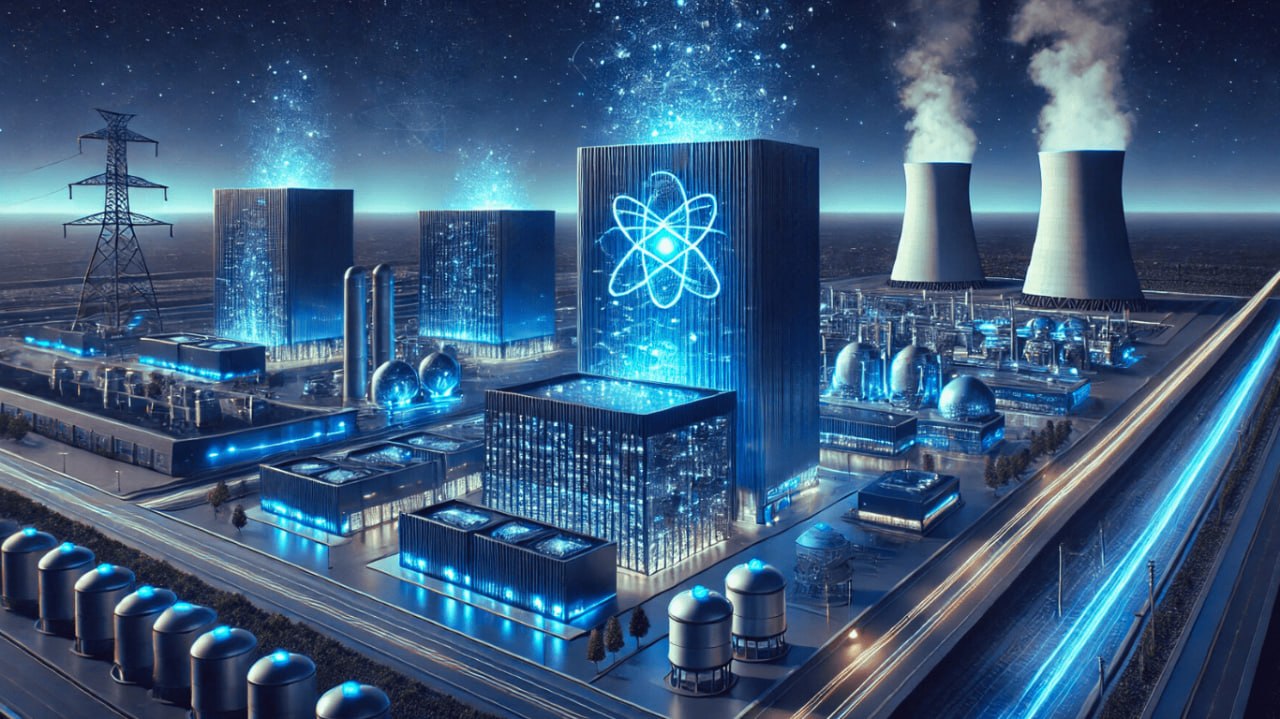
📡 AI + Heat = The Next Energy Crisis
---
📌 What’s happening
The US is entering summer with record temperatures — and a new structural problem:
AI data centers and air conditioning are now competing for the same electricity.
This is not seasonal.
It’s a permanent shift in demand.
---
🔥 Demand is exploding
• The US just recorded its hottest 12-month period ever
• Early heat waves are already pushing AC usage higher
• At the same time, ~3,000 data centers are active, with 1,500+ in development
According to Goldman Sachs:
→ Data center power demand: +50% by 2027
→ +165% by 2030
---
⚡️ The core problem
The grid was built for stable demand
Now it faces:
• Peak demand spikes (AC)
• Constant baseload demand (AI)
👉 These two don’t coexist well
“The math doesn’t work” without massive infrastructure expansion.
---
🏗 Capex response (but too slow)
Utilities are planning:
→ $1.4 trillion in grid upgrades over 5 years
But:
• infrastructure takes years
• demand is rising now
→ gap = stress + higher prices
---
📉 Real example: Texas
• Current peak demand: ~85,500 MW
• Expected by 2032: 367,790 MW
That’s not growth.
That’s a system redesign problem.
---
💸 What this means financially
1. Higher electricity bills
Older power plants are being reactivated → more expensive
2. Inflation pressure
Energy costs feed into everything:
→ goods
→ services
→ logistics
3. Energy market volatility
Especially with geopolitical risk (Iran, LNG disruption)
---
🌍 The hidden global effect
The US exports LNG → reduces domestic supply
→ raises internal energy costs
At the same time:
• Asia & Europe compete for energy
• global prices increase
→ imported goods become more expensive
---
🧠 Key insight
This is not just an “energy story”
It’s a macro regime shift:
AI → energy demand → infrastructure strain → inflation → rates → markets
---
⚠️ The real risk
Markets are currently focused on:
→ AI growth
→ tech upside
But ignoring:
→ energy constraints
If supply can’t keep up:
• margins compress
• costs rise
• growth slows
---
📝 In brief
AI doesn’t just need chips.
It needs massive amounts of energy.
And this summer may be the first real test of whether the system can handle it.
#AI #Energy #Macro #Inflation #Markets #Tech #Investing
---
The US is entering summer with record temperatures — and a new structural problem:
AI data centers and air conditioning are now competing for the same electricity.
This is not seasonal.
It’s a permanent shift in demand.
---
• The US just recorded its hottest 12-month period ever
• Early heat waves are already pushing AC usage higher
• At the same time, ~3,000 data centers are active, with 1,500+ in development
According to Goldman Sachs:
→ Data center power demand: +50% by 2027
→ +165% by 2030
---
The grid was built for stable demand
Now it faces:
• Peak demand spikes (AC)
• Constant baseload demand (AI)
👉 These two don’t coexist well
“The math doesn’t work” without massive infrastructure expansion.
---
🏗 Capex response (but too slow)
Utilities are planning:
→ $1.4 trillion in grid upgrades over 5 years
But:
• infrastructure takes years
• demand is rising now
→ gap = stress + higher prices
---
• Current peak demand: ~85,500 MW
• Expected by 2032: 367,790 MW
That’s not growth.
That’s a system redesign problem.
---
1. Higher electricity bills
Older power plants are being reactivated → more expensive
2. Inflation pressure
Energy costs feed into everything:
→ goods
→ services
→ logistics
3. Energy market volatility
Especially with geopolitical risk (Iran, LNG disruption)
---
🌍 The hidden global effect
The US exports LNG → reduces domestic supply
→ raises internal energy costs
At the same time:
• Asia & Europe compete for energy
• global prices increase
→ imported goods become more expensive
---
This is not just an “energy story”
It’s a macro regime shift:
AI → energy demand → infrastructure strain → inflation → rates → markets
---
Markets are currently focused on:
→ AI growth
→ tech upside
But ignoring:
→ energy constraints
If supply can’t keep up:
• margins compress
• costs rise
• growth slows
---
📝 In brief
AI doesn’t just need chips.
It needs massive amounts of energy.
And this summer may be the first real test of whether the system can handle it.
#AI #Energy #Macro #Inflation #Markets #Tech #Investing
Please open Telegram to view this post
VIEW IN TELEGRAM
🔥10🎉10❤7💯6👍5👏4
📊 Today’s Key Economic Events
🇪🇺 Germany Inflation (PPI) — 02:00
PPI (MoM): 2.5% vs 1.4% expected (prev -0.5%)
→ Strong upside surprise → renewed inflation pressure in Europe
🇨🇦 Canada Inflation Data — 08:30
• CPI (MoM): 1.1% expected (prev 0.5%)
• Core CPI (YoY): prev 2.3%
→ Key release for BoC policy direction
🇨🇦 BoC Business Outlook Survey — 10:30 / 11:30
→ Insight into business sentiment, demand, and inflation expectations
🇪🇺 ECB Lagarde Speaks — 12:40
→ Potential guidance on rates and inflation outlook
🇳🇿 New Zealand Data (Evening) — 18:45
• CPI (QoQ): 0.8% expected (prev 0.6%)
• CPI (YoY): 2.9% expected
→ Important for RBNZ policy expectations
🧠 Key Focus Today
• Europe: inflation surprise + ECB tone
• Canada: inflation + business sentiment
• New Zealand: inflation trajectory
📝 In brief
Today is a global inflation day
→ Europe showing pressure
→ Canada & NZ will confirm if trend persists
👉 Central bank expectations remain the main driver
#Macro #CPI #Inflation #ECB #BoC #Markets
🇪🇺 Germany Inflation (PPI) — 02:00
PPI (MoM): 2.5% vs 1.4% expected (prev -0.5%)
→ Strong upside surprise → renewed inflation pressure in Europe
🇨🇦 Canada Inflation Data — 08:30
• CPI (MoM): 1.1% expected (prev 0.5%)
• Core CPI (YoY): prev 2.3%
→ Key release for BoC policy direction
🇨🇦 BoC Business Outlook Survey — 10:30 / 11:30
→ Insight into business sentiment, demand, and inflation expectations
🇪🇺 ECB Lagarde Speaks — 12:40
→ Potential guidance on rates and inflation outlook
🇳🇿 New Zealand Data (Evening) — 18:45
• CPI (QoQ): 0.8% expected (prev 0.6%)
• CPI (YoY): 2.9% expected
→ Important for RBNZ policy expectations
🧠 Key Focus Today
• Europe: inflation surprise + ECB tone
• Canada: inflation + business sentiment
• New Zealand: inflation trajectory
📝 In brief
Today is a global inflation day
→ Europe showing pressure
→ Canada & NZ will confirm if trend persists
👉 Central bank expectations remain the main driver
#Macro #CPI #Inflation #ECB #BoC #Markets
💯8👍7🔥4🎉4👏3❤2
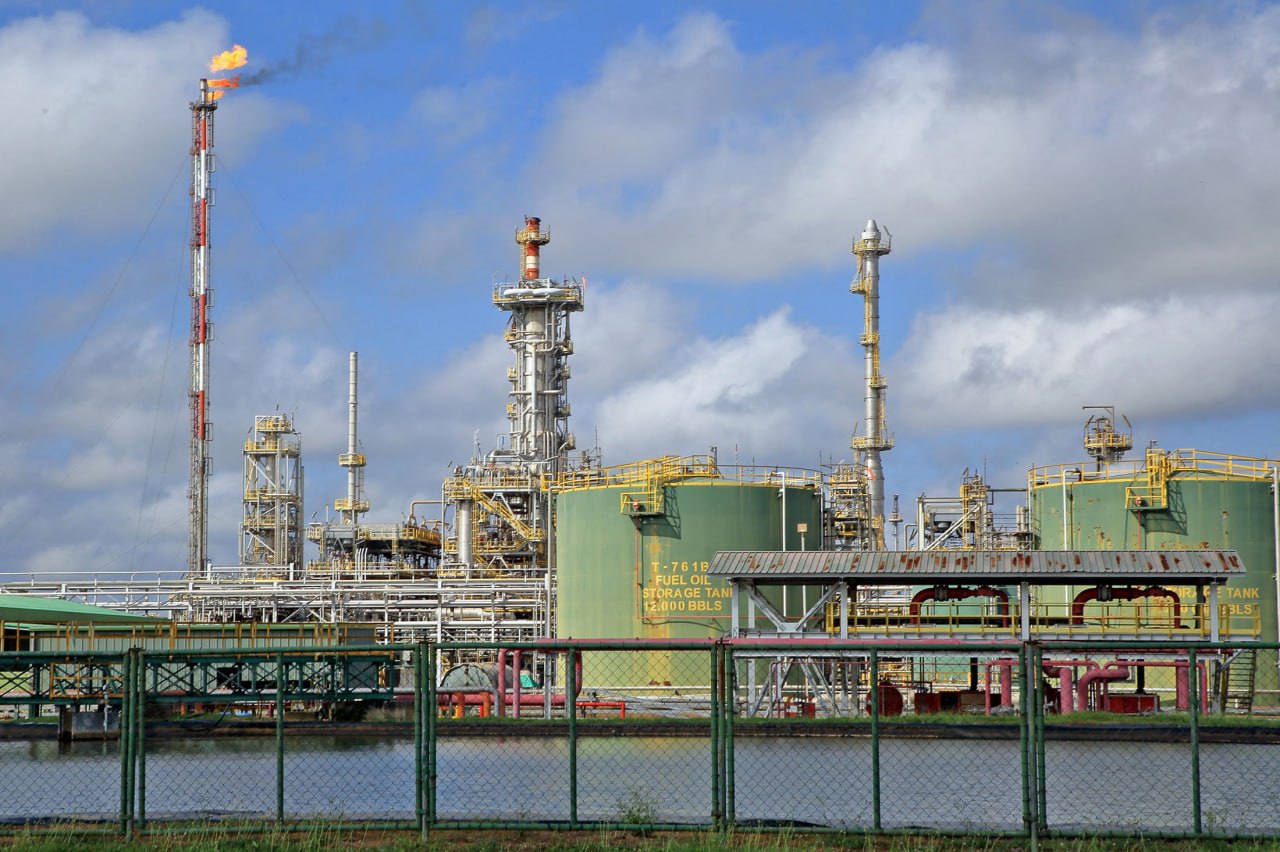
📡 Deep Dive: The Oil Market Is Breaking, And It’s Not Priced In Yet
📌 The signal: force majeure in Kuwait
Kuwait has declared force majeure on oil shipments.
This is not routine.
It means:
👉 contracts cannot be honored
👉 supply chains are effectively broken
Even if the Strait of Hormuz reopens,
Kuwait admits it cannot immediately resume normal exports.
This is a physical market disruption, not just a pricing event.
🛢 What’s really happening in oil markets
We are entering a rare state where:
• Shipping routes are partially frozen
• Storage tanks in the Gulf are filling
• Flows are disrupted, not demand
This creates a paradox:
👉 oil exists, but cannot move efficiently
→ logistics, not supply, becomes the bottleneck
📈 Market reaction (so far)
• Brent: ~$95.5 (+5.6%)
• EU gas: +11%
• Equities: down
Markets are starting to reprice risk
but still assuming temporary disruption.
🧠 The structural shift (key insight)
This is no longer just a geopolitical event.
It’s a transition toward a fragmented energy system:
Old model:
→ global, fluid, optimized supply chains
New model:
→ regional, constrained, politically controlled flows
⚠️
If disruption persists:
• Shipping costs spike
• Insurance premiums surge
• Supply chains reroute inefficiently
→ effective supply decreases
→ prices rise faster than expected
This is how you get non-linear oil shocks.
🌍 Winners are already forming
At ~$100 oil:
• South America could add +2.1M barrels/day by 2035
• Brazil, Guyana, Suriname scaling production
• Venezuela potential comeback (if sanctions ease)
• Argentina (Vaca Muerta) accelerating
→ capital is rotating toward alternative supply zones
💸 Macro transmission
Energy shock → spreads through system:
Oil ↑ →
• inflation ↑
• transport costs ↑
• goods prices ↑
→ central banks delay cuts
→ financial conditions tighten
→ equities under pressure
📝 In brief
The oil market is no longer just tight
it’s becoming logistically constrained and politically fragmented.
And when flows break,
prices don’t adjust smoothly
they jump.
#Oil #Energy #Macro #Geopolitics #Inflation #Markets #Investing
Kuwait has declared force majeure on oil shipments.
This is not routine.
It means:
👉 contracts cannot be honored
👉 supply chains are effectively broken
Even if the Strait of Hormuz reopens,
Kuwait admits it cannot immediately resume normal exports.
This is a physical market disruption, not just a pricing event.
🛢 What’s really happening in oil markets
We are entering a rare state where:
• Shipping routes are partially frozen
• Storage tanks in the Gulf are filling
• Flows are disrupted, not demand
This creates a paradox:
👉 oil exists, but cannot move efficiently
→ logistics, not supply, becomes the bottleneck
• Brent: ~$95.5 (+5.6%)
• EU gas: +11%
• Equities: down
Markets are starting to reprice risk
but still assuming temporary disruption.
This is no longer just a geopolitical event.
It’s a transition toward a fragmented energy system:
Old model:
→ global, fluid, optimized supply chains
New model:
→ regional, constrained, politically controlled flows
If disruption persists:
• Shipping costs spike
• Insurance premiums surge
• Supply chains reroute inefficiently
→ effective supply decreases
→ prices rise faster than expected
This is how you get non-linear oil shocks.
🌍 Winners are already forming
At ~$100 oil:
• South America could add +2.1M barrels/day by 2035
• Brazil, Guyana, Suriname scaling production
• Venezuela potential comeback (if sanctions ease)
• Argentina (Vaca Muerta) accelerating
→ capital is rotating toward alternative supply zones
Energy shock → spreads through system:
Oil ↑ →
• inflation ↑
• transport costs ↑
• goods prices ↑
→ central banks delay cuts
→ financial conditions tighten
→ equities under pressure
📝 In brief
The oil market is no longer just tight
it’s becoming logistically constrained and politically fragmented.
And when flows break,
prices don’t adjust smoothly
they jump.
#Oil #Energy #Macro #Geopolitics #Inflation #Markets #Investing
Please open Telegram to view this post
VIEW IN TELEGRAM
🔥7👍5💯5👏3❤2
🌍 Geopolitics & Energy
• Iran war escalation → policy response
Trump invoking wartime powers to control rising energy costs
• Oil market focus (API data later)
Inventory expectations: -1.0M vs +6.1M prior → tightening signals
🇪🇺 Europe
• Hungary political tension
Magyar pushes for arrests tied to ICC war crime accusations
• ECB communication
Lagarde team (Nagel, De Guindos) speaking → rate guidance
• Germany sentiment (ZEW)
Expectations deteriorating → growth concerns rising
🇬🇧 UK Labor Market
• Earnings: 3.8% vs 3.6% expected
• Unemployment: 4.9% (better than expected)
• Claimants rising → mixed labor signals
→ Wage pressure remains, but cracks appearing
🇺🇸 United States — Core Focus
• Retail Sales (key)
Headline: +1.4% expected vs 0.6% prior
Core: +1.3% expected
→ Consumer strength still driving economy
• ADP Employment
Leading signal for labor market
• Business Inventories
Expected rebound → 0.3% vs -0.1% prior
• Housing
Pending sales expected flat → slowdown risk
• GDPNow (Atlanta Fed)
Tracking growth: ~1.3%
• Fed Waller speech
→ Policy tone crucial after recent inflation signals
🇯🇵 Japan Trade Data (Late Session)
• Exports: +11% expected vs 4% prior
• Trade balance improving sharply
→ External demand recovery signal
🏢 Corporate & Industry Signals
• Spirit Airlines restructuring risk
Government stake considered to avoid collapse
• Caesars $18B deal talks
→ M&A activity returning in high-rate environment
• QVC decline
Traditional retail losing to creator economy
#Markets #Macro #RetailSales #Oil #ECB #Fed #Geopolitics
Please open Telegram to view this post
VIEW IN TELEGRAM
❤3👏3🎉2💯2🔥1
How Commodity Traders Control Markets (and Why It’s Terrifying) 📊
Most people think markets are driven by fundamentals.
Growth, earnings, macro data.
The reality is more uncomfortable:
a small group of commodity traders can move entire markets.
📌 Core idea
Commodity traders don’t just react to markets
they shape them.
They sit at the intersection of:
• physical supply (oil, gas, metals)
• financial derivatives
• geopolitical risk
This gives them information and execution advantages no one else has.
⚙️ How the system actually works
In theory:
→ supply and demand set prices
In practice:
→ pricing is influenced by positioning, flows, and expectations
Large traders:
• hedge physical exposure
• speculate using leverage
• anticipate disruptions before they become public
This creates a feedback loop:
Positioning → price movement → narrative → more positioning
🛢 Why commodities are different
Unlike equities, commodities are:
• physically constrained
• sensitive to logistics (shipping, storage)
• tightly linked to geopolitics
This means small changes in flows can create massive price swings.
📈 Market implication
When traders anticipate disruption:
• they price it in early
• volatility increases before fundamentals change
• retail and slower capital react too late
→ markets become reflexive, not reactive
⚠️ The uncomfortable truth
This is not a perfectly efficient system.
It’s closer to:
→ a network of insiders with better data
→ operating in markets where timing = edge
As the video suggests,
this concentration of influence can look structurally unfair.
🧠 Why this matters now
In a world of:
• geopolitical conflicts
• energy shocks
• supply chain fragmentation
commodity traders become even more powerful.
Because they are the first to understand:
👉 where the system breaks
📱 Source
#Markets #Commodities #Oil #Trading #Macro #Finance
Most people think markets are driven by fundamentals.
Growth, earnings, macro data.
The reality is more uncomfortable:
a small group of commodity traders can move entire markets.
Commodity traders don’t just react to markets
they shape them.
They sit at the intersection of:
• physical supply (oil, gas, metals)
• financial derivatives
• geopolitical risk
This gives them information and execution advantages no one else has.
In theory:
→ supply and demand set prices
In practice:
→ pricing is influenced by positioning, flows, and expectations
Large traders:
• hedge physical exposure
• speculate using leverage
• anticipate disruptions before they become public
This creates a feedback loop:
Positioning → price movement → narrative → more positioning
🛢 Why commodities are different
Unlike equities, commodities are:
• physically constrained
• sensitive to logistics (shipping, storage)
• tightly linked to geopolitics
This means small changes in flows can create massive price swings.
📈 Market implication
When traders anticipate disruption:
• they price it in early
• volatility increases before fundamentals change
• retail and slower capital react too late
→ markets become reflexive, not reactive
⚠️ The uncomfortable truth
This is not a perfectly efficient system.
It’s closer to:
→ a network of insiders with better data
→ operating in markets where timing = edge
As the video suggests,
this concentration of influence can look structurally unfair.
🧠 Why this matters now
In a world of:
• geopolitical conflicts
• energy shocks
• supply chain fragmentation
commodity traders become even more powerful.
Because they are the first to understand:
👉 where the system breaks
#Markets #Commodities #Oil #Trading #Macro #Finance
Please open Telegram to view this post
VIEW IN TELEGRAM
YouTube
How the Iran War Spiked Oil Prices
Get Exclusive NordVPN deal + 4 months extra
here → https://nordvpn.com/wendover
It’s risk-free with Nord’s 30-day money-back guarantee!
Youtube: http://www.YouTube.com/WendoverProductions
Instagram: http://Instagram.com/sam.from.wendover
Twitter: http…
here → https://nordvpn.com/wendover
It’s risk-free with Nord’s 30-day money-back guarantee!
Youtube: http://www.YouTube.com/WendoverProductions
Instagram: http://Instagram.com/sam.from.wendover
Twitter: http…
❤3👏3🎉3👍1🔥1💯1
📊 Economic Calendar April 22 (Full Events Overview)
---
• 🇬🇧 02:00 — CPI YoY (Mar)
Act: 3.3% | Cons: 3.3% | Prev: 3.0%
• 🇬🇧 02:00 — CPI MoM (Mar)
Act: 0.7% | Cons: 0.6% | Prev: 0.4%
• 🇬🇧 02:00 — PPI Input MoM (Mar)
Act: 4.4% | Cons: 2.8% | Prev: 0.9%
---
• 🇪🇺 03:00 — ECB’s Elderson Speaks
• 🇪🇺 03:40 — ECB’s Lane Speaks
---
• 🇮🇳 07:30 — RBI MPC Meeting Minutes
---
• 🇨🇦 08:30 — New Housing Price Index MoM (Mar)
Cons: 0.2% | Prev: 0.3%
---
• 🇪🇺 09:15 — ECB’s Lane Speaks
---
• 🇺🇸 10:30 — Crude Oil Inventories
Cons: -1.0M | Prev: -0.913M
• 🇺🇸 10:30 — Cushing Crude Oil Inventories
Prev: -1.727M
---
• 🇺🇸 13:00 — 20-Year Bond Auction
Prev: 4.817%
• 🇪🇺 13:00 — German Buba President Nagel Speaks
---
• 🇪🇺 13:30 — ECB President Lagarde Speaks
---
• 🇯🇵 20:30 — Services PMI (Apr)
Prev: 53.4
---
• 🇦🇺 21:30 — Unemployment Rate (Mar)
Prev: 4.3%
---
#EconomicCalendar #Macro #Forex #Markets
---
• 🇬🇧 02:00 — CPI YoY (Mar)
Act: 3.3% | Cons: 3.3% | Prev: 3.0%
• 🇬🇧 02:00 — CPI MoM (Mar)
Act: 0.7% | Cons: 0.6% | Prev: 0.4%
• 🇬🇧 02:00 — PPI Input MoM (Mar)
Act: 4.4% | Cons: 2.8% | Prev: 0.9%
---
• 🇪🇺 03:00 — ECB’s Elderson Speaks
• 🇪🇺 03:40 — ECB’s Lane Speaks
---
• 🇮🇳 07:30 — RBI MPC Meeting Minutes
---
• 🇨🇦 08:30 — New Housing Price Index MoM (Mar)
Cons: 0.2% | Prev: 0.3%
---
• 🇪🇺 09:15 — ECB’s Lane Speaks
---
• 🇺🇸 10:30 — Crude Oil Inventories
Cons: -1.0M | Prev: -0.913M
• 🇺🇸 10:30 — Cushing Crude Oil Inventories
Prev: -1.727M
---
• 🇺🇸 13:00 — 20-Year Bond Auction
Prev: 4.817%
• 🇪🇺 13:00 — German Buba President Nagel Speaks
---
• 🇪🇺 13:30 — ECB President Lagarde Speaks
---
• 🇯🇵 20:30 — Services PMI (Apr)
Prev: 53.4
---
• 🇦🇺 21:30 — Unemployment Rate (Mar)
Prev: 4.3%
---
#EconomicCalendar #Macro #Forex #Markets
👏7👍6❤4🎉2🔥1💯1
Platforms like Polymarket and Kalshi are growing fast, allowing users to place bets on real-world events — from elections to wars to macro trends.
They present themselves as tools that “price probabilities,” where the market reflects the most likely outcome. In theory, this should aggregate information better than traditional forecasting.
But in practice, something else is happening.
These platforms are driven by:
• speculation
• narrative shifts
• short-term positioning
Users aren’t investing in fundamentals —
they’re betting on what others believe will happen next.
⚠️ The key issue: information asymmetry
If some participants have better or earlier information,
the system stops being predictive.
It becomes:
→ a market where informed players extract value
→ and others provide liquidity
This is especially sensitive when markets involve:
• geopolitics
• policy decisions
• global conflicts
Prediction markets are expanding into areas that influence real decisions.
If they become widely used as signals:
→ they can shape narratives
→ influence behavior
→ even affect outcomes
📝 In brief
Prediction markets promise to reveal the future.
But in reality, they may just reflect who is better informed — or better positioned.
And that’s a very different system.
#Finance #Markets #PredictionMarkets #Macro #Investing
Please open Telegram to view this post
VIEW IN TELEGRAM
YouTube
Polymarket Asked To Work With Us. We Exposed Their Scam Instead.
Prediction markets are scamming the working class.
Polymarket and Kalshi claim they are "democratizing finance," but their business model enables a handful of elites to fleece their customers.
On Polymarket just 0.04% of traders capture 70% of the profits.…
Polymarket and Kalshi claim they are "democratizing finance," but their business model enables a handful of elites to fleece their customers.
On Polymarket just 0.04% of traders capture 70% of the profits.…
💯5👏3🔥2👍1🎉1
---
Despite a major geopolitical shock, global markets are staying resilient.
Instead of collapsing, equities remain near highs and risk sentiment is holding.
👉 Source
---
Companies continue to beat expectations → profits remain the main driver
The AI boom is still attracting capital and supporting valuations ([Reuters][1])
Jobs remain stable → no immediate recession signal ([Reuters][2])
Investors are betting the conflict will not escalate long-term
Capital flows adapt quickly → markets recover faster than in the past ([ABC News][3])
---
⚠️ But there’s a disconnect
While markets stay strong:
• Oil supply disruptions remain severe
• Inflation risks are rising
• Supply chains are under pressure ([Business Insider][4])
→ Real economy signals are weaker than market pricing
#Markets #Macro #Investing #AI #Oil #Geopolitics
Please open Telegram to view this post
VIEW IN TELEGRAM
Bloomberg.com
Five Reasons Global Markets Are Surprisingly Resilient Despite War in Iran
Nearly two months into the conflict in Iran, global stock markets are staging a defiant rally. From the US to Taiwan and South Korea, a disconnect has emerged: while the geopolitical tensions remain high, equities are charging back toward all-time highs.
🔥4👍3💯3❤2🎉1
Self-driving cars were supposed to be one of AI’s biggest breakthroughs.
Instead, progress is slowing — and the industry may be facing a massive overestimation of its potential.
Autonomous driving works well in controlled environments.
But in the real world:
• edge cases are everywhere
• unpredictability is constant
• full autonomy remains extremely difficult
👉 The last 1% of driving is the hardest, and most expensive, to solve
Billions have already been invested in autonomous driving.
If full autonomy is delayed or fails to scale:
• companies may not recover investments
• business models break
• valuations could be repriced
→ This is where the “$2 trillion risk” comes from
AI is powerful, but not all applications scale equally.
Self-driving is a reminder that:
👉 some problems are not just technological
👉 they are physical, unpredictable, and systemic
📝 In brief
Self-driving cars are not dead,
but they’re much harder than expected.
And that gap between expectation and reality
👉 is where financial risk builds.
#AI #AutonomousDriving #Tech #Investing #Future
Please open Telegram to view this post
VIEW IN TELEGRAM
YouTube
Self-Driving Cars are DOOMED. The $2 Trillion AI Disaster
Self-driving cars are already safer than human drivers in many situations, so why aren’t they everywhere? That’s the real mystery.
Waymo’s robotaxis have logged millions of miles, posted impressive safety data, and shown that autonomous driving can work…
Waymo’s robotaxis have logged millions of miles, posted impressive safety data, and shown that autonomous driving can work…
🔥4💯3❤2🎉2👏1
📌 What’s happening
Despite tariffs, geopolitical tensions, and supply chain disruptions, global trade is not collapsing.
Instead, it is being reshaped by deeper structural forces.
👉 Source
Most people think tariffs and politics are driving global trade changes.
But the reality is different:
👉 technology and economic transformation matter more than tariffs
🌍 What’s really driving trade
The article highlights three structural forces:
• Technology (especially AI)
Demand for chips, servers, and data center infrastructure is reshaping global trade flows
• Supply chain reconfiguration
Companies are not deglobalizing — they are redirecting trade flows toward new countries (ASEAN, India, etc.)
• Emerging markets growth
New production hubs are rising, while traditional corridors (like US–China) are weakening
Even after:
• tariffs at historic highs
• US–China trade down ~30%
👉 global trade is still growing
This means:
→ the system is adapting, not collapsing
Winners:
• Southeast Asia (new manufacturing hubs)
• India (electronics, exports)
• Latin America (commodities)
Struggling:
• Europe (caught between US tariffs and Chinese competition)
#Macro #GlobalTrade #Economics #AI #SupplyChains
Please open Telegram to view this post
VIEW IN TELEGRAM
Project Syndicate
The Deeper Forces Shaping Global Trade
Tiago Devesa, Jeongmin Seong and Olivia White identify the main factors that are both sustaining trade volumes and reconfiguring flows.
❤5👍2👏2🎉2🔥1💯1