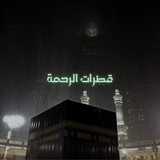
As Ramadan departs, let us remember, it was never solely about the month, but about the heart we nurtured within it.
Did we fast only because it was Ramadan, or because we sincerely longed for Allah’s pleasure, even when no one was watching?
The true test begins now. When the structure of Ramadan is gone, does our worship fade with it, or does our heart continue to seek Him?
A soul that has truly grown in Ramadan does not return to what it once was. It carries the light forward, letting the beauty of this month shape the days to come. 🍃
Did we fast only because it was Ramadan, or because we sincerely longed for Allah’s pleasure, even when no one was watching?
The true test begins now. When the structure of Ramadan is gone, does our worship fade with it, or does our heart continue to seek Him?
A soul that has truly grown in Ramadan does not return to what it once was. It carries the light forward, letting the beauty of this month shape the days to come. 🍃
Let not the joy of Eid and joy of gathering with family and brothers make you forget about making du’ā for the prisoners who are fed nothing but isolation and see none other than the prison guards.
Worship without the heart is mere motion. Sincerity is the soul of ibadah, it breathes life into every act of worship!
It is not about how much you do, but how deeply you mean it. A single tear, a whispered du’a, a verse that stirs your soul, when it comes from the heart, it reaches the heavens. ✨
It is not about how much you do, but how deeply you mean it. A single tear, a whispered du’a, a verse that stirs your soul, when it comes from the heart, it reaches the heavens. ✨
Society is drowning in an era where modernist and liberal ideologies are treated as the ultimate measure of truth, elevated to the status of new lords.
Idols do not only take shape in statues or shrines; ideologies, too, can become objects of blind devotion. And among these, the most dangerous are those that masquerade as virtue, adorned with words like “freedom,” “human rights,” and “dignity for all.”
They captivate the hearts of some Muslims, not because they hold truth, but because they have been cleverly veiled in appealing rhetoric.
So what is the role of the Muslim in an age of confusion, where misinformation spreads like wildfire and falsehood parades as guidance?
It is to equip oneself with knowledge for it is the armor against misguidance.
Without a firm foundation in your deen, there is no stability; a house built on sand will crumble at the first storm.
A Muslim who does not root themselves in Islamic knowledge will find it difficult to distinguish truth from falsehood and may unknowingly absorb modernist narratives that erode their faith from within.
Seek knowledge as a means of protection, for the one who knows their deen will not be easily swayed by the chants of modernity!
Idols do not only take shape in statues or shrines; ideologies, too, can become objects of blind devotion. And among these, the most dangerous are those that masquerade as virtue, adorned with words like “freedom,” “human rights,” and “dignity for all.”
They captivate the hearts of some Muslims, not because they hold truth, but because they have been cleverly veiled in appealing rhetoric.
So what is the role of the Muslim in an age of confusion, where misinformation spreads like wildfire and falsehood parades as guidance?
It is to equip oneself with knowledge for it is the armor against misguidance.
Without a firm foundation in your deen, there is no stability; a house built on sand will crumble at the first storm.
A Muslim who does not root themselves in Islamic knowledge will find it difficult to distinguish truth from falsehood and may unknowingly absorb modernist narratives that erode their faith from within.
Seek knowledge as a means of protection, for the one who knows their deen will not be easily swayed by the chants of modernity!
This post may come a little late, but its message remains just as important.
Eid is a day of joy, warmth, and the presence of family and community. However, for many revert brothers and sisters, it can be a time of loneliness, watching others celebrate while they feel disconnected and surrounded by loneliness . Seeing endless Eid stories and posts online making that joyful warmth of eid turn into a bitter coldness.
الحمدلله, we have brothers and sisters who organize Eid gatherings for reverts and those who have no one to celebrate with. But I want to pose a question: If you personally know a revert who doesn’t have a Muslim family, before simply forwarding them a flyer for an Eid event, why not invite them into your home and let them spend the eid like everyone else? Why must they go to a special eid function and feel segregated? This is especially relevant for when the community hosts these functions days or even a week after the day of eid.
A revert often carries the void of not having a Muslim family—why not help fill that void, even if just for a day? The loneliest moments for a revert are often the ones where the ummah is surrounded by love and celebration.
May Allah accept from us all and grant ease to our revert brothers and sisters. Ameen
Eid is a day of joy, warmth, and the presence of family and community. However, for many revert brothers and sisters, it can be a time of loneliness, watching others celebrate while they feel disconnected and surrounded by loneliness . Seeing endless Eid stories and posts online making that joyful warmth of eid turn into a bitter coldness.
الحمدلله, we have brothers and sisters who organize Eid gatherings for reverts and those who have no one to celebrate with. But I want to pose a question: If you personally know a revert who doesn’t have a Muslim family, before simply forwarding them a flyer for an Eid event, why not invite them into your home and let them spend the eid like everyone else? Why must they go to a special eid function and feel segregated? This is especially relevant for when the community hosts these functions days or even a week after the day of eid.
A revert often carries the void of not having a Muslim family—why not help fill that void, even if just for a day? The loneliest moments for a revert are often the ones where the ummah is surrounded by love and celebration.
May Allah accept from us all and grant ease to our revert brothers and sisters. Ameen
Music exploits your emotions. It preys on the struggles that consume the hearts—love, separation, betrayal, loneliness, and despair. Even the liveliest, most energetic tunes are crafted not just to entertain, but to steer your emotions, to dictate your mood, to make you feel.
The lyrics of songs are designed to resonate with anyone, as if the song was written just for you. And in that illusion, you surrender, believing that someone out there truly understands your pain.
O listener of music and songs, beware!
Songs are not the commodity being sold; you are the commodity!
If you think that the wealth of the artist comes from their voice, you are mistaken. Their wealth comes from your emotions, your feelings, your heart, and your soul. That is their investment!
They thrive on reopening your wounds, deepening your pain, and keeping you trapped in a cycle of sorrow and distress.
If you were happy, they wouldn't profit! Instead, they feed on your sadness and grief.
Even so-called happy songs are merely electric shocks that keep your heart from dying completely.
So why wait for this disease to consume your heart?
Will you allow yourself to be exploited? Will you allow yourself to be deceived?
By Allah, you will never find peace except in the words of your Lord.
You will never find true comfort except in His Book.
Who knows the state of a human being, their heart, and their soul better than the One who created them?
The lyrics of songs are designed to resonate with anyone, as if the song was written just for you. And in that illusion, you surrender, believing that someone out there truly understands your pain.
O listener of music and songs, beware!
Songs are not the commodity being sold; you are the commodity!
If you think that the wealth of the artist comes from their voice, you are mistaken. Their wealth comes from your emotions, your feelings, your heart, and your soul. That is their investment!
They thrive on reopening your wounds, deepening your pain, and keeping you trapped in a cycle of sorrow and distress.
If you were happy, they wouldn't profit! Instead, they feed on your sadness and grief.
Even so-called happy songs are merely electric shocks that keep your heart from dying completely.
So why wait for this disease to consume your heart?
Will you allow yourself to be exploited? Will you allow yourself to be deceived?
By Allah, you will never find peace except in the words of your Lord.
You will never find true comfort except in His Book.
Who knows the state of a human being, their heart, and their soul better than the One who created them?
Mankind is weak by nature. We were created with desires, inclinations, and the capacity to stumble but what defines a true believer is not perfection.
It is not that he never sins. Rather, it is that when he does, he hastens to repentance. His heart is restless until it turns back to its Lord.
Allah says in the Qur’an:
When you find yourself slipping into bad habits, remember this ayah.
Remember that the door of repentance is never closed. Allah loves those who repent. He loves the heart that breaks for His sake!
Shaytan tries to trap us in shame. He wants you to believe that your sins are too many. But Ar-Rahman wants you to remember that no matter how far you’ve strayed, the path back to Him is just one sincere tawbah away.
The believer may fall again and again, but each time he rises, he rises a little stronger, a little wiser, and a little more humbled by his need for Allah. And that humility is beloved to Allah. That brokenness, when directed toward Him, becomes a bridge to closeness.
It is not that he never sins. Rather, it is that when he does, he hastens to repentance. His heart is restless until it turns back to its Lord.
Allah says in the Qur’an:
قُلۡ يَٰعِبَادِىَ ٱلَّذِينَ أَسۡرَفُواْ عَلَىٰٓ أَنفُسِهِمۡ لَا تَقۡنَطُواْ مِن رَّحۡمَةِ ٱللَّهِۚ إِنَّ ٱللَّهَ يَغۡفِرُ ٱلذُّنُوبَ جَمِيعًاۚ إِنَّهُۥ هُوَ ٱلۡغَفُورُ ٱلرَّحِيمُ
Say, "O My servants who have transgressed against themselves [by sinning], do not despair of the mercy of Allah . Indeed, Allah forgives all sins. Indeed, it is He who is the Forgiving, the Merciful." [39:53]
When you find yourself slipping into bad habits, remember this ayah.
Remember that the door of repentance is never closed. Allah loves those who repent. He loves the heart that breaks for His sake!
Shaytan tries to trap us in shame. He wants you to believe that your sins are too many. But Ar-Rahman wants you to remember that no matter how far you’ve strayed, the path back to Him is just one sincere tawbah away.
The believer may fall again and again, but each time he rises, he rises a little stronger, a little wiser, and a little more humbled by his need for Allah. And that humility is beloved to Allah. That brokenness, when directed toward Him, becomes a bridge to closeness.
Can you truly imagine an individual who testifies La ilaha illa Allah yet feels content or even pleased, with those who oppose this very affirmation?
Can such a heart, which is meant to be firm in Tawheed, find comfort in the ideologies and systems that elevate others beside Allah, systems that are venerated, followed, and upheld as law in place of divine guidance?
You would expect that the one who sincerely affirms La ilaha illa Allah would naturally distance himself from such filth; filth in ideology, filth in loyalty, and filth in association. That he would be repulsed by it and by those who promote it.
But we live such an era, where many who ascribe themselves to Islam express open admiration for systems and ideals that directly contradict the guidance of Allah and His Messenger.
You will find among us those who testify to the shahadah, yet speak favorably of secularism and those who propagate it. They dress like us, speak like us, and bear Muslim names, but their hearts pulse with admiration for the disbelieving worldview. They parade secularist thought as if it were advancement and progress, as if the abandonment of divine law is a sign of intellectual evolution. They claim to have “no issue” with secularism ruling over us, content in a world without the shariah, and perhaps even viewing its implementation as regressive or unnecessary.
Such a mindset betrays a fundamental misunderstanding of La ilaha illa Allah which is a testimony that is meant to shape the entirety of one’s loyalty, love, and rejection.
The shahadah is not just a phrase. It is a comprehensive declaration: both an affirmation and a negation. One affirms that only Allah is worthy of worship, which naturally entails that His guidance alone is supreme, His law is just, and His path is the only one worthy of being followed. To affirm La ilaha illa Allah is to affirm that Islamic values are superior, not merely within worship, but within societal structure, interpersonal conduct, and the moral fabric of our existence. It is to affirm that there is no path more noble & no way of life more complete than the one that leads to Allah.
But with this affirmation comes a necessary negation: the denial of all false deities, systems, and ideologies that call to obedience and reverence besides Allah. It demands disavowal from all that contradicts divine guidance. This is the depth of La ilaha illa Allah. It must penetrate the heart, be reflected in one’s moral compass, and manifest in the allegiances we hold.
Many utter this testimony without understanding what they are affirming, and without recognizing what they are required to reject. This leads to a diluted submission, a deficient grasp of the boundaries between belief and disbelief, between imaan and kufr, between loyalty to Allah and hatred to His enemies.
And so we see hearts that revere Allah in claim, yet show support for what He despises in practice, be it through speech or association.
We see Muslims defending the very systems that were built in defiance of Allah’s legislation, speaking of them with admiration, and mocking those who call for His rule.
How can a heart that claims to love Allah be pleased with that which opposes Him?
How can one who claims submission be allied with the very ideas and people who wage ideological war against the divine message?
Indeed, this is a dire reality. And it is only through deep reflection upon the meaning of La ilaha illa Allah, and by embodying its implications fully, with love, loyalty, and disavowal that the Ummah can find clarity in a time where falsehood is continuously being pushed down our throats.
Can such a heart, which is meant to be firm in Tawheed, find comfort in the ideologies and systems that elevate others beside Allah, systems that are venerated, followed, and upheld as law in place of divine guidance?
You would expect that the one who sincerely affirms La ilaha illa Allah would naturally distance himself from such filth; filth in ideology, filth in loyalty, and filth in association. That he would be repulsed by it and by those who promote it.
But we live such an era, where many who ascribe themselves to Islam express open admiration for systems and ideals that directly contradict the guidance of Allah and His Messenger.
You will find among us those who testify to the shahadah, yet speak favorably of secularism and those who propagate it. They dress like us, speak like us, and bear Muslim names, but their hearts pulse with admiration for the disbelieving worldview. They parade secularist thought as if it were advancement and progress, as if the abandonment of divine law is a sign of intellectual evolution. They claim to have “no issue” with secularism ruling over us, content in a world without the shariah, and perhaps even viewing its implementation as regressive or unnecessary.
Such a mindset betrays a fundamental misunderstanding of La ilaha illa Allah which is a testimony that is meant to shape the entirety of one’s loyalty, love, and rejection.
The shahadah is not just a phrase. It is a comprehensive declaration: both an affirmation and a negation. One affirms that only Allah is worthy of worship, which naturally entails that His guidance alone is supreme, His law is just, and His path is the only one worthy of being followed. To affirm La ilaha illa Allah is to affirm that Islamic values are superior, not merely within worship, but within societal structure, interpersonal conduct, and the moral fabric of our existence. It is to affirm that there is no path more noble & no way of life more complete than the one that leads to Allah.
But with this affirmation comes a necessary negation: the denial of all false deities, systems, and ideologies that call to obedience and reverence besides Allah. It demands disavowal from all that contradicts divine guidance. This is the depth of La ilaha illa Allah. It must penetrate the heart, be reflected in one’s moral compass, and manifest in the allegiances we hold.
Many utter this testimony without understanding what they are affirming, and without recognizing what they are required to reject. This leads to a diluted submission, a deficient grasp of the boundaries between belief and disbelief, between imaan and kufr, between loyalty to Allah and hatred to His enemies.
And so we see hearts that revere Allah in claim, yet show support for what He despises in practice, be it through speech or association.
We see Muslims defending the very systems that were built in defiance of Allah’s legislation, speaking of them with admiration, and mocking those who call for His rule.
How can a heart that claims to love Allah be pleased with that which opposes Him?
How can one who claims submission be allied with the very ideas and people who wage ideological war against the divine message?
Indeed, this is a dire reality. And it is only through deep reflection upon the meaning of La ilaha illa Allah, and by embodying its implications fully, with love, loyalty, and disavowal that the Ummah can find clarity in a time where falsehood is continuously being pushed down our throats.
There are far too many sheep in wolves’ clothing today…individuals cloaked in the image of piety, who hide behind curated social media personas.
With just a few well-edited videos or a copy-pasted quote, anyone can pose as a student of knowledge. Allahul Mustaʿān, indeed this is a calamity of our time.
We now see people who speak with confidence on matters so intricate that scholars have spent years studying, if not decades.
Yet today, some believe that a forwarded Telegram message or a minute-long TikTok video equips them to speak with authority. They sit on platforms and in group chats, tossing around issues far above their comprehension, failing to grasp even the basics of ʿAqīdah, Fiqh, or the Arabic language.
Wallāhi, there is a frightening lack of taqwā among those who delve into complex theological matters without the necessary tools. They speak with such certainty but they tend to lack understanding of the Qur’an, they cannot recite it properly, they do not know its tafsīr, nor the legacy of those who preserved it. And while they argue and debate, trying to win followers and “prove” themselves, they fail to realize that their hearts are drifting further and further from Allah.
There are those who act as though their dīn exists in TikTok duels and Telegram threads
Since when did being a layman become a crime? Some of these individuals are so deluded by online validation that they refuse to accept their status as laymen, labeling themselves “students of knowledge” after a few books and some YouTube playlists. SubḥānAllah, in some parts of the world, you’re not even considered a student of knowledge until you’ve memorised the Qur’an. And yet, today someone can easily ascribe themselves to that title simply because they’ve watched a few lectures..
Islam has always upheld a lofty and noble standard for the pursuit of knowledge. It is not something attained through haste, arrogance, or self-proclaimed titles but it is a path paved with humility, sincerity, discipline, and patience… a journey that begins with sitting at the feet of scholars, those who inherited the knowledge of the Prophet ﷺ and preserved it.
This path demands that one learns the foundations before delving into the branches, and that intentions are purified before the pursuit begins. It is through the company of the learned, through their guidance and example, that knowledge is not only taught but absorbed through adab, correction and tradition.
These individuals may fool the internet but they cannot and will not fool Allah.
May Allah ﷻ protect us from this calamity.
May Allah ﷻ expose the hypocrites …those who cloak themselves in the garments of ‘ilm.
May Allah ﷻ anchor us to humility, sincerity, and the pure manhaj of Ahlus-Sunnah.
May He protect us from speaking without knowledge, and guide our hearts to what pleases Him.
With just a few well-edited videos or a copy-pasted quote, anyone can pose as a student of knowledge. Allahul Mustaʿān, indeed this is a calamity of our time.
We now see people who speak with confidence on matters so intricate that scholars have spent years studying, if not decades.
Yet today, some believe that a forwarded Telegram message or a minute-long TikTok video equips them to speak with authority. They sit on platforms and in group chats, tossing around issues far above their comprehension, failing to grasp even the basics of ʿAqīdah, Fiqh, or the Arabic language.
Wallāhi, there is a frightening lack of taqwā among those who delve into complex theological matters without the necessary tools. They speak with such certainty but they tend to lack understanding of the Qur’an, they cannot recite it properly, they do not know its tafsīr, nor the legacy of those who preserved it. And while they argue and debate, trying to win followers and “prove” themselves, they fail to realize that their hearts are drifting further and further from Allah.
There are those who act as though their dīn exists in TikTok duels and Telegram threads
Since when did being a layman become a crime? Some of these individuals are so deluded by online validation that they refuse to accept their status as laymen, labeling themselves “students of knowledge” after a few books and some YouTube playlists. SubḥānAllah, in some parts of the world, you’re not even considered a student of knowledge until you’ve memorised the Qur’an. And yet, today someone can easily ascribe themselves to that title simply because they’ve watched a few lectures..
Islam has always upheld a lofty and noble standard for the pursuit of knowledge. It is not something attained through haste, arrogance, or self-proclaimed titles but it is a path paved with humility, sincerity, discipline, and patience… a journey that begins with sitting at the feet of scholars, those who inherited the knowledge of the Prophet ﷺ and preserved it.
This path demands that one learns the foundations before delving into the branches, and that intentions are purified before the pursuit begins. It is through the company of the learned, through their guidance and example, that knowledge is not only taught but absorbed through adab, correction and tradition.
These individuals may fool the internet but they cannot and will not fool Allah.
May Allah ﷻ protect us from this calamity.
May Allah ﷻ expose the hypocrites …those who cloak themselves in the garments of ‘ilm.
May Allah ﷻ anchor us to humility, sincerity, and the pure manhaj of Ahlus-Sunnah.
May He protect us from speaking without knowledge, and guide our hearts to what pleases Him.
Practice what you preach!
There is little weight in words not backed by action.
We may post, speak, and share countless reminders about righteousness, but if we ourselves do not embody the values we promote, then we’ve fallen short in both understanding and sincerity.
To call others to good while indulging in what is evil is not only hypocrisy, it is cognitive dissonance..
Let your actions be a reflection of your message.
There is little weight in words not backed by action.
We may post, speak, and share countless reminders about righteousness, but if we ourselves do not embody the values we promote, then we’ve fallen short in both understanding and sincerity.
To call others to good while indulging in what is evil is not only hypocrisy, it is cognitive dissonance..
Let your actions be a reflection of your message.
The hijab has been endlessly rebranded to satisfy the gaze of the secular world, reshaped to fit modern narratives of empowerment and autonomy. It’s often stripped of its true meaning and reduced to catchphrases like “women’s empowerment” or “real feminism,” as though its worth lies in how well it aligns with Western ideals.
Many people have fallen into the habit of “hijabifying” activities, outfits, or spaces where the hijab was never meant to belong. And this happens because they no longer see the hijab as a boundary, they see it as something to be shaped around the world rather than letting it shape their place within it.
Instead of asking, “Does this align with the spirit of hijab?”, the question becomes, “How can I make hijab work here?”
Hijab was never meant to bend to every environment. It was meant to draw a line and set a standard. It acts as a reminder that not every space is for us, nor aligns with our values, and not every gaze deserves access.
When hijab is molded to fit the world, it loses its power to set you apart from it.
The hijab does limit. And that’s not something to shy away from.
It limits access of eyes & of interaction. It places boundaries on certain behaviours. And that’s exactly where its beauty lies. Because in those limits, there is safety, protection and obedience to the Creator.
The boundaries Allah places are shields. The hijab is meant to make you conscious of which spaces are worth stepping into at all.
Reframe your mindset:
If wearing the hijab makes it difficult to exist in a particular space…
If you find yourself needing to adjust it, justify it, or compromise it just to remain in that environment.
then maybe the problem isn’t the hijab.
Maybe the problem is the space itself.
Obedience to Allah sets the boundaries, not the ambitions of a society whose compass is fixed on dunya.
Many people have fallen into the habit of “hijabifying” activities, outfits, or spaces where the hijab was never meant to belong. And this happens because they no longer see the hijab as a boundary, they see it as something to be shaped around the world rather than letting it shape their place within it.
Instead of asking, “Does this align with the spirit of hijab?”, the question becomes, “How can I make hijab work here?”
Hijab was never meant to bend to every environment. It was meant to draw a line and set a standard. It acts as a reminder that not every space is for us, nor aligns with our values, and not every gaze deserves access.
When hijab is molded to fit the world, it loses its power to set you apart from it.
The hijab does limit. And that’s not something to shy away from.
It limits access of eyes & of interaction. It places boundaries on certain behaviours. And that’s exactly where its beauty lies. Because in those limits, there is safety, protection and obedience to the Creator.
The boundaries Allah places are shields. The hijab is meant to make you conscious of which spaces are worth stepping into at all.
Reframe your mindset:
If wearing the hijab makes it difficult to exist in a particular space…
If you find yourself needing to adjust it, justify it, or compromise it just to remain in that environment.
then maybe the problem isn’t the hijab.
Maybe the problem is the space itself.
Obedience to Allah sets the boundaries, not the ambitions of a society whose compass is fixed on dunya.
There are individuals that only love the aesthetics of Islam, they will go on about the beauty of Qur’anic recitation, the elegance of mosque architecture, the joy of ‘Eid, and the serenity of ‘Umrah.
But that is where their love ends.
The moment Islam demands discipline, sacrifice, or a stance contrary to their personal ideologies or something that goes against public opinion, they hesitate to show their love. And rather than submitting, they seek to reshape the religion to fit their desires.
But Islam is not a buffet where one picks and chooses. Its obligations are not subject to revision, nor do its rulings waver with the tides of public opinion. Allah سبحانه وتعالى commands:
Islam is a complete way of life, encompassing the spiritual and the political, the private and the public, the individual and the society.
It is the best way to live, and the only way to attain Jannah. It is not a pastime nor an identity to wear when convenient; it is a covenant that determines one's eternal fate…bliss or torment.
But that is where their love ends.
The moment Islam demands discipline, sacrifice, or a stance contrary to their personal ideologies or something that goes against public opinion, they hesitate to show their love. And rather than submitting, they seek to reshape the religion to fit their desires.
But Islam is not a buffet where one picks and chooses. Its obligations are not subject to revision, nor do its rulings waver with the tides of public opinion. Allah سبحانه وتعالى commands:
O you who have believed, enter into Islam completely and do not follow the footsteps of Shayṭān. Indeed, he is to you a clear enemy.[2:208]
Islam is a complete way of life, encompassing the spiritual and the political, the private and the public, the individual and the society.
It is the best way to live, and the only way to attain Jannah. It is not a pastime nor an identity to wear when convenient; it is a covenant that determines one's eternal fate…bliss or torment.
Building your Muslim identity begins with arming yourself with the knowledge of our rich Islamic history.
A nation ignorant of its past will always underestimate its own strength and worth. Too many of our youth are lost, suffering from identity crises, because they are immersed in Western narratives, forgetting to develop their Islamic identity. Many chase after foreign ideals, while their own legacy lies forgotten.
A nation ignorant of its past will always underestimate its own strength and worth. Too many of our youth are lost, suffering from identity crises, because they are immersed in Western narratives, forgetting to develop their Islamic identity. Many chase after foreign ideals, while their own legacy lies forgotten.
O young Muslims, before diving into the history of the West and the Romans, first study the 1400-year history of Islam, rich with sacrifices, courage, conquests, and the incredible deeds of our Muslim heroes.
Before exploring the world of science and technology, learn about the life and sacrifices of the Prophet (PBUH), his companions, the Tabieen, and other great Islamic leaders.
This knowledge will empower you, give you the strength to overcome life's challenges, and deepen your love for your religion, the Sahaba, and Islamic history.
When you’re surrounded by dead hearts, your own heart starts to die too.
Intentionally surrounding yourself with kuffar can affect you on a spiritual level and the worst part is, it happens so subtly that you don’t even realise it.
It’s important to understand that actively seeking companionship from disbelievers is a dangerous act. This ties directly into the principle of al-wala wal-bara, which exists to protect and purify the Muslims.
We are required to oppose the way of the disbelievers because their way of life is built on things that destroy the soul.
One of their defining traits is their pursuit of material desires.
And a Muslim who doesn’t live by al-wala wal-bara will easily start imitating them slowly adopting their mindset, until they believe that life is about chasing whatever the self wants.
When you surround yourself with their degenerate ways, you become vulnerable — no matter how strong your imaan might be.
Your mind is like a sponge. You absorb your environment.
You can become what you constantly surround yourself with.
Intentionally surrounding yourself with kuffar can affect you on a spiritual level and the worst part is, it happens so subtly that you don’t even realise it.
It’s important to understand that actively seeking companionship from disbelievers is a dangerous act. This ties directly into the principle of al-wala wal-bara, which exists to protect and purify the Muslims.
We are required to oppose the way of the disbelievers because their way of life is built on things that destroy the soul.
One of their defining traits is their pursuit of material desires.
And a Muslim who doesn’t live by al-wala wal-bara will easily start imitating them slowly adopting their mindset, until they believe that life is about chasing whatever the self wants.
When you surround yourself with their degenerate ways, you become vulnerable — no matter how strong your imaan might be.
Your mind is like a sponge. You absorb your environment.
You can become what you constantly surround yourself with.
Among the greatest calamities of our time is nationalism, an ideology that has crept into the hearts of many Muslims, replacing loyalty to Allah and His Messenger with allegiance to artificial borders.
The Qur’an is filled with warnings, such as the story of the Israelites who turned to the golden calf in the absence of Prophet Musa to caution us against such misplaced devotion.
Today, nationalism is treated by some with the same blind reverence with elevating “the nation” above Islam.
Nationalism demands loyalty at all costs, even when it results in oppression, destruction, and the betrayal of fellow Muslims. It deceives with the illusion of safety and belonging, promising identity and fulfillment in return for unconditional allegiance but it often leads to the erasure of our Islamic consciousness and the justification of the most heinous acts even against fellow believers.
It is disheartening to witness Muslims champion movements in their countries solely because it is “their nation,” even when such movements stand in opposition to the Ummah’s collective well-being.
The concept of the nation-state is a colonial construct. Borders drawn on maps hold no weight in the divine order of brotherhood and the alliances of the believers. No boundary can sever the bond between Muslims, for a believer is the helper and supporter of his brother, regardless of geographical location.
As Muslims, we must reject this modern-day idol and reaffirm that our loyalty lies with Allah and His Messenger. Anything less is a betrayal not only of our faith but of the very unity that Islam was sent to uphold.
The Qur’an is filled with warnings, such as the story of the Israelites who turned to the golden calf in the absence of Prophet Musa to caution us against such misplaced devotion.
Today, nationalism is treated by some with the same blind reverence with elevating “the nation” above Islam.
Nationalism demands loyalty at all costs, even when it results in oppression, destruction, and the betrayal of fellow Muslims. It deceives with the illusion of safety and belonging, promising identity and fulfillment in return for unconditional allegiance but it often leads to the erasure of our Islamic consciousness and the justification of the most heinous acts even against fellow believers.
It is disheartening to witness Muslims champion movements in their countries solely because it is “their nation,” even when such movements stand in opposition to the Ummah’s collective well-being.
The concept of the nation-state is a colonial construct. Borders drawn on maps hold no weight in the divine order of brotherhood and the alliances of the believers. No boundary can sever the bond between Muslims, for a believer is the helper and supporter of his brother, regardless of geographical location.
As Muslims, we must reject this modern-day idol and reaffirm that our loyalty lies with Allah and His Messenger. Anything less is a betrayal not only of our faith but of the very unity that Islam was sent to uphold.
Allah’s guidance is a blessing beyond measure, and our hearts should overflow with gratitude for being upon the truth. But to stand upon the truth does not grant one the right to be arrogant and prideful.
Some individuals love being online trolls, hurling insults and profanities while proclaiming their allegiance to the manhaj. But this conduct undermines the very essence of dawah.
How we carry ourselves matters, not for our sake alone, but for the sake of dawah itself.
The truth is heavy, so do not burden it further with poor manners…💡
Some individuals love being online trolls, hurling insults and profanities while proclaiming their allegiance to the manhaj. But this conduct undermines the very essence of dawah.
How we carry ourselves matters, not for our sake alone, but for the sake of dawah itself.
The truth is heavy, so do not burden it further with poor manners…💡
Imaan is like a flame, it needs tending. If you become negligent of it, it begins to fade.
And when it fades, so does your strength to keep struggling for His sake.
So renew your faith with every day you’re given. Nurture it with dhikr, with prayer, with the recitation of the Qur’an, and with sincere repentance.
Make time to increase your awareness of your Creator.
And when it fades, so does your strength to keep struggling for His sake.
So renew your faith with every day you’re given. Nurture it with dhikr, with prayer, with the recitation of the Qur’an, and with sincere repentance.
Make time to increase your awareness of your Creator.
how often do you just stop and say Alhamdulillah?
consciously, internalising every sense of the word and ultimately acting like one that is aware of His blessings. embodying gratitude.
let's be warned:
consciously, internalising every sense of the word and ultimately acting like one that is aware of His blessings. embodying gratitude.
let's be warned:
وقليل من عبادي الشكور
“and few of My servants are grateful”
We live in an era where it is all so incredibly easy to crave more. A better phone, another outfit, a nicer home.
Be honest with yourself, though: How much of it do you really need?
Because with little, something beautiful occurs. You begin to see the blessings with which you have been endowed. You grow thankful. You place even greater hope in Allah. You are reminded about the people who have less, and your heart remains soft.
When we have too much, it is easy to forget. Gratitude gets quieter. Dependence on Allah seems distant. The more we have, the fuller our lives become with things which do not always work in our favor and tend to divert us. We start running after comfort, ease, outward appearance… and lose sight of the eternal comfort in the afterlife.
Take a look about your own home & go through your belongings.
Ask yourself, what is this doing for me? What will it do for me in the akhirah? If it is just sitting around, unused, would it then not be better in the hands of someone who needs it? And consider the reward you would receive.
The little deed would become the sadaqah jariyah in your favor long after you have passed away. 🌱
Be honest with yourself, though: How much of it do you really need?
Because with little, something beautiful occurs. You begin to see the blessings with which you have been endowed. You grow thankful. You place even greater hope in Allah. You are reminded about the people who have less, and your heart remains soft.
When we have too much, it is easy to forget. Gratitude gets quieter. Dependence on Allah seems distant. The more we have, the fuller our lives become with things which do not always work in our favor and tend to divert us. We start running after comfort, ease, outward appearance… and lose sight of the eternal comfort in the afterlife.
Take a look about your own home & go through your belongings.
Ask yourself, what is this doing for me? What will it do for me in the akhirah? If it is just sitting around, unused, would it then not be better in the hands of someone who needs it? And consider the reward you would receive.
The little deed would become the sadaqah jariyah in your favor long after you have passed away. 🌱