Bank of France Governor Calls for Mandatory Licensing for Crypto Companies
France has to adopt a licensing regime for crypto service providers, the head of the country’s central bank has suggested. According to the executive, the need to tighten regulatory oversight stems from the “disorder” in the industry throughout the past year.
Banque de France Governor Francois Villeroy de Galhau has urged for subjecting crypto businesses to stricter regulatory requirements. Licensing must be introduced instead of the current registration in response to the recent volatility in the sector, he insisted.
De Galhau also thinks that Paris should not hesitate but act even before the upcoming EU regulations take effect and make it obligatory for Digital Asset Service Providers (DASPs) to obtain licenses from the French government, Bloomberg reported.
Around 60 platforms working with cryptocurrencies have so far registered with the Autorité des Marchés Financiers (AMF), France’s financial markets authority, including global players such as Binance, the world’s largest crypto exchange.
Licenses are still optional and there are no licensees yet among the digital asset service providers registered in France. Speaking to representatives of the financial sector on said Thursday, Villeroy de Galhau stated:
All the disorder in 2022 feeds a simple belief: it is desirable for France to move to an obligatory licensing of DASP as soon as possible, rather than just registration.
Digital asset service providers which want to be granted a license are required by the AMF to comply with certain standards in terms of organization, available financial resources and business conduct, the report notes.
The governor’s proposal comes after last summer key EU institutions and member states reached an agreement on the new Markets in Crypto Assets (MiCA) legislation and achieved consensus on a set of new anti-money laundering rules for the industry.
The regulatory package is expected to enter into force in 2023 but businesses will have another 12 to 18 months to comply with it. Brussels also wants to oblige platforms processing crypto transactions for EU residents to report to tax authorities in the Union.
France has to adopt a licensing regime for crypto service providers, the head of the country’s central bank has suggested. According to the executive, the need to tighten regulatory oversight stems from the “disorder” in the industry throughout the past year.
Banque de France Governor Francois Villeroy de Galhau has urged for subjecting crypto businesses to stricter regulatory requirements. Licensing must be introduced instead of the current registration in response to the recent volatility in the sector, he insisted.
De Galhau also thinks that Paris should not hesitate but act even before the upcoming EU regulations take effect and make it obligatory for Digital Asset Service Providers (DASPs) to obtain licenses from the French government, Bloomberg reported.
Around 60 platforms working with cryptocurrencies have so far registered with the Autorité des Marchés Financiers (AMF), France’s financial markets authority, including global players such as Binance, the world’s largest crypto exchange.
Licenses are still optional and there are no licensees yet among the digital asset service providers registered in France. Speaking to representatives of the financial sector on said Thursday, Villeroy de Galhau stated:
All the disorder in 2022 feeds a simple belief: it is desirable for France to move to an obligatory licensing of DASP as soon as possible, rather than just registration.
Digital asset service providers which want to be granted a license are required by the AMF to comply with certain standards in terms of organization, available financial resources and business conduct, the report notes.
The governor’s proposal comes after last summer key EU institutions and member states reached an agreement on the new Markets in Crypto Assets (MiCA) legislation and achieved consensus on a set of new anti-money laundering rules for the industry.
The regulatory package is expected to enter into force in 2023 but businesses will have another 12 to 18 months to comply with it. Brussels also wants to oblige platforms processing crypto transactions for EU residents to report to tax authorities in the Union.
World Bank Report Forecasts Bleak Global Economic Outlook, Citing ‘Adverse Developments’ and ‘Long-Lasting Slowdown’
On Jan. 10, 2023, the World Bank published its Global Economic Prospects report, stating that the outlook for the global economy and future economic conditions is bleak. According to the report, 2023 growth forecasts have been cut across the board, with the global economy projected to grow by 1.7% in 2023 and 2.7% in 2024. The World Bank also cited a number of adverse developments that could push the world’s economy into a deep recession.
The World Bank, the financial organization with 174 member countries, released its Global Economic Prospects report on Tuesday. The report envisions a “sharp, long-lasting slowdown to hit developing countries hard.” The World Bank cites numerous issues plaguing the global economy, including the Covid-19 pandemic and “escalating geopolitical tensions,” as reasons why the world’s economy could spiral into a recession. The report also mentions interest rate hikes by central banks and “higher-than-expected inflation” as contributing factors to the “adverse developments.”
The World Bank’s report further detailed that inflation has dropped to some degree at the end of 2022. It also noted that skyrocketing commodity and energy prices have subsided for the time being. The World Bank warns, however, that global economies will likely still see inflation persist, and supply disruptions could stem from adversities such as the Covid-19 pandemic and the Ukraine-Russia war in Europe. If inflation persists, the World Bank warns that benchmark bank rates could continue to climb in order to curb inflationary pressures.
“Growth in advanced economies is projected to slow from 2.5% in 2022 to 0.5% in 2023. Over the past two decades, slowdowns of this scale have foreshadowed a global recession,” the World Bank’s Global Economic Prospects report details. “In the United States, growth is forecast to fall to 0.5% in 2023—1.9 percentage points below previous forecasts and the weakest performance outside of official recessions since 1970. In 2023, euro-area growth is expected at zero percent—a downward revision of 1.9 percentage points. In China, growth is projected at 4.3% in 2023—0.9 percentage point below previous forecasts.”
The report’s summary concludes that one thing that can help the global economy is by improving “long-term growth prospects by bolstering resilience to climate change.” The World Bank insists that policymakers need to “address climate change and support people affected by crises and hunger.” In order to “offset the long-term damage from the adverse shocks of the past three years,” emerging markets and developing economies will need to “substantially increase investment,” according to the World Bank’s report.
On Jan. 10, 2023, the World Bank published its Global Economic Prospects report, stating that the outlook for the global economy and future economic conditions is bleak. According to the report, 2023 growth forecasts have been cut across the board, with the global economy projected to grow by 1.7% in 2023 and 2.7% in 2024. The World Bank also cited a number of adverse developments that could push the world’s economy into a deep recession.
The World Bank, the financial organization with 174 member countries, released its Global Economic Prospects report on Tuesday. The report envisions a “sharp, long-lasting slowdown to hit developing countries hard.” The World Bank cites numerous issues plaguing the global economy, including the Covid-19 pandemic and “escalating geopolitical tensions,” as reasons why the world’s economy could spiral into a recession. The report also mentions interest rate hikes by central banks and “higher-than-expected inflation” as contributing factors to the “adverse developments.”
The World Bank’s report further detailed that inflation has dropped to some degree at the end of 2022. It also noted that skyrocketing commodity and energy prices have subsided for the time being. The World Bank warns, however, that global economies will likely still see inflation persist, and supply disruptions could stem from adversities such as the Covid-19 pandemic and the Ukraine-Russia war in Europe. If inflation persists, the World Bank warns that benchmark bank rates could continue to climb in order to curb inflationary pressures.
“Growth in advanced economies is projected to slow from 2.5% in 2022 to 0.5% in 2023. Over the past two decades, slowdowns of this scale have foreshadowed a global recession,” the World Bank’s Global Economic Prospects report details. “In the United States, growth is forecast to fall to 0.5% in 2023—1.9 percentage points below previous forecasts and the weakest performance outside of official recessions since 1970. In 2023, euro-area growth is expected at zero percent—a downward revision of 1.9 percentage points. In China, growth is projected at 4.3% in 2023—0.9 percentage point below previous forecasts.”
The report’s summary concludes that one thing that can help the global economy is by improving “long-term growth prospects by bolstering resilience to climate change.” The World Bank insists that policymakers need to “address climate change and support people affected by crises and hunger.” In order to “offset the long-term damage from the adverse shocks of the past three years,” emerging markets and developing economies will need to “substantially increase investment,” according to the World Bank’s report.
Bitconnect Victims to Receive Over $17 Million in Restitution From Ponzi Scheme
More than $17 million in restitution will be distributed among investors in the pyramid scheme Bitconnect under a court order in the United States. The notorious crypto investment scheme defrauded thousands of people around the world.
A total of over $17 million in restitution will be returned to around 800 victims from more than 40 countries who lost money to Bitconnect, the U.S. Department of Justice (DOJ) announced Thursday, quoting an order issued by a federal district court in San Diego. The large-scale crypto investment scheme defrauded thousands of investors globally.
The ruling comes after on Sept. 16, 2021, the top U.S.-based promoter of Bitconnect, 44-year-old Glenn Arcaro, pleaded guilty to conspiracy to commit wire fraud. He admitted to marketing Bitconnect’s initial coin offering and digital currency exchange as a lucrative investment with the goal to exploit investor interest in cryptocurrency.
Arcaro and his co-conspirators misled investors about Bitconnect’s “Lending Program” and its purported proprietary “Bitconnect Trading Bot” and “Volatility Software” technologies which, as they claimed, could generate guaranteed returns on investors’ money used to trade on crypto exchange markets.
“In truth, however, Bitconnect operated a textbook Ponzi scheme by paying earlier Bitconnect investors with money from later investors. Arcaro and his co-conspirators ensured that up to 15% of the money invested into Bitconnect went directly into a slush fund to be used for the benefit of its owner and promoters,” the DOJ explained.
Glenn Arcaro, a resident of Los Angeles, was sentenced to 38 months in U.S. federal prison in September of 2022. He admitted to earning at least $24 million from the scam. At the time, the DOJ pointed out that all of that money will be repaid to investors or forfeited to the government. In November, the previous year, the Justice department had offered for sale $56 million worth of crypto assets seized from Bitconnect.
The crypto pyramid’s founder, Indian national Satish Kumbhani, was indicted on Feb. 25, 2022 for his key role in organizing the $3.4 billion fraud scheme. In August, police in India launched an investigation into Bitconnect and a search for its mastermind. If convicted in the U.S., he would face a maximum of 70 years in prison.
More than $17 million in restitution will be distributed among investors in the pyramid scheme Bitconnect under a court order in the United States. The notorious crypto investment scheme defrauded thousands of people around the world.
A total of over $17 million in restitution will be returned to around 800 victims from more than 40 countries who lost money to Bitconnect, the U.S. Department of Justice (DOJ) announced Thursday, quoting an order issued by a federal district court in San Diego. The large-scale crypto investment scheme defrauded thousands of investors globally.
The ruling comes after on Sept. 16, 2021, the top U.S.-based promoter of Bitconnect, 44-year-old Glenn Arcaro, pleaded guilty to conspiracy to commit wire fraud. He admitted to marketing Bitconnect’s initial coin offering and digital currency exchange as a lucrative investment with the goal to exploit investor interest in cryptocurrency.
Arcaro and his co-conspirators misled investors about Bitconnect’s “Lending Program” and its purported proprietary “Bitconnect Trading Bot” and “Volatility Software” technologies which, as they claimed, could generate guaranteed returns on investors’ money used to trade on crypto exchange markets.
“In truth, however, Bitconnect operated a textbook Ponzi scheme by paying earlier Bitconnect investors with money from later investors. Arcaro and his co-conspirators ensured that up to 15% of the money invested into Bitconnect went directly into a slush fund to be used for the benefit of its owner and promoters,” the DOJ explained.
Glenn Arcaro, a resident of Los Angeles, was sentenced to 38 months in U.S. federal prison in September of 2022. He admitted to earning at least $24 million from the scam. At the time, the DOJ pointed out that all of that money will be repaid to investors or forfeited to the government. In November, the previous year, the Justice department had offered for sale $56 million worth of crypto assets seized from Bitconnect.
The crypto pyramid’s founder, Indian national Satish Kumbhani, was indicted on Feb. 25, 2022 for his key role in organizing the $3.4 billion fraud scheme. In August, police in India launched an investigation into Bitconnect and a search for its mastermind. If convicted in the U.S., he would face a maximum of 70 years in prison.
Spanish Airline Vueling to Accept Cryptocurrency as Means of Payment
Vueling, a low-cost Spanish airline, has announced it is exploring the functionality of blockchain and NFT (non-fungible token) technology to accept cryptocurrency as a means of payment for its services. The company enlisted the aid of Criptan, a registered Spanish cryptocurrency exchange, and aims to open this payment option for users by Q3 2023.
Vueling, one of the Spanish budget airlines that has grown after the Covid-19 travel restrictions ended, is taking its first steps to accepting crypto as payment for its services. The company announced on Jan. 14 it was examining the usage of blockchain and NFT technology in order to allow customers to acquire plane tickets with crypto.
For this task, Vueling has partnered with Criptan, a national exchange that has already registered with the Bank of Spain, to serve as a payments company, processing and completing customers’ orders using crypto.
Vueling states this move will turn it into the first low-cost airline to accept crypto as a means of payment in Europe. On this, Jesus Monzo, Vueling’s alliances and distribution manager, stated:
This agreement places us at the forefront of new technologies and innovation, further reinforcing our commitment to our customers and offering the best and most advanced tools and solutions on our website.
Jorge Soriano, Criptan’s CEO, stated the company is convinced that the introduction of crypto payments could improve user experience by showing customers the potential there is behind the implementation of such solutions.
The functionality is expected to be available on the website of the airline by Q3 2023, and it will be using UATP tech, the global payments network for airlines, although the company has not indicated which cryptocurrencies will be accepted.
Other airlines have already introduced crypto and even NFTs as part of their retail operations. One of these is Flybondi, an Argentine airline, that announced it would be issuing plane tickets as NFTs in September 2022, allowing users to sell them on secondary markets. As part of that alliance, the company would also accept payments in stablecoins like USDC, using Binance Pay as a payment processing partner.
But even prior to that, the Venezuelan government reported it would be accepting several cryptocurrencies as payment for plane tickets in Oct. 2021, including among these the national token, the petro.
Vueling, a low-cost Spanish airline, has announced it is exploring the functionality of blockchain and NFT (non-fungible token) technology to accept cryptocurrency as a means of payment for its services. The company enlisted the aid of Criptan, a registered Spanish cryptocurrency exchange, and aims to open this payment option for users by Q3 2023.
Vueling, one of the Spanish budget airlines that has grown after the Covid-19 travel restrictions ended, is taking its first steps to accepting crypto as payment for its services. The company announced on Jan. 14 it was examining the usage of blockchain and NFT technology in order to allow customers to acquire plane tickets with crypto.
For this task, Vueling has partnered with Criptan, a national exchange that has already registered with the Bank of Spain, to serve as a payments company, processing and completing customers’ orders using crypto.
Vueling states this move will turn it into the first low-cost airline to accept crypto as a means of payment in Europe. On this, Jesus Monzo, Vueling’s alliances and distribution manager, stated:
This agreement places us at the forefront of new technologies and innovation, further reinforcing our commitment to our customers and offering the best and most advanced tools and solutions on our website.
Jorge Soriano, Criptan’s CEO, stated the company is convinced that the introduction of crypto payments could improve user experience by showing customers the potential there is behind the implementation of such solutions.
The functionality is expected to be available on the website of the airline by Q3 2023, and it will be using UATP tech, the global payments network for airlines, although the company has not indicated which cryptocurrencies will be accepted.
Other airlines have already introduced crypto and even NFTs as part of their retail operations. One of these is Flybondi, an Argentine airline, that announced it would be issuing plane tickets as NFTs in September 2022, allowing users to sell them on secondary markets. As part of that alliance, the company would also accept payments in stablecoins like USDC, using Binance Pay as a payment processing partner.
But even prior to that, the Venezuelan government reported it would be accepting several cryptocurrencies as payment for plane tickets in Oct. 2021, including among these the national token, the petro.

The best cryptocurrencies that are sure to grow in 2023
👇🏻👇🏻👇🏻 WATCH 👇🏻👇🏻👇🏻
https://youtu.be/T-ZT1NTv7ls
👇🏻👇🏻👇🏻 WATCH 👇🏻👇🏻👇🏻
https://youtu.be/T-ZT1NTv7ls
Ripple CEO ‘Optimistic’ About SEC Lawsuit Over XRP — Says ‘I Feel Very Good About Where We Are’
Ripple CEO Brad Garlinghouse says that he is “optimistic” that the Securities and Exchange Commission (SEC) lawsuit over xrp “will certainly be resolved in 2023.” He added that it could even be resolved in the first half of this year. “I feel very good about where we are relative to the law and the facts, the Ripple executive said.
The CEO of Ripple Labs, Brad Garlinghouse, shared his view on the lawsuit brought by the U.S. Securities and Exchange Commission (SEC) over the sale of XRP in an interview with CNBC Wednesday at the World Economic Forum in Davos, Switzerland.
Noting that the judges will “take however long” they take, Garlinghouse said:
We’re optimistic that this will certainly be resolved in 2023, and maybe the first half. So we’ll see how it plays out from here. But I feel very good about where we are relative to the law and the facts.
The SEC filed a lawsuit against Garlinghouse, Ripple, and co-founder Chris Larsen in December 2020 over the sale of XRP which the regulator claimed was an unregistered security offering. Ripple has maintained that XRP is not a security. Both the SEC and Ripple submitted their final round of briefs in December last year, seeking a summary judgment of the case.
The Ripple CEO said he expects a ruling to arrive “sometime in the coming single-digit months,” adding that he doesn’t expect Ripple to settle with the securities regulator.
“We have always said that we would love to settle, but it requires one very important thing, and that is that, on a go-forward basis, it’s clear that XRP is not a security,” Garlinghouse stressed, elaborating:
The SEC and Gary Gensler has very outwardly said he views almost all crypto as a security. And so that leaves very little space in the Venn diagram for settlement.
SEC Chairman Gary Gensler has said on several occasions bitcoin is a commodity but most other crypto tokens are securities.
Emphasizing the significance of the Ripple lawsuit’s outcome, Garlinghouse said Wednesday: “Something I’ve heard here in Davos repeatedly is how important this is, not just to Ripple … but also, really, the whole crypto industry in the United States.” He added: “I keep reminding people that outside the United States, crypto is still thriving, Ripple’s still thriving, and we should make sure we’re continuing to engage non-U.S. regulators as well.”
In a separate fireside discussion with CNBC, Garlinghouse opined:
From the beginning, I thought it was very clear that the facts were on our side, that the law was on our side … And I think as you have seen this play out, as you have seen the filings in the court, that the judge certainly is hearing our arguments.
Ripple CEO Brad Garlinghouse says that he is “optimistic” that the Securities and Exchange Commission (SEC) lawsuit over xrp “will certainly be resolved in 2023.” He added that it could even be resolved in the first half of this year. “I feel very good about where we are relative to the law and the facts, the Ripple executive said.
The CEO of Ripple Labs, Brad Garlinghouse, shared his view on the lawsuit brought by the U.S. Securities and Exchange Commission (SEC) over the sale of XRP in an interview with CNBC Wednesday at the World Economic Forum in Davos, Switzerland.
Noting that the judges will “take however long” they take, Garlinghouse said:
We’re optimistic that this will certainly be resolved in 2023, and maybe the first half. So we’ll see how it plays out from here. But I feel very good about where we are relative to the law and the facts.
The SEC filed a lawsuit against Garlinghouse, Ripple, and co-founder Chris Larsen in December 2020 over the sale of XRP which the regulator claimed was an unregistered security offering. Ripple has maintained that XRP is not a security. Both the SEC and Ripple submitted their final round of briefs in December last year, seeking a summary judgment of the case.
The Ripple CEO said he expects a ruling to arrive “sometime in the coming single-digit months,” adding that he doesn’t expect Ripple to settle with the securities regulator.
“We have always said that we would love to settle, but it requires one very important thing, and that is that, on a go-forward basis, it’s clear that XRP is not a security,” Garlinghouse stressed, elaborating:
The SEC and Gary Gensler has very outwardly said he views almost all crypto as a security. And so that leaves very little space in the Venn diagram for settlement.
SEC Chairman Gary Gensler has said on several occasions bitcoin is a commodity but most other crypto tokens are securities.
Emphasizing the significance of the Ripple lawsuit’s outcome, Garlinghouse said Wednesday: “Something I’ve heard here in Davos repeatedly is how important this is, not just to Ripple … but also, really, the whole crypto industry in the United States.” He added: “I keep reminding people that outside the United States, crypto is still thriving, Ripple’s still thriving, and we should make sure we’re continuing to engage non-U.S. regulators as well.”
In a separate fireside discussion with CNBC, Garlinghouse opined:
From the beginning, I thought it was very clear that the facts were on our side, that the law was on our side … And I think as you have seen this play out, as you have seen the filings in the court, that the judge certainly is hearing our arguments.
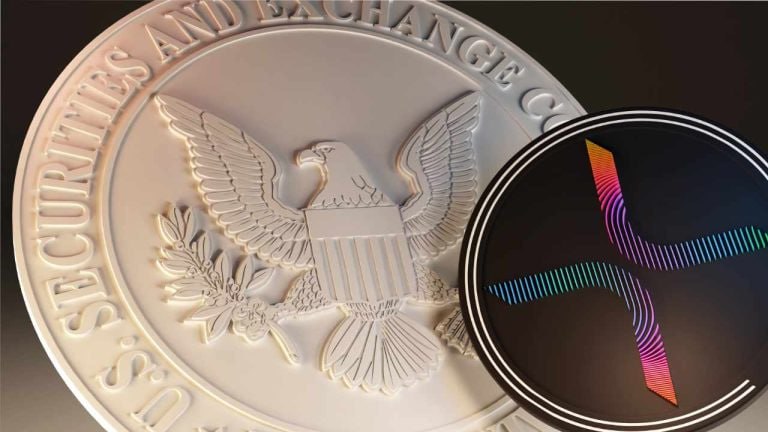
US Authorities Charge Mango Markets Attacker — Defendant Arrested, Detained in Puerto Rico
The U.S. Securities and Exchange Commission (SEC), the Commodities Futures Trading Commission (CFTC), and the Department of Justice (DOJ) have charged an alleged attacker who stole $116 million from crypto trading platform Mango Markets. The defendant has been arrested and is currently detained in Puerto Rico.
The U.S. Securities and Exchange Commission (SEC) announced Friday that it has charged Avraham Eisenberg with “orchestrating an attack on a crypto asset trading platform, Mango Markets, by manipulating the MNGO token.” The regulator noted that the crypto token was offered and sold as a security.
The defendant is a 27-year-old U.S. citizen who is facing “parallel criminal and civil charges” brought by the Department of Justice (DOJ) and the Commodities Futures Trading Commission (CFTC), respectively, the SEC added. The CFTC filed a civil enforcement action against Eisenberg on Jan. 9. He has been arrested and detained at MDC Guaynabo, Puerto Rico.
The securities watchdog explained that beginning on Oct. 11, 2022, while living in Puerto Rico:
Eisenberg engaged in a scheme to steal approximately $116 million worth of crypto assets from the Mango Markets platform.
He allegedly “used an account that he controlled on Mango Markets to sell a large amount of perpetual futures for MNGO tokens and used a separate account on Mango Markets to purchase those same perpetual futures,” the regulator said.
In addition, Eisenberg allegedly made a series of large purchases of the thinly traded MNGO token to artificially raise the token’s price relative to USD Coin (USDC), the SEC continued, adding that the price of MNGO perpetual futures on Mango Markets subsequently increased. According to the securities regulator:
Eisenberg used the increased value of his MNGO perpetual futures position to borrow and withdraw approximately $116 million worth of various crypto assets from Mango Markets, effectively draining all available assets from the Mango Markets platform.
The SEC charged Eisenberg with “violating anti-fraud and market manipulation provisions of the securities laws.” The regulator is seeking “permanent injunctive relief, a conduct-based injunction, disgorgement with prejudgment interest, and civil penalties.”
The U.S. Securities and Exchange Commission (SEC), the Commodities Futures Trading Commission (CFTC), and the Department of Justice (DOJ) have charged an alleged attacker who stole $116 million from crypto trading platform Mango Markets. The defendant has been arrested and is currently detained in Puerto Rico.
The U.S. Securities and Exchange Commission (SEC) announced Friday that it has charged Avraham Eisenberg with “orchestrating an attack on a crypto asset trading platform, Mango Markets, by manipulating the MNGO token.” The regulator noted that the crypto token was offered and sold as a security.
The defendant is a 27-year-old U.S. citizen who is facing “parallel criminal and civil charges” brought by the Department of Justice (DOJ) and the Commodities Futures Trading Commission (CFTC), respectively, the SEC added. The CFTC filed a civil enforcement action against Eisenberg on Jan. 9. He has been arrested and detained at MDC Guaynabo, Puerto Rico.
The securities watchdog explained that beginning on Oct. 11, 2022, while living in Puerto Rico:
Eisenberg engaged in a scheme to steal approximately $116 million worth of crypto assets from the Mango Markets platform.
He allegedly “used an account that he controlled on Mango Markets to sell a large amount of perpetual futures for MNGO tokens and used a separate account on Mango Markets to purchase those same perpetual futures,” the regulator said.
In addition, Eisenberg allegedly made a series of large purchases of the thinly traded MNGO token to artificially raise the token’s price relative to USD Coin (USDC), the SEC continued, adding that the price of MNGO perpetual futures on Mango Markets subsequently increased. According to the securities regulator:
Eisenberg used the increased value of his MNGO perpetual futures position to borrow and withdraw approximately $116 million worth of various crypto assets from Mango Markets, effectively draining all available assets from the Mango Markets platform.
The SEC charged Eisenberg with “violating anti-fraud and market manipulation provisions of the securities laws.” The regulator is seeking “permanent injunctive relief, a conduct-based injunction, disgorgement with prejudgment interest, and civil penalties.”
Celsius Floats Possibility of Debt Token to Repay Creditors; Secures Court Approval to Process Customer Withdrawals
The defunct crypto lender Celsius is exploring the possibility of creating a debt token to repay creditors. The plan would need to be approved by regulators, but if approved by the trustee and financial authorities, the debt token would be called an “asset share token (AST).”
Various reports, including an editorial about the subject published by Bloomberg on Jan. 24, reveal that Celsius lawyers have detailed that the bankrupt company would like to become a publicly traded recovery corporation that could issue a debt token in order to repay creditors.
According to Celsius attorney Ross M. Kwasteniet, the plan and the new asset would be called an “Asset Share Token” (AST). More specifically, Celsius creditors who meet certain threshold requirements would be eligible to receive the AST. Reportedly, this is not the first time Celsius has thought about issuing an IOU token.
Executives allegedly floated the idea to creditors back in September 2022. Leaked audio files summarizing a Celsius IOU token idea indicated that the IOU tokens would be similar to the AST concept. Tokens would essentially represent a ratio of what customers are owed and what the firm has left on its balance sheet.
The Asset Share Token (AST) won’t give creditors full recovery and they would receive a haircut on what they are owed. According to Celsius attorney Ross M. Kwasteniet, while it may not be a complete recovery, the proposal would be beneficial to creditors looking for liquid assets. He mentioned that the AST would be readily tradable, similar to many of the crypto assets today.
The news follows New York Attorney General Letitia James filing a lawsuit against Alex Mashinsky, the co-founder and former CEO of Celsius, for allegedly misleading investors. The same day, the New York-based bankruptcy court ruled that Celsius owns the rights to depositor funds.
Tuesday’s court filings further show that Celsius has been approved to process a fraction of customer withdrawals. The bankruptcy court also gave Celsius permission to distribute airdropped flare (FLR) tokens to customers who held XRP.
The defunct crypto lender Celsius is exploring the possibility of creating a debt token to repay creditors. The plan would need to be approved by regulators, but if approved by the trustee and financial authorities, the debt token would be called an “asset share token (AST).”
Various reports, including an editorial about the subject published by Bloomberg on Jan. 24, reveal that Celsius lawyers have detailed that the bankrupt company would like to become a publicly traded recovery corporation that could issue a debt token in order to repay creditors.
According to Celsius attorney Ross M. Kwasteniet, the plan and the new asset would be called an “Asset Share Token” (AST). More specifically, Celsius creditors who meet certain threshold requirements would be eligible to receive the AST. Reportedly, this is not the first time Celsius has thought about issuing an IOU token.
Executives allegedly floated the idea to creditors back in September 2022. Leaked audio files summarizing a Celsius IOU token idea indicated that the IOU tokens would be similar to the AST concept. Tokens would essentially represent a ratio of what customers are owed and what the firm has left on its balance sheet.
The Asset Share Token (AST) won’t give creditors full recovery and they would receive a haircut on what they are owed. According to Celsius attorney Ross M. Kwasteniet, while it may not be a complete recovery, the proposal would be beneficial to creditors looking for liquid assets. He mentioned that the AST would be readily tradable, similar to many of the crypto assets today.
The news follows New York Attorney General Letitia James filing a lawsuit against Alex Mashinsky, the co-founder and former CEO of Celsius, for allegedly misleading investors. The same day, the New York-based bankruptcy court ruled that Celsius owns the rights to depositor funds.
Tuesday’s court filings further show that Celsius has been approved to process a fraction of customer withdrawals. The bankruptcy court also gave Celsius permission to distribute airdropped flare (FLR) tokens to customers who held XRP.

AE Cryptocurrency Options and Futures Exchange
✅ Options of different expiration dates on BTC ETH MATIC DOGE futures. Liquidity in all contracts. Delivery options.
💵 All option prices and settlements are in USD. Deposit in USDT and Bitcoin.
💼 Portfolio margining for all accounts. Conservative risk management. No account liquidations.
💻 The best trading terminals for modeling options strategies and all options calculations.
🎯 All the possibilities of algorithmic trading. Ready-made delta hedging robots and others. You can write your own trading algorithm.
Trade options and futures for cryptocurrencies with the best opportunities on the AE exchange https://ae.exchange/ 👍
Telegram channel AE exchange 👉 https://t.me/optionscrypto
✅ Options of different expiration dates on BTC ETH MATIC DOGE futures. Liquidity in all contracts. Delivery options.
💵 All option prices and settlements are in USD. Deposit in USDT and Bitcoin.
💼 Portfolio margining for all accounts. Conservative risk management. No account liquidations.
💻 The best trading terminals for modeling options strategies and all options calculations.
🎯 All the possibilities of algorithmic trading. Ready-made delta hedging robots and others. You can write your own trading algorithm.
Trade options and futures for cryptocurrencies with the best opportunities on the AE exchange https://ae.exchange/ 👍
Telegram channel AE exchange 👉 https://t.me/optionscrypto
Receive and send cryptocurrency payments with PassimPay
We created a cryptocurrency payment system. It is a simple, quick, and convenient solution for your financial needs.
PassimPay is suitable for personal use and businesses, offering efficient tools for storing, sending, and receiving money.
— Instant transactions
— Flexible payment settings.
— Service fees between 0.1% and 1% for individuals and up to 3.5% for businesses.
— Multilevel protection system: 2FA, IP-tracking, secret key, intrusion alarm system, etc.
— Simple API integration for any website.
Easy. Instant. Secure. For any purpose. Sign up here!
More info 👉 https://t.me/Passim_Pay
We created a cryptocurrency payment system. It is a simple, quick, and convenient solution for your financial needs.
PassimPay is suitable for personal use and businesses, offering efficient tools for storing, sending, and receiving money.
— Instant transactions
— Flexible payment settings.
— Service fees between 0.1% and 1% for individuals and up to 3.5% for businesses.
— Multilevel protection system: 2FA, IP-tracking, secret key, intrusion alarm system, etc.
— Simple API integration for any website.
Easy. Instant. Secure. For any purpose. Sign up here!
More info 👉 https://t.me/Passim_Pay

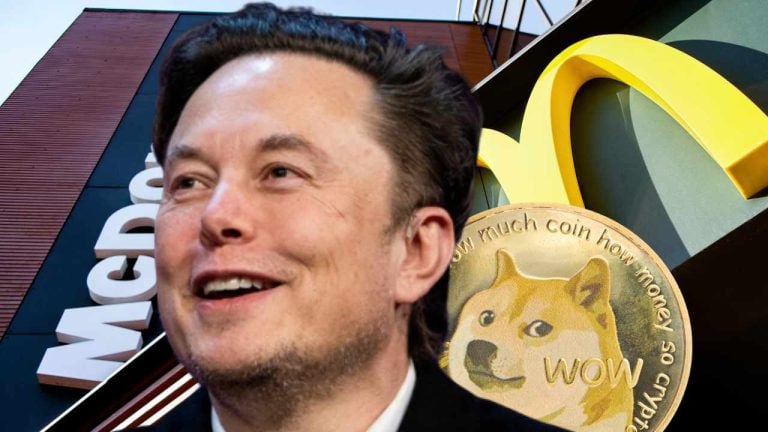
Elon Musk Reaffirms Offer to Eat Happy Meal on TV if McDonald’s Accepts Dogecoin
Tesla and Twitter CEO Elon Musk has reaffirmed his commitment to eat a McDonald’s Happy Meal on TV if the fast food chain accepts the meme cryptocurrency dogecoin (DOGE). Musk originally made the offer a year ago but McDonald’s responded with a counteroffer at the time.
Tesla, Spacex, and Twitter CEO Elon Musk has reaffirmed his commitment to eat a McDonald’s Happy Meal on Television if the fast food giant starts accepting payments in dogecoin (DOGE).
It has been a year since the billionaire tweeted his offer on Jan. 25, 2022. However, McDonald’s did not accept his offer at the time. “Only if Tesla accepts grimacecoin,” the Twitter account for the fast food corporation replied to him. Grimace is a fluffy, purple character who tags along with Ronald McDonald in McDonaldland commercials.
The subject came up again this week when Twitter user Dogedesigner asked Musk on Thursday whether his offer is still open. The Tesla boss replied with the 100 emoji, indicating that he still stands by his offer.
Following the interaction between the McDonald’s Twitter account and Musk in January last year, grimacecoin (GRIMACE), a crypto token that has nothing to do with either McDonald’s or Musk, was launched. At the time of writing, each grimacecoin is trading at $0.5879.
Musk, who is known in the meme crypto community as the Dogefather, has long been a supporter of dogecoin. His electric car company, Tesla, currently accepts DOGE for some merchandise, and Musk has said that Spacex will follow suit. Moreover, his Boring Company accepts DOGE payments for some rides.
The billionaire previously revealed that he personally owns bitcoin, ether, and dogecoin. He said in June last year that he will keep buying and supporting DOGE. In July, he confirmed that Tesla has not sold any DOGE, and in November, he said: “Dogecoin to the Moon.”
Tesla and Twitter CEO Elon Musk has reaffirmed his commitment to eat a McDonald’s Happy Meal on TV if the fast food chain accepts the meme cryptocurrency dogecoin (DOGE). Musk originally made the offer a year ago but McDonald’s responded with a counteroffer at the time.
Tesla, Spacex, and Twitter CEO Elon Musk has reaffirmed his commitment to eat a McDonald’s Happy Meal on Television if the fast food giant starts accepting payments in dogecoin (DOGE).
It has been a year since the billionaire tweeted his offer on Jan. 25, 2022. However, McDonald’s did not accept his offer at the time. “Only if Tesla accepts grimacecoin,” the Twitter account for the fast food corporation replied to him. Grimace is a fluffy, purple character who tags along with Ronald McDonald in McDonaldland commercials.
The subject came up again this week when Twitter user Dogedesigner asked Musk on Thursday whether his offer is still open. The Tesla boss replied with the 100 emoji, indicating that he still stands by his offer.
Following the interaction between the McDonald’s Twitter account and Musk in January last year, grimacecoin (GRIMACE), a crypto token that has nothing to do with either McDonald’s or Musk, was launched. At the time of writing, each grimacecoin is trading at $0.5879.
Musk, who is known in the meme crypto community as the Dogefather, has long been a supporter of dogecoin. His electric car company, Tesla, currently accepts DOGE for some merchandise, and Musk has said that Spacex will follow suit. Moreover, his Boring Company accepts DOGE payments for some rides.
The billionaire previously revealed that he personally owns bitcoin, ether, and dogecoin. He said in June last year that he will keep buying and supporting DOGE. In July, he confirmed that Tesla has not sold any DOGE, and in November, he said: “Dogecoin to the Moon.”
India Highlights Need for ‘Common Approach to Regulating Crypto Ecosystem’
India’s Finance Ministry has highlighted the necessity for “a common approach to regulating the crypto ecosystem” in its flagship Economic Survey this year. “Crypto assets are self-referential instruments and do not strictly pass the test of being a financial asset because it has no intrinsic cashflows attached to them,” the Indian government stated.
Indian Finance Minister Nirmala Sitharaman presented the Economic Survey 2022-23 in Parliament Tuesday. The Economic Survey is an annual flagship document of the Ministry of Finance that outlines the performance of the Indian economy in the previous financial year and presents an economic outlook for the current financial year.
Including cryptocurrency for the first time this year, the Economic Survey highlights the “necessity of a common approach to regulating the crypto ecosystem.”
The 414-page document explains, “The recent collapse of the crypto exchange FTX and the ensuing sell-off in the crypto markets have placed a spotlight on the vulnerabilities in the crypto ecosystem,” elaborating:
Crypto assets are self-referential instruments and do not strictly pass the test of being a financial asset because it has no intrinsic cashflows attached to them.
India’s central bank, the Reserve Bank of India (RBI), has also repeatedly warned that crypto has no intrinsic value, adding that they pose risks to the country’s financial stability. The RBI has recommended banning cryptocurrencies like bitcoin and ether.
The Economic Survey also states that “U.S. regulators have disqualified bitcoin, ether, and various other crypto assets as securities.” However, the chairman of the U.S. Securities and Exchange Commission (SEC), Gary Gensler, has confirmed that bitcoin is a commodity but would not comment on ether. Nonetheless, he stressed that most other tokens are securities.
The Ministry of Finance’s Economic Survey then references a joint statement made on Jan. 3 by the U.S. Federal Reserve, the Federal Deposit Insurance Corporation (FDIC), and the Office of the Comptroller of the Currency (OCC) which highlighted the three agencies’ concerns about the risks cryptocurrencies pose to the banking system.
The Survey continues:
The geographically pervasive nature of the crypto ecosystem necessitates a common approach to the regulation of these volatile instruments. In this context, the global response to cryptos is evolving.
The document proceeds to discuss the current regulatory approaches worldwide, including in the European Union, Japan, Switzerland, the U.K., Albania, and Nigeria.
“Monitoring and regulating cryptocurrencies have been tricky, and regulators across the globe find it challenging to keep track of the new and emerging issues in the fast-moving uncharted field,” the Survey adds, noting:
There are minimal global standards applicable to unbacked crypto assets, which do not currently mitigate all risks and vulnerabilities.
The Survey details that standard-setting bodies have been making efforts to adjust and develop standards for regulating crypto. However, they focus on specific issues or sectors. “Thus, there are regulatory gaps at each stage when crypto assets are issued, transferred, exchanged, or stored by non-bank entities,” the document concludes.
India has been trying to develop a crypto policy for several years. A draft crypto bill was published in July 2019 but was not taken up in parliament. The finance minister previously said that the Indian government plans to discuss crypto regulation with the G20 members in order to establish a technology-driven regulatory framework for crypto assets. Last month, the government unveiled its plan to launch a crypto awareness program.
Meanwhile, the RBI is piloting its central bank digital currency (CBDC). A wholesale digital rupee pilot was started in November last year while a retail pilot began in December.
India’s Finance Ministry has highlighted the necessity for “a common approach to regulating the crypto ecosystem” in its flagship Economic Survey this year. “Crypto assets are self-referential instruments and do not strictly pass the test of being a financial asset because it has no intrinsic cashflows attached to them,” the Indian government stated.
Indian Finance Minister Nirmala Sitharaman presented the Economic Survey 2022-23 in Parliament Tuesday. The Economic Survey is an annual flagship document of the Ministry of Finance that outlines the performance of the Indian economy in the previous financial year and presents an economic outlook for the current financial year.
Including cryptocurrency for the first time this year, the Economic Survey highlights the “necessity of a common approach to regulating the crypto ecosystem.”
The 414-page document explains, “The recent collapse of the crypto exchange FTX and the ensuing sell-off in the crypto markets have placed a spotlight on the vulnerabilities in the crypto ecosystem,” elaborating:
Crypto assets are self-referential instruments and do not strictly pass the test of being a financial asset because it has no intrinsic cashflows attached to them.
India’s central bank, the Reserve Bank of India (RBI), has also repeatedly warned that crypto has no intrinsic value, adding that they pose risks to the country’s financial stability. The RBI has recommended banning cryptocurrencies like bitcoin and ether.
The Economic Survey also states that “U.S. regulators have disqualified bitcoin, ether, and various other crypto assets as securities.” However, the chairman of the U.S. Securities and Exchange Commission (SEC), Gary Gensler, has confirmed that bitcoin is a commodity but would not comment on ether. Nonetheless, he stressed that most other tokens are securities.
The Ministry of Finance’s Economic Survey then references a joint statement made on Jan. 3 by the U.S. Federal Reserve, the Federal Deposit Insurance Corporation (FDIC), and the Office of the Comptroller of the Currency (OCC) which highlighted the three agencies’ concerns about the risks cryptocurrencies pose to the banking system.
The Survey continues:
The geographically pervasive nature of the crypto ecosystem necessitates a common approach to the regulation of these volatile instruments. In this context, the global response to cryptos is evolving.
The document proceeds to discuss the current regulatory approaches worldwide, including in the European Union, Japan, Switzerland, the U.K., Albania, and Nigeria.
“Monitoring and regulating cryptocurrencies have been tricky, and regulators across the globe find it challenging to keep track of the new and emerging issues in the fast-moving uncharted field,” the Survey adds, noting:
There are minimal global standards applicable to unbacked crypto assets, which do not currently mitigate all risks and vulnerabilities.
The Survey details that standard-setting bodies have been making efforts to adjust and develop standards for regulating crypto. However, they focus on specific issues or sectors. “Thus, there are regulatory gaps at each stage when crypto assets are issued, transferred, exchanged, or stored by non-bank entities,” the document concludes.
India has been trying to develop a crypto policy for several years. A draft crypto bill was published in July 2019 but was not taken up in parliament. The finance minister previously said that the Indian government plans to discuss crypto regulation with the G20 members in order to establish a technology-driven regulatory framework for crypto assets. Last month, the government unveiled its plan to launch a crypto awareness program.
Meanwhile, the RBI is piloting its central bank digital currency (CBDC). A wholesale digital rupee pilot was started in November last year while a retail pilot began in December.

Hackers Stole $3.8 Billion From Crypto Firms in 2022, Says Chainalysis
Blockchain analytics firm Chainalysis says 2022 was “the biggest year ever for crypto hacking,” with $3.8 billion stolen from cryptocurrency businesses. The firm added that decentralized finance (defi) protocol hacks accounted for 82.1% of all cryptocurrency stolen by hackers during the year.
Blockchain analytics firm Chainalysis published a section of its upcoming 2023 Crypto Crime Report on Wednesday, stating:
2022 was the biggest year ever for crypto hacking, with $3.8 billion stolen from cryptocurrency businesses.
The firm explained that crypto hacking activity significantly increased in March and peaked in October — the month which “became the biggest single month ever for cryptocurrency hacking, as $775.7 million was stolen in 32 separate attacks,” Chainalysis described.
The firm added that “82.1% of all cryptocurrency stolen by hackers — a total of $3.1 billion” came from decentralized finance (defi) hacks. Noting that this percentage was up from 73.3% in 2021, the firm pointed out that $3.1 billion of 64% came from cross-chain bridge protocols specifically.
Chainalysis also detailed that “North Korea-linked hackers … have been by far the most prolific cryptocurrency hackers over the last few years,” elaborating:
In 2022, they shattered their own records for theft, stealing an estimated $1.7 billion worth of cryptocurrency across several hacks we’ve attributed to them.
Moreover, the blockchain analytics firm stated that North Korea-linked hackers stole $1.1 billion of that amount from defi protocols, making North Korea “one of the driving forces behind the defi hacking trend that intensified in 2022.” Besides defi protocols, Chainalysis noted that “North Korea-linked hackers also tend to send large sums to mixers, which have typically been the cornerstone of their money laundering process.”
The firm further detailed that “For much of 2021 and 2022, North Korea-linked hackers almost exclusively used Tornado Cash to launder cryptocurrency stolen in hacks.” Ethereum mixer Tornado Cash was sanctioned by the U.S. government in August last year.
Blockchain analytics firm Chainalysis says 2022 was “the biggest year ever for crypto hacking,” with $3.8 billion stolen from cryptocurrency businesses. The firm added that decentralized finance (defi) protocol hacks accounted for 82.1% of all cryptocurrency stolen by hackers during the year.
Blockchain analytics firm Chainalysis published a section of its upcoming 2023 Crypto Crime Report on Wednesday, stating:
2022 was the biggest year ever for crypto hacking, with $3.8 billion stolen from cryptocurrency businesses.
The firm explained that crypto hacking activity significantly increased in March and peaked in October — the month which “became the biggest single month ever for cryptocurrency hacking, as $775.7 million was stolen in 32 separate attacks,” Chainalysis described.
The firm added that “82.1% of all cryptocurrency stolen by hackers — a total of $3.1 billion” came from decentralized finance (defi) hacks. Noting that this percentage was up from 73.3% in 2021, the firm pointed out that $3.1 billion of 64% came from cross-chain bridge protocols specifically.
Chainalysis also detailed that “North Korea-linked hackers … have been by far the most prolific cryptocurrency hackers over the last few years,” elaborating:
In 2022, they shattered their own records for theft, stealing an estimated $1.7 billion worth of cryptocurrency across several hacks we’ve attributed to them.
Moreover, the blockchain analytics firm stated that North Korea-linked hackers stole $1.1 billion of that amount from defi protocols, making North Korea “one of the driving forces behind the defi hacking trend that intensified in 2022.” Besides defi protocols, Chainalysis noted that “North Korea-linked hackers also tend to send large sums to mixers, which have typically been the cornerstone of their money laundering process.”
The firm further detailed that “For much of 2021 and 2022, North Korea-linked hackers almost exclusively used Tornado Cash to launder cryptocurrency stolen in hacks.” Ethereum mixer Tornado Cash was sanctioned by the U.S. government in August last year.
Bitcoin, Ethereum Technical Analysis: BTC Rebounds, as Bulls Reject Breakout of Key Support Level
Bitcoin was trading in the green on Feb. 7, as prices rebounded following a near collision with a key support point. Bulls have so far rejected this move towards $22,500 and instead pushed prices higher. Ethereum also rallied, with prices continuing to trade above $1,600.
Bitcoin (BTC) rebounded from Monday’s lows in today’s session, with prices racing back above the $23,000 level.
Following a low of $22,692.03 to start the week, BTC/USD raced to an intraday high of $23,119.28 earlier in the day.
The move comes as bitcoin bulls rejected a move towards a long-term support point at $22,500, and instead bought the dip.
Looking at the chart, today’s rebound sees BTC snap a five-day losing streak, which came following a six-month high last Thursday.
Tuesday’s reversal also coincided with the 14-day relative strength index (RSI) bouncing from a floor of its own at 60.00.
As of writing, the index is tracking at 62.04, and seems to be on course to collide with a ceiling at 68.00.
Since rejecting a move below $1,600 on Monday, ethereum (ETH) has continued to find stability, with prices edging higher today.
ETH/USD moved to a peak of $1,653.72 to start the day, which comes less than 24 hours after falling to a bottom at $1,611.32.
As a result of this surge, the world’s second largest cryptocurrency looks to be heading towards a ceiling at $1,670.
One of the reasons behind this jump has also been the RSI, which failed to move below a floor at 58.00, and is now at a reading of 60.16.
In addition to this, the 10-day (red) moving average continues to be upward facing, which traders see as a bullish signal.
If this momentum persists, there is a strong possibility that ethereum could be trading close to $1,700 in upcoming days.
Bitcoin was trading in the green on Feb. 7, as prices rebounded following a near collision with a key support point. Bulls have so far rejected this move towards $22,500 and instead pushed prices higher. Ethereum also rallied, with prices continuing to trade above $1,600.
Bitcoin (BTC) rebounded from Monday’s lows in today’s session, with prices racing back above the $23,000 level.
Following a low of $22,692.03 to start the week, BTC/USD raced to an intraday high of $23,119.28 earlier in the day.
The move comes as bitcoin bulls rejected a move towards a long-term support point at $22,500, and instead bought the dip.
Looking at the chart, today’s rebound sees BTC snap a five-day losing streak, which came following a six-month high last Thursday.
Tuesday’s reversal also coincided with the 14-day relative strength index (RSI) bouncing from a floor of its own at 60.00.
As of writing, the index is tracking at 62.04, and seems to be on course to collide with a ceiling at 68.00.
Since rejecting a move below $1,600 on Monday, ethereum (ETH) has continued to find stability, with prices edging higher today.
ETH/USD moved to a peak of $1,653.72 to start the day, which comes less than 24 hours after falling to a bottom at $1,611.32.
As a result of this surge, the world’s second largest cryptocurrency looks to be heading towards a ceiling at $1,670.
One of the reasons behind this jump has also been the RSI, which failed to move below a floor at 58.00, and is now at a reading of 60.16.
In addition to this, the 10-day (red) moving average continues to be upward facing, which traders see as a bullish signal.
If this momentum persists, there is a strong possibility that ethereum could be trading close to $1,700 in upcoming days.
🤖United Telegram Bot Playground: Unique Token Natural Growth Algorithm powered by AI inside Telegram Bot
Research in the web: United Telegram bot
Price Forecast 0.035 (28%+) In 10-14 Days
🕰 Daily Numbers
➖➖➖➖➖➖
💎 Price: 0.02362$
Updated: 7 min. ago
Your gains: +488.27$
➖➖➖➖➖➖
📅 History change
24 hours: +5.31% ↗️
7 days: +16.79% ↗️
30 days: +18.10% ↗️
@UnitedTeleBot - UTB.ai Whitepaper
Powered By AI with small team behind the Telegram
@UnitedTeleBot
Research in the web: United Telegram bot
Price Forecast 0.035 (28%+) In 10-14 Days
🕰 Daily Numbers
➖➖➖➖➖➖
💎 Price: 0.02362$
Updated: 7 min. ago
Your gains: +488.27$
➖➖➖➖➖➖
📅 History change
24 hours: +5.31% ↗️
7 days: +16.79% ↗️
30 days: +18.10% ↗️
@UnitedTeleBot - UTB.ai Whitepaper
Powered By AI with small team behind the Telegram
@UnitedTeleBot
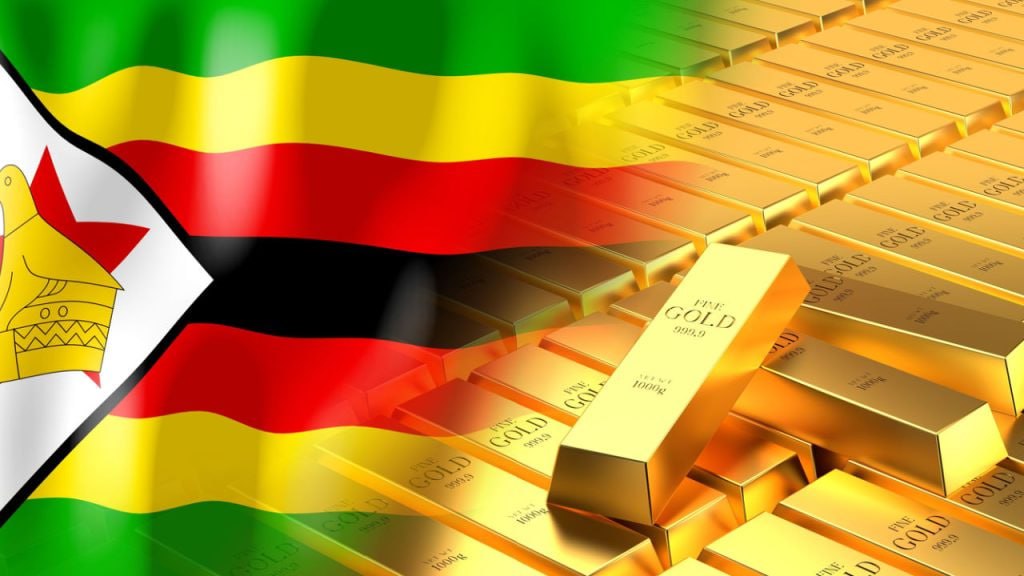
Gold Coins Help Zimbabwe Achieve ‘Price and Exchange Rate Stability’ — Central Bank
The Reserve Bank of Zimbabwe recently revealed that some 25,188 of its value-preserving gold coins were sold between July 2022 and Jan. 13. According to the central bank governor, John Mangudya, the gold coins “have proved to be an effective open market instrument for mopping up excess liquidity in the economy.”
According to the Zimbabwean central bank, about 25,188 “Mosi-oa-Tunya” gold coins valued at over $28 million (ZWD$20 billion) were sold between July 2022 — when the coins were initially introduced — and Jan. 13. From this total, acquisitions by the so-called corporates accounted for 84% “while purchases by individuals accounted for 16%.”
Initially launched to act as “an alternative retail investment product for value preservation,” for the wealthy, the bank said lower denomination gold coins introduced in Nov. 2022 “accounted for 38% of all sales.”
Commenting on the gold coins’ impact since their introduction, Reserve Bank of Zimbabwe (RBZ) governor John Mangudya said:
The coins have proved to be an effective open market instrument for mopping up excess liquidity in the economy and a retail investment product for preserving value for investable funds.
The RBZ governor added that the coins, which have a 180-day vesting period, along with the bank’s high-interest rate policy, played a part in stabilizing inflation and the local currency’s exchange rate versus the greenback.
According to the local statistical office, Zimstats, the southern African country’s month-on-month inflation fell from a high of 30.74% in June 2022 to 1.1% in Jan. 2023. Despite this slowdown, Zimbabwe’s latest annual inflation rate of 230% remains one of the highest globally.
Concerning the Zimbabwean dollar’s exchange rate versus the U.S. dollar, the latest RBZ data suggests that the parallel market premium dropped from a high of nearly 100% on July 1, 2022, to well under 50% by Dec. 19, 2022. As shown by the data, the local currency’s auction market exchange rate, which stood at just over ZWL100:USD1 on Jan. 11, 2022, closed the year at approximately ZWL700:USD1. According to the RBZ data, the local currency’s parallel market exchange rate on Dec. 19 stood at approximately 900:1.
Meanwhile, in his 2023 monetary policy statement, RBZ governor Mangudya said the bank “will continue to avail gold coins on a demand-driven basis as it seeks to promote a savings culture.”
The Reserve Bank of Zimbabwe recently revealed that some 25,188 of its value-preserving gold coins were sold between July 2022 and Jan. 13. According to the central bank governor, John Mangudya, the gold coins “have proved to be an effective open market instrument for mopping up excess liquidity in the economy.”
According to the Zimbabwean central bank, about 25,188 “Mosi-oa-Tunya” gold coins valued at over $28 million (ZWD$20 billion) were sold between July 2022 — when the coins were initially introduced — and Jan. 13. From this total, acquisitions by the so-called corporates accounted for 84% “while purchases by individuals accounted for 16%.”
Initially launched to act as “an alternative retail investment product for value preservation,” for the wealthy, the bank said lower denomination gold coins introduced in Nov. 2022 “accounted for 38% of all sales.”
Commenting on the gold coins’ impact since their introduction, Reserve Bank of Zimbabwe (RBZ) governor John Mangudya said:
The coins have proved to be an effective open market instrument for mopping up excess liquidity in the economy and a retail investment product for preserving value for investable funds.
The RBZ governor added that the coins, which have a 180-day vesting period, along with the bank’s high-interest rate policy, played a part in stabilizing inflation and the local currency’s exchange rate versus the greenback.
According to the local statistical office, Zimstats, the southern African country’s month-on-month inflation fell from a high of 30.74% in June 2022 to 1.1% in Jan. 2023. Despite this slowdown, Zimbabwe’s latest annual inflation rate of 230% remains one of the highest globally.
Concerning the Zimbabwean dollar’s exchange rate versus the U.S. dollar, the latest RBZ data suggests that the parallel market premium dropped from a high of nearly 100% on July 1, 2022, to well under 50% by Dec. 19, 2022. As shown by the data, the local currency’s auction market exchange rate, which stood at just over ZWL100:USD1 on Jan. 11, 2022, closed the year at approximately ZWL700:USD1. According to the RBZ data, the local currency’s parallel market exchange rate on Dec. 19 stood at approximately 900:1.
Meanwhile, in his 2023 monetary policy statement, RBZ governor Mangudya said the bank “will continue to avail gold coins on a demand-driven basis as it seeks to promote a savings culture.”
Income Tax Applies to Crypto Trading in Bosnia, Tax Administration Says
Individuals are expected to pay income tax on gains from cryptocurrency trading, the tax authority of Bosnia has determined. In the absence of dedicated regulations, the federal government in Sarajevo has set up a working group to assess various risks associated with digital assets.
The taxation of crypto assets is not explicitly prescribed by Bosnia’s current legislation but the country’s tax authority has addressed the matter in communication with the finance ministry. The latter is responsible for initiating amendments to the tax regulations.
Cryptocurrencies have seen increasing media coverage in the Balkan nation, the capital city of which is soon going to have its first bitcoin ATM, the FENA news agency noted in a report. On this backdrop, the aspect of taxation has also come to the forefront.
According to the Tax Administration of the Federation of Bosnia and Herzegovina, natural persons — independent entrepreneurs and private citizens — should pay income tax on their capital gains from cryptocurrency transactions, in accordance with relevant provisions of the Income Tax Law.
In particular, the authority referred to Article 12, Paragraph 1 of the law which regulates the taxation of self-employed individuals. These are usually people engaged in various activities as their primary or supplementary occupation with the aim of generating income, including income from trading, freelance work, or other independent activities.
Tax officials also cited statements expressing the position of the Federal Ministry of Finance from January and March, last year, when the department indicated that cryptocurrency trading can be viewed as an independent activity with the goal of earning income.
While acknowledging that certain regulations remain ambiguous, the Bosnian tax administration highlighted that the executive power in Sarajevo is moving in the direction of solving the issue. For example, the Cabinet of Ministers decided in November, 2022, to establish a crypto working group under the Ministry of Security.
The body has been tasked to produce an assessment of the risks of money laundering and terrorism financing using virtual assets and crypto service providers in Bosnia in accordance with the methodology developed by the Council of Europe. Along with this report, the group is also expected to submit an action plan to overcome the existing challenges.
Individuals are expected to pay income tax on gains from cryptocurrency trading, the tax authority of Bosnia has determined. In the absence of dedicated regulations, the federal government in Sarajevo has set up a working group to assess various risks associated with digital assets.
The taxation of crypto assets is not explicitly prescribed by Bosnia’s current legislation but the country’s tax authority has addressed the matter in communication with the finance ministry. The latter is responsible for initiating amendments to the tax regulations.
Cryptocurrencies have seen increasing media coverage in the Balkan nation, the capital city of which is soon going to have its first bitcoin ATM, the FENA news agency noted in a report. On this backdrop, the aspect of taxation has also come to the forefront.
According to the Tax Administration of the Federation of Bosnia and Herzegovina, natural persons — independent entrepreneurs and private citizens — should pay income tax on their capital gains from cryptocurrency transactions, in accordance with relevant provisions of the Income Tax Law.
In particular, the authority referred to Article 12, Paragraph 1 of the law which regulates the taxation of self-employed individuals. These are usually people engaged in various activities as their primary or supplementary occupation with the aim of generating income, including income from trading, freelance work, or other independent activities.
Tax officials also cited statements expressing the position of the Federal Ministry of Finance from January and March, last year, when the department indicated that cryptocurrency trading can be viewed as an independent activity with the goal of earning income.
While acknowledging that certain regulations remain ambiguous, the Bosnian tax administration highlighted that the executive power in Sarajevo is moving in the direction of solving the issue. For example, the Cabinet of Ministers decided in November, 2022, to establish a crypto working group under the Ministry of Security.
The body has been tasked to produce an assessment of the risks of money laundering and terrorism financing using virtual assets and crypto service providers in Bosnia in accordance with the methodology developed by the Council of Europe. Along with this report, the group is also expected to submit an action plan to overcome the existing challenges.

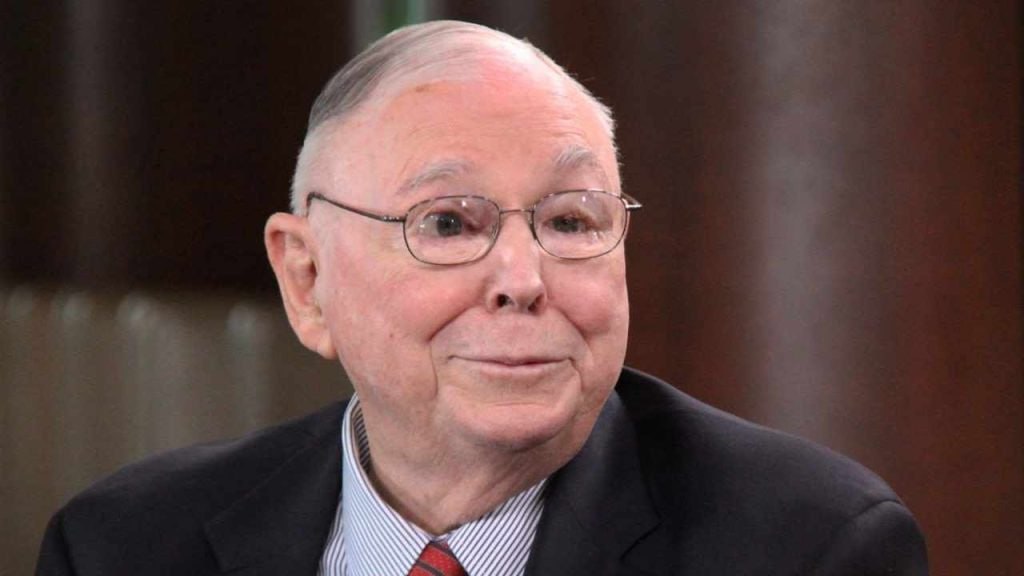
Berkshire’s Charlie Munger Says ‘Ridiculous’ Anybody Would Buy Crypto — ‘It’s an Absolute Horror’
Warren Buffett’s right-hand man and the vice chairman of Berkshire Hathaway, Charlie Munger, says people who oppose banning cryptocurrencies are “idiots,” adding that it’s “just ridiculous” anybody would buy crypto. He also likened replacing national currencies to replacing air, stating that “It’s massively stupid.”
Berkshire Hathaway Vice Chairman Charlie Munger continued his insults against cryptocurrency and its supporters Wednesday during a live-streamed interview with CNBC at the Daily Journal’s annual shareholders meeting.
Referencing his recent opinion piece in the Wall Street Journal stating that cryptocurrency should be banned, the 99-year-old executive insisted there is no “rational” argument against his position of banning crypto. He opined:
I think the people that oppose my position are idiots … It’s just ridiculous that anybody would buy this stuff.
“You can think of hardly nothing on Earth that’s done more good to the human race than currency — national currencies. They were absolutely required to turn man from a goddamn successful ape into modern successful humans and human civilization, because they enabled all these convenient exchanges,” Munger described, elaborating:
So if anybody says I’m going to create something that sort of replaces the national currency, it’s like saying I’m going to replace the national air … it’s massively stupid.
“And of course, it’s very dangerous, and of course, the governments were totally wrong to permit it, and of course, I’m not proud of my country for allowing this crap,” he stressed. “It’s worthless, it’s no good, it’s crazy, it’ll do nothing but harm, it’s antisocial to allow it.”
The Berkshire executive continued: “The guy who made the correct decision on this is the Chinese leader. The Chinese leader took one look at crypto, and he says ‘not in my China,’ and boom … there isn’t any crypto in China. He’s right and we’re wrong.”
While he believes that one should be able to state the arguments both for and against a particular subject, the Berkshire vice chair said crypto is an exception. “When you’re dealing with something as awful as crypto s*** … There’s only one correct answer for intelligent people — just totally avoid it and avoid all the people that are promoting it.” He emphasized:
It’s just unspeakable, it’s an absolute horror, and I’m ashamed of my country that so many people believe in this kind of crap, and the government allows it to exist.
“It’s totally, absolutely, crazy, stupid gambling with enormous house odds for the people on the other side, and they cheat … It’s just crazy,” he concluded.
Munger has slammed cryptocurrency many times in the past. He previously called BTC “rat poison” and likened crypto trading to “trading turds.”
The Berkshire executive said in 2021 that he wished crypto had never been invented and praised China for banning cryptocurrencies. He also called bitcoin “disgusting and contrary to the interest of civilization.” In February last year, he urged the government to ban bitcoin and called crypto “venereal disease.” In July, he advised everybody to avoid crypto as if it were an “open sewer, full of malicious organisms.”
Warren Buffett’s right-hand man and the vice chairman of Berkshire Hathaway, Charlie Munger, says people who oppose banning cryptocurrencies are “idiots,” adding that it’s “just ridiculous” anybody would buy crypto. He also likened replacing national currencies to replacing air, stating that “It’s massively stupid.”
Berkshire Hathaway Vice Chairman Charlie Munger continued his insults against cryptocurrency and its supporters Wednesday during a live-streamed interview with CNBC at the Daily Journal’s annual shareholders meeting.
Referencing his recent opinion piece in the Wall Street Journal stating that cryptocurrency should be banned, the 99-year-old executive insisted there is no “rational” argument against his position of banning crypto. He opined:
I think the people that oppose my position are idiots … It’s just ridiculous that anybody would buy this stuff.
“You can think of hardly nothing on Earth that’s done more good to the human race than currency — national currencies. They were absolutely required to turn man from a goddamn successful ape into modern successful humans and human civilization, because they enabled all these convenient exchanges,” Munger described, elaborating:
So if anybody says I’m going to create something that sort of replaces the national currency, it’s like saying I’m going to replace the national air … it’s massively stupid.
“And of course, it’s very dangerous, and of course, the governments were totally wrong to permit it, and of course, I’m not proud of my country for allowing this crap,” he stressed. “It’s worthless, it’s no good, it’s crazy, it’ll do nothing but harm, it’s antisocial to allow it.”
The Berkshire executive continued: “The guy who made the correct decision on this is the Chinese leader. The Chinese leader took one look at crypto, and he says ‘not in my China,’ and boom … there isn’t any crypto in China. He’s right and we’re wrong.”
While he believes that one should be able to state the arguments both for and against a particular subject, the Berkshire vice chair said crypto is an exception. “When you’re dealing with something as awful as crypto s*** … There’s only one correct answer for intelligent people — just totally avoid it and avoid all the people that are promoting it.” He emphasized:
It’s just unspeakable, it’s an absolute horror, and I’m ashamed of my country that so many people believe in this kind of crap, and the government allows it to exist.
“It’s totally, absolutely, crazy, stupid gambling with enormous house odds for the people on the other side, and they cheat … It’s just crazy,” he concluded.
Munger has slammed cryptocurrency many times in the past. He previously called BTC “rat poison” and likened crypto trading to “trading turds.”
The Berkshire executive said in 2021 that he wished crypto had never been invented and praised China for banning cryptocurrencies. He also called bitcoin “disgusting and contrary to the interest of civilization.” In February last year, he urged the government to ban bitcoin and called crypto “venereal disease.” In July, he advised everybody to avoid crypto as if it were an “open sewer, full of malicious organisms.”
Sony and Astar Network Launch Web3 Incubation Program for NFT and DAO-Focused Projects
On Feb. 17, 2023, Tokyo-based Sony Network Communications announced that it is co-hosting a Web3 incubation program with the multichain smart contract platform Astar Network. The program has started accepting applications, and Sony and Astar will jointly mentor Web3 projects “focused on the utility” of NFTs and DAOs.
A Web3 incubation program is planned for mid-March to mid-June with Astar Network and Singapore-based Startale Labs to bolster relevant Web3 solutions. Startale was founded by Astar Network CEO Sota Watanabe.
➖“We are pleased to launch the Web3 incubation program with Sony Network Communications, one of the Sony Group’s companies, which has been involved in the NFT sector and other Web3 initiatives within the Group”
➖ “We hope to share the knowledge and resources of both companies to provide value to the participants selected for the program and create new use cases and projects,” Sota Watanabe, CEO of Startale Labs and Astar Network, said in a statement.
Sony has been exploring the metaverse, NFTs, and crypto for some time. In May 2021, the company unveiled a patent that could enable it to incorporate a bitcoin-based betting system into its consumer electronics, such as the Playstation gaming system.
In November 2022, Sony filed a patent for using non-fungible token technology for in-game assets, and that same month, it acquired the 3D animation company Beyond Sports.
On Feb. 17, 2023, Tokyo-based Sony Network Communications announced that it is co-hosting a Web3 incubation program with the multichain smart contract platform Astar Network. The program has started accepting applications, and Sony and Astar will jointly mentor Web3 projects “focused on the utility” of NFTs and DAOs.
A Web3 incubation program is planned for mid-March to mid-June with Astar Network and Singapore-based Startale Labs to bolster relevant Web3 solutions. Startale was founded by Astar Network CEO Sota Watanabe.
➖“We are pleased to launch the Web3 incubation program with Sony Network Communications, one of the Sony Group’s companies, which has been involved in the NFT sector and other Web3 initiatives within the Group”
➖ “We hope to share the knowledge and resources of both companies to provide value to the participants selected for the program and create new use cases and projects,” Sota Watanabe, CEO of Startale Labs and Astar Network, said in a statement.
Sony has been exploring the metaverse, NFTs, and crypto for some time. In May 2021, the company unveiled a patent that could enable it to incorporate a bitcoin-based betting system into its consumer electronics, such as the Playstation gaming system.
In November 2022, Sony filed a patent for using non-fungible token technology for in-game assets, and that same month, it acquired the 3D animation company Beyond Sports.

Paraguay to Become Top Bitcoin Mining Hub in Latam According to Insight Group
🇵🇾Paraguay, one of the smallest countries in Latam, has the conditions needed to become the next Bitcoin mining hub in the region, according to mining insight group Hashrate Index. The company notes there are many elements in favor of Paraguay, including the abundance of clean hydroelectric power sources. However, the stance that the government has taken toward cryptocurrency mining could slow this growth process.
🟢 Paraguay, a country not especially known for its crypto affiliations, is now being considered one of the most attractive destinations in Latam for bitcoin miners. According to mining insight company Hashrate Index, the country presents a series of benefits that could help it become one of the biggest cryptocurrency hubs in the region.
The first advantage that Paraguay has over other countries in the area, and what made it an attractive location for miners after the Chinese miner exodus, is the abundance of clean, cheap hydroelectric power, that can be used to build large bitcoin mining operations. Most of this power comes from the Itaipu Dam, with Paraguayans reportedly consuming only about 10% of the power produced.
While most of this energy gets exported to neighboring countries, it can be sourced to power big mining operations in the future, according to the group.
Hashrate Index says there are currently two different disadvantages of choosing Paraguay as a destination for establishing a bitcoin mining operation. One is the climate in the summer, which can reach high temperatures and high humidity, affecting the longevity of air-cooled mining rigs.
The other, and perhaps the most significant one, has to do with the unfavorable opinion that the government has of Bitcoin mining activity. The president of Paraguay, Mario Abdo, criticized the industry in the decree used to veto the cryptocurrency law approved by the Paraguayan congress last year.
🇵🇾Paraguay, one of the smallest countries in Latam, has the conditions needed to become the next Bitcoin mining hub in the region, according to mining insight group Hashrate Index. The company notes there are many elements in favor of Paraguay, including the abundance of clean hydroelectric power sources. However, the stance that the government has taken toward cryptocurrency mining could slow this growth process.
The first advantage that Paraguay has over other countries in the area, and what made it an attractive location for miners after the Chinese miner exodus, is the abundance of clean, cheap hydroelectric power, that can be used to build large bitcoin mining operations. Most of this power comes from the Itaipu Dam, with Paraguayans reportedly consuming only about 10% of the power produced.
While most of this energy gets exported to neighboring countries, it can be sourced to power big mining operations in the future, according to the group.
Hashrate Index says there are currently two different disadvantages of choosing Paraguay as a destination for establishing a bitcoin mining operation. One is the climate in the summer, which can reach high temperatures and high humidity, affecting the longevity of air-cooled mining rigs.
The other, and perhaps the most significant one, has to do with the unfavorable opinion that the government has of Bitcoin mining activity. The president of Paraguay, Mario Abdo, criticized the industry in the decree used to veto the cryptocurrency law approved by the Paraguayan congress last year.
Please open Telegram to view this post
VIEW IN TELEGRAM
JPMorgan to Open Blockchain Innovation Lab in Greece
Financial giant JPMorgan has announced it will open a new blockchain innovation lab in Greece. The lab will be focused on the development of applications on top of Onyx, the blockchain platform launched by the bank in 2020, and on digital identity solutions.
JPMorgan, the investment bank with millions of customers worldwide, has announced the launch of a new innovation lab in Greece, which will develop solutions using blockchain tools. The lab will focus primarily on building applications that use Onyx, the platform launched by the bank in 2020.
This new innovation lab will be part of the Blockchain Launch group, which prepares and develops blockchain-based software for customers of the bank using Onyx’s technology. Tyrone Lobban, head of Blockchain Launch & Onyx Digital Assets at JPMorgan, revealed that the company is looking to fill four new positions for this new initiative including two full-stack software engineers, a mobile app engineer, and a technical manager.
The company has been using blockchain-based solutions for some time. Back in 2022, Lobban stated that the bank was settling $1 billion daily using blockchain tech.
Lobban also stated that this new group will be core to the research and construction of digital identity solutions, to extend the capabilities that the institution has already piloted before. Digital identity is listed as one of the use cases that is part of the services supported by Onyx’s blockchain launch team.
About the significance that digital identity could have in the future, Lobban declared:
We believe that Digital Identity is key to unlocking scale for Web3 and can enable entirely new interactions and services for web2 and Web3 alike.
The interest of the institution in digital identity could be part of a move to avoid being left behind in the future. A report titled “The Rise Of Digital Identity Wallets” issued in January by the Mobey Forum, a global nonprofit insight group, explains that banks are uniquely positioned to be part of the digital identity structure of the future, adding this service to their already existent digital wallets.
In January, reports revealed that JPMorgan was part of a group of banks developing a digital wallet, alongside Wells Fargo, Bank of America, and four other financial institutions.
Financial giant JPMorgan has announced it will open a new blockchain innovation lab in Greece. The lab will be focused on the development of applications on top of Onyx, the blockchain platform launched by the bank in 2020, and on digital identity solutions.
JPMorgan, the investment bank with millions of customers worldwide, has announced the launch of a new innovation lab in Greece, which will develop solutions using blockchain tools. The lab will focus primarily on building applications that use Onyx, the platform launched by the bank in 2020.
This new innovation lab will be part of the Blockchain Launch group, which prepares and develops blockchain-based software for customers of the bank using Onyx’s technology. Tyrone Lobban, head of Blockchain Launch & Onyx Digital Assets at JPMorgan, revealed that the company is looking to fill four new positions for this new initiative including two full-stack software engineers, a mobile app engineer, and a technical manager.
The company has been using blockchain-based solutions for some time. Back in 2022, Lobban stated that the bank was settling $1 billion daily using blockchain tech.
Lobban also stated that this new group will be core to the research and construction of digital identity solutions, to extend the capabilities that the institution has already piloted before. Digital identity is listed as one of the use cases that is part of the services supported by Onyx’s blockchain launch team.
About the significance that digital identity could have in the future, Lobban declared:
We believe that Digital Identity is key to unlocking scale for Web3 and can enable entirely new interactions and services for web2 and Web3 alike.
The interest of the institution in digital identity could be part of a move to avoid being left behind in the future. A report titled “The Rise Of Digital Identity Wallets” issued in January by the Mobey Forum, a global nonprofit insight group, explains that banks are uniquely positioned to be part of the digital identity structure of the future, adding this service to their already existent digital wallets.
In January, reports revealed that JPMorgan was part of a group of banks developing a digital wallet, alongside Wells Fargo, Bank of America, and four other financial institutions.