Brazil Based FTX Customers Organizing to File Class-Action Lawsuit
A group of customers of the recently collapsed crypto exchange FTX, is organizing to take legal action against the company. The suit would be led by Ray Nasser, CEO of Arthur Mining, and will be brought by customers who had more than $100,000 on the exchange by the time of its bankruptcy.
The recent downfall of cryptocurrency exchange FTX has created issues for customers worldwide, who are now not sure about how to proceed regarding this issue. Brazilians are no exception, and one of them is leading a group to organize and exert legal action against the exchange.
The group is led by Ray Nasser, CEO of Arthur Mining, a Brazilian-led cryptocurrency mining company. The executive clarified that even if his company had no exposure to the FTX debacle, he wants to help people around him that suffered losses. He explained:
My company has zero FTX exposure, but we need to be supportive of those who have supported us all these years among investors and partners and help them as much as possible. A lot of people were hurt.
Nasser’s class-action lawsuit will be brought by customers of FTX that had more than $100,000 on the platform at the moment company funds were frozen. The lawsuit will be brought in either the U.S. or Bahamas jurisdiction, the countries where the exchange had headquarters.
Antonio Neto, head of FTX in Brazil, communicated that the downfall of the exchange took him by surprise and that he believed the company had the liquidity to face mass withdrawals. In a message sent to the Telegram group of the exchange in Brazil on Nov. 11, Neto stated he was also a victim of the unexpected situation. He stated:
All my personal funds and investments were also trapped in FTX, these are losses that are difficult to swallow. But the hardest thing is the frustration of having believed in something and shared it with family and friends who were also taken by surprise.
According to reports from Coingecko, Brazil is the tenth-ranked country most affected by FTX’s bankruptcy. Brazilian users accounted for 2.8% of the traffic on the site, with an average of 134,000 visits monthly. Colombia is the second-ranked Latam country on the list, with 1.3% of the monthly traffic.
A group of customers of the recently collapsed crypto exchange FTX, is organizing to take legal action against the company. The suit would be led by Ray Nasser, CEO of Arthur Mining, and will be brought by customers who had more than $100,000 on the exchange by the time of its bankruptcy.
The recent downfall of cryptocurrency exchange FTX has created issues for customers worldwide, who are now not sure about how to proceed regarding this issue. Brazilians are no exception, and one of them is leading a group to organize and exert legal action against the exchange.
The group is led by Ray Nasser, CEO of Arthur Mining, a Brazilian-led cryptocurrency mining company. The executive clarified that even if his company had no exposure to the FTX debacle, he wants to help people around him that suffered losses. He explained:
My company has zero FTX exposure, but we need to be supportive of those who have supported us all these years among investors and partners and help them as much as possible. A lot of people were hurt.
Nasser’s class-action lawsuit will be brought by customers of FTX that had more than $100,000 on the platform at the moment company funds were frozen. The lawsuit will be brought in either the U.S. or Bahamas jurisdiction, the countries where the exchange had headquarters.
Antonio Neto, head of FTX in Brazil, communicated that the downfall of the exchange took him by surprise and that he believed the company had the liquidity to face mass withdrawals. In a message sent to the Telegram group of the exchange in Brazil on Nov. 11, Neto stated he was also a victim of the unexpected situation. He stated:
All my personal funds and investments were also trapped in FTX, these are losses that are difficult to swallow. But the hardest thing is the frustration of having believed in something and shared it with family and friends who were also taken by surprise.
According to reports from Coingecko, Brazil is the tenth-ranked country most affected by FTX’s bankruptcy. Brazilian users accounted for 2.8% of the traffic on the site, with an average of 134,000 visits monthly. Colombia is the second-ranked Latam country on the list, with 1.3% of the monthly traffic.
Brazilian Bank Itau Unibanco to Offer Cryptocurrency Custody Services in 2023
Itau Unibanco, one of the biggest Brazilian banks, has announced it will offer cryptocurrency custody services in 2023. Itau Digital Assets, the cryptocurrency unit of the company, will be responsible for this offering, which will be first available to customers of the bank, and then to third parties as a service.
Itau Unibanco, one of the largest private banks in Brazil and Latam, has decided to step into the crypto-related services business. The company announced on Nov. 17, 2022, that it plans to launch cryptocurrency custody services in 2023. Itau Digital Assets, the division of the company that deals with all things crypto, will be in charge of the tech behind this solution.
For Itau Unibanco, custody services are an important part of the security framework that third-party companies can offer users. On this, Itau Unibanco’s product manager Eric Alftafim told O Globo:
Custody is a fundamental element in this context, because, especially in a new market like crypto assets, it brings security to investors. We will safeguard customer assets in a reliable environment.
The cryptocurrency custody service will be implemented in two phases. The first phase will allow customers of the bank to contract these services. The second phase will extend these services to third parties including other companies and institutions. Itau Unibanco expects to launch its custody solution in Q2 2023. However, the company did not reveal the assets supported by its solution.
While Itau Unibanco is one of the first banks to announce this kind of service, it is not the first in Brazil. BTG Pactual, another institution in Brazil, debuted its cryptocurrency custody services as part of the launch of its own crypto exchange, called mint, in August.
This is not the first time that Itau Unibanco flirts with crypto. The company announced that it might introduce cryptocurrency trading for its customers on July 14. In the same way, the bank is also operating a tokenization unit, that allows customers to issue tokens representing real-world assets in the bank’s own exchange.
Itau Unibanco is also part of this year’s LIFT Lab, where a series of institutions present their projects with the idea of innovating the current finance system. The company was selected to present a Brazilian real pegged stablecoin solution, that could allow for quick exchange between tokens representing other fiat currencies in a decentralized finance environment.
Itau Unibanco, one of the biggest Brazilian banks, has announced it will offer cryptocurrency custody services in 2023. Itau Digital Assets, the cryptocurrency unit of the company, will be responsible for this offering, which will be first available to customers of the bank, and then to third parties as a service.
Itau Unibanco, one of the largest private banks in Brazil and Latam, has decided to step into the crypto-related services business. The company announced on Nov. 17, 2022, that it plans to launch cryptocurrency custody services in 2023. Itau Digital Assets, the division of the company that deals with all things crypto, will be in charge of the tech behind this solution.
For Itau Unibanco, custody services are an important part of the security framework that third-party companies can offer users. On this, Itau Unibanco’s product manager Eric Alftafim told O Globo:
Custody is a fundamental element in this context, because, especially in a new market like crypto assets, it brings security to investors. We will safeguard customer assets in a reliable environment.
The cryptocurrency custody service will be implemented in two phases. The first phase will allow customers of the bank to contract these services. The second phase will extend these services to third parties including other companies and institutions. Itau Unibanco expects to launch its custody solution in Q2 2023. However, the company did not reveal the assets supported by its solution.
While Itau Unibanco is one of the first banks to announce this kind of service, it is not the first in Brazil. BTG Pactual, another institution in Brazil, debuted its cryptocurrency custody services as part of the launch of its own crypto exchange, called mint, in August.
This is not the first time that Itau Unibanco flirts with crypto. The company announced that it might introduce cryptocurrency trading for its customers on July 14. In the same way, the bank is also operating a tokenization unit, that allows customers to issue tokens representing real-world assets in the bank’s own exchange.
Itau Unibanco is also part of this year’s LIFT Lab, where a series of institutions present their projects with the idea of innovating the current finance system. The company was selected to present a Brazilian real pegged stablecoin solution, that could allow for quick exchange between tokens representing other fiat currencies in a decentralized finance environment.
🔥Qatar 2022 is here!🔥
Enjoy the World Cup on 1xBit - to make it even more exciting, take part in TICKET RUSH from 1xBit! Bet on 2022 World Cup, collect tickets and win up to 0.5 BTC!
✅Join 1xBit now and get a Welcome Bonus up to 7 BTC✅
Promocode - CRYPTOCUSH
#1xBit #Crypto #WorldCup
Enjoy the World Cup on 1xBit - to make it even more exciting, take part in TICKET RUSH from 1xBit! Bet on 2022 World Cup, collect tickets and win up to 0.5 BTC!
✅Join 1xBit now and get a Welcome Bonus up to 7 BTC✅
Promocode - CRYPTOCUSH
#1xBit #Crypto #WorldCup
Study: 6,100 Crypto ATMs Installed in 2022, Figure 3 Times Less Than in Previous Year
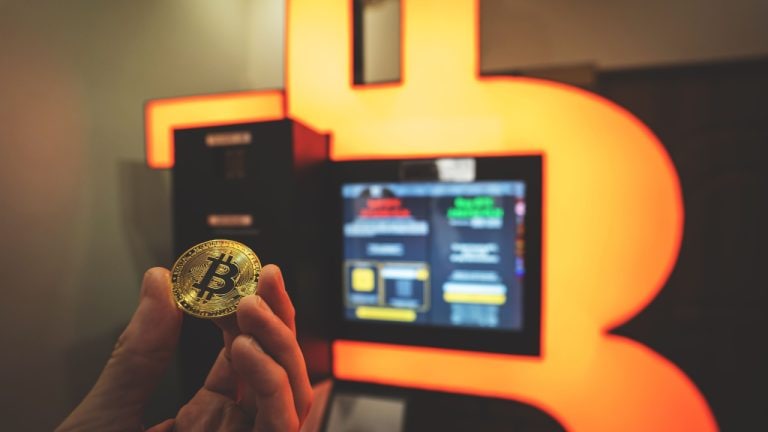
New data has shown that as many as 6,100 crypto and bitcoin automated teller machines were installed in the first eleven months of 2022. The latest figure is approximately three times less than the ATMs that were installed in 2021. The data shows that the United States, which has over 34,000 crypto ATMs, accounts for nearly 90% of all the installed machines.
According to the data compiled by Crypto Presales, the approximately 6,100 crypto and bitcoin automated teller machines (ATMs) installed in the first eleven months of 2022 are almost three times less than what was installed in the same period last year. The apparent slowdown in the number of newly installed ATMs is in contrast to the rapid increase in the number of new installations that was seen in 2021.
As explained in the Crypto Presales report, the year 2021 witnessed the most crypto and bitcoin ATM installations by far — about 20,300 newly installed machines. That year’s record number of new installations brought the total number of such ATMs to 32,600.
In contrast, the year 2022, which has been dominated by bears and the collapse of Terra LUNA and UST (and more recently the collapse of FTX), has seen the number of ATMs installed drop for the first time. The report explained:
By mid-2022, there were around 37,800 crypto ATMs worldwide. The number continued rising and hit over 38,800 in August. However, in September, the number of BTMs dropped for the first time, with the total number of machines slipping to 38,400.
The report nevertheless revealed the number of installed ATMs has since recovered and was believed to have been hovering around 39,000 by mid-November 2022.
Meanwhile, the data compiled by Crypto Presales shows that the United States accounts for approximately 90% of all installed crypto and bitcoin ATMs in 2022. According to the data, Canada’s 2,688 installed ATMs occupy the second position in the top ten list of countries with the most crypto-dispensing machines. The rest of the countries in the top ten have under 300 ATMs installed.
Concerning the ownership of ATMs, the report said:
“With a 33% market share and over 12,000 machines as of November, Bitaccess represents the largest crypto ATM manufacturer globally. General Bytes ranked second with a 23% market share and around 9,000 BTMs. Genesis Coin and Bitstop follow with a 22% and 5% market share, respectively.”
The report, which relies on data from Coin ATM Radar, noted that 82% of all the installed machines support altcoins. About 80% of the ATMs support litecoin, 73% support ethereum, and only 39% support dogecoin.
New data has shown that as many as 6,100 crypto and bitcoin automated teller machines were installed in the first eleven months of 2022. The latest figure is approximately three times less than the ATMs that were installed in 2021. The data shows that the United States, which has over 34,000 crypto ATMs, accounts for nearly 90% of all the installed machines.
According to the data compiled by Crypto Presales, the approximately 6,100 crypto and bitcoin automated teller machines (ATMs) installed in the first eleven months of 2022 are almost three times less than what was installed in the same period last year. The apparent slowdown in the number of newly installed ATMs is in contrast to the rapid increase in the number of new installations that was seen in 2021.
As explained in the Crypto Presales report, the year 2021 witnessed the most crypto and bitcoin ATM installations by far — about 20,300 newly installed machines. That year’s record number of new installations brought the total number of such ATMs to 32,600.
In contrast, the year 2022, which has been dominated by bears and the collapse of Terra LUNA and UST (and more recently the collapse of FTX), has seen the number of ATMs installed drop for the first time. The report explained:
By mid-2022, there were around 37,800 crypto ATMs worldwide. The number continued rising and hit over 38,800 in August. However, in September, the number of BTMs dropped for the first time, with the total number of machines slipping to 38,400.
The report nevertheless revealed the number of installed ATMs has since recovered and was believed to have been hovering around 39,000 by mid-November 2022.
Meanwhile, the data compiled by Crypto Presales shows that the United States accounts for approximately 90% of all installed crypto and bitcoin ATMs in 2022. According to the data, Canada’s 2,688 installed ATMs occupy the second position in the top ten list of countries with the most crypto-dispensing machines. The rest of the countries in the top ten have under 300 ATMs installed.
Concerning the ownership of ATMs, the report said:
“With a 33% market share and over 12,000 machines as of November, Bitaccess represents the largest crypto ATM manufacturer globally. General Bytes ranked second with a 23% market share and around 9,000 BTMs. Genesis Coin and Bitstop follow with a 22% and 5% market share, respectively.”
The report, which relies on data from Coin ATM Radar, noted that 82% of all the installed machines support altcoins. About 80% of the ATMs support litecoin, 73% support ethereum, and only 39% support dogecoin.
🏆 Crypto Cup Kickoff: Predict Your World Cup Winner to Share the 500,000 $USDT Prize Pool!
⚽️ Bybit is giving you a golden opportunity to earn a share of our 500,000 $USDT prize pool when you correctly predict the winners of each stage of the FIFA World Cup 2022!
💌 In addition, Bybit has 0 fees on all Spot pairs, Copy Trading and Trading Bots.
👉 Find Out More
⚽️ Bybit is giving you a golden opportunity to earn a share of our 500,000 $USDT prize pool when you correctly predict the winners of each stage of the FIFA World Cup 2022!
💌 In addition, Bybit has 0 fees on all Spot pairs, Copy Trading and Trading Bots.
👉 Find Out More
New Naira Banknotes to Make Monetary Policy More Effective — Nigerian Central Bank Governor
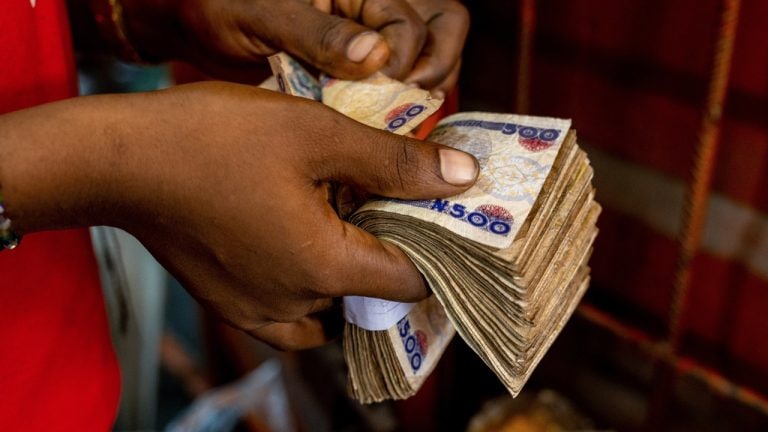
The Central Bank of Nigeria governor, Godwin Emefiele, has said the newly designed naira banknotes are set to enhance the effectiveness of the organization’s monetary policy and bolster the financial inclusion cause.
According to the Nigerian central bank governor, Godwin Emefiele, the recently launched naira banknotes are expected to force currency dealers to return “hoarded currency back into the banking system.” In a speech delivered at the new naira banknotes unveiling ceremony, Emefiele claimed that the new banknotes could potentially enhance the effectiveness of the country’s monetary policy.
Besides helping return the older banknotes into circulation, the CBN governor insisted the redesigned naira banknotes are likely to bolster the bank’s financial inclusion cause. Emefiele explained:
We believe that this exercise would help in increasing financial inclusion, moving towards a more cashless economy, and ensuring greater formalization of the Nigerian economy.
According to Emefiele, once the exercise to phase out the older 100, 200, 500, and 1,000 naira banknotes has been completed, the CBN’s job of tracking and identifying suspicious movements of funds will become easier. At the moment this has not been possible because 84.71% of the naira banknotes “in circulation are outside commercial banks’ vaults.”
Meanwhile, in the same speech, Emefiele repeated the CBN’s earlier assertions which implied that the controversial decision to relaunch the banknotes had been greenlighted by Nigerian President Muhammadu Buhari.
According to the CBN, the phasing out of the current banknotes is not only long overdue but is “a global best practice for central banks” that must be repeated every 5 to 8 years. However, after the CBN announced its plan to replace the old naira banknotes with the redesigned ones, the currency’s parallel market exchange rate versus the U.S. dollar depreciated rapidly.
As reported by Bitcoin News, the naira’s plunge was caused by the abrupt surge in the demand for U.S. dollars versus the dwindling supply. However, after Nigeria’s Economic and Financial Crimes Commission began cracking down on the so-called illegal currency dealers, the local currency’s parallel exchange rate improved from just over 900 units per dollar in October to just under 800 units per dollar by Nov. 26.
The Central Bank of Nigeria governor, Godwin Emefiele, has said the newly designed naira banknotes are set to enhance the effectiveness of the organization’s monetary policy and bolster the financial inclusion cause.
According to the Nigerian central bank governor, Godwin Emefiele, the recently launched naira banknotes are expected to force currency dealers to return “hoarded currency back into the banking system.” In a speech delivered at the new naira banknotes unveiling ceremony, Emefiele claimed that the new banknotes could potentially enhance the effectiveness of the country’s monetary policy.
Besides helping return the older banknotes into circulation, the CBN governor insisted the redesigned naira banknotes are likely to bolster the bank’s financial inclusion cause. Emefiele explained:
We believe that this exercise would help in increasing financial inclusion, moving towards a more cashless economy, and ensuring greater formalization of the Nigerian economy.
According to Emefiele, once the exercise to phase out the older 100, 200, 500, and 1,000 naira banknotes has been completed, the CBN’s job of tracking and identifying suspicious movements of funds will become easier. At the moment this has not been possible because 84.71% of the naira banknotes “in circulation are outside commercial banks’ vaults.”
Meanwhile, in the same speech, Emefiele repeated the CBN’s earlier assertions which implied that the controversial decision to relaunch the banknotes had been greenlighted by Nigerian President Muhammadu Buhari.
According to the CBN, the phasing out of the current banknotes is not only long overdue but is “a global best practice for central banks” that must be repeated every 5 to 8 years. However, after the CBN announced its plan to replace the old naira banknotes with the redesigned ones, the currency’s parallel market exchange rate versus the U.S. dollar depreciated rapidly.
As reported by Bitcoin News, the naira’s plunge was caused by the abrupt surge in the demand for U.S. dollars versus the dwindling supply. However, after Nigeria’s Economic and Financial Crimes Commission began cracking down on the so-called illegal currency dealers, the local currency’s parallel exchange rate improved from just over 900 units per dollar in October to just under 800 units per dollar by Nov. 26.
Bitcoin, Ethereum Technical Analysis: BTC Moves Above $17,000 on Wednesday
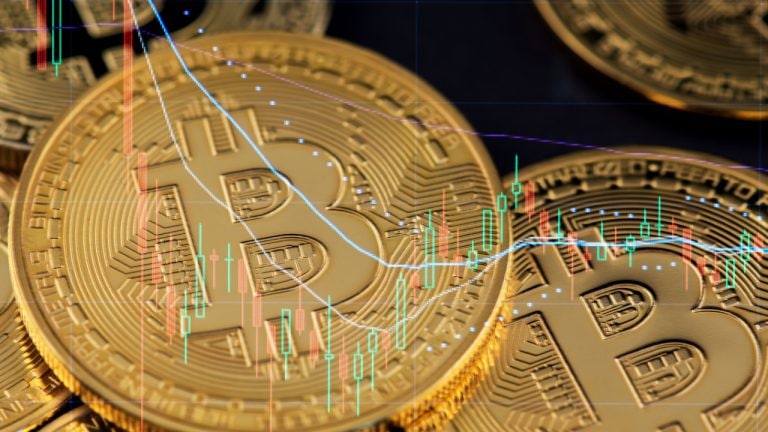
Bitcoin moved to $17,000 on Wednesday, as markets continued to digest the U.S. consumer confidence report. Confidence amongst consumers fell to its lowest level since July, despite inflation easing in the world’s largest economy. Ethereum remained higher, edging closer to $1,300.
Bitcoin (BTC) briefly rose above $17,000 in today’s session, as traders reacted to the latest U.S. consumer confidence report.
Despite falling to a six-month low, the decline in confidence was less than expected, which was a relatively positive sign for markets.
Following a low of $16,366.66, BTC/USD rose to an intraday peak of $17,021.67 earlier in the day.
However, following the breakout of $17,000, which has also been a long-term resistance level, some earlier bulls moved to secure gains, exiting their positions in the process.
As of writing, BTC is trading at $16,832.07, with the 14-day relative strength index (RSI) tracking at 45.72, below a ceiling of 46.00.
Should price strength continue in an upward direction, and move beyond this upcoming obstacle, then bitcoin could extend today’s rally.
Like BTC, ethereum (ETH) also moved higher on Wednesday, as prices surged for a second success session.
ETH/USD hit a peak of $1,276.55 earlier in today’s session, which comes less than 24-hours after trading at a low of $1,205.78.
As a result of today’s gains, the world’s second largest cryptocurrency hit its highest point since November 15.
Looking at the chart, the move has pushed the 10-day (red) moving average closer to its 25-day (blue) counterpart, with an upward crossover imminent.
In addition to this, the RSI is now tracking at 51.27, which is above a key resistance level at the 50.00 mark.
The target for ETH bulls appears to be the $1,300 level, which was last hit on November 11, when the coin was at a peak of $1,307.
Bitcoin moved to $17,000 on Wednesday, as markets continued to digest the U.S. consumer confidence report. Confidence amongst consumers fell to its lowest level since July, despite inflation easing in the world’s largest economy. Ethereum remained higher, edging closer to $1,300.
Bitcoin (BTC) briefly rose above $17,000 in today’s session, as traders reacted to the latest U.S. consumer confidence report.
Despite falling to a six-month low, the decline in confidence was less than expected, which was a relatively positive sign for markets.
Following a low of $16,366.66, BTC/USD rose to an intraday peak of $17,021.67 earlier in the day.
However, following the breakout of $17,000, which has also been a long-term resistance level, some earlier bulls moved to secure gains, exiting their positions in the process.
As of writing, BTC is trading at $16,832.07, with the 14-day relative strength index (RSI) tracking at 45.72, below a ceiling of 46.00.
Should price strength continue in an upward direction, and move beyond this upcoming obstacle, then bitcoin could extend today’s rally.
Like BTC, ethereum (ETH) also moved higher on Wednesday, as prices surged for a second success session.
ETH/USD hit a peak of $1,276.55 earlier in today’s session, which comes less than 24-hours after trading at a low of $1,205.78.
As a result of today’s gains, the world’s second largest cryptocurrency hit its highest point since November 15.
Looking at the chart, the move has pushed the 10-day (red) moving average closer to its 25-day (blue) counterpart, with an upward crossover imminent.
In addition to this, the RSI is now tracking at 51.27, which is above a key resistance level at the 50.00 mark.
The target for ETH bulls appears to be the $1,300 level, which was last hit on November 11, when the coin was at a peak of $1,307.
Stellantis Owned Fiat Launches Metaverse Store Using Touchcast and Microsoft Tech
Fiat, an automotive brand property of Stellantis, has launched its first metaverse-based store, which the company claims is the first showroom of its kind. The experience, which was developed with tech supplied by Touchcast and Microsoft, aims to make the virtual process of reviewing a car more interactive.
Fiat, an automotive brand property of one of the top ten car manufacturers in the world, Stellantis, has launched its first virtual metaverse store. The company will allow customers to try the experience they will have inside and outside one of its models, the New 500 La Prima by Bocelli, through a virtual simulation of the model.
The showroom will let the users review the car via a 360-degree view of the car model, and test the systems and the infotainment array that the company offers on this vehicle. Also, the customers can change the appearance and equipment of the car depending on the version and extras chosen, and even drive the vehicle through a virtual course.
Olivier Francois, Fiat CEO and Global Stellantis CMO, remarked on the importance of this kind of experience for the development of the brand. He stated:
The Fiat metaverse store is the first of its kind in the automotive sector. It is a magical experience: an immersive human-driven journey into the world of Fiat. Simple and user-friendly, pursuing the idea of ‘tech it easy,’ and accessible for everyone.
To produce this experience, the company used Touchcast’s platform, which leverages Microsoft Cloud as a backbone to provide a headset-less metaverse experience.
Other companies have also been testing such programs to expand the reach of their products far beyond what in-store car dealers can do. However, Fiat differentiates itself from other brands in allowing the customers to be accompanied by what it calls a “product genius,” an actual person who will be able to answer questions that the potential buyer will have about the capabilities of the vehicle and the specifics of the sale process.
This does have a drawback, and that is that the metaverse showroom functions as a real showroom, not being available 24/7 for the customers.
The brand plans to expand the number of models available in the showroom by the end of 2022, with more of the vehicles being available in the metaverse showroom in the first half of 2023. Stellantis did not specify if this tech will be extended to other brands in the company.
Other automotive companies are also using the metaverse as part of their operations. Renault is using an industrial metaverse to optimize its production, aiming to save $330 million by 2025. In September, Ford filed 19 trademark applications to protect and develop its brand image in the metaverse.
Fiat, an automotive brand property of Stellantis, has launched its first metaverse-based store, which the company claims is the first showroom of its kind. The experience, which was developed with tech supplied by Touchcast and Microsoft, aims to make the virtual process of reviewing a car more interactive.
Fiat, an automotive brand property of one of the top ten car manufacturers in the world, Stellantis, has launched its first virtual metaverse store. The company will allow customers to try the experience they will have inside and outside one of its models, the New 500 La Prima by Bocelli, through a virtual simulation of the model.
The showroom will let the users review the car via a 360-degree view of the car model, and test the systems and the infotainment array that the company offers on this vehicle. Also, the customers can change the appearance and equipment of the car depending on the version and extras chosen, and even drive the vehicle through a virtual course.
Olivier Francois, Fiat CEO and Global Stellantis CMO, remarked on the importance of this kind of experience for the development of the brand. He stated:
The Fiat metaverse store is the first of its kind in the automotive sector. It is a magical experience: an immersive human-driven journey into the world of Fiat. Simple and user-friendly, pursuing the idea of ‘tech it easy,’ and accessible for everyone.
To produce this experience, the company used Touchcast’s platform, which leverages Microsoft Cloud as a backbone to provide a headset-less metaverse experience.
Other companies have also been testing such programs to expand the reach of their products far beyond what in-store car dealers can do. However, Fiat differentiates itself from other brands in allowing the customers to be accompanied by what it calls a “product genius,” an actual person who will be able to answer questions that the potential buyer will have about the capabilities of the vehicle and the specifics of the sale process.
This does have a drawback, and that is that the metaverse showroom functions as a real showroom, not being available 24/7 for the customers.
The brand plans to expand the number of models available in the showroom by the end of 2022, with more of the vehicles being available in the metaverse showroom in the first half of 2023. Stellantis did not specify if this tech will be extended to other brands in the company.
Other automotive companies are also using the metaverse as part of their operations. Renault is using an industrial metaverse to optimize its production, aiming to save $330 million by 2025. In September, Ford filed 19 trademark applications to protect and develop its brand image in the metaverse.
🔥Morocco vs. Spain is one of the most intriguing matches in Qatar🔥
Spain won't have an easy time playing one of the best African teams at this World Cup (Morocco qualified from their group ahead of Belgium).
🇲🇦Morocco - 6.3x
🇪🇸Spain - 1.575x
Promocode - CRYPTOCUSH
🏆Bet on this game on 1xBit with crypto🏆
#1xBit #WorldCup2022 #Crypto
Spain won't have an easy time playing one of the best African teams at this World Cup (Morocco qualified from their group ahead of Belgium).
🇲🇦Morocco - 6.3x
🇪🇸Spain - 1.575x
Promocode - CRYPTOCUSH
🏆Bet on this game on 1xBit with crypto🏆
#1xBit #WorldCup2022 #Crypto
Report: South African Digital-Only Bank Launches Crypto Payments Gateway
A South African digital-only bank (also known as a “neo bank”), Be Mobile Africa, has reportedly launched a crypto payment gateway that allows merchants to convert digital currency payments to fiat currency. Cédric Jeannot, the CEO of the digital-only bank, said the “new gateway is a game-changer” that also helps small businesses “preserve wealth in unfavourable economic conditions.”
The digital-only bank Be Mobile Africa recently created a cryptocurrency gateway that allows South African businesses and merchants to accept digital currency payments, a report has said. It added that users of the new gateway have the option to convert incoming cryptocurrency into either the South African rand, the U.S. dollar, or the euro. Users also have the option to store their crypto with the digital bank.
According to a report by Itweb, the digital-only bank’s crypto gateway launch comes at a time when local banks have targeted accounts associated with cryptocurrencies. The report nevertheless quotes Cédric Jeannot, the CEO of the digital-only bank, explaining why the crypto gateway has been created. He said:
“International payments have always been a pain point for African SMEs small-to-medium enterprises. Sending or receiving money from customers outside of one’s country is expensive and often takes days. We are seeing an increase in the number of African SMEs transacting with clients outside of their own domestic market, including other African countries. This new payment gateway is a game-changer.”
The CEO added that SMEs using the gateway will also benefit by way of significantly lower fees incurred. He also argued that by exposing SMEs to crypto, his company is making available the means to “preserve wealth in unfavourable economic conditions.”
A South African digital-only bank (also known as a “neo bank”), Be Mobile Africa, has reportedly launched a crypto payment gateway that allows merchants to convert digital currency payments to fiat currency. Cédric Jeannot, the CEO of the digital-only bank, said the “new gateway is a game-changer” that also helps small businesses “preserve wealth in unfavourable economic conditions.”
The digital-only bank Be Mobile Africa recently created a cryptocurrency gateway that allows South African businesses and merchants to accept digital currency payments, a report has said. It added that users of the new gateway have the option to convert incoming cryptocurrency into either the South African rand, the U.S. dollar, or the euro. Users also have the option to store their crypto with the digital bank.
According to a report by Itweb, the digital-only bank’s crypto gateway launch comes at a time when local banks have targeted accounts associated with cryptocurrencies. The report nevertheless quotes Cédric Jeannot, the CEO of the digital-only bank, explaining why the crypto gateway has been created. He said:
“International payments have always been a pain point for African SMEs small-to-medium enterprises. Sending or receiving money from customers outside of one’s country is expensive and often takes days. We are seeing an increase in the number of African SMEs transacting with clients outside of their own domestic market, including other African countries. This new payment gateway is a game-changer.”
The CEO added that SMEs using the gateway will also benefit by way of significantly lower fees incurred. He also argued that by exposing SMEs to crypto, his company is making available the means to “preserve wealth in unfavourable economic conditions.”

🏆Bet Crypto on Semifinal World Cup 2022 with 1xBit🏆
🇳🇱Netherlands - 3.6x
🇦🇷Argentina - 2.17x
Argentina remains one of the favorites to lift the trophy, but could they fall short against the Dutch?
🔥Be on the ball, earn with Qatar 2022 - participate in TICKET RUSH from 1xBit🔥
✅Place bets on the World Cup, collect tickets and win up to 0.5 BTC✅
Promocode - CRYPTOCUSH
#1xBit #WorldCup2022 #Crypto
🇳🇱Netherlands - 3.6x
🇦🇷Argentina - 2.17x
Argentina remains one of the favorites to lift the trophy, but could they fall short against the Dutch?
🔥Be on the ball, earn with Qatar 2022 - participate in TICKET RUSH from 1xBit🔥
✅Place bets on the World Cup, collect tickets and win up to 0.5 BTC✅
Promocode - CRYPTOCUSH
#1xBit #WorldCup2022 #Crypto
Kevin O’Leary Reveals FTX Paid Him $15 Million to Become a Spokesperson for the Exchange
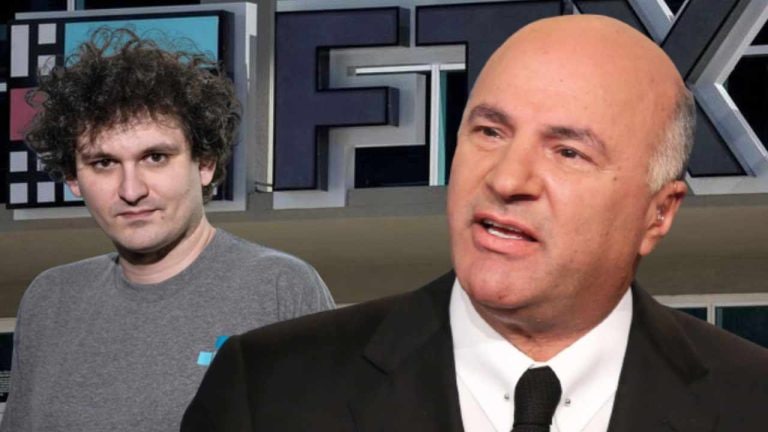
Shark Tank star Kevin O’Leary, aka Mr. Wonderful, has revealed that the collapsed crypto exchange FTX paid him about $15 million to become its spokesperson. “I put about $9.7 million into crypto. I think that’s what I lost. I don’t know. It’s all at zero,” O’Leary said.
Shark Tank star Kevin O’Leary revealed in an interview with CNBC Thursday that the collapsed crypto exchange FTX paid him about $15 million last year to become its spokesperson.
Noting that he fell prey to “groupthink,” O’Leary detailed:
Total deal was just under $15 million, all in … I put about $9.7 million into crypto. I think that’s what I lost. I don’t know. It’s all at zero.
The Shark Tank star further revealed that he also had over $1 million of FTX equity, which is now rendered worthless due to the bankruptcy protection process. In addition, Mr. Wonderful explained that the balance of a little over $4 million was purportedly eaten up by taxation and agent fees. He admitted:
It was not a good investment.
FTX filed for bankruptcy on Nov. 11 and Sam Bankman-Fried (SBF) stepped down as the CEO. The company is now being investigated for mishandling customer funds. FTX’s new CEO, John Ray, told the bankruptcy court: “Never in my career have I seen such a complete failure of corporate controls and such a complete absence of trustworthy financial information as occurred here.”
Despite stating that he lost millions of dollars in the FTX collapse, O’Leary has insisted that Bankman-Fried is one of the best traders in the crypto space and that he would back him again if he has another venture. This has shocked the crypto industry since most people believe that Bankman-Fried is a fraud and a conman. Some have compared the FTX meltdown to Bernie Madoff’s Ponzi scheme.
Bankman-Fried has insisted that he did not knowingly commit fraud. Like O’Leary, billionaire hedge fund manager Bill Ackman similarly said he believes SBF was telling the truth. Mr. Wonderful also recently revealed that he almost secured $8 billion to save FTX before it collapsed and had to file for bankruptcy.
Shark Tank star Kevin O’Leary, aka Mr. Wonderful, has revealed that the collapsed crypto exchange FTX paid him about $15 million to become its spokesperson. “I put about $9.7 million into crypto. I think that’s what I lost. I don’t know. It’s all at zero,” O’Leary said.
Shark Tank star Kevin O’Leary revealed in an interview with CNBC Thursday that the collapsed crypto exchange FTX paid him about $15 million last year to become its spokesperson.
Noting that he fell prey to “groupthink,” O’Leary detailed:
Total deal was just under $15 million, all in … I put about $9.7 million into crypto. I think that’s what I lost. I don’t know. It’s all at zero.
The Shark Tank star further revealed that he also had over $1 million of FTX equity, which is now rendered worthless due to the bankruptcy protection process. In addition, Mr. Wonderful explained that the balance of a little over $4 million was purportedly eaten up by taxation and agent fees. He admitted:
It was not a good investment.
FTX filed for bankruptcy on Nov. 11 and Sam Bankman-Fried (SBF) stepped down as the CEO. The company is now being investigated for mishandling customer funds. FTX’s new CEO, John Ray, told the bankruptcy court: “Never in my career have I seen such a complete failure of corporate controls and such a complete absence of trustworthy financial information as occurred here.”
Despite stating that he lost millions of dollars in the FTX collapse, O’Leary has insisted that Bankman-Fried is one of the best traders in the crypto space and that he would back him again if he has another venture. This has shocked the crypto industry since most people believe that Bankman-Fried is a fraud and a conman. Some have compared the FTX meltdown to Bernie Madoff’s Ponzi scheme.
Bankman-Fried has insisted that he did not knowingly commit fraud. Like O’Leary, billionaire hedge fund manager Bill Ackman similarly said he believes SBF was telling the truth. Mr. Wonderful also recently revealed that he almost secured $8 billion to save FTX before it collapsed and had to file for bankruptcy.
Constant Blackouts Have Ruined Cryptocurrency Mining Investments in Cuba
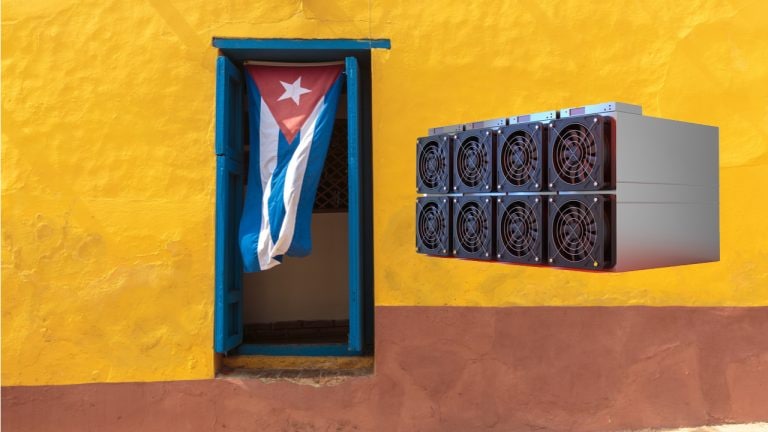
Several small investors have manifested that the constant blackouts in several parts of Cuba have made cryptocurrency mining unsustainable, leaving them unable to operate their rigs. The blackouts also affect telecommunications, leaving some of these operations that rely on off-grid power plants without the internet needed to complete mining tasks.
Cryptocurrency has reached a notable level of functionality in Cuba, as citizens use it as an alternative to getting services that they would be unable to get otherwise, including international shopping, mobile and internet top-up services, and even sending and receiving remittances. However, cryptocurrency mining is facing problems to reach the same level of popularity.
While crypto mining was once considered a smart investment by Cubans, this idea has been demolished by the current state of the Cuban power grid, which puts mining operations in jeopardy due to the constant blackouts the country is facing. Raydel González, a small cryptocurrency miner that built his own rig, explained to the local news site Cubanet the difficulties that a miner faces in the country today. He stated:
I, like many others, had invested a lot of money in cryptocurrency mining equipment that is not cheap. With the advent of blackouts, cryptocurrency mining in Cuba is unsustainable.
Other miners like Eduardo Gomez purchased power plants in order to keep their operations ongoing, but the scarcity of gas has also made it difficult for these operations that run on off-grid power to be sustainable. Gonez explained that he is still unable to bring revenue from an investment of $5,000.
But even miners that have managed to run their operations off-grid having secured a constant flow of gas to ruin their plants are being affected by the issue. This is because these blackouts are also affecting the local telecom grid, which cannot be operated with the limited plants that Etectsa, the local Cuban Telecom company leverages.
This problem was reported in June when officers of the company were already facing similar issues. At the time, an anonymous Etecsa worker stated:
Etecsa’s generators are running out of fuel to support so many hours of blackouts. The plants are not capable of generating all the energy necessary to keep so much equipment on for so long and that is why everything works incorrectly.
Several small investors have manifested that the constant blackouts in several parts of Cuba have made cryptocurrency mining unsustainable, leaving them unable to operate their rigs. The blackouts also affect telecommunications, leaving some of these operations that rely on off-grid power plants without the internet needed to complete mining tasks.
Cryptocurrency has reached a notable level of functionality in Cuba, as citizens use it as an alternative to getting services that they would be unable to get otherwise, including international shopping, mobile and internet top-up services, and even sending and receiving remittances. However, cryptocurrency mining is facing problems to reach the same level of popularity.
While crypto mining was once considered a smart investment by Cubans, this idea has been demolished by the current state of the Cuban power grid, which puts mining operations in jeopardy due to the constant blackouts the country is facing. Raydel González, a small cryptocurrency miner that built his own rig, explained to the local news site Cubanet the difficulties that a miner faces in the country today. He stated:
I, like many others, had invested a lot of money in cryptocurrency mining equipment that is not cheap. With the advent of blackouts, cryptocurrency mining in Cuba is unsustainable.
Other miners like Eduardo Gomez purchased power plants in order to keep their operations ongoing, but the scarcity of gas has also made it difficult for these operations that run on off-grid power to be sustainable. Gonez explained that he is still unable to bring revenue from an investment of $5,000.
But even miners that have managed to run their operations off-grid having secured a constant flow of gas to ruin their plants are being affected by the issue. This is because these blackouts are also affecting the local telecom grid, which cannot be operated with the limited plants that Etectsa, the local Cuban Telecom company leverages.
This problem was reported in June when officers of the company were already facing similar issues. At the time, an anonymous Etecsa worker stated:
Etecsa’s generators are running out of fuel to support so many hours of blackouts. The plants are not capable of generating all the energy necessary to keep so much equipment on for so long and that is why everything works incorrectly.
Federal Reserve Hikes Rate by 50bps, FOMC Signals Rate to Rise to 5.1% Next Year
The U.S. central bank’s Federal Open Market Committee (FOMC) convened on Wednesday and raised the federal funds rate by 50 basis points (bps). The 0.5 percentage point rise follows the four consecutive three-quarters of a point increases codified during the last few months. The FOMC’s rate hike follows the recent U.S. inflation report which indicated that consumer prices fell to 7.1%, which was lower than expectations.
Following the consumer price index (CPI) report published on Tuesday, members of the U.S. Federal Reserve met on Wednesday and announced a 50bps rate hike. The December increase is smaller than the last four three-quarters of a point (75bps) rate increases.
“The committee seeks to achieve maximum employment and inflation at the rate of 2 percent over the longer run,” the FOMC said. “In support of these goals, the committee decided to raise the target range for the federal funds rate to 4-1/4 to 4-1/2 percent.” The Fed is projecting an additional 75bps hike in the federal funds rate by the end of next year.
The news follows Tuesday’s CPI data that rose less than expected as metrics show the inflation rate in November was up 7.1% from a year ago. Core CPI jumped 0.2% on the month, the U.S. Bureau of Labor Statistics (BLS) noted. “Over the last 12 months, the all items index increased 7.1 percent before seasonal adjustment,” the BLS CPI report details. The FOMC report notes that the Fed will continue to monitor “incoming information for the economic outlook.”
“In addition, the committee will continue reducing its holdings of Treasury securities and agency debt and agency mortgage-backed securities, as described in the Plans for Reducing the Size of the Federal Reserve’s Balance Sheet that were issued in May,” the FOMC members disclosed. “The committee is strongly committed to returning inflation to its 2 percent objective,” the FOMC added. After the rate hike and the bank signaled more increases will be enacted, equity markets and precious metal prices tumbled.
Crypto prices dropped too, and the price of bitcoin (BTC) fell beneath the $18K zone after the FOMC statement. The Fed has codified a number of rate hikes this year with one half percentage point jump and four three-quarters of a point hikes, making it a grand total of five federal funds rate increases in 2022.
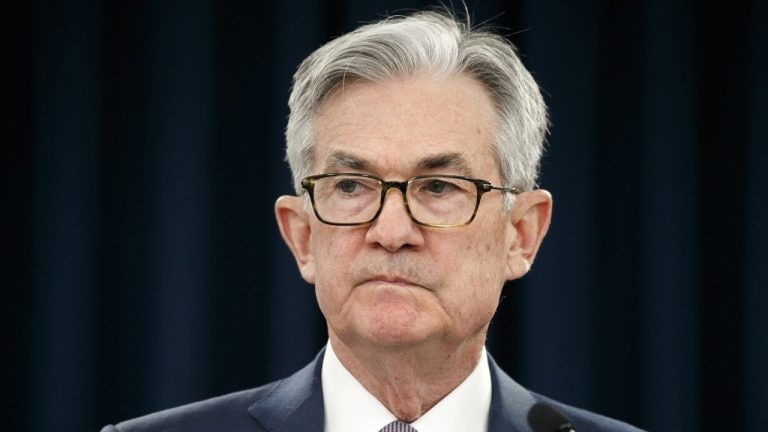
At the end of November, Federal Reserve chairman Jerome Powell hinted during a speech at the Brookings Institution in Washington that easing up on the rate hikes very well could happen in December. Powell has faced political pressure in regard to the rate hikes and Tesla’s Elon Musk has warned against the aggressive hikes in recent times.
“We have more work to do,” Powell told reporters on Wednesday afternoon, and he further noted that “inflation risks are to the upside.”
The U.S. central bank’s Federal Open Market Committee (FOMC) convened on Wednesday and raised the federal funds rate by 50 basis points (bps). The 0.5 percentage point rise follows the four consecutive three-quarters of a point increases codified during the last few months. The FOMC’s rate hike follows the recent U.S. inflation report which indicated that consumer prices fell to 7.1%, which was lower than expectations.
Following the consumer price index (CPI) report published on Tuesday, members of the U.S. Federal Reserve met on Wednesday and announced a 50bps rate hike. The December increase is smaller than the last four three-quarters of a point (75bps) rate increases.
“The committee seeks to achieve maximum employment and inflation at the rate of 2 percent over the longer run,” the FOMC said. “In support of these goals, the committee decided to raise the target range for the federal funds rate to 4-1/4 to 4-1/2 percent.” The Fed is projecting an additional 75bps hike in the federal funds rate by the end of next year.
The news follows Tuesday’s CPI data that rose less than expected as metrics show the inflation rate in November was up 7.1% from a year ago. Core CPI jumped 0.2% on the month, the U.S. Bureau of Labor Statistics (BLS) noted. “Over the last 12 months, the all items index increased 7.1 percent before seasonal adjustment,” the BLS CPI report details. The FOMC report notes that the Fed will continue to monitor “incoming information for the economic outlook.”
“In addition, the committee will continue reducing its holdings of Treasury securities and agency debt and agency mortgage-backed securities, as described in the Plans for Reducing the Size of the Federal Reserve’s Balance Sheet that were issued in May,” the FOMC members disclosed. “The committee is strongly committed to returning inflation to its 2 percent objective,” the FOMC added. After the rate hike and the bank signaled more increases will be enacted, equity markets and precious metal prices tumbled.
Crypto prices dropped too, and the price of bitcoin (BTC) fell beneath the $18K zone after the FOMC statement. The Fed has codified a number of rate hikes this year with one half percentage point jump and four three-quarters of a point hikes, making it a grand total of five federal funds rate increases in 2022.
At the end of November, Federal Reserve chairman Jerome Powell hinted during a speech at the Brookings Institution in Washington that easing up on the rate hikes very well could happen in December. Powell has faced political pressure in regard to the rate hikes and Tesla’s Elon Musk has warned against the aggressive hikes in recent times.
“We have more work to do,” Powell told reporters on Wednesday afternoon, and he further noted that “inflation risks are to the upside.”
🔥Bet Crypto on World Cup 2022 Qatar with 1xBit🔥
🇦🇷Argentina - 2.79x
🇫🇷France - 2.78x
The day has come. Two football giants made it to the Final match of the World Cup 2022. The probability of the victory of each team is high.
Will France defend their champion title or will Argentina win the World Cup for the first time in many years?
🏆Take part in TICKET RUSH - collect tickets and win up to 0.5 BTC🏆
Promocode - CRYPTOCUSH
#1xBit #WorldCup2022 #Crypto
🇦🇷Argentina - 2.79x
🇫🇷France - 2.78x
The day has come. Two football giants made it to the Final match of the World Cup 2022. The probability of the victory of each team is high.
Will France defend their champion title or will Argentina win the World Cup for the first time in many years?
🏆Take part in TICKET RUSH - collect tickets and win up to 0.5 BTC🏆
Promocode - CRYPTOCUSH
#1xBit #WorldCup2022 #Crypto
Hi guys! 👋
Let's remember a few basic elements of the rules: 📖
🔹 The game has 10 levels that open gradually, according to the schedule. As you play, levels open from the lowest (cheapest) to the highest. Each level is a separate structure.
🔹The two players behind you will pay you 74% each. For participation in the level, YOU WILL RECEIVE 148% 🌠
🔹Payouts can be endless, but after each payout you need to activate the level again
🔹By missing the time to buy a level you will lose the pace of the game ☝️
🔹Your 100% deposit goes to higher players. 74% goes as main income to players above and 25% goes to their referrals.
For more information on the rules of the game, follow our web 🌐 and learn in detail in full.
Web | Channel | Chat | Twitter
Let's remember a few basic elements of the rules: 📖
🔹 The game has 10 levels that open gradually, according to the schedule. As you play, levels open from the lowest (cheapest) to the highest. Each level is a separate structure.
🔹The two players behind you will pay you 74% each. For participation in the level, YOU WILL RECEIVE 148% 🌠
🔹Payouts can be endless, but after each payout you need to activate the level again
🔹By missing the time to buy a level you will lose the pace of the game ☝️
🔹Your 100% deposit goes to higher players. 74% goes as main income to players above and 25% goes to their referrals.
For more information on the rules of the game, follow our web 🌐 and learn in detail in full.
Web | Channel | Chat | Twitter
National Bank of Kazakhstan Publishes Whitepaper for Digital Tenge
The central bank of Kazakhstan has completed the second phase of testing for its digital currency and published a whitepaper. The studies carried out by the regulator on its introduction did not identify significant risks for the country’s financial stability and economy.
The National Bank of Kazakhstan (NBK) has announced the successful completion of the second stage of testing of the platform for its central bank digital currency (CBDC). The results of the trials and the study on the need for the new version of the national fiat, the tenge, have been presented in a whitepaper published by the regulator.
The first phase of the pilot was conducted between July and December, 2021, when a prototype was developed to examine the viability of the CBDC concept, detailed an announcement, quoted by RBC Crypto. During the second stage, from January to December, 2022, the platform was fine-tuned and trials started with financial market players and users.
According to the bank, the research has confirmed that the digital tenge is a feasible project. Once introduced, the CBDC can increase the availability of financial services, including through a feature allowing offline transactions as well as the offering of new products and services. A survey among consumers indicated the majority would use the coin.
The third phase of implementation of the digital national currency will commence in January and continue throughout 2023. Next year, developers plan to introduce a solution for commercial use. During the fourth stage, which is scheduled to end in December 2025, the NBK will invite more participants and launch additional services.
In October, Binance founder and CEO Changpeng Zhao announced on Twitter that the NBK plans to use the Bnb Chain for the deployment of the digital tenge. The world’s largest crypto trading platform was granted license to operate as a provider of exchange and custody services for digital assets out of the Astana International Financial Center (AIFC), the country’s financial hub.
Authorities in Kazakhstan, which became a major mining hub since China cracked down on the industry in 2021, have been also working to more comprehensively regulate crypto-related activities. Earlier in December, the lower house of parliament, the Mazhilis, passed a dedicated bill which, besides mining, addresses crypto trading and taxation.
The central bank of Kazakhstan has completed the second phase of testing for its digital currency and published a whitepaper. The studies carried out by the regulator on its introduction did not identify significant risks for the country’s financial stability and economy.
The National Bank of Kazakhstan (NBK) has announced the successful completion of the second stage of testing of the platform for its central bank digital currency (CBDC). The results of the trials and the study on the need for the new version of the national fiat, the tenge, have been presented in a whitepaper published by the regulator.
The first phase of the pilot was conducted between July and December, 2021, when a prototype was developed to examine the viability of the CBDC concept, detailed an announcement, quoted by RBC Crypto. During the second stage, from January to December, 2022, the platform was fine-tuned and trials started with financial market players and users.
According to the bank, the research has confirmed that the digital tenge is a feasible project. Once introduced, the CBDC can increase the availability of financial services, including through a feature allowing offline transactions as well as the offering of new products and services. A survey among consumers indicated the majority would use the coin.
The third phase of implementation of the digital national currency will commence in January and continue throughout 2023. Next year, developers plan to introduce a solution for commercial use. During the fourth stage, which is scheduled to end in December 2025, the NBK will invite more participants and launch additional services.
In October, Binance founder and CEO Changpeng Zhao announced on Twitter that the NBK plans to use the Bnb Chain for the deployment of the digital tenge. The world’s largest crypto trading platform was granted license to operate as a provider of exchange and custody services for digital assets out of the Astana International Financial Center (AIFC), the country’s financial hub.
Authorities in Kazakhstan, which became a major mining hub since China cracked down on the industry in 2021, have been also working to more comprehensively regulate crypto-related activities. Earlier in December, the lower house of parliament, the Mazhilis, passed a dedicated bill which, besides mining, addresses crypto trading and taxation.
Payments Giant Visa Proposes Using Ethereum L2 Starknet to Bolster Auto Payments for Self-Custodial Wallets
Visa, the financial services corporation headquartered in San Francisco, California, published a blog post that talks about leveraging ethereum and the layer two (L2) scaling solution Starknet so people with self-custodial wallets can pay their bills. The blog post notes that while Ethereum doesnt support account abstraction or delegable accounts, the financial services company implemented a delegable accounts solution on Starknet, the L2 blockchain network.
On Dec. 19, 2022, Visa’s Crypto Thought Leadership blog published a post written by Andrew Beams, Catherine Gu, Srini Raghuraman, Mohsen Minaei, and Ranjit Kumaresan. Visa’s subject brief is about “auto payments for self-custodial wallets,” and Visa shows that it is possible to leverage Ethereum to execute auto-payments from a self-custodial wallet solution. However, the concept utilizes account abstraction, a feature that Ethereum core developers are currently debating.
“Account abstraction (AA) is a proposal that attempts to combine user accounts and smart contracts into just one Ethereum account type by making user accounts function like smart contracts,” the Visa blog post details.
In order to bypass the issue that AA is currently not feasible using Ethereum’s layer one (L1), Visa crypto researchers have summarized how they can accomplish auto payments for self-custodial wallets with AA via the L2 scaling solution Starknet. “With Starknet’s account model, we were able to implement our delegable accounts solution thus enabling auto payments for self-custodial wallets,” Visa explained. The company’s blog post adds:
We see auto payments as a core functionality that existing blockchain infrastructure lacks.
The Visa blog post on the subject originally stems from a research paper that was published in Aug. 2022. The news follows Visa filing trademark applications at the end of Oct. 2022 and the trademarks covered a broad range of crypto products including a wallet. Being one of the world’s largest payment networks, Visa said the firm wants to help “make money and payments programmable.”
In addition to Visa, the second-largest payment-processing corporation worldwide and Visa’s competitor, Mastercard, is also working to make cryptocurrency solutions more accessible. During the first week of Nov. 2022, Mastercard said: “We’re welcoming a new cohort of startups to ease access to digital assets, build communities for creators and empower people to innovate for the future through Web3 technologies.”
Visa’s statements are akin to the same ideas and the auto-payments from a self-custodial wallet solution could provide a myriad of concepts. “We shared a novel solution that leverages the concept of account abstraction to provide self-custodial wallets with automatic recurring payments capability,” Visa’s blog post concludes. “Using the approach we have introduced, other real-world applications beyond recurring payments could be brought to the blockchain.”
Visa, the financial services corporation headquartered in San Francisco, California, published a blog post that talks about leveraging ethereum and the layer two (L2) scaling solution Starknet so people with self-custodial wallets can pay their bills. The blog post notes that while Ethereum doesnt support account abstraction or delegable accounts, the financial services company implemented a delegable accounts solution on Starknet, the L2 blockchain network.
On Dec. 19, 2022, Visa’s Crypto Thought Leadership blog published a post written by Andrew Beams, Catherine Gu, Srini Raghuraman, Mohsen Minaei, and Ranjit Kumaresan. Visa’s subject brief is about “auto payments for self-custodial wallets,” and Visa shows that it is possible to leverage Ethereum to execute auto-payments from a self-custodial wallet solution. However, the concept utilizes account abstraction, a feature that Ethereum core developers are currently debating.
“Account abstraction (AA) is a proposal that attempts to combine user accounts and smart contracts into just one Ethereum account type by making user accounts function like smart contracts,” the Visa blog post details.
In order to bypass the issue that AA is currently not feasible using Ethereum’s layer one (L1), Visa crypto researchers have summarized how they can accomplish auto payments for self-custodial wallets with AA via the L2 scaling solution Starknet. “With Starknet’s account model, we were able to implement our delegable accounts solution thus enabling auto payments for self-custodial wallets,” Visa explained. The company’s blog post adds:
We see auto payments as a core functionality that existing blockchain infrastructure lacks.
The Visa blog post on the subject originally stems from a research paper that was published in Aug. 2022. The news follows Visa filing trademark applications at the end of Oct. 2022 and the trademarks covered a broad range of crypto products including a wallet. Being one of the world’s largest payment networks, Visa said the firm wants to help “make money and payments programmable.”
In addition to Visa, the second-largest payment-processing corporation worldwide and Visa’s competitor, Mastercard, is also working to make cryptocurrency solutions more accessible. During the first week of Nov. 2022, Mastercard said: “We’re welcoming a new cohort of startups to ease access to digital assets, build communities for creators and empower people to innovate for the future through Web3 technologies.”
Visa’s statements are akin to the same ideas and the auto-payments from a self-custodial wallet solution could provide a myriad of concepts. “We shared a novel solution that leverages the concept of account abstraction to provide self-custodial wallets with automatic recurring payments capability,” Visa’s blog post concludes. “Using the approach we have introduced, other real-world applications beyond recurring payments could be brought to the blockchain.”
Russian Parliament Postpones Adoption of Crypto Mining Bill
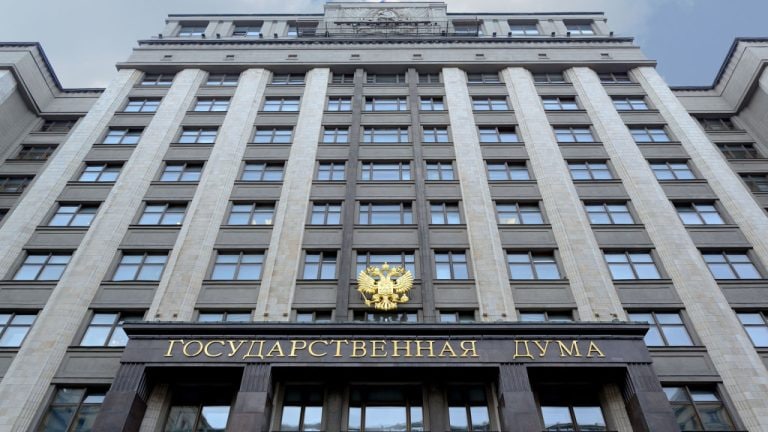
Russian lawmakers will consider a draft law on cryptocurrency mining in 2023 despite earlier indications they were going to vote on the proposal in December. The bill is expected to set the rules for the extraction and sale of cryptocurrency in Russia amid sanctions limiting the country’s access to global finances and markets.
Members of the State Duma will review and vote on the draft law designed to legalize cryptocurrency mining in the Russian Federation in 2023, the head of the Financial Market Committee Anatoly Aksakov announced in comments for the crypto section of the business news portal RBC.
The high-ranking lawmaker, who has been closely involved in efforts to regulate Russia’s crypto space, explained that the proposed legislation needs additional approvals. He was likely referring to the reconciliation of the positions of the various regulators involved in the process.
The bill, which was submitted to the lower house of Russian parliament in November, introduces amendments to the existing law “On Digital Financial Assets.” The latter went into force in January of 2021 and only partially regulated crypto-related activities.
Mining, for which Russia has certain competitive advantages like low-cost power and a cool climate, has been expanding as an industry and spreading as an additional income source for many amateur miners, especially in the country’s energy-rich regions.
Throughout this year, Russian government institutions have been mulling over how to expand the current regulatory framework to cover operations with cryptocurrencies. While most officials remain opposed to allowing the free circulation of bitcoin and the like inside Russia, their use in cross-border payments amid financial restrictions imposed over the war in Ukraine has gained significant support. Sanctions have affected the mining sector, too.
The mining law was initially rejected by the legal department of the Duma which insisted that the draft should first be coordinated with the Bank of Russia. The central bank, which has maintained a hardline stance on crypto, later supported the document under the condition that the minted coins will either be sold abroad or exchanged to fiat only under special legal regimes in Russia.
In mid-December, Aksakov’s committee considered the bill and proposed its adoption on first reading before the end of the fall session. The establishment of the “experimental legal regimes” proposed by the Bank of Russia should be regulated with a separate bill which also had to be filed with the Duma this year. Aksakov added that this piece of legislation needs to be approved as well.
Russian lawmakers will consider a draft law on cryptocurrency mining in 2023 despite earlier indications they were going to vote on the proposal in December. The bill is expected to set the rules for the extraction and sale of cryptocurrency in Russia amid sanctions limiting the country’s access to global finances and markets.
Members of the State Duma will review and vote on the draft law designed to legalize cryptocurrency mining in the Russian Federation in 2023, the head of the Financial Market Committee Anatoly Aksakov announced in comments for the crypto section of the business news portal RBC.
The high-ranking lawmaker, who has been closely involved in efforts to regulate Russia’s crypto space, explained that the proposed legislation needs additional approvals. He was likely referring to the reconciliation of the positions of the various regulators involved in the process.
The bill, which was submitted to the lower house of Russian parliament in November, introduces amendments to the existing law “On Digital Financial Assets.” The latter went into force in January of 2021 and only partially regulated crypto-related activities.
Mining, for which Russia has certain competitive advantages like low-cost power and a cool climate, has been expanding as an industry and spreading as an additional income source for many amateur miners, especially in the country’s energy-rich regions.
Throughout this year, Russian government institutions have been mulling over how to expand the current regulatory framework to cover operations with cryptocurrencies. While most officials remain opposed to allowing the free circulation of bitcoin and the like inside Russia, their use in cross-border payments amid financial restrictions imposed over the war in Ukraine has gained significant support. Sanctions have affected the mining sector, too.
The mining law was initially rejected by the legal department of the Duma which insisted that the draft should first be coordinated with the Bank of Russia. The central bank, which has maintained a hardline stance on crypto, later supported the document under the condition that the minted coins will either be sold abroad or exchanged to fiat only under special legal regimes in Russia.
In mid-December, Aksakov’s committee considered the bill and proposed its adoption on first reading before the end of the fall session. The establishment of the “experimental legal regimes” proposed by the Bank of Russia should be regulated with a separate bill which also had to be filed with the Duma this year. Aksakov added that this piece of legislation needs to be approved as well.
Craig Wright Calls XRP ‘Useless Pump And Dump Scheme’, Ripple CTO Hits back
David Schwartz, Ripple CTO and Craig Wright, self proclaimed Bitcoin creator got into a war of words over BTC adoption by institutional investors.
However, this heated conversation took a wrong turn toward the XRP token and its utility.
https://coingape.com/xrp-news-craig-wright-calls-xrp-useless-pump-dump-scheme-ripple-cto-hits-back/?sd
David Schwartz, Ripple CTO and Craig Wright, self proclaimed Bitcoin creator got into a war of words over BTC adoption by institutional investors.
However, this heated conversation took a wrong turn toward the XRP token and its utility.
https://coingape.com/xrp-news-craig-wright-calls-xrp-useless-pump-dump-scheme-ripple-cto-hits-back/?sd
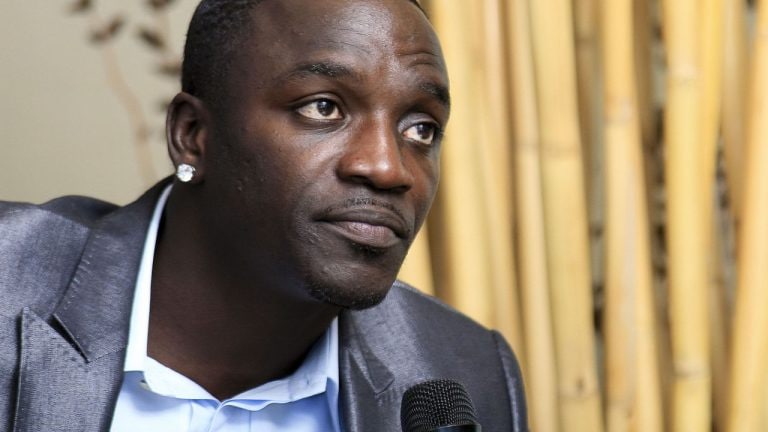
Report: R&B Artist Akon Denies Claims His Crypto City Dream Is Crumbling
Senegalese-American artist, Akon, reportedly reassured participants in his so-called token of appreciation (TOA) that they will be reimbursed for donations. To back this promise, the singer reportedly claimed he is even willing to do “a world tour just to pay them all back.” Akon, however, conceded during an interview that he should “have gotten more things in place before promoting it [Akon City].”
Rhythm and blues (R&B) singer and music producer, Akon, reportedly promised to reimburse disillusioned supporters who have been waiting for refunds from his token of appreciation (TOA) campaign. The Senegalese-American artist also told TOA holders that he is prepared to use his own funds to ensure this promise is honored.
“I’m dead serious. I would do a world tour just to pay them all back,” the award-winning artist reportedly said.
Launched in 2019, Akon’s TOA was given to his early financial backers. The TOA was not only a precursor to the akoin cryptocurrency but it also reportedly gave supporters an opportunity to acquire the crypto. However, after more than two years of waiting, some early backers have lost faith and are now asking for refunds.
Although he seemingly acknowledged that some supporters have lost faith in the project, Akon suggested during an interview with the BBC that his ambitious but much-delayed mega-construction project — Akon City — is still on track. As reported by Bitcoin News, construction of the initial phase of the singer’s “futuristic cryptocurrency-themed city” was expected to commence sometime in the second half of 2020.
Following the announcement of the singer’s reported multibillion-dollar project, Akon’s team revealed that the initial phase, which included the construction of hotels, a school, a waste facility, and a solar power plant, would be complete by the end of 2023. However, according to the BBC report, the site of Akon’s mega city has now become grazing land for goats.
During the interview, Akon — who blames the Covid-19 pandemic for causing the delay — conceded that he should “have gotten more things in place before promoting it.” The singer is nevertheless adamant that his project, which has been “co-signed by the current [Senegalese] president” is still alive.
“I plan to retire in that city. I don’t like to use the word the king of the city. But that’s what it will turn out to be,” Akon reportedly said.
During the interview, the R&B singer was also asked to respond to investor concerns about the legality of using a cryptocurrency in a jurisdiction regulated by the Central Bank of West African States (BCEAO). He said.
I want to make sure that however we involve crypto within the city is in a way that it lines up with all the rules and regulations.
As explained in the BBC report, the BCEAO has not only warned of the dangers of using crypto but has reportedly called it illegal.
Meanwhile, when asked if the akoin cryptocurrency is still the preferred medium of exchange in the envisaged city, Akon promised to have this “figured out by the time the city’s up, that’s for sure.”
Senegalese-American artist, Akon, reportedly reassured participants in his so-called token of appreciation (TOA) that they will be reimbursed for donations. To back this promise, the singer reportedly claimed he is even willing to do “a world tour just to pay them all back.” Akon, however, conceded during an interview that he should “have gotten more things in place before promoting it [Akon City].”
Rhythm and blues (R&B) singer and music producer, Akon, reportedly promised to reimburse disillusioned supporters who have been waiting for refunds from his token of appreciation (TOA) campaign. The Senegalese-American artist also told TOA holders that he is prepared to use his own funds to ensure this promise is honored.
“I’m dead serious. I would do a world tour just to pay them all back,” the award-winning artist reportedly said.
Launched in 2019, Akon’s TOA was given to his early financial backers. The TOA was not only a precursor to the akoin cryptocurrency but it also reportedly gave supporters an opportunity to acquire the crypto. However, after more than two years of waiting, some early backers have lost faith and are now asking for refunds.
Although he seemingly acknowledged that some supporters have lost faith in the project, Akon suggested during an interview with the BBC that his ambitious but much-delayed mega-construction project — Akon City — is still on track. As reported by Bitcoin News, construction of the initial phase of the singer’s “futuristic cryptocurrency-themed city” was expected to commence sometime in the second half of 2020.
Following the announcement of the singer’s reported multibillion-dollar project, Akon’s team revealed that the initial phase, which included the construction of hotels, a school, a waste facility, and a solar power plant, would be complete by the end of 2023. However, according to the BBC report, the site of Akon’s mega city has now become grazing land for goats.
During the interview, Akon — who blames the Covid-19 pandemic for causing the delay — conceded that he should “have gotten more things in place before promoting it.” The singer is nevertheless adamant that his project, which has been “co-signed by the current [Senegalese] president” is still alive.
“I plan to retire in that city. I don’t like to use the word the king of the city. But that’s what it will turn out to be,” Akon reportedly said.
During the interview, the R&B singer was also asked to respond to investor concerns about the legality of using a cryptocurrency in a jurisdiction regulated by the Central Bank of West African States (BCEAO). He said.
I want to make sure that however we involve crypto within the city is in a way that it lines up with all the rules and regulations.
As explained in the BBC report, the BCEAO has not only warned of the dangers of using crypto but has reportedly called it illegal.
Meanwhile, when asked if the akoin cryptocurrency is still the preferred medium of exchange in the envisaged city, Akon promised to have this “figured out by the time the city’s up, that’s for sure.”