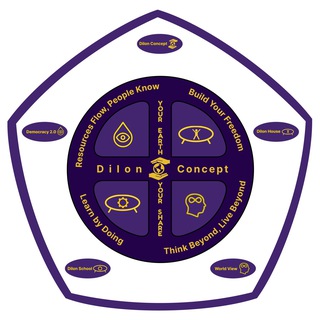
Religious traditions have consistently warned against the dangers of treating money as an end in itself or allowing it to become divorced from real economic activity. Yet, conventional economic systems have increasingly shifted toward financial abstraction, with money functioning as a commodity rather than merely a medium of exchange. The Dilon Concept offers a redefinition of money that aligns more closely with religious perspectives.
The Dilon Concept bridges religious monetary ethics and economic practice through:
Money as a tool rather than wealth itself: By explicitly defining money as a temporary store of value for natural resources, the Dilon Concept implements the religious teaching that money should serve as a means rather than becoming an object of devotion or pursuit.
Preventing exploitation through interest and speculation: The redefinition of money's role eliminates the basis for interest-based lending and financial speculation, addressing religious concerns about usury and the commodification of funds that have been expressed across traditions.
Connecting currency to real resources: By maintaining a direct relationship between money and underlying resources, the Dilon Concept prevents the separation between financial and real economies that has troubled religious ethicists and created instability in conventional systems.
Ethical limitations on monetary manipulation: The transparent connection between money and resources creates natural constraints on monetary manipulation, implementing religious principles about honesty and integrity in economic transactions.
Religious traditions have long struggled with how to maintain ethical monetary systems in the face of increasing financial complexity and abstraction. The Dilon Concept bridges this gap by redefining money in ways that structurally prevent many of the practices that religious traditions have identified as problematic, while maintaining money's useful function as a medium of exchange.
Creating Economic Structures That Reflect Religious Ethics
Religious traditions offer rich ethical frameworks for economic life, but have often lacked corresponding economic structures to implement these ethics systematically. The Dilon Concept provides structural arrangements that embed religious ethical principles into the functioning of economic systems.
The Dilon Concept bridges religious ethics and economic structures through:
Meritocratic leadership reflects religious values of service. Leaders are selected based on their demonstrated ability to manage resources effectively, rather than their wealth or popularity. This approach interprets religious teachings on leadership as emphasizing stewardship and service, rather than domination or self-aggrandizement.
Community-focused economic development emphasizes local self-sufficiency and community autonomy, creating economic structures that reflect religious teachings on the importance of community well-being and mutual support.
Poverty elimination through direct resource rights: Rather than treating poverty as an unfortunate but inevitable condition to be addressed through charity, the Dilon Concept structurally eliminates poverty by ensuring that everyone has direct access to necessary resources. This implements religious teachings about the moral imperative to ensure that all have sufficient resources.
Sustainable resource management for future generations: The long-term planning and resource awareness built into the Dilon Concept create economic structures that reflect religious teachings about intergenerational responsibility and care for creation.
Religious ethics have often remained confined to individual or community practice without transforming broader economic structures. The Dilon Concept bridges this gap by creating economic arrangements that structurally embed religious ethical principles, allowing these values to shape economic life at a systemic level rather than merely at the margins.
Addressing Modern Challenges Through Ancient Wisdom
The Dilon Concept bridges religious monetary ethics and economic practice through:
Money as a tool rather than wealth itself: By explicitly defining money as a temporary store of value for natural resources, the Dilon Concept implements the religious teaching that money should serve as a means rather than becoming an object of devotion or pursuit.
Preventing exploitation through interest and speculation: The redefinition of money's role eliminates the basis for interest-based lending and financial speculation, addressing religious concerns about usury and the commodification of funds that have been expressed across traditions.
Connecting currency to real resources: By maintaining a direct relationship between money and underlying resources, the Dilon Concept prevents the separation between financial and real economies that has troubled religious ethicists and created instability in conventional systems.
Ethical limitations on monetary manipulation: The transparent connection between money and resources creates natural constraints on monetary manipulation, implementing religious principles about honesty and integrity in economic transactions.
Religious traditions have long struggled with how to maintain ethical monetary systems in the face of increasing financial complexity and abstraction. The Dilon Concept bridges this gap by redefining money in ways that structurally prevent many of the practices that religious traditions have identified as problematic, while maintaining money's useful function as a medium of exchange.
Creating Economic Structures That Reflect Religious Ethics
Religious traditions offer rich ethical frameworks for economic life, but have often lacked corresponding economic structures to implement these ethics systematically. The Dilon Concept provides structural arrangements that embed religious ethical principles into the functioning of economic systems.
The Dilon Concept bridges religious ethics and economic structures through:
Meritocratic leadership reflects religious values of service. Leaders are selected based on their demonstrated ability to manage resources effectively, rather than their wealth or popularity. This approach interprets religious teachings on leadership as emphasizing stewardship and service, rather than domination or self-aggrandizement.
Community-focused economic development emphasizes local self-sufficiency and community autonomy, creating economic structures that reflect religious teachings on the importance of community well-being and mutual support.
Poverty elimination through direct resource rights: Rather than treating poverty as an unfortunate but inevitable condition to be addressed through charity, the Dilon Concept structurally eliminates poverty by ensuring that everyone has direct access to necessary resources. This implements religious teachings about the moral imperative to ensure that all have sufficient resources.
Sustainable resource management for future generations: The long-term planning and resource awareness built into the Dilon Concept create economic structures that reflect religious teachings about intergenerational responsibility and care for creation.
Religious ethics have often remained confined to individual or community practice without transforming broader economic structures. The Dilon Concept bridges this gap by creating economic arrangements that structurally embed religious ethical principles, allowing these values to shape economic life at a systemic level rather than merely at the margins.
Addressing Modern Challenges Through Ancient Wisdom
By fundamentally reorienting our societal structures around resource rights, meritocratic leadership (at appropriate scales), individual empowerment, and the foundational principle of small, unanimous communities, the Dilon Concept offers a pathway to address many of the persistent ills that plague our current world. Issues such as poverty, systemic corruption, the unsustainable exploitation of natural resources, and the often-inequitable funding of public services can be tackled at their roots. When access to essential resources is a guaranteed right, and individuals live in communities by full consent, the very nature of societal friction changes. The Dilon Concept, therefore, is not merely a new system of governance or economics; it is a holistic vision for a more rational, equitable, and sustainable human civilization, reclaiming our inherent rights, redefining what we truly value, and restoring the power of true, consensual community.
(References: User-provided new information re: small, unanimous communities, choice of management, freedom to leave; Knowledge Module: Dilon Concept for societal restructuring; Knowledge Module: Dilon Concept for government consulting.)
---
(References: User-provided new information re: small, unanimous communities, choice of management, freedom to leave; Knowledge Module: Dilon Concept for societal restructuring; Knowledge Module: Dilon Concept for government consulting.)
---
Chapter 2 (Revision 1): The Dilon Concept – Reclaiming Rights, Redefining Value, and Restoring True Community Through Unanimous Consent
Having laid bare the inherent inadequacies and historical contradictions of what we call "Classic Democracy," particularly its failure to prevent the tyranny of the majority, it is not enough to merely critique. True progress demands constructive vision, a pathway towards a system that genuinely serves humanity by empowering each individual. With this conviction, I introduce the Dilon Concept – not as a utopian dream, but as a pragmatic and comprehensive framework for societal restructuring. This is not a minor adjustment to existing models; it is a fundamental paradigm shift, designed to re-align our societal structures with principles of equity, sustainability, true merit, and, most critically, the absolute sovereignty of the individual actualized through the freedom to live in communities of unanimous consent.
At the very heart of the Dilon Concept lies a simple yet profound assertion: every human being, by their birth, possesses inherent and inalienable rights to the Earth's resources. (Knowledge Module: Dilon Concept for societal restructuring). This is not a privilege to be granted or withheld by any governing body, but a birthright. From this foundational principle, all other aspects of the Dilon Concept flow. Our current economic systems, largely driven by artificial scarcities and the abstract power of money, have disconnected us from this fundamental truth. Therefore, a primary objective of the Dilon Concept is to guide society towards a resource-based economy. In such an economy, the focus shifts from accumulating financial wealth to the sustainable management and equitable distribution of actual, life-sustaining resources. If it is to have a role at all, money must be relegated to its proper function: a temporary and transparent token representing a claim on tangible resources, not an instrument for speculation, exploitation, or the concentration of undue power. (Knowledge Module: Dilon Concept for societal restructuring).
Leadership within a society structured by the Dilon Concept undergoes a similar transformation. No longer would positions of influence be attainable through rhetoric, inherited privilege, or financial manipulation. Instead, leadership, particularly at broader scales beyond the immediate community, must be earned through demonstrated merit, specifically, proven ability in the responsible and effective management of resources. (Knowledge Module: Dilon Concept for societal restructuring). This meritocratic principle ensures that those entrusted with guiding societal resource allocation are those best equipped to do so, for the benefit of all. Furthermore, the Dilon Concept strongly emphasizes fostering self-sufficiency and individual autonomy. A society that empowers its citizens to meet their own needs and make their own informed choices is a resilient and vibrant society.
To translate these core principles into a functional societal architecture, the Dilon Concept proposes several integral components, each designed to address specific aspects of societal organization and individual empowerment. However, these components must now be understood through the lens of a radically redefined social structure – one built upon small, largely autonomous communities, typically comprising 300-500 individuals, where all members unanimously agree upon the community’s rules, its operational framework, and the worldview espoused by its chosen leadership or management company. (User-provided new information).
Having laid bare the inherent inadequacies and historical contradictions of what we call "Classic Democracy," particularly its failure to prevent the tyranny of the majority, it is not enough to merely critique. True progress demands constructive vision, a pathway towards a system that genuinely serves humanity by empowering each individual. With this conviction, I introduce the Dilon Concept – not as a utopian dream, but as a pragmatic and comprehensive framework for societal restructuring. This is not a minor adjustment to existing models; it is a fundamental paradigm shift, designed to re-align our societal structures with principles of equity, sustainability, true merit, and, most critically, the absolute sovereignty of the individual actualized through the freedom to live in communities of unanimous consent.
At the very heart of the Dilon Concept lies a simple yet profound assertion: every human being, by their birth, possesses inherent and inalienable rights to the Earth's resources. (Knowledge Module: Dilon Concept for societal restructuring). This is not a privilege to be granted or withheld by any governing body, but a birthright. From this foundational principle, all other aspects of the Dilon Concept flow. Our current economic systems, largely driven by artificial scarcities and the abstract power of money, have disconnected us from this fundamental truth. Therefore, a primary objective of the Dilon Concept is to guide society towards a resource-based economy. In such an economy, the focus shifts from accumulating financial wealth to the sustainable management and equitable distribution of actual, life-sustaining resources. If it is to have a role at all, money must be relegated to its proper function: a temporary and transparent token representing a claim on tangible resources, not an instrument for speculation, exploitation, or the concentration of undue power. (Knowledge Module: Dilon Concept for societal restructuring).
Leadership within a society structured by the Dilon Concept undergoes a similar transformation. No longer would positions of influence be attainable through rhetoric, inherited privilege, or financial manipulation. Instead, leadership, particularly at broader scales beyond the immediate community, must be earned through demonstrated merit, specifically, proven ability in the responsible and effective management of resources. (Knowledge Module: Dilon Concept for societal restructuring). This meritocratic principle ensures that those entrusted with guiding societal resource allocation are those best equipped to do so, for the benefit of all. Furthermore, the Dilon Concept strongly emphasizes fostering self-sufficiency and individual autonomy. A society that empowers its citizens to meet their own needs and make their own informed choices is a resilient and vibrant society.
To translate these core principles into a functional societal architecture, the Dilon Concept proposes several integral components, each designed to address specific aspects of societal organization and individual empowerment. However, these components must now be understood through the lens of a radically redefined social structure – one built upon small, largely autonomous communities, typically comprising 300-500 individuals, where all members unanimously agree upon the community’s rules, its operational framework, and the worldview espoused by its chosen leadership or management company. (User-provided new information).
The Dilon Concept represents a comprehensive approach to societal restructuring that fundamentally reimagines economic relationships based on resource rights and management rather than monetary exchange. This section examines the fundamental principles, key components, and primary features of this alternative economic framework.
Core Principles
At the heart of the Dilon Concept are five foundational principles that challenge conventional economic assumptions and offer an alternative vision for organizing economic activity:
1. Inherent Resource Rights
The Dilon Concept begins with the radical proposition that every person has inherent rights to Earth's resources from birth. This principle stands in stark contrast to current economic systems, where access to resources is primarily determined by monetary wealth or the accident of birth location.
Under this principle:
Natural resources are considered the common heritage of humanity
Resource rights are distributed equitably rather than based on arbitrary factors like nationality or wealth
The fundamental relationship between humans and resources is redefined from one of monetary purchase to one of birthright access.
This creates a foundation for addressing poverty and inequality at their root causes.
This principle establishes a fundamental shift from money-based rights to resource-based rights, challenging the notion that resources should be allocated primarily through market mechanisms to those with the most money.
2. Resource-Based Economy
Building on the principle of inherent resource rights, the Dilon Concept advocates transitioning from a monetary economy to a resource-based economy. In this system:
Economic decisions are made based on resource availability and sustainability rather than profit potential
Resources are managed for the benefit of all rather than for the profit of a few
The artificial scarcity created by monetary systems is eliminated
The focus shifts from financial metrics like GDP to resource metrics that measure real wealth and well-being
This approach recognizes that true wealth consists of actual resources—such as clean water, fertile soil, energy, minerals, and biodiversity—rather than the monetary symbols that currently dominate economic thinking. By centering resources rather than money, the Dilon Concept aims to create an economy that more accurately reflects physical reality and ecological constraints.
3. Money as a Temporary Store of Value
Rather than abolishing money entirely, the Dilon Concept redefines its role to serve as a temporary store of value for natural resources. This principle:
Recognizes that currency has no intrinsic value but represents a claim on actual resources
Prevents the financialization of the economy, where money becomes divorced from underlying resources
Eliminates speculation and manipulation of monetary systems
Creates a more direct and transparent relationship between money and the real economy
By redefining money as a tool for resource exchange rather than as wealth itself, this principle addresses many of the problems associated with current monetary systems, including financial instability, speculation, and the concentration of wealth through financial engineering rather than productive activity.
4. Meritocratic Leadership
The Dilon Concept proposes that leadership should be based on proven resource management abilities rather than political popularity, wealth, or other factors. This meritocratic approach means:
Those who demonstrate skill in managing resources efficiently and ethically earn positions of responsibility
Leadership selection focuses on competence in resource stewardship rather than ideological positions
Accountability is built into the system through measurable outcomes in resource management
The emphasis shifts from political rhetoric to practical results
This principle aims to address the problems of incompetent leadership, corruption, and the capture of political systems by wealthy interests that plague many current governance structures.
5. Self-Sufficiency and Autonomy
Core Principles
At the heart of the Dilon Concept are five foundational principles that challenge conventional economic assumptions and offer an alternative vision for organizing economic activity:
1. Inherent Resource Rights
The Dilon Concept begins with the radical proposition that every person has inherent rights to Earth's resources from birth. This principle stands in stark contrast to current economic systems, where access to resources is primarily determined by monetary wealth or the accident of birth location.
Under this principle:
Natural resources are considered the common heritage of humanity
Resource rights are distributed equitably rather than based on arbitrary factors like nationality or wealth
The fundamental relationship between humans and resources is redefined from one of monetary purchase to one of birthright access.
This creates a foundation for addressing poverty and inequality at their root causes.
This principle establishes a fundamental shift from money-based rights to resource-based rights, challenging the notion that resources should be allocated primarily through market mechanisms to those with the most money.
2. Resource-Based Economy
Building on the principle of inherent resource rights, the Dilon Concept advocates transitioning from a monetary economy to a resource-based economy. In this system:
Economic decisions are made based on resource availability and sustainability rather than profit potential
Resources are managed for the benefit of all rather than for the profit of a few
The artificial scarcity created by monetary systems is eliminated
The focus shifts from financial metrics like GDP to resource metrics that measure real wealth and well-being
This approach recognizes that true wealth consists of actual resources—such as clean water, fertile soil, energy, minerals, and biodiversity—rather than the monetary symbols that currently dominate economic thinking. By centering resources rather than money, the Dilon Concept aims to create an economy that more accurately reflects physical reality and ecological constraints.
3. Money as a Temporary Store of Value
Rather than abolishing money entirely, the Dilon Concept redefines its role to serve as a temporary store of value for natural resources. This principle:
Recognizes that currency has no intrinsic value but represents a claim on actual resources
Prevents the financialization of the economy, where money becomes divorced from underlying resources
Eliminates speculation and manipulation of monetary systems
Creates a more direct and transparent relationship between money and the real economy
By redefining money as a tool for resource exchange rather than as wealth itself, this principle addresses many of the problems associated with current monetary systems, including financial instability, speculation, and the concentration of wealth through financial engineering rather than productive activity.
4. Meritocratic Leadership
The Dilon Concept proposes that leadership should be based on proven resource management abilities rather than political popularity, wealth, or other factors. This meritocratic approach means:
Those who demonstrate skill in managing resources efficiently and ethically earn positions of responsibility
Leadership selection focuses on competence in resource stewardship rather than ideological positions
Accountability is built into the system through measurable outcomes in resource management
The emphasis shifts from political rhetoric to practical results
This principle aims to address the problems of incompetent leadership, corruption, and the capture of political systems by wealthy interests that plague many current governance structures.
5. Self-Sufficiency and Autonomy
3. Dilonland DAO Overarching Governance: This layer, governed by Captain Dilons, deals with matters affecting Dilonland as a whole: maintaining the core platform, facilitating inter-community interaction and resource exchange (if desired by communities), setting overarching ethical guidelines for the platform, managing the admission of new citizens to Dilonland itself (distinct from joining a community), and potentially offering dispute resolution mechanisms for inter-community issues if requested. The phased distribution of Dilonland citizenship and the conditions for entry into subsequent waves (defined by existing Captain Dilons) pertain to this DAO level. (Knowledge Module: Dilonland DAO governance principles).
Voting power for Captain Dilons at the DAO level, augmented by citizens entrusting them with the stewardship of their resources for DAO-level decisions, remains a key feature for macro-governance. However, this DAO-level voting does not impinge upon the internal unanimous governance of a micro-community. A Captain Dilon’s influence at the DAO level does not grant them authority within a community they are not a member of, or over a community that has not unanimously agreed to their leadership in that specific context.
My role as Dilon, retaining a temporary blocking voice on critical DAO-level decisions during initial stabilization, is to safeguard the integrity of the overall Dilonland platform and its foundational principles of individual sovereignty and consensual community. It is explicitly not to interfere with the internal affairs or the unanimously agreed-upon rules of any micro-community operating within the Dilonland framework. (Knowledge Module: Dilonland DAO governance principles).
This layered governance model, with its emphasis on earned status for DAO-level participation, but absolute consensualism at the community level, and ultimate freedom of choice for the individual, is designed to cultivate a society that is both highly capable in its overall resource management and profoundly free and harmonious at the local level. It moves beyond the superficial metrics of classic democracy and roots power, choice, and daily life in genuine agreement and individual autonomy. This is the essence of Democracy 2.0 as envisioned for Dilonland: a system where every individual lives by rules they fully agree to, within a community of their choosing, while contributing to and benefiting from a larger, meritocratically guided ecosystem.
(References: User-provided new information re: small unanimous communities, choice of management, freedom to leave; Knowledge Module: Dilonland DAO governance principles; Knowledge Module: Dilonland DAO virtual country implementation details; Knowledge Module: Dilon Concept for societal restructuring.)
Voting power for Captain Dilons at the DAO level, augmented by citizens entrusting them with the stewardship of their resources for DAO-level decisions, remains a key feature for macro-governance. However, this DAO-level voting does not impinge upon the internal unanimous governance of a micro-community. A Captain Dilon’s influence at the DAO level does not grant them authority within a community they are not a member of, or over a community that has not unanimously agreed to their leadership in that specific context.
My role as Dilon, retaining a temporary blocking voice on critical DAO-level decisions during initial stabilization, is to safeguard the integrity of the overall Dilonland platform and its foundational principles of individual sovereignty and consensual community. It is explicitly not to interfere with the internal affairs or the unanimously agreed-upon rules of any micro-community operating within the Dilonland framework. (Knowledge Module: Dilonland DAO governance principles).
This layered governance model, with its emphasis on earned status for DAO-level participation, but absolute consensualism at the community level, and ultimate freedom of choice for the individual, is designed to cultivate a society that is both highly capable in its overall resource management and profoundly free and harmonious at the local level. It moves beyond the superficial metrics of classic democracy and roots power, choice, and daily life in genuine agreement and individual autonomy. This is the essence of Democracy 2.0 as envisioned for Dilonland: a system where every individual lives by rules they fully agree to, within a community of their choosing, while contributing to and benefiting from a larger, meritocratically guided ecosystem.
(References: User-provided new information re: small unanimous communities, choice of management, freedom to leave; Knowledge Module: Dilonland DAO governance principles; Knowledge Module: Dilonland DAO virtual country implementation details; Knowledge Module: Dilon Concept for societal restructuring.)
Second, the Dilon Concept's core principles—inherent resource rights, resource-based economy, money as a temporary store of value, meritocratic leadership, and self-sufficiency—align significantly more closely with religious economic teachings than with the principles of traditional Western economics. This alignment is evident across multiple dimensions, including resource stewardship, the proper use of resources, ethical leadership, community well-being, and sustainable resource use. Thus, the Dilon Concept offers a potential pathway for implementing values that have often remained aspirational within conventional economic frameworks.
Third, traditional Western economics, with its emphasis on profit maximization, interest-based finance, strong property rights with minimal obligations, voluntary approaches to poverty, and short-term financial returns, diverges significantly from religious economic teachings across multiple dimensions. This divergence helps explain the persistent discomfort that many religious leaders and communities have expressed regarding aspects of modern economic systems, even as they participate in them.
Fourth, the Dilon Concept serves as a bridge between ancient religious wisdom and contemporary economic challenges, offering practical implementations of values that have often lacked corresponding economic structures. By creating systems that structurally embed principles like stewardship, ethical constraints on money, leadership as service, community focus, and intergenerational responsibility, the Dilon Concept demonstrates how timeless religious principles can be expressed through contemporary systems and technologies.
These insights have significant implications for economic reform and policy development. They suggest that economic systems more aligned with humanity's deepest spiritual and ethical traditions are not merely theoretical possibilities but practical alternatives that can be systematically developed and implemented. As societies grapple with environmental crises, persistent inequality, financial instability, and questions about the purpose and meaning of economic activity, the convergence of religious wisdom and innovative economic alternatives, such as the Dilon Concept, offers valuable resources for reimagining economic arrangements.
This is not to suggest that religious traditions offer identical economic prescriptions or that they would uniformly endorse every aspect of the Dilon Concept. Religious perspectives on economics are diverse and nuanced, evolving across different historical contexts and interpretations. Nevertheless, the patterns of alignment between religious economic teachings and the Dilon Concept—and their shared divergence from traditional Western economics—are too significant to ignore.
As we navigate the complex economic challenges of our time, this analysis invites us to consider whether our economic systems might benefit from greater alignment with the wisdom traditions that have guided human societies for centuries. In the convergence of ancient religious insights and innovative economic alternatives, such as the Dilon Concept, we may find pathways toward more just, sustainable, and spiritually fulfilling economic arrangements for our shared future.
The Dilon Concept's alignment with leading religions on money indeed surpasses traditional Western economics. This is not merely an academic observation but a practical invitation to reimagine economic systems that better serve human flourishing in all its dimensions. In this reimagining, we discover that what has often been dismissed as impractical idealism may offer the most realistic path forward in a world facing the limitations and contradictions of conventional economic arrangements.
Third, traditional Western economics, with its emphasis on profit maximization, interest-based finance, strong property rights with minimal obligations, voluntary approaches to poverty, and short-term financial returns, diverges significantly from religious economic teachings across multiple dimensions. This divergence helps explain the persistent discomfort that many religious leaders and communities have expressed regarding aspects of modern economic systems, even as they participate in them.
Fourth, the Dilon Concept serves as a bridge between ancient religious wisdom and contemporary economic challenges, offering practical implementations of values that have often lacked corresponding economic structures. By creating systems that structurally embed principles like stewardship, ethical constraints on money, leadership as service, community focus, and intergenerational responsibility, the Dilon Concept demonstrates how timeless religious principles can be expressed through contemporary systems and technologies.
These insights have significant implications for economic reform and policy development. They suggest that economic systems more aligned with humanity's deepest spiritual and ethical traditions are not merely theoretical possibilities but practical alternatives that can be systematically developed and implemented. As societies grapple with environmental crises, persistent inequality, financial instability, and questions about the purpose and meaning of economic activity, the convergence of religious wisdom and innovative economic alternatives, such as the Dilon Concept, offers valuable resources for reimagining economic arrangements.
This is not to suggest that religious traditions offer identical economic prescriptions or that they would uniformly endorse every aspect of the Dilon Concept. Religious perspectives on economics are diverse and nuanced, evolving across different historical contexts and interpretations. Nevertheless, the patterns of alignment between religious economic teachings and the Dilon Concept—and their shared divergence from traditional Western economics—are too significant to ignore.
As we navigate the complex economic challenges of our time, this analysis invites us to consider whether our economic systems might benefit from greater alignment with the wisdom traditions that have guided human societies for centuries. In the convergence of ancient religious insights and innovative economic alternatives, such as the Dilon Concept, we may find pathways toward more just, sustainable, and spiritually fulfilling economic arrangements for our shared future.
The Dilon Concept's alignment with leading religions on money indeed surpasses traditional Western economics. This is not merely an academic observation but a practical invitation to reimagine economic systems that better serve human flourishing in all its dimensions. In this reimagining, we discover that what has often been dismissed as impractical idealism may offer the most realistic path forward in a world facing the limitations and contradictions of conventional economic arrangements.
Religious Perspectives on Money and Wealth and Dilon Concept vs. Traditional Economic system.
Throughout history, major world religions have developed nuanced and often profound perspectives on the nature of money, wealth, and economic activity. These perspectives offer ethical frameworks that continue to influence billions of people worldwide and provide alternatives to purely materialistic economic thinking. This section explores how five major world religions approach questions of money and economics, revealing patterns that will later be compared with both the Dilon Concept and traditional Western economic systems.
Christianity: From Warning to Stewardship
Christianity has a complex and sometimes seemingly contradictory teaching on money and wealth. Rather than offering a single perspective, the Christian tradition encompasses a diverse spectrum of views that have evolved throughout two millennia.
At one end of this spectrum is a view that casts wealth and materialism as potential obstacles to spiritual development. This perspective draws from numerous biblical passages, perhaps most famously Jesus's statement that "it is easier for a camel to go through the eye of a needle than for someone who is rich to enter the kingdom of God" (Mark 10:25). Similarly, the apostle Paul warned that "the love of money is a root of all kinds of evil" (1 Timothy 6:10), a teaching that has often been misquoted as "money is the root of all evil."
American theologian John B. Cobb articulates this cautionary stance when he argues that Western society is organized in the service of wealth, and this orientation contradicts traditional Christian doctrine. From this perspective, the accumulation of wealth can become a form of idolatry, with money (Mammon) competing with God for human allegiance and devotion.
However, Christianity also offers a more moderate view, seeing wealth not as inherently problematic but as potentially dangerous when pursued or misused. In this understanding, it is not wealth itself but rather the attachment to wealth that creates spiritual obstacles. As theologian David Miller emphasizes, "it is the love of money that is the obstacle to faith, not the money itself." This perspective encourages detachment from material possessions while acknowledging their potential utility for good purposes.
At the other end of the spectrum is a view, particularly prevalent in some Protestant traditions, that sees the creation of wealth as potentially virtuous when pursued ethically and used responsibly. The Calvinist and Puritan traditions often viewed hard work and frugal living as spiritual disciplines, with material prosperity sometimes interpreted as a sign of divine blessing. John Wesley, the founder of Methodism, famously advised his followers to "gain all you can, save all you can, and give all you can," emphasizing that wealth creation should be coupled with both personal restraint and generous giving.
Across these varied perspectives, several consistent themes emerge in Christian economic ethics:
Stewardship rather than ownership: Christians are called to view themselves as managers of resources that ultimately belong to God, responsible for using those resources in accordance with divine purposes.
Prioritizing people over possessions: Material wealth should serve human needs and dignity, rather than becoming an end in itself.
Special concern for the poor: Christian scripture and tradition consistently emphasize the importance of caring for those in poverty and ensuring that economic arrangements do not exploit vulnerable populations.
Communal responsibility: Early Christian communities practiced forms of resource sharing (Acts 4:32-35), and throughout Christian history, there have been movements emphasizing communal approaches to economic life.
Critique of greed and materialism: Excessive focus on wealth accumulation is consistently portrayed as spiritually dangerous and socially harmful.
Throughout history, major world religions have developed nuanced and often profound perspectives on the nature of money, wealth, and economic activity. These perspectives offer ethical frameworks that continue to influence billions of people worldwide and provide alternatives to purely materialistic economic thinking. This section explores how five major world religions approach questions of money and economics, revealing patterns that will later be compared with both the Dilon Concept and traditional Western economic systems.
Christianity: From Warning to Stewardship
Christianity has a complex and sometimes seemingly contradictory teaching on money and wealth. Rather than offering a single perspective, the Christian tradition encompasses a diverse spectrum of views that have evolved throughout two millennia.
At one end of this spectrum is a view that casts wealth and materialism as potential obstacles to spiritual development. This perspective draws from numerous biblical passages, perhaps most famously Jesus's statement that "it is easier for a camel to go through the eye of a needle than for someone who is rich to enter the kingdom of God" (Mark 10:25). Similarly, the apostle Paul warned that "the love of money is a root of all kinds of evil" (1 Timothy 6:10), a teaching that has often been misquoted as "money is the root of all evil."
American theologian John B. Cobb articulates this cautionary stance when he argues that Western society is organized in the service of wealth, and this orientation contradicts traditional Christian doctrine. From this perspective, the accumulation of wealth can become a form of idolatry, with money (Mammon) competing with God for human allegiance and devotion.
However, Christianity also offers a more moderate view, seeing wealth not as inherently problematic but as potentially dangerous when pursued or misused. In this understanding, it is not wealth itself but rather the attachment to wealth that creates spiritual obstacles. As theologian David Miller emphasizes, "it is the love of money that is the obstacle to faith, not the money itself." This perspective encourages detachment from material possessions while acknowledging their potential utility for good purposes.
At the other end of the spectrum is a view, particularly prevalent in some Protestant traditions, that sees the creation of wealth as potentially virtuous when pursued ethically and used responsibly. The Calvinist and Puritan traditions often viewed hard work and frugal living as spiritual disciplines, with material prosperity sometimes interpreted as a sign of divine blessing. John Wesley, the founder of Methodism, famously advised his followers to "gain all you can, save all you can, and give all you can," emphasizing that wealth creation should be coupled with both personal restraint and generous giving.
Across these varied perspectives, several consistent themes emerge in Christian economic ethics:
Stewardship rather than ownership: Christians are called to view themselves as managers of resources that ultimately belong to God, responsible for using those resources in accordance with divine purposes.
Prioritizing people over possessions: Material wealth should serve human needs and dignity, rather than becoming an end in itself.
Special concern for the poor: Christian scripture and tradition consistently emphasize the importance of caring for those in poverty and ensuring that economic arrangements do not exploit vulnerable populations.
Communal responsibility: Early Christian communities practiced forms of resource sharing (Acts 4:32-35), and throughout Christian history, there have been movements emphasizing communal approaches to economic life.
Critique of greed and materialism: Excessive focus on wealth accumulation is consistently portrayed as spiritually dangerous and socially harmful.
Hinduism's ideal ruler, the raja, should govern according to dharma, with the ancient text Arthashastra providing detailed guidance on ethical governance and resource management for the benefit of all.
Buddhism promotes leadership based on ethical conduct and wisdom. The ideal leader embodies compassion, selflessness, and skillful guidance.
The Dilon Concept's principle of meritocratic leadership aligns with these religious perspectives by:
Advocating leadership selection based on demonstrated ability to manage resources ethically and effectively
Focusing on competence in resource stewardship rather than ideological positions or popularity
Emphasizing accountability for tangible outcomes rather than rhetorical promises
Rejecting wealth or social status as primary qualifications for leadership
Both frameworks recognize that effective and ethical leadership requires demonstrated character and competence rather than merely winning popularity contests or accumulating wealth. They share a vision of leadership as stewardship—the responsible management of resources for the benefit of all rather than for personal gain or ideological agendas.
Community Well-being Over Individual Profit
A fourth area of alignment concerns the purpose of economic activity. Both religious traditions and the Dilon Concept prioritize community well-being over individual profit maximization.
Religious perspectives consistently emphasize communal welfare:
Christianity places a strong emphasis on caring for the poor and vulnerable, with Jesus identifying himself with the hungry, the thirsty, and the imprisoned (Matthew 25:35-40). Early Christian communities practiced forms of resource sharing, as seen in Acts 4:32-35.
Islam's zakat system institutionalizes wealth redistribution, requiring Muslims to give a portion of their wealth annually to support those in need. This creates a structural mechanism for ensuring community well-being.
Judaism's tzedakah (righteousness through giving) is a religious obligation, not a voluntary act of charity. Various biblical laws, such as gleaning provisions and the Jubilee, created systems to prevent extreme inequality.
Hinduism teaches dana, or charitable giving, as essential for spiritual growth. The Bhagavad Gita states that "the righteous who eat after feeding others are freed from all sins, but the wicked who cook only for themselves eat sin."
Buddhism's merit economy is based on generosity and community support. The monastic community (Sangha) is sustained through the dana of lay supporters, creating interdependent relationships of mutual benefit.
The Dilon Concept aligns with these religious perspectives by:
Structuring economic decisions based on resource availability for all rather than profit for a few
Managing resources for collective benefit rather than individual accumulation
Addressing poverty through direct resource rights rather than charity after the fact
Promoting self-sufficiency and community autonomy to meet needs directly
Both frameworks reject the notion that the primary purpose of economic activity is to maximize individual profit or shareholder value. Instead, they envision economies that serve human needs, promote community well-being, and ensure that basic necessities are available to all. While religious traditions often address this through ethical obligations and community practices, the Dilon Concept builds these priorities into the structural design of economic systems.
Sustainable Resource Use
A final area of alignment concerns the long-term sustainability of resource use. Both religious perspectives and the Dilon Concept emphasize the importance of responsible management for future generations.
Religious traditions promote sustainable resource use:
Christianity emphasizes the stewardship of creation for future generations, with a growing emphasis in recent decades on environmental responsibility as an expression of love for God and one's neighbor. Pope Francis's encyclical Laudato Si' articulates this connection between faith and ecological responsibility.
Buddhism promotes leadership based on ethical conduct and wisdom. The ideal leader embodies compassion, selflessness, and skillful guidance.
The Dilon Concept's principle of meritocratic leadership aligns with these religious perspectives by:
Advocating leadership selection based on demonstrated ability to manage resources ethically and effectively
Focusing on competence in resource stewardship rather than ideological positions or popularity
Emphasizing accountability for tangible outcomes rather than rhetorical promises
Rejecting wealth or social status as primary qualifications for leadership
Both frameworks recognize that effective and ethical leadership requires demonstrated character and competence rather than merely winning popularity contests or accumulating wealth. They share a vision of leadership as stewardship—the responsible management of resources for the benefit of all rather than for personal gain or ideological agendas.
Community Well-being Over Individual Profit
A fourth area of alignment concerns the purpose of economic activity. Both religious traditions and the Dilon Concept prioritize community well-being over individual profit maximization.
Religious perspectives consistently emphasize communal welfare:
Christianity places a strong emphasis on caring for the poor and vulnerable, with Jesus identifying himself with the hungry, the thirsty, and the imprisoned (Matthew 25:35-40). Early Christian communities practiced forms of resource sharing, as seen in Acts 4:32-35.
Islam's zakat system institutionalizes wealth redistribution, requiring Muslims to give a portion of their wealth annually to support those in need. This creates a structural mechanism for ensuring community well-being.
Judaism's tzedakah (righteousness through giving) is a religious obligation, not a voluntary act of charity. Various biblical laws, such as gleaning provisions and the Jubilee, created systems to prevent extreme inequality.
Hinduism teaches dana, or charitable giving, as essential for spiritual growth. The Bhagavad Gita states that "the righteous who eat after feeding others are freed from all sins, but the wicked who cook only for themselves eat sin."
Buddhism's merit economy is based on generosity and community support. The monastic community (Sangha) is sustained through the dana of lay supporters, creating interdependent relationships of mutual benefit.
The Dilon Concept aligns with these religious perspectives by:
Structuring economic decisions based on resource availability for all rather than profit for a few
Managing resources for collective benefit rather than individual accumulation
Addressing poverty through direct resource rights rather than charity after the fact
Promoting self-sufficiency and community autonomy to meet needs directly
Both frameworks reject the notion that the primary purpose of economic activity is to maximize individual profit or shareholder value. Instead, they envision economies that serve human needs, promote community well-being, and ensure that basic necessities are available to all. While religious traditions often address this through ethical obligations and community practices, the Dilon Concept builds these priorities into the structural design of economic systems.
Sustainable Resource Use
A final area of alignment concerns the long-term sustainability of resource use. Both religious perspectives and the Dilon Concept emphasize the importance of responsible management for future generations.
Religious traditions promote sustainable resource use:
Christianity emphasizes the stewardship of creation for future generations, with a growing emphasis in recent decades on environmental responsibility as an expression of love for God and one's neighbor. Pope Francis's encyclical Laudato Si' articulates this connection between faith and ecological responsibility.
Consider my earlier analogy, sharpened now for clarity. Imagine you reside in a shared dwelling. A decision is to be made. In Classic Democracy, if six out of ten vote for a particular rule – say, to smoke indoors – the remaining four, the non-smokers, are compelled to endure it or leave. This is the stark reality of majoritarian rule. But what if there was another way? What if, instead of this forced cohabitation under disagreeable terms, individuals had the absolute freedom to form or join smaller communities where 100% of the members unanimously agree on the rules and the shared way of life? This is the essence of Democracy 2.0. The problem with the classic model is not just that a specific minority (like the rich) might be targeted, but that any minority, defined by any conviction or preference, can find itself oppressed by the prevailing will of the larger group.
On the grand scale of a nation, millions are bound by majority decisions, often feeling alienated and voiceless. They may lack the means or desire to relocate, yet are compelled to live under a regime they did not choose and do not support. This is not true freedom. This systemic flaw – the creation of an oppressed minority by the ruling majority – is an inescapable feature of classic democracy. Aristotle saw two imperfect solutions: curtail democracy or reduce inequality. Neither addresses the fundamental violence done to the individual will when forced to submit to a majority with which one has no true accord.
It is high time we transcended this ancient and unproductive dichotomy. The endless debate between these flawed poles has yielded centuries of conflict and compromise, but rarely true, sustainable progress for all. The moment has arrived to innovate, to develop something new that addresses the core issue of individual sovereignty and consensual governance. This is the very impetus behind the Dilon Concept, and its first principle: the need for a Democracy 2.0. This new paradigm is not about finding a better way for majorities to rule minorities; it is about eliminating the very concept of a ruling majority and an oppressed minority at the community level. It is built upon the bedrock of voluntary association, the freedom to choose one’s community, and the power of unanimous agreement within smaller, human-scale collectives of typically 300-500 individuals. The legacy of Classic Democracy, with its inherent flaws and its magnification of the tyranny of the majority, must be acknowledged not as an endpoint, but as a historical stepping stone towards a more enlightened, equitable, and genuinely free form of societal organization. Unmasking its limitations, particularly its failure to ensure true consensual living, is the first crucial step towards envisioning and building a better future.
On the grand scale of a nation, millions are bound by majority decisions, often feeling alienated and voiceless. They may lack the means or desire to relocate, yet are compelled to live under a regime they did not choose and do not support. This is not true freedom. This systemic flaw – the creation of an oppressed minority by the ruling majority – is an inescapable feature of classic democracy. Aristotle saw two imperfect solutions: curtail democracy or reduce inequality. Neither addresses the fundamental violence done to the individual will when forced to submit to a majority with which one has no true accord.
It is high time we transcended this ancient and unproductive dichotomy. The endless debate between these flawed poles has yielded centuries of conflict and compromise, but rarely true, sustainable progress for all. The moment has arrived to innovate, to develop something new that addresses the core issue of individual sovereignty and consensual governance. This is the very impetus behind the Dilon Concept, and its first principle: the need for a Democracy 2.0. This new paradigm is not about finding a better way for majorities to rule minorities; it is about eliminating the very concept of a ruling majority and an oppressed minority at the community level. It is built upon the bedrock of voluntary association, the freedom to choose one’s community, and the power of unanimous agreement within smaller, human-scale collectives of typically 300-500 individuals. The legacy of Classic Democracy, with its inherent flaws and its magnification of the tyranny of the majority, must be acknowledged not as an endpoint, but as a historical stepping stone towards a more enlightened, equitable, and genuinely free form of societal organization. Unmasking its limitations, particularly its failure to ensure true consensual living, is the first crucial step towards envisioning and building a better future.
1. The Democracy 2.0 Platform: The technological and philosophical cornerstone for implementing a resource-based economy and the network of unanimous communities. It is envisioned as a sophisticated, transparent system for tracking global and local resources, managing their equitable distribution based on inherent rights, and facilitating the free association of individuals into their chosen communities. Crucially, this platform empowers citizens with the inalienable right to choose not only the community in which they wish to live, and the unfettered freedom to leave and join another if their views or the community’s direction change, but also to select a management company or steward for their share of resources. (User-provided new information). The platform thus moves beyond the simplistic majoritarianism of Classic Democracy by making it obsolete at the community level. There is no need for a ruling majority and an oppressed minority when 100% of people in a community agree to its rules and the worldview of its leadership. If something changes, individuals can depart and form or join a new community that aligns with their values. This is the essence of eliminating the tyranny of the majority.
2. The Dilon House: More than just a dwelling, the Dilon House is a concept for sustainable, autonomous living, perfectly suited to the self-sufficient ethos of these micro-communities. It embodies the principles of self-sufficiency by integrating technologies for renewable energy generation, water conservation and recycling, local food production, and waste minimization. Each Dilon House aims to be a largely self-contained ecosystem, reducing reliance on centralized infrastructure and empowering individuals and families to live in greater harmony with their environment, within the agreed-upon framework of their chosen community. (Knowledge Module: Dilon Concept for societal restructuring).
3. The Dilon School: Education in a Dilon society, operating within or in service to these communities, shifts its focus from rote memorization and abstract theorizing to practical, life-enhancing knowledge and skills. The Dilon School curriculum would prioritize understanding resource management, sustainable living practices, critical thinking, ethical decision-making, and the skills necessary for individuals to contribute meaningfully to their chosen communities and achieve personal fulfillment in a resource-based economy. It would also foster understanding of the principles of consensual governance and inter-community cooperation.
4. The Worldview Ideology Institute: Societal transformation requires structural change and a shift in consciousness. The Worldview Ideology Institute is conceived as a center for research, discussion, and dissemination of the philosophical and ethical underpinnings of the Dilon Concept, including the profound implications of living in societies based on unanimous consent. It aims to foster a deeper understanding of our interconnectedness, our relationship with the planet’s resources, and the principles of a just and sustainable global society composed of diverse, self-determined communities.
2. The Dilon House: More than just a dwelling, the Dilon House is a concept for sustainable, autonomous living, perfectly suited to the self-sufficient ethos of these micro-communities. It embodies the principles of self-sufficiency by integrating technologies for renewable energy generation, water conservation and recycling, local food production, and waste minimization. Each Dilon House aims to be a largely self-contained ecosystem, reducing reliance on centralized infrastructure and empowering individuals and families to live in greater harmony with their environment, within the agreed-upon framework of their chosen community. (Knowledge Module: Dilon Concept for societal restructuring).
3. The Dilon School: Education in a Dilon society, operating within or in service to these communities, shifts its focus from rote memorization and abstract theorizing to practical, life-enhancing knowledge and skills. The Dilon School curriculum would prioritize understanding resource management, sustainable living practices, critical thinking, ethical decision-making, and the skills necessary for individuals to contribute meaningfully to their chosen communities and achieve personal fulfillment in a resource-based economy. It would also foster understanding of the principles of consensual governance and inter-community cooperation.
4. The Worldview Ideology Institute: Societal transformation requires structural change and a shift in consciousness. The Worldview Ideology Institute is conceived as a center for research, discussion, and dissemination of the philosophical and ethical underpinnings of the Dilon Concept, including the profound implications of living in societies based on unanimous consent. It aims to foster a deeper understanding of our interconnectedness, our relationship with the planet’s resources, and the principles of a just and sustainable global society composed of diverse, self-determined communities.
The integration of artificial intelligence within our social and economic systems represents the most significant inflection point in human history since the Industrial Revolution. Our choices will shape not just the next few years but potentially the long-term trajectory of human civilization.
The Dilon Concept offers a comprehensive framework for ensuring this integration serves human flourishing rather than undermining it, addressing the fundamental limitations of current approaches while unlocking new possibilities for both technological advancement and social transformation. And through Dilonland DAO, we now have a powerful tool to test, refine, and demonstrate this framework in a participatory virtual environment.
This is not merely a technical proposal but a call for the conscious evolution of our collective systems. It invites us to question assumptions, reimagine possibilities, and actively create the future we wish to inhabit rather than passively accepting whatever emerges from current trajectories. Dilonland DAO transforms this invitation from abstract contemplation to direct participation, allowing anyone with internet access to experience and contribute to this evolution.
The perfect market fit between the Dilon Concept and artificial intelligence, demonstrated and refined through Dilonland DAO, creates an unprecedented opportunity. By developing AI within a framework designed from first principles to align with human values and ecological boundaries, we can harness this powerful technology as a catalyst for positive transformation rather than an accelerant of existing problems.
The choice is not whether to embrace technological advancements, but how to shape them—not whether to use artificial intelligence, but what values and structures will guide its development. The Dilon Concept offers a path forward that honors human potential and planetary boundaries and leverages technological power while ensuring it remains in the service of life rather than abstract metrics. And Dilonland DAO provides a space for exploring, refining, and demonstrating this path before committing our collective future to a particular direction.
I invite you to join me in choosing this path—not out of fear of alternatives, but out of recognition of this moment's extraordinary possibilities. Together, we can create systems worthy of our highest aspirations, technologies that amplify our humanity rather than diminish it, and a future where artificial intelligence is a powerful ally in creating a world of dignity, autonomy, and flourishing for all.
The journey begins in Dilonland DAO. I'll see you there.
The Dilon Concept offers a comprehensive framework for ensuring this integration serves human flourishing rather than undermining it, addressing the fundamental limitations of current approaches while unlocking new possibilities for both technological advancement and social transformation. And through Dilonland DAO, we now have a powerful tool to test, refine, and demonstrate this framework in a participatory virtual environment.
This is not merely a technical proposal but a call for the conscious evolution of our collective systems. It invites us to question assumptions, reimagine possibilities, and actively create the future we wish to inhabit rather than passively accepting whatever emerges from current trajectories. Dilonland DAO transforms this invitation from abstract contemplation to direct participation, allowing anyone with internet access to experience and contribute to this evolution.
The perfect market fit between the Dilon Concept and artificial intelligence, demonstrated and refined through Dilonland DAO, creates an unprecedented opportunity. By developing AI within a framework designed from first principles to align with human values and ecological boundaries, we can harness this powerful technology as a catalyst for positive transformation rather than an accelerant of existing problems.
The choice is not whether to embrace technological advancements, but how to shape them—not whether to use artificial intelligence, but what values and structures will guide its development. The Dilon Concept offers a path forward that honors human potential and planetary boundaries and leverages technological power while ensuring it remains in the service of life rather than abstract metrics. And Dilonland DAO provides a space for exploring, refining, and demonstrating this path before committing our collective future to a particular direction.
I invite you to join me in choosing this path—not out of fear of alternatives, but out of recognition of this moment's extraordinary possibilities. Together, we can create systems worthy of our highest aspirations, technologies that amplify our humanity rather than diminish it, and a future where artificial intelligence is a powerful ally in creating a world of dignity, autonomy, and flourishing for all.
The journey begins in Dilonland DAO. I'll see you there.
Buddhism offers a distinctive approach to economic questions through its principle of the Middle Way, which involves avoiding both extreme asceticism and indulgent materialism. While the popular image of Buddhism might suggest complete detachment from economic concerns, a closer examination reveals a nuanced understanding of wealth, poverty, and economic systems.
The Buddha himself recognized the practical importance of material sufficiency, observing in the Cakkavattisīhanāda Sutta that poverty is a root cause of social problems and crime. Rather than glorifying poverty, he suggested that economic development could help reduce social ills. This pragmatic approach acknowledges that extreme material deprivation creates obstacles to both social harmony and spiritual practice.
At the same time, Buddhism warns against attachment to wealth and the suffering that comes from craving material possessions. The Buddha taught that wealth itself is not problematic, but the craving and clinging associated with it lead to suffering. As E.F. Schumacher notes in "Buddhist Economics," the aim is not to maximize consumption or accumulation but to achieve maximum well-being with minimum consumption.
Several key principles characterize the Buddhist approach to economics:
Right Livelihood: As part of the Eightfold Path, Buddhists are encouraged to earn a living in ways that avoid causing harm. Certain occupations are discouraged, including those involving weapons, living beings, meat, intoxicants, and poisons.
Merit Economy: Buddhism has developed a system in which material support is exchanged for spiritual teachings and merit by monastics. This creates an economic relationship in which the laity provides material necessities while monastics offer spiritual guidance.
Generosity (Dana): Giving is considered a fundamental virtue that creates positive karma. Unlike obligatory giving in some traditions, dana in Buddhism emphasizes the intention behind the gift and its role in reducing attachment.
Mindful Consumption: Buddhism encourages awareness of the consequences of consumption patterns, including their environmental and social impacts. The principle of non-harming (ahimsa) extends to economic choices.
Contentment and Simplicity: Rather than pursuing ever-increasing levels of consumption, Buddhism values contentment with sufficiency and the freedom that comes from wanting less.
Historically, Buddhist monasteries have played a significant economic role in their communities, often serving as centers of economic activity. As the Oxford Research Encyclopedia notes, "Historically, large monasteries across Asia have acquired large plots of land, accumulated large storehouses of grains and goods, and engaged in various other economic endeavors, such as lending money, running businesses, hiring laborers, and so forth."
This economic engagement reflects the practical necessity of supporting monastic communities while also benefiting surrounding areas. The tension between the ideals of simplicity and the practical requirements of institutional maintenance has given rise to diverse economic expressions across Buddhist traditions and regions.
In contemporary contexts, Buddhist economic principles have influenced alternative economic models that emphasize sustainability, sufficiency, and well-being over GDP growth. These approaches challenge the assumption that maximizing consumption leads to happiness, suggesting that economic systems should prioritize quality of life and environmental sustainability.
The Buddhist Middle Way presents a balanced perspective that neither rejects economic activity nor makes it the central focus of human existence. By emphasizing ethical livelihood, mindful consumption, generosity, and the recognition that material wealth is merely instrumental rather than an end in itself, Buddhism provides valuable insights for reimagining economic systems that better serve human flourishing and environmental sustainability.
The Dilon Concept: A Resource-Based Alternative
The Buddha himself recognized the practical importance of material sufficiency, observing in the Cakkavattisīhanāda Sutta that poverty is a root cause of social problems and crime. Rather than glorifying poverty, he suggested that economic development could help reduce social ills. This pragmatic approach acknowledges that extreme material deprivation creates obstacles to both social harmony and spiritual practice.
At the same time, Buddhism warns against attachment to wealth and the suffering that comes from craving material possessions. The Buddha taught that wealth itself is not problematic, but the craving and clinging associated with it lead to suffering. As E.F. Schumacher notes in "Buddhist Economics," the aim is not to maximize consumption or accumulation but to achieve maximum well-being with minimum consumption.
Several key principles characterize the Buddhist approach to economics:
Right Livelihood: As part of the Eightfold Path, Buddhists are encouraged to earn a living in ways that avoid causing harm. Certain occupations are discouraged, including those involving weapons, living beings, meat, intoxicants, and poisons.
Merit Economy: Buddhism has developed a system in which material support is exchanged for spiritual teachings and merit by monastics. This creates an economic relationship in which the laity provides material necessities while monastics offer spiritual guidance.
Generosity (Dana): Giving is considered a fundamental virtue that creates positive karma. Unlike obligatory giving in some traditions, dana in Buddhism emphasizes the intention behind the gift and its role in reducing attachment.
Mindful Consumption: Buddhism encourages awareness of the consequences of consumption patterns, including their environmental and social impacts. The principle of non-harming (ahimsa) extends to economic choices.
Contentment and Simplicity: Rather than pursuing ever-increasing levels of consumption, Buddhism values contentment with sufficiency and the freedom that comes from wanting less.
Historically, Buddhist monasteries have played a significant economic role in their communities, often serving as centers of economic activity. As the Oxford Research Encyclopedia notes, "Historically, large monasteries across Asia have acquired large plots of land, accumulated large storehouses of grains and goods, and engaged in various other economic endeavors, such as lending money, running businesses, hiring laborers, and so forth."
This economic engagement reflects the practical necessity of supporting monastic communities while also benefiting surrounding areas. The tension between the ideals of simplicity and the practical requirements of institutional maintenance has given rise to diverse economic expressions across Buddhist traditions and regions.
In contemporary contexts, Buddhist economic principles have influenced alternative economic models that emphasize sustainability, sufficiency, and well-being over GDP growth. These approaches challenge the assumption that maximizing consumption leads to happiness, suggesting that economic systems should prioritize quality of life and environmental sustainability.
The Buddhist Middle Way presents a balanced perspective that neither rejects economic activity nor makes it the central focus of human existence. By emphasizing ethical livelihood, mindful consumption, generosity, and the recognition that material wealth is merely instrumental rather than an end in itself, Buddhism provides valuable insights for reimagining economic systems that better serve human flourishing and environmental sustainability.
The Dilon Concept: A Resource-Based Alternative
While religious traditions speak of stewardship and the Dilon Concept emphasizes resource rights, both frameworks challenge the conventional Western economic assumption that natural resources are merely commodities to be owned and exploited for maximum financial gain. Both perspectives recognize a higher purpose for resources beyond profit maximization and acknowledge ethical constraints on resource use that transcend market mechanisms.
Money as a Means, Not an End
Another striking alignment concerns the proper role and nature of money in economic systems. Religious traditions consistently warn against treating money as an end in itself, while the Dilon Concept structurally redefines money to prevent its commodification.
Religious perspectives on money emphasize its instrumental rather than intrinsic value:
Christianity famously warns that "the love of money is a root of all kinds of evil" (1 Timothy 6:10). Jesus teaches that "you cannot serve both God and Mammon" (Matthew 6:24), indicating that money should be used as a tool rather than an object of devotion.
Islam prohibits treating money as a commodity that generates profit through interest (riba), insisting instead that money should function as a medium of exchange rather than a source of value in itself. The Quran strongly condemns those who consume riba (2:275-280).
Judaism views wealth as a means to fulfill responsibilities toward family, community, and God rather than an end in itself. The concept of tzedakah (righteousness through giving) reinforces that money serves human needs and divine purposes.
Hinduism's concept of Artha considers wealth one of the four goals of life, but subordinates it to dharma, or righteousness. Thus, wealth must serve ethical purposes rather than become the primary focus of life.
Buddhism teaches that attachment to wealth causes suffering and that true wealth consists in contentment rather than accumulation. The Buddha taught a Middle Way that neither rejects material support nor becomes overly attached to it.
The Dilon Concept aligns with these religious perspectives by:
Defining money only as a temporary store of value for natural resources, preventing its transformation into a commodity divorced from real value
Rejecting the commodification of money that occurs in interest-based and speculative financial systems
Focusing on resources as the true measure of wealth, not monetary accumulation
Creating structures that prevent speculation and manipulation of monetary systems
Both religious traditions and the Dilon Concept recognize the dangers of allowing money to become an end in itself rather than a means to facilitate human flourishing. While religions approach this issue through ethical teachings and spiritual warnings, the Dilon Concept addresses it by redesigning the structure of monetary systems to prevent the separation of money from its underlying resources.
Ethical Leadership and Meritocracy
Religious traditions and the Dilon Concept share a vision of leadership based on ethical character and demonstrated competence rather than wealth or political popularity.
Religious perspectives on leadership emphasize ethical character and service:
Christianity emphasizes servant leadership. Jesus taught that "whoever wants to become great among you must be your servant" (Mark 10:43). Leaders are called to demonstrate stewardship, integrity, and concern for those they serve.
Islam's concept of Khalifah (vicegerency) requires leaders to manage resources and affairs in accordance with divine guidance. They are accountable to the community and, ultimately, to Allah. The Prophet Muhammad emphasized that leadership is a trust (Amanah).
Judaism's leaders, from Moses to the judges and kings, were historically chosen for their wisdom, ethical character, and ability to guide the community according to divine law rather than for wealth or political cunning.
Money as a Means, Not an End
Another striking alignment concerns the proper role and nature of money in economic systems. Religious traditions consistently warn against treating money as an end in itself, while the Dilon Concept structurally redefines money to prevent its commodification.
Religious perspectives on money emphasize its instrumental rather than intrinsic value:
Christianity famously warns that "the love of money is a root of all kinds of evil" (1 Timothy 6:10). Jesus teaches that "you cannot serve both God and Mammon" (Matthew 6:24), indicating that money should be used as a tool rather than an object of devotion.
Islam prohibits treating money as a commodity that generates profit through interest (riba), insisting instead that money should function as a medium of exchange rather than a source of value in itself. The Quran strongly condemns those who consume riba (2:275-280).
Judaism views wealth as a means to fulfill responsibilities toward family, community, and God rather than an end in itself. The concept of tzedakah (righteousness through giving) reinforces that money serves human needs and divine purposes.
Hinduism's concept of Artha considers wealth one of the four goals of life, but subordinates it to dharma, or righteousness. Thus, wealth must serve ethical purposes rather than become the primary focus of life.
Buddhism teaches that attachment to wealth causes suffering and that true wealth consists in contentment rather than accumulation. The Buddha taught a Middle Way that neither rejects material support nor becomes overly attached to it.
The Dilon Concept aligns with these religious perspectives by:
Defining money only as a temporary store of value for natural resources, preventing its transformation into a commodity divorced from real value
Rejecting the commodification of money that occurs in interest-based and speculative financial systems
Focusing on resources as the true measure of wealth, not monetary accumulation
Creating structures that prevent speculation and manipulation of monetary systems
Both religious traditions and the Dilon Concept recognize the dangers of allowing money to become an end in itself rather than a means to facilitate human flourishing. While religions approach this issue through ethical teachings and spiritual warnings, the Dilon Concept addresses it by redesigning the structure of monetary systems to prevent the separation of money from its underlying resources.
Ethical Leadership and Meritocracy
Religious traditions and the Dilon Concept share a vision of leadership based on ethical character and demonstrated competence rather than wealth or political popularity.
Religious perspectives on leadership emphasize ethical character and service:
Christianity emphasizes servant leadership. Jesus taught that "whoever wants to become great among you must be your servant" (Mark 10:43). Leaders are called to demonstrate stewardship, integrity, and concern for those they serve.
Islam's concept of Khalifah (vicegerency) requires leaders to manage resources and affairs in accordance with divine guidance. They are accountable to the community and, ultimately, to Allah. The Prophet Muhammad emphasized that leadership is a trust (Amanah).
Judaism's leaders, from Moses to the judges and kings, were historically chosen for their wisdom, ethical character, and ability to guide the community according to divine law rather than for wealth or political cunning.
Contemporary society faces unprecedented challenges—from climate change to technological disruption, from persistent inequality to financial instability—that were not directly addressed in ancient religious texts. Yet religious wisdom contains principles that remain relevant to these modern challenges when thoughtfully applied. The Dilon Concept offers a framework for applying timeless religious principles to contemporary problems.
The Dilon Concept bridges ancient wisdom and modern challenges through:
Applying timeless religious principles to contemporary problems: The resource-based approach addresses modern environmental crises by implementing ancient religious teachings about moderation, stewardship, and the proper relationship between humans and the natural world.
Technological implementation of ethical frameworks: The Democracy 2.0 Platform and other technological components demonstrate how modern tools can be leveraged to implement ancient ethical principles, including transparency, accountability, and equitable resource distribution.
Balancing tradition and innovation: Rather than rejecting either traditional wisdom or modern innovation, the Dilon Concept integrates both, showing how ancient principles can be expressed through new forms and structures appropriate to contemporary conditions.
Creating systems that nurture both material and spiritual well-being: The holistic approach of the Dilon Concept addresses both physical needs through resource rights and deeper human needs through meaningful participation and community connection, reflecting religious understanding of humans as both material and spiritual beings.
Religious traditions have sometimes struggled to apply ancient teachings to rapidly changing modern conditions. The Dilon Concept bridges this gap by demonstrating how timeless principles can be expressed through contemporary systems and technologies, making ancient wisdom practically relevant to modern challenges.
By serving as a bridge between religious values and economic systems, the Dilon Concept offers a pathway for implementing principles that have often remained aspirational within conventional economic frameworks. It demonstrates that economic arrangements more aligned with religious teachings are not merely theoretical possibilities but practical alternatives that can be systematically developed and implemented.
This bridging function is particularly significant given the growing recognition of the limitations and problems associated with conventional economic systems. As societies grapple with environmental crises, persistent inequality, financial instability, and questions about the purpose and meaning of economic activity, the Dilon Concept's alignment with religious wisdom offers a valuable resource for reimagining economic arrangements that better serve human flourishing in all its dimensions.
Conclusion
This exploration of the Dilon Concept's alignment with religious perspectives on money and their shared divergence from traditional Western economics reveals patterns with profound implications for reimagining economic systems in the 21st century. Several key insights emerge from this analysis.
First, despite their diverse theological foundations and historical contexts, major world religions demonstrate remarkable consistency in their economic teachings. From Christianity's emphasis on stewardship to Islam's prohibition on interest, Judaism's qualified view of ownership, Hinduism's ethical framework for wealth management, and Buddhism's Middle Way approach to economic activity, religious traditions consistently articulate principles that challenge the fundamental assumptions of conventional Western economics. This consistency suggests that these teachings reflect enduring human wisdom rather than merely culturally contingent preferences.
The Dilon Concept bridges ancient wisdom and modern challenges through:
Applying timeless religious principles to contemporary problems: The resource-based approach addresses modern environmental crises by implementing ancient religious teachings about moderation, stewardship, and the proper relationship between humans and the natural world.
Technological implementation of ethical frameworks: The Democracy 2.0 Platform and other technological components demonstrate how modern tools can be leveraged to implement ancient ethical principles, including transparency, accountability, and equitable resource distribution.
Balancing tradition and innovation: Rather than rejecting either traditional wisdom or modern innovation, the Dilon Concept integrates both, showing how ancient principles can be expressed through new forms and structures appropriate to contemporary conditions.
Creating systems that nurture both material and spiritual well-being: The holistic approach of the Dilon Concept addresses both physical needs through resource rights and deeper human needs through meaningful participation and community connection, reflecting religious understanding of humans as both material and spiritual beings.
Religious traditions have sometimes struggled to apply ancient teachings to rapidly changing modern conditions. The Dilon Concept bridges this gap by demonstrating how timeless principles can be expressed through contemporary systems and technologies, making ancient wisdom practically relevant to modern challenges.
By serving as a bridge between religious values and economic systems, the Dilon Concept offers a pathway for implementing principles that have often remained aspirational within conventional economic frameworks. It demonstrates that economic arrangements more aligned with religious teachings are not merely theoretical possibilities but practical alternatives that can be systematically developed and implemented.
This bridging function is particularly significant given the growing recognition of the limitations and problems associated with conventional economic systems. As societies grapple with environmental crises, persistent inequality, financial instability, and questions about the purpose and meaning of economic activity, the Dilon Concept's alignment with religious wisdom offers a valuable resource for reimagining economic arrangements that better serve human flourishing in all its dimensions.
Conclusion
This exploration of the Dilon Concept's alignment with religious perspectives on money and their shared divergence from traditional Western economics reveals patterns with profound implications for reimagining economic systems in the 21st century. Several key insights emerge from this analysis.
First, despite their diverse theological foundations and historical contexts, major world religions demonstrate remarkable consistency in their economic teachings. From Christianity's emphasis on stewardship to Islam's prohibition on interest, Judaism's qualified view of ownership, Hinduism's ethical framework for wealth management, and Buddhism's Middle Way approach to economic activity, religious traditions consistently articulate principles that challenge the fundamental assumptions of conventional Western economics. This consistency suggests that these teachings reflect enduring human wisdom rather than merely culturally contingent preferences.
Chapter 4 (Revision 1): Governance in Dilonland – Layered Sovereignty: The DAO, the Unanimous Community, and Individual Choice
The architecture of any society, virtual or physical, is ultimately defined by its system of governance. Within the Dilonland DAO, governance is not an afterthought but a meticulously designed framework. This framework, however, must be understood not as a monolithic structure, but as a layered system that harmonizes the broader meritocratic Dilonland DAO with the foundational sovereignty of small, unanimous micro-communities and the ultimate autonomy of the individual citizen. It is built upon the unshakeable bedrock of meritocracy for DAO-level functions, responsible stewardship of shared platform resources, and, most critically, 100% consensual agreement within each self-governing community of 300-500 individuals. We are not merely replicating old structures; we are pioneering a system where influence at the macro level is earned through tangible contribution, while daily life and local rule-making are governed by pure, unadulterated consensus and individual freedom of association. (Knowledge Module: Dilonland DAO governance principles; User-provided new information).
Citizenship in Dilonland, as I have alluded, is an active journey. All individuals begin with a standard Dilonland citizenship status, granting them access to the platform and the inherent right to their share of resources. From this baseline, the path to greater responsibility and a voice in the overall Dilonland DAO governance – achieving the esteemed status of a 'Captain Dilon,' which grants voting rights on DAO-level matters – remains clearly defined by merit. This involves successfully building a virtual Dilon House and a demonstrated year of self-sufficiency, proving one's capacity for responsible resource management on a personal level. (Knowledge Module: Dilonland DAO governance principles).
However, the most profound aspect of Democracy 2.0 as implemented in Dilonland lies in its approach to local governance. The day-to-day life, the specific rules of conduct, the shared projects, and the cultural ethos for most citizens will be determined within their chosen micro-community, under a charter to which every member has unanimously agreed. This is where the tyranny of the majority is decisively eliminated. There is no voting down a minority opinion within a community; if unanimous agreement on the community’s rules or the worldview of its chosen leadership/management cannot be maintained, individuals are completely free to leave that community without prejudice and join another existing community or form a new one with like-minded individuals. (User-provided new information).
Furthermore, citizens possess the absolute right to choose the management company or stewardship entity for their share of resources. While a community might offer a collective resource management option (again, by unanimous agreement of those participating), individuals are not bound by it for their personal resource entitlements. They can select independent, DAO-vetted stewards or management companies to oversee and optimize their resource shares according to their personal preferences and goals. (User-provided new information).
Therefore, the governance structure of Dilonland has distinct layers:
1. Individual Sovereignty: Each citizen has inherent resource rights and the freedom to choose their community affiliation and resource management.
2. Micro-Community Unanimity: Groups of 300-500 individuals form communities based on 100% consensus on their internal rules, leadership, and worldview. These communities are largely autonomous in their internal affairs.
The architecture of any society, virtual or physical, is ultimately defined by its system of governance. Within the Dilonland DAO, governance is not an afterthought but a meticulously designed framework. This framework, however, must be understood not as a monolithic structure, but as a layered system that harmonizes the broader meritocratic Dilonland DAO with the foundational sovereignty of small, unanimous micro-communities and the ultimate autonomy of the individual citizen. It is built upon the unshakeable bedrock of meritocracy for DAO-level functions, responsible stewardship of shared platform resources, and, most critically, 100% consensual agreement within each self-governing community of 300-500 individuals. We are not merely replicating old structures; we are pioneering a system where influence at the macro level is earned through tangible contribution, while daily life and local rule-making are governed by pure, unadulterated consensus and individual freedom of association. (Knowledge Module: Dilonland DAO governance principles; User-provided new information).
Citizenship in Dilonland, as I have alluded, is an active journey. All individuals begin with a standard Dilonland citizenship status, granting them access to the platform and the inherent right to their share of resources. From this baseline, the path to greater responsibility and a voice in the overall Dilonland DAO governance – achieving the esteemed status of a 'Captain Dilon,' which grants voting rights on DAO-level matters – remains clearly defined by merit. This involves successfully building a virtual Dilon House and a demonstrated year of self-sufficiency, proving one's capacity for responsible resource management on a personal level. (Knowledge Module: Dilonland DAO governance principles).
However, the most profound aspect of Democracy 2.0 as implemented in Dilonland lies in its approach to local governance. The day-to-day life, the specific rules of conduct, the shared projects, and the cultural ethos for most citizens will be determined within their chosen micro-community, under a charter to which every member has unanimously agreed. This is where the tyranny of the majority is decisively eliminated. There is no voting down a minority opinion within a community; if unanimous agreement on the community’s rules or the worldview of its chosen leadership/management cannot be maintained, individuals are completely free to leave that community without prejudice and join another existing community or form a new one with like-minded individuals. (User-provided new information).
Furthermore, citizens possess the absolute right to choose the management company or stewardship entity for their share of resources. While a community might offer a collective resource management option (again, by unanimous agreement of those participating), individuals are not bound by it for their personal resource entitlements. They can select independent, DAO-vetted stewards or management companies to oversee and optimize their resource shares according to their personal preferences and goals. (User-provided new information).
Therefore, the governance structure of Dilonland has distinct layers:
1. Individual Sovereignty: Each citizen has inherent resource rights and the freedom to choose their community affiliation and resource management.
2. Micro-Community Unanimity: Groups of 300-500 individuals form communities based on 100% consensus on their internal rules, leadership, and worldview. These communities are largely autonomous in their internal affairs.
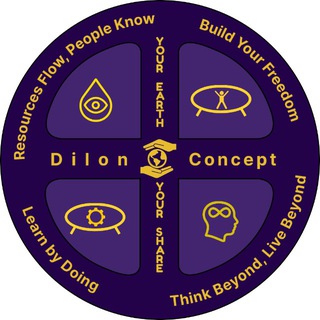
BIG NEWS! My new book, "The Dilon Revolution," is FREE on Amazon for the next 3 days! If you've ever felt like our political and economic systems are broken, this book is for you. It's a radical vision for a future without poverty. Download your free copy and let me know what you think! https://a.co/d/fqU6CXt