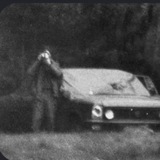
Top: T-72 Ural
Left. Object 172 (T-72 prototype)
Center:T-64A previous Object 434
Right: Object 167 (Super T-62)
Left. Object 172 (T-72 prototype)
Center:T-64A previous Object 434
Right: Object 167 (Super T-62)
Compass Call
Top: T-72 Ural Left. Object 172 (T-72 prototype) Center:T-64A previous Object 434 Right: Object 167 (Super T-62)
READ TIME OF 5 MINUTES
We will begin a series in which we examine the various variants and the history of the famous Soviet T‑72, produced from 1969 onward in more than 25,000 units and serving with more than 40 nations.
First of all, it is necessary to keep in mind that the T‑72 was born to meet a precise need of the Soviet Union: a tank was required to replace the aging T‑54/55, which had been an absolutely extraordinary commercial success but could no longer keep pace with Western MBTs in any respect. Moreover, the new tank had to incorporate the cutting‑edge technologies of the T‑64, but in a more mature form suitable for mass mobilization — essentially a downgraded version of its almost futuristic predecessor (which, in fact, was never exported). As early as 1971, the conversion of T‑55 and T‑62 factories began, preparing them to churn out thousands upon thousands of T‑72s to arm the Second and Third World.
The design philosophy rejected any comfort or superfluous element, given the extremely low likelihood of crew survival. The T‑72 was small compared to Western tanks, cramped, with a lowered and elongated hull, and every component related to transmission, aiming, and loading was engineered to be extremely robust and capable of operating without maintenance. We can say that the T‑72 was roughly 60 cm lower than Western tanks and at least 10 tons lighter. This allowed it to use older engines while still achieving performance comparable to NATO’s expensive MBTs, but above all it allowed the tank to cross most bridges two at a time rather than one by one in column.
Let us now talk about the design. The T‑72 “Ural” derives from the Object 172 prototype, but let us take a step back: in 1964 the Nizhny Tagil factory presented Project 167B to demonstrate that the T‑62 design could be further exploited by lengthening the hull and increasing the suspension wheels to six for smoother travel, and finally accommodating a more powerful engine. But above all, this unusual tank mounted a devastating 125 mm gun with an automatic loader, unlike the manually loaded 115 mm gun of the T‑62. This upgrade of an already existing tank could have become a “mass‑production” counterpart to the extremely expensive T‑64.
Kharkiv’s factory, however, pushed for its own Object 434, a tank that would also mount the 125 mm gun, with a brand‑new automatic loader, very strong armor for the era, and other innovations. The matter became a clash between interest groups and political factions, in which even President Khrushchev took part, ultimately resulting in the adoption of Kharkiv’s Object 434 under the name T‑64A and the prohibition of developing other competitors such as Object 167.
The T‑72 therefore originates from the insubordination of the chief engineer of Object 167, Khartsev, who decided to design a new tank combining the characteristics of the 167 and the T‑64A. Thus was born Object 172, the prototype of the T‑72, which only in 1971 would go from being the continually obstructed project of a rebellious engineer to the new main tank of the USSR, given the persistent problems caused by the excessive delicacy of the T‑64A. Another wave of factory conversions began.
We will begin a series in which we examine the various variants and the history of the famous Soviet T‑72, produced from 1969 onward in more than 25,000 units and serving with more than 40 nations.
First of all, it is necessary to keep in mind that the T‑72 was born to meet a precise need of the Soviet Union: a tank was required to replace the aging T‑54/55, which had been an absolutely extraordinary commercial success but could no longer keep pace with Western MBTs in any respect. Moreover, the new tank had to incorporate the cutting‑edge technologies of the T‑64, but in a more mature form suitable for mass mobilization — essentially a downgraded version of its almost futuristic predecessor (which, in fact, was never exported). As early as 1971, the conversion of T‑55 and T‑62 factories began, preparing them to churn out thousands upon thousands of T‑72s to arm the Second and Third World.
The design philosophy rejected any comfort or superfluous element, given the extremely low likelihood of crew survival. The T‑72 was small compared to Western tanks, cramped, with a lowered and elongated hull, and every component related to transmission, aiming, and loading was engineered to be extremely robust and capable of operating without maintenance. We can say that the T‑72 was roughly 60 cm lower than Western tanks and at least 10 tons lighter. This allowed it to use older engines while still achieving performance comparable to NATO’s expensive MBTs, but above all it allowed the tank to cross most bridges two at a time rather than one by one in column.
Let us now talk about the design. The T‑72 “Ural” derives from the Object 172 prototype, but let us take a step back: in 1964 the Nizhny Tagil factory presented Project 167B to demonstrate that the T‑62 design could be further exploited by lengthening the hull and increasing the suspension wheels to six for smoother travel, and finally accommodating a more powerful engine. But above all, this unusual tank mounted a devastating 125 mm gun with an automatic loader, unlike the manually loaded 115 mm gun of the T‑62. This upgrade of an already existing tank could have become a “mass‑production” counterpart to the extremely expensive T‑64.
Kharkiv’s factory, however, pushed for its own Object 434, a tank that would also mount the 125 mm gun, with a brand‑new automatic loader, very strong armor for the era, and other innovations. The matter became a clash between interest groups and political factions, in which even President Khrushchev took part, ultimately resulting in the adoption of Kharkiv’s Object 434 under the name T‑64A and the prohibition of developing other competitors such as Object 167.
The T‑72 therefore originates from the insubordination of the chief engineer of Object 167, Khartsev, who decided to design a new tank combining the characteristics of the 167 and the T‑64A. Thus was born Object 172, the prototype of the T‑72, which only in 1971 would go from being the continually obstructed project of a rebellious engineer to the new main tank of the USSR, given the persistent problems caused by the excessive delicacy of the T‑64A. Another wave of factory conversions began.
👍1
Compass Call
Top: T-72 Ural Left. Object 172 (T-72 prototype) Center:T-64A previous Object 434 Right: Object 167 (Super T-62)
TEMPO DI LETTURA 5 MINUTI
Inizieremo una serie dove vedremo le varie varianti e la storia del celebre T-72 Sovietico, prodotto a partire dal 1969 in più di 25.000 esemplari e che ha servito con più di 40 nazioni.
Prima di tutto è necessario tenere a mente che il T-72 nasce per rispondere ad una precisa necessità dell'Unione Sovietica, serviva un carro che potesse sostituire i vecchi T-54\55 i quali furono un successo commerciale assolutamente grandioso ma che non tenevano più il passo con gli MBT Occidentali sotto ogni aspetto, ma non solo, il nuovo carro avrebbe dovuto incorporare le nuovissime tecnologie del T-64 ma in modo più maturo, per la mobilitazione di massa, un downgrade del quasi futuristico predecessore T-64 (che infatti non venne esportato), già nel 1971 iniziarono le riconversioni delle fabbriche di T-55 e T-62 per iniziare a sfornare migliaia e migliaia di T-72 e armare il Secondo e Terzo Mondo.
La filosofia di progettazione prevedeva il rifiuto di qualsiasi comfort o elemento superfluo in vista della bassissima possibilità di sopravvivenza dell'equipaggio, il T-72 era piccolo rispetto ai carri occidentali, angusto, con uno scafo abbassato e allungato, con ogni elemento di trasmissione, puntamento e caricamento progettato per essere estremamente robusto e operare senza manutenzione.
Possiamo dire che il T-72 era circa 60cm più basso dei carri occidentali e almeno 10 tonnellate più leggero, ciò gli permetteva di utilizzare motori datati ma con prestazioni simili ai costosi MBT della NATO ma soprattutto di attraversare la maggiore parte dei ponti due alla volta invece che uno per uno in colonna.
Parliamo quindi della progettazione però, il T-72 "Ural" deriva dal prototipo Object 172, ma facciamo un passo indietro, nel 1964 la Fabbrica Nizhny Tagil presentò il Project 167B per dimostrare che il design del T-62 si poteva sfruttare ulteriormente, allungando lo scafo e aumentando a 6 le ruote di sospensione per una marcia più fluida e finalmente ospitare un motore più prestante, ma soprattutto questo bizzarro carro utilizzava un devastante cannone da 125mm con un caricatore automatico a differenza del 115mm a caricamento manuale del T-62, questo aggiornamento di un carro già esistente sarebbe potuto diventare un modello "Di massa" del costosissimo T-64.
La fabbrica di Kharkiv invece spingeva per il suo Object 434, un carro che avrebbe anch'esso montato il 125mm, con un nuovissimo caricatore automatico, una corazza molto resistente per l'epoca ed altre innovazioni.
La questione divenne uno scontro fra lobby d'interesse e politiche a cui persino il presidente Kruscev prenderà parte, finendo infine per la messa in servizio dell'Object 434 di Kharkiv con nome T-64A e il divieto di sviluppare altri concorrenti come l'Object 167.
Il T-72 nasce quindi dall'insubordinazione dell'ingegnere capo dell'Object 167 ossia Khartsev che decise di progettare un nuovo carro che combinasse le caratteristiche dell'167 e del T-64A, nasce dunque l'Object 172 ovvero il prototipo di T-72 che solo nel 1971 passerà dall'essere il progetto continuamente ostacolato di un ingegnere ribelle al nuovo Tank principale dell'URSS visti i continui problemi dovuti all'eccessiva delicatezza del T-64A, iniziò quindi un'altra riconversione di fabbriche."
❤1
i'm sorry, a friend of ours @Revks told me i chose a wrong photo about Ob 167, so here is a photo of the tank in question!
❤1
Compass Call
Photo
Let us therefore move on to the main characteristics of the T‑72 Ural and compare it with the American MBTs of the era. First of all, it is important to note that it is one meter lower than the M60, and still about 20 cm lower than the Abrams, resulting in a profile that is very difficult to hit, especially when in motion. The T‑72 Ural weighed between 41 and 44 tons and stood only 2.2 meters tall.
Like the T‑64, the tank used glass textolite blocks 105 mm thick inside the frontal hull. These resin‑glass plates were intended to fragment the jet of a HEAT charge through pressure changes relative to steel and progressive shattering; they did not behave like a fluid, unlike steel. Thus, they provided protection equivalent to about 400 mm of RHA, similar to the protection of the turret, which was instead made of conventional ballistic steel.
The tank had an optical rangefinder, which prevented it from firing accurately and quickly while moving, and a crude stabilizer. It also mounted an infrared searchlight for night combat (that large circle next to the gun), the “Luna‑2,” installed to the left of the cannon. This unusual mounting risked striking the driver if the turret rotated while he was leaning out. The Luna‑2 was adequate for its time but soon became obsolete: these searchlights projected an immense beam of light invisible to the naked eye, allowing the tank to engage enemy armor at night even at 800–1300 meters, but such a beam was extremely easy to detect through a night‑vision device, from kilometers away, revealing the tank’s position.
The commander had a smaller, independent night sight to search for targets without engaging the gunner.
It used a V46‑6 diesel V12 multifuel, four‑stroke, liquid‑cooled and supercharged engine, producing 700 horsepower at 2000 rpm. The T‑72 Ural carried 1600 liters of fuel, guaranteeing a range of 550 km — an impressive figure for the era. The propulsion system also served as protection, as the tank could release smoke screens by injecting fluid into the exhaust gases.
The reintroduction of this engine is one of the main differences from the T‑64. The V‑46 was a direct derivative of the T‑34’s World War II engine: heavy, conventional, but above all indestructible and well‑known to Soviet mechanics, returning to tradition compared to the bizarre opposed‑piston engine of the T‑64, which suffered from extremely serious reliability problems (it derived from the Junkers aircraft engines of World War II).
Compared to the American M60s, the T‑72 was another generation entirely: it could penetrate them at any combat distance while remaining impenetrable to their steel darts even at point‑blank range. It was the M1 Abrams of 1980 that finally leveled the playing field; although less armored and equipped with a much less powerful gun, it could incredibly fire with extremely high accuracy while moving thanks to its digital fire‑control system and ballistic computer, whereas the T‑72 had an analog aiming and firing system and a slow optical rangefinder.
At the time, the Soviets already had their first tungsten‑cored APFSDS, the 3BM12, which could essentially penetrate any American tank within standard combat distances.
Although more heavily armored, the T‑72 was vastly less safe than its counterparts. The cramped interior layout and the presence of the automatic loader’s carousel made the explosion of all ammunition practically automatic upon the first successful penetration, resulting in the certain death of the entire three‑man crew. By contrast, in the Abrams the spacious layout for the four crew members, the presence of blow‑off panels, and armored ammunition doors ensured good chances of survival even after successful penetrations.
We can already begin to notice the similarities with the T‑64: the use of composite materials in the hull (a hallmark of the T‑64), the 125 mm 2A46 gun, and the optical and night‑fighting suite.
Like the T‑64, the tank used glass textolite blocks 105 mm thick inside the frontal hull. These resin‑glass plates were intended to fragment the jet of a HEAT charge through pressure changes relative to steel and progressive shattering; they did not behave like a fluid, unlike steel. Thus, they provided protection equivalent to about 400 mm of RHA, similar to the protection of the turret, which was instead made of conventional ballistic steel.
The tank had an optical rangefinder, which prevented it from firing accurately and quickly while moving, and a crude stabilizer. It also mounted an infrared searchlight for night combat (that large circle next to the gun), the “Luna‑2,” installed to the left of the cannon. This unusual mounting risked striking the driver if the turret rotated while he was leaning out. The Luna‑2 was adequate for its time but soon became obsolete: these searchlights projected an immense beam of light invisible to the naked eye, allowing the tank to engage enemy armor at night even at 800–1300 meters, but such a beam was extremely easy to detect through a night‑vision device, from kilometers away, revealing the tank’s position.
The commander had a smaller, independent night sight to search for targets without engaging the gunner.
It used a V46‑6 diesel V12 multifuel, four‑stroke, liquid‑cooled and supercharged engine, producing 700 horsepower at 2000 rpm. The T‑72 Ural carried 1600 liters of fuel, guaranteeing a range of 550 km — an impressive figure for the era. The propulsion system also served as protection, as the tank could release smoke screens by injecting fluid into the exhaust gases.
The reintroduction of this engine is one of the main differences from the T‑64. The V‑46 was a direct derivative of the T‑34’s World War II engine: heavy, conventional, but above all indestructible and well‑known to Soviet mechanics, returning to tradition compared to the bizarre opposed‑piston engine of the T‑64, which suffered from extremely serious reliability problems (it derived from the Junkers aircraft engines of World War II).
Compared to the American M60s, the T‑72 was another generation entirely: it could penetrate them at any combat distance while remaining impenetrable to their steel darts even at point‑blank range. It was the M1 Abrams of 1980 that finally leveled the playing field; although less armored and equipped with a much less powerful gun, it could incredibly fire with extremely high accuracy while moving thanks to its digital fire‑control system and ballistic computer, whereas the T‑72 had an analog aiming and firing system and a slow optical rangefinder.
At the time, the Soviets already had their first tungsten‑cored APFSDS, the 3BM12, which could essentially penetrate any American tank within standard combat distances.
Although more heavily armored, the T‑72 was vastly less safe than its counterparts. The cramped interior layout and the presence of the automatic loader’s carousel made the explosion of all ammunition practically automatic upon the first successful penetration, resulting in the certain death of the entire three‑man crew. By contrast, in the Abrams the spacious layout for the four crew members, the presence of blow‑off panels, and armored ammunition doors ensured good chances of survival even after successful penetrations.
We can already begin to notice the similarities with the T‑64: the use of composite materials in the hull (a hallmark of the T‑64), the 125 mm 2A46 gun, and the optical and night‑fighting suite.
Compass Call
Photo
The T‑72 Ural did not have smoke launchers on the turret, nor conventional side skirts, but instead the so‑called Gill Armour: four plates per side, foldable and spring‑opened at 90°. They were intended to protect the sides of the tank from HEAT charges fired from the frontal direction: the charge would hit the plate, and the jet would have to cross a meter of empty space before reaching the hull, rendering it ineffective. However, they offered no protection at all against the same shot if fired from a lateral position relative to the tank.
🎉1
Compass Call
GIF
here you can see the differences between Loading systems of T-64 and T-72
Passiamo quindi alle principali caratteristiche dl T-72 Ural e confrontiamolo con gli MBT Americani dell'epoca, prima di tutto è importante notare che è un metro più basso rispetto all'M60, e comunque 20cm più basso anche dell'Abrams, risultando in un profilo molto difficile da colpire, specialmente se in movimento, il T-72 Ural aveva un peso dai 41 alle 44 tonnellate ed era alto appena 2,2 metri.
Il carro utilizzava come il T-64 impianti di Textolite di vetro spessi 105mm all'interno dello scafo frontale, queste piastre di vetro resinoso avevano lo scopo di frammentare il getto della carica cava (HEAT) attraverso il cambio di pressione rispetto all'acciaio e alla frammentazione progressiva, non si comportava come un fluido, al contrario dell'acciaio.
Dunque garantiva una protezione di circa 400mm di RHA, una protezione simile a quella della torretta che invece era di acciaio balistico convenzionale.
Il carro aveva un telemetro ottico che gli impediva di sparare con precisione e velocità in movimento, ed uno stabilizzatore grezzo, montava anche un faro ad infrarossi per il combattimento notturno (quel grande cerchio accanto al cannone), ovvero il "Luna-2" montato a sinistra del cannone, questa montatura anomala rischiava di colpire il pilota se la torretta avesse ruotato mentre lui era affacciato.
Il Luna 2 era adeguato all'epoca ma divenne presto obsoleto, questi fari proiettavano un fascio immenso di luce invisibile ad occhio nudo, così da poter ingaggiare carri nemici di notte anche a 800-1300 metri, ma un fascio del genere era estremamente facile da vedere attraverso un visore notturno, da chilometri e chilometri, rivelando la posizione del carro.
Il comandante aveva un mirino notturno più piccolo autonomo per cercare bersagli senza impegnare il cannoniere.
Utilizzava un motore V46-6 diesel V12 multifuel a quattro tempi, raffreddato a liquido e sovralimentato, da 700 cavalli e 2000 giri al minuto, il T-72 Ural trasportava 1600 litri di carburante, garantendo 550km di autonomia, una cifra impressionante per l'epoca, il sistema di propulsione fungeva anche da protezione poiché il carro rilasciava cortine fumogene iniettando il liquido nel gas di scarico.
La reintroduzione di questo motore è una delle principali differenze con il T-64, il V-46 era un derivato diretto del motore del T-34 della seconda guerra mondiale, era pesante, convenzionale ma soprattutto indistruttibile e ben conosciuto dai meccanici sovietici, ritornando alla tradizione rispetto al bizzarro motore a pistoni contrapposti del T-64 che era afflitto da gravissimi problemi di affidabilità ( derivava dai motori aeronautici Junkers della seconda guerra mondiale).
Rispetto agli M60 Americani il T-72 era un'altra generazione, poteva penetrarli a qualsiasi distanza di combattimento e allo stesso tempo risultare impenetrabile ai loro dardi in acciaio anche a bruciapelo, fu l'M1 Abrams del 1980 a pareggiare i conti, seppur meno corazzato e con un cannone molto meno potente poteva incredibilmente sparare con una precisione altissima in movimento grazie al sistema di fuoco digitalizzato e al computer balistico, mentre il T-72 aveva un sistema di puntamento e tiro analogico e un telemetro ottico lento da operare.
All'epoca i Sovietici avevano già il primo APFSDS con un nucleo in tungsteno, il 3BM12, che poteva sostanzialmente penetrare qualsiasi carro americano entro le distanze di combattimento standard.
Sebbene più corazzato, il T-72 era enormemente meno sicuro rispetto alle controparti, la disposizione angusta dell'interno e la presenza del carosello del caricatore automatico rendevano praticamente automatica l'esplosione di tutte le munizioni alla prima penetrazione riuscita, risultando nella morte certa di tutto l'equipaggio di 3 uomini, al contrario nell'Abrams la disposizione spaziosa dei 4 membri dell'equipaggio, la presenza di pannelli deflettori per esplosioni e di portelli blindati per le munizioni garantiva buone probabilità di sopravvivenza alle penetrazioni riuscite.
Possiamo già iniziare a notare le somiglianze con il T64, l'uso di materiali compositi nello scafo (primato del T-64 appunto), il cannone da 125mm 2A46 e la suite ottica e notturna.
Il T-72 Ural non aveva fumogeni sulla torretta, né gonne laterali convenzionali, ma bensì le cosiddette Gill Armour, ovvero 4 piastre per lato, pieghevoli e che si aprivano a molla a 90°, servivano a proteggere i lati del carro dalle cariche cave sparate dalla direzione frontale al carro, la carica avrebbe colpito l piastra e il getto avrebbe attraversato un metro di vuoto prima di incontrare lo scafo, rendendola inutile, ma non proteggeva affatto dallo stesso colpo se sparato da una posizione laterale al carro.
🇮🇹