
🎅🏼 Four Weeks of Advent
This year, November 27 is the first Sunday of Advent and the beginning of the church year.
✨ So, preparations for Christmas officially begin in Germany: it's time to decorate the house, light the first candle on the Advent wreath, prepare gifts for loved ones and look forward to Christmas Eve.
✏️ The word "advent" comes from the Latin "adventus" and means "coming".
👇 Read about the traditions associated with Advent in our article.

👍39
🦸♂️Asterix and Obelix
📍Cartoons can be interesting not only for children, but also for adults, if, for example, they are used as an aid in learning a foreign language. Today we will analyze the scene from the cartoon "The Twelve Labors of Asterix", but we will omit the part listing the rich menu 😉
(DE) Obelix: Der hat mich ganz schön hungrig gemacht mit seinem Wildschwein-Gequatsche. Kein Wunder, ist ja auch schon Mittag.
(EN) I got hungry because of his chatter about wild boars. No wonder it's already noon.
(DE) Beobachter: Da habt ihr aber Gluck gehabt! In eurer nächsten Prüfung müsst ihr alle Mahlzeiten essen, die euch Mannekenpix, der Koch der Titanen, zubereitet hat. Bisher ist es nich nie einem Sterblichen gelungen das zu schaffen, trotzdem müsst ihr alles was er euch vorsetzt aufessen. Na dann Mahlzeit!
(EN) Then you are in luck! In the next challenge, you must eat all the meals prepared for you by Mannekenpiks, the Titans' chef. So far, no mortal has been able to do this, but you still have to eat whatever he puts in front of you. Well now food!
(DE) Obelix: Endlich mal eine interessante Prüfung! Das erledige ich.
(EN) Finally an interesting task! I will pass it.
(DE) Asterix: Wer könnte das besser als du?
(EN) Who can do it better than you?
(DE) Mannekenpix: Ah, ich habe Sie schon erwartet! Nehmen Sie bitte Platz! Wir beginnen sofort mit dem ersten Gang!
(EN) Oh, I'm already waiting for you! Please take a seat! Let's start with the first dish!
(...)
(DE) Beobachter: Hat er alles geschafft?
(EN) Did he eat everything?
(DE) Mannekenpix: Alles! Allles! Er hat mich und meine Küche völlig ausgeräubert! Ihr Götter, ich muss schließen meine Laden!
(EN) Everyone! All! He robbed me and cleaned my kitchen! Oh gods, I have to close my shop!
(DE) Obelix: Habt ihr zufällig den Koch gesehen? Der Kerl lässt mich einfach nach Vorspeise sitzen.
(EN) Have you seen the chef by any chance? The boy just dumped me after the snack.
❓Did you understand what the chef offered to Obelix?
YouTube
Asterix erobert Rom (1976) - Prüfung Nummer 6 (German/Deutsch)
Die sechste Prüfung gegen Mannekenpix, der Koch der Titanen, aus dem Zeichentrickfilm "Asterix erobert Rom" in guter Qualität und Untertitel. Enjoy!
Originaltitel: "Les Douze Travaux d’Astérix"
#Asterix #German #HD #Clip #Deutsch
© 1976 Les Editions ALBERT…
Originaltitel: "Les Douze Travaux d’Astérix"
#Asterix #German #HD #Clip #Deutsch
© 1976 Les Editions ALBERT…
👍14🙏10🥰3💯2
🥨 Was hat Obelix gegessen?
📌 How many dishes did Obelix eat? Let's first analyze the passage with the list of dishes (just in case, I attach the video again):
(DE) Obelix: Was ist denn das hier?
(EN) What is it?
(DE) Mannekenpix: Das? Eine eigene Creation. Zubereitet aus Äpfeln, die in der Erde wachsen. Mir fehlt nur noch einen Namen dafür.
(EN) This? Own creation. Made from apples that grow in the ground. I just need a name for it.
(DE): Acht Mastgänse, gefüllt mit feinsten Kastanien.
(EN) Eight fattened geese stuffed with the best chestnuts.
(DE): Schäfchen vom Rost, genug für eine ganze Wolfsherde.
(EN) Grilled sheep, enough for a whole herd of wolves.
(DE): Titanenomlette. Zutaten: acht Dutzend Eier.
(EN) Omelet of the Titans. Ingredients: eight dozen eggs.
(DE): Fischteller Müllerin, um den Magen eine kleine Erholung zu gönnen.
(EN) A fish plate to give your stomach a little rest.
(DE): Ochse vom Spieß, er wirs Ihnen zergehen auf der Zunge wie Sahne.
(EN) Ox on the spit, it will melt in your mouth like cream.
(DE): Kuh vom Grill, ähnlich im Geschmack, aber zart wie Seide.
(EN) Grilled cow, similar in taste, but tender as silk.
(DE): Kalbsbraten habe ich gemacht, damit Familie ihren Magen wieder vereint.
(EN) Roast veal, I made it so that the family can reunite in the stomach.
(DE): Kavia à la Montblanc, er ist Höhepunkt in meinem Maiser-Menu. Dazu wir reichen jedes mal: Toast.
(EN) Caviar a la Mont Blanc is the pinnacle of my menu. We always add this to it: toast.
(DE): Und nun: Kamel. Ich mache besonders aufmerksam auf die Steaks von den Höckern.
(EN) And now: a camel. I pay special attention to steaks from humpbacks.
(DE): Bevor wir zum nächsten kommam: Elefant, gefüllt mit Oliven.
(EN) And before we move on to the next one: an elephant stuffed with olives.
Müllerin is a special kind of small fish preparation.
😳 Er aß 11 Gerichte
YouTube
Asterix erobert Rom (1976) - Prüfung Nummer 6 (German/Deutsch)
Die sechste Prüfung gegen Mannekenpix, der Koch der Titanen, aus dem Zeichentrickfilm "Asterix erobert Rom" in guter Qualität und Untertitel. Enjoy!
Originaltitel: "Les Douze Travaux d’Astérix"
#Asterix #German #HD #Clip #Deutsch
© 1976 Les Editions ALBERT…
Originaltitel: "Les Douze Travaux d’Astérix"
#Asterix #German #HD #Clip #Deutsch
© 1976 Les Editions ALBERT…
👍22🥰2💯2❤1
⚡ The 80-20 Vocabulary Learning System for German
Learn how to develop a structure that will allow you to constantly add German words to your vocabulary, which will surely lead to success if you stay with it.
Learn how to develop a structure that will allow you to constantly add German words to your vocabulary, which will surely lead to success if you stay with it.

👍18💯5👏2
🇩🇪🤔 17 ways to express your feelings about something ⤵️
❓Wie findest du...? - How do you like ...?
❗️Ich finde es... - I find it ...
... interessant - interesting
... leicht - easy
... einfach - simple
... fantastisch - fantastic
... wunderbar - great
... klasse - cool
... super - super
... sehr gut - very good
... toll - great
... nützlich - useful
... langweilig - boring
... schlecht - bad
... furchtbar - frightening, horrible
... schwer - heavy
... dumm / doof / blöd - stupid
... nutzlos - useless
... kompliziert - complicated
👍50🥰10💯6
⛔️ How to refuse an invitation.
🔔Another portion of useful expressions for every day.
❗️ It can be hard to say no, especially if you need to refuse in a foreign language, and you don’t want to offend your interlocutor at all.
👇🏻How to refuse an invitation in German
🙏🏻 To begin with, it would be nice to thank for the invitation:
Danke für die Einladung, aber... - Thanks for the invitation, but...
Das ist sehr nett, aber... - It's very nice, but...
❗️Next we move on to BUT:
Ich kann leider nicht - Unfortunately, I can't.
Vielleicht das nächste Mal - Maybe another time.
Ich habe keine Zeit. - I have no time.
Ich bin beschäftigt. - I'm busy.
Dazu habe ich keine Lust. - I have no desire.
Ich habe viel zu tun. - I have a lot to do.
Ich habe schon einen Termin. “I already have an appointment.
🚫 Very annoying offers can be refused in harsher terms:
Lassen Sie mich bitte in Ruhe! - Leave me alone, please.
Horen Sie sofort damit auf! - Stop immediately!
Es reicht jetzt! - Enough!

👍30🥰5💯5😢1🙏1
🫡 Important phrases for expressing consent.
Time to learn some useful phrases for communicating in German.
✅ In a conversation, we often have to express our attitude to what the interlocutor said. We don't want to just nod and say "Ja-ja!" - it's time to learn something more interesting:
ich bin einverstanden - I agree
du hast Recht - you're right
genau! - exactly!
ich habe nichts dagegen - I have nothing against
das stimmt - right
ich glaube dir - I believe you
ich bin deiner (Ihrer) Meinung - I am of the same opinion as you (You as in formal)
super! - perfect!
ich stimme dir zu - I agree with you
natürlich! - certainly!
selbstverstandlich! — of course!
abgemacht - agreed
da hast du (haben Sie) völlig Recht - here you are absolutely right
ja, das sehe ich auch so - yes, I am of the same opinion
das klingt überzeugend - that sounds convincing
ich teile deine (Ihre) Ansicht - I share your (Your as in formal) point of view
🥰26👍22💯3
❤️ Using the verbs gefallen, mögen and lieben
⚡️ Gefallen is one of the most versatile and convenient verbs with the meaning "to like".
👉 Read about the verbs gefallen, mögen and lieben in today's article!
⚡️ Gefallen is one of the most versatile and convenient verbs with the meaning "to like".
👉 Read about the verbs gefallen, mögen and lieben in today's article!

👍11🥰8🙏5💯1
🇩🇪 20 useful phrases about language ability
1. I learn German - ich lerne Deutsch
2. Do you speak German? - Sprechen Sie Deutsch?
3. I understand you well - ich verstehe Sie gut
4. I understand you badly - ich verstehe Sie schlecht
5. I don't understand - ich verstehe nicht
6. How do you say it in German? - Wie sagt man das auf Deutsch?
7. We speak different languages - wir sprechen eine andere Sprache
8. We speak the same language - wir reden die gleiche Sprache
9. Please speak a little slower - Bitte sprechen Sie etwas langsamer
10. Please not so fast - Bitte nicht so schnell
11. I know German a little - ich kann etwas Deutsch
12. I speak German well - ich bin in Deutsch fit
13. He speaks broken German - Er spricht Deutsch gebrochen
14. I speak German moderately - ich spreche Deutsch passabel
15. She is capable of languages - sie ist sprachbegabt
16. I speak pure German - ich spreche reines Deutsch
17. The language sits with him - Bei ihm sitzt die Sprache
18. Don't forget German - Lass deine deutschen Kenntnissen nicht einschlafen
19. I learn German on my own - ich lerne Deutsch selbst
20. He speaks in German dialect - er spricht Plattdeutsch
👍54💯6🥰3🤔2😱1
🇩🇪 30 Basic Phrases Everyone Should Know
Thanks - Danke
Thanks a lot - Vielen Dank
Please (in response to "thank you") - Gern geschehen; Bitte schön
Please (request) - Bitte
Nothing - Nichts
Yes - Ja
No - Nein
I understand - Ich verstehe
Good - Gut
How many? - Wie viel?
How long? - Wie lange?
How, excuse me? - Wie bitte?
Whom should I ask? - Wen soll ich fragen?
I don't understand - Ich verstehe nicht
Sorry, I didn't hear - Entschuldigung, ich habe es nicht recht gehört
I'm lost - Ich habe mich verlaufen
Do you speak English? - Sprechen Sie Englisch?
Excuse me. - Entschuldigung
Sorry. - Verzeihung
Am I distrubing you? - Störe ich Sie?
Please repeat. - Wiederholen Sie es, bitte.
Please speak a little more slowly. - Sprechen Sie bitte ein bisschen langsamer.
Write it here, please. - Schreiben Sie das hier, bitte.
I'm not sure. - Ich bin nicht sicher.
What is it? - Was ist das?
What does it mean? - Was bedeudet das?
Where is the toilet? - Wo ist die Toilette?
Why not? - Warum nicht?
What time is it now? - Wie spät ist es?
Good luck! - Viel Erfolg!
👍78👏15🥰8💯8😱1
😳🤨 Phrases to express surprise or disbelief
A batch of useful expressions that are sure to come in handy in everyday life!
🚀 Let's start with the basic phrases:
Bist du sicher? - Are you sure?
Es ist merkwürdig! - That's weird!
Wirklich? - Is it?
Meinst du das im Ernst? - Are you saying that seriously?
Unglaublich! - Unbelievable!
Das kann nicht wahr sein! - This is impossible!
Ich traue meinen Augen nicht - I don't believe my eyes
Das überzeugt mich nicht! - This will not convince me!
Das ist gelogen! - This is a lie!
🤨Express doubt:
Bist du sicher, dass du das schaffst? - Are you sure you can do it?
Glaubst du wirklich, dass das klappt? - Do you really believe you can do it?
Ich kann mir nicht vorstellen, dass wir das schaffen - I can't imagine that we will manage it.
Ich kenne keinen, dem das gelungen ist - I don't know anyone who has managed it.
Ich bezweifle, dass es eine Lösung gibt - I doubt that there is any solution.
😑I am indecisive or indifferent:
Es ist mir egal - I don't care
Es betrifft mich nicht - It doesn't concern me
Vielleicht / Möglicherweise - Maybe
Wahrscheinlich - Probably, probably
Wie du willst - As you wish
Ich weiß nicht, was ich tun soll - I don't know what to do
🏆 Less hesitation and more learning!
👍53💯15👏5🥰2
🙌🏻 Top 10 adjective suffixes!
👉🏼 Let's look at the most used suffixes that serve to form adjectives in German:
✅ 1. -ig
die Sonne (sun) - sonnig (sunny)
die Macht (might) - mächtig (mighty)
die Freude (joy) - freudig (joyful)
die Geduld (patience) - geduldig (patient)
✅ 2. -lich
der Mensch (human) - menschlich (humane)
der Freund (friend) - freundlich (friendly)
✅ 3. -haft
die Dauer (duration) - dauerhaft durable (lasting)
der Sieg (victory) - sieghaft (victorious)
✅ 4. -e(r)
das Gold (gold) - golden (golden)
✅ 5. -isch
die Politik (politics) - politisch (political)
das Quadrat (square) - quadratisch (square)
✅ 6. -er
/ is used to form adjectives for city names /
Berlin (Berlin) - Berliner (citizen of Berlin)
Hamburg (Hamburg) - Hamburger ( hamburger citizen of Hamburg).
✅ 7. -bar
/ forms adjectives from bases of transitive verbs
danken (thank) - dankbar (thankful)
trinken (to drink) - trinkbar (drinkable)
✅ 8. -sam
/ forms adjectives from noun bases, adjectives, and verbs
lang (long) - langsam (slow)
bedeuten (mean) - bedeutsam (significant)
✅ 9. -voll, -reich
/ denote the fullness of quality /
die Bedeutung (meaning) - bedeutungsvoll (meaningful)
die Abwechslung (change) - abwechslungsreich (diverse)
✅ 10. -leer, -frei, -los, -arm
/ denote a lack of quality /
die Bedeutung (meaning) - bedeutungslos (insignificant)
👍31💯13
🇩🇪How do Germans form new words?
🤗The Germans are very fond of compound words - they play with words like with cubes. Look closer:
der Wintersport (Winter + Sport) - winter sports (winter + sports),
der Hauptbahnhof (Haupt + Bahn + Hof) - Central Station.
😳 At first glance, such a long word may be intimidating, but in fact it is quite convenient. The main thing: take (and pronounce) such a word in parts, as several separate words, then it will be easy to cope with it.
What kind will the compound word be, what article will it get? The article is determined by the last word - by the "locomotive":
das Benzin + der Preis = der Benzinpreis (gasoline price),
das Bier + die Flasche = die Bierflasche (beer bottle).
⚡️ Some compound words use a special link - (e)s or (less often) - (e)n:
der Liebling + die Speise = die Lieblingsspeise (favorite food),
die Wirtschaft + die Krise = die Wirtschaftskrise (economic crisis),
der Bauer + das Haus = das Bauernhaus (Farmhouse),
das Ohr + die Schmerzen = die Ohrenschmerzen (ear pains).
☝🏻 In one word, it is not at all necessary to meet two nouns, other combinations are also possible:
rasieren (shave) + der Apparat = der Rasierapparat (razor),
hoch (high) + das Haus = das Hochhaus (high-rise building),
außen (external) + die Politik = die Außenpolitik (Foreign policy),
vor (before) + der Name (name) = der Vorname (first name).
💥 An interesting feature of the German language is the addition of two variants defining it to one defined word at once:
West– und Osteuropa - Western and Eastern Europe,
an– und abstellen - enable and disable.
😯As you can see, Germans are flexible with creating new words by combining 2 or more!
👏29👍15🥰11💯2
🎅🏻 Die 5 besten deutschen Weihnachtsleckereien
Wenn du auf der Suche nach traditionellen Weihnachtsleckereien bist, schau dir meinen neuesten Blog-Beitrag an.
Von gebratenem Gänsebraten bis hin zu Lebkuchen.
Klick auf den Link unten, um den vollständigen Artikel zu lesen und deine Geschmacksknospen auf leckere Weihnachtsköstlichkeiten vorzubereiten.
👍10🥰6❤2
🎄 O Tannenbaum…
⭐️The Christmas song “O Tannenbaum” is more than one century old. It was written in the middle of the 19th century, and the folklore song of the middle of the 16th century formed the basis for it. Interestingly, the song has almost nothing to do with Christmas - but this does not prevent many from considering it one of the most festive German songs. Today we will analyze its text in full (we translated the repeated lines only once):
🌟O Tannenbaum, o Tannenbaum
Oh christmas tree, oh christmas tree
Wie grün sind deine Blatter.
How green are your needles (Blätter - leaves)
Du grünst nicht nur zur Sommerzeit
You turn green not only in summer,
Nein auch im Winter wenn es schneit.
No, even in winter when it snows.
O Tannenbaum, o Tannenbaum
Wie grün sind deine Blatter!
⭐️O Tannenbaum, o Tannenbaum
Du kannst mir sehr gefallen!
I really like you!
Wie oft hat schon zur Weihnachtszeit
How often at Christmas time
Ein Baum von dir mich hoch erfreut.
Your tree made me very happy.
O Tannenbaum, o Tannenbaum
Du kannst mir sehr gefallen!
🌟O Tannenbaum, o Tannenbaum
Dein Kleid will mich was lehren:
Your outfit wants to teach me something
Die Hoffnung und Beständigkeit
Hope and constancy
Gibt Mut und Kraft zu jeder Zeit.
Gives courage and strength at any time
O Tannenbaum, o Tannenbaum
Dein Kleid will mich was lehren.
🤔 What is your favorite Christmas or New Year song? 👇🏻
🥰41👍20❤6🕊5💯2💩1🤡1
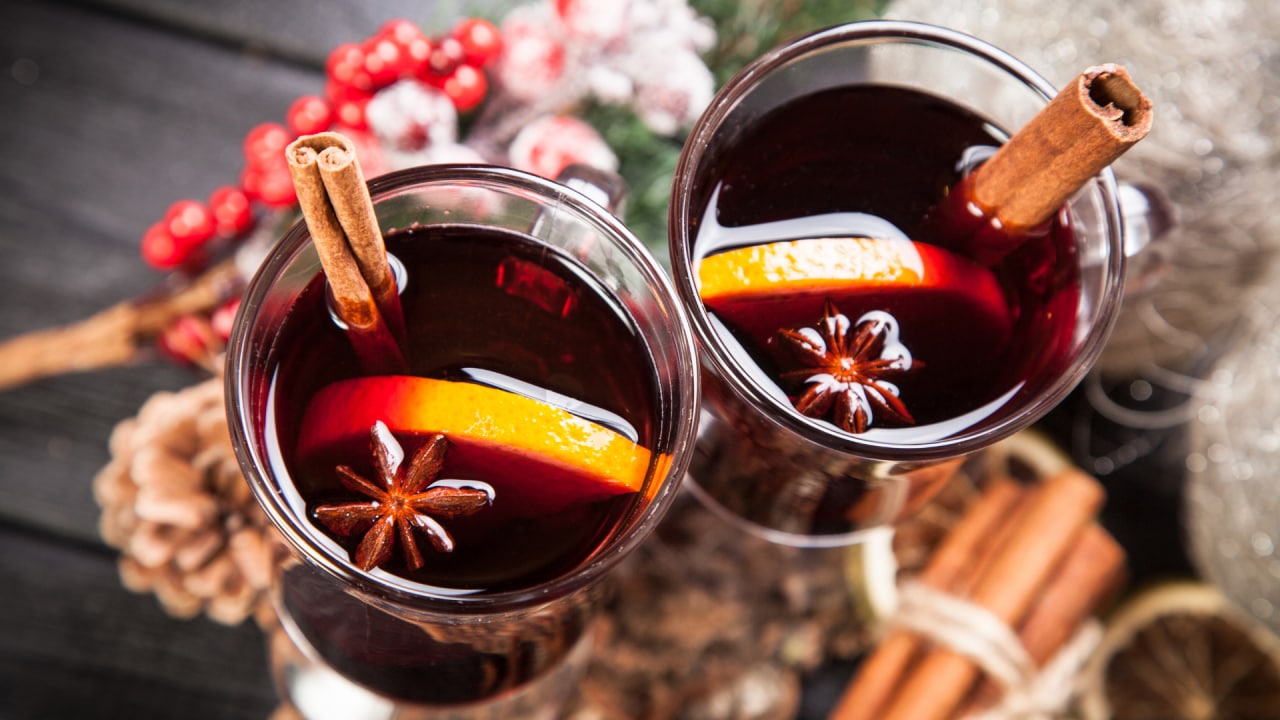
🥤 Making mulled wine
🍷 What, if not mulled wine, gives the holiday atmosphere a special charm? And no, I am not only talking about an alcoholic drink - there are non-alcoholic counterparts that are not far behind the original.
📕 Let's analyze the vocabulary that will be useful to you while making non-alcoholic mulled wine. First - the ingredients (Zutaten):
🍇 Trauben- oder Apfelsaft (1 Liter) - A liter of grape or apple juice. There are other analogues - for example, cherry juice (Kirschsaft)
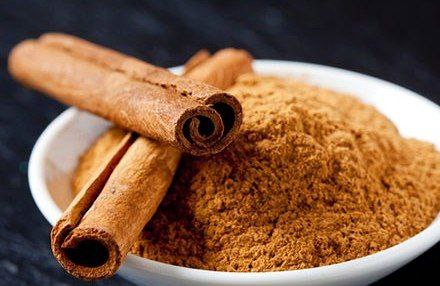
🎍Zimt (1 Strange) - cinnamon stick
🫙 Gewürznelken (2) - two cloves
🍋 Zitronenscheiben (3) - three slices of lemon. Interestingly, the word "die Scheibe" has a wide range of meanings - from "disk" to "washer"
🍎 Apfel - apple
🍯 Etwas Honig/Zucker - some honey or sugar
🤔 How to cook mulled wine? Extremely simple.
▫️ Erwärmen Sie den Saft in einem großen Topf auf mittlerer Stufe - Heat the juice in a large saucepan over medium heat
▫️Fügen Sie während dem Erwärmen die restlichen Zutaten hinzu - While heating, add the rest of the ingredients
▫️Nehmen Sie dann den Topf vom Herd und lasse das Ganze mit allen Zutaten etwa eine Stunde ziehen - Then remove the pot from the stove and let it sit with all the ingredients for an hour.
🔺Your mulled wine is ready - Prost! I hope this recipe will add your Christmas mood 😄
👍26🎉4💯2
🎉 Happy New Year Greetings in German
🌟 The most long-awaited night of the year will come soon, when everyone gathers at a large table, eat deliciously, remember the warm moments that happened during the year, and, of course, give gifts to each other, exchanging wishes that will come true!
✨ It is for this reason that it is worth remembering not only the most popular, but also unusual phrases in order to wish family, friends or colleagues a Happy New Year in German!
🎄 Fröhliches Neues Jahr! - Happy New Year!
🎄 Guten Rutsch ins neue Jahr! - Happy New Year! (A good slide into the New Year)
🎄 Ich wünsche Dir einen guten Start ins neue Jahr! - I wish you a great start to the new year!
🎄Prosit und Hurra! Wir wünschen dir und deiner Familie ein glückliches neues Jahr! - Let's raise our glasses and clink glasses! We wish you and your family a Happy New Year!
🎄 Wir wünschen Euch ein frohes und glückliches neues Jahr! - We wish you a joyful and happy New Year!
🎄 Ich wünsche Euch allen ein fantastisches neues Jahr! - I wish you the most fantastic new year!
🎄 Mit besten Wünschen das beste und erfolgreichste Jahr - 2023! Es soll dir Erfolg und Gedeihen bringen und dein Leben soll froh und bunt werden! - With best wishes, I wish you the very best and successful 2023! I wish you much luck and prosperity this year! May your life become happy and bright!
🎄 Wir wünschen Euch einen guten Rutsch ins neue Jahr! Alle Wünsche und Träume sollen für Euch in Erfüllung gehen! - We wish you a Happy New Year! May all your wishes and dreams come true!
🎄 Ein Augenzwinkern und ein Lächeln sende ich. Mögen sie Dir das ganze Jahr hindurch erhalten bleiben, die guten Stunden untermalen und die schlechten Stunden aufmuntern! - I wish you a Happy New Year and wish you always smile! May smile and joy be on your face all year round, illuminating everyone in good times and cheering everyone in bad times!
❤46👍22🥰8
Es gibt 525.600 Minuten in einem Jahr, und jede davon ist eine Chance, das Leben zu schaffen, das du möchtest. Mach das Beste aus jeder Minute, und du wirst überrascht sein, was du erreichen kannst.
❤72👍6🔥4🥰2
Media is too big
VIEW IN TELEGRAM
▪️Venom
Superheroes are different, although it's hard to call Eddie Brook a hero. Let's watch a piece from the movie "Venom" about an alien who has settled in Eddie's body.
😴 Tomorrow I will publish the subtitles.
Superheroes are different, although it's hard to call Eddie Brook a hero. Let's watch a piece from the movie "Venom" about an alien who has settled in Eddie's body.
😴 Tomorrow I will publish the subtitles.
🥰16👍5💯3👏1
📍Venom
Let's figure out what was said in the excerpt from the movie "Venom"!
(DE) Eddie: Hey, Misissi.
(EN): Hi Missisi.
(DE): Wie läuft‘s so, Eddie?
(EN): How are you, Eddie?
(DE) Eddie: Ah, alles beim Alten außerdem Wetter.
(EN): Oh, everything is like in old age, except for the weather.
(DE): Ah so.
(EN): Oh so.
(DE) Eddie: Na schön. Was so eine kulinarische Künstlichkeit können wir denn essen?
(EN): So. What culinary delights could we eat today?
(DE) Venom: Kartoffelblechen und Schokolade.
(EN): Potato peels and chocolate.
(DE) Eddie: Alles klar, okey, kein Problem.
(EN): Everything is clear, okay, no problem.
(DE): Es ist Zahltag, Chen
(EN): Today is the settlement day, Chen.
(DE): Bitte. Das kann so nicht weitergehen.
(EN): Please. It can't go on like this anymore.
(DE): Jetzt.
(EN): Now.
(DE) Venom: Bose Type, richtig?
(EN): Evil type, right?
(DE) Eddie: Yep.
(EN): Yep.
(DE) Venom: Treffen wir dich je noch einmal oder genauer gesagt irgendwo in dieser Stadt, unschuldige Menschen ausrauben, dann werden wir dich greifen. Wir werden beide Arme von dir fressen und deine Beine und dann fressen wir dir das Gesicht vom Kopf, verstanden?
(EN): If we meet you someday or rather somewhere in this city and you rob innocent people, then we will catch you. We'll eat both your arms and your legs, and then we'll burn your face out of your head, okay?
(DE): Bitte.
(EN): Please.
👍29🥰4❤3🤔3
📍Venom
Here is the second part of the subtitles for the excerpt:
(DE) Venom: Also ja. Dann wirst du dieses armlose, bein- und gesichtslose Ding sein, nicht wahr, das die Straße herunterholt, wie in gar kaufen in Wind. Verstanden?
(EN): So, yes. Then you will become this armless, legless thing without a face, isn't it, that you can knock down and scatter to the wind. Understood?
(DE): Was für Verflucht bist du?
(EN): What kind of curse are you?
(DE) Venom und Eddie: Wir sind Venom. Wenn ich es mir genau überlege...
(EN): We are Venom. If I think about it carefully...
(DE): Bitte.
(EN): Please.
(DE): Eddie? Was war das denn?
(EN): Eddie? What was that?
(DE) Eddie: Ich hab Parasiten. Ja, Nacht Missis Chen!
(EN): I have parasites. Yes, good night, Mrs. Chen!
(DE) Venom: Parasites?
(EN): Parasites?
(DE) Eddie: Ja, das meine ich nur als großen Armen, mehr nichts.
(EN): Yes, by that I mean only big hands, nothing else.
(DE) Venom: Entschuldige dich.
(EN): Excuse yourself.
(DE) Eddie: No.
(EN): No.
(DE) Venom: Entschuldige dich.
(EN): Excuse yourself.
(DE) Eddie: Alles klar, na gut. Entschuldigung. Und was hast du jetzt vor?
(EN): Aight, well, okay. I'm sorry. And what are your plans?
(DE) Venom: Sowie ich das sehe, können wir machen, was immer wir wollen.
(EN): As I see it, we can do what we want.
❤16👍13