
🌞🌻 “How I Spent My Summer” in German
In order to write an essay about your summer vacation or just talk about it, you need to know some basic German vocabulary. Learn the most common German words and phrases related to summer, vacations, and travel.
🏓 The most basic:
der Sommer – summer
die Sommerferien (Pl.) – summer holidays
der Urlaub – holiday
die Reise – trip
im Sommer – summer
🌊 When can I go on vacation / holiday:
im Sommer / Herbst / Winter / Frühling – summer, autumn, winter, spring
in den Ferien – holidays
am Wochenende – weekends
letzten Sommer / Monat – last summer / last month
letzte Woche – last week
letztes Jahr – last year
im letzten Urlaub – last vacation
in den letzten Ferien – last vacation
vor einem Monat – a month ago
vor einer Woche – a week ago
⌛ How long can you be on vacation / on a trip / on a holiday:
einen Tag – one day
drei Tage – three days
einen Monat – one month
zwei Monate – two months
eine Woche – a week
drei Wochen – within three weeks
🏆 There is much more to this topic! Access the full article by clicking here or the button below!

❤30👍7🔥6
☝️ USEFUL PHRASES FOR COMMUNICATION
📌 Starting a sentence
Ich denke... - I think...
Ich glaube... - I assume...
Ich meine... - I think ...
Ich vermute... - I assume...
Ich bezweifle... - I doubt...
Ich weiß... - I know...
Ich verstehe... - I understand...
Ich schließe aus... - I exclude...
Ich verspreche... - I promise...
Ich gebe zu... - I admit ...
Ich behaupte... - I claim...
Ich stimme zu... - I agree...
📌 Developing the thought
Gut, aber... - Good, but...
Na schön, aber... - Fine, but...
Das kann sein, aber... - Maybe, but...
Das stimmt zwar, aber... - That's right, but...
Einverstanden, aber... - Agreed, but...
Man muss betonen, dass... - It must be stressed that...
Zu guter Letzt... - On top of that...
Mit einem Wort... - In a word...
Ich überlege mir... - I consider...
Eine wichtige Rolle spielt hier... - An important role is played here..
❤53👍37🥰1
🤯 A collection of misconceptions, or typical mistakes that many German language learners make.
👉🏻1. Different exits - der Ausgang oder der Ausweg
Remember that the word der Ausgang is used in the sense of 'exit' (from the room), while the word der Ausweg is used in the sense of 'exit' (from the situation).
☝🏻2. groß oder hoch
Remember that the adjectives 'groß' or 'klein' must be used when describing people's height.
The adjective hoch, on the other hand, is used for inanimate objects: mountains, houses, trees etc.
❗️3. schaffen (u, a) oder schaffen (te, t)
Remember that in German the verb schaffen-schuf-geschaffen (create) and the verb schaffen-schaffte-geschafft (cope, be able) are homonyms, so pay attention!
📞4. Remember that the verbs "rufen" and "anrufen" have slightly different meanings
The verb anrufen means 'to call someone on the phone', whereas the verb rufen means 'to call, to summon'. There are, of course, cases where it also means "to call", e.g,
die Polizei, den Arzt rufen,
However, this connotation of its meaning is secondary, it is primarily meant "(to) call".
😍5. The German verbs fühlen ('to feel') and füllen ('to fill') are related in the same way as the English verbs to feel and to fill (with the same meanings respectively)
🤔 Looking to improve your German? The All-in-One pack is the perfect solution, containing everything you need to master the language. From grammar to slang, this bundle has it all. Plus, with three courses included, you'll have plenty of opportunity to practice speaking and hearing German. Click the link below!
👍23❤20🤩3
☝️ USEFUL PHRASES FOR COMMUNICATION
📌 Starting a sentence
Ich denke... - I think...
Ich glaube... - I assume...
Ich meine... - I think ...
Ich vermute... - I assume...
Ich bezweifle... - I doubt...
Ich weiß... - I know...
Ich verstehe... - I understand...
Ich schließe aus... - I exclude...
Ich verspreche... - I promise...
Ich gebe zu... - I admit ...
Ich behaupte... - I claim...
Ich stimme zu... - I agree...
📌 Developing the thought
Gut, aber... - Good, but...
Na schön, aber... - Fine, but...
Das kann sein, aber... - Maybe, but...
Das stimmt zwar, aber... - That's right, but...
Einverstanden, aber... - Agreed, but...
Man muss betonen, dass... - It must be stressed that...
Zu guter Letzt... - On top of that...
Mit einem Wort... - In a word...
Ich überlege mir... - I consider...
Eine wichtige Rolle spielt hier... - An important role is played here..
📌 Starting a sentence
Ich denke... - I think...
Ich glaube... - I assume...
Ich meine... - I think ...
Ich vermute... - I assume...
Ich bezweifle... - I doubt...
Ich weiß... - I know...
Ich verstehe... - I understand...
Ich schließe aus... - I exclude...
Ich verspreche... - I promise...
Ich gebe zu... - I admit ...
Ich behaupte... - I claim...
Ich stimme zu... - I agree...
📌 Developing the thought
Gut, aber... - Good, but...
Na schön, aber... - Fine, but...
Das kann sein, aber... - Maybe, but...
Das stimmt zwar, aber... - That's right, but...
Einverstanden, aber... - Agreed, but...
Man muss betonen, dass... - It must be stressed that...
Zu guter Letzt... - On top of that...
Mit einem Wort... - In a word...
Ich überlege mir... - I consider...
Eine wichtige Rolle spielt hier... - An important role is played here..
👍59❤38
☠️😭 Germans notice mistakes in my speech and constantly correct them and this makes it uncomfortable to speak. I feel like a fool at such moments. What to do?
⠀
1️⃣ Set a goal for yourself.
⠀
Until you have a clear intention to speak German correctly, the situation will not change.
⠀
You will continue to make mistakes and feel like you know who...
⠀
2️⃣ Carefully work out the grammar.
⠀
It is grammatical errors that cut the ear in the first place.
⠀
Take topics that are used on a daily basis:
⠀
- articles and endings,
- prepositions of place and time
- word order in simple and complex sentences,
- negation: nicht, kein, nichts, etc.
- Perfect, Passive, Konjunktiv II
- Mussen & Sollen
⠀
As you work through these topics, you will immediately see a clear "Before" and "After".
⠀
3️⃣ Expand your vocabulary.
⠀
Grammar is the base. With its help, we link words together into adequate sentences.
⠀
If you own the base, all you have to do is expand your vocabulary. And that's it.
⠀
You do not have to speak in memorized patterns (as at the initial level), and you can make a competent sentence from any unfamiliar words.
⠀
❌ At the same time, gaps in grammar can greatly negate a wide vocabulary.
⠀
So if:
⠀
- it resonates with you
- you are at the intermediate level,
- and you have grammar problems,
⠀
I propose to take the first step towards solving the problem.
⠀
Check out the All-in-One pack – a perfect solution, containing everything you need to master the language. From grammar to slang, this bundle has it all. Plus, with three courses included, you'll have plenty of opportunity to practice speaking and hearing German.
⠀
And in a few months, your German can become a level higher 🚀
⠀
1️⃣ Set a goal for yourself.
⠀
Until you have a clear intention to speak German correctly, the situation will not change.
⠀
You will continue to make mistakes and feel like you know who...
⠀
2️⃣ Carefully work out the grammar.
⠀
It is grammatical errors that cut the ear in the first place.
⠀
Take topics that are used on a daily basis:
⠀
- articles and endings,
- prepositions of place and time
- word order in simple and complex sentences,
- negation: nicht, kein, nichts, etc.
- Perfect, Passive, Konjunktiv II
- Mussen & Sollen
⠀
As you work through these topics, you will immediately see a clear "Before" and "After".
⠀
3️⃣ Expand your vocabulary.
⠀
Grammar is the base. With its help, we link words together into adequate sentences.
⠀
If you own the base, all you have to do is expand your vocabulary. And that's it.
⠀
You do not have to speak in memorized patterns (as at the initial level), and you can make a competent sentence from any unfamiliar words.
⠀
❌ At the same time, gaps in grammar can greatly negate a wide vocabulary.
⠀
So if:
⠀
- it resonates with you
- you are at the intermediate level,
- and you have grammar problems,
⠀
I propose to take the first step towards solving the problem.
⠀
Check out the All-in-One pack – a perfect solution, containing everything you need to master the language. From grammar to slang, this bundle has it all. Plus, with three courses included, you'll have plenty of opportunity to practice speaking and hearing German.
⠀
And in a few months, your German can become a level higher 🚀

👍28🥰14
☝️ USEFUL PHRASES FOR COMMUNICATION
📌 Starting a sentence
Ich denke... - I think...
Ich glaube... - I assume...
Ich meine... - I think ...
Ich vermute... - I assume...
Ich bezweifle... - I doubt...
Ich weiß... - I know...
Ich verstehe... - I understand...
Ich schließe aus... - I exclude...
Ich verspreche... - I promise...
Ich gebe zu... - I admit ...
Ich behaupte... - I claim...
Ich stimme zu... - I agree...
📌 Developing the thought
Gut, aber... - Good, but...
Na schön, aber... - Fine, but...
Das kann sein, aber... - Maybe, but...
Das stimmt zwar, aber... - That's right, but...
Einverstanden, aber... - Agreed, but...
Man muss betonen, dass... - It must be stressed that...
Zu guter Letzt... - On top of that...
Mit einem Wort... - In a word...
Ich überlege mir... - I consider...
Eine wichtige Rolle spielt hier... - An important role is played here..
📌 Starting a sentence
Ich denke... - I think...
Ich glaube... - I assume...
Ich meine... - I think ...
Ich vermute... - I assume...
Ich bezweifle... - I doubt...
Ich weiß... - I know...
Ich verstehe... - I understand...
Ich schließe aus... - I exclude...
Ich verspreche... - I promise...
Ich gebe zu... - I admit ...
Ich behaupte... - I claim...
Ich stimme zu... - I agree...
📌 Developing the thought
Gut, aber... - Good, but...
Na schön, aber... - Fine, but...
Das kann sein, aber... - Maybe, but...
Das stimmt zwar, aber... - That's right, but...
Einverstanden, aber... - Agreed, but...
Man muss betonen, dass... - It must be stressed that...
Zu guter Letzt... - On top of that...
Mit einem Wort... - In a word...
Ich überlege mir... - I consider...
Eine wichtige Rolle spielt hier... - An important role is played here..
👍89🥰7👏4❤1
🙄 Apologies in German
😬 It is very important to be able to correctly and politely apologize in any language, including German.
❗️ Yes, today we are talking about that. You need to learn the apologies at the very, very beginning, because they will certainly be needed in life, at least in order to be polite.
🔥 The most common, generally accepted, and neutral are apologies with the verb (sich) entschuldigen and the noun die Entschuldigung. They are used without restrictions and in any situations, however, as mentioned above, speaking Ich entschuldige mich is not entirely correct (although German speakers often say that).
😳 The fact is that (sich) entschuldigen is a reflexive verb, which means that we return the action to ourselves. Literally it turns out, I apologize to MYSELF - this is incorrect, the interlocutor should excuse you, therefore we give the correct apologies:
Ich möchte mich bei Ihnen entschuldigen - I have to apologize to you (the most polite option)
Entschuldigen Sie mich bitte! - I'm sorry/Forgive me please
Ich bitte um Entschuldigung! - pardon me/I beg for your forgiveness
Entschuldigung! - Excuse me!
Ich möchte um Entschuldigung bitten! - I apologize to you
😥 A deeper apology for significant actions or deeds is customary to express with the verb verzeihen and the noun die Verzeihung:
Verzeihung! - Excuse me!
Verzeihen Sie mir bitte! - Excuse me, please!
Ich möchte um Verzeihung bitten! - I must apologize!
Ich bitte um Verzeihung! - I apologize!
Verzeihen Sie meinen Fehler! - Forgive my mistake!
😉When something minor happened, as they say, in passing, it is customary to apologize with the word Pardon! (To blame)
Such an apology does not oblige anyone to anything and is accepted only through informal communication.
🤓How else can you make amends? There are also “advanced” non-standard expressions, for example:
Was habe ich da angerichtet / gemacht / getan! - What have I done!
Wie kann ich das wieder gutmachen? - How can I make amends?
Seien Sie mir nicht böse! - Do not be angry at me!
Es tut mir leid! - I'm sorry!
😉 Finally, a case has occurred, an apology has been accepted, which can be heard in response:
Das macht nichts - nothing
Das war doch nicht so schlimm - It's okay/That's not bad at all
Kein Problem! Keine Frage! Kein Thema! - Not a problem
😎Now you are fully equipped. And if even a nuisance does happen, you can beautifully apologize. Then your opponent will have nothing to say except “macht nichts”.
👍56💯10👏6🥰2
🇩🇪 Important phrases to express your opinion
In conversation we often have to express our thoughts, for which we use special constructions like "I think...", "I believe...". Let's look at them in German:
🔸 Ich denke... - I think...
🔸 Ich nehme an... - I suppose...
🔸 Ich vermute... - I suppose...
🔸 Ich behaupte... - I assert...
🔸 Meiner Meinung nach... - In my opinion...
🔸 Meiner Ansicht nach... - In my opinion/view...
🔸 Ich bin überzeugt... - I am convinced...
🔸 Ich bin (mir) sicher... - I am convinced ...
🔸 Persönlich glaube ich... - Personally I think...
🔸 Viele Menschen glauben ... - Many people think ...
🔸 Soweit ich mich erinnere... - As far as I remember...
🔸 Aus meiner Sicht... - From my point of view...
🔸 Zugegebenermaßen... - As recognized...
👍74👏8🙏3💯3🥰2😢1
⚡️ THE VERB WERDEN AND ITS MEANINGS
Werden is one of the most important verbs in German. It is an auxiliary verb (just like the verbs "haben" and "sein"). Werden is used when forming the future tense and when forming the passive voice.
📌 Conjugate:
ich werde
du wirst
er, sie, es wird.
wir werden
ihr werdet
sie, Sie werden
werden - to become / to get
📍 And a few expressions with this verb:
anders werden - to change
erwachsen werden - to grow up
ohnmächtig werden - to faint
teuer werden - to become expensive
alt werden - grow old
Arzt werden - to become a doctor
besser werden - get better
betrunken werden - get drunk
dunkel werden - get darker
kindisch werden - to become childlike
berühmt werden - to become famous
böse werden - get angry
Check out the All-in-One pack – a perfect solution, containing everything you need to master the language. From grammar to slang, this bundle has it all. Plus, with three courses included, you'll have plenty of opportunity to practice speaking and hearing German.
⠀
And in a few months, your German can become a level higher 🚀
👍49🥰5😢2💯2🔥1
💥 Let's work on the pronunciation? Tongue twisters-language breakers:
1. Blase blubbernd in Seifenbruhe — bilde bunte Seifenblasen!
2. Brauchbare Bierbrauerburschen brauen brausendes Braunbier.
3. Wenn der Benz bremst, brennt das Benz-Bremmslicht.
4. Plättbrett bleibt Plättbrett.
5. Die Bürsten mit schwarzen Borsten bürsten besser, als die Bürsten mit schwarzen Borsten.
6. Bürsten mit harten Borsten bürsten besonders sauber.
7. Weiße Borsten bürsten besser als schwarze Borsten bursten.
8. Blaukraut bleibt Blaukraut und Brautkleid bleibt Brautkleid. Brautkleid bleibt Brautkleid und Blaukraut bleibt Blaukraut.
9. Wenn der Benz bremst, brennt das Benz-Bremmslicht.
10. Auch freche Fechter fechten mitternachts nicht.
11. Peter pappt das Pappplakat, das Pappplakat pappt Peter.
12. Wachs wächst nicht auf Wachsbäumen.
13. Kasperle kaspert kindisch in kleinen Kastenkapseln.
14. Warmes Wasser wäscht wollende Wäsche wachs weiß, wenn wachsende Wärme Wasser waschwarm werden lässt.
15. Kleine Kinder können keine Kirschkerne knacken.
16. Zwischen zwei Zwetschgenbäumen zwitschern zwei Schwalben.
17. Brautkleid, bleibt Brautkleid. Blaukohl, bleibt Blaukohl.
18. Esel fressen Nesseln nicht- Nesseln fressen Esel nicht.
19. Frau von Hagen, darf ich’s wagen Sie zu fragen, wieviel Kragen Sie getragen, als sie lagen krank am Magen, im Spital zu Kopenhagen?
20. Was Esel gern afu Wege legen, fegen Kehrer weg mit Besen. Feger kehren weg mit Besen, was Esel gern auf Wege legen.
😉Well, how did it go?
👍26😱6💯5👏4🥰1
🍷 German wines: what the Germans drink
🍻 Germany is famous all over the world for its foamy golden drink, but not for them alone! German wines are gaining more and more popularity in the world, and this is well deserved.
🍇 Today there are even tourist trips that include visits to the main Rhine vineyards and lots of tastings. This route is called the German Wine Route.
👇 In our article about German wines, we tell you which ones are worth trying on occasion 😉

👍17🥰9💯1
❤️ Using the verbs gefallen, mögen and lieben
✏️ In the first part of the article, we talked about the expression "like" in relation to activities and food. But we can also like objects and people.
⚡️ This is where one of the most versatile and convenient verbs with the meaning "to like" comes into play - gefallen.
1⃣ Firstly, gefallen is used for almost everything (except actions): "I like this book", "I like this city", "I like you" and even "I like this soup".
2⃣ Secondly, it is a strong verb with an inflected root vowel and is in the same group as the verb fallen. In practice, we need only three of its forms:
du - gefällst | er, sie, es - gefällt | sie-gefallen
3⃣ We can use the verb gefallen if we like someone:
• Du gefällst mir. - I like you.
• Er gefällt ihr. - She likes him.
✏️ At the same time, it does not carry any secret meaning in himself and demonstrates just a personal disposition.
👉 Read about the verbs mögen and lieben in our today's article!

👍28🥰7
🤔 How to start learning German?
📌 If you set out to learn German, then you will definitely have a question about how to learn it better: in a group, individually with a teacher or on your own.
✏ If you chose the third option, we want to help you design your classes to be as effective as possible.
👇 Look for tips for beginners and useful links in our article!

🥰12👍3
🧠Gehirn
📍Today we will try to improve your listening skills. Watch the passage below and answer what Homer is trying to find in his head 😉
#movies
📍Today we will try to improve your listening skills. Watch the passage below and answer what Homer is trying to find in his head 😉
#movies
YouTube
Homers Gehirn ist ein PC (Die Simpsons)
Hey Leute, seht einfach selbst...
👍15
💭 Homer sucht nach?
Anonymous Quiz
61%
Grandpa's Geschichten
30%
Grandpa's Gesicht
9%
Grandpa's Gericht
👍9🥰5❤2
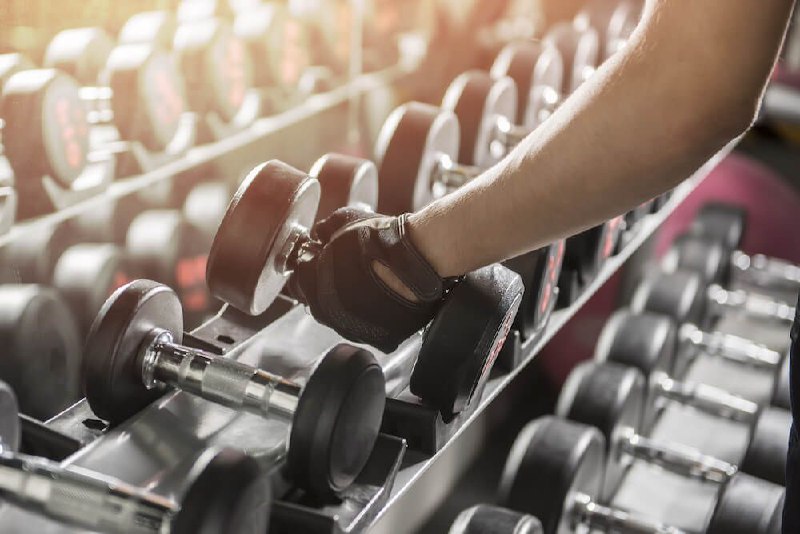
📌 Vocabulary: In der Sporthalle / in the gym
Do you go to the gym?
Today we will learn a few words and expressions that will help you navigate the gym.
📍Most of the words that are used in the fitness industry come from the English language. It is not surprising that in German many names of equipment for classes and fitness areas are borrowed and coincide with English.
das Gerät - device
der Laufband - running track
das Spinningrad - exercise bike
der Cross-Stepper - elliptical trainer
die Scheibenhantel - disc dumbbell
die Hantel - dumbbell
Bankdrüken machen - bench press
das Krafttraining - strength training
das Ausdauertraining - endurance training
zum Kurs gehen - go to group classes
mit dem persönlichen Trainer trainieren - training with a personal trainer
das Herzkreislauftraining - cardio training
das yoga - yoga
der Pilates - Pilates
die Dehngymnastik - Stretching
Muskelkater haben - sore muscles
Wie kaufe ich eine Dauerkarte? - How do I buy a subscription?
Ist es moglich eine Monatskarte zu kaufen? - Is it possible to buy a subscription for a month?
Gibt es ein Probetraining? - Is there a trial workout?
Was enthalt die Monatskarte? - What is included in the monthly subscription?
Darf man jedes Training bezahlen? - Is it possible to pay for each training session?
Wo kann ich hier meine Sachen einschlieβen? - Where can I put my things?
👍22👏4
🧠Gehirn
📍Let's analyze the phrase from yesterday's video:
Mein Gehirn funktioniert wie ein Computer. Ich verschiebe Grandpa's Geschichten an einen ganz besonderen Ort.
Let's analyze the vocabulary:
das Gehirn - brain
verschieben - move (from place), transfer
📍The verb verschieben is an irregular verb, so you should remember the principle of its conjugation: verschieben - verschob - verschoben
der Ort - place, point, locality
👉 Translation of Homer's line: My brain functions like a computer. I take my grandfather's stories to a special place.
YouTube
Homers Gehirn ist ein PC (Die Simpsons)
Hey Leute, seht einfach selbst...
👍30😱4
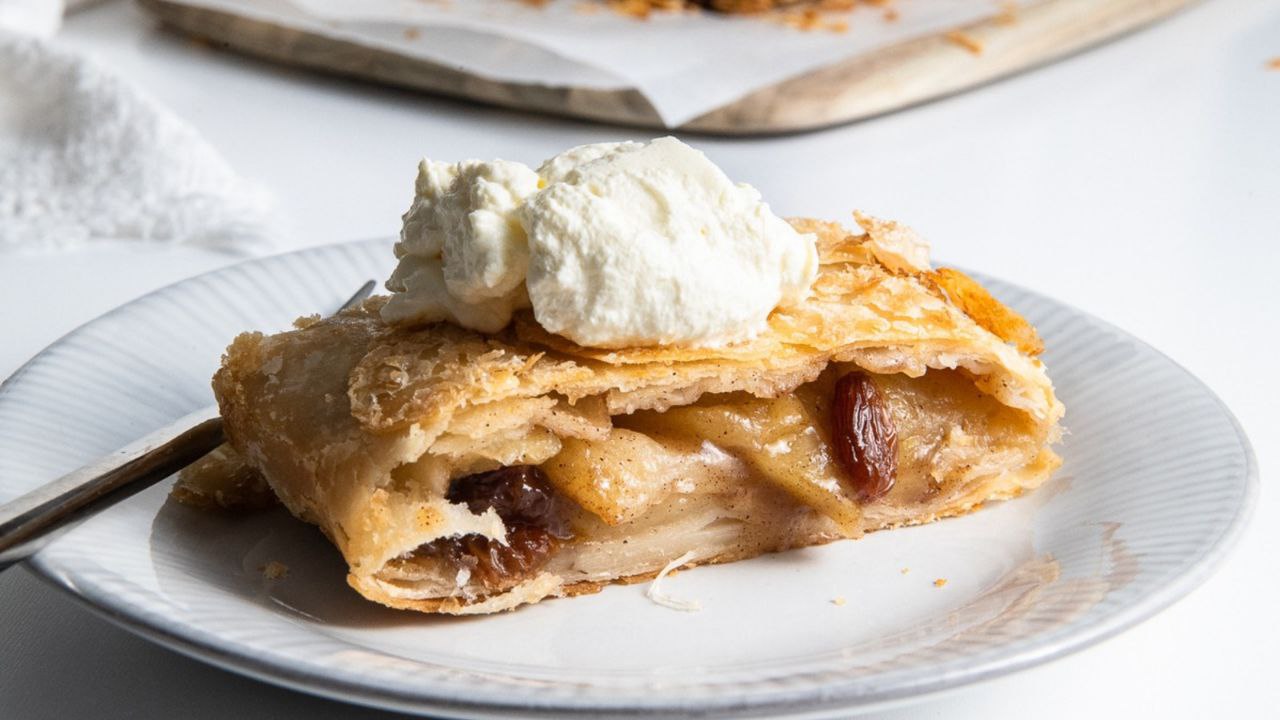
📌 Strudel
Strudel is one of the most popular German dishes. Outside of Germany, strudel is usually served as a dessert: with apples, cherries, etc. In fact, strudel can be with meat and vegetables. Another version of this dish is also popular: roast meat with strudel.
Today we will look at the recipe for a classic German cherry strudel.
📍Zutaten / Ingredients
🔺Mehl 2 Glaser
2 cups of flour
🔺Öl 4 Eβlöffel
4 tbsp vegetable oil
🔺Kirschen 700g
700g cherries
🔺Butter 100g
100g butter
🔺Zucker 1.5 Glas
1.5 cups sugar
🔺Geknackte Nüsse ein Drittel Glas
1/3 cup chopped nuts
🔺Zimt ein Teeloffel
teaspoon of cinnamon
Wie man kocht/how to cook:
1️⃣ Im groβen Schüssel Öl mit Wasser und Mehl mischen, ein wenig salzen. So bekommt man einen schön plastischen Teig. Kugel daraus machen, mit Öl einfetten und für eine halbe Stunde unter dem Handtuch liegen lassen.
In a large bowl, mix vegetable oil with water and flour, salt a little. This makes for an excellent plastic dough. Roll a ball out of it, grease with vegetable oil and leave for half an hour under a towel.
2️⃣ Kirschen in die Kasserolle legen und Zucker dazu ergänzen, kochen bis der Kirschensaft braust, dann den Herd runterstellen und noch fünf Minuten kochen.
Put the cherries in a saucepan, sprinkle with sugar and bring the released cherry juice to a boil, then reduce the heat and cook for another five minutes.
3️⃣ Dann die Kasserolle vom Herd nehmen und die Kirschen in den Durchschlag werfen.
Then remove the saucepan from the stove and discard the cherry in a colander.
4️⃣ Nüsse braten, dann zerkleinern, mit Zimt einmischen.
Roast nuts, chop and mix with cinnamon.
5️⃣ Butter zerlassen.
Melt butter.
6️⃣ Den Teig je feiner desto besser ausrollen und mit zerlassenem Butter einfetten.
Roll out the dough (the thinner the better) and brush with melted butter.
7️⃣ Nüsse mit Zimt und Kirschen über den Taig aufteilen und den Teig einrollen.
Spread nuts with cinnamon and cherries over the surface of the dough, roll up the roll.
8️⃣ Den Strudel mit Resten des zerlassenen Butters einfetten und in einigen Orten einschneiden.
Brush the strudel with the rest of the melted butter and make a few notches.
9️⃣ Im Backofen 40 Minuten backen.
Bake 40 minutes.
Enjoy your meal! ☺️
🥰25👍14😱2❤1
🧛🏻♂️ Breaking Dawn - Biss zum Ende der Nacht
📍Today we will watch an excerpt from the movie "Twilight". A romantic story that won the hearts of many people. Let's look at the moment where Bella first meets her father after her conversion into a vampire.
(DE) Esme: Viel Gluck!
(EN) Good luck!
(DE) Carlisle: Hallo, Charlie.
(EN) Hello Charlie.
(DE) Charlie: Wo ist Bella?
(EN) Where is Bella?
(DE) Bella: Hey, Dad.
(EN) Hello dad.
(DE) Charlie: Ist dir gut?
(EN) Are you okay?
(DE) Bella: Ja, bestens. Ich hab eine Pferde Natur.
(EN) Yes, the best. I have health like a horse.
(DE) Charlie: Du, verwandelst du dich nicht auch in ein Tier, oder?
(EN) You, you don't turn into an animal the same way, or?
(DE) Jacob: So cool währ sie wohl gern.
(EN) She would love to be so cool.
(DE) Edward: Lassen wir den beiden allein.
(EN) Let's leave them alone.
(DE) Charlie: Jacob hat gesagt, das hier war notwendig. Was heist das?
(EN) Jake said it was necessary. What does it mean?
(DE) Bella: Ich glaube es wäre besser…
(EN) I think it would be better...
(DE) Charlie: Ich will wissen was mit dir passiert ist.
(EN) I want to know what happened to you.
(DE) Bella: Das kann ich dir nicht sagen.
(EN) I can't tell you that.
(DE) Charlie: Ich hab eine Erklärung verdient.
(EN) I deserve an explanation.
(DE) Bella: Das hast du. Aber wenn du darauf bestehst, muss ich weg ziehen.
(EN) Deserved. But if you insist, then I'll have to drive away.
(DE) Charlie: Ach komm schon, nein! Du gehst nicht schon wieder fort.
(EN) Come on, no! You won't disappear again.
(DE) Bella: Dad, du musst mir einfach vertrauen aus welchem Grund auch immer. Es geht mir gut. Es geht mir mehr, als gut. Cannst du damit leben?
(EN) Dad, you just have to trust me always, no matter for what reasons. I feel good. I'm more than good. Can you live with it?
(DE) Charlie: Kann ich damit leben? Ja, keine Ahnung, Bella. Ich hab' gerade gesehen wie ein Junge, den ich schon sein ganzes Leben kenne, sich in ein verdammt großen Hund verwandelt. Meine Tochter…sie nehmen meine Tochter aus, aber auch wieder nicht.
(EN) Can I live with it? Yes, no idea, Bella. I just saw a guy I've known all my life turn into a damn big dog. My daughter...they take my daughter away and then they're gone again.
(DE) Bella: Kannst du mir wenigstens glauben, dass ich dir alles erzählen werde was du wissen musst.
(EN) Can you trust me a little that I will tell you everything you need to know.
(DE) Charlie: Und das hier muss ich nicht wissen?
(EN) But I shouldn't know this?
(DE) Bella: Nein. Musst du wirklich nothing.
(EN) No. The truth shouldn't.
(DE) Charlie: Tja, ich will dich nicht wieder verlieren. Kann ich nothing.
(EN) Hmm, I don't want to lose you again. I can not.
(DE) Bella: Dann wirst du das auch nicht. Ich verspreche es.
(EN) Then you won't lose. I promise you.
(DE) Charlie: Ich hab' dich vermisst, Bella. So sehr.
(EN) I missed you, Bella. Very much.
(DE) Bella: Ich dich auch, Dad.
(EN) I'm after you too, dad.
(DE) Edward: Charlie, das ist Renesmee.
(EN) Charlie, this is Renesmee.
(DE) Charlie: Deine Nothing?
(EN) Your niece?
(DE) Edward: Unsere Tochter.
(EN) Our daughter.
(DE) Charlie: Richtig. Die Adoption. Renesmee? Sie hat deine Augen, Bella. Mehr muss ich wohl nicht wissen?
(EN) Correct. Adoption. Renesmee? She has your eyes, Bella. Shouldn't I know more?
❓Have you watched "Twilight"?
#movies
👍22🥰9❤1👏1
👥 Difference between JETZT, GLEICH, GERADE and EBEN
👀 Why do Germans need so many words for "now"?
🎯 When is each used?
🔄 When are they interchangeable?
👇 Click the button below, read the article and speak correctly!
👀 Why do Germans need so many words for "now"?
🎯 When is each used?
🔄 When are they interchangeable?
👇 Click the button below, read the article and speak correctly!

👍13👏5💯3🥰1
👧 Vaiana
📍The Disney cartoon "Moana" in the German interpretation was called "Vayana". The name of the main character was changed due to the fact that in many European countries, including Germany, the trademark "Moana" already existed. By the way, in some countries, for example, in Italy, you can find another name: "Oceania".
📍Today we will listen to one of the most popular songs from the cartoon "Moana" - "Thank you".
Okay, okay, schon klar, was jetzt hier passiert.
Okay, okay, I see what happened.
Du kommst mit wahrer Größe noch nicht klar.
You're not used to true greatness yet.
Du weißt nicht genau, was du fühlst.
I know exactly how you feel.
Echt süß, Kleine!
Very cute baby!
Menschen sind noch immer sehr berechenbar.
People are still very predictable.
Gleich fängt die Show für dich an.
The show is about to start for you.
Ja, ich bin es wirklich.
Yes, it's really me.
Maui! Zieh's dir rein.
Maui! You can read.
Schon sehr interesting,
Already very interesting
So insgesamt.
So in general.
So ein Halbgott ist halt imposant!
Such a demigod is simply imposing!
Was soll ich sagen? Hey, voll gerne!
What can I say? Hey please!
Alles hier ist handgemacht.
Everything here is handmade.
Es ist okay, ist okay, voll gerne!
It's all right, all right, please!
Bin nur der Durchschnittsgott von nebenan.
I'm just an ordinary god next door.
Hey, wer stemmt mit Daumen jedes Gewicht?
Hey, who fingers any weight?
Du musst nicht lange raten.
You won't have to guess for long.
Na, ich!
Well, I!
Wird es kalt bei Nacht,
It was cold at night
Wer hat das Feuer euch gebracht?
Who brought you the fire?
Ich hab' das gemacht. Yo!
It's me! Hey!
Fur euch fing ich die Sonne ein. Voll gerne!
For you, I caught the sun. You're welcome!
Die Tagen wurden länger, Spaß muss sein!
The days are getting longer, it should be better!
Den Wind zu zähmen war schwer.
It was difficult to tame the wind.
Voll gerne!
Please!
❓Have you watched "Moana"?
👏17👍14🙏1