
🇩🇪 👇 Several useful expressions
1. brilliant idea - eine glänzende Idee, ein glänzender Einfall
2. great idea - fixe Idee
3. Just out of habit - aus bloßer Gewohnheit
4. without reason - ohne (besonderen) Grund, ohne Absicht (no intention)
5. simply - (ganz) einfach
6. it is very simple to explain - das läßt sich ganz einfach erklären
7. Let it be what it will - möge kommen, was es will
8. so be it! - möge mag, soll es so sein !, meinetwegen!
9. so be it! - nun gut! na schön!
10. it is very possible - das ist leicht möglich
11. As much as possible - soweit es möglich
12. At the End of the World - am Ende der Welt
13. Most likely - höchstwahrscheinlich
14. point to point - genau; aufs Haar
15. point! (end) - Punkt!
16. briefly and clearly - kurz und bündig
17. In short - kurz gefasst
18. How long or short - über kurz oder lang
19. speak briefly! - fasse dich kurz!
20. in a moment of weakness - in einem schwachen Augenblick
21. for trifles - wegen einer Kleinigkeit
22. it's nothing! - das macht nichts, das hat nichts zu bedeuten
23. even so - selbst wenn es so wäre; wennschon!
24. now - sofort
25. even today, even tomorrow, I don't care - ob heute, ob morgen, mir ist es gleich
26. say a word - sag wenigstens ein Wort
27. do it, if not for me, then at least for yourself - tue es wenn nicht für mich, so wenigstens für dich selbst
28. for the life of me, I don't know - und wenn es um mein Leben geht schlag mich tot, ich weiß es nicht
29. he is a guy anywhere - er ist ein Prachtkerl
30. so wet, you can squeeze it - zum Auswringen naß
🚴♀️🎯 How to talk about your hobby in German?
I've got 25 ways for you!
1. I have a hobby - Ich habe ein Hobby
2. I am fond of music - Ich interessiere mich für Musik
3. My hobby is sport - Sport ist mein Hobby
4. I like to play tennis - Ich spiele Tennis gern
5. On Wednesdays and Fridays I play table tennis - Mittwochs und freitags spiele ich Tischtennis
6. I love knitting - Ich stricke gern
7. Everyone in our family loves to travel - In unserer Familie reisen alle gern
8. We spend our free time on the sports ground - Wir verbringen unsere Freizeit auf dem Sportplatz
10. He enjoys fishing - Das Angeln ist sein Hobby
11. Sein neuester Sport ist Briefmarkensammeln - His latest hobby is collecting stamps
12. Er betreibt das Briefmarkensammeln als Sport - He is interested in philately
13. I collect Postage Stamps - Ich sammle Briefmarken
14. I read with pleasure - Ich lese gern
15. I do needlework - Ich mache Handarbeiten
16. I am willing to fish - Ich angle gern
17. In the summer I am willing to swim - Im Sommer gehe ich gern Schwimmen.
18. Playing football gives me pleasure - Fussballspielen macht Spass.
19. One of my hobbies is writing letters to friends - Eines meiner Hobbies ist Briefeschreiben an meine Freunde.
20. Sometimes I read so much that I forget about my homework - Manchmal lese ich so viel, dass ich die Hausarbeit vergesse.
21. If the weather is bad, I read books or watch TV - Wenn das Wetter schlecht ist, lese ich Bücher oder sehe fern.
22. Once a week I go to handball training - Einmal in der Woche gehe ich zum Handballtraining.
23. My hobby has actually become my profession - Mein Hobby ist eigentlich mein Beruf geworden.
24. My hobby is cooking - Mein Hobby ist Kochen.
25. But my biggest hobby is drawing - Aber mein größtes Hobby ist das Malen.
Was ist dein Hobby?
❤1
📍 Personal pronouns
ich - i
du - you
er - he
sie - she
es - it
wir - we
ihr - you
Sie - you
sie - they
📍 Genitiv - Dativ - Akkusativ
my - meiner me - mir me - mich
your - deiner you - dir you - dich
him - seiner him - ihm him - ihn
him - seiner him - ihm his - es
her - ihrer her - ihr her - sie
our - unser us - uns us - uns
your - euer you - euch you - euch
them - ihrer im - ihnen them - sie
Yours - Ihrer You - Ihnen You - Sie
🇩🇪 15 WAYS TO EXPRESS THANKS
Danke sehr! - Thank you so much!
Danke schön! - Thank you so much!
Vielen Dank! - Many thanks! (literally: thank you so much)
Tausend Dank! - A thousand thanks!
Herzlichen Dank! - Thank you very much!
Danke! - Thank
Danke dir! - Thank you!
Danke euch! - Thank you!
Danke Ihnen! - Thank you! (respectful)
Danke vielmals! - Thank you many times!
Ich bin dir / Ihnen sehr dankbar! - I very thankful to you
Das ist nett von dir! - Very nice of you!
Danke, dass es dich gibt! - Thank you for being there!(that you're)
Das ist sehr freundlich von Ihnen! - Very friendly on your part
Herzlichen Dank für deine / Ihre Hilfe! - Thank you very much for your / your help!
🍺25 SHORT GERMAN PHRASES FOR ALL OCCASIONS!
Ich glaube ... = I think ...
Ja, klar! = Of course! (all clear)
Ja, sicher! = Of course! (required)
Macht nichts = Yes, nothing (scary)
Ich möchte ... = I would like to ...
Prima / klasse / toll! = Great! Super!
Das ist mir (völlig) egal = I don't care
Ich habe keine Lust = I don't want
Tut mir leid = I'm sorry
Offen / ehrlich gesagt = Honestly
Auf jeden Fall / jedenfalls = Anyway
Übrigens = By the way
Wahrscheinlich = Probably, probably
Praktisch = Practically
Im Prinzip = Basically
Sozusagen = So to speak
In der Tat = Actually
Offensichtlich = Obvious
Genau = Exactly, exactly
Einerseits = One side
Andererseits = On the other hand
Soviel ich weiß = As far as I know
Also = So
Gleich / sofort = Right now
Außerdem = Also
❗️ Using German prepositions when asked "Wann?" (When?)
✅ The preposition um is used when you say the time:
Wann treffen wir uns? - Um 19 Uhr.
When will we meet? - At 19 o'clock.
✅Preposition am (an + dem) - when it comes to time of day, days of the week and date:
Wann geht ihr ins Kino? - Am Nachmittag. / Am Freitag. / Am 8. (achten) März.
When do you go to the cinema? - After noon. / On Friday. / Eighth of March.
✅Preposition im (in + dem) - season, name of months, indication of the year.
Wann ist es passiert? - Im Herbst. / Im September. / Im Jahr (e) 2005.
When did it happen? - In the autumn. / In September. / In 2005.
📌NO! There are some exceptions:
in der Nacht (die Nacht)
in der Früh (die Früh)
in der Woche (die Woche)
am Wochenende (das Wochenende)
❓ Are you confused about this topic?
⚡️ A selection of the most popular prepositional phrases!
Finding one specific source of such phrases is not easy, but I have compiled a useful list of basic phrases that will definitely come in handy:
auf der Autobahn - on the Autobahn
auf der Versammlung - at a meeting
in der Vorlesung - at the lecture
auf der Toilette - in the toilet
zu Gast (sein) - (to be) away
im Stadion - at the stadium
in der Oper - at the opera
im öffentlichen Dienst - in public service
unter Stress (stehen) - (to be) in a state of stress
in Gefahr - under threat
mit dem Auto - by car
auf Befehl - by order
auf Kosten (des Unternehmens) - at the expense of (the firm)
in Erinnerung an Gagarin - in memory of Gagarin
bei hoher Geschwindigkeit - at high speed
vor Freude - with joy
nach Berlin - to Berlin
vor Sehnsucht - from longing
aus Anlass - about
an der Grenze - on the border
an der Wand - on the wall
am Tisch (sitzen) - (sit) at the table
auf dem Tisch (stehen) - (to stand) on the table
in der Küche - in the kitchen (where?)
in die Küche - to the kitchen (where?)
am Bahnhof - at the train station (where?)
zum Bahnhof - to the train station (where?)
am Strand - on the beach (where?)
an den Strand - to the beach (where?)
auf das Konzert (gehen) - (go) to the concert
Dollar in Euro (umtauschen) - (change) dollar to euro
By learning some phrases from our selection, you will definitely enrich your vocabulary and thereby improve your German! Good luck! ✨
🙏🏻 Express gratitude in German!
📌Today we will analyze stylistically elevated forms of gratitude
Officially Germans use a short adjective “grateful” - zu Dank verpflichtet sein:
I am very (so deeply, extremely) grateful to you! Ich bin Ihnen sehr zu Dank (so zu Dank, zu tiefem Dank, zu äußerstem Dank) verpflichtet!
How grateful to you! Ich bin Ihnen zutiefst dankbar!
👉🏻 For example:
You have done a lot for me. I am deeply grateful to you. - Sie haben sehr viel für mich getan. Ich bin Ihnen zu tiefem Dank verpflichtet.
The same can be expressed in a complex sentence indicating the causal justification of gratitude:
I thank you for ... Ich bin Ihnen für noun. in Akk. (zu Dank verpflichtet)
I am grateful to you that ... Ich bin Ihnen dankbar (zu Dank verpflichtet) dafür, dass ... / Ich bin Ihnen dankbar (zu Dank verpflichtet), weil ...
👉🏻 For example:
- I am very grateful to you for the provided help. - Ich bin Ihnen sehr dankbar für die erwiesene Hilfe.
- I am very grateful to you for reading my article. - Ich bin Ihnen sehr zu Dank verpflichtet, weil Sie meinen Artikel gelesen haben.
🌸 Statements with the word “grateful” - dankbar sein, as stylistically elevated, are applicable in a formal communication environment.
🔥🤔What is an Article?
Certain words in German have a grammatical gender. Those genders are masculine (m), feminine (f) and neuter (n). The only words that have a gender are called nouns. Those are words that in English can be used with the. So house is a noun because you can say the house. And that‘s why the German equivalent for house - Haus is also a noun and it‘s of neuter gender - das Haus.
While in English you are perfectly fine with "the" in German there are six "thes", namely:
the: der, das, die, den, dem & des
And that‘s not all yet. There are several groups of articles, which are the same as in English although you might not have considered them to be an article. Other articles are:
a: ein, eine, einen, einem, einer, eines
my: mein, meine, meinen, meinem, meiner meines
not-a: kein, keine, keinen, keinem, keiner, keines
which: welcher, welches, welche, welchen, welchem
this: dieser, dieses, diese, diesen, diesem
Any of the above articles can be used with a noun, e.g. the house, my house or which house - das Haus, mein Haus oder welches Haus . You need to know the basic gender (often expressed by der, das, die) of each noun to be able to speak German correctly. But please do not even try to learn the lists above by heart. You'll get overwhelmed. I'll introduce you to the German articles step by step and soon you will have mastered them.
I'll introduce you to smarterGerman: don't learn German – fall in love with it!
snarterGerman offers a series of online courses which help you learn German in an interactive, effective manner. Try out their first lesson for free!
http://bit.ly/smarterlearn
😁🤓☝🏻Do you know that ...?
👫 ... the average life expectancy in Germany is one of the highest in the world: women live an average of 83 years and men 78 years.
⌚️ ... Germany is the first country in the world to switch to summer time. It happened in 1916 in order to save coal during the war.
🎹 ... German composers (and composers who were born in the historical territory of Germany) dominate world of classical music, these include: Bach, Schumann, Mendelssohn, Handel, Beethoven, Wagner, Brahms and others.
🍻 ... since 1516 in Germany there has been a law regulating the production of beer (Reinheitsgebot - Reinheitsgebot). According to him, only four ingredients must be used to make beer: water, barley, yeast and hops.
🥛 ... in Germany, you can drink tap water without boiling and additional filtration, without fear for your health. The quality of German drinking water is currently one of the highest in the world.
😉 ... the most common surname in all of Europe is Müller. There are approximately 320,000 people with this surname in Germany. (This won't last for long...)
📱 ... German is widely spoken on the Internet. Approximately 6.9% of Internet users speak German, and 12% of searches on the Google search engine are made in German.
🏆 ... people in Germany have the second largest beer consumption in the world (after Ireland) with an average of 119 liters per person per year.
🥨 ... there are over 300 varieties of bread in Germany and several bread museums.
🍀 ... The word "ecology" ("Ökologie") was first coined in 1866 by the German biologist Ernst Hackel.
🚗 ... the German autobahns are the only road network in Europe with no speed limits.
🐠 ... to go fishing in Germany, you first need to complete appropriate courses, where one of the sections will be devoted to how to handle the caught fish so that it does not experience unnecessary torment.
❤1👍1
⭐️🇩🇪 9 verbs that are often confused by German learners:
ändern - verändern - wechseln- verwechseln mit - tauschen - austauschen - umtauschen - vertauschen
(Change, exchange, swap)
✅1 - ändern + A
- change (meaning: to do differently - it was one thing, it became another - anders machen)
Wir haben unsere Pläne geändert. - We changed our plans (there were one, but there were others)
Er hat seine Meinung geändert. - he changed his mind (it was one thing, but now it is another)
✅2 - sich ändern - to change (to become different - anders werden)
Das Wetter ändert sich. - The weather is changing
✅3 - verändern (sich) - to change
A rather complicated verb in everyday use, if you are just learning to speak German, use the verb ändern + A.
One of the situations where 100% will use the verb verändern (sich) is when you see someone after a long separation and say:
Sie haben sich gar nicht (kaum, sehr, stark) verändert. - You have not (barely, very, much) changed at all.
✅4 - wechseln + A - change
Wechseln is used when there are at least two items (main and for exchange)
Der Kinobesucher wechselt den Platz. - the visitor to the cinema changes the place (from one to another - 2 places)
Können Sie mir 20 € wechseln? - Can you change me 20 euros? (From euros to dollars, or from one piece of paper to smaller money - several items)
✅5 - tauschen - change (used in the economic sense and business etiquette)
Die Philatelisten tauschen Briefmarken. - Philatelists change postage stamps (deal)
4-Zimmer-Wohnung gegen 3-Zimmer-Wohnung zu tauschen gesucht - We are looking for an exchange of a four-room apartment for a three-room apartment (deal)
One person can only wechseln his place in the cinema; two people can place either wechseln or tauschen, if one place is offered and given to the other (etiquette, bargain).
✅6 - austauschen - exchange (very polite / very formal)
Freunde tauschen ihre Gedanken aus. - Friends exchange thoughts
Die Ländern tauschen Botschafter und Gesandte aus. - Countries exchange ambassadors
✅7 - umtauschen - to exchange (mainly about something received or bought)
Gestern habe ich diesen Schirm bei Ihnen gekauft und möchte ihn gern umtauschen. - Yesterday I bought this umbrella from you and would like to exchange it.
✅8 - verwechseln + A mit D- confuse (something with something), take one for another
Verwechseln Sie nicht “wechseln” und “ändern”! - do not confuse the verbs “wechseln” and “ändern”!
✅9 - vertauschen + A - exchange, confuse (by oversight or intentionally)
Jemand hat meinen Mantel vertauscht. - Someone took my coat (mixed up in the wardrobe, accidentally or intentionally)
❓ Are you confused about these verbs?
👍2
✨ Saint Martin and Lanterns
It's November, it gets dark early on the street, it is getting wet and cold, snow in Germany will not fall soon, and Christmas is still far away - by the way, the German Laternenumzug ("Walking with lanterns") was invented because of this!
Laterne is a paper lantern on a stick, children glue it in kindergartens and schools so that on November 11, St. Martin's Day, they can walk through the city streets with lit laterns.
Who is Saint Martin? He lived in the territory of modern France (which is why the French also love him) in the 4th century. In his youth, Martin was a Roman soldier. It is said that once on a cold night he rode past the gates of the city of Amiens and saw a beggar in rags. Martin himself was wearing a warm raincoat. Martin cut off half of his cloak with his sword.
According to legend, the next night Martin had a dream: Jesus Christ appeared before him, wrapped in half a cloak. Jesus said to Martin: "You have done good for my brother; therefore, you have done good for me." Martin left military service and became a preacher, and later - bishop of Tours. For his kindness and concern for the poor, Saint Martin is called the Merciful.
Why is a flashlight a symbol of the holiday? what traditions are associated with this day in Germany?
👇 Press the button below and read the rest of the article!
👍1
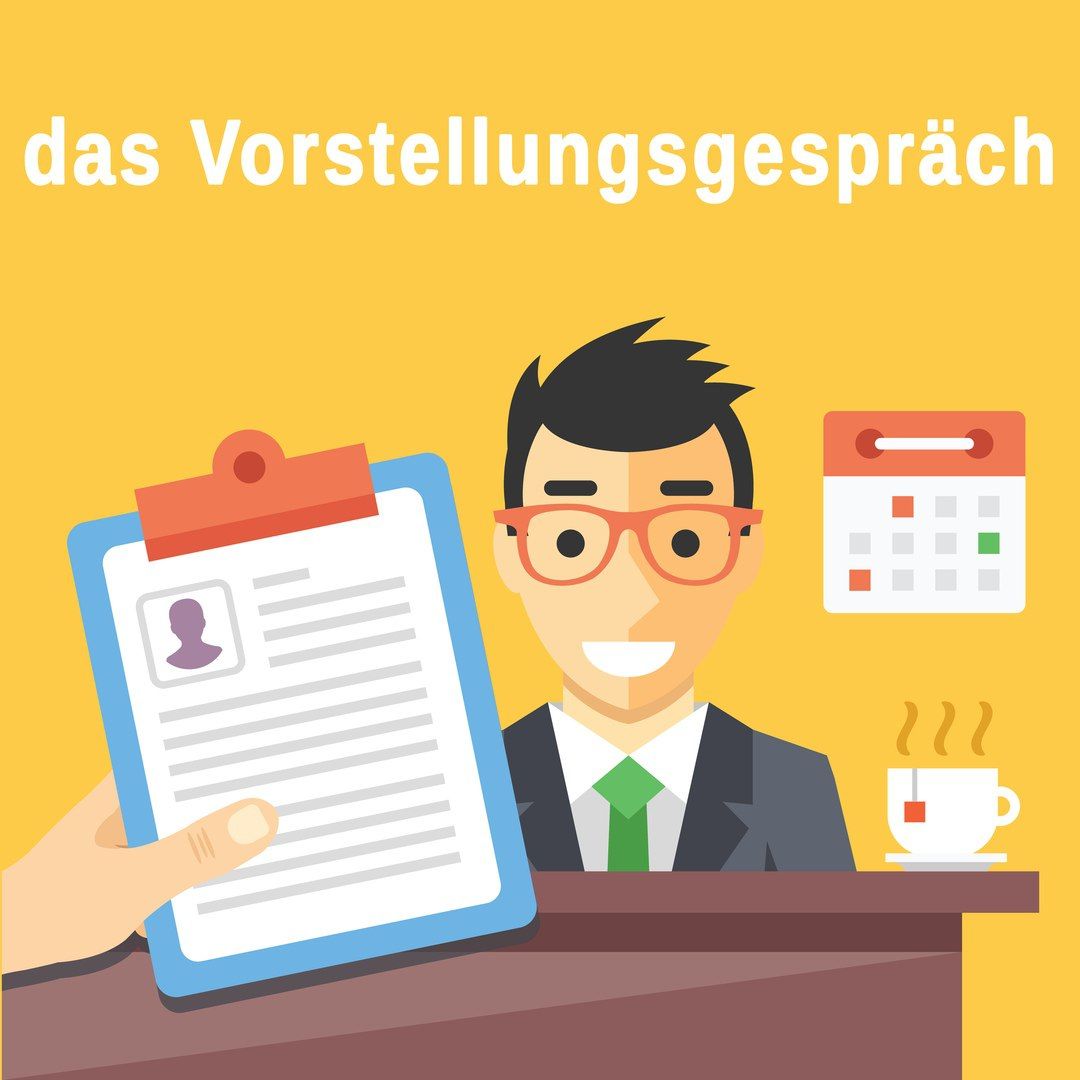
🇩🇪 33 questions you are likely to be asked in an interview in Germany
🤓 Careful preparation for the interview is the basis for success when applying for a job!
⁉️ What questions may you be asked during an interview in Germany?
‼ ️ I have made a whole list of such questions for you!
Read more in my article!
🤓 Careful preparation for the interview is the basis for success when applying for a job!
⁉️ What questions may you be asked during an interview in Germany?
‼ ️ I have made a whole list of such questions for you!
Read more in my article!
👍1
🍩☕️What to order for breakfast?
das Brötchen - bun
belegtes Brötchen - sandwich
der Schinken - ham
die Marmelade - jam
der Joghurt - yoghurt
der Kaffee - coffee
die Butter - butter
die Milch - milk
das Müssli - muesli
der Eierkuchen - omelet
die Pastete - pate
das Törtchen - cake
die Würstchen - sausages
der Käse - cheese
der Toast - toast
der Saft - juice
das Brot - bread
der Tee - tea
das Frühstücksbüffet - buffet
das Ei - egg
hartgekochtes Ei - hard boiled egg
weiches ei - soft boiled egg
das Spiegelei - scrambled eggs (fried eggs)
das Rührei - scrambled eggs (scrambled eggs)
mit Schinken - with ham
mit Speck - with bacon
🇩🇪 Do you like German cuisine?
👥 Difference between JETZT, GLEICH, GERADE and EBEN
👀 Why do Germans need so many words for "now"?
🎯 When is each of them used?
🔄 When are they interchangeable?
👇 Press the button below, read the article, speak it right!
👀 Why do Germans need so many words for "now"?
🎯 When is each of them used?
🔄 When are they interchangeable?
👇 Press the button below, read the article, speak it right!
👩🍳🇩🇪 Cooking in German
brechen - to break
schlagen - to beat
einfetten - to lubricate
gießen - to pour
rühren - to move
kochen - to cook
zerschneiden - to cut
schälen - to peel
schneiden - to chop
zerkleinern - to stuff
kochen - to cook
hinzufügen - to add
köcheln - to boil
brutzeln - to fry
braten - to fry
grillen - to grill
pfannenrühren - to roast
hacken - to cut
dünsten - to steam
reiben - to grate
mischen - to mix
backen - to bake
🍝🎂 Do you like cooking?
❤3
💬 How to learn a foreign language?
🚀 Where to start learning a foreign language?
🎯 What is the most effective technique?
⛽ And most importantly - how not to lose motivation and not abandon your goal halfway through?
All of this in my new post!
👇Click the button👇
🚀 Where to start learning a foreign language?
🎯 What is the most effective technique?
⛽ And most importantly - how not to lose motivation and not abandon your goal halfway through?
All of this in my new post!
👇Click the button👇
🔥10 Reasons to Learn German.
It is no secret that at present German language is respected by many, yet still most people believe that it will not be useful to them later in life. But, whatever your plans for the future are, knowledge of the German language will significantly expand your opportunities:
By communicating in German with German-speaking business partners, you will significantly improve partnerships and increase the chances for productive mutual understanding, which will undoubtedly have a positive impact on success.
2. Global career:
By learning German, you increase your chances to accelerate your professional and career growth. A good level of knowledge of the German language will make you a promising employee for an employer with international business connections.
3. Tourism and hotel business: Many tourists from German-speaking countries travel to all countries of the world. During the holidays, tourists spend quite a lot of money and prefer to be served by staff and guides who speak German.
4. Field of research:
German is the second most important language in the scientific world. Germany is in third place in the world in terms of research funding and funding for the development of science. Each year, Germany provides a wide variety of scholarships for students and aspiring scientists in a variety of countries.
5. Communication:
The level of today's development of information technology makes multilingual communication highly demanded. Many of the most important websites provide information in German. 10% of all books are published in German. Knowledge of the German language opens up wide access to a wide variety of information.
6. Cultural understanding: Learning German gives you the opportunity not only to see, but also to understand and accept the life, customs and dreams of the people of German-speaking countries with their multicultural community.
7. Travel:
Knowledge of German allows you to expand the list of countries to which you can go and thereby expand your travel notes, and not only about the countries in which German is spoken, but also other European countries.
8. Acquaintance with literature, music, art and philosophy: Goethe, Kafka, Mozart, Bach and Beethoven created their works in German. You can really enjoy reading or listening to these works in the original.
9. Opportunity to study and work in Germany:
Germany provides a large number of scholarships to those wishing to study in various universities in this country. For young people from abroad, there are special tourist visas that give work permits, and representatives of some professions can obtain special permits allowing them to perform certain jobs.
10. Exchange programs: Germany and many countries of the world, have agreements among themselves on the ongoing implementation of school and student exchange programs.
🤔Why do you need/learn German?
It is no secret that at present German language is respected by many, yet still most people believe that it will not be useful to them later in life. But, whatever your plans for the future are, knowledge of the German language will significantly expand your opportunities:
1. Business / Business Life: By communicating in German with German-speaking business partners, you will significantly improve partnerships and increase the chances for productive mutual understanding, which will undoubtedly have a positive impact on success.
2. Global career:
By learning German, you increase your chances to accelerate your professional and career growth. A good level of knowledge of the German language will make you a promising employee for an employer with international business connections.
3. Tourism and hotel business: Many tourists from German-speaking countries travel to all countries of the world. During the holidays, tourists spend quite a lot of money and prefer to be served by staff and guides who speak German.
4. Field of research:
German is the second most important language in the scientific world. Germany is in third place in the world in terms of research funding and funding for the development of science. Each year, Germany provides a wide variety of scholarships for students and aspiring scientists in a variety of countries.
5. Communication:
The level of today's development of information technology makes multilingual communication highly demanded. Many of the most important websites provide information in German. 10% of all books are published in German. Knowledge of the German language opens up wide access to a wide variety of information.
6. Cultural understanding: Learning German gives you the opportunity not only to see, but also to understand and accept the life, customs and dreams of the people of German-speaking countries with their multicultural community.
7. Travel:
Knowledge of German allows you to expand the list of countries to which you can go and thereby expand your travel notes, and not only about the countries in which German is spoken, but also other European countries.
8. Acquaintance with literature, music, art and philosophy: Goethe, Kafka, Mozart, Bach and Beethoven created their works in German. You can really enjoy reading or listening to these works in the original.
9. Opportunity to study and work in Germany:
Germany provides a large number of scholarships to those wishing to study in various universities in this country. For young people from abroad, there are special tourist visas that give work permits, and representatives of some professions can obtain special permits allowing them to perform certain jobs.
10. Exchange programs: Germany and many countries of the world, have agreements among themselves on the ongoing implementation of school and student exchange programs.
🤔Why do you need/learn German?
❤1👍1
😜 German for every day:
🚫 How to refuse everyone!
o nein!, aber nein! - oh no!, but no!
nein doch! - no!
nein und abermals nochmals nein! - no and no again!
nein, das geht zu weit! - no, this is too much!
das geht nicht, nein! - no, it will not work!; it's impossible!
auf keinen Fall, keinesfalls - no way
nie mehr!, nie wieder! - never again!
nie und nimmer! - never (in life)!, no way!
Do you often refuse people?🤔
🎂 Happy Birthday in German
🤷 How to congratulate a friend?
⚠️ What is the main rule of German congratulations?
🥳 What to wish the birthday boy?
🔥 Press the button below and read the full article!
🤷 How to congratulate a friend?
⚠️ What is the main rule of German congratulations?
🥳 What to wish the birthday boy?
🔥 Press the button below and read the full article!

🇩🇪Learning to express yourself beautifully and correctly. Some useful German vocabulary.
🗨 German phrases used at the beginning of a letter or dialogue.
Ich hoffe ... = I hope ...
Ich schreibe, um zu sagen ... = I write to say ...
Ich freue mich wirklich darauf zu ... = I am really glad ...
Ich bin sehr dankbar für Ihre Hilfe = I am very grateful for your help ...
Ich interessiere mich für … or mich interessiert... = I am interested in…
Es kümmert mich nicht, es ist mir egal = I don't care (that) ...
🗨 German phrases that show your opinion.
Ich nehme an ... = I suppose ...
Meiner Ansicht nach ... = From my point of view ...
Meiner Meinung nach ... = In my opinion ...
Ich bin überzeugt ... = I am convinced ...
Ich bin (mir) sicher = I'm sure
Persönlich glaube ich ... = Personally, I think ...
Viele Menschen glauben ... = Many people think ...
Soweit ich mich erinnere ... = As far as I remember ...
Aus meiner Sicht ... = From my point of view ...
Zugegebenermaßen = As recognized
🗨 Introductory words and phrases in German that indicate your opposite opinion.
Jedoch = However
Trotz unserer ... = Despite our ...
Im Gegensatz dazu ... = In contrast ...
Auf der anderen Seite ... = On the other hand ...
Im Vergleich zu den anderen ... = Compared to others ...
.. unterscheidet sich deutlich von ... = .. clearly different from ...
🗨More introductory words and phrases in German.
Definitiv = Definitely
Kein Wunder ... = No wonder ...
In der Tat, (ist er) ... = In essence, (he is) ...
Es überrascht nicht, (dass) ... = No wonder (what) ...
Wie wäre es damit ... = How about ...
Im Laufe der letzten 2 Tage… = During the last two days
Während der letzten 2 Tage = In the last two days ...
Abgesehen von den negativen Auswirkungen ... = In addition to the negative impact that ...
Einer der Beste (der Sport ist) ... = One of the merits (of sport is)
Dies kann nur geschehen, weil (die Studenten) ... = It can happen simply because (students) ...
🗨 Phrases used at the end of a dialogue or letter.
... insgesamt. =… In total.
Es wird geschätzt ... = it is valued...
Wenn es nicht mehr ... = If it's not anymore ...
Zusammenfassend lässt sich sagen. = Summarizing.
Ergänzend ……. = Complementary…
Abschließend ... = In conclusion ...