
🚀 David Sacks Ends Czar Term, Joins White House Tech Council
📅 David Sacks concluded his 130-day tenure as the White House's crypto and AI czar.
🔗 He transitions to a broader advisory role in technology policy.
🤝 Sacks will co-chair the President’s Council of Advisors on Science and Technology (PCAST).
⚖️ His new position allows him to influence AI and digital asset policy recommendations.
👥 PCAST includes prominent tech leaders like Nvidia's Jensen Huang and Meta's Mark Zuckerberg.
📜 The council aims to unify AI policy under a single national framework.
🛡 Sacks highlighted concerns about the inconsistent regulations across states.
💡 He will continue supporting the administration's AI policy framework released in March 2026.
📊 During his czar term, he contributed to the President’s Working Group on Digital Asset Markets.
🔍 Sacks remains focused on addressing the challenges posed by a fragmented regulatory landscape.
📅 David Sacks concluded his 130-day tenure as the White House's crypto and AI czar.
🔗 He transitions to a broader advisory role in technology policy.
🤝 Sacks will co-chair the President’s Council of Advisors on Science and Technology (PCAST).
⚖️ His new position allows him to influence AI and digital asset policy recommendations.
👥 PCAST includes prominent tech leaders like Nvidia's Jensen Huang and Meta's Mark Zuckerberg.
📜 The council aims to unify AI policy under a single national framework.
🛡 Sacks highlighted concerns about the inconsistent regulations across states.
💡 He will continue supporting the administration's AI policy framework released in March 2026.
📊 During his czar term, he contributed to the President’s Working Group on Digital Asset Markets.
🔍 Sacks remains focused on addressing the challenges posed by a fragmented regulatory landscape.

🔍 Maxine Waters demands clarity on Kraken's Fed account approval
📊 Maxine Waters requests details from the Kansas City Fed regarding Kraken Financial's master account approval.
🛡 She inquires about the specific Federal Reserve services Kraken can access and any restrictions on usage.
📅 Waters has set a deadline for a response by April 10.
⚙️ The approval has reignited discussions about crypto firms' access to US payment systems.
💰 Kraken's account could enable access to Fedwire, the primary payment network for banks.
📜 Waters emphasizes the need for transparency in the approval process, highlighting consumer protection and regulatory standards.
📈 Other crypto firms, including Custodia Bank and Ripple's Standard Custody, are also pursuing similar accounts.
The scrutiny of Kraken's master account approval reflects broader concerns over how cryptocurrency firms interact with traditional banking systems. Waters' letter underscores the importance of regulatory clarity in an evolving financial landscape.
With the rapid development of digital assets and payment technologies, the Federal Reserve's approach to these approvals will likely shape the future of crypto integration into mainstream finance.
📊 Maxine Waters requests details from the Kansas City Fed regarding Kraken Financial's master account approval.
🛡 She inquires about the specific Federal Reserve services Kraken can access and any restrictions on usage.
📅 Waters has set a deadline for a response by April 10.
⚙️ The approval has reignited discussions about crypto firms' access to US payment systems.
💰 Kraken's account could enable access to Fedwire, the primary payment network for banks.
📜 Waters emphasizes the need for transparency in the approval process, highlighting consumer protection and regulatory standards.
📈 Other crypto firms, including Custodia Bank and Ripple's Standard Custody, are also pursuing similar accounts.
The scrutiny of Kraken's master account approval reflects broader concerns over how cryptocurrency firms interact with traditional banking systems. Waters' letter underscores the importance of regulatory clarity in an evolving financial landscape.
With the rapid development of digital assets and payment technologies, the Federal Reserve's approach to these approvals will likely shape the future of crypto integration into mainstream finance.

🏡💰 Bitcoin Enters U.S. Housing Market with Fannie Mae
📊 Investors can now pledge bitcoin for down payments for Fannie Mae.
This development marks a significant shift in how cryptocurrency can be utilized in traditional financial sectors, particularly real estate. By allowing bitcoin as a form of collateral, Fannie Mae is opening the door for a new wave of investors who may have previously been sidelined due to liquidity issues.
As more financial institutions explore the integration of digital assets, this could lead to broader acceptance of cryptocurrencies in various markets, potentially reshaping investment strategies and homeownership dynamics in the U.S.
📊 Investors can now pledge bitcoin for down payments for Fannie Mae.
This development marks a significant shift in how cryptocurrency can be utilized in traditional financial sectors, particularly real estate. By allowing bitcoin as a form of collateral, Fannie Mae is opening the door for a new wave of investors who may have previously been sidelined due to liquidity issues.
As more financial institutions explore the integration of digital assets, this could lead to broader acceptance of cryptocurrencies in various markets, potentially reshaping investment strategies and homeownership dynamics in the U.S.

🔍 Tether hires KPMG for first full USDT audit amid equity raise plans
📊 Tether has engaged KPMG for its inaugural independent audit of USDT reserves.
🛡 PwC is also involved to assist with internal systems preparation.
💰 The audit coincides with Tether's ambitions for a multibillion-dollar equity raise.
⚙️ This marks Tether's first comprehensive financial review, moving beyond previous reserve attestations.
📅 The audit is a significant step after years of promises for a full review of financial statements.
📈 USDT currently has approximately $185 billion in circulation, making it the largest stablecoin by market cap.
💼 Tether's selection of KPMG followed a competitive process, emphasizing their adherence to Big Four audit standards.
📜 Tether has faced scrutiny over past reserve disclosures and has previously settled with regulators for misleading statements.
Tether's decision to undergo a full audit reflects its commitment to transparency, especially as it seeks to expand in the U.S. market under new stablecoin regulations.
The involvement of KPMG and PwC suggests a serious approach to addressing past criticisms regarding reserve management and financial practices.
As Tether aims for a substantial equity raise, successful completion of this audit could enhance investor confidence and bolster its market position.
📊 Tether has engaged KPMG for its inaugural independent audit of USDT reserves.
🛡 PwC is also involved to assist with internal systems preparation.
💰 The audit coincides with Tether's ambitions for a multibillion-dollar equity raise.
⚙️ This marks Tether's first comprehensive financial review, moving beyond previous reserve attestations.
📅 The audit is a significant step after years of promises for a full review of financial statements.
📈 USDT currently has approximately $185 billion in circulation, making it the largest stablecoin by market cap.
💼 Tether's selection of KPMG followed a competitive process, emphasizing their adherence to Big Four audit standards.
📜 Tether has faced scrutiny over past reserve disclosures and has previously settled with regulators for misleading statements.
Tether's decision to undergo a full audit reflects its commitment to transparency, especially as it seeks to expand in the U.S. market under new stablecoin regulations.
The involvement of KPMG and PwC suggests a serious approach to addressing past criticisms regarding reserve management and financial practices.
As Tether aims for a substantial equity raise, successful completion of this audit could enhance investor confidence and bolster its market position.

🔍 Tether hires KPMG for full USDT audit as US expansion looms
📊 Tether engages KPMG for its inaugural full audit of USDT.
🛡 PwC is also brought in to enhance internal systems.
⚙️ The audit will assess assets, liabilities, and controls beyond previous reserve attestations.
💰 This move follows years of relying on BDO Italia for attestations.
📅 The audit is part of Tether's preparations for expansion in the US market.
Tether's decision to conduct a full audit marks a significant shift in its financial oversight, especially as it faces increased regulatory scrutiny in the United States. This step is crucial for bolstering trust in USDT amid ongoing concerns about its reserve backing.
The collaboration with KPMG and PwC indicates Tether's commitment to meeting higher standards of transparency. As the largest stablecoin by market value, Tether's actions could set a precedent for other crypto firms navigating the evolving regulatory landscape.
📊 Tether engages KPMG for its inaugural full audit of USDT.
🛡 PwC is also brought in to enhance internal systems.
⚙️ The audit will assess assets, liabilities, and controls beyond previous reserve attestations.
💰 This move follows years of relying on BDO Italia for attestations.
📅 The audit is part of Tether's preparations for expansion in the US market.
Tether's decision to conduct a full audit marks a significant shift in its financial oversight, especially as it faces increased regulatory scrutiny in the United States. This step is crucial for bolstering trust in USDT amid ongoing concerns about its reserve backing.
The collaboration with KPMG and PwC indicates Tether's commitment to meeting higher standards of transparency. As the largest stablecoin by market value, Tether's actions could set a precedent for other crypto firms navigating the evolving regulatory landscape.
🚨 Vietnam detains ONUS-linked suspects in alleged crypto fraud case
📊 Multiple suspects linked to ONUS have been arrested in Vietnam for alleged token fraud activities.
🛡 Authorities accuse the group of manipulating token prices and engaging in false promotions to misappropriate funds.
💰 The scheme reportedly raised billions of dollars from investors.
⚙️ Suspects include Vuong Le Vinh Nhan, Tran Quang Chien, and Ngo Thi Thao, linked to various companies.
📅 The investigation involved over 140 individuals and spanned multiple cities.
📉 The ONUS platform claims over seven million users but faces scrutiny over its market practices.
💼 Vemanti, the parent company, is assessing the situation following the arrests.
🔍 This case highlights increasing regulatory scrutiny of crypto activities in Vietnam.
📊 Multiple suspects linked to ONUS have been arrested in Vietnam for alleged token fraud activities.
🛡 Authorities accuse the group of manipulating token prices and engaging in false promotions to misappropriate funds.
💰 The scheme reportedly raised billions of dollars from investors.
⚙️ Suspects include Vuong Le Vinh Nhan, Tran Quang Chien, and Ngo Thi Thao, linked to various companies.
📅 The investigation involved over 140 individuals and spanned multiple cities.
📉 The ONUS platform claims over seven million users but faces scrutiny over its market practices.
💼 Vemanti, the parent company, is assessing the situation following the arrests.
🔍 This case highlights increasing regulatory scrutiny of crypto activities in Vietnam.

🚨 ONUS fraud case widens as Vietnam arrests key suspects
📊 Vietnam detained ONUS-linked suspects amid a significant crypto fraud investigation.
🛡 Authorities allege deceptive token promotions and market manipulation.
💰 The probe involves substantial user losses tied to ONUS, VNDC, and HNG tokens.
📅 Criminal proceedings were initiated on March 23.
⚙️ The suspects reportedly controlled trading activities while misleading investors.
📈 This case marks one of Vietnam's largest cybercrime investigations in the digital asset space.
🔍 Vemanti Group has engaged US legal counsel following the indictments of its board members.
🌍 Vietnam ranks high in global crypto adoption, making this scrutiny particularly impactful.
🚔 Regional enforcement actions are expanding, with similar cases emerging in India.
📉 Reports suggest the scheme attracted billions in funds from investors.
📊 Vietnam detained ONUS-linked suspects amid a significant crypto fraud investigation.
🛡 Authorities allege deceptive token promotions and market manipulation.
💰 The probe involves substantial user losses tied to ONUS, VNDC, and HNG tokens.
📅 Criminal proceedings were initiated on March 23.
⚙️ The suspects reportedly controlled trading activities while misleading investors.
📈 This case marks one of Vietnam's largest cybercrime investigations in the digital asset space.
🔍 Vemanti Group has engaged US legal counsel following the indictments of its board members.
🌍 Vietnam ranks high in global crypto adoption, making this scrutiny particularly impactful.
🚔 Regional enforcement actions are expanding, with similar cases emerging in India.
📉 Reports suggest the scheme attracted billions in funds from investors.

🐋 Bitcoin whales add 61,568 BTC as price slips again
📊 Bitcoin whales accumulated 61,568 BTC recently, contributing to market pressure.
💰 Bhutan-linked wallets transferred significant amounts, impacting overall sentiment.
🛡 Geopolitical tensions in the Middle East have kept traders cautious.
📉 Bitcoin's price remains under pressure, reflecting these dynamics.
⚙️ Retail investors are matching whale accumulation, complicating breakout signals.
Bitcoin's current market environment is characterized by significant whale activity amidst declining prices. The accumulation by larger holders typically suggests bullish sentiment; however, the concurrent selling pressure from Bhutan-linked wallets and geopolitical concerns is creating a complex scenario.
The interplay between whale accumulation and retail investor behavior is critical. Historically, price increases are more sustainable when larger holders accumulate while smaller investors reduce exposure. The current situation raises questions about the potential for a breakout as market participants navigate these challenges.
📊 Bitcoin whales accumulated 61,568 BTC recently, contributing to market pressure.
💰 Bhutan-linked wallets transferred significant amounts, impacting overall sentiment.
🛡 Geopolitical tensions in the Middle East have kept traders cautious.
📉 Bitcoin's price remains under pressure, reflecting these dynamics.
⚙️ Retail investors are matching whale accumulation, complicating breakout signals.
Bitcoin's current market environment is characterized by significant whale activity amidst declining prices. The accumulation by larger holders typically suggests bullish sentiment; however, the concurrent selling pressure from Bhutan-linked wallets and geopolitical concerns is creating a complex scenario.
The interplay between whale accumulation and retail investor behavior is critical. Historically, price increases are more sustainable when larger holders accumulate while smaller investors reduce exposure. The current situation raises questions about the potential for a breakout as market participants navigate these challenges.

🔒 Trust will become crypto’s real currency in the AI economy
📊 AI deepfakes are making trust the scarcest asset in crypto.
💰 Proof-of-humanity could emerge as the currency driving finance, governance, and markets in the imitation economy.
🛡 With scams increasing by 1,400% in 2025, authenticity is becoming a crucial resource.
⚙️ The crypto industry will shift focus from scalability to verifying human identity as synthetic users proliferate.
📅 The transition from the information economy to the imitation economy is underway, demanding rigorous verification of online interactions.
Trust is now a pivotal factor in the crypto landscape, overshadowing traditional concerns like scalability and regulation.
As deepfakes and synthetic agents become commonplace, the need for verifiable authenticity intensifies, reshaping how we perceive value in digital interactions.
The implications are profound: as authenticity gains economic weight, it will redefine the metrics of trustworthiness across various sectors, including social media, finance, and governance.
📊 AI deepfakes are making trust the scarcest asset in crypto.
💰 Proof-of-humanity could emerge as the currency driving finance, governance, and markets in the imitation economy.
🛡 With scams increasing by 1,400% in 2025, authenticity is becoming a crucial resource.
⚙️ The crypto industry will shift focus from scalability to verifying human identity as synthetic users proliferate.
📅 The transition from the information economy to the imitation economy is underway, demanding rigorous verification of online interactions.
Trust is now a pivotal factor in the crypto landscape, overshadowing traditional concerns like scalability and regulation.
As deepfakes and synthetic agents become commonplace, the need for verifiable authenticity intensifies, reshaping how we perceive value in digital interactions.
The implications are profound: as authenticity gains economic weight, it will redefine the metrics of trustworthiness across various sectors, including social media, finance, and governance.

⚠️ Bitcoin and Ethereum Dip as Iran Heightens Hormuz Tensions
📉 Bitcoin and Ethereum both saw declines as geopolitical risks escalated in the Middle East.
📦 Two Chinese container ships linked to Cosco were turned back near the Strait of Hormuz as Iran enforced stricter vessel controls.
🛑 Iran issued warnings against certain ships, declaring the strait closed to its perceived enemies.
💰 Bitcoin was last priced at $66,619, down approximately 4.0%, while Ethereum traded at $1,990, a decrease of about 3.9%.
🚢 The Iranian Revolutionary Guard stated that vessels associated with the U.S. and Israel would not be allowed through the waterway.
🌊 The CSCL Indian Ocean and CSCL Arctic Ocean made U-turns near Larak and Qeshm islands, indicating heightened shipping concerns.
📊 Analysts noted Iran's de facto control system for vessel movements through Hormuz, requiring ships to follow Iranian routes or seek prior approval.
🇦🇪 The UAE expressed willingness to support an international force to ensure the strait remains open amid declining shipping traffic.
The recent geopolitical developments have led to increased uncertainty in global financial markets, impacting cryptocurrency prices significantly.
As tensions rise, traders are reacting swiftly, with Bitcoin and Ethereum experiencing notable drops in value. The situation in the Strait of Hormuz remains precarious, with potential implications for global energy flows and market stability.
Further developments in this region could lead to more volatility in both traditional and crypto markets.
📉 Bitcoin and Ethereum both saw declines as geopolitical risks escalated in the Middle East.
📦 Two Chinese container ships linked to Cosco were turned back near the Strait of Hormuz as Iran enforced stricter vessel controls.
🛑 Iran issued warnings against certain ships, declaring the strait closed to its perceived enemies.
💰 Bitcoin was last priced at $66,619, down approximately 4.0%, while Ethereum traded at $1,990, a decrease of about 3.9%.
🚢 The Iranian Revolutionary Guard stated that vessels associated with the U.S. and Israel would not be allowed through the waterway.
🌊 The CSCL Indian Ocean and CSCL Arctic Ocean made U-turns near Larak and Qeshm islands, indicating heightened shipping concerns.
📊 Analysts noted Iran's de facto control system for vessel movements through Hormuz, requiring ships to follow Iranian routes or seek prior approval.
🇦🇪 The UAE expressed willingness to support an international force to ensure the strait remains open amid declining shipping traffic.
The recent geopolitical developments have led to increased uncertainty in global financial markets, impacting cryptocurrency prices significantly.
As tensions rise, traders are reacting swiftly, with Bitcoin and Ethereum experiencing notable drops in value. The situation in the Strait of Hormuz remains precarious, with potential implications for global energy flows and market stability.
Further developments in this region could lead to more volatility in both traditional and crypto markets.
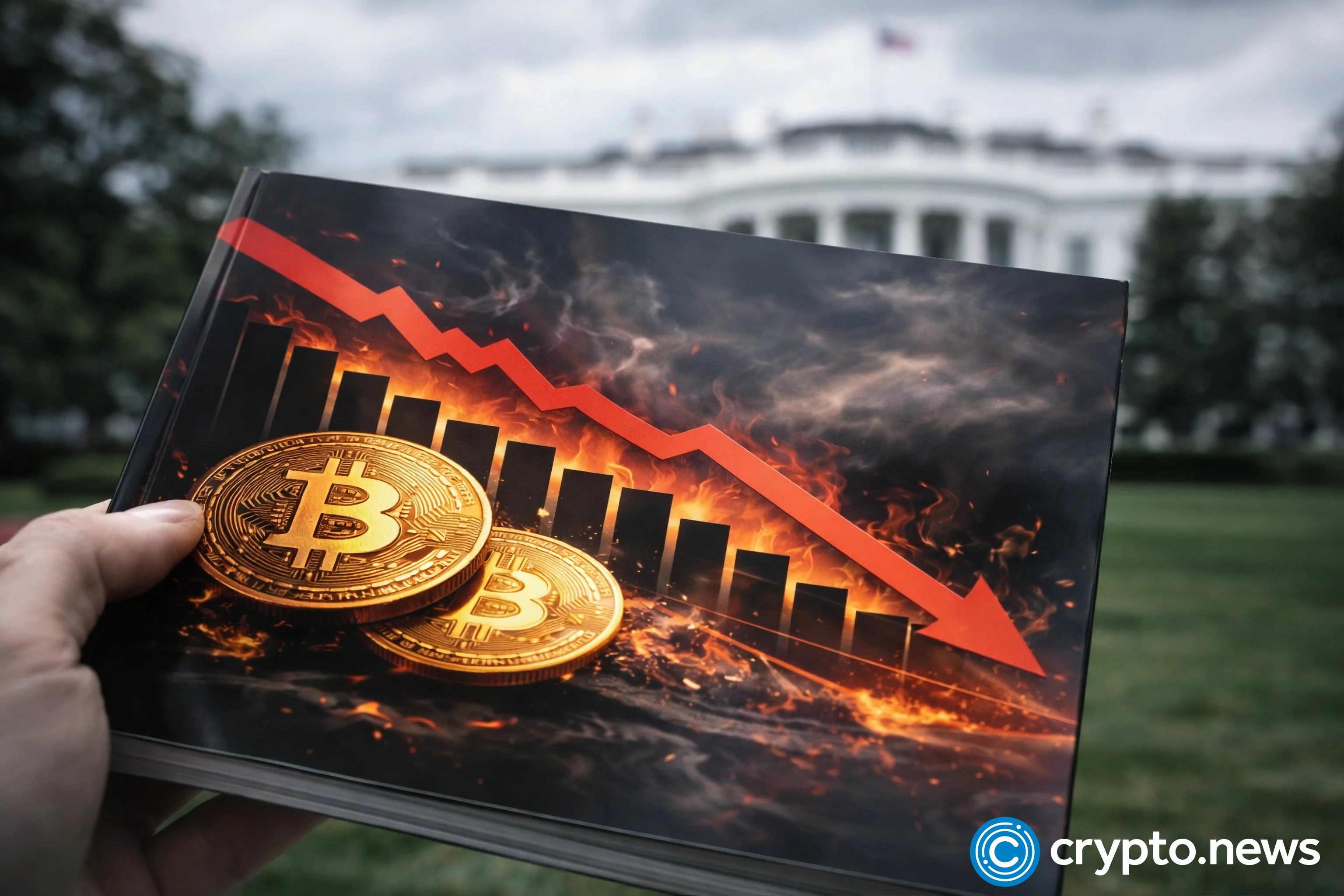
📉 Interview with SBF’s parents reveals low pardon chances
📊 Betting markets estimate a mere 11% and 9% chance of Sam Bankman-Fried receiving a presidential pardon this year on Polymarket and Kalshi, respectively.
📅 Following a CNN interview with his parents, Joseph Bankman and Barbara Fried, the likelihood of a pardon has decreased by 1% on Kalshi and 2% on Polymarket. The interview highlighted their challenge to the fraud conviction against their son, claiming the judgment was incorrect.
💰 Bankman admitted that Alameda Research borrowed customer funds from FTX but insisted they were not misused. This assertion directly contradicts the narrative surrounding the case, where they were also implicated. FTX previously sought to recover millions from them, alleging fraudulent transfers.
⚖️ The parents' public appeals have reignited discussions about their involvement and the broader implications of their claims, especially as they navigate the complexities of the ongoing legal battles surrounding FTX.
📊 Betting markets estimate a mere 11% and 9% chance of Sam Bankman-Fried receiving a presidential pardon this year on Polymarket and Kalshi, respectively.
📅 Following a CNN interview with his parents, Joseph Bankman and Barbara Fried, the likelihood of a pardon has decreased by 1% on Kalshi and 2% on Polymarket. The interview highlighted their challenge to the fraud conviction against their son, claiming the judgment was incorrect.
💰 Bankman admitted that Alameda Research borrowed customer funds from FTX but insisted they were not misused. This assertion directly contradicts the narrative surrounding the case, where they were also implicated. FTX previously sought to recover millions from them, alleging fraudulent transfers.
⚖️ The parents' public appeals have reignited discussions about their involvement and the broader implications of their claims, especially as they navigate the complexities of the ongoing legal battles surrounding FTX.
🔍 ECB Warns: DeFi DAOs Too Centralized for MiCA Loophole
📊 Top 100 holders in Aave, MakerDAO, Ampleforth, and Uniswap control over 80% of governance tokens.
🛡 Concentrated voting blocs jeopardize claims of being “fully decentralized” under MiCA.
💰 Leading DeFi DAOs face potential inclusion in the EU’s licensing and compliance framework.
⚙️ Governance in these protocols is more centralized than their branding suggests, risking regulatory safe harbor.
📅 ECB paper reveals that a significant portion of governance tokens is linked to founding teams or exchanges.
📊 Voting power is even more concentrated, with top voters often unidentifiable.
🛡 In Ampleforth, the top 20 voters hold about 96% of proxy voting rights, indicating a “minority rule.”
⚖️ The ECB aims to pinpoint regulatory anchor points in systems designed to avoid traditional governance structures.
📜 Limited transparency complicates accountability assessments, raising concerns about power concentration.
🏛 Regulators may scrutinize DeFi governance like traditional financial institutions.
The ECB's findings challenge the foundational claims of decentralization in leading DeFi protocols, suggesting that their governance structures may not meet the necessary criteria for regulatory exemptions under MiCA. This could lead to significant changes in how these organizations operate within the EU framework.
The implications are profound; if these DAOs cannot demonstrate accountable governance, they may be compelled to adhere to stricter regulatory standards. This could reshape the landscape of decentralized finance, forcing protocols to adopt more transparent and dispersed governance models to comply with evolving regulations.
📊 Top 100 holders in Aave, MakerDAO, Ampleforth, and Uniswap control over 80% of governance tokens.
🛡 Concentrated voting blocs jeopardize claims of being “fully decentralized” under MiCA.
💰 Leading DeFi DAOs face potential inclusion in the EU’s licensing and compliance framework.
⚙️ Governance in these protocols is more centralized than their branding suggests, risking regulatory safe harbor.
📅 ECB paper reveals that a significant portion of governance tokens is linked to founding teams or exchanges.
📊 Voting power is even more concentrated, with top voters often unidentifiable.
🛡 In Ampleforth, the top 20 voters hold about 96% of proxy voting rights, indicating a “minority rule.”
⚖️ The ECB aims to pinpoint regulatory anchor points in systems designed to avoid traditional governance structures.
📜 Limited transparency complicates accountability assessments, raising concerns about power concentration.
🏛 Regulators may scrutinize DeFi governance like traditional financial institutions.
The ECB's findings challenge the foundational claims of decentralization in leading DeFi protocols, suggesting that their governance structures may not meet the necessary criteria for regulatory exemptions under MiCA. This could lead to significant changes in how these organizations operate within the EU framework.
The implications are profound; if these DAOs cannot demonstrate accountable governance, they may be compelled to adhere to stricter regulatory standards. This could reshape the landscape of decentralized finance, forcing protocols to adopt more transparent and dispersed governance models to comply with evolving regulations.
🐋💔 WhiteWhale founder exits as Solana meme coin crashes 50%
📊 Solana meme coin WhiteWhale has plummeted approximately 50% following the unexpected departure of its founder, known as "The White Whale."
🛡 The founder cited a personal family crisis and mounting pressure to artificially inflate the token's price.
💰 In a decisive move, he locked 500 million WHITEWHALE tokens, valued at around $13 million, into a non-spendable address.
📅 WhiteWhale's current market capitalization stands at about $12 million, with a 24-hour trading volume of $5.4 million as traders reevaluate the project's viability.
⚙️ The token had previously reached a market cap of over $110 million in January, showcasing a staggering 2,700% increase over 30 days.
📉 The founder's exit has raised concerns about the project's future, particularly in light of a broader trend of meme coin volatility within the Solana ecosystem.
📉 WhiteWhale's market cap has now dropped significantly, reflecting the ongoing challenges faced by meme coins in maintaining value amidst community pressures and speculative trading.
📉 This incident is part of a troubling pattern, as previous investigations revealed that many Solana pre-sale meme coin founders abandoned their projects, leaving their tokens nearly worthless.
💔 The exit of such a key figure raises questions about trust and sustainability in the meme coin market, particularly for those heavily reliant on social media momentum.
📊 Solana meme coin WhiteWhale has plummeted approximately 50% following the unexpected departure of its founder, known as "The White Whale."
🛡 The founder cited a personal family crisis and mounting pressure to artificially inflate the token's price.
💰 In a decisive move, he locked 500 million WHITEWHALE tokens, valued at around $13 million, into a non-spendable address.
📅 WhiteWhale's current market capitalization stands at about $12 million, with a 24-hour trading volume of $5.4 million as traders reevaluate the project's viability.
⚙️ The token had previously reached a market cap of over $110 million in January, showcasing a staggering 2,700% increase over 30 days.
📉 The founder's exit has raised concerns about the project's future, particularly in light of a broader trend of meme coin volatility within the Solana ecosystem.
📉 WhiteWhale's market cap has now dropped significantly, reflecting the ongoing challenges faced by meme coins in maintaining value amidst community pressures and speculative trading.
📉 This incident is part of a troubling pattern, as previous investigations revealed that many Solana pre-sale meme coin founders abandoned their projects, leaving their tokens nearly worthless.
💔 The exit of such a key figure raises questions about trust and sustainability in the meme coin market, particularly for those heavily reliant on social media momentum.
📉 Bittensor’s TAO Faces 40% Correction Risk After AI Rally
📊 Bittensor’s TAO is currently consolidating around $328 following a significant AI-sector rally.
🛡 Technical indicators suggest a potential 40% downside risk toward $200 if profit-taking increases.
💰 The token's market valuation is under scrutiny with rich valuations and elevated RSIs.
⚙️ A new golden-cross fractal has emerged, signaling caution in the current market.
📅 TAO has experienced a triple-digit percentage increase recently, contributing to its current position.
Bittensor’s TAO, a key player in the AI and big-data crypto space, is showing signs of cooling off after a robust rally. The recent price movements indicate that while the token has seen impressive gains, the current technical setup may lead to a significant correction.
As the market digests these developments, the interplay between whale participation and profit-taking will be crucial. Investors should remain vigilant as the potential for a sharp pullback looms, driven by the recent volatility in the AI sector.
📊 Bittensor’s TAO is currently consolidating around $328 following a significant AI-sector rally.
🛡 Technical indicators suggest a potential 40% downside risk toward $200 if profit-taking increases.
💰 The token's market valuation is under scrutiny with rich valuations and elevated RSIs.
⚙️ A new golden-cross fractal has emerged, signaling caution in the current market.
📅 TAO has experienced a triple-digit percentage increase recently, contributing to its current position.
Bittensor’s TAO, a key player in the AI and big-data crypto space, is showing signs of cooling off after a robust rally. The recent price movements indicate that while the token has seen impressive gains, the current technical setup may lead to a significant correction.
As the market digests these developments, the interplay between whale participation and profit-taking will be crucial. Investors should remain vigilant as the potential for a sharp pullback looms, driven by the recent volatility in the AI sector.
💰 Inside the Crypto‑Fueled Fake Review Economy
📊 Telegram scammers are utilizing cryptocurrency to purchase fake reviews.
🛡 This practice entraps workers in increasingly complex scams.
💰 The financial implications of this trend could undermine genuine businesses.
⚙️ The anonymity of crypto transactions makes it difficult to trace these fraudulent activities.
📅 As the crypto market evolves, so do the tactics of scammers.
The rise of cryptocurrency has birthed new avenues for deception, particularly in the realm of online reviews. This situation poses a significant threat to the integrity of consumer feedback systems.
As scammers adapt to the digital landscape, businesses may need to implement more robust verification measures to protect themselves and their customers. Failure to address this issue could lead to a loss of trust in online platforms and a decline in legitimate consumer interactions.
📊 Telegram scammers are utilizing cryptocurrency to purchase fake reviews.
🛡 This practice entraps workers in increasingly complex scams.
💰 The financial implications of this trend could undermine genuine businesses.
⚙️ The anonymity of crypto transactions makes it difficult to trace these fraudulent activities.
📅 As the crypto market evolves, so do the tactics of scammers.
The rise of cryptocurrency has birthed new avenues for deception, particularly in the realm of online reviews. This situation poses a significant threat to the integrity of consumer feedback systems.
As scammers adapt to the digital landscape, businesses may need to implement more robust verification measures to protect themselves and their customers. Failure to address this issue could lead to a loss of trust in online platforms and a decline in legitimate consumer interactions.

📉 Coinbase users react to prediction markets notifications 📲
📊 Many Coinbase users express frustration over notifications promoting event contracts.
🛡 Legal scrutiny surrounds prediction market platforms in the US.
💰 Coinbase's push for sports gambling raises concerns about user trust.
⚙️ The app's notifications have been described as 'annoying' and 'absurd.'
📅 Coinbase launched prediction markets for US users in January.
📈 Users report multiple notifications within short timeframes, indicating aggressive marketing.
🏛 Lawmakers are considering legislation to regulate prediction markets amid insider trading allegations.
⚖️ Coinbase is involved in several lawsuits against state regulators regarding its prediction market services.
📜 Allegations of insider trading have led to calls for bans on political figures using such platforms.
🔍 Kalshi and Polymarket are also under scrutiny for their event contract offerings.
The backlash from Coinbase users highlights a growing discomfort with the platform's shift towards gambling.
As the legal landscape for prediction markets evolves, Coinbase's aggressive marketing strategy may backfire, further eroding user trust.
If regulatory actions are taken, it could significantly impact how platforms like Coinbase operate in the prediction market space.
📊 Many Coinbase users express frustration over notifications promoting event contracts.
🛡 Legal scrutiny surrounds prediction market platforms in the US.
💰 Coinbase's push for sports gambling raises concerns about user trust.
⚙️ The app's notifications have been described as 'annoying' and 'absurd.'
📅 Coinbase launched prediction markets for US users in January.
📈 Users report multiple notifications within short timeframes, indicating aggressive marketing.
🏛 Lawmakers are considering legislation to regulate prediction markets amid insider trading allegations.
⚖️ Coinbase is involved in several lawsuits against state regulators regarding its prediction market services.
📜 Allegations of insider trading have led to calls for bans on political figures using such platforms.
🔍 Kalshi and Polymarket are also under scrutiny for their event contract offerings.
The backlash from Coinbase users highlights a growing discomfort with the platform's shift towards gambling.
As the legal landscape for prediction markets evolves, Coinbase's aggressive marketing strategy may backfire, further eroding user trust.
If regulatory actions are taken, it could significantly impact how platforms like Coinbase operate in the prediction market space.

💰 US lawmakers propose crypto tax overhaul, stablecoins get exemption
📊 The Digital Asset PARITY Act aims to clarify tax treatment for digital assets, focusing on stablecoins.
🛡 Dollar-pegged stablecoins are exempt from gains or losses if their value fluctuates within 1% of $1.
💰 Transactions below $200 for stablecoins will not trigger tax or reporting requirements.
⚙️ Transaction costs for acquiring or moving stablecoins cannot be included in the cost basis.
📅 The bill is currently a discussion draft, not yet introduced to Congress.
The proposed legislation highlights the growing need for clarity in crypto tax regulations, particularly as the industry matures. While stablecoins receive favorable treatment, Bitcoin remains without similar exemptions, raising concerns among advocates.
Critics argue that excluding Bitcoin from tax exemptions undermines its potential as a decentralized asset. The ongoing debate reflects broader tensions within the crypto community regarding regulation and innovation in the space.
📊 The Digital Asset PARITY Act aims to clarify tax treatment for digital assets, focusing on stablecoins.
🛡 Dollar-pegged stablecoins are exempt from gains or losses if their value fluctuates within 1% of $1.
💰 Transactions below $200 for stablecoins will not trigger tax or reporting requirements.
⚙️ Transaction costs for acquiring or moving stablecoins cannot be included in the cost basis.
📅 The bill is currently a discussion draft, not yet introduced to Congress.
The proposed legislation highlights the growing need for clarity in crypto tax regulations, particularly as the industry matures. While stablecoins receive favorable treatment, Bitcoin remains without similar exemptions, raising concerns among advocates.
Critics argue that excluding Bitcoin from tax exemptions undermines its potential as a decentralized asset. The ongoing debate reflects broader tensions within the crypto community regarding regulation and innovation in the space.
🚀 Crypto Biz: Stablecoin jitters meet institutional momentum
📉 Regulatory uncertainty impacts stablecoins as institutions advance.
🤖 AI agents are influencing micropayment economics.
📈 Prediction markets are tightening rules amid manipulation concerns.
💰 Circle's shares dropped 20% due to fears over the CLARITY Act.
🏦 Deloitte and Stablecorp are preparing Canadian banks for stablecoin integration.
📅 New regulations are expected to shape the future of fiat-backed digital assets.
💡 Analysts believe Circle's revenue model may remain largely unaffected by the draft bill.
🔍 The focus on compliance and risk management is increasing as the market evolves.
📊 The integration of stablecoins into traditional finance is gaining momentum.
🔗 Institutions are laying groundwork for stablecoin adoption as regulations develop.
The current climate in the crypto market is marked by a juxtaposition of regulatory challenges and institutional progress. While regulatory fears are causing volatility in stablecoin valuations, institutional players are actively working to integrate these digital assets into established financial systems.
As regulatory frameworks evolve, particularly in Canada, the potential for stablecoins to enhance payment efficiency and transparency is becoming clearer. The focus on AI-driven solutions for micropayments suggests a shift towards more automated and efficient transaction methods, indicating a transformative phase for the crypto economy.
📉 Regulatory uncertainty impacts stablecoins as institutions advance.
🤖 AI agents are influencing micropayment economics.
📈 Prediction markets are tightening rules amid manipulation concerns.
💰 Circle's shares dropped 20% due to fears over the CLARITY Act.
🏦 Deloitte and Stablecorp are preparing Canadian banks for stablecoin integration.
📅 New regulations are expected to shape the future of fiat-backed digital assets.
💡 Analysts believe Circle's revenue model may remain largely unaffected by the draft bill.
🔍 The focus on compliance and risk management is increasing as the market evolves.
📊 The integration of stablecoins into traditional finance is gaining momentum.
🔗 Institutions are laying groundwork for stablecoin adoption as regulations develop.
The current climate in the crypto market is marked by a juxtaposition of regulatory challenges and institutional progress. While regulatory fears are causing volatility in stablecoin valuations, institutional players are actively working to integrate these digital assets into established financial systems.
As regulatory frameworks evolve, particularly in Canada, the potential for stablecoins to enhance payment efficiency and transparency is becoming clearer. The focus on AI-driven solutions for micropayments suggests a shift towards more automated and efficient transaction methods, indicating a transformative phase for the crypto economy.

👔🚀 a16z's Guy Wuollet: Crypto Enters 'Collared Shirt' Era Amid $2B Fundraise
📊 a16z crypto is raising a $2 billion fifth fund, indicating ongoing institutional interest.
🛡 Guy Wuollet describes the current phase as a transition from a 'hoodie' to a 'collared shirt' era.
💰 High-profile partners like Arianna Simpson and Kofi Ampadu are exiting or changing roles as the industry matures.
📅 a16z partners emphasize a long-term investment horizon of over 10 years for crypto infrastructure.
⚙️ The firm compares the current market to the groundwork phase before the internet and AI boom.
The shift in a16z's strategy reflects a maturation in the crypto sector, as it seeks to establish foundational infrastructure.
This long-term perspective is crucial as it aligns with the belief that significant applications will emerge once key components like wallets and trust mechanisms are fully developed.
As the venture landscape evolves, the departure of notable partners suggests a broader reshuffling within top crypto firms, impacting investment strategies and focus areas.
📊 a16z crypto is raising a $2 billion fifth fund, indicating ongoing institutional interest.
🛡 Guy Wuollet describes the current phase as a transition from a 'hoodie' to a 'collared shirt' era.
💰 High-profile partners like Arianna Simpson and Kofi Ampadu are exiting or changing roles as the industry matures.
📅 a16z partners emphasize a long-term investment horizon of over 10 years for crypto infrastructure.
⚙️ The firm compares the current market to the groundwork phase before the internet and AI boom.
The shift in a16z's strategy reflects a maturation in the crypto sector, as it seeks to establish foundational infrastructure.
This long-term perspective is crucial as it aligns with the belief that significant applications will emerge once key components like wallets and trust mechanisms are fully developed.
As the venture landscape evolves, the departure of notable partners suggests a broader reshuffling within top crypto firms, impacting investment strategies and focus areas.
🚨 California governor bans insider trading on prediction markets
📊 California Governor Gavin Newsom has signed an executive order to prevent public officials from profiting from insider trading in prediction markets.
🛡 The order specifically targets gubernatorial appointees and extends to their close relatives, prohibiting them from using confidential information for personal gain.
💰 This move is part of a broader effort to regulate prediction markets amid concerns about national security and fairness in political betting.
📅 The executive order follows several instances of alleged insider trading, including significant profits made by political insiders during sensitive events.
⚖️ Lawmakers are also pushing for additional legislation to further restrict government officials from engaging in prediction market activities tied to critical events.
The new executive order aims to maintain integrity in public service by ensuring that those in power do not exploit their positions for financial gain. This action reflects a growing concern among lawmakers regarding the ethical implications of prediction markets, particularly in relation to national security.
As scrutiny intensifies, further legislative measures may emerge, potentially reshaping the landscape of prediction markets and how they operate within the political sphere. The implications of these regulations could lead to a more transparent and accountable environment for political betting.
📊 California Governor Gavin Newsom has signed an executive order to prevent public officials from profiting from insider trading in prediction markets.
🛡 The order specifically targets gubernatorial appointees and extends to their close relatives, prohibiting them from using confidential information for personal gain.
💰 This move is part of a broader effort to regulate prediction markets amid concerns about national security and fairness in political betting.
📅 The executive order follows several instances of alleged insider trading, including significant profits made by political insiders during sensitive events.
⚖️ Lawmakers are also pushing for additional legislation to further restrict government officials from engaging in prediction market activities tied to critical events.
The new executive order aims to maintain integrity in public service by ensuring that those in power do not exploit their positions for financial gain. This action reflects a growing concern among lawmakers regarding the ethical implications of prediction markets, particularly in relation to national security.
As scrutiny intensifies, further legislative measures may emerge, potentially reshaping the landscape of prediction markets and how they operate within the political sphere. The implications of these regulations could lead to a more transparent and accountable environment for political betting.

💰 Morgan Stanley sets 0.14% Bitcoin ETF fee, lowest in market if approved
📊 Morgan Stanley proposes a 0.14% fee for its spot Bitcoin ETF, making it the cheapest in the US market.
🛡 The fee is one basis point lower than Grayscale's Bitcoin Mini Trust ETF and 11 basis points below BlackRock's iShares Bitcoin Trust ETF.
💰 The bank's 16,000 financial advisors manage $6.2 trillion in client assets, making them well-positioned to recommend this product.
⚙️ The ultra-low fee could initiate a fee war in the $83 billion ETF market, pressuring competitors to reduce their fees.
📅 If approved, Morgan Stanley would be the first bank to launch a spot Bitcoin ETF, enhancing access for high-net-worth clients.
Morgan Stanley's move to set a low fee for its Bitcoin ETF could significantly impact the competitive landscape of cryptocurrency investments. With a substantial advisory force, the bank is likely to attract a considerable amount of assets under management.
This strategy reflects a shift in Morgan Stanley's approach to cryptocurrency, moving from hesitance to proactive engagement. The potential approval of this ETF could also signal broader acceptance of Bitcoin in traditional finance, paving the way for more innovative financial products in the digital asset space.
📊 Morgan Stanley proposes a 0.14% fee for its spot Bitcoin ETF, making it the cheapest in the US market.
🛡 The fee is one basis point lower than Grayscale's Bitcoin Mini Trust ETF and 11 basis points below BlackRock's iShares Bitcoin Trust ETF.
💰 The bank's 16,000 financial advisors manage $6.2 trillion in client assets, making them well-positioned to recommend this product.
⚙️ The ultra-low fee could initiate a fee war in the $83 billion ETF market, pressuring competitors to reduce their fees.
📅 If approved, Morgan Stanley would be the first bank to launch a spot Bitcoin ETF, enhancing access for high-net-worth clients.
Morgan Stanley's move to set a low fee for its Bitcoin ETF could significantly impact the competitive landscape of cryptocurrency investments. With a substantial advisory force, the bank is likely to attract a considerable amount of assets under management.
This strategy reflects a shift in Morgan Stanley's approach to cryptocurrency, moving from hesitance to proactive engagement. The potential approval of this ETF could also signal broader acceptance of Bitcoin in traditional finance, paving the way for more innovative financial products in the digital asset space.
