
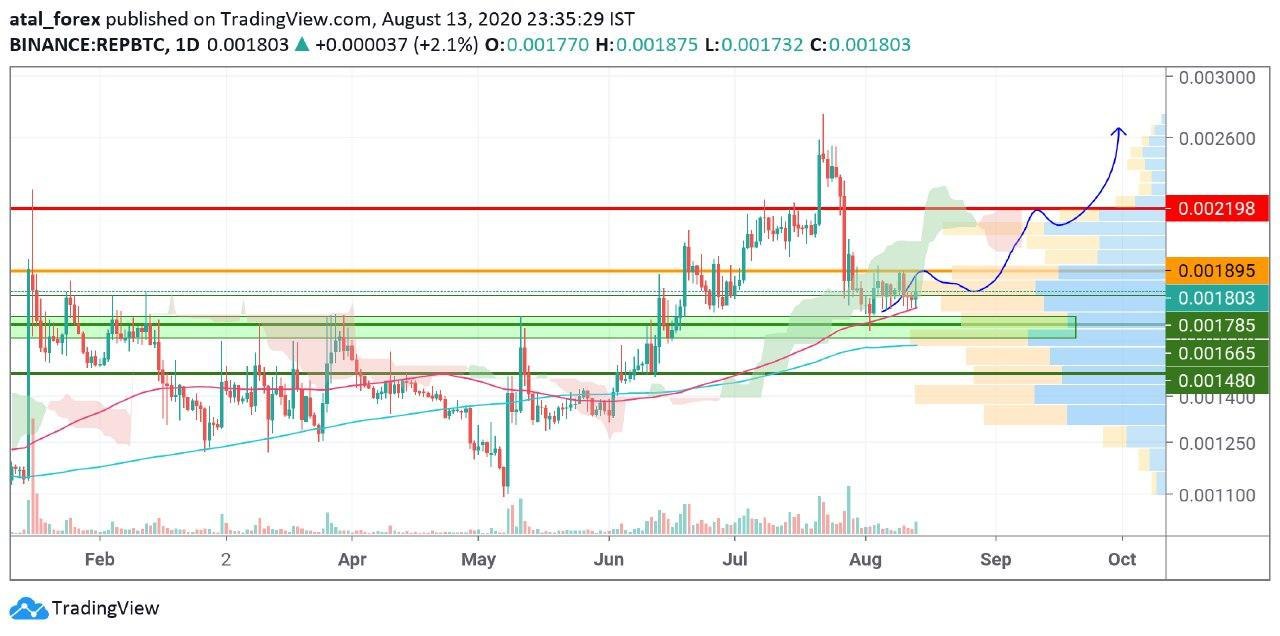
Entry 1 - 1770 (20%)
Entry 2 - 1670 (20%)
Entry 3 - 1550 (30%)
Entry 4 - 1480 (30%)
Targets - 1845 - 1895 - 2000
HODL Targets:- 2180 - 2350 - 2600+
Stop loss - 1450
Margin - 2x
Entry 2 - 1670 (20%)
Entry 3 - 1550 (30%)
Entry 4 - 1480 (30%)
Targets - 1845 - 1895 - 2000
HODL Targets:- 2180 - 2350 - 2600+
Stop loss - 1450
Margin - 2x
Updated Bitcoin CoinSwap Protocol Design Spurs Further Discussion.
UK-based developer Chris Belcher has released a design document for a routed multi-transaction CoinSwap implementation, further developing his work on improving Bitcoin (BTC) transaction privacy and fungibility. The post, which comprises a detailed design of the first protocol version, has spurred further discussions, with various voices from the Cryptoverse inquiring on the protocol’s safety in using cryptography and ensuring the transactions would be safe for both parties.
The latest development "makes use of the building blocks of multi-transaction CoinSwaps, routed CoinSwaps, liquidity market, private key handover, and fidelity bonds. It does not include PayJoin-with-CoinSwap, but that's in the plan to be added later,” according to Belcher.
The proposal builds on the developer’s design from last May in which he explained how CoinSwap’s implementation could ensure undetectable privacy to crypto transactions.
CoinSwap is actually not new. It's an old privacy protocol originally created seven years ago by Greg Maxwell, co-founder of Blockstream and the creator of CoinJoin. It came back into public's attention with Belcher's implementation. It basically allows two or several parties to swap coins, while the end recipient's address is not published on the blokchain, in theory meaning improved privacy and fungibility.
The August design has triggered a number of reactions on GitHub. While generally recognizing the innovativeness of Belcher’s code, some users have asked a number of highly technical and detailed questions about the protocol’s functionalities.
UK-based developer Chris Belcher has released a design document for a routed multi-transaction CoinSwap implementation, further developing his work on improving Bitcoin (BTC) transaction privacy and fungibility. The post, which comprises a detailed design of the first protocol version, has spurred further discussions, with various voices from the Cryptoverse inquiring on the protocol’s safety in using cryptography and ensuring the transactions would be safe for both parties.
The latest development "makes use of the building blocks of multi-transaction CoinSwaps, routed CoinSwaps, liquidity market, private key handover, and fidelity bonds. It does not include PayJoin-with-CoinSwap, but that's in the plan to be added later,” according to Belcher.
The proposal builds on the developer’s design from last May in which he explained how CoinSwap’s implementation could ensure undetectable privacy to crypto transactions.
CoinSwap is actually not new. It's an old privacy protocol originally created seven years ago by Greg Maxwell, co-founder of Blockstream and the creator of CoinJoin. It came back into public's attention with Belcher's implementation. It basically allows two or several parties to swap coins, while the end recipient's address is not published on the blokchain, in theory meaning improved privacy and fungibility.
The August design has triggered a number of reactions on GitHub. While generally recognizing the innovativeness of Belcher’s code, some users have asked a number of highly technical and detailed questions about the protocol’s functionalities.
Ethereum сlassic up by 3% today after third 51% attack in a month.
The crypto market sent the price of ethereum classic (ETC) higher in the early hours of Monday (UTC time), despite the news that one of the top 35 crypto networks by market capitalization suffered its third 51% attack in a month.
At pixel time (04:46 UTC), ETC trades at USD 6.68 and is up by 3% in a day, trimming its weekly losses to less than 2%. The price is down by almost 11% in a month.
Yesterday, ETC developers confirmed that the attack this past weekend caused a reorganization of over 7,000 blocks which corresponds to approximately 2 days of mining. At the time of writing, no other details about the attack were provided.
The network experienced two similar attacks almost a month ago. As reported, the attacker made at least USD 1.7m during the second attack, according to Bitquery, a blockchain analysis firm.
Meanwhile, last Friday, Input Output Hong Kong (IOHK), the developer of Cardano (ADA), said it drafted two proposals how to prevent 51% attacks on the ETC network. It includes "Checkpointing" which would prevent 51% attacks as well as a treasury system that would provide ETC with long term, reliable, decentralized, and sustainable funding for developers, and ecosystem participants alike", according to ETC Cooperative.
The crypto market sent the price of ethereum classic (ETC) higher in the early hours of Monday (UTC time), despite the news that one of the top 35 crypto networks by market capitalization suffered its third 51% attack in a month.
At pixel time (04:46 UTC), ETC trades at USD 6.68 and is up by 3% in a day, trimming its weekly losses to less than 2%. The price is down by almost 11% in a month.
Yesterday, ETC developers confirmed that the attack this past weekend caused a reorganization of over 7,000 blocks which corresponds to approximately 2 days of mining. At the time of writing, no other details about the attack were provided.
The network experienced two similar attacks almost a month ago. As reported, the attacker made at least USD 1.7m during the second attack, according to Bitquery, a blockchain analysis firm.
Meanwhile, last Friday, Input Output Hong Kong (IOHK), the developer of Cardano (ADA), said it drafted two proposals how to prevent 51% attacks on the ETC network. It includes "Checkpointing" which would prevent 51% attacks as well as a treasury system that would provide ETC with long term, reliable, decentralized, and sustainable funding for developers, and ecosystem participants alike", according to ETC Cooperative.
Altcoins Led Sell-off Intensifies as Bitcoin Erases All Monthly Gains.
The crypto market took another step lower for the second day in a row, with bitcoin (BTC) falling below USD 11,000 for the first time since the end of July.
At pixel time (15:12 UTC), BTC trades at USD 10,818 and is down by almost 5% in a day and a week. The price also dropped by 2% in a month, but it's still up by 4% in a year.
At the same time, other coins from the top 10 are down by 4%-11%. Meanwhile, tron (TRX) is on the verge of reentering the top 10 club after rallying by 70% in a week. TRX is up by almost 10% today, trading at USD 0.0387
Ethereum (ETH) dropped by almost 7%, to USD 413, trimming its weekly gains to almost 6%.
Meanwhile, among the top 10 DeFi tokens, only yearn.finance (YFI) is up today, jumping by 12% after it launched the yETH vault yesterday. Other major DeFi tokens are down by 4%-12%.
The total market capitalization decreased by almost 4%, to USD 357bn, while BTC dominance, or the percentage of the total market capitalization, is almost unchanged in a day, standing above 56%.
“After another failed attempt of breaking free from the USD 12,000 level, bitcoin is starting to lose some momentum,” Edward Moya, senior market analyst at Oanda, told Bloomberg after the correction yesterday. According to him, while a strong dollar tends to dent appetite for the cryptocurrency and there are signs its popularity is fading among retail investors, if the greenback softens over 5% it could be the catalyst to help BTC breach that threshold again, if its fundamentals improve.
The crypto market took another step lower for the second day in a row, with bitcoin (BTC) falling below USD 11,000 for the first time since the end of July.
At pixel time (15:12 UTC), BTC trades at USD 10,818 and is down by almost 5% in a day and a week. The price also dropped by 2% in a month, but it's still up by 4% in a year.
At the same time, other coins from the top 10 are down by 4%-11%. Meanwhile, tron (TRX) is on the verge of reentering the top 10 club after rallying by 70% in a week. TRX is up by almost 10% today, trading at USD 0.0387
Ethereum (ETH) dropped by almost 7%, to USD 413, trimming its weekly gains to almost 6%.
Meanwhile, among the top 10 DeFi tokens, only yearn.finance (YFI) is up today, jumping by 12% after it launched the yETH vault yesterday. Other major DeFi tokens are down by 4%-12%.
The total market capitalization decreased by almost 4%, to USD 357bn, while BTC dominance, or the percentage of the total market capitalization, is almost unchanged in a day, standing above 56%.
“After another failed attempt of breaking free from the USD 12,000 level, bitcoin is starting to lose some momentum,” Edward Moya, senior market analyst at Oanda, told Bloomberg after the correction yesterday. According to him, while a strong dollar tends to dent appetite for the cryptocurrency and there are signs its popularity is fading among retail investors, if the greenback softens over 5% it could be the catalyst to help BTC breach that threshold again, if its fundamentals improve.
Bitcoin Mining Difficulty Drops While BTC Slips Below USD 10K Again.
Following a month of rising Bitcoin (BTC) mining difficulty, the first adjustment in September saw the difficulty drop - though it still remains at the second-highest level in the network's history.
Bitcoin mining difficulty, or the measure of how hard it is to compete for mining rewards, dropped 1.21% today, but it was not enough for it to drop out of the 17 T level. It's now sitting at 17.35 T.
The all-time high was reached just last adjustment, at the end of August, thanks to a rise of 3.6%.
Bitcoin's price has also dropped in the past week from the USD 12,000 it shortly touched again at the very beginning of this month. Holding the USD 11,000 level for a couple of days, it then fell below it on September 3, which was followed by a steep decline, and even a brief dip below USD 10,000 two days later. It's currently (13:12 UTC), trading at USD 9,926. It dropped by 3% in a day and 15% in a week.
Meanwhile, the hashrate, or the computational power of the network, has gone up nearly 2% since the previous adjustment, as the 7-day simple moving average shows: from 122 E on August 24 to 124.43 E recorded yesterday.
Meanwhile, miners have turned to saving bitcoin again. According to data from data from ByteTree, miner had been offloading far more bitcoin than they mine. As reported just four days ago, bitcoin miners sold 63% more coins than they generated in a day.
Following a month of rising Bitcoin (BTC) mining difficulty, the first adjustment in September saw the difficulty drop - though it still remains at the second-highest level in the network's history.
Bitcoin mining difficulty, or the measure of how hard it is to compete for mining rewards, dropped 1.21% today, but it was not enough for it to drop out of the 17 T level. It's now sitting at 17.35 T.
The all-time high was reached just last adjustment, at the end of August, thanks to a rise of 3.6%.
Bitcoin's price has also dropped in the past week from the USD 12,000 it shortly touched again at the very beginning of this month. Holding the USD 11,000 level for a couple of days, it then fell below it on September 3, which was followed by a steep decline, and even a brief dip below USD 10,000 two days later. It's currently (13:12 UTC), trading at USD 9,926. It dropped by 3% in a day and 15% in a week.
Meanwhile, the hashrate, or the computational power of the network, has gone up nearly 2% since the previous adjustment, as the 7-day simple moving average shows: from 122 E on August 24 to 124.43 E recorded yesterday.
Meanwhile, miners have turned to saving bitcoin again. According to data from data from ByteTree, miner had been offloading far more bitcoin than they mine. As reported just four days ago, bitcoin miners sold 63% more coins than they generated in a day.
Uniswap DeFi Trader Tells a Story Of Exploiting A Bug and Making USD 270k.
An alleged trader on the Uniswap decentralized exchange claims she/he made close to USD 270,000 in profits after exploiting a bug with the rebase functionality of the recently listed token Soft Yearn (SYFI).
The claim was made through an anonymous Twitter account called Amplify on Monday this week, with the person claiming that she/he is “the person who sold SYFI on Uniswap at the same time as the Rebase.”
According to Amplify, it was a bug with the rebase mechanism of SYFI, which she/he said was released with “unaudited code,” that in the early morning of September 3 allowed him to instantly turn an initial investment of ETH 0.5 (USD 182) into ETH 740 (USD 270,000).
“Minutes before the Rebase I decided to buy back into SYFI with my initial investment of 0.5 ETH, I already made 1.5ETH. I had nothing to lose, right?,” Amplify said before she/he went on to explain what happened next:
“I am staring at the [Uniswap] UI with bated breath when the 2 SYFI turns into 15,551, and subsequently the price quote for these tokens being over 740ETH. My immediate thought is: This is a UI bug, it's going to bait me into sending a transaction I know will fail because of insufficient output amount.”
And as we now know, the trade paid off, making Amplify, who described herself/himself as having “a small trading account,” close to USD 270,000 as the rebase happened by giving ETH to her/him and taking it away from other SYFI holders.
“I am not justifying my actions as being a betterment to society, however; I am condemning the actions of the developers for having the balls to ask for a PRESALE for a forked coin and pushing it with unaudited code,” Amplify said.
The exploit led to the collapse of the Soft Yearn project, with SYFI’s token price on September 4 falling from close to USD 100 to USD 0.002, and trading volume on Uniswap largely evaporating.
An alleged trader on the Uniswap decentralized exchange claims she/he made close to USD 270,000 in profits after exploiting a bug with the rebase functionality of the recently listed token Soft Yearn (SYFI).
The claim was made through an anonymous Twitter account called Amplify on Monday this week, with the person claiming that she/he is “the person who sold SYFI on Uniswap at the same time as the Rebase.”
According to Amplify, it was a bug with the rebase mechanism of SYFI, which she/he said was released with “unaudited code,” that in the early morning of September 3 allowed him to instantly turn an initial investment of ETH 0.5 (USD 182) into ETH 740 (USD 270,000).
“Minutes before the Rebase I decided to buy back into SYFI with my initial investment of 0.5 ETH, I already made 1.5ETH. I had nothing to lose, right?,” Amplify said before she/he went on to explain what happened next:
“I am staring at the [Uniswap] UI with bated breath when the 2 SYFI turns into 15,551, and subsequently the price quote for these tokens being over 740ETH. My immediate thought is: This is a UI bug, it's going to bait me into sending a transaction I know will fail because of insufficient output amount.”
And as we now know, the trade paid off, making Amplify, who described herself/himself as having “a small trading account,” close to USD 270,000 as the rebase happened by giving ETH to her/him and taking it away from other SYFI holders.
“I am not justifying my actions as being a betterment to society, however; I am condemning the actions of the developers for having the balls to ask for a PRESALE for a forked coin and pushing it with unaudited code,” Amplify said.
The exploit led to the collapse of the Soft Yearn project, with SYFI’s token price on September 4 falling from close to USD 100 to USD 0.002, and trading volume on Uniswap largely evaporating.

3rd Incident Hits bZx - Debt Up by USD 8m, Team Still Praises the Protocol.
DeFi lending protocol bZx (BZRX) confirmed that "due to a token duplication incident" its insurance fund "has transiently" accrued debt of around USD 8m.
At pixel time (08:05 UTC), BZRX, ranked 138th by market capitalization, trades at USD 0.439 and is down by 32% in a day and 15% in a week.
Kyle J Kistner, Chief Visionary Officer (CVO) at bZx, said that due to a bug in their code "the user was effectively able to increase his balance artificially." According to him, borrowing and trading were not impacted, while the fix was identified and a new version of the affected iToken contracts was deployed with the balances corrected for duplications.
"Unfortunately, audits are not silver bullets. Our protocol is the most powerful, fully functioned lending protocol in the space, and this means that there is a lot of code to cover", he said.
According to Kistner, their system is capable of absorbing "black swan events that would otherwise negatively impact lender assets."
"Thanks to a protocol design that anticipates and accounts for tail events, this incident is surmountable. The debt will be wiped clean and the protocol will move forward unimpeded," he said.
DeFi lending protocol bZx (BZRX) confirmed that "due to a token duplication incident" its insurance fund "has transiently" accrued debt of around USD 8m.
At pixel time (08:05 UTC), BZRX, ranked 138th by market capitalization, trades at USD 0.439 and is down by 32% in a day and 15% in a week.
Kyle J Kistner, Chief Visionary Officer (CVO) at bZx, said that due to a bug in their code "the user was effectively able to increase his balance artificially." According to him, borrowing and trading were not impacted, while the fix was identified and a new version of the affected iToken contracts was deployed with the balances corrected for duplications.
"Unfortunately, audits are not silver bullets. Our protocol is the most powerful, fully functioned lending protocol in the space, and this means that there is a lot of code to cover", he said.
According to Kistner, their system is capable of absorbing "black swan events that would otherwise negatively impact lender assets."
"Thanks to a protocol design that anticipates and accounts for tail events, this incident is surmountable. The debt will be wiped clean and the protocol will move forward unimpeded," he said.

Ethereum Fees Spike as Uniswap Launches Token.
Today, the Ethereum (ETH) network got busier than usual as thousands of the Uniswap decentralized exchange users rushed to claim their share the DeFi protocol’s new governance token UNI.
As announced on Uniswap’s blog, the UNI token went live yesterday, with 1 billion tokens minted at genesis. Out of these, 60% of tokens are allocated to Uniswap community members, while the remaining tokens are allocated to team members, investors, and advisors, all with a 4-year vesting period.
And according to the announcement, 15% of the total supply – or 400 UNI tokens per address – can now be claimed by all Uniswap users who have “ever called the Uniswap v1 or v2 contracts.” Further, the post said that this “includes ~12,000 addresses that have only ever submitted failed transactions.”
The rush by Uniswap users to claim their tokens caused transaction fees on the Ethereum network to jump from a median fee of over USD 2.1 yesterday, to USD 3.6 as of press time on today (07:42 UTC), according to data from BitInfoCharts.
The launch of the Ethereum-based (ERC-20) token also led to a brief surge in the number of pending transactions on the Ethereum network. However, the network congestion later eased and is now back at approximately the same level as before the token launch.
Today, the Ethereum (ETH) network got busier than usual as thousands of the Uniswap decentralized exchange users rushed to claim their share the DeFi protocol’s new governance token UNI.
As announced on Uniswap’s blog, the UNI token went live yesterday, with 1 billion tokens minted at genesis. Out of these, 60% of tokens are allocated to Uniswap community members, while the remaining tokens are allocated to team members, investors, and advisors, all with a 4-year vesting period.
And according to the announcement, 15% of the total supply – or 400 UNI tokens per address – can now be claimed by all Uniswap users who have “ever called the Uniswap v1 or v2 contracts.” Further, the post said that this “includes ~12,000 addresses that have only ever submitted failed transactions.”
The rush by Uniswap users to claim their tokens caused transaction fees on the Ethereum network to jump from a median fee of over USD 2.1 yesterday, to USD 3.6 as of press time on today (07:42 UTC), according to data from BitInfoCharts.
The launch of the Ethereum-based (ERC-20) token also led to a brief surge in the number of pending transactions on the Ethereum network. However, the network congestion later eased and is now back at approximately the same level as before the token launch.
Verasity Launches One of the Largest PUBGm Tournaments.
Verasity’s Esports Fight Club is back with yet another ingenious invention by launching one of the largest Asian mobile PlayerUnknown’s Battlegrounds (PUBG) tournaments, "Ultimate Warrior Showdown" with leading gaming partners.
According to Newzoo esports survey, esports revenues rose above $1 billion in 2019, with many estimates projecting market growth around $2.5 billion by 2025. The growth of esports in recent years with games is indeed remarkable!
Verasity – a reward-based platform for esports, gaming, and video entertainment—is a leading company providing proprietary technology, uniquely rewarding gamers, viewers, and publishers. The game-changer—Verasity, is the first platform to provide user-generated esports and casual gaming jackpot tournaments supported by both Fiat and Digital Tokens, video gaming content monetized by Verasity Ad stack and Proof of view (PoV), enables tokenized rewards (VRA) and loyalty schemes within the video player VeraWallet, and also supports over 2 million video publishers with their SDK products to increase engagement and revenues by 35%.
Therefore, with the pace-setter platform—Verasity, the Ultimate Warrior Showdown is set to be one of the biggest tournaments in Asia. Moreso, the tournament is open to participants from South Asia and boasts some of the top Asian teams playing in the invitationals. The top 10 teams from the open qualifiers will face other teams in the Grand Finals for a combined prize pool of $1500.
In a big leap to gaming ingenuity, the Ultimate Warrior Showdown tournament has been created in partnership with Tencent Games, OKEx, Athena Gaming, and pro teams such as Onic Esports, T1, and NOVA Esports. While Verasity’s Esports Fight Club is the owner of all the content rights including broadcast rights and branding rights.
Verasity’s Esports Fight Club is back with yet another ingenious invention by launching one of the largest Asian mobile PlayerUnknown’s Battlegrounds (PUBG) tournaments, "Ultimate Warrior Showdown" with leading gaming partners.
According to Newzoo esports survey, esports revenues rose above $1 billion in 2019, with many estimates projecting market growth around $2.5 billion by 2025. The growth of esports in recent years with games is indeed remarkable!
Verasity – a reward-based platform for esports, gaming, and video entertainment—is a leading company providing proprietary technology, uniquely rewarding gamers, viewers, and publishers. The game-changer—Verasity, is the first platform to provide user-generated esports and casual gaming jackpot tournaments supported by both Fiat and Digital Tokens, video gaming content monetized by Verasity Ad stack and Proof of view (PoV), enables tokenized rewards (VRA) and loyalty schemes within the video player VeraWallet, and also supports over 2 million video publishers with their SDK products to increase engagement and revenues by 35%.
Therefore, with the pace-setter platform—Verasity, the Ultimate Warrior Showdown is set to be one of the biggest tournaments in Asia. Moreso, the tournament is open to participants from South Asia and boasts some of the top Asian teams playing in the invitationals. The top 10 teams from the open qualifiers will face other teams in the Grand Finals for a combined prize pool of $1500.
In a big leap to gaming ingenuity, the Ultimate Warrior Showdown tournament has been created in partnership with Tencent Games, OKEx, Athena Gaming, and pro teams such as Onic Esports, T1, and NOVA Esports. While Verasity’s Esports Fight Club is the owner of all the content rights including broadcast rights and branding rights.

Bitcoin Mining Legalized in Venezuela, Miners Must Join ‘National Pool’.
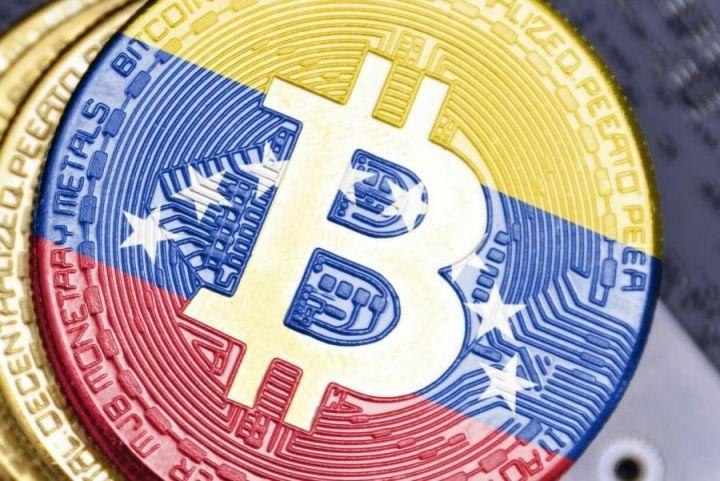
The government of Venezuela said that it has legalized bitcoin (BTC) and altcoin mining – but added that miners will have to obtain licenses and agree to be supervised by regulators.
According to media outlet Criptonoticias, the government has issued an official decree stating that all crypto mining rig manufacturers, crypto “farm” constructors and mining hardware importers will also be subject to spot inspections.
Citizens who want to mine bitcoin and other cryptoassets will have to apply for a license from the National Superintendency of Cryptoassets and Related Activities (SUNACRIP), which will police the nation’s miners.
SUNACRIP did not mention how much a license would cost, but added that pricing details would be made available via an online application system that is currently in construction.
The regulator added that it would be creating a “comprehensive registry of miners,” an online database that hosts details about individual miners, detailing what kind of mining activities they carry out, no matter whether they market, make, import, or make use of crypto mining equipment.
And the new regulations do not stop there: SUNACRIP has created what it terms the National Digital Mining Pool, insisting that membership is “mandatory” – and failure to comply will be punishable with “sanctions.”
SUNACRIP stated that its measures were part of an effort to “bring together all the miners of Venezuela.”
Per data released earlier this year by the University of Cambridge’s Cambridge Center for Alternative Finance, Venezuela is Latin America’s biggest bitcoin miner, and ranks in the global top ten.
The government of Venezuela said that it has legalized bitcoin (BTC) and altcoin mining – but added that miners will have to obtain licenses and agree to be supervised by regulators.
According to media outlet Criptonoticias, the government has issued an official decree stating that all crypto mining rig manufacturers, crypto “farm” constructors and mining hardware importers will also be subject to spot inspections.
Citizens who want to mine bitcoin and other cryptoassets will have to apply for a license from the National Superintendency of Cryptoassets and Related Activities (SUNACRIP), which will police the nation’s miners.
SUNACRIP did not mention how much a license would cost, but added that pricing details would be made available via an online application system that is currently in construction.
The regulator added that it would be creating a “comprehensive registry of miners,” an online database that hosts details about individual miners, detailing what kind of mining activities they carry out, no matter whether they market, make, import, or make use of crypto mining equipment.
And the new regulations do not stop there: SUNACRIP has created what it terms the National Digital Mining Pool, insisting that membership is “mandatory” – and failure to comply will be punishable with “sanctions.”
SUNACRIP stated that its measures were part of an effort to “bring together all the miners of Venezuela.”
Per data released earlier this year by the University of Cambridge’s Cambridge Center for Alternative Finance, Venezuela is Latin America’s biggest bitcoin miner, and ranks in the global top ten.
Stablecoins Seen as Most Important Development in Crypto.
Supported by rapid growth in the decentralized finance (DeFi) field this year, stablecoins are now seen by industry players as being the most significant area of development for the crypto industry, a new report on cryptoassets from the Cambridge Centre for Alternative Finance has found.
According to the report, titled the 3rd Global Cryptoasset Benchmarking Study, stablecoins are seen by service providers as important in Asia-Pacific, Europe, Middle East & Africa, North America, and Latin America & the Caribbean.
Meanwhile, decentralized finance more broadly was stated as the second or third most important area for future development in most regions, the same survey of cryptoasset service providers found.
‘Service providers’ were defined in the report as “entities active in one or more of the
payments, custody and exchange segments.”
Further, the report also looked at how views on what will be most important in the future varied between the small and large companies surveyed.
And judging from the findings, the smallest service providers place an even greater importance on the development of stablecoins than the larger companies do, although both groups overall ranked stablecoins as having the biggest impact, ahead of things like staking, central bank digital currencies (CBDCs), and security tokens.
Meanwhile, explaining why DeFi was ranked lower than other areas in terms of impact of future developments, the report called the DeFi space “still largely experimental,” while also adding that “most DeFi applications cannot be considered meaningfully decentralized by any measure.” (Learn more: Why DeFi Isn’t Always As Decentralized As You Might Think)
“The majority of these applications are still dependent on kill switches, centralised oracles, or some other centralised support or maintenance,” the report said, although it noted that a “stated core objective for many developer teams is to focus on increasing decentralization over time.” The report also pointed to the recent emergence of DeFi protocol governance tokens as a step towards making these protocols “less dependent on centralized control.”
Also, the recently hot field known as non-fungible tokens (NFTs) were in four out of the five regions surveyed considered to have the smallest future impact, with only companies in the Asia-Pacific region saying “other developments” had even less importance.
Supported by rapid growth in the decentralized finance (DeFi) field this year, stablecoins are now seen by industry players as being the most significant area of development for the crypto industry, a new report on cryptoassets from the Cambridge Centre for Alternative Finance has found.
According to the report, titled the 3rd Global Cryptoasset Benchmarking Study, stablecoins are seen by service providers as important in Asia-Pacific, Europe, Middle East & Africa, North America, and Latin America & the Caribbean.
Meanwhile, decentralized finance more broadly was stated as the second or third most important area for future development in most regions, the same survey of cryptoasset service providers found.
‘Service providers’ were defined in the report as “entities active in one or more of the
payments, custody and exchange segments.”
Further, the report also looked at how views on what will be most important in the future varied between the small and large companies surveyed.
And judging from the findings, the smallest service providers place an even greater importance on the development of stablecoins than the larger companies do, although both groups overall ranked stablecoins as having the biggest impact, ahead of things like staking, central bank digital currencies (CBDCs), and security tokens.
Meanwhile, explaining why DeFi was ranked lower than other areas in terms of impact of future developments, the report called the DeFi space “still largely experimental,” while also adding that “most DeFi applications cannot be considered meaningfully decentralized by any measure.” (Learn more: Why DeFi Isn’t Always As Decentralized As You Might Think)
“The majority of these applications are still dependent on kill switches, centralised oracles, or some other centralised support or maintenance,” the report said, although it noted that a “stated core objective for many developer teams is to focus on increasing decentralization over time.” The report also pointed to the recent emergence of DeFi protocol governance tokens as a step towards making these protocols “less dependent on centralized control.”
Also, the recently hot field known as non-fungible tokens (NFTs) were in four out of the five regions surveyed considered to have the smallest future impact, with only companies in the Asia-Pacific region saying “other developments” had even less importance.

Chinese Judges Begin Sentencing PlusToken Bitcoin, Ethereum Scam Chiefs.
Judges in China have been handing out penalties to some of the individuals charged with masterminding the PlusToken crypto scam – a Ponzi scheme that reportedly sucked in some 2 million investors.
Per the Chinese prosecution service’s news outlet, via Xinhuanet, 16 individuals of varying seniority within the PlusToken hierarchy were last week handed fixed-term jail terms, with the most senior PlusToken orchestrator set to serve at least 11 years behind bars. Other individuals, none of whom were named in full for legal reasons, were handed lesser terms, with one more junior member handed a two-year fixed-term jail sentence.
The court heard how the PlusToken leadership accrued some USD 7.3bn worth of crypto and cash funds, mainly in bitcoin (BTC) and ethereum (ETH).
Three individuals, referred to by the court and the media only by their surnames (Chen, Ding, and Peng), used investors’ stakes to fund their own spending sprees and pay for their own bills, prosecutors told the court.
They also explained that the three individuals pooled their individual expertise to create a powerful and highly convincing façade: Chen used his own business acumen to give PlusToken the look and feel of a multinational company. Peng, meanwhile, has experience of multi-level marketing (MLM) promotion and had previously been convicted of MLM-related fraud offenses. And Ding was described as having “resources in the blockchain sector” and a deep understanding of blockchain technology.
The court also heard how the PlusToken chiefs had promised investors that using BTC or ETH stakes of USD 500, they could expect to earn up to 18% in passive income per month. Bringing more recruits in would result in yet bigger payouts, the scammers had told investors.
Prosecutors explained how they were finally able to track down some of the masterminds – by following a trail that led to a wallet holding BTC 450 (USD 4.9m)
Ding refuted the charges, claiming that he was unaware that PlusToken was being run as a pyramid scheme. However, prosecutors convinced the court that the story was a fabrication, using WeChat chat app records of conversations between Ding and Chen as proof of his guilt.
The former was issued a jail term of almost nine years, as well as a fine of over USD 586,000.
Judges in China have been handing out penalties to some of the individuals charged with masterminding the PlusToken crypto scam – a Ponzi scheme that reportedly sucked in some 2 million investors.
Per the Chinese prosecution service’s news outlet, via Xinhuanet, 16 individuals of varying seniority within the PlusToken hierarchy were last week handed fixed-term jail terms, with the most senior PlusToken orchestrator set to serve at least 11 years behind bars. Other individuals, none of whom were named in full for legal reasons, were handed lesser terms, with one more junior member handed a two-year fixed-term jail sentence.
The court heard how the PlusToken leadership accrued some USD 7.3bn worth of crypto and cash funds, mainly in bitcoin (BTC) and ethereum (ETH).
Three individuals, referred to by the court and the media only by their surnames (Chen, Ding, and Peng), used investors’ stakes to fund their own spending sprees and pay for their own bills, prosecutors told the court.
They also explained that the three individuals pooled their individual expertise to create a powerful and highly convincing façade: Chen used his own business acumen to give PlusToken the look and feel of a multinational company. Peng, meanwhile, has experience of multi-level marketing (MLM) promotion and had previously been convicted of MLM-related fraud offenses. And Ding was described as having “resources in the blockchain sector” and a deep understanding of blockchain technology.
The court also heard how the PlusToken chiefs had promised investors that using BTC or ETH stakes of USD 500, they could expect to earn up to 18% in passive income per month. Bringing more recruits in would result in yet bigger payouts, the scammers had told investors.
Prosecutors explained how they were finally able to track down some of the masterminds – by following a trail that led to a wallet holding BTC 450 (USD 4.9m)
Ding refuted the charges, claiming that he was unaware that PlusToken was being run as a pyramid scheme. However, prosecutors convinced the court that the story was a fabrication, using WeChat chat app records of conversations between Ding and Chen as proof of his guilt.
The former was issued a jail term of almost nine years, as well as a fine of over USD 586,000.

Crypto 'Is Now Finally Being Taken Seriously' By Taxman - PwC.
The major consulting company, PwC said that the increased interest in cryptoassets from tax authorities and other regulators shows that this asset class is now finally being taken seriously. (Updated at 14:59 UTC: the new last paragraph has been added).
"What our research shows is that the guidance issued by many tax authorities is already getting dated. Yes – it is important that people know how to account for tax on the trading of bitcoin and other cryptocurrencies but that is really crypto tax 101," Peter Brewin, Tax Partner, PwC Hong Kong, was quoted as saying in a press release.
However, he stressed that in nearly all jurisdictions the crypto industry is still lacking principles-based guidance that is fit for the new decentralized economy.
Today, PwC released its first annual Global Crypto Tax Report that shows that few or none jurisdictions have issued guidance on crypto borrowing and lending, decentralized finance, non-fungible tokens, tokenized assets, and staking income.
"The PwC survey reveals that the most common treatment is to view cryptoassets as a type of property. Often this means that spending these for acquiring goods and services leads to a tax charge on disposal. This will continue to act as a major impediment to mass adoption of many crypto assets as a means of payment, unless technology solutions can be found to ease the administrative burden for users," the company said.
It also published the annual PwC Crypto Tax Index which ranks jurisdictions based on how comprehensive their crypto tax guidance is. Liechtenstein tops this year’s rankings.
"Having specific crypto tax guidance is an essential building block of the continuous institutionalization of the crypto ecosystem," Henri Arslanian, PwC Global Crypto Leader, concluded.
Meanwhile, as recently reported by The Wall Street Journal, the US Internal Revenue Service is making it a lot harder to pretend you don’t have bitcoin or other cryptoassets hidden away somewhere. They plan to alter the standard 1040 form by putting this question on the front page: At any time during 2020, did you sell, receive, send, exchange or otherwise acquire any financial interest in any virtual currency? The taxpayer must check the box "Yes" or "No."
At the same time, there was mixed news for the Japanese crypto industry as the regulatory Financial Services Agency (FCA), the body that polices the nation’s crypto companies, made no mention of the industry in its latest tax reform request submission. The FCA periodically passes tax reform requests on to the Ministry of Finance, which then has the power to recommend to parliament and the cabinet that these become enshrined in law. But per media outlet Coin Post, the FCA has made no mention of crypto tax reform – meaning that campaigners for more lenient crypto tax requirements could face frustration. However, on the plus side, the FCA’s silence on the matter could also indicate that crypto tax hikes are not on the horizon in the foreseeable future.
The major consulting company, PwC said that the increased interest in cryptoassets from tax authorities and other regulators shows that this asset class is now finally being taken seriously. (Updated at 14:59 UTC: the new last paragraph has been added).
"What our research shows is that the guidance issued by many tax authorities is already getting dated. Yes – it is important that people know how to account for tax on the trading of bitcoin and other cryptocurrencies but that is really crypto tax 101," Peter Brewin, Tax Partner, PwC Hong Kong, was quoted as saying in a press release.
However, he stressed that in nearly all jurisdictions the crypto industry is still lacking principles-based guidance that is fit for the new decentralized economy.
Today, PwC released its first annual Global Crypto Tax Report that shows that few or none jurisdictions have issued guidance on crypto borrowing and lending, decentralized finance, non-fungible tokens, tokenized assets, and staking income.
"The PwC survey reveals that the most common treatment is to view cryptoassets as a type of property. Often this means that spending these for acquiring goods and services leads to a tax charge on disposal. This will continue to act as a major impediment to mass adoption of many crypto assets as a means of payment, unless technology solutions can be found to ease the administrative burden for users," the company said.
It also published the annual PwC Crypto Tax Index which ranks jurisdictions based on how comprehensive their crypto tax guidance is. Liechtenstein tops this year’s rankings.
"Having specific crypto tax guidance is an essential building block of the continuous institutionalization of the crypto ecosystem," Henri Arslanian, PwC Global Crypto Leader, concluded.
Meanwhile, as recently reported by The Wall Street Journal, the US Internal Revenue Service is making it a lot harder to pretend you don’t have bitcoin or other cryptoassets hidden away somewhere. They plan to alter the standard 1040 form by putting this question on the front page: At any time during 2020, did you sell, receive, send, exchange or otherwise acquire any financial interest in any virtual currency? The taxpayer must check the box "Yes" or "No."
At the same time, there was mixed news for the Japanese crypto industry as the regulatory Financial Services Agency (FCA), the body that polices the nation’s crypto companies, made no mention of the industry in its latest tax reform request submission. The FCA periodically passes tax reform requests on to the Ministry of Finance, which then has the power to recommend to parliament and the cabinet that these become enshrined in law. But per media outlet Coin Post, the FCA has made no mention of crypto tax reform – meaning that campaigners for more lenient crypto tax requirements could face frustration. However, on the plus side, the FCA’s silence on the matter could also indicate that crypto tax hikes are not on the horizon in the foreseeable future.
Europe Has The Most Of Money Laundering-Friendly Crypto Exchanges.
Europe has the highest count of virtual asset service providers (VASPs) with deficient KYC procedures, followed by the strongest Asia-Pacific (APAC) region, and North America, claims CipherTrace, a developer of anti-money laundering, cryptocurrency forensics, and blockchain threat intelligence solutions.
Their 2020 Geographic Risk Report argued that "effective Know-Your-Customer (KYC) protocols are a vital part of any anti-money laundering (AML) regime." But in order to see how strongly implemented these protocols are, and to have geographical locations of where KYC could be "exploited by money launderers, criminals, and extremists," the researchers analyzed KYC processes of over 800 VASPs in over 80 countries. They assigned VASPs "Weak," "Porous," or "Strong" KYC score, based on how easy it would be to launder money after opening an account.
What they found is that many countries continue to host VASPs with deficient KYC - 56% of VASPs globally have weak or porous KYC in 2020. Compared to last year's result that said that two-thirds (c. 65%) of the 120 most popular crypto exchanges had weak or porous KYC practices, this year's result is an improvement - but CipherTrace warned there is still a long way to go. "The high percentage of KYC-deficient VASPs make it easy for criminals to exploit these institutions and launder their funds," they added.
Despite the 5th Anti-Money Laundering Directive (AMLD5), Europe has the highest count of VASPs with deficient KYC procedures - 60% of European VASPs have weak or porous KYC. Yet, per the chart below, it's in second place when it comes to the count of VASPs with strong KYC as well.
"The number two spot is an outlier," said the report. APAC is the region with the second-highest count of weak KYC VASPs, but at the same time, it leads as the region with the largest count of VASPs with strong KYC, as well as the region with the lowest percentage of weak and porous VASPs, according to the researchers.
North America sits in the third spot when it comes to the count of all three types of KYC that VASPs utilize. Per the chart, its weak and strong types are neck to neck.
Furthermore, the US, UK, and Russia lead as countries with the highest count of VASPs with weak KYC. Per the report, "while 44% of US and 40% of UK exchanges were found to have weak KYC practices, these KYC deficiencies characterize 80% of Russian exchanges."
The US and UK, this time with Singapore, take the lead again when looking at the countries with the highest count of combined weak and porous VASPs in the world. However, these have equally large count of strong-KYC VASPs, so their KYC averages are all still in the porous range.
"The next two closest countries with large numbers of KYC-deficient VASPS are China and Russia, yet these two countries have between 31%-44% fewer VASPs with weak or porous KYC than any of the three leading countries," the report added.
The researchers concluded that 60% of the top 10 worst KYC countries in the world are in Europe, 20% are in Latin American and Caribbean countries, and 20% are in APAC countries.
Lastly, there are VASPs that do not publicly disclose the country they are registered in, many of which hide it, even though it's clear that they are serving clients in a given country. The report found that 85% of VASPs without a clear domiciled country have weak or porous KYC. CipherTrase concluded that "the fact that these VASPs lean heavily on having little to no KYC highlights their intention to circumvent AML regulations. The lack of a clear domicile should be considered an AML red flag, especially when coupled with a poor KYC score."
Europe has the highest count of virtual asset service providers (VASPs) with deficient KYC procedures, followed by the strongest Asia-Pacific (APAC) region, and North America, claims CipherTrace, a developer of anti-money laundering, cryptocurrency forensics, and blockchain threat intelligence solutions.
Their 2020 Geographic Risk Report argued that "effective Know-Your-Customer (KYC) protocols are a vital part of any anti-money laundering (AML) regime." But in order to see how strongly implemented these protocols are, and to have geographical locations of where KYC could be "exploited by money launderers, criminals, and extremists," the researchers analyzed KYC processes of over 800 VASPs in over 80 countries. They assigned VASPs "Weak," "Porous," or "Strong" KYC score, based on how easy it would be to launder money after opening an account.
What they found is that many countries continue to host VASPs with deficient KYC - 56% of VASPs globally have weak or porous KYC in 2020. Compared to last year's result that said that two-thirds (c. 65%) of the 120 most popular crypto exchanges had weak or porous KYC practices, this year's result is an improvement - but CipherTrace warned there is still a long way to go. "The high percentage of KYC-deficient VASPs make it easy for criminals to exploit these institutions and launder their funds," they added.
Despite the 5th Anti-Money Laundering Directive (AMLD5), Europe has the highest count of VASPs with deficient KYC procedures - 60% of European VASPs have weak or porous KYC. Yet, per the chart below, it's in second place when it comes to the count of VASPs with strong KYC as well.
"The number two spot is an outlier," said the report. APAC is the region with the second-highest count of weak KYC VASPs, but at the same time, it leads as the region with the largest count of VASPs with strong KYC, as well as the region with the lowest percentage of weak and porous VASPs, according to the researchers.
North America sits in the third spot when it comes to the count of all three types of KYC that VASPs utilize. Per the chart, its weak and strong types are neck to neck.
Furthermore, the US, UK, and Russia lead as countries with the highest count of VASPs with weak KYC. Per the report, "while 44% of US and 40% of UK exchanges were found to have weak KYC practices, these KYC deficiencies characterize 80% of Russian exchanges."
The US and UK, this time with Singapore, take the lead again when looking at the countries with the highest count of combined weak and porous VASPs in the world. However, these have equally large count of strong-KYC VASPs, so their KYC averages are all still in the porous range.
"The next two closest countries with large numbers of KYC-deficient VASPS are China and Russia, yet these two countries have between 31%-44% fewer VASPs with weak or porous KYC than any of the three leading countries," the report added.
The researchers concluded that 60% of the top 10 worst KYC countries in the world are in Europe, 20% are in Latin American and Caribbean countries, and 20% are in APAC countries.
Lastly, there are VASPs that do not publicly disclose the country they are registered in, many of which hide it, even though it's clear that they are serving clients in a given country. The report found that 85% of VASPs without a clear domiciled country have weak or porous KYC. CipherTrase concluded that "the fact that these VASPs lean heavily on having little to no KYC highlights their intention to circumvent AML regulations. The lack of a clear domicile should be considered an AML red flag, especially when coupled with a poor KYC score."