
Bitfinex Pay to integrate U2F authentication for online merchant payments.
Cryptocurrency exchange Bitfinex launches a new authentication standard for online payments service Bitfinex Pay.
In an effort to increase customers' security and privacy on its platform, cryptocurrency exchange Bitfinex has announced the adoption of open authentication standard universal second factor (U2F) within its merchant payments service, Bitfinex Pay.
The move enables the capacity for online stores and merchants adopting the Bitfinex Pay widget to receive payments for goods and services in a range of crypto assets, including Bitcoin (BTC), Ether (ETH), Lightning Network BTC (LN-BTC) and Tether (USDT) on the Ethereum and Tron blockchains.
Customers of a registered merchant can choose the "Pay with Bitfinex" option upon checkout. After a brief detour through the Bitfinex payment gateway, the customer will be returned to the merchant's website. Once confirmed, payment will be sent directly to the merchant’s connected Bitfinex wallet address.
With this introduction, Bitfinex is positioning the U2F key — a physical USB device — as an alternative to traditional two-factor authentication methods such as text-message or app notifications. The devices can be used across laptops and mobile devices and require a six-digit passcode to grant payment approval.
The chief technology officer of Bitfinex, Paolo Ardoino, shared his comments on the feature:
“As a trailblazer in digital payments, Bitfinex Pay has already become a popular payment tool and with the addition of U2F, we are providing our users with further means of protecting themselves.”
He continued to say: “These security keys make it almost impossible for a hacker to intercept both your password and the two-factor code.”
In November 2020, payments giant PayPal debuted cryptocurrency payments on its United States platform, granting customers the ability to buy, hold and sell a selection of popular digital assets. More recently, this feature branched out into its United Kingdom market.
In time, Paypal plans to facilitate the transaction of crypto payments across its established network of 26 million online and physical merchants.
Cryptocurrency exchange Bitfinex launches a new authentication standard for online payments service Bitfinex Pay.
In an effort to increase customers' security and privacy on its platform, cryptocurrency exchange Bitfinex has announced the adoption of open authentication standard universal second factor (U2F) within its merchant payments service, Bitfinex Pay.
The move enables the capacity for online stores and merchants adopting the Bitfinex Pay widget to receive payments for goods and services in a range of crypto assets, including Bitcoin (BTC), Ether (ETH), Lightning Network BTC (LN-BTC) and Tether (USDT) on the Ethereum and Tron blockchains.
Customers of a registered merchant can choose the "Pay with Bitfinex" option upon checkout. After a brief detour through the Bitfinex payment gateway, the customer will be returned to the merchant's website. Once confirmed, payment will be sent directly to the merchant’s connected Bitfinex wallet address.
With this introduction, Bitfinex is positioning the U2F key — a physical USB device — as an alternative to traditional two-factor authentication methods such as text-message or app notifications. The devices can be used across laptops and mobile devices and require a six-digit passcode to grant payment approval.
The chief technology officer of Bitfinex, Paolo Ardoino, shared his comments on the feature:
“As a trailblazer in digital payments, Bitfinex Pay has already become a popular payment tool and with the addition of U2F, we are providing our users with further means of protecting themselves.”
He continued to say: “These security keys make it almost impossible for a hacker to intercept both your password and the two-factor code.”
In November 2020, payments giant PayPal debuted cryptocurrency payments on its United States platform, granting customers the ability to buy, hold and sell a selection of popular digital assets. More recently, this feature branched out into its United Kingdom market.
In time, Paypal plans to facilitate the transaction of crypto payments across its established network of 26 million online and physical merchants.
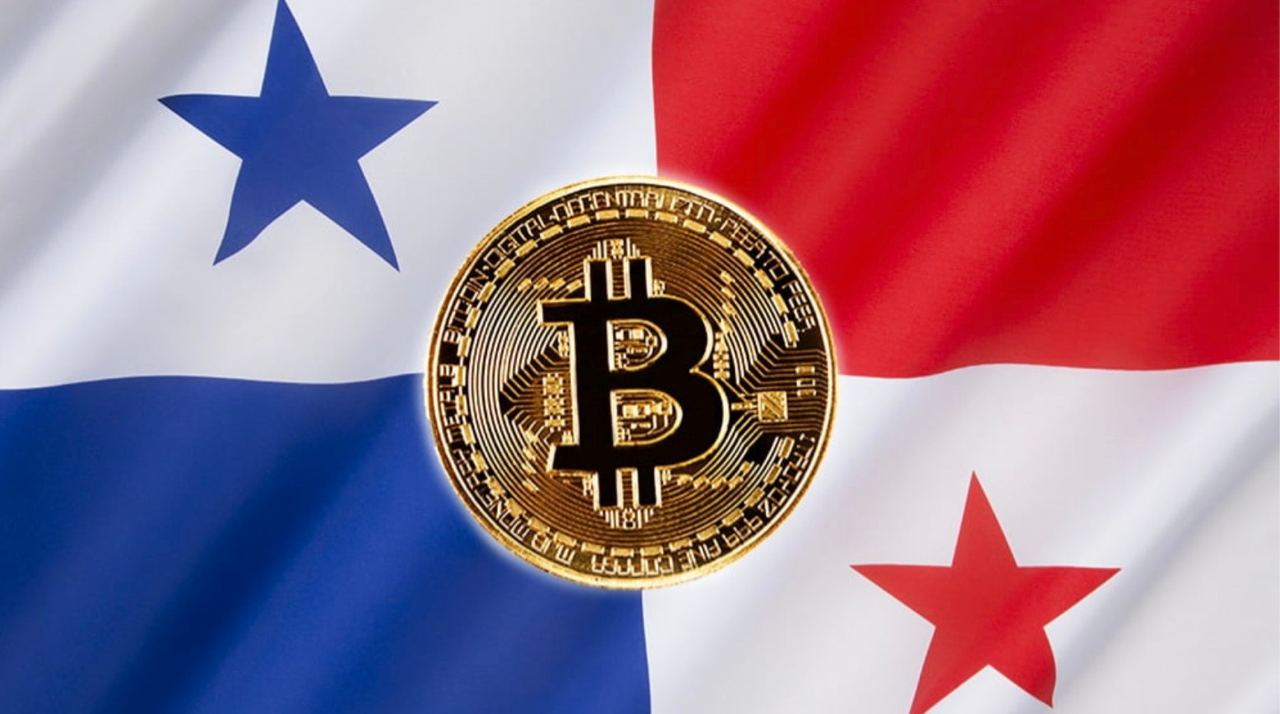
Republic of Panama introduces bill for regulating crypto.
A new bill in Panama aims to recognize Bitcoin as an alternative payment method and enable freedom to use crypto.
Amid Bitcoin (BTC) becoming legal tender in El Salvador, another country in Central America is progressing on its way to enable freedom to use cryptocurrencies like BTC and Ether (ETH).
On Monday, the Republic of Panama introduced a bill on regulating cryptocurrencies, aiming to make the country “compatible with the blockchain, crypto assets and the internet.”
Announcing the news on Twitter, Panamanian pro-crypto congressman Gabriel Silva stressed that the new legal initiative has the potential to generate thousands of jobs, create new investment sources, as well as make the government “more transparent.”
According to the draft bill document shared by Silva, the new legislation intends to recognize crypto assets like Bitcoin as an alternative global payment method for “any civil or commercial operation not prohibited by the legal system of the Republic of Panama.” The bill authors emphasized that cryptocurrencies enable fast and low-cost payments allowing them to finalize a financial transaction “regardless of the distance between parties and the transaction volume.”
In contrast to the government of El Salvador, which has required local businesses to accept Bitcoin in exchange for goods or services alongside the United States dollar, Panama’s new crypto bill does not intend to force obligatory Bitcoin acceptance. Instead, the legislation calls to establish freedom to use cryptocurrencies like Bitcoin and Ether in Panama, local TV network Telemetro reported.
Silva said that the new draft bill was prepared in collaboration with Panamanian citizens and a multidisciplinary team, including industry and technology experts. The legislation was created taking into consideration important guidelines provided by international organizations such as the Financial Action Task Force, he noted.
Amid El Salvador deciding to accept Bitcoin as an official currency, more countries in Central America have been moving into the crypto industry. In late August, a company in Honduras reportedly installed the country’s first Bitcoin ATM, allowing users to buy BTC and ETH using the local fiat currency, lempira.
A new bill in Panama aims to recognize Bitcoin as an alternative payment method and enable freedom to use crypto.
Amid Bitcoin (BTC) becoming legal tender in El Salvador, another country in Central America is progressing on its way to enable freedom to use cryptocurrencies like BTC and Ether (ETH).
On Monday, the Republic of Panama introduced a bill on regulating cryptocurrencies, aiming to make the country “compatible with the blockchain, crypto assets and the internet.”
Announcing the news on Twitter, Panamanian pro-crypto congressman Gabriel Silva stressed that the new legal initiative has the potential to generate thousands of jobs, create new investment sources, as well as make the government “more transparent.”
According to the draft bill document shared by Silva, the new legislation intends to recognize crypto assets like Bitcoin as an alternative global payment method for “any civil or commercial operation not prohibited by the legal system of the Republic of Panama.” The bill authors emphasized that cryptocurrencies enable fast and low-cost payments allowing them to finalize a financial transaction “regardless of the distance between parties and the transaction volume.”
In contrast to the government of El Salvador, which has required local businesses to accept Bitcoin in exchange for goods or services alongside the United States dollar, Panama’s new crypto bill does not intend to force obligatory Bitcoin acceptance. Instead, the legislation calls to establish freedom to use cryptocurrencies like Bitcoin and Ether in Panama, local TV network Telemetro reported.
Silva said that the new draft bill was prepared in collaboration with Panamanian citizens and a multidisciplinary team, including industry and technology experts. The legislation was created taking into consideration important guidelines provided by international organizations such as the Financial Action Task Force, he noted.
Amid El Salvador deciding to accept Bitcoin as an official currency, more countries in Central America have been moving into the crypto industry. In late August, a company in Honduras reportedly installed the country’s first Bitcoin ATM, allowing users to buy BTC and ETH using the local fiat currency, lempira.
Trading Bitcoin’s like trading stamps, says Swedish central bank governor.
In comments at a Swedish banking conference, Sveriges Riksbank Governor Stefan Ingves warned that private money “usually collapses sooner or later.”
The governor of Sweden’s central bank, the Sveriges Riksbank, has dismissed Bitcoin (BTC) as an altogether far-fetched alternative to government-backed fiat currencies.
Speaking at a banking conference in Stockholm, Sveriges Riksbank governor Stefan Ingves argued, “Private money usually collapses sooner or later.” In a further disparaging remark, he claimed, “Sure, you can get rich by trading in bitcoin, but it’s comparable to trading in stamps.”
Notwithstanding Ingves’ view of Bitcoin’s weaknesses as a currency, he has taken its popularity among investors seriously. Highlighting consumer interests and money laundering as being of particular concern, the central banker conceded this June that the cryptocurrency had gotten “big enough” to merit close attention from regulators, central bankers and lawmakers across the globe.
Nor has Ingves’ low estimation of Bitcoin prevented the Riksbank from co-opting its underlying technology for the benefit of its own central bank digital currency development project. Sweden’s e-krona uses a proof-of-concept based on Corda, a distributed ledger technology solution from R3. The latest update on the e-krona pilot is that experiments are progressing, involving simulated participants to cooperating with real-world actors, specifically Sweden’s retail bank chain, Handelsbanken.
While the Riksbank’s approach is in line with most central banks and governments, this week has witnessed El Salvador’s unprecedented government-mandated adoption of Bitcoin as legal tender. Despite Salvadorans’ anxieties about their government’s move, Cardano founder Charles Hoskinson and whistleblower Edward Snowden have this week claimed that other nation-states could also eventually incorporate the coin into their own monetary policy.
In comments at a Swedish banking conference, Sveriges Riksbank Governor Stefan Ingves warned that private money “usually collapses sooner or later.”
The governor of Sweden’s central bank, the Sveriges Riksbank, has dismissed Bitcoin (BTC) as an altogether far-fetched alternative to government-backed fiat currencies.
Speaking at a banking conference in Stockholm, Sveriges Riksbank governor Stefan Ingves argued, “Private money usually collapses sooner or later.” In a further disparaging remark, he claimed, “Sure, you can get rich by trading in bitcoin, but it’s comparable to trading in stamps.”
Notwithstanding Ingves’ view of Bitcoin’s weaknesses as a currency, he has taken its popularity among investors seriously. Highlighting consumer interests and money laundering as being of particular concern, the central banker conceded this June that the cryptocurrency had gotten “big enough” to merit close attention from regulators, central bankers and lawmakers across the globe.
Nor has Ingves’ low estimation of Bitcoin prevented the Riksbank from co-opting its underlying technology for the benefit of its own central bank digital currency development project. Sweden’s e-krona uses a proof-of-concept based on Corda, a distributed ledger technology solution from R3. The latest update on the e-krona pilot is that experiments are progressing, involving simulated participants to cooperating with real-world actors, specifically Sweden’s retail bank chain, Handelsbanken.
While the Riksbank’s approach is in line with most central banks and governments, this week has witnessed El Salvador’s unprecedented government-mandated adoption of Bitcoin as legal tender. Despite Salvadorans’ anxieties about their government’s move, Cardano founder Charles Hoskinson and whistleblower Edward Snowden have this week claimed that other nation-states could also eventually incorporate the coin into their own monetary policy.

ADA Falls as Cardano Completes Smart Contract-Enabling Upgrade.
Cardano’s native ADA token fell along with most other cryptoassets today, after Cardano development firm Input Output announced that the smart contract-enabling Alonzo upgrade has been completed.
The much-anticipated upgrade happened as scheduled on September 12 at 21:47 UTC through a so-called hard fork combinator (HFC) protocol upgrade.
Following the event, ADA responded by trading lower in the market, and as of 09:32 UTC it had dropped by 7.5% since the upgrade took place, and 9% over the past 24 hours.
The price is currently trading at USD 2.38, down by about 23% from its all-time high of USD 3.10, reached on September 2.
By comparison, Cardano’s main competitor in the smart contract space, Ethereum, saw its ETH token trade down by 6% for the past 24 hours to USD 3,225.
And although the sell-off did coincide with bearish sentiment in the broader crypto market, the move for ADA was also characteristic of the “buy the rumor, sell the news” strategy that many traders follow around major market events.
In a blog post published shortly after the upgrade, Input Output wrote that “the backbone for a new decentralized application platform” now exists on Cardano by allowing scripts to be written in a programming language dubbed Plutus by Cardano.
Cardano’s native ADA token fell along with most other cryptoassets today, after Cardano development firm Input Output announced that the smart contract-enabling Alonzo upgrade has been completed.
The much-anticipated upgrade happened as scheduled on September 12 at 21:47 UTC through a so-called hard fork combinator (HFC) protocol upgrade.
Following the event, ADA responded by trading lower in the market, and as of 09:32 UTC it had dropped by 7.5% since the upgrade took place, and 9% over the past 24 hours.
The price is currently trading at USD 2.38, down by about 23% from its all-time high of USD 3.10, reached on September 2.
By comparison, Cardano’s main competitor in the smart contract space, Ethereum, saw its ETH token trade down by 6% for the past 24 hours to USD 3,225.
And although the sell-off did coincide with bearish sentiment in the broader crypto market, the move for ADA was also characteristic of the “buy the rumor, sell the news” strategy that many traders follow around major market events.
In a blog post published shortly after the upgrade, Input Output wrote that “the backbone for a new decentralized application platform” now exists on Cardano by allowing scripts to be written in a programming language dubbed Plutus by Cardano.
Uruguay Regulator Suggests that Crypto-Real Estate ‘Exchanges’ Are Possible.
A Uruguayan financial regulator has issued an ambivalent statement in answer to a question about how it views property sales for crypto – hinting that under the right circumstances, it could allow such moves to go ahead.
Per El Observador, the Montevideo-based notary Pérez del Castillo & Asociados approached the General Tax Directorate (known locally as the DGI), an agency that answers to the nation’s Ministry of Economy and Finance, for advice on the matter.
The media outlet noted that a number of “specialized portals” that advertise real estate for sale in exchange for cryptoassets have appeared in the Latin American nation. It added that a growing number of property vendors were also stating that they would accept crypto payments.
However, the notary’s request has uncovered something of a mixed response from the DGI on the matter. The agency stated that any such “sale” would not in fact be a traditional “real estate sale” at all. Instead, it would be classified as an “exchange of assets” – with “intangible assets” (crypto) being swapped for a tangible real estate “asset.”
For a “sale” to take place, the DGI noted, money needs to change hands. And as the Uruguayan legal system does not recognize digital tokens as having monetary value, crypto cannot be used in legal “sales.”
However, the DGI’s response hinted that crypto could indeed have some form of legal status, albeit that of an “intangible personal property.” This would allow it to be used as a means of exchange, a fact that, according to mainstream economic theory, means it fulfills at least one of the characteristics of money.
A Uruguayan financial regulator has issued an ambivalent statement in answer to a question about how it views property sales for crypto – hinting that under the right circumstances, it could allow such moves to go ahead.
Per El Observador, the Montevideo-based notary Pérez del Castillo & Asociados approached the General Tax Directorate (known locally as the DGI), an agency that answers to the nation’s Ministry of Economy and Finance, for advice on the matter.
The media outlet noted that a number of “specialized portals” that advertise real estate for sale in exchange for cryptoassets have appeared in the Latin American nation. It added that a growing number of property vendors were also stating that they would accept crypto payments.
However, the notary’s request has uncovered something of a mixed response from the DGI on the matter. The agency stated that any such “sale” would not in fact be a traditional “real estate sale” at all. Instead, it would be classified as an “exchange of assets” – with “intangible assets” (crypto) being swapped for a tangible real estate “asset.”
For a “sale” to take place, the DGI noted, money needs to change hands. And as the Uruguayan legal system does not recognize digital tokens as having monetary value, crypto cannot be used in legal “sales.”
However, the DGI’s response hinted that crypto could indeed have some form of legal status, albeit that of an “intangible personal property.” This would allow it to be used as a means of exchange, a fact that, according to mainstream economic theory, means it fulfills at least one of the characteristics of money.

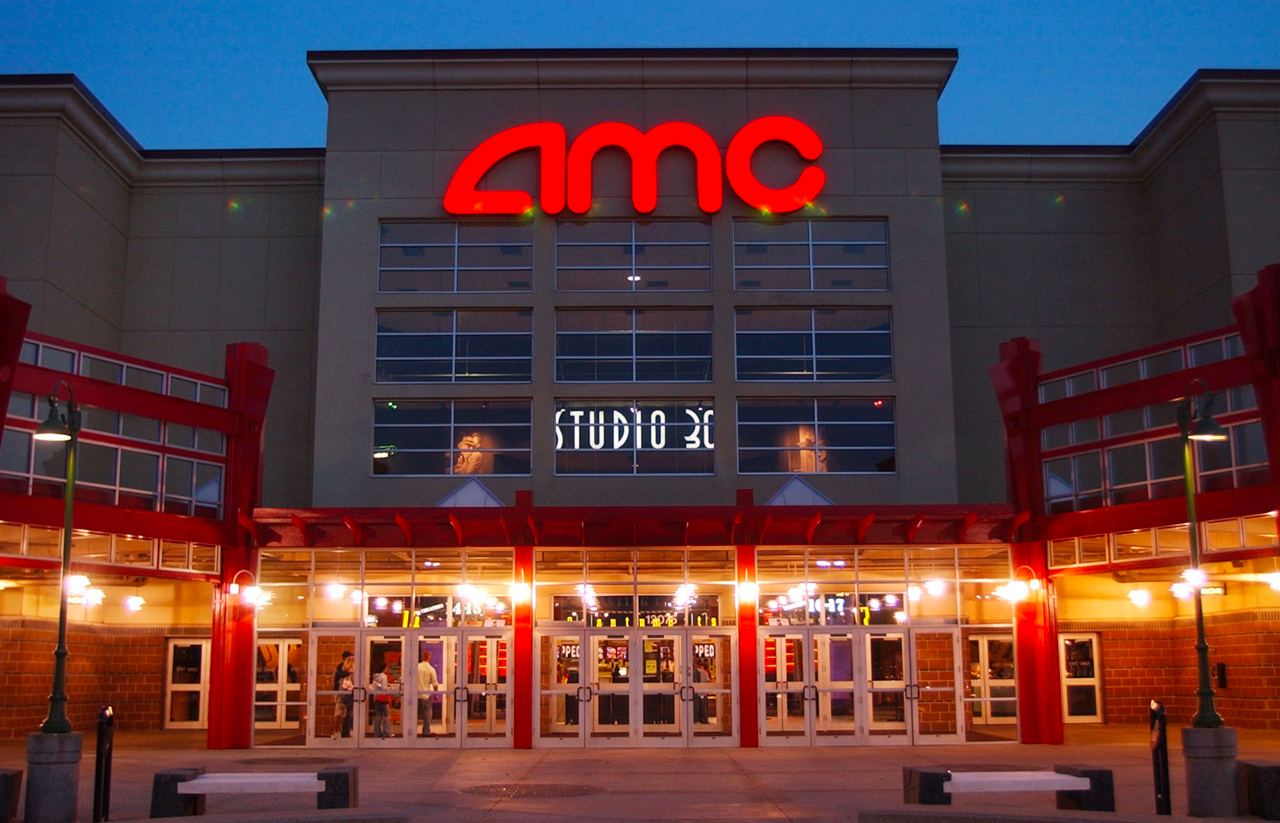
AMC adds Ether and Litecoin to year-end crypto adoption plans.
The cinema operator has expanded its plans to accept crypto payments for movie tickets with the inclusion of Ether and Litecoin.
AMC Entertainment will not only accept Bitcoin (BTC) payments for movie tickets by the end of 2022 but will also include other popular digital currencies in its crypto acceptance policy.
Tweeting on Thursday, the company’s CEO, Adam Aron, announced plans for AMC to accept three other cryptocurrencies — Ether (ETH), Litecoin (LTC) and Bitcoin Cash (BCH).
As previously reported by Cointelegraph, AMC initially unveiled plans to accept Bitcoin payments for online movie tickets before the end of the year.
At the time, Aron said that moviegoers were eager to use crypto as payment means for tickets and concessions at AMC locations across the United States.
The AMC chief also said that the company was working to finalize the necessary modalities required for accepting crypto payments.
As was the case with the August announcement, Aron’s tweet revealing plans for an expanded crypto acceptance agenda also drew significant criticism from Dogecoin (DOGE) proponents for failing to include the popular “meme coin.”
AMC accepting crypto is also part of a developing trend that has seen prominent retail establishments enabling support for cryptocurrency payments across the United States.
The cinema operator’s crypto adoption plan comes amid a resurgence in revenue figures after a difficult 2020.
Amid the coronavirus lockdowns that characterized most of 2020, AMC saw dwindling revenues, with its Q2 2020 financials recording only $18.9 million. In Q2 2021, the cinema operator reportedly earned $444 million in revenue.
This revenue uptick has also come amid a massive increase in the company’s share price. Indeed, AMC was among some stocks converged upon by the r/Wallstreetbets group on Reddit during the short squeeze saga at the start of the year.
As of the time of writing, AMC’s stock is up over 2,200% year-to-date.
The cinema operator has expanded its plans to accept crypto payments for movie tickets with the inclusion of Ether and Litecoin.
AMC Entertainment will not only accept Bitcoin (BTC) payments for movie tickets by the end of 2022 but will also include other popular digital currencies in its crypto acceptance policy.
Tweeting on Thursday, the company’s CEO, Adam Aron, announced plans for AMC to accept three other cryptocurrencies — Ether (ETH), Litecoin (LTC) and Bitcoin Cash (BCH).
As previously reported by Cointelegraph, AMC initially unveiled plans to accept Bitcoin payments for online movie tickets before the end of the year.
At the time, Aron said that moviegoers were eager to use crypto as payment means for tickets and concessions at AMC locations across the United States.
The AMC chief also said that the company was working to finalize the necessary modalities required for accepting crypto payments.
As was the case with the August announcement, Aron’s tweet revealing plans for an expanded crypto acceptance agenda also drew significant criticism from Dogecoin (DOGE) proponents for failing to include the popular “meme coin.”
AMC accepting crypto is also part of a developing trend that has seen prominent retail establishments enabling support for cryptocurrency payments across the United States.
The cinema operator’s crypto adoption plan comes amid a resurgence in revenue figures after a difficult 2020.
Amid the coronavirus lockdowns that characterized most of 2020, AMC saw dwindling revenues, with its Q2 2020 financials recording only $18.9 million. In Q2 2021, the cinema operator reportedly earned $444 million in revenue.
This revenue uptick has also come amid a massive increase in the company’s share price. Indeed, AMC was among some stocks converged upon by the r/Wallstreetbets group on Reddit during the short squeeze saga at the start of the year.
As of the time of writing, AMC’s stock is up over 2,200% year-to-date.
✔️An Innovative DEX built on Binance Smart Chain by XcelLab Ecosystem ✔️
XcelSwap, decentralized exchange built to increase utilities, trustless and permissionless transactions using smart contracts on Binance Smart Chain with the best farms in DeFi
😎😎😎😎😎😎😎😎😎😎
Swap, staking and farming are available in XcelSwap, and some serious features to come such as a Cross Chain and NFT marketplace.
Some of the Exciting Features 🤩🤩
📌 Low trading fee
📌 More rewards for liquidity provider
📌 Highest APY in Yield Farming
📌 Staking
📌 Cross Chain Transfer
📌 Lending and Borrowing (coming up)
📌Governance at the hand of users
Start Trading Now: XcelSwap
Learn More about XcelSwap:
https://www.youtube.com/watch?v=Nt9wt55ZBmw
Major Links to stay updated
Join Telegram Group
Follow on twitter
#xceldefi #xcelpay #xcellab #xcelswap #binancesmartchain #defistaking
XcelSwap, decentralized exchange built to increase utilities, trustless and permissionless transactions using smart contracts on Binance Smart Chain with the best farms in DeFi
😎😎😎😎😎😎😎😎😎😎
Swap, staking and farming are available in XcelSwap, and some serious features to come such as a Cross Chain and NFT marketplace.
Some of the Exciting Features 🤩🤩
📌 Low trading fee
📌 More rewards for liquidity provider
📌 Highest APY in Yield Farming
📌 Staking
📌 Cross Chain Transfer
📌 Lending and Borrowing (coming up)
📌Governance at the hand of users
Start Trading Now: XcelSwap
Learn More about XcelSwap:
https://www.youtube.com/watch?v=Nt9wt55ZBmw
Major Links to stay updated
Join Telegram Group
Follow on twitter
#xceldefi #xcelpay #xcellab #xcelswap #binancesmartchain #defistaking
Bitcoin miner Genesis Digital Assets raises $431M.
Genesis Digital previously raised $125 million in an equity funding round led by Kingsway Capital in July 2021.
Major Bitcoin (BTC) mining company Genesis Digital Assets has secured $431 million in funding to expand its industrial-scale mining operations in the United States and Nordics.
The new funding round was led by Paradigm, one of the biggest cryptocurrency investment companies backing major industry players like Coinbase and FTX. Paradigm co-founder Matt Huang has also joined Genesis Digital’s board of directors, the firm announced on Sept. 21.
Other investors include the $11 billion asset manager Stone Ridge and its Bitcoin subsidiary NYDIG and several venture capital firms and investment management firms like Ribbit, Electric Capital, Skybridge and Kingsway Capital, and FTX crypto exchange. Kingsway previously led a $125 million equity funding round for Genesis in July 2021.
Genesis Digital CEO and co-founder Marco Streng noted that the new funds will help the company to continue expanding operations with a goal to reach 1.4 gigawatts in mining capacity by 2023. “The capital raised from this round will be used to expand our Bitcoin mining operations in locations where clean energy is easily accessible,” he added.
One of the largest Bitcoin miners in the United States, Genesis Digital has been actively increasing its mining power recently, accumulating more hardware for mining the cryptocurrency. In late August, the firm purchased 20,000 new BTC mining devices from Chinese mining giant Canaan, signing an agreement to buy up to 180,000 additional miners in the future.
Genesis Digital’s mining capacity has been steadily increasing recently, surging from around 140 megawatts as of July 2021, or a total hash rate of 2.6 exahashes (EH/s), to over 170 megawatts, or 3.3 EH/s as of September. The company expects to add another 8.6 EH/s in the next 12 months.
Genesis Digital previously raised $125 million in an equity funding round led by Kingsway Capital in July 2021.
Major Bitcoin (BTC) mining company Genesis Digital Assets has secured $431 million in funding to expand its industrial-scale mining operations in the United States and Nordics.
The new funding round was led by Paradigm, one of the biggest cryptocurrency investment companies backing major industry players like Coinbase and FTX. Paradigm co-founder Matt Huang has also joined Genesis Digital’s board of directors, the firm announced on Sept. 21.
Other investors include the $11 billion asset manager Stone Ridge and its Bitcoin subsidiary NYDIG and several venture capital firms and investment management firms like Ribbit, Electric Capital, Skybridge and Kingsway Capital, and FTX crypto exchange. Kingsway previously led a $125 million equity funding round for Genesis in July 2021.
Genesis Digital CEO and co-founder Marco Streng noted that the new funds will help the company to continue expanding operations with a goal to reach 1.4 gigawatts in mining capacity by 2023. “The capital raised from this round will be used to expand our Bitcoin mining operations in locations where clean energy is easily accessible,” he added.
One of the largest Bitcoin miners in the United States, Genesis Digital has been actively increasing its mining power recently, accumulating more hardware for mining the cryptocurrency. In late August, the firm purchased 20,000 new BTC mining devices from Chinese mining giant Canaan, signing an agreement to buy up to 180,000 additional miners in the future.
Genesis Digital’s mining capacity has been steadily increasing recently, surging from around 140 megawatts as of July 2021, or a total hash rate of 2.6 exahashes (EH/s), to over 170 megawatts, or 3.3 EH/s as of September. The company expects to add another 8.6 EH/s in the next 12 months.

❗️ A special limited offer for projects that want to launch an ICO / IDO in the coming weeks.
In our large ZELWIN ecosystem, we created zelwin.finance
➕ We invite projects to our platform.
We do not take any advance payments.
Placement on our platform is absolutely free.
Our commission is only after real investments and sales. 💸
This offer is only available for 2 projects.
For your information:
Our first project was AMC Fight Nights - × 14 ATH.
Now this project is on the exchange ZB.com, Bitmart, Pancake, Uniswap
Our next project will be iCW - one of the largest miners in Kazakhstan and Russia. They have already received offers from investors for $ 3 million.
🤝 We look forward to your next project!
Contact us: https://t.me/zelwinchat on Telegram
In our large ZELWIN ecosystem, we created zelwin.finance
➕ We invite projects to our platform.
We do not take any advance payments.
Placement on our platform is absolutely free.
Our commission is only after real investments and sales. 💸
This offer is only available for 2 projects.
For your information:
Our first project was AMC Fight Nights - × 14 ATH.
Now this project is on the exchange ZB.com, Bitmart, Pancake, Uniswap
Our next project will be iCW - one of the largest miners in Kazakhstan and Russia. They have already received offers from investors for $ 3 million.
🤝 We look forward to your next project!
Contact us: https://t.me/zelwinchat on Telegram
'Dictator' Bukele 'Buys the Bitcoin Dip' as 1.1M Users Flock to Chivo Wallet.
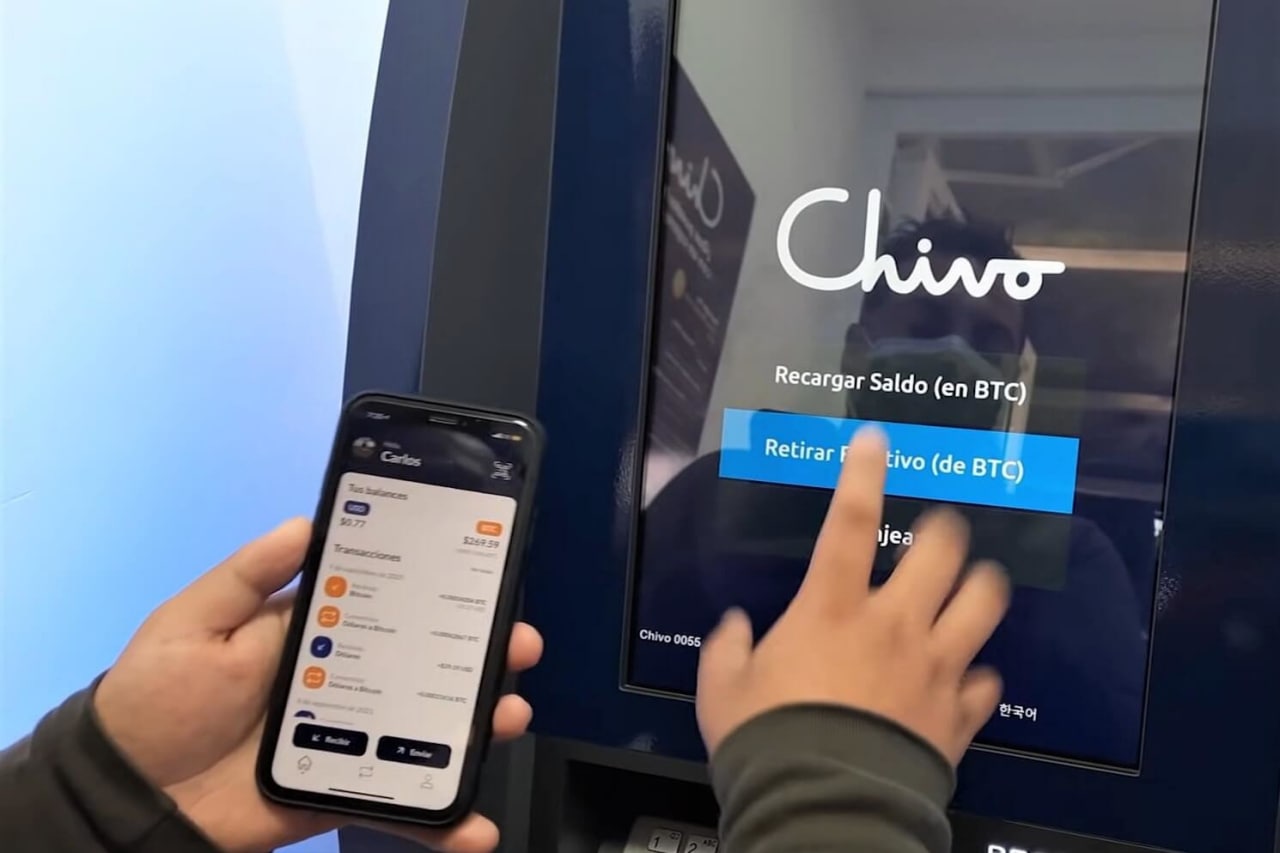
The El Salvador President Nayib Bukele claims that the state-run Chivo bitcoin (BTC) wallet and app now has 1.1m users, or 17% of the country's population – despite the fact that the app is still yet to be made available to “65% of the phone models” used in the nation. Bukele also announced that with BTC prices slumping over the weekend, his government had “bought the dip.”
The government has highly incentivized the use of the Chivo app – although it claims that Chivo use is optional – by giving those who download it in El Salvador USD 30 worth of BTC as a golden hello.
Bukele claimed that the Chivo app and his BTC adoption plans were already proving to be a success, writing on Twitter:
“It looks that we will be able to bank more people in the space of month than [previous governments] did in 40 years with the nationalization and privatization of traditional banks.”
Bukele also added that his government had bought an additional BTC 150, meaning that the El Salvador Treasury now owns BTC 700 (USD 32m).
The author Mark Jeffrey claimed that the latest BTC buy was proof that the nation was “punching above its weight yet again.”
Despite no shortage of criticism, it appears that Chivo rollouts are continuing. The latest data from CoinATMRadar indicates that 231 Chivo ATMs are now operational, with 31 of these located in the United States. Bukele has previously claimed that this number is in fact higher – with 50 machines in the USA.
But technical issues appear to be persisting. A mobile network named Digicel claimed its SMS services went down for a minute on September 19 due to “high demand” for Chivo app downloads.
Bukele conceded that the “crash of an SMS carrier caused an error in 28,000 requests for Chivo registration” – causing an hour worth of issues. He stated that as a result, 28,000 new users had not received their USD 30 worth of BTC – but added that his technical team would ensure they receive the funds soon.
The President wrote off the incident as a minor hiccup, claiming that the error was “a mistake by the telephone company.”
He reiterated his claims that the app was “working at 100%,” but added:
“It is almost impossible to have 300,000 new registrations per day and not have some temporary incidents.”
Meanwhile, the Salvadoran media – deeply skeptical on all things BTC and Bukele-related – is reporting further wrinkles with the app. La Prensa Gráfica quoted Ricardo Castaneda, an economist at the Central American Institute for Fiscal Studies (ICEFI), as stating that claims that Chivo allowed commission-free transfers were actually a “lie.”
The El Salvador President Nayib Bukele claims that the state-run Chivo bitcoin (BTC) wallet and app now has 1.1m users, or 17% of the country's population – despite the fact that the app is still yet to be made available to “65% of the phone models” used in the nation. Bukele also announced that with BTC prices slumping over the weekend, his government had “bought the dip.”
The government has highly incentivized the use of the Chivo app – although it claims that Chivo use is optional – by giving those who download it in El Salvador USD 30 worth of BTC as a golden hello.
Bukele claimed that the Chivo app and his BTC adoption plans were already proving to be a success, writing on Twitter:
“It looks that we will be able to bank more people in the space of month than [previous governments] did in 40 years with the nationalization and privatization of traditional banks.”
Bukele also added that his government had bought an additional BTC 150, meaning that the El Salvador Treasury now owns BTC 700 (USD 32m).
The author Mark Jeffrey claimed that the latest BTC buy was proof that the nation was “punching above its weight yet again.”
Despite no shortage of criticism, it appears that Chivo rollouts are continuing. The latest data from CoinATMRadar indicates that 231 Chivo ATMs are now operational, with 31 of these located in the United States. Bukele has previously claimed that this number is in fact higher – with 50 machines in the USA.
But technical issues appear to be persisting. A mobile network named Digicel claimed its SMS services went down for a minute on September 19 due to “high demand” for Chivo app downloads.
Bukele conceded that the “crash of an SMS carrier caused an error in 28,000 requests for Chivo registration” – causing an hour worth of issues. He stated that as a result, 28,000 new users had not received their USD 30 worth of BTC – but added that his technical team would ensure they receive the funds soon.
The President wrote off the incident as a minor hiccup, claiming that the error was “a mistake by the telephone company.”
He reiterated his claims that the app was “working at 100%,” but added:
“It is almost impossible to have 300,000 new registrations per day and not have some temporary incidents.”
Meanwhile, the Salvadoran media – deeply skeptical on all things BTC and Bukele-related – is reporting further wrinkles with the app. La Prensa Gráfica quoted Ricardo Castaneda, an economist at the Central American Institute for Fiscal Studies (ICEFI), as stating that claims that Chivo allowed commission-free transfers were actually a “lie.”
Ethereum Miner Returns USD 22M in Mistaken Fees, Keeps ETH 50.
The miner of the block which carried a massive amount of ethereum (ETH) paid incorrectly as a transaction fee – has decided to return (nearly) all the funds.
Etherscan shows the address, which currently holds some ETH 20, has sent to Bitfinex ETH 7,385 in one transaction, as well as ETH 241 in two other transactions, making it ETH 7,626 in total. Per the current price of ETH, this is USD 22m.
As reported yesterday, crypto exchange Bitfinex paid USD 23.5m (ETH 7,676.61) in transaction fees for a transfer of close to USD 100,000 in tether (USDT) via the Ethereum network.
This would suggest that the miner decided to keep ETH 50 (USD 145,056).
Non-custodial exchange DeversiFi, whose wallet was also involved in the transaction, already confirmed the information, adding that customer funds on DeversiFi were not at risk.
Early today they tweeted to thank the miner, stating that there will be a postmortem report available soon as well.
The miner of the block which carried a massive amount of ethereum (ETH) paid incorrectly as a transaction fee – has decided to return (nearly) all the funds.
Etherscan shows the address, which currently holds some ETH 20, has sent to Bitfinex ETH 7,385 in one transaction, as well as ETH 241 in two other transactions, making it ETH 7,626 in total. Per the current price of ETH, this is USD 22m.
As reported yesterday, crypto exchange Bitfinex paid USD 23.5m (ETH 7,676.61) in transaction fees for a transfer of close to USD 100,000 in tether (USDT) via the Ethereum network.
This would suggest that the miner decided to keep ETH 50 (USD 145,056).
Non-custodial exchange DeversiFi, whose wallet was also involved in the transaction, already confirmed the information, adding that customer funds on DeversiFi were not at risk.
Early today they tweeted to thank the miner, stating that there will be a postmortem report available soon as well.

Corsair World DeFi (CASH token)
... and the power of the magic 7️⃣s
🌡 700% in just One month 🔥
🌱 Staking 77% per annum 💰
✅ $7777 daily Lottery prizes in CASH 🧭
Gated community access; Handsome Airdrop; Ready-made technology; DEX CorsairSwap; Treasure hunting like Cicada3310; Future listings on exchanges 👑
One month after the launch of an active token sale, the Corsair World DeFi project has become one of the most popular projects in September 🏆
⏯ Read a great interview with the founder here ⏯
The Corsair is designed to combat the Whales' dirty practices. The team gathers people for massive attacks on exchanges in order to take the profits of large players 🐋
Look for more information in open sources 🔍
Buy CASH token now on official website
📲
https://corsair.world/
Official Telegram channel of Corsair World
⬇️
https://t.me/corsairworld
... and the power of the magic 7️⃣s
🌡 700% in just One month 🔥
🌱 Staking 77% per annum 💰
✅ $7777 daily Lottery prizes in CASH 🧭
Gated community access; Handsome Airdrop; Ready-made technology; DEX CorsairSwap; Treasure hunting like Cicada3310; Future listings on exchanges 👑
One month after the launch of an active token sale, the Corsair World DeFi project has become one of the most popular projects in September 🏆
⏯ Read a great interview with the founder here ⏯
The Corsair is designed to combat the Whales' dirty practices. The team gathers people for massive attacks on exchanges in order to take the profits of large players 🐋
Look for more information in open sources 🔍
Buy CASH token now on official website
📲
https://corsair.world/
Official Telegram channel of Corsair World
⬇️
https://t.me/corsairworld
Visa Testing Regulatory Waters Before ‘Forcing Though’ its CBDC Solution.
The payments behemoth Visa may be adopting a wait-and-see approach to its fast-developing central bank digital currency (CBDC) interoperability solution, and could be hedging its bets before heading into possible regulatory storms.
As reported yesterday, Visa has unveiled its plans to create what it calls the Universal Payments Channel (UPC), which – in theory – would integrate a number of blockchain networks to enable the transfer and exchange of international CBDCs.
In a blog post published on the Visa USA website and a research paper hosted by Cornell University, Visa hinted that it had been working on the solution for a number of years – although crucially, it has yet to write any code for the project outside a small sample contract.
Instead, it appears to be fine-tuning the concept, and perhaps waiting for global regulators to make up their minds about CBDC policies before throwing their weight into the UPC project.
In his recent newsletter, Mati Greenspan, the Founder and CEO of the research and analysis firm Quantum Economics, opined that “one might argue that navigating the global regulatory challenges is far more difficult than the coding itself.”
Greenspan added that, as this was the case:
“It makes a lot of sense for Visa to open things up for discussion and feedback from regulators before trying to force through their solution.”
However, he warned that the same approach “did not really work for Facebook” and its Diem project.
Regardless, Greenspan remarked that Facebook and Visa were fundamentally different firms and that in the case of the payments giant, it was “basically their job to innovate new solutions for payment rails.”
Despite the paper and blog post, it appears that Visa has indeed played a cautious game so far – possibly a very shrewd move considering the fact that no major economy besides China (which says it will not be using blockchain technology to power its forthcoming digital yuan) has actually committed to releasing a CBDC.
Instead, Visa wrote that it was “excited to share the mechanics of UPC” along with a policy guidance document for “central banks and regulators” on the “implication” of its “research.”
The payments behemoth Visa may be adopting a wait-and-see approach to its fast-developing central bank digital currency (CBDC) interoperability solution, and could be hedging its bets before heading into possible regulatory storms.
As reported yesterday, Visa has unveiled its plans to create what it calls the Universal Payments Channel (UPC), which – in theory – would integrate a number of blockchain networks to enable the transfer and exchange of international CBDCs.
In a blog post published on the Visa USA website and a research paper hosted by Cornell University, Visa hinted that it had been working on the solution for a number of years – although crucially, it has yet to write any code for the project outside a small sample contract.
Instead, it appears to be fine-tuning the concept, and perhaps waiting for global regulators to make up their minds about CBDC policies before throwing their weight into the UPC project.
In his recent newsletter, Mati Greenspan, the Founder and CEO of the research and analysis firm Quantum Economics, opined that “one might argue that navigating the global regulatory challenges is far more difficult than the coding itself.”
Greenspan added that, as this was the case:
“It makes a lot of sense for Visa to open things up for discussion and feedback from regulators before trying to force through their solution.”
However, he warned that the same approach “did not really work for Facebook” and its Diem project.
Regardless, Greenspan remarked that Facebook and Visa were fundamentally different firms and that in the case of the payments giant, it was “basically their job to innovate new solutions for payment rails.”
Despite the paper and blog post, it appears that Visa has indeed played a cautious game so far – possibly a very shrewd move considering the fact that no major economy besides China (which says it will not be using blockchain technology to power its forthcoming digital yuan) has actually committed to releasing a CBDC.
Instead, Visa wrote that it was “excited to share the mechanics of UPC” along with a policy guidance document for “central banks and regulators” on the “implication” of its “research.”

CoinTickr: Real-Time Crypto Ticker Powered by CoinStats 📺
20,000+ coins and 300 exchanges real-time tracking. Live price alerts. Free CoinStats Pro or Premium Membership.
The CoinTickr strikes the perfect balance between minimalism and enhanced functionality. Every data point of CoinTickr is powered directly by CoinStats’ live database of 20,000+ coins and 300+ exchanges. Users can easily set up to 5 alerts based on their preferred price points. The screen will flash, and the alarm will go off, letting you know that it’s time to react.
Every CoinTickr is tested waterproof (IP67) and ensures long-range Wi-Fi connectivity. It houses an energy-saving OLED screen that has lower power consumption, no backlit, true black background, anti-glare, and zero latency response time. Even the most negligible deflections will be displayed on CoinTickr’s 1,3-inch screen. The up to 10 hours of rechargeable batteries make sure users will never miss out on the opportunity.
Each CoinTickr is designed to be a dedicated device for single crypto. However, with the magnets on both sides, users can go further and create a combination of several CoinTickrs to provide price fluctuations for multiple cryptocurrencies simultaneously.
CoinTickr is available on Kickstarter. Get yours with a super early bird discount only today: Link 👉 https://bit.ly/3uzn4JT
20,000+ coins and 300 exchanges real-time tracking. Live price alerts. Free CoinStats Pro or Premium Membership.
The CoinTickr strikes the perfect balance between minimalism and enhanced functionality. Every data point of CoinTickr is powered directly by CoinStats’ live database of 20,000+ coins and 300+ exchanges. Users can easily set up to 5 alerts based on their preferred price points. The screen will flash, and the alarm will go off, letting you know that it’s time to react.
Every CoinTickr is tested waterproof (IP67) and ensures long-range Wi-Fi connectivity. It houses an energy-saving OLED screen that has lower power consumption, no backlit, true black background, anti-glare, and zero latency response time. Even the most negligible deflections will be displayed on CoinTickr’s 1,3-inch screen. The up to 10 hours of rechargeable batteries make sure users will never miss out on the opportunity.
Each CoinTickr is designed to be a dedicated device for single crypto. However, with the magnets on both sides, users can go further and create a combination of several CoinTickrs to provide price fluctuations for multiple cryptocurrencies simultaneously.
CoinTickr is available on Kickstarter. Get yours with a super early bird discount only today: Link 👉 https://bit.ly/3uzn4JT
Brazil aims to tighten penalties for crypto-related financial crimes.
The penalties are part of a new piece of legislation that also regulates crypto trading and payments.
Brazilian lawmakers are working to provide stricter regulations for cryptocurrency-related crimes, approving a set of new penalties for laundering money with crypto.
Brazil’s Special Committee of the Chamber of Deputies has approved a bill that significantly tightens penalties for financial crimes that employ cryptocurrencies like Bitcoin (BTC), according to an official announcement on Sept. 29.
The latest regulatory amendments are part of bill 2303/15, increasing the size of the fines from one-third of the amount of laundered money to two-thirds. The bill also proposes to raise minimum prison terms from three to four years, and increase maximum prison time from 10 years to 16 years and eight months, in addition to a fine.
According to the announcement, the bill is subject to further discussions by the Chamber’s Plenary.
Federal deputy Aureo Ribeiro stressed that the new bill will help the state to protect Brazilians from crypto scam schemes, noting that more than 300,000 people were affected by “financial pyramid schemes with cryptocurrency” in Rio de Janeiro.
“With the lack of regulation, people have nowhere to turn. The market will advance and adjust in Brazil. There will no longer be profiteers using technology to deceive millions of Brazilians,” Ribeiro stated.
Ribeiro was optimistic about other aspects of the bill, which regulates broader cryptocurrency operations like trading, custody, fiat exchanges and payments. According to a report by Cointelegraph Brazil, Ribeiro said that Bitcoin will become accepted as payment in Brazil once the bill is passed into law.
Brazil has seen some signs of growing cryptocurrency development and adoption recently. In August, the head of Brazil’s central bank, Roberto Campos Neto, called on the state to embrace the crypto market by reshaping local regulations. In June, the Brazil Stock Exchange launched trading of another Bitcoin exchange-traded fund, following previous listings of several other crypto ETFs earlier this year.
The penalties are part of a new piece of legislation that also regulates crypto trading and payments.
Brazilian lawmakers are working to provide stricter regulations for cryptocurrency-related crimes, approving a set of new penalties for laundering money with crypto.
Brazil’s Special Committee of the Chamber of Deputies has approved a bill that significantly tightens penalties for financial crimes that employ cryptocurrencies like Bitcoin (BTC), according to an official announcement on Sept. 29.
The latest regulatory amendments are part of bill 2303/15, increasing the size of the fines from one-third of the amount of laundered money to two-thirds. The bill also proposes to raise minimum prison terms from three to four years, and increase maximum prison time from 10 years to 16 years and eight months, in addition to a fine.
According to the announcement, the bill is subject to further discussions by the Chamber’s Plenary.
Federal deputy Aureo Ribeiro stressed that the new bill will help the state to protect Brazilians from crypto scam schemes, noting that more than 300,000 people were affected by “financial pyramid schemes with cryptocurrency” in Rio de Janeiro.
“With the lack of regulation, people have nowhere to turn. The market will advance and adjust in Brazil. There will no longer be profiteers using technology to deceive millions of Brazilians,” Ribeiro stated.
Ribeiro was optimistic about other aspects of the bill, which regulates broader cryptocurrency operations like trading, custody, fiat exchanges and payments. According to a report by Cointelegraph Brazil, Ribeiro said that Bitcoin will become accepted as payment in Brazil once the bill is passed into law.
Brazil has seen some signs of growing cryptocurrency development and adoption recently. In August, the head of Brazil’s central bank, Roberto Campos Neto, called on the state to embrace the crypto market by reshaping local regulations. In June, the Brazil Stock Exchange launched trading of another Bitcoin exchange-traded fund, following previous listings of several other crypto ETFs earlier this year.

Holdex Finance will be one of the most powerful Decentralized Fin-Tech Platforms in the market! Holdex is already listed on 4 exchanges: HOTBIT, PROBIT, INDOEX, and P2PB2B. The token is on a pumping period, and most of the investors have already earned x4-x5 profit.
The team will make massive announcements today, and the price would be a minimum of $1 in 2 days. Certik Report is onboarding and expected to be published this week. CMC listed Holdex during the day. That means that Holdex can hit x20 very soon.
Don't miss it! #Holdextothemoon
Top10 exchange listings are coming soon with an x20-x30 potential!
https://t.me/holdexfinance
https://twitter.com/holdexfinance
The team will make massive announcements today, and the price would be a minimum of $1 in 2 days. Certik Report is onboarding and expected to be published this week. CMC listed Holdex during the day. That means that Holdex can hit x20 very soon.
Don't miss it! #Holdextothemoon
Top10 exchange listings are coming soon with an x20-x30 potential!
https://t.me/holdexfinance
https://twitter.com/holdexfinance

Bitcoin Futures Traders Cautious As BTC Up 25% in a Week.
Bitcoin (BTC) futures traders are turning somewhat bearish on the number one cryptocurrency, again favoring short positions over longs, data from crypto exchange OKEx shows. However, traders on the competing exchange Binance were less pessimistic on the near-term outlook for the coin.
According to a futures market report from OKEx published on Friday, the ratio of long positions to short positions on its bitcoin futures market has moved lower since the end of September, following an upward trend for most of August and September.
The upward trending long/short ratio gave bitcoin “decent support that kept it afloat despite significant selling pressure,” OKEx wrote about the two prior months, adding that the uptrend has now broken down, meaning retail traders are increasingly favoring shorts over longs.
In futures trading, a short position is a bet that the price of the underlying asset will fall, while a long position is a bet that it will rise. A rising long/short ratio thus indicates increasing optimism on the price, while a falling ratio suggests traders are turning pessimistic.
“At the time of writing, the long/short ratio is around 0.90, struggling to reclaim 1.0 since October started. This shows us that retail traders are betting against bitcoin's rapid rise, potentially because the market leader has already gone up nearly 30% since the month started,” according to OKEx.
The findings from their report were also partially supported by data from Binance, which showed that the long/short ratio on their bitcoin futures market has moved lower since the end of September. Since October 1, however, Binance’s long/short ratio has moved slightly up again, and is currently sitting at 1.12.
Bitcoin (BTC) futures traders are turning somewhat bearish on the number one cryptocurrency, again favoring short positions over longs, data from crypto exchange OKEx shows. However, traders on the competing exchange Binance were less pessimistic on the near-term outlook for the coin.
According to a futures market report from OKEx published on Friday, the ratio of long positions to short positions on its bitcoin futures market has moved lower since the end of September, following an upward trend for most of August and September.
The upward trending long/short ratio gave bitcoin “decent support that kept it afloat despite significant selling pressure,” OKEx wrote about the two prior months, adding that the uptrend has now broken down, meaning retail traders are increasingly favoring shorts over longs.
In futures trading, a short position is a bet that the price of the underlying asset will fall, while a long position is a bet that it will rise. A rising long/short ratio thus indicates increasing optimism on the price, while a falling ratio suggests traders are turning pessimistic.
“At the time of writing, the long/short ratio is around 0.90, struggling to reclaim 1.0 since October started. This shows us that retail traders are betting against bitcoin's rapid rise, potentially because the market leader has already gone up nearly 30% since the month started,” according to OKEx.
The findings from their report were also partially supported by data from Binance, which showed that the long/short ratio on their bitcoin futures market has moved lower since the end of September. Since October 1, however, Binance’s long/short ratio has moved slightly up again, and is currently sitting at 1.12.

Billionaire Bill Miller advocates for Bitcoin, but doubtful on altcoins.
The billionaire investor conveyed his predominantly bullish opinions on the crypto ecosystem during a recent online interview
Bill Miller, a seasoned Wall Street investor and founder of Miller Value Partners, advocated for the rise of Bitcoin (BTC) during a recent conversation with author William Green but voiced skepticism around many of the altcoins birthed during 2017.
Miller subscribes to the well-documented thesis that Bitcoin portrays digital gold, and unlike many of his financial contemporaries — Warren Buffet being the most prominent — he has been a keen investor in the digital asset space.
Back in early 2016, Miller dedicated 30% of his portfolio to the leading crypto asset Bitcoin at an average value of $500 and has more recently filed a motion with the SEC for Miller Opportunity Trust to invest in BTC via the institutional-grade $2.25 billion Grayscale Bitcoin Trust.
During the interview, Miller correlated his first acquisition of Bitcoin to the current risk proposition witnessed today, all the while wearing a Bitcoin baseball cap:
“Bitcoin is a lot less risky at $43,000 than it was at $300. It’s now established, huge amounts of venture-capital money have gone into it, and all the big banks are getting involved.”
Miller also shared his perspective on the potential of altcoins, insinuating that few projects of the thousands on the marketplace will survive the market’s tumultuous volatility over the coming years:
“There are 10,000 various tokens and stuff floating out there. The chances of more than a handful of them being worthwhile is very, very small. Bitcoin, ethereum, and a few others are probably going to be around for a while.”
Discussing the burgeoning influence of crypto exchange Coinbase, Miller advised investors to not be cautious over one- to two-year fluctuations of the Nasdaq-listed stock COIN, as in his qualified opinion, the asset offers a “default position for growth investors.”
In addition, he drew comparisons between the market capitalization of electric-car giant Tesla and Coinbase, suggesting that the exchange could reach and even surpass the former's valuation, which stands at approximately $790 billion due to its position in a “rapidly growing, changing industry.”
The billionaire investor conveyed his predominantly bullish opinions on the crypto ecosystem during a recent online interview
Bill Miller, a seasoned Wall Street investor and founder of Miller Value Partners, advocated for the rise of Bitcoin (BTC) during a recent conversation with author William Green but voiced skepticism around many of the altcoins birthed during 2017.
Miller subscribes to the well-documented thesis that Bitcoin portrays digital gold, and unlike many of his financial contemporaries — Warren Buffet being the most prominent — he has been a keen investor in the digital asset space.
Back in early 2016, Miller dedicated 30% of his portfolio to the leading crypto asset Bitcoin at an average value of $500 and has more recently filed a motion with the SEC for Miller Opportunity Trust to invest in BTC via the institutional-grade $2.25 billion Grayscale Bitcoin Trust.
During the interview, Miller correlated his first acquisition of Bitcoin to the current risk proposition witnessed today, all the while wearing a Bitcoin baseball cap:
“Bitcoin is a lot less risky at $43,000 than it was at $300. It’s now established, huge amounts of venture-capital money have gone into it, and all the big banks are getting involved.”
Miller also shared his perspective on the potential of altcoins, insinuating that few projects of the thousands on the marketplace will survive the market’s tumultuous volatility over the coming years:
“There are 10,000 various tokens and stuff floating out there. The chances of more than a handful of them being worthwhile is very, very small. Bitcoin, ethereum, and a few others are probably going to be around for a while.”
Discussing the burgeoning influence of crypto exchange Coinbase, Miller advised investors to not be cautious over one- to two-year fluctuations of the Nasdaq-listed stock COIN, as in his qualified opinion, the asset offers a “default position for growth investors.”
In addition, he drew comparisons between the market capitalization of electric-car giant Tesla and Coinbase, suggesting that the exchange could reach and even surpass the former's valuation, which stands at approximately $790 billion due to its position in a “rapidly growing, changing industry.”

Waves.Exchange algorithmic trading begins gaining popularity among investors
Algorithmic trading (Algo) is Waves.Exchange’s investment product that combines the security of decentralized systems with the features and advantages of conventional centralized exchanges. It enables you to earn by providing liquidity in crypto. Currently, you can invest in BTC, ETH, USDC and USDT.
Advantages 👇
✔️ Profitability is floating but is consistently high. You can get nearly an APY of 105-152%, depending on the selected token!
✔️ ALP tokens received at the time of investment guarantee the security of your funds.
✔️ You can choose the risk/profit ratio by selecting one of the 3 strategies: conservative, moderately risky and high-risk investments. The main difference between these strategies is the maximum drawdown of the ALP token price.
✔️ All Algo transactions are transparent as they are based on public smart contracts. You can always audit them.
✔️You can start investing with a minimum amount, observe your earning and decide to withdraw your token or, conversely, deposit more.
✔️ Waves.Exchange’s other important advantage is a user-friendly interface and 24/7 support. You can contact support at any time and with any question, via the website or the Telegram chat.
Visit our website to learn more and start investing with Waves.Exchange!
Algorithmic trading (Algo) is Waves.Exchange’s investment product that combines the security of decentralized systems with the features and advantages of conventional centralized exchanges. It enables you to earn by providing liquidity in crypto. Currently, you can invest in BTC, ETH, USDC and USDT.
Advantages 👇
✔️ Profitability is floating but is consistently high. You can get nearly an APY of 105-152%, depending on the selected token!
✔️ ALP tokens received at the time of investment guarantee the security of your funds.
✔️ You can choose the risk/profit ratio by selecting one of the 3 strategies: conservative, moderately risky and high-risk investments. The main difference between these strategies is the maximum drawdown of the ALP token price.
✔️ All Algo transactions are transparent as they are based on public smart contracts. You can always audit them.
✔️You can start investing with a minimum amount, observe your earning and decide to withdraw your token or, conversely, deposit more.
✔️ Waves.Exchange’s other important advantage is a user-friendly interface and 24/7 support. You can contact support at any time and with any question, via the website or the Telegram chat.
Visit our website to learn more and start investing with Waves.Exchange!

Too early to talk about using crypto for oil trading, says Putin.
The Russian president has not excluded the possibility that, at some point, crypto will become a “means of accumulation.”
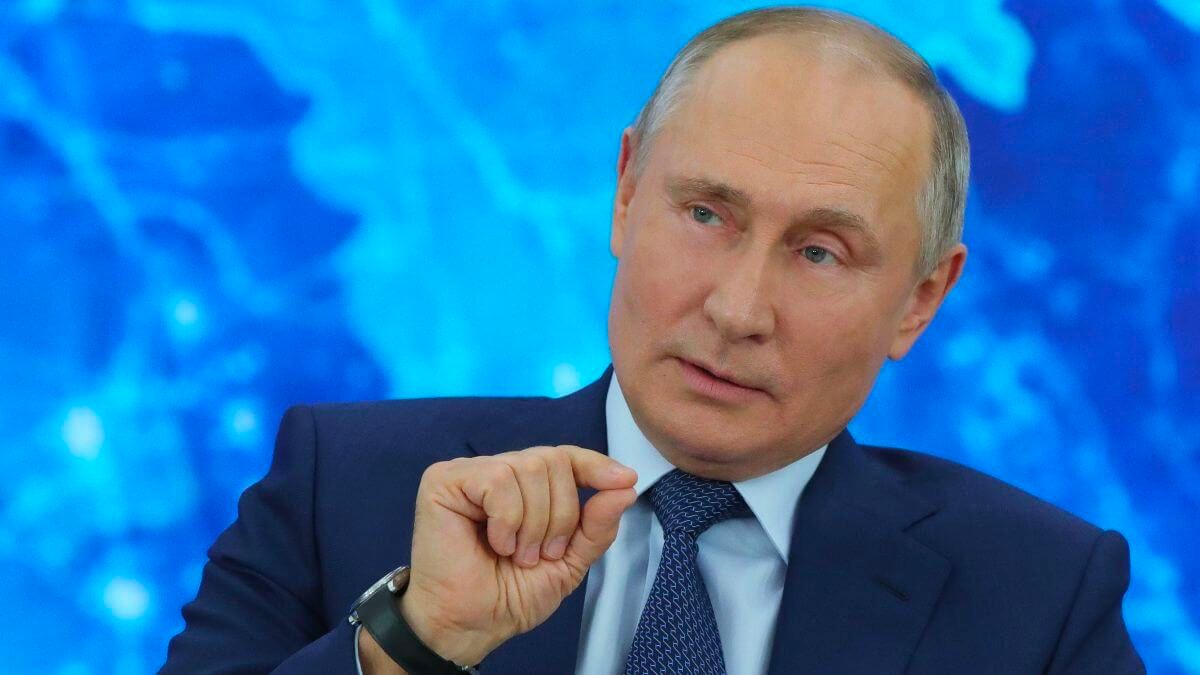
Russian President Vladimir Putin believes that it’s “still premature” to use cryptocurrencies for settling trades of energy resources such as oil.
The Russian president discussed potential use cases of cryptocurrencies in a Thursday CNBC interview following a plenary session of the Russian Energy Week forum.
According to a full interview text published on the Kremlin’s official website, Putin said that private cryptocurrencies “can act as a unit of account,” but they are “very unstable.”
“Cryptocurrency oil contracts? It’s too early to talk about it. It works for transferring funds from one place to another, but in terms of trading, especially when it comes to energy resources, it is still premature in my opinion,” the president stated.
Putin went on to say that “everything evolves” and “has the right to exist,” adding that the Russian government is closely monitoring the cryptocurrency market. He also did not exclude the possibility that at some point cryptocurrencies will become a “means of accumulation.” “We see how this market fluctuates. It’s a bit early today,” Putin added.
The president said that cryptocurrencies are “not backed by anything yet.” When asked whether he considers the crypto holdings by Tesla CEO Elon Musk to be “worthless,” Putin said no, explaining that he only questioned crypto as a unit of account in the context of energy trading.
During the interview, the Russian president also claimed that the United States dollar “undermines its position” as an international reserve asset. “We aren’t interested in cutting off dollar payments completely, and we are so far satisfied with payments for energy resources in dollars, primarily for oil,” he added.
The news comes as Russian authorities consider a new law to limit cryptocurrency investments by non-accredited investors. Previously, the Russian central bank was reportedly planning to slow down transactions to crypto exchanges in order to protect retail investors from “emotional” purchases of crypto.
The Russian president has not excluded the possibility that, at some point, crypto will become a “means of accumulation.”
Russian President Vladimir Putin believes that it’s “still premature” to use cryptocurrencies for settling trades of energy resources such as oil.
The Russian president discussed potential use cases of cryptocurrencies in a Thursday CNBC interview following a plenary session of the Russian Energy Week forum.
According to a full interview text published on the Kremlin’s official website, Putin said that private cryptocurrencies “can act as a unit of account,” but they are “very unstable.”
“Cryptocurrency oil contracts? It’s too early to talk about it. It works for transferring funds from one place to another, but in terms of trading, especially when it comes to energy resources, it is still premature in my opinion,” the president stated.
Putin went on to say that “everything evolves” and “has the right to exist,” adding that the Russian government is closely monitoring the cryptocurrency market. He also did not exclude the possibility that at some point cryptocurrencies will become a “means of accumulation.” “We see how this market fluctuates. It’s a bit early today,” Putin added.
The president said that cryptocurrencies are “not backed by anything yet.” When asked whether he considers the crypto holdings by Tesla CEO Elon Musk to be “worthless,” Putin said no, explaining that he only questioned crypto as a unit of account in the context of energy trading.
During the interview, the Russian president also claimed that the United States dollar “undermines its position” as an international reserve asset. “We aren’t interested in cutting off dollar payments completely, and we are so far satisfied with payments for energy resources in dollars, primarily for oil,” he added.
The news comes as Russian authorities consider a new law to limit cryptocurrency investments by non-accredited investors. Previously, the Russian central bank was reportedly planning to slow down transactions to crypto exchanges in order to protect retail investors from “emotional” purchases of crypto.
Play-to-Earn Gaming is Booming: From Axies to Lightnite, Here’s What’s Out There.
If you could spend your day playing your favorite game and get paid for it, would you? The emerging play-to-earn gaming universe lets you do just that!
Read on to learn about the emerging crypto-powered, play-to-earn gaming market that allows individuals to live off their gaming skills.
The rise of crypto play-to-earn (P2E) gaming
In the past, the gaming world provided a source of entertainment for gamers looking to beat the high score, win against their friends, or show their prowess in international gaming tournaments.
Now, gamers can also be rewarded financially for winning at their favorite games, even if they are not professional eSports players. Blockchain-based, play-to-earn online games enable players to earn crypto as rewards or for selling in-game items on an open marketplace from the comfort of their homes.
The rise of crypto games has been seen all around the world, and many have testified to its viability as an alternative source of income. For instance, in the Philippines, a crypto gamer called John Aaron Ramos claims that he bought two houses solely from earnings generated from playing Axie Infinity.
Play-to-earn provides opportunities for both game developers and gamers as both can benefit from a symbiotic relationship where companies create a platform for players to build, trade on, and improve the games, while the gamers earn from their contributions and participation.
If you could spend your day playing your favorite game and get paid for it, would you? The emerging play-to-earn gaming universe lets you do just that!
Read on to learn about the emerging crypto-powered, play-to-earn gaming market that allows individuals to live off their gaming skills.
The rise of crypto play-to-earn (P2E) gaming
In the past, the gaming world provided a source of entertainment for gamers looking to beat the high score, win against their friends, or show their prowess in international gaming tournaments.
Now, gamers can also be rewarded financially for winning at their favorite games, even if they are not professional eSports players. Blockchain-based, play-to-earn online games enable players to earn crypto as rewards or for selling in-game items on an open marketplace from the comfort of their homes.
The rise of crypto games has been seen all around the world, and many have testified to its viability as an alternative source of income. For instance, in the Philippines, a crypto gamer called John Aaron Ramos claims that he bought two houses solely from earnings generated from playing Axie Infinity.
Play-to-earn provides opportunities for both game developers and gamers as both can benefit from a symbiotic relationship where companies create a platform for players to build, trade on, and improve the games, while the gamers earn from their contributions and participation.