
Eth2 staking contract ranks as single-largest Ether hodler with $21.5B.
The Eth2 staking contract is now the single-largest address by Ether holdings.
The staking contract for the Ethereum 2.0 blockchain is now the single-largest holder of Ether.
According to blockchain analytics provider Nansen, the Eth2 staking contract has surpassed Wrapped Ethereum (wETH) to become the single largest holder of ETH. Unlike Ether, Wrapped Ether adheres to the ERC-20 standard, making it the favored representation of ETH among DeFi protocols that use ERC-20 tokens.
The findings were posted to Twitter by Alex Svanevik, CEO of blockchain analytics firm, Nansen, on Aug. 17. The data shows that the Beacon Chain’s deposit contract holds 6.73 million ETH — worth roughly $21.5 billion at current prices.
By contrast, Nansen’s data suggests the Wrapped Ethereum contract holds 6.7 million ETH ($21.4 billion), followed by Binance with 2.29 million ETH ($7.3 billion).
The quantity of Ether locked staked on Eth2 currently represents 5.7% of Ethereum’s circulating supply, according to CoinMarketCap. There are now 210,000 validators for the Eth2 network according to Beaconcha.
Currently, Ether staked on Eth2 is locked up and cannot be withdrawn from the contract until Ethereum’s forthcoming chain-merge that will meld the Ethereum and Eth2 networks. The chain merge is currently expected to take place during the first half of 2022.
According to Staking Rewards, Eth2 is currently the third-largest Proof-of-Stake network by staked capitalization, ranking behind Cardano’s $49 billion and Solana’s $27.5 billion.
The news comes shortly after a major milestone for Ethereum’s Eth2 roadmap, with the network successfully deploying its London upgrades on August 5.
The hard fork contained the highly anticipated Ethereum Improvement Proposal 1559, which introduced a base transaction fee that is burned from supply into Ethereum’s fee market.
According to Ultrasound.Money, 54,916 ETH worth $175 million have been destroyed through transaction fees in the dozen days since London went live. At a current burn rate of 3.28 ETH, more than 140,000 ETH could be burned each month should network activity remain consistent.
At the time of writing, ETH prices had retreated 3.3% over the past 24 hours to trade at $3,180.
The Eth2 staking contract is now the single-largest address by Ether holdings.
The staking contract for the Ethereum 2.0 blockchain is now the single-largest holder of Ether.
According to blockchain analytics provider Nansen, the Eth2 staking contract has surpassed Wrapped Ethereum (wETH) to become the single largest holder of ETH. Unlike Ether, Wrapped Ether adheres to the ERC-20 standard, making it the favored representation of ETH among DeFi protocols that use ERC-20 tokens.
The findings were posted to Twitter by Alex Svanevik, CEO of blockchain analytics firm, Nansen, on Aug. 17. The data shows that the Beacon Chain’s deposit contract holds 6.73 million ETH — worth roughly $21.5 billion at current prices.
By contrast, Nansen’s data suggests the Wrapped Ethereum contract holds 6.7 million ETH ($21.4 billion), followed by Binance with 2.29 million ETH ($7.3 billion).
The quantity of Ether locked staked on Eth2 currently represents 5.7% of Ethereum’s circulating supply, according to CoinMarketCap. There are now 210,000 validators for the Eth2 network according to Beaconcha.
Currently, Ether staked on Eth2 is locked up and cannot be withdrawn from the contract until Ethereum’s forthcoming chain-merge that will meld the Ethereum and Eth2 networks. The chain merge is currently expected to take place during the first half of 2022.
According to Staking Rewards, Eth2 is currently the third-largest Proof-of-Stake network by staked capitalization, ranking behind Cardano’s $49 billion and Solana’s $27.5 billion.
The news comes shortly after a major milestone for Ethereum’s Eth2 roadmap, with the network successfully deploying its London upgrades on August 5.
The hard fork contained the highly anticipated Ethereum Improvement Proposal 1559, which introduced a base transaction fee that is burned from supply into Ethereum’s fee market.
According to Ultrasound.Money, 54,916 ETH worth $175 million have been destroyed through transaction fees in the dozen days since London went live. At a current burn rate of 3.28 ETH, more than 140,000 ETH could be burned each month should network activity remain consistent.
At the time of writing, ETH prices had retreated 3.3% over the past 24 hours to trade at $3,180.
South Korean Crypto Exchanges Plead for 6 Months of Regulatory Mercy
South Korean blockchain organizations have told regulators that it will be impossible for the nation’s crypto exchanges to meet a September 24 registration deadline and want six more months to prepare – although it looks like their pleas may have fallen on deaf ears.
As previously reported, none of the nation’s trading platforms currently have the required paperwork in place and only a few have obtained Information Security Management System (ISMS) certification. Additionally, a joint regulatory audit this week found that zero out of 33 leading exchanges had banking contracts in place, with anti-money laundering protocols, management and security issues also unresolved.
This state of play will essentially mean that barring a massive turnaround in the next four weeks, no crypto exchanges will be in a fit state to register with the Financial Services Commission (FSC)’s Financial Intelligence Unit.
And that would bring crypto trading to a screeching halt in a nation where investment has boomed this year: unregistered exchange operators will face hefty prison sentences and fines after the deadline passes.
Politicians have warned of a “shutdown crisis” coming in September, with many smaller exchanges already throwing in the towel.
At an official meeting between the Korea Fintech Industry Association, the opposition lawmaker Cho Myung-Hee and the FSC, the FIU, the Financial Supervisory Service and the Federation of Banks, the exchanges made their case.
Per TVChosun, one exchange CEO told the regulators that it was “physically impossible” for trading platforms to have the necessary protocols in place by next month.
A leading academic, Kim Hyung-Joong, a blockchain-specializing professor at Korea University, also stated, “There is a concern that the closure of exchanges will harm the public.”
But the regulators appeared unmoved by the appeal, and the FSC indicated it would not stay its hand.
An official was quoted as stating that “a year and four months” had already gone by since the National Assembly approved the legislation that will force the changes. The legislation promulgated in March this year, with a six-month grace period for adoption.
The same official stated that “giving” exchanges “an additional six months will not change anything.”
South Korean blockchain organizations have told regulators that it will be impossible for the nation’s crypto exchanges to meet a September 24 registration deadline and want six more months to prepare – although it looks like their pleas may have fallen on deaf ears.
As previously reported, none of the nation’s trading platforms currently have the required paperwork in place and only a few have obtained Information Security Management System (ISMS) certification. Additionally, a joint regulatory audit this week found that zero out of 33 leading exchanges had banking contracts in place, with anti-money laundering protocols, management and security issues also unresolved.
This state of play will essentially mean that barring a massive turnaround in the next four weeks, no crypto exchanges will be in a fit state to register with the Financial Services Commission (FSC)’s Financial Intelligence Unit.
And that would bring crypto trading to a screeching halt in a nation where investment has boomed this year: unregistered exchange operators will face hefty prison sentences and fines after the deadline passes.
Politicians have warned of a “shutdown crisis” coming in September, with many smaller exchanges already throwing in the towel.
At an official meeting between the Korea Fintech Industry Association, the opposition lawmaker Cho Myung-Hee and the FSC, the FIU, the Financial Supervisory Service and the Federation of Banks, the exchanges made their case.
Per TVChosun, one exchange CEO told the regulators that it was “physically impossible” for trading platforms to have the necessary protocols in place by next month.
A leading academic, Kim Hyung-Joong, a blockchain-specializing professor at Korea University, also stated, “There is a concern that the closure of exchanges will harm the public.”
But the regulators appeared unmoved by the appeal, and the FSC indicated it would not stay its hand.
An official was quoted as stating that “a year and four months” had already gone by since the National Assembly approved the legislation that will force the changes. The legislation promulgated in March this year, with a six-month grace period for adoption.
The same official stated that “giving” exchanges “an additional six months will not change anything.”

Starting August 26, 2021, FTX, Raydium and Apollo-X will host the sale of the highly anticipated tokens of the Solana-powered Star Atlas metaverse, ushering in the next era of play-to-earn enabled GameFi revolution. In the two IDOs, additional allocation of ATLAS and POLIS tokens will be available to holders of meta-posters.
FTX:
https://help.ftx.com/hc/en-us/articles/4405371380116-How-to-participate-in-the-Star-Atlas-Sale
Raydium:
https://raydium.medium.com/star-atlas-is-launching-on-acceleraytor-fa35cfe3291f
Appollo-X
https://apollox.paidnetwork.com/project/star-atlas
Official Websites:
* https://StarAtlas.com
* app: https://play.staratlas.com/
Telegram: https://t.me/staratlasgame
FTX:
https://help.ftx.com/hc/en-us/articles/4405371380116-How-to-participate-in-the-Star-Atlas-Sale
Raydium:
https://raydium.medium.com/star-atlas-is-launching-on-acceleraytor-fa35cfe3291f
Appollo-X
https://apollox.paidnetwork.com/project/star-atlas
Official Websites:
* https://StarAtlas.com
* app: https://play.staratlas.com/
Telegram: https://t.me/staratlasgame
Coinbase warns infrastructure bill's crypto provisions could impact 20% of US population.
Coinbase’s global tax VP has slammed Congress for the controversial crypto tax provisions rushed into the infrastructure deal, warning the bill could impact 60 million Americans.
Coinbase’s Global VP of tax, Lawrence Zlatkin, has taken aim at the rushed cryptocurrency provisions added to Congress’ bipartisan infrastructure bill “at the last minute,” slamming lawmakers for hastily inserting amendments that could impact “60 million Americans.”
In an Aug. 21 blog post taking aim at an Aug. 19 editorial article from Bloomberg that praised the infrastructure bill’s crypto provisions, Zlatkin criticized the lack of opportunity for public discourse regarding the legislation, estimating that 20% of the U.S. population are invested in digital assets:
“Today, around 60 million Americans own crypto — roughly one-fifth of the entire U.S. population. Those Americans, and the entire crypto ecosystem, deserve more dialogue than midnight provisions inserted at the last minute.”
Zlatkin notes that outrage over the bill’s language extended beyond the confines of the crypto industry, noting estimates that the popular “public outcry” saw senators contacted by nearly 80,000 people within “just a few days.”
In particular, the Coinbase executive highlighted the broad definition of digital asset “broker” included in the bill — which could impose strict reporting requirements on network validators and software developers who would be unable to comply with their obligations under the bill in its current form.
“As long as the statute says that software developers, miners, stakers must do the impossible, there is no lawyer who would advise them to risk operating in violation of laws whose penalties for non-compliance would easily bankrupt them,” he said, adding:
“This will harm innovation and stifle the potential of a hugely important technology at its earliest stages of development. Tax policy should be thoughtful and deliberate. Broad overreach is a regulatory mistake.”
Zlatkin added that digital asset brokers should be subjected to the same third-party reporting requirements as mainstream brokerage firms.
Coinbase’s global tax VP has slammed Congress for the controversial crypto tax provisions rushed into the infrastructure deal, warning the bill could impact 60 million Americans.
Coinbase’s Global VP of tax, Lawrence Zlatkin, has taken aim at the rushed cryptocurrency provisions added to Congress’ bipartisan infrastructure bill “at the last minute,” slamming lawmakers for hastily inserting amendments that could impact “60 million Americans.”
In an Aug. 21 blog post taking aim at an Aug. 19 editorial article from Bloomberg that praised the infrastructure bill’s crypto provisions, Zlatkin criticized the lack of opportunity for public discourse regarding the legislation, estimating that 20% of the U.S. population are invested in digital assets:
“Today, around 60 million Americans own crypto — roughly one-fifth of the entire U.S. population. Those Americans, and the entire crypto ecosystem, deserve more dialogue than midnight provisions inserted at the last minute.”
Zlatkin notes that outrage over the bill’s language extended beyond the confines of the crypto industry, noting estimates that the popular “public outcry” saw senators contacted by nearly 80,000 people within “just a few days.”
In particular, the Coinbase executive highlighted the broad definition of digital asset “broker” included in the bill — which could impose strict reporting requirements on network validators and software developers who would be unable to comply with their obligations under the bill in its current form.
“As long as the statute says that software developers, miners, stakers must do the impossible, there is no lawyer who would advise them to risk operating in violation of laws whose penalties for non-compliance would easily bankrupt them,” he said, adding:
“This will harm innovation and stifle the potential of a hugely important technology at its earliest stages of development. Tax policy should be thoughtful and deliberate. Broad overreach is a regulatory mistake.”
Zlatkin added that digital asset brokers should be subjected to the same third-party reporting requirements as mainstream brokerage firms.
🔥 Imagine Fair Launches 🚀 with x10 to x500 returns ! 💰
🌟 No scams, No presale, No VC !
It’s the goal of Crypto Factory 💰🚀
All the projects are only fair launches with
✅ verified teams 👱🏻♂️
✅ audited contracts 📃
✅ small market cap 💰
✅ locked liquidy 🔐
✅ transparent tokenomics 📈
JOIN NOW ➡️➡️ https://bit.ly/3mAaE2l
A new coin launched every week 🚀 x10 to x500 is possible each week !
JOIN NOW ➡️➡️ https://bit.ly/3mAaE2l
🌟 No scams, No presale, No VC !
It’s the goal of Crypto Factory 💰🚀
All the projects are only fair launches with
✅ verified teams 👱🏻♂️
✅ audited contracts 📃
✅ small market cap 💰
✅ locked liquidy 🔐
✅ transparent tokenomics 📈
JOIN NOW ➡️➡️ https://bit.ly/3mAaE2l
A new coin launched every week 🚀 x10 to x500 is possible each week !
JOIN NOW ➡️➡️ https://bit.ly/3mAaE2l
Telegram
Crypto Factory Incubator - New FAIR LAUNCH Every Week
Get an Early Access to a New BSC #FairLaunch every week
(Locked Liquidity, Audited Contract, Verified Teams, Transparent Tokenomics and $10k initial MC) -
This is NOT financial Advice.
Do Your Own Research.
(Locked Liquidity, Audited Contract, Verified Teams, Transparent Tokenomics and $10k initial MC) -
This is NOT financial Advice.
Do Your Own Research.
Binance incapable of effective supervision, British regulator states.
The world’s largest exchange has played regulatory hopscotch, moving from different jurisdictions without central offices.
The United Kingdom’s Financial Conduct Authority (FCA) released a supervisory notice on Wednesday, stating that prominent crypto exchange Binance is incapable of being effectively supervised and exposes users to financial risk.
The FCA notice — originally dated June 25 — was in relation to Binance’s “complex and high-risk financial products” that pose a significant risk to the investors. It read:
“Based upon the firm’s engagement to date, the FCA considers that the firm is not capable of being effectively supervised.”
In the notice addressed to Binance Markets Limited, the FCA required the crypto business to halt activities that were authorized back in April 2018 such as advising, safeguarding and dealing in crypto investments.
Additionally, the financial watchdog has asked Binance to display the FCA’s decision that reads, “Binance Markets Limited is not permitted to undertake any regulated activity in the UK.”
This means displaying the message prominently across Binance’s website and any other communication channels and social media. The exchange was also asked to take down the live advertisements and promotions and “provide written confirmation of the steps it has taken to meet the requirements.”
The FCA cited three main reasons for imposing restrictions on Binance, which include failing to carry out regulated activity, not satisfying the Effective Supervision Threshold Condition, and not securing an appropriate degree of protection for consumers.
According to the notice, Binance has also failed to share a final draft of its business plan and strategy that demonstrates prominent measures against money laundering and terror financing. In this regard, Binance told Cointelegraph:
“We are committed to working with regulators and policymakers to develop policies that protect consumers, encourage innovation, and move our industry forward.”
Binance has been at the receiving end of regulatory heat across the globe and has amped up efforts to comply. In this effort, the crypto exchange has imposed lower leverage options and strict Know Your Customer requirements for all Binance users.
The world’s largest exchange has played regulatory hopscotch, moving from different jurisdictions without central offices.
The United Kingdom’s Financial Conduct Authority (FCA) released a supervisory notice on Wednesday, stating that prominent crypto exchange Binance is incapable of being effectively supervised and exposes users to financial risk.
The FCA notice — originally dated June 25 — was in relation to Binance’s “complex and high-risk financial products” that pose a significant risk to the investors. It read:
“Based upon the firm’s engagement to date, the FCA considers that the firm is not capable of being effectively supervised.”
In the notice addressed to Binance Markets Limited, the FCA required the crypto business to halt activities that were authorized back in April 2018 such as advising, safeguarding and dealing in crypto investments.
Additionally, the financial watchdog has asked Binance to display the FCA’s decision that reads, “Binance Markets Limited is not permitted to undertake any regulated activity in the UK.”
This means displaying the message prominently across Binance’s website and any other communication channels and social media. The exchange was also asked to take down the live advertisements and promotions and “provide written confirmation of the steps it has taken to meet the requirements.”
The FCA cited three main reasons for imposing restrictions on Binance, which include failing to carry out regulated activity, not satisfying the Effective Supervision Threshold Condition, and not securing an appropriate degree of protection for consumers.
According to the notice, Binance has also failed to share a final draft of its business plan and strategy that demonstrates prominent measures against money laundering and terror financing. In this regard, Binance told Cointelegraph:
“We are committed to working with regulators and policymakers to develop policies that protect consumers, encourage innovation, and move our industry forward.”
Binance has been at the receiving end of regulatory heat across the globe and has amped up efforts to comply. In this effort, the crypto exchange has imposed lower leverage options and strict Know Your Customer requirements for all Binance users.
🚀 SAFENINJA LAUNCHING TOMORROW
➡️➡️ @safeninjabsc
🏆 ACHIEVEMENTS
- More than 5k members since marketing started YESTERDAY!!! (I see you all 👀)
- Pre-approved on CMC 😏😏😏
- Big Shoutouts coming from Influencers (hi voskcoin)😳
💎 Did you spot SafeNinja awesome features? 💎
💸💸Awesomeness #1 - Double Airdrops💸💸
- 1 Airdrop every 24h: 1% tax fees applied to Daily Airdrop => For new Holders 👶
- 1 Airdrop every week: 1% tax fees applied to Weekly Airdrop => Special “Diamond Hands” airdrop next Friday for those who never sell 💎
🔸Awesomeness #2 - Reward in BNB 🔸
5% Cake reward every 60min
🔥Awesomeness #3 - Daily Token Burn 🔥
1% of every transaction is used to buyback & burn to pump the charts!
⌛️ COMING SOON ⌛️
- Fast listing on Coingeko / CMC thanks to our network
- First Airdrop after launch
- Custom “Diamond Hands” Airdrop next Friday for Hodlers who never sold since launch
💎 ROADMAP: Great Things INCOMING! 💎
- Dashboard reward and airdrops in real time
- Ninja Farm (Earn BNB/BUSD with 1000%++ APR)
- Ninja Boost (earn BUSD while still earn GucciCake reflection rewards)
- Ninja Vault (auto-compound to earn GucciCake with 3000%++ APY)
- Mining Pool & Farm
- Ninjacake Swap
- NFTs
➡️➡️ @safeninjabsc
🚀 JOIN US NOW and Enjoy the ride! 🚀
➡️➡️ @safeninjabsc
🏆 ACHIEVEMENTS
- More than 5k members since marketing started YESTERDAY!!! (I see you all 👀)
- Pre-approved on CMC 😏😏😏
- Big Shoutouts coming from Influencers (hi voskcoin)😳
💎 Did you spot SafeNinja awesome features? 💎
💸💸Awesomeness #1 - Double Airdrops💸💸
- 1 Airdrop every 24h: 1% tax fees applied to Daily Airdrop => For new Holders 👶
- 1 Airdrop every week: 1% tax fees applied to Weekly Airdrop => Special “Diamond Hands” airdrop next Friday for those who never sell 💎
🔸Awesomeness #2 - Reward in BNB 🔸
5% Cake reward every 60min
🔥Awesomeness #3 - Daily Token Burn 🔥
1% of every transaction is used to buyback & burn to pump the charts!
⌛️ COMING SOON ⌛️
- Fast listing on Coingeko / CMC thanks to our network
- First Airdrop after launch
- Custom “Diamond Hands” Airdrop next Friday for Hodlers who never sold since launch
💎 ROADMAP: Great Things INCOMING! 💎
- Dashboard reward and airdrops in real time
- Ninja Farm (Earn BNB/BUSD with 1000%++ APR)
- Ninja Boost (earn BUSD while still earn GucciCake reflection rewards)
- Ninja Vault (auto-compound to earn GucciCake with 3000%++ APY)
- Mining Pool & Farm
- Ninjacake Swap
- NFTs
➡️➡️ @safeninjabsc
🚀 JOIN US NOW and Enjoy the ride! 🚀
Still too early to know if Bitcoin will remain top dog, Wall Street vet says.
Will other crypto assets ever overtake Bitcoin in market cap? Daniel Strachman weighs in.
Bitcoin has thus far remained the largest crypto asset in terms of market capitalization since its launch in 2009. Given the thousands of other cryptocurrencies that have come into existence over the years, could any of them ever become larger than Bitcoin (BTC) in terms of market cap?
“We are in the top half of the second inning of crypto and right now it looks like BTC will remain at the top however, like the Red Sox fell apart this year, we just don’t know,” managing partner of A&C Advisors LLC, Daniel Strachman, told Cointelegraph. Strachman's experience includes decades of financial work and writing multiple books. “It comes down to market reaction and investor interest,” he added. “There is a lot of talk about Eth surpassing BTC and that is a reality but we need to play a few more innings to see what happens.”
The crypto industry has seen multiple market cycles, growing larger with each. CoinMarketCap, which lists crypto assets according to their market cap size, is a common source of data in the digital asset industry. Crypto assets have achieved massive dollar valuations. Almost all of the crypto assets in the top 100 on CoinMarketCap carry valuations over $1 billion — a sign of the crypto industry’s growth and significance.
Technology has developed significantly since Bitcoin’s inception over a decade ago. Discussions and comments regarding a “flippening” — industry lingo for a different cryptocurrency surpassing BTC in market cap — have surfaced from time to time. What might cause another crypto asset to surpass Bitcoin in market cap?
“The crypto market is an asset class that is here to stay,” Strachman said when asked about the likelihood (or lack thereof) of a BTC flippening and the significance of such an event. He added:
“It is not going away. If a crypto asset surpasses BTC it will be because of market forces both investor interest and market utility. If you look at the top five companies by market cap in 1980, they were Exxon, GM, Mobil Ford and Texaco, today they are Apple, Microsoft, Google, Saudi Aramco and Amazon – things change and that is ok because that is how free global markets work.”
Will other crypto assets ever overtake Bitcoin in market cap? Daniel Strachman weighs in.
Bitcoin has thus far remained the largest crypto asset in terms of market capitalization since its launch in 2009. Given the thousands of other cryptocurrencies that have come into existence over the years, could any of them ever become larger than Bitcoin (BTC) in terms of market cap?
“We are in the top half of the second inning of crypto and right now it looks like BTC will remain at the top however, like the Red Sox fell apart this year, we just don’t know,” managing partner of A&C Advisors LLC, Daniel Strachman, told Cointelegraph. Strachman's experience includes decades of financial work and writing multiple books. “It comes down to market reaction and investor interest,” he added. “There is a lot of talk about Eth surpassing BTC and that is a reality but we need to play a few more innings to see what happens.”
The crypto industry has seen multiple market cycles, growing larger with each. CoinMarketCap, which lists crypto assets according to their market cap size, is a common source of data in the digital asset industry. Crypto assets have achieved massive dollar valuations. Almost all of the crypto assets in the top 100 on CoinMarketCap carry valuations over $1 billion — a sign of the crypto industry’s growth and significance.
Technology has developed significantly since Bitcoin’s inception over a decade ago. Discussions and comments regarding a “flippening” — industry lingo for a different cryptocurrency surpassing BTC in market cap — have surfaced from time to time. What might cause another crypto asset to surpass Bitcoin in market cap?
“The crypto market is an asset class that is here to stay,” Strachman said when asked about the likelihood (or lack thereof) of a BTC flippening and the significance of such an event. He added:
“It is not going away. If a crypto asset surpasses BTC it will be because of market forces both investor interest and market utility. If you look at the top five companies by market cap in 1980, they were Exxon, GM, Mobil Ford and Texaco, today they are Apple, Microsoft, Google, Saudi Aramco and Amazon – things change and that is ok because that is how free global markets work.”
💎 Something interesting is happening right now with SafeNinja 🗡 ! 💎
+ 4,9k followers in less than 24 hours 🔥🔥🔥
Pre-approved on CMC listing 😏😏😏
🐒 Apes Strong Together 🐒
🤑 JOIN US ON TELEGRAM BEFORE LAUNCH FOR 2nd September NOW (before it’s too late) 🤑
➡️➡️ @safeninjabsc
+ 4,9k followers in less than 24 hours 🔥🔥🔥
Pre-approved on CMC listing 😏😏😏
🐒 Apes Strong Together 🐒
🤑 JOIN US ON TELEGRAM BEFORE LAUNCH FOR 2nd September NOW (before it’s too late) 🤑
➡️➡️ @safeninjabsc
Bitfinex Pay to integrate U2F authentication for online merchant payments.
Cryptocurrency exchange Bitfinex launches a new authentication standard for online payments service Bitfinex Pay.
In an effort to increase customers' security and privacy on its platform, cryptocurrency exchange Bitfinex has announced the adoption of open authentication standard universal second factor (U2F) within its merchant payments service, Bitfinex Pay.
The move enables the capacity for online stores and merchants adopting the Bitfinex Pay widget to receive payments for goods and services in a range of crypto assets, including Bitcoin (BTC), Ether (ETH), Lightning Network BTC (LN-BTC) and Tether (USDT) on the Ethereum and Tron blockchains.
Customers of a registered merchant can choose the "Pay with Bitfinex" option upon checkout. After a brief detour through the Bitfinex payment gateway, the customer will be returned to the merchant's website. Once confirmed, payment will be sent directly to the merchant’s connected Bitfinex wallet address.
With this introduction, Bitfinex is positioning the U2F key — a physical USB device — as an alternative to traditional two-factor authentication methods such as text-message or app notifications. The devices can be used across laptops and mobile devices and require a six-digit passcode to grant payment approval.
The chief technology officer of Bitfinex, Paolo Ardoino, shared his comments on the feature:
“As a trailblazer in digital payments, Bitfinex Pay has already become a popular payment tool and with the addition of U2F, we are providing our users with further means of protecting themselves.”
He continued to say: “These security keys make it almost impossible for a hacker to intercept both your password and the two-factor code.”
In November 2020, payments giant PayPal debuted cryptocurrency payments on its United States platform, granting customers the ability to buy, hold and sell a selection of popular digital assets. More recently, this feature branched out into its United Kingdom market.
In time, Paypal plans to facilitate the transaction of crypto payments across its established network of 26 million online and physical merchants.
Cryptocurrency exchange Bitfinex launches a new authentication standard for online payments service Bitfinex Pay.
In an effort to increase customers' security and privacy on its platform, cryptocurrency exchange Bitfinex has announced the adoption of open authentication standard universal second factor (U2F) within its merchant payments service, Bitfinex Pay.
The move enables the capacity for online stores and merchants adopting the Bitfinex Pay widget to receive payments for goods and services in a range of crypto assets, including Bitcoin (BTC), Ether (ETH), Lightning Network BTC (LN-BTC) and Tether (USDT) on the Ethereum and Tron blockchains.
Customers of a registered merchant can choose the "Pay with Bitfinex" option upon checkout. After a brief detour through the Bitfinex payment gateway, the customer will be returned to the merchant's website. Once confirmed, payment will be sent directly to the merchant’s connected Bitfinex wallet address.
With this introduction, Bitfinex is positioning the U2F key — a physical USB device — as an alternative to traditional two-factor authentication methods such as text-message or app notifications. The devices can be used across laptops and mobile devices and require a six-digit passcode to grant payment approval.
The chief technology officer of Bitfinex, Paolo Ardoino, shared his comments on the feature:
“As a trailblazer in digital payments, Bitfinex Pay has already become a popular payment tool and with the addition of U2F, we are providing our users with further means of protecting themselves.”
He continued to say: “These security keys make it almost impossible for a hacker to intercept both your password and the two-factor code.”
In November 2020, payments giant PayPal debuted cryptocurrency payments on its United States platform, granting customers the ability to buy, hold and sell a selection of popular digital assets. More recently, this feature branched out into its United Kingdom market.
In time, Paypal plans to facilitate the transaction of crypto payments across its established network of 26 million online and physical merchants.
Republic of Panama introduces bill for regulating crypto.
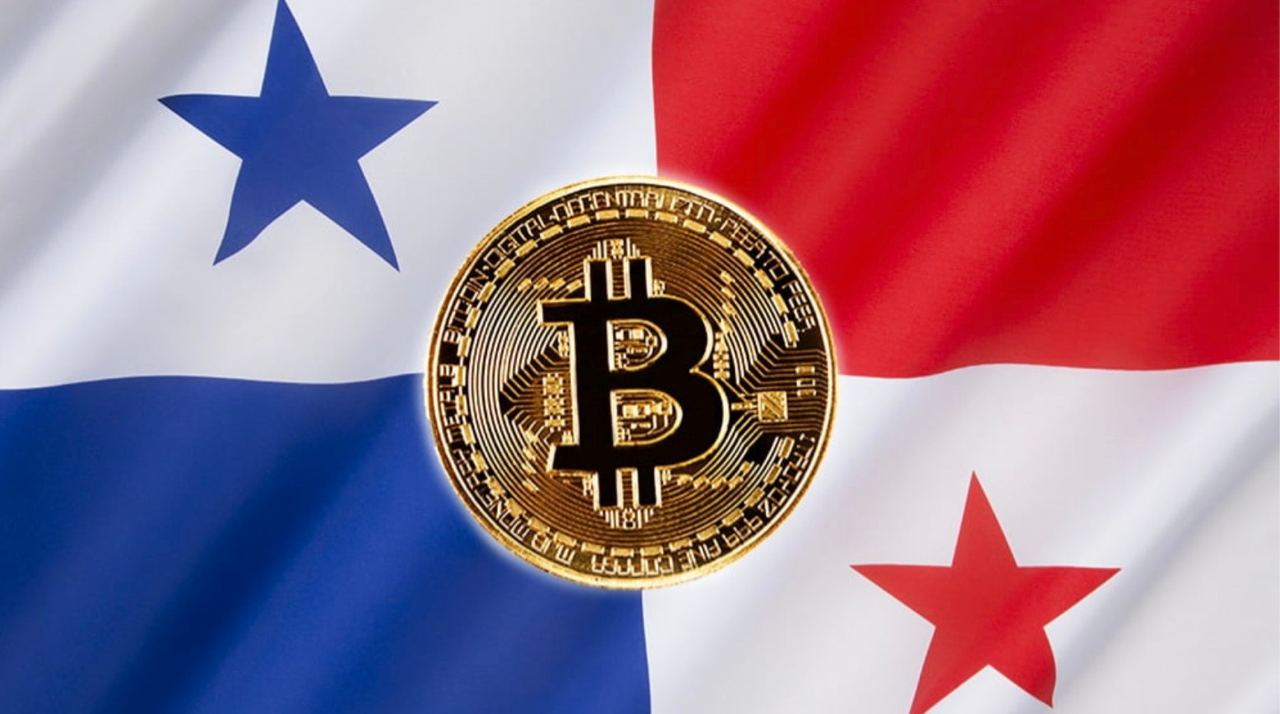
A new bill in Panama aims to recognize Bitcoin as an alternative payment method and enable freedom to use crypto.
Amid Bitcoin (BTC) becoming legal tender in El Salvador, another country in Central America is progressing on its way to enable freedom to use cryptocurrencies like BTC and Ether (ETH).
On Monday, the Republic of Panama introduced a bill on regulating cryptocurrencies, aiming to make the country “compatible with the blockchain, crypto assets and the internet.”
Announcing the news on Twitter, Panamanian pro-crypto congressman Gabriel Silva stressed that the new legal initiative has the potential to generate thousands of jobs, create new investment sources, as well as make the government “more transparent.”
According to the draft bill document shared by Silva, the new legislation intends to recognize crypto assets like Bitcoin as an alternative global payment method for “any civil or commercial operation not prohibited by the legal system of the Republic of Panama.” The bill authors emphasized that cryptocurrencies enable fast and low-cost payments allowing them to finalize a financial transaction “regardless of the distance between parties and the transaction volume.”
In contrast to the government of El Salvador, which has required local businesses to accept Bitcoin in exchange for goods or services alongside the United States dollar, Panama’s new crypto bill does not intend to force obligatory Bitcoin acceptance. Instead, the legislation calls to establish freedom to use cryptocurrencies like Bitcoin and Ether in Panama, local TV network Telemetro reported.
Silva said that the new draft bill was prepared in collaboration with Panamanian citizens and a multidisciplinary team, including industry and technology experts. The legislation was created taking into consideration important guidelines provided by international organizations such as the Financial Action Task Force, he noted.
Amid El Salvador deciding to accept Bitcoin as an official currency, more countries in Central America have been moving into the crypto industry. In late August, a company in Honduras reportedly installed the country’s first Bitcoin ATM, allowing users to buy BTC and ETH using the local fiat currency, lempira.
A new bill in Panama aims to recognize Bitcoin as an alternative payment method and enable freedom to use crypto.
Amid Bitcoin (BTC) becoming legal tender in El Salvador, another country in Central America is progressing on its way to enable freedom to use cryptocurrencies like BTC and Ether (ETH).
On Monday, the Republic of Panama introduced a bill on regulating cryptocurrencies, aiming to make the country “compatible with the blockchain, crypto assets and the internet.”
Announcing the news on Twitter, Panamanian pro-crypto congressman Gabriel Silva stressed that the new legal initiative has the potential to generate thousands of jobs, create new investment sources, as well as make the government “more transparent.”
According to the draft bill document shared by Silva, the new legislation intends to recognize crypto assets like Bitcoin as an alternative global payment method for “any civil or commercial operation not prohibited by the legal system of the Republic of Panama.” The bill authors emphasized that cryptocurrencies enable fast and low-cost payments allowing them to finalize a financial transaction “regardless of the distance between parties and the transaction volume.”
In contrast to the government of El Salvador, which has required local businesses to accept Bitcoin in exchange for goods or services alongside the United States dollar, Panama’s new crypto bill does not intend to force obligatory Bitcoin acceptance. Instead, the legislation calls to establish freedom to use cryptocurrencies like Bitcoin and Ether in Panama, local TV network Telemetro reported.
Silva said that the new draft bill was prepared in collaboration with Panamanian citizens and a multidisciplinary team, including industry and technology experts. The legislation was created taking into consideration important guidelines provided by international organizations such as the Financial Action Task Force, he noted.
Amid El Salvador deciding to accept Bitcoin as an official currency, more countries in Central America have been moving into the crypto industry. In late August, a company in Honduras reportedly installed the country’s first Bitcoin ATM, allowing users to buy BTC and ETH using the local fiat currency, lempira.
Trading Bitcoin’s like trading stamps, says Swedish central bank governor.
In comments at a Swedish banking conference, Sveriges Riksbank Governor Stefan Ingves warned that private money “usually collapses sooner or later.”
The governor of Sweden’s central bank, the Sveriges Riksbank, has dismissed Bitcoin (BTC) as an altogether far-fetched alternative to government-backed fiat currencies.
Speaking at a banking conference in Stockholm, Sveriges Riksbank governor Stefan Ingves argued, “Private money usually collapses sooner or later.” In a further disparaging remark, he claimed, “Sure, you can get rich by trading in bitcoin, but it’s comparable to trading in stamps.”
Notwithstanding Ingves’ view of Bitcoin’s weaknesses as a currency, he has taken its popularity among investors seriously. Highlighting consumer interests and money laundering as being of particular concern, the central banker conceded this June that the cryptocurrency had gotten “big enough” to merit close attention from regulators, central bankers and lawmakers across the globe.
Nor has Ingves’ low estimation of Bitcoin prevented the Riksbank from co-opting its underlying technology for the benefit of its own central bank digital currency development project. Sweden’s e-krona uses a proof-of-concept based on Corda, a distributed ledger technology solution from R3. The latest update on the e-krona pilot is that experiments are progressing, involving simulated participants to cooperating with real-world actors, specifically Sweden’s retail bank chain, Handelsbanken.
While the Riksbank’s approach is in line with most central banks and governments, this week has witnessed El Salvador’s unprecedented government-mandated adoption of Bitcoin as legal tender. Despite Salvadorans’ anxieties about their government’s move, Cardano founder Charles Hoskinson and whistleblower Edward Snowden have this week claimed that other nation-states could also eventually incorporate the coin into their own monetary policy.
In comments at a Swedish banking conference, Sveriges Riksbank Governor Stefan Ingves warned that private money “usually collapses sooner or later.”
The governor of Sweden’s central bank, the Sveriges Riksbank, has dismissed Bitcoin (BTC) as an altogether far-fetched alternative to government-backed fiat currencies.
Speaking at a banking conference in Stockholm, Sveriges Riksbank governor Stefan Ingves argued, “Private money usually collapses sooner or later.” In a further disparaging remark, he claimed, “Sure, you can get rich by trading in bitcoin, but it’s comparable to trading in stamps.”
Notwithstanding Ingves’ view of Bitcoin’s weaknesses as a currency, he has taken its popularity among investors seriously. Highlighting consumer interests and money laundering as being of particular concern, the central banker conceded this June that the cryptocurrency had gotten “big enough” to merit close attention from regulators, central bankers and lawmakers across the globe.
Nor has Ingves’ low estimation of Bitcoin prevented the Riksbank from co-opting its underlying technology for the benefit of its own central bank digital currency development project. Sweden’s e-krona uses a proof-of-concept based on Corda, a distributed ledger technology solution from R3. The latest update on the e-krona pilot is that experiments are progressing, involving simulated participants to cooperating with real-world actors, specifically Sweden’s retail bank chain, Handelsbanken.
While the Riksbank’s approach is in line with most central banks and governments, this week has witnessed El Salvador’s unprecedented government-mandated adoption of Bitcoin as legal tender. Despite Salvadorans’ anxieties about their government’s move, Cardano founder Charles Hoskinson and whistleblower Edward Snowden have this week claimed that other nation-states could also eventually incorporate the coin into their own monetary policy.

ADA Falls as Cardano Completes Smart Contract-Enabling Upgrade.
Cardano’s native ADA token fell along with most other cryptoassets today, after Cardano development firm Input Output announced that the smart contract-enabling Alonzo upgrade has been completed.
The much-anticipated upgrade happened as scheduled on September 12 at 21:47 UTC through a so-called hard fork combinator (HFC) protocol upgrade.
Following the event, ADA responded by trading lower in the market, and as of 09:32 UTC it had dropped by 7.5% since the upgrade took place, and 9% over the past 24 hours.
The price is currently trading at USD 2.38, down by about 23% from its all-time high of USD 3.10, reached on September 2.
By comparison, Cardano’s main competitor in the smart contract space, Ethereum, saw its ETH token trade down by 6% for the past 24 hours to USD 3,225.
And although the sell-off did coincide with bearish sentiment in the broader crypto market, the move for ADA was also characteristic of the “buy the rumor, sell the news” strategy that many traders follow around major market events.
In a blog post published shortly after the upgrade, Input Output wrote that “the backbone for a new decentralized application platform” now exists on Cardano by allowing scripts to be written in a programming language dubbed Plutus by Cardano.
Cardano’s native ADA token fell along with most other cryptoassets today, after Cardano development firm Input Output announced that the smart contract-enabling Alonzo upgrade has been completed.
The much-anticipated upgrade happened as scheduled on September 12 at 21:47 UTC through a so-called hard fork combinator (HFC) protocol upgrade.
Following the event, ADA responded by trading lower in the market, and as of 09:32 UTC it had dropped by 7.5% since the upgrade took place, and 9% over the past 24 hours.
The price is currently trading at USD 2.38, down by about 23% from its all-time high of USD 3.10, reached on September 2.
By comparison, Cardano’s main competitor in the smart contract space, Ethereum, saw its ETH token trade down by 6% for the past 24 hours to USD 3,225.
And although the sell-off did coincide with bearish sentiment in the broader crypto market, the move for ADA was also characteristic of the “buy the rumor, sell the news” strategy that many traders follow around major market events.
In a blog post published shortly after the upgrade, Input Output wrote that “the backbone for a new decentralized application platform” now exists on Cardano by allowing scripts to be written in a programming language dubbed Plutus by Cardano.
Uruguay Regulator Suggests that Crypto-Real Estate ‘Exchanges’ Are Possible.
A Uruguayan financial regulator has issued an ambivalent statement in answer to a question about how it views property sales for crypto – hinting that under the right circumstances, it could allow such moves to go ahead.
Per El Observador, the Montevideo-based notary Pérez del Castillo & Asociados approached the General Tax Directorate (known locally as the DGI), an agency that answers to the nation’s Ministry of Economy and Finance, for advice on the matter.
The media outlet noted that a number of “specialized portals” that advertise real estate for sale in exchange for cryptoassets have appeared in the Latin American nation. It added that a growing number of property vendors were also stating that they would accept crypto payments.
However, the notary’s request has uncovered something of a mixed response from the DGI on the matter. The agency stated that any such “sale” would not in fact be a traditional “real estate sale” at all. Instead, it would be classified as an “exchange of assets” – with “intangible assets” (crypto) being swapped for a tangible real estate “asset.”
For a “sale” to take place, the DGI noted, money needs to change hands. And as the Uruguayan legal system does not recognize digital tokens as having monetary value, crypto cannot be used in legal “sales.”
However, the DGI’s response hinted that crypto could indeed have some form of legal status, albeit that of an “intangible personal property.” This would allow it to be used as a means of exchange, a fact that, according to mainstream economic theory, means it fulfills at least one of the characteristics of money.
A Uruguayan financial regulator has issued an ambivalent statement in answer to a question about how it views property sales for crypto – hinting that under the right circumstances, it could allow such moves to go ahead.
Per El Observador, the Montevideo-based notary Pérez del Castillo & Asociados approached the General Tax Directorate (known locally as the DGI), an agency that answers to the nation’s Ministry of Economy and Finance, for advice on the matter.
The media outlet noted that a number of “specialized portals” that advertise real estate for sale in exchange for cryptoassets have appeared in the Latin American nation. It added that a growing number of property vendors were also stating that they would accept crypto payments.
However, the notary’s request has uncovered something of a mixed response from the DGI on the matter. The agency stated that any such “sale” would not in fact be a traditional “real estate sale” at all. Instead, it would be classified as an “exchange of assets” – with “intangible assets” (crypto) being swapped for a tangible real estate “asset.”
For a “sale” to take place, the DGI noted, money needs to change hands. And as the Uruguayan legal system does not recognize digital tokens as having monetary value, crypto cannot be used in legal “sales.”
However, the DGI’s response hinted that crypto could indeed have some form of legal status, albeit that of an “intangible personal property.” This would allow it to be used as a means of exchange, a fact that, according to mainstream economic theory, means it fulfills at least one of the characteristics of money.

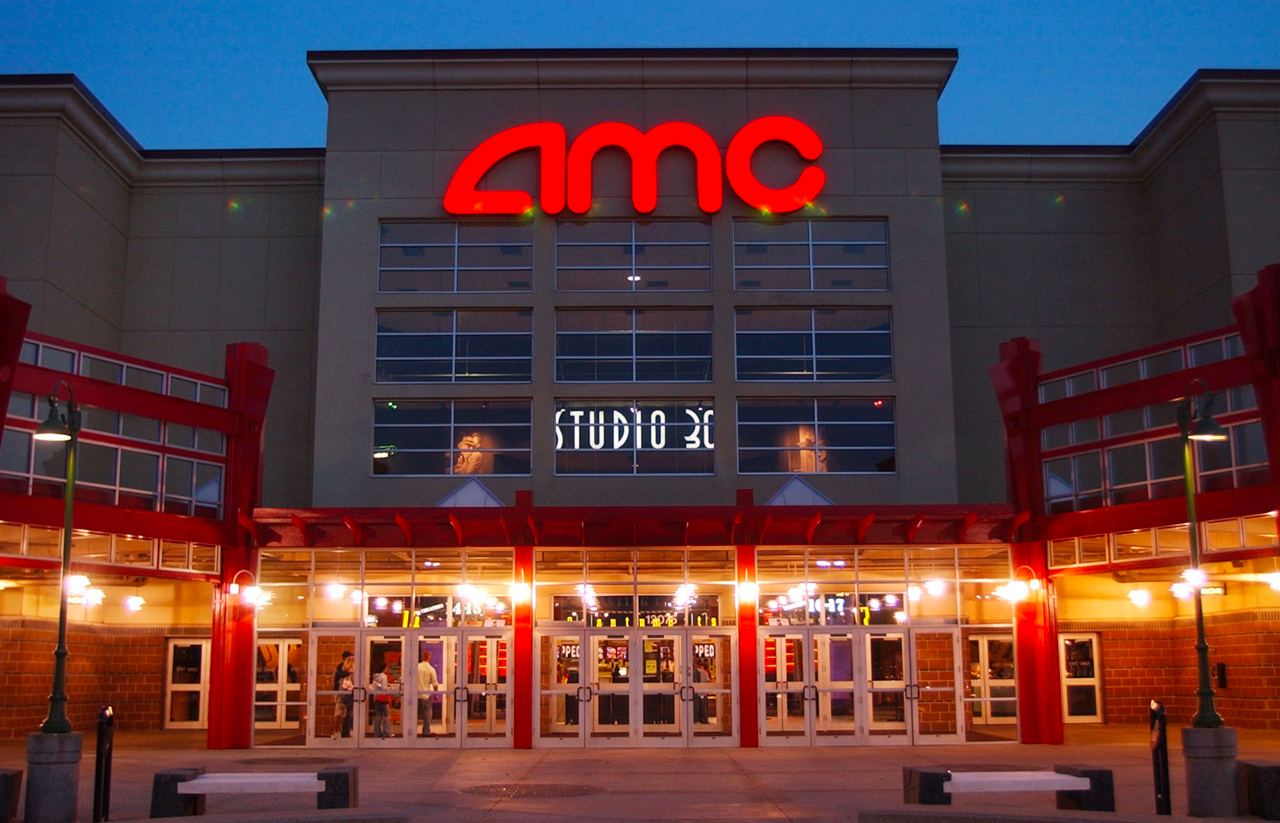
AMC adds Ether and Litecoin to year-end crypto adoption plans.
The cinema operator has expanded its plans to accept crypto payments for movie tickets with the inclusion of Ether and Litecoin.
AMC Entertainment will not only accept Bitcoin (BTC) payments for movie tickets by the end of 2022 but will also include other popular digital currencies in its crypto acceptance policy.
Tweeting on Thursday, the company’s CEO, Adam Aron, announced plans for AMC to accept three other cryptocurrencies — Ether (ETH), Litecoin (LTC) and Bitcoin Cash (BCH).
As previously reported by Cointelegraph, AMC initially unveiled plans to accept Bitcoin payments for online movie tickets before the end of the year.
At the time, Aron said that moviegoers were eager to use crypto as payment means for tickets and concessions at AMC locations across the United States.
The AMC chief also said that the company was working to finalize the necessary modalities required for accepting crypto payments.
As was the case with the August announcement, Aron’s tweet revealing plans for an expanded crypto acceptance agenda also drew significant criticism from Dogecoin (DOGE) proponents for failing to include the popular “meme coin.”
AMC accepting crypto is also part of a developing trend that has seen prominent retail establishments enabling support for cryptocurrency payments across the United States.
The cinema operator’s crypto adoption plan comes amid a resurgence in revenue figures after a difficult 2020.
Amid the coronavirus lockdowns that characterized most of 2020, AMC saw dwindling revenues, with its Q2 2020 financials recording only $18.9 million. In Q2 2021, the cinema operator reportedly earned $444 million in revenue.
This revenue uptick has also come amid a massive increase in the company’s share price. Indeed, AMC was among some stocks converged upon by the r/Wallstreetbets group on Reddit during the short squeeze saga at the start of the year.
As of the time of writing, AMC’s stock is up over 2,200% year-to-date.
The cinema operator has expanded its plans to accept crypto payments for movie tickets with the inclusion of Ether and Litecoin.
AMC Entertainment will not only accept Bitcoin (BTC) payments for movie tickets by the end of 2022 but will also include other popular digital currencies in its crypto acceptance policy.
Tweeting on Thursday, the company’s CEO, Adam Aron, announced plans for AMC to accept three other cryptocurrencies — Ether (ETH), Litecoin (LTC) and Bitcoin Cash (BCH).
As previously reported by Cointelegraph, AMC initially unveiled plans to accept Bitcoin payments for online movie tickets before the end of the year.
At the time, Aron said that moviegoers were eager to use crypto as payment means for tickets and concessions at AMC locations across the United States.
The AMC chief also said that the company was working to finalize the necessary modalities required for accepting crypto payments.
As was the case with the August announcement, Aron’s tweet revealing plans for an expanded crypto acceptance agenda also drew significant criticism from Dogecoin (DOGE) proponents for failing to include the popular “meme coin.”
AMC accepting crypto is also part of a developing trend that has seen prominent retail establishments enabling support for cryptocurrency payments across the United States.
The cinema operator’s crypto adoption plan comes amid a resurgence in revenue figures after a difficult 2020.
Amid the coronavirus lockdowns that characterized most of 2020, AMC saw dwindling revenues, with its Q2 2020 financials recording only $18.9 million. In Q2 2021, the cinema operator reportedly earned $444 million in revenue.
This revenue uptick has also come amid a massive increase in the company’s share price. Indeed, AMC was among some stocks converged upon by the r/Wallstreetbets group on Reddit during the short squeeze saga at the start of the year.
As of the time of writing, AMC’s stock is up over 2,200% year-to-date.
✔️An Innovative DEX built on Binance Smart Chain by XcelLab Ecosystem ✔️
XcelSwap, decentralized exchange built to increase utilities, trustless and permissionless transactions using smart contracts on Binance Smart Chain with the best farms in DeFi
😎😎😎😎😎😎😎😎😎😎
Swap, staking and farming are available in XcelSwap, and some serious features to come such as a Cross Chain and NFT marketplace.
Some of the Exciting Features 🤩🤩
📌 Low trading fee
📌 More rewards for liquidity provider
📌 Highest APY in Yield Farming
📌 Staking
📌 Cross Chain Transfer
📌 Lending and Borrowing (coming up)
📌Governance at the hand of users
Start Trading Now: XcelSwap
Learn More about XcelSwap:
https://www.youtube.com/watch?v=Nt9wt55ZBmw
Major Links to stay updated
Join Telegram Group
Follow on twitter
#xceldefi #xcelpay #xcellab #xcelswap #binancesmartchain #defistaking
XcelSwap, decentralized exchange built to increase utilities, trustless and permissionless transactions using smart contracts on Binance Smart Chain with the best farms in DeFi
😎😎😎😎😎😎😎😎😎😎
Swap, staking and farming are available in XcelSwap, and some serious features to come such as a Cross Chain and NFT marketplace.
Some of the Exciting Features 🤩🤩
📌 Low trading fee
📌 More rewards for liquidity provider
📌 Highest APY in Yield Farming
📌 Staking
📌 Cross Chain Transfer
📌 Lending and Borrowing (coming up)
📌Governance at the hand of users
Start Trading Now: XcelSwap
Learn More about XcelSwap:
https://www.youtube.com/watch?v=Nt9wt55ZBmw
Major Links to stay updated
Join Telegram Group
Follow on twitter
#xceldefi #xcelpay #xcellab #xcelswap #binancesmartchain #defistaking
Bitcoin miner Genesis Digital Assets raises $431M.
Genesis Digital previously raised $125 million in an equity funding round led by Kingsway Capital in July 2021.
Major Bitcoin (BTC) mining company Genesis Digital Assets has secured $431 million in funding to expand its industrial-scale mining operations in the United States and Nordics.
The new funding round was led by Paradigm, one of the biggest cryptocurrency investment companies backing major industry players like Coinbase and FTX. Paradigm co-founder Matt Huang has also joined Genesis Digital’s board of directors, the firm announced on Sept. 21.
Other investors include the $11 billion asset manager Stone Ridge and its Bitcoin subsidiary NYDIG and several venture capital firms and investment management firms like Ribbit, Electric Capital, Skybridge and Kingsway Capital, and FTX crypto exchange. Kingsway previously led a $125 million equity funding round for Genesis in July 2021.
Genesis Digital CEO and co-founder Marco Streng noted that the new funds will help the company to continue expanding operations with a goal to reach 1.4 gigawatts in mining capacity by 2023. “The capital raised from this round will be used to expand our Bitcoin mining operations in locations where clean energy is easily accessible,” he added.
One of the largest Bitcoin miners in the United States, Genesis Digital has been actively increasing its mining power recently, accumulating more hardware for mining the cryptocurrency. In late August, the firm purchased 20,000 new BTC mining devices from Chinese mining giant Canaan, signing an agreement to buy up to 180,000 additional miners in the future.
Genesis Digital’s mining capacity has been steadily increasing recently, surging from around 140 megawatts as of July 2021, or a total hash rate of 2.6 exahashes (EH/s), to over 170 megawatts, or 3.3 EH/s as of September. The company expects to add another 8.6 EH/s in the next 12 months.
Genesis Digital previously raised $125 million in an equity funding round led by Kingsway Capital in July 2021.
Major Bitcoin (BTC) mining company Genesis Digital Assets has secured $431 million in funding to expand its industrial-scale mining operations in the United States and Nordics.
The new funding round was led by Paradigm, one of the biggest cryptocurrency investment companies backing major industry players like Coinbase and FTX. Paradigm co-founder Matt Huang has also joined Genesis Digital’s board of directors, the firm announced on Sept. 21.
Other investors include the $11 billion asset manager Stone Ridge and its Bitcoin subsidiary NYDIG and several venture capital firms and investment management firms like Ribbit, Electric Capital, Skybridge and Kingsway Capital, and FTX crypto exchange. Kingsway previously led a $125 million equity funding round for Genesis in July 2021.
Genesis Digital CEO and co-founder Marco Streng noted that the new funds will help the company to continue expanding operations with a goal to reach 1.4 gigawatts in mining capacity by 2023. “The capital raised from this round will be used to expand our Bitcoin mining operations in locations where clean energy is easily accessible,” he added.
One of the largest Bitcoin miners in the United States, Genesis Digital has been actively increasing its mining power recently, accumulating more hardware for mining the cryptocurrency. In late August, the firm purchased 20,000 new BTC mining devices from Chinese mining giant Canaan, signing an agreement to buy up to 180,000 additional miners in the future.
Genesis Digital’s mining capacity has been steadily increasing recently, surging from around 140 megawatts as of July 2021, or a total hash rate of 2.6 exahashes (EH/s), to over 170 megawatts, or 3.3 EH/s as of September. The company expects to add another 8.6 EH/s in the next 12 months.

❗️ A special limited offer for projects that want to launch an ICO / IDO in the coming weeks.
In our large ZELWIN ecosystem, we created zelwin.finance
➕ We invite projects to our platform.
We do not take any advance payments.
Placement on our platform is absolutely free.
Our commission is only after real investments and sales. 💸
This offer is only available for 2 projects.
For your information:
Our first project was AMC Fight Nights - × 14 ATH.
Now this project is on the exchange ZB.com, Bitmart, Pancake, Uniswap
Our next project will be iCW - one of the largest miners in Kazakhstan and Russia. They have already received offers from investors for $ 3 million.
🤝 We look forward to your next project!
Contact us: https://t.me/zelwinchat on Telegram
In our large ZELWIN ecosystem, we created zelwin.finance
➕ We invite projects to our platform.
We do not take any advance payments.
Placement on our platform is absolutely free.
Our commission is only after real investments and sales. 💸
This offer is only available for 2 projects.
For your information:
Our first project was AMC Fight Nights - × 14 ATH.
Now this project is on the exchange ZB.com, Bitmart, Pancake, Uniswap
Our next project will be iCW - one of the largest miners in Kazakhstan and Russia. They have already received offers from investors for $ 3 million.
🤝 We look forward to your next project!
Contact us: https://t.me/zelwinchat on Telegram
'Dictator' Bukele 'Buys the Bitcoin Dip' as 1.1M Users Flock to Chivo Wallet.
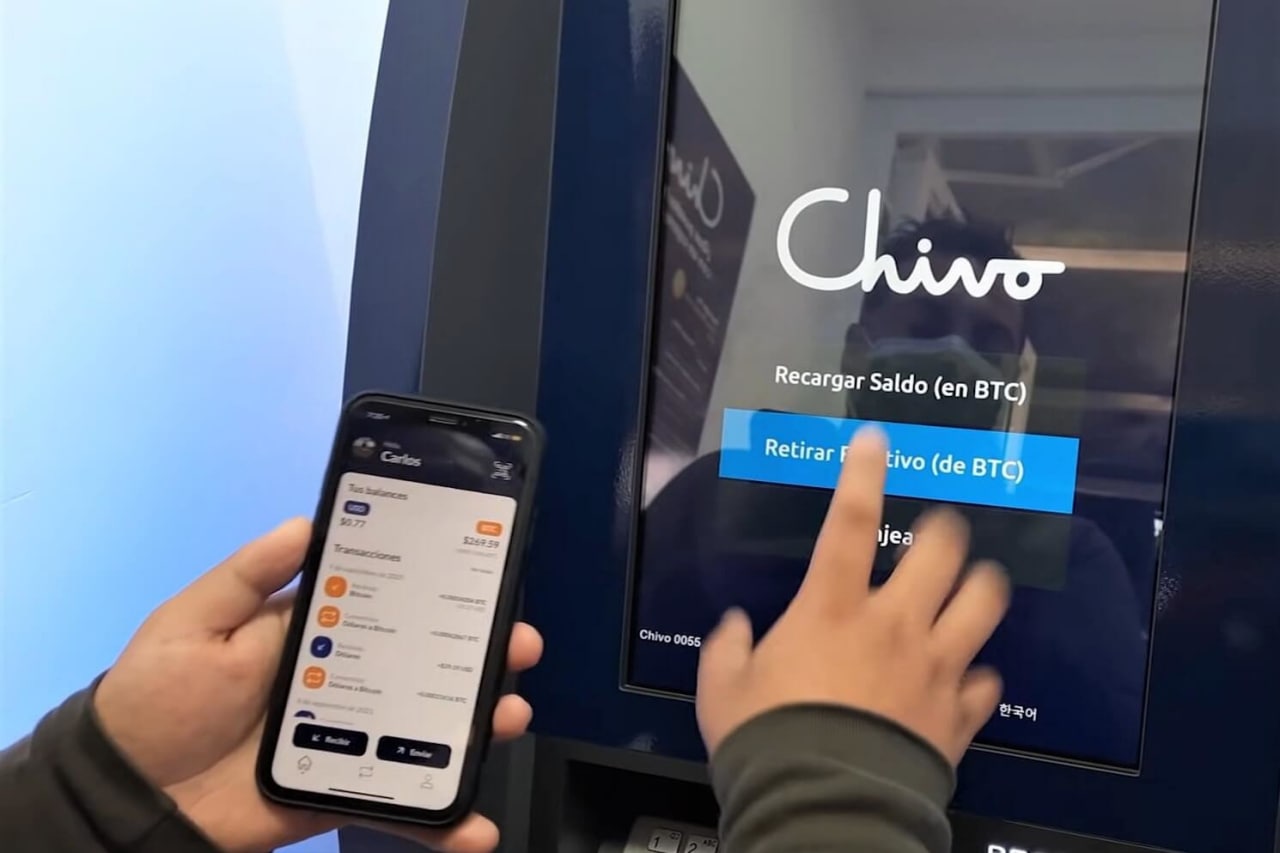
The El Salvador President Nayib Bukele claims that the state-run Chivo bitcoin (BTC) wallet and app now has 1.1m users, or 17% of the country's population – despite the fact that the app is still yet to be made available to “65% of the phone models” used in the nation. Bukele also announced that with BTC prices slumping over the weekend, his government had “bought the dip.”
The government has highly incentivized the use of the Chivo app – although it claims that Chivo use is optional – by giving those who download it in El Salvador USD 30 worth of BTC as a golden hello.
Bukele claimed that the Chivo app and his BTC adoption plans were already proving to be a success, writing on Twitter:
“It looks that we will be able to bank more people in the space of month than [previous governments] did in 40 years with the nationalization and privatization of traditional banks.”
Bukele also added that his government had bought an additional BTC 150, meaning that the El Salvador Treasury now owns BTC 700 (USD 32m).
The author Mark Jeffrey claimed that the latest BTC buy was proof that the nation was “punching above its weight yet again.”
Despite no shortage of criticism, it appears that Chivo rollouts are continuing. The latest data from CoinATMRadar indicates that 231 Chivo ATMs are now operational, with 31 of these located in the United States. Bukele has previously claimed that this number is in fact higher – with 50 machines in the USA.
But technical issues appear to be persisting. A mobile network named Digicel claimed its SMS services went down for a minute on September 19 due to “high demand” for Chivo app downloads.
Bukele conceded that the “crash of an SMS carrier caused an error in 28,000 requests for Chivo registration” – causing an hour worth of issues. He stated that as a result, 28,000 new users had not received their USD 30 worth of BTC – but added that his technical team would ensure they receive the funds soon.
The President wrote off the incident as a minor hiccup, claiming that the error was “a mistake by the telephone company.”
He reiterated his claims that the app was “working at 100%,” but added:
“It is almost impossible to have 300,000 new registrations per day and not have some temporary incidents.”
Meanwhile, the Salvadoran media – deeply skeptical on all things BTC and Bukele-related – is reporting further wrinkles with the app. La Prensa Gráfica quoted Ricardo Castaneda, an economist at the Central American Institute for Fiscal Studies (ICEFI), as stating that claims that Chivo allowed commission-free transfers were actually a “lie.”
The El Salvador President Nayib Bukele claims that the state-run Chivo bitcoin (BTC) wallet and app now has 1.1m users, or 17% of the country's population – despite the fact that the app is still yet to be made available to “65% of the phone models” used in the nation. Bukele also announced that with BTC prices slumping over the weekend, his government had “bought the dip.”
The government has highly incentivized the use of the Chivo app – although it claims that Chivo use is optional – by giving those who download it in El Salvador USD 30 worth of BTC as a golden hello.
Bukele claimed that the Chivo app and his BTC adoption plans were already proving to be a success, writing on Twitter:
“It looks that we will be able to bank more people in the space of month than [previous governments] did in 40 years with the nationalization and privatization of traditional banks.”
Bukele also added that his government had bought an additional BTC 150, meaning that the El Salvador Treasury now owns BTC 700 (USD 32m).
The author Mark Jeffrey claimed that the latest BTC buy was proof that the nation was “punching above its weight yet again.”
Despite no shortage of criticism, it appears that Chivo rollouts are continuing. The latest data from CoinATMRadar indicates that 231 Chivo ATMs are now operational, with 31 of these located in the United States. Bukele has previously claimed that this number is in fact higher – with 50 machines in the USA.
But technical issues appear to be persisting. A mobile network named Digicel claimed its SMS services went down for a minute on September 19 due to “high demand” for Chivo app downloads.
Bukele conceded that the “crash of an SMS carrier caused an error in 28,000 requests for Chivo registration” – causing an hour worth of issues. He stated that as a result, 28,000 new users had not received their USD 30 worth of BTC – but added that his technical team would ensure they receive the funds soon.
The President wrote off the incident as a minor hiccup, claiming that the error was “a mistake by the telephone company.”
He reiterated his claims that the app was “working at 100%,” but added:
“It is almost impossible to have 300,000 new registrations per day and not have some temporary incidents.”
Meanwhile, the Salvadoran media – deeply skeptical on all things BTC and Bukele-related – is reporting further wrinkles with the app. La Prensa Gráfica quoted Ricardo Castaneda, an economist at the Central American Institute for Fiscal Studies (ICEFI), as stating that claims that Chivo allowed commission-free transfers were actually a “lie.”
Ethereum Miner Returns USD 22M in Mistaken Fees, Keeps ETH 50.
The miner of the block which carried a massive amount of ethereum (ETH) paid incorrectly as a transaction fee – has decided to return (nearly) all the funds.
Etherscan shows the address, which currently holds some ETH 20, has sent to Bitfinex ETH 7,385 in one transaction, as well as ETH 241 in two other transactions, making it ETH 7,626 in total. Per the current price of ETH, this is USD 22m.
As reported yesterday, crypto exchange Bitfinex paid USD 23.5m (ETH 7,676.61) in transaction fees for a transfer of close to USD 100,000 in tether (USDT) via the Ethereum network.
This would suggest that the miner decided to keep ETH 50 (USD 145,056).
Non-custodial exchange DeversiFi, whose wallet was also involved in the transaction, already confirmed the information, adding that customer funds on DeversiFi were not at risk.
Early today they tweeted to thank the miner, stating that there will be a postmortem report available soon as well.
The miner of the block which carried a massive amount of ethereum (ETH) paid incorrectly as a transaction fee – has decided to return (nearly) all the funds.
Etherscan shows the address, which currently holds some ETH 20, has sent to Bitfinex ETH 7,385 in one transaction, as well as ETH 241 in two other transactions, making it ETH 7,626 in total. Per the current price of ETH, this is USD 22m.
As reported yesterday, crypto exchange Bitfinex paid USD 23.5m (ETH 7,676.61) in transaction fees for a transfer of close to USD 100,000 in tether (USDT) via the Ethereum network.
This would suggest that the miner decided to keep ETH 50 (USD 145,056).
Non-custodial exchange DeversiFi, whose wallet was also involved in the transaction, already confirmed the information, adding that customer funds on DeversiFi were not at risk.
Early today they tweeted to thank the miner, stating that there will be a postmortem report available soon as well.

Corsair World DeFi (CASH token)
... and the power of the magic 7️⃣s
🌡 700% in just One month 🔥
🌱 Staking 77% per annum 💰
✅ $7777 daily Lottery prizes in CASH 🧭
Gated community access; Handsome Airdrop; Ready-made technology; DEX CorsairSwap; Treasure hunting like Cicada3310; Future listings on exchanges 👑
One month after the launch of an active token sale, the Corsair World DeFi project has become one of the most popular projects in September 🏆
⏯ Read a great interview with the founder here ⏯
The Corsair is designed to combat the Whales' dirty practices. The team gathers people for massive attacks on exchanges in order to take the profits of large players 🐋
Look for more information in open sources 🔍
Buy CASH token now on official website
📲
https://corsair.world/
Official Telegram channel of Corsair World
⬇️
https://t.me/corsairworld
... and the power of the magic 7️⃣s
🌡 700% in just One month 🔥
🌱 Staking 77% per annum 💰
✅ $7777 daily Lottery prizes in CASH 🧭
Gated community access; Handsome Airdrop; Ready-made technology; DEX CorsairSwap; Treasure hunting like Cicada3310; Future listings on exchanges 👑
One month after the launch of an active token sale, the Corsair World DeFi project has become one of the most popular projects in September 🏆
⏯ Read a great interview with the founder here ⏯
The Corsair is designed to combat the Whales' dirty practices. The team gathers people for massive attacks on exchanges in order to take the profits of large players 🐋
Look for more information in open sources 🔍
Buy CASH token now on official website
📲
https://corsair.world/
Official Telegram channel of Corsair World
⬇️
https://t.me/corsairworld