
Turkey Prepares Crypto Regulations Amid 'Disturbing' Money Outflows.
The Governor, Şahap Kavcıoğlu, was appointed after the abrupt dismissal of his predecessor last month, and made waves in the crypto world by banning the use of crypto as a form of payment in a move earlier this month. After a decidedly rocky month for crypto in Turkey, investors had been bracing for the worst.
In an interview with a television network, the transcribed highlights of which were published by the newspaper Sözcü, Kavcıoğlu called crypto a “sensitive subject” with “no infrastructure, regulation and control mechanism.”
However, he added that the government “cannot fix” crypto “by just banning it.”
He added, “We are working on the regulations with the Ministry of Treasury and Finance. I believe that the efforts will come to a head in two weeks.”
But it appears the governor now wants to pursue a streamlined approach with the consent of all parties. He added that the issue was a thorny one as it was unclear whether crypto should be classified as an “asset or a property,” and that there were precious few international examples to follow when it comes to crypto.
However, he claimed that there was “very serious crypto traffic,” with funds flowing “to Europe and the United States, adding, “We don't know for sure where these cryptocurrencies are going.”
He called the “outflows” of money in crypto from Turkey “disturbing.”
The news comes after a torrid month for Turkey’s crypto community, with two large crypto exchange platforms folding in the space of a week, with at least one CEO reportedly placed in police custody.
Per Bloomberg, which quoted the Demiroren News Agency, the Vebitcoin trading platform has ceased operating due to “deteriorating financial conditions,” with its CEO, Ilker Bas, detained along with three other exchange employees.
The country’s Financial Crimes Investigation Board has placed a block on Vebitcoin’s bank accounts and launched an official investigation.
Earlier last week, the rival Thodex ground to halt after its own CEO, Faruk Fatih Ozer, reportedly vanished from the country.
Bloomberg quoted the Haberturk newspaper as reporting that a legal team representing investors stated the platform had around 390,000 active customers and had incurred losses of up to USD 2 billion.
In a notice posted on its website, Thodex angrily dismissed allegations of wrongdoing as “unfounded” and part of a “smear campaign” against it. The CEO wrote that he had traveled abroad on April 19 not to flee the authorities, but to conduct meetings with foreign investors.”
It claimed that only 30,000 accounts had been affected, and that its total usership was around 700,000.
However, the company conceded that it was “temporarily” closed to investigate “abnormal fluctuations” on company accounts – although it assured users that their funds were safe.
Last week, police made 62 arrests as the Financial Crimes Investigation Board expanded the scope of its probe into the exchange.
The Governor, Şahap Kavcıoğlu, was appointed after the abrupt dismissal of his predecessor last month, and made waves in the crypto world by banning the use of crypto as a form of payment in a move earlier this month. After a decidedly rocky month for crypto in Turkey, investors had been bracing for the worst.
In an interview with a television network, the transcribed highlights of which were published by the newspaper Sözcü, Kavcıoğlu called crypto a “sensitive subject” with “no infrastructure, regulation and control mechanism.”
However, he added that the government “cannot fix” crypto “by just banning it.”
He added, “We are working on the regulations with the Ministry of Treasury and Finance. I believe that the efforts will come to a head in two weeks.”
But it appears the governor now wants to pursue a streamlined approach with the consent of all parties. He added that the issue was a thorny one as it was unclear whether crypto should be classified as an “asset or a property,” and that there were precious few international examples to follow when it comes to crypto.
However, he claimed that there was “very serious crypto traffic,” with funds flowing “to Europe and the United States, adding, “We don't know for sure where these cryptocurrencies are going.”
He called the “outflows” of money in crypto from Turkey “disturbing.”
The news comes after a torrid month for Turkey’s crypto community, with two large crypto exchange platforms folding in the space of a week, with at least one CEO reportedly placed in police custody.
Per Bloomberg, which quoted the Demiroren News Agency, the Vebitcoin trading platform has ceased operating due to “deteriorating financial conditions,” with its CEO, Ilker Bas, detained along with three other exchange employees.
The country’s Financial Crimes Investigation Board has placed a block on Vebitcoin’s bank accounts and launched an official investigation.
Earlier last week, the rival Thodex ground to halt after its own CEO, Faruk Fatih Ozer, reportedly vanished from the country.
Bloomberg quoted the Haberturk newspaper as reporting that a legal team representing investors stated the platform had around 390,000 active customers and had incurred losses of up to USD 2 billion.
In a notice posted on its website, Thodex angrily dismissed allegations of wrongdoing as “unfounded” and part of a “smear campaign” against it. The CEO wrote that he had traveled abroad on April 19 not to flee the authorities, but to conduct meetings with foreign investors.”
It claimed that only 30,000 accounts had been affected, and that its total usership was around 700,000.
However, the company conceded that it was “temporarily” closed to investigate “abnormal fluctuations” on company accounts – although it assured users that their funds were safe.
Last week, police made 62 arrests as the Financial Crimes Investigation Board expanded the scope of its probe into the exchange.
CryptEx is throwing $350,000 ☄️ into Staking on May, 10
What is CryptEx?
CryptEx is a B2B set of security services for Binance Smart Chain projects. CryptEx charges customers, and 50% of the fees go to its holders.
How to earn 50% of the fees?
All you have to do is stake CRX from your wallet, and every time a client pays for CryptEx services, the stakers get 50% out of this payment. All the rewards are paid in 💰BNB
Ask any question in the official CryptEx telegram chat 👉 @cryptexlocker
What about $100,000?
Since February 20, CryptEx provided services to 52 projects, charging them a total of over $100 000. However, staking has been released only on May 2.
After May 10, CryptEx will distribute 50% out of earned income between all CRX stakers. APY SHOULD BE ON FIRE 🔥.
Also, CRX Stakers are getting 1 000 000 DROPS (more than $250,000)during the airdrop. The snapshot will be recorded after May 10, at a random time.
Tiсker: $CRX
Max Supply: 100,000 CRX
Current Price: $36.88
FD MCap: $3,687,867
Network: Binance Smart Chain
Where to buy: 1Inch, ApeSwap, PancakeSwap V1
Join the chat: 🔥 @cryptexlocker
What is CryptEx?
CryptEx is a B2B set of security services for Binance Smart Chain projects. CryptEx charges customers, and 50% of the fees go to its holders.
How to earn 50% of the fees?
All you have to do is stake CRX from your wallet, and every time a client pays for CryptEx services, the stakers get 50% out of this payment. All the rewards are paid in 💰BNB
Ask any question in the official CryptEx telegram chat 👉 @cryptexlocker
What about $100,000?
Since February 20, CryptEx provided services to 52 projects, charging them a total of over $100 000. However, staking has been released only on May 2.
After May 10, CryptEx will distribute 50% out of earned income between all CRX stakers. APY SHOULD BE ON FIRE 🔥.
Also, CRX Stakers are getting 1 000 000 DROPS (more than $250,000)during the airdrop. The snapshot will be recorded after May 10, at a random time.
Tiсker: $CRX
Max Supply: 100,000 CRX
Current Price: $36.88
FD MCap: $3,687,867
Network: Binance Smart Chain
Where to buy: 1Inch, ApeSwap, PancakeSwap V1
Join the chat: 🔥 @cryptexlocker
K-pop Stars Feature in Newly Released Crypto-themed Movie ‘Twenty Hacker’.
A galaxy of K-pop stars-turned-actors is likely to draw music and cinema fans to a new South Korean crypto-themed movie that will begin streaming on major international platforms in the coming days.
As reported last year, the pop star Kwon Hyun-bin, aka Viini, of the K-pop boyband JBJ, was recruited to play the lead role in what was originally filmed as a mini-series, but later edited into a movie. Originally tentatively named Romantic Hacker, the movie has now been released in South Korea as Twenty Hacker. Per Newsen, the film marks the star’s cinematic debut.
Also appearing in the movie is Cho Hyun-young, a former member of the girl group Rainbow. Cho has turned her hand to acting in recent years since the dissolution of the chart-topping group.
And another girl group star-turned-actress plays Kwon’s romantic interest – Im Na-young, a former member of the pop acts I.O.I and Pristin. Im performed one of the songs featured on the film’s soundtrack.
As if that is not enough, another boyband member, Lee Su-woong of Boys’ Republic also appears in the new film.
Twenty Hacker tells the tale of how Kwon’s character, Jae-min, sees his father driven to suicide after hackers use ransomware to attack his company’s servers. Jae-min resolves to take his revenge, and throws his energy into becoming a computer boffin, developing extraordinary “white” hacking skills.
His abilities catch the eye of Cho’s character, who recruits him to work for her clandestine gang of benevolent hackers.
Meanwhile, a small, rival cabal of young and elite but ill-intentioned hackers decided to reap havoc on the country’s biggest crypto exchange. They succeed in breaking through the tight defenses of the exchange’s security system and send the exchange’s many clients ominous text messages about the imminent withdrawal of the tokens in their wallets.
Kwon’s character, along with the rest of Cho’s gang, is forced into a race against time to stop the hackers from making off with the exchange users’ funds.
In a further crypto bent, Im plays one of Jae-min’s childhood friends – and turns to him for help when her father becomes the victim of a potentially crippling crypto-themed scam.
If all this cryptoasset-flavored South Korean screen fun leaves you wanting more – you’re in luck. Armed with an eye-watering USD 540m budget, production is ongoing on Pumping Time, which will feature not only A-listing stars from South Korea, but also Hollywood stars. Already shaping up to be the crypto world’s answer to Game of Thrones, the soon-to-be-released series is slated to run for 10 seasons.
A galaxy of K-pop stars-turned-actors is likely to draw music and cinema fans to a new South Korean crypto-themed movie that will begin streaming on major international platforms in the coming days.
As reported last year, the pop star Kwon Hyun-bin, aka Viini, of the K-pop boyband JBJ, was recruited to play the lead role in what was originally filmed as a mini-series, but later edited into a movie. Originally tentatively named Romantic Hacker, the movie has now been released in South Korea as Twenty Hacker. Per Newsen, the film marks the star’s cinematic debut.
Also appearing in the movie is Cho Hyun-young, a former member of the girl group Rainbow. Cho has turned her hand to acting in recent years since the dissolution of the chart-topping group.
And another girl group star-turned-actress plays Kwon’s romantic interest – Im Na-young, a former member of the pop acts I.O.I and Pristin. Im performed one of the songs featured on the film’s soundtrack.
As if that is not enough, another boyband member, Lee Su-woong of Boys’ Republic also appears in the new film.
Twenty Hacker tells the tale of how Kwon’s character, Jae-min, sees his father driven to suicide after hackers use ransomware to attack his company’s servers. Jae-min resolves to take his revenge, and throws his energy into becoming a computer boffin, developing extraordinary “white” hacking skills.
His abilities catch the eye of Cho’s character, who recruits him to work for her clandestine gang of benevolent hackers.
Meanwhile, a small, rival cabal of young and elite but ill-intentioned hackers decided to reap havoc on the country’s biggest crypto exchange. They succeed in breaking through the tight defenses of the exchange’s security system and send the exchange’s many clients ominous text messages about the imminent withdrawal of the tokens in their wallets.
Kwon’s character, along with the rest of Cho’s gang, is forced into a race against time to stop the hackers from making off with the exchange users’ funds.
In a further crypto bent, Im plays one of Jae-min’s childhood friends – and turns to him for help when her father becomes the victim of a potentially crippling crypto-themed scam.
If all this cryptoasset-flavored South Korean screen fun leaves you wanting more – you’re in luck. Armed with an eye-watering USD 540m budget, production is ongoing on Pumping Time, which will feature not only A-listing stars from South Korea, but also Hollywood stars. Already shaping up to be the crypto world’s answer to Game of Thrones, the soon-to-be-released series is slated to run for 10 seasons.

Nebraska bill to allow banks to offer crypto services moves forward.
Nebraska senators have favored a measure that would allow state banks to facilitate crypto transactions like those in Wyoming.
Nebraska bill to allow banks to offer crypto services moves forward.
Nebraska lawmakers are moving forward with an initiative that would allow state banks to offer cryptocurrency services.
State Senators favored the measure through the first of three required votes in the legislature, with 39 lawmakers voting to advance the bill for enrollment and initial review on Sunday.
Introduced by Republican Mike Flood in January, Legislature bill 649 aims to adopt the Nebraska Financial Innovation Act and create digital asset depository institutions as well as provide for charter, operation, supervision and regulation of such institutions.
The initiative would reportedly make Nebraska the second state in the United States to set up a formal charter for cryptocurrency-powered banks, allowing them to facilitate crypto transactions. Wyoming was the first state to do so, chartering its first cryptobank in September 2020.
Senator Flood said that he introduced the bill after talking with an entrepreneur friend who decided to move into the cryptocurrency industry in Wyoming. Flood said that Nebraska has an opportunity to become an early adopter of cryptocurrencies with the measure, which could help it benefit from technology and finance jobs. “This is a once in a lifetime opportunity not only for my district, but the state of Nebraska,” he said.
Some lawmakers questioned whether it was right for the state to move into crypto, expressing skepticism about consequences of the measure. “This bill is not anywhere close to being in a form where it could pass,” Senator Steve Erdman reportedly said.
As previously reported by Cointelegraph, Flood originally initiated two crypto-related bills, one of which outlines requirements for banks providing custodial services, providing classifications of digital assets and related technology like smart contracts and private keys. The regulatory initiative has not moved forward since a related hearing in February.
Nebraska senators have favored a measure that would allow state banks to facilitate crypto transactions like those in Wyoming.
Nebraska bill to allow banks to offer crypto services moves forward.
Nebraska lawmakers are moving forward with an initiative that would allow state banks to offer cryptocurrency services.
State Senators favored the measure through the first of three required votes in the legislature, with 39 lawmakers voting to advance the bill for enrollment and initial review on Sunday.
Introduced by Republican Mike Flood in January, Legislature bill 649 aims to adopt the Nebraska Financial Innovation Act and create digital asset depository institutions as well as provide for charter, operation, supervision and regulation of such institutions.
The initiative would reportedly make Nebraska the second state in the United States to set up a formal charter for cryptocurrency-powered banks, allowing them to facilitate crypto transactions. Wyoming was the first state to do so, chartering its first cryptobank in September 2020.
Senator Flood said that he introduced the bill after talking with an entrepreneur friend who decided to move into the cryptocurrency industry in Wyoming. Flood said that Nebraska has an opportunity to become an early adopter of cryptocurrencies with the measure, which could help it benefit from technology and finance jobs. “This is a once in a lifetime opportunity not only for my district, but the state of Nebraska,” he said.
Some lawmakers questioned whether it was right for the state to move into crypto, expressing skepticism about consequences of the measure. “This bill is not anywhere close to being in a form where it could pass,” Senator Steve Erdman reportedly said.
As previously reported by Cointelegraph, Flood originally initiated two crypto-related bills, one of which outlines requirements for banks providing custodial services, providing classifications of digital assets and related technology like smart contracts and private keys. The regulatory initiative has not moved forward since a related hearing in February.

NFT focused startup Drops ($DOP) have opened a whitelist for their upcoming IDO on Polkastarter:
🔹Whitelist form: clkmg.com/drop/whitelist
🔹Whitelist closes: 13th of May at 4 PM UTC
🔹IDO date: 21st of May
More details: https://dropsnft.medium.com/drops-dop-whitelist-for-polkastarter-ido-is-now-open-b21a6bcbeeb5
Drops have already successfully raised $1m in private round and will now be raising $200K during the IDO. They will be entering the market with the m.cap of $680K. Drops is a platform, which will bring a much needed DeFi-style infrastructure to the NFT market, providing such products as NFT trustless loans, NFT staking, liquid NFTs, and NFT vaults.
Find out more about Drops: https://t.me/drops_nft
Follow on Twitter: https://twitter.com/dropsnft
🔹Whitelist form: clkmg.com/drop/whitelist
🔹Whitelist closes: 13th of May at 4 PM UTC
🔹IDO date: 21st of May
More details: https://dropsnft.medium.com/drops-dop-whitelist-for-polkastarter-ido-is-now-open-b21a6bcbeeb5
Drops have already successfully raised $1m in private round and will now be raising $200K during the IDO. They will be entering the market with the m.cap of $680K. Drops is a platform, which will bring a much needed DeFi-style infrastructure to the NFT market, providing such products as NFT trustless loans, NFT staking, liquid NFTs, and NFT vaults.
Find out more about Drops: https://t.me/drops_nft
Follow on Twitter: https://twitter.com/dropsnft

Binance is reportedly under investigation from IRS and Justice Department.
The price of Bitcoin and Ether both fell between 3% and 5% as the report spread across social media.
Major cryptocurrency exchange Binance is reportedly under investigation by both the United States Department of Justice and Internal Revenue Service in an apparent effort to stymie illegal trading activity from users in the United States.
According to a Bloomberg report, the two government agencies are looking into Binance Holdings Ltd as part of an investigation into U.S. residents using cryptocurrencies for illegal transactions. Officials are reportedly seeking information from Binance employees and customers, but not all their inquiries are necessarily tied to allegations of wrongdoing. The report said the information came from unnamed sources who requested anonymity due to the confidential nature of the probe.
A Binance spokesperson said the company took their legal obligations "very seriously and engage with regulators and law enforcement in a collaborative fashion." CEO Changpeng Zhao, also known as CZ, said on Twitter that the crypto exchange was collaborating with the law enforcement agencies "to fight bad players" rather than seemingly being the target of any potential investigation.
In March, Bloomberg reported that the Commodity Futures Trading Commission was also investigating Binance. Regulators were reportedly determining whether U.S.-based Binance users purchased and sold cryptocurrency derivatives on the platform. At the time, CZ dismissed the report in a similar fashion, saying it had “no teeth” and denying any allegations of misconduct at Binance.
The price of major cryptocurrencies dropped as the report broke. The price of Bitcoin (BTC) fell 3.8% from $50,270 to reach $48,336 at the time of publication. Ether (ETH) experienced a more significant price drop, falling more than 5% from $3,854 to $3,661. However, Binance Coin (BNB), currently the third ranked cryptocurrency by market cap, took an even bigger hit, falling more than 10% from $605 to $542. At the time of publication, the BNB price is $561.
The price of Bitcoin and Ether both fell between 3% and 5% as the report spread across social media.
Major cryptocurrency exchange Binance is reportedly under investigation by both the United States Department of Justice and Internal Revenue Service in an apparent effort to stymie illegal trading activity from users in the United States.
According to a Bloomberg report, the two government agencies are looking into Binance Holdings Ltd as part of an investigation into U.S. residents using cryptocurrencies for illegal transactions. Officials are reportedly seeking information from Binance employees and customers, but not all their inquiries are necessarily tied to allegations of wrongdoing. The report said the information came from unnamed sources who requested anonymity due to the confidential nature of the probe.
A Binance spokesperson said the company took their legal obligations "very seriously and engage with regulators and law enforcement in a collaborative fashion." CEO Changpeng Zhao, also known as CZ, said on Twitter that the crypto exchange was collaborating with the law enforcement agencies "to fight bad players" rather than seemingly being the target of any potential investigation.
In March, Bloomberg reported that the Commodity Futures Trading Commission was also investigating Binance. Regulators were reportedly determining whether U.S.-based Binance users purchased and sold cryptocurrency derivatives on the platform. At the time, CZ dismissed the report in a similar fashion, saying it had “no teeth” and denying any allegations of misconduct at Binance.
The price of major cryptocurrencies dropped as the report broke. The price of Bitcoin (BTC) fell 3.8% from $50,270 to reach $48,336 at the time of publication. Ether (ETH) experienced a more significant price drop, falling more than 5% from $3,854 to $3,661. However, Binance Coin (BNB), currently the third ranked cryptocurrency by market cap, took an even bigger hit, falling more than 10% from $605 to $542. At the time of publication, the BNB price is $561.
Vitalik burns $6.7B of Shiba to reward generous hodlers.
Vitalik Buterin has burned nearly half of Shiba’s supply in response to the “generosity” of the “dog token communities.”
Ethereum co-founder Vitalik Buterin has burned nearly half of the supply of the popular Dogecoin (DOGE) clone Shiba Inu (SHIB).
In a statement embedded into the transaction on Sunday, Buterin explained why he had decided to burn $6.7 billion worth of SHIB tokens, emphasizing the “generosity” of the “dog token communities.”
“I’ve actually been impressed by how the dog token communities have treated the recent donations! Plenty of dog people have shown their generosity and their willingness to not just focus on their own profits but also be interested in making the world as a whole better. I support all who are earnestly doing that.”
The recent dog-themed bull run came to an abrupt end on Wednesday as Buterin liquidated trillions of the tokens he was gifted by Shiba’s creators and donated the proceeds to charity.
The Ethereum co-founder said he had decided to burn the remaining 90% of Shiba tokens in his wallet and allocate the remaining 10% to charitable causes. He added that charities with similar values as CryptoRelief — an Indian organization focused on supporting COVID-19 relief through crypto-asset donations — would be considered as potential recipients.
Buterin noted that simply holding the coins entrusted to him was not an option for security reasons, adding that he wanted to avoid the frenzied speculation that could arise from him making transactions using the dog tokens in the future.
He also asked people not to donate any more tokens to him as he did not want to be a “locus of power of that kind.”
The Shiba Inu token prices went ballistic when it was listed on Binance last week amid the surging popularity of Dogecoin and other dog tokens. The surge in canine-themed meme token trading was blamed for the recent spike in Ethereum network fees — which hit an average all-time high of $70 on Wednesday.
At the time of writing, SHIB has retreated 7% in 24 hours amid the latest crypto crash triggered by anti-Bitcoin sentiment expressed by the Twitter account of Elon Musk.
Bitcoin has retreated 7% over the past 24 hours to $44,600 as of this writing.
Vitalik Buterin has burned nearly half of Shiba’s supply in response to the “generosity” of the “dog token communities.”
Ethereum co-founder Vitalik Buterin has burned nearly half of the supply of the popular Dogecoin (DOGE) clone Shiba Inu (SHIB).
In a statement embedded into the transaction on Sunday, Buterin explained why he had decided to burn $6.7 billion worth of SHIB tokens, emphasizing the “generosity” of the “dog token communities.”
“I’ve actually been impressed by how the dog token communities have treated the recent donations! Plenty of dog people have shown their generosity and their willingness to not just focus on their own profits but also be interested in making the world as a whole better. I support all who are earnestly doing that.”
The recent dog-themed bull run came to an abrupt end on Wednesday as Buterin liquidated trillions of the tokens he was gifted by Shiba’s creators and donated the proceeds to charity.
The Ethereum co-founder said he had decided to burn the remaining 90% of Shiba tokens in his wallet and allocate the remaining 10% to charitable causes. He added that charities with similar values as CryptoRelief — an Indian organization focused on supporting COVID-19 relief through crypto-asset donations — would be considered as potential recipients.
Buterin noted that simply holding the coins entrusted to him was not an option for security reasons, adding that he wanted to avoid the frenzied speculation that could arise from him making transactions using the dog tokens in the future.
He also asked people not to donate any more tokens to him as he did not want to be a “locus of power of that kind.”
The Shiba Inu token prices went ballistic when it was listed on Binance last week amid the surging popularity of Dogecoin and other dog tokens. The surge in canine-themed meme token trading was blamed for the recent spike in Ethereum network fees — which hit an average all-time high of $70 on Wednesday.
At the time of writing, SHIB has retreated 7% in 24 hours amid the latest crypto crash triggered by anti-Bitcoin sentiment expressed by the Twitter account of Elon Musk.
Bitcoin has retreated 7% over the past 24 hours to $44,600 as of this writing.
LAUNCHED LESS THAN 24 HRS AGO, UNDER 500K MCAP
Welcome to Grill.Farm on #BSC!
The fingerlicious Chicken $GRILL is here to both satisfy your cravings for a community-centered, trusted and fair token, as well as rile up your appetite for some succulent and decadent chicken meat 🍗
📈 Charts:
1️⃣ https://poocoin.app/tokens/0x7853401a1095dd0b04edb92366233c37fb511e89
2️⃣ https://www.dextools.io/app/pancakeswap/pair-explorer/0xac7ffc46af6503fe0ce490eb7fa14733673bbfb2
✅ Contract: https://bscscan.com/address/0x7853401a1095dd0b04edb92366233c37fb511e89
🔒 Liquidity LOCKED
🗺 Check our roadmap:
https://grilled-chicken-token.medium.com/what-is-grilled-chicken-token-addf2a07aba2
🔗 Links:
Website: http://grill.farm/
Telegram: https://t.me/Grill_Farm
Announcements: https://t.me/GrillFarm
Discord: SOON
Twitter: https://twitter.com/Grill_Farm
Instagram: https://instagram.com/Grill_Farm
Welcome to Grill.Farm on #BSC!
The fingerlicious Chicken $GRILL is here to both satisfy your cravings for a community-centered, trusted and fair token, as well as rile up your appetite for some succulent and decadent chicken meat 🍗
📈 Charts:
1️⃣ https://poocoin.app/tokens/0x7853401a1095dd0b04edb92366233c37fb511e89
2️⃣ https://www.dextools.io/app/pancakeswap/pair-explorer/0xac7ffc46af6503fe0ce490eb7fa14733673bbfb2
✅ Contract: https://bscscan.com/address/0x7853401a1095dd0b04edb92366233c37fb511e89
🔒 Liquidity LOCKED
🗺 Check our roadmap:
https://grilled-chicken-token.medium.com/what-is-grilled-chicken-token-addf2a07aba2
🔗 Links:
Website: http://grill.farm/
Telegram: https://t.me/Grill_Farm
Announcements: https://t.me/GrillFarm
Discord: SOON
Twitter: https://twitter.com/Grill_Farm
Instagram: https://instagram.com/Grill_Farm
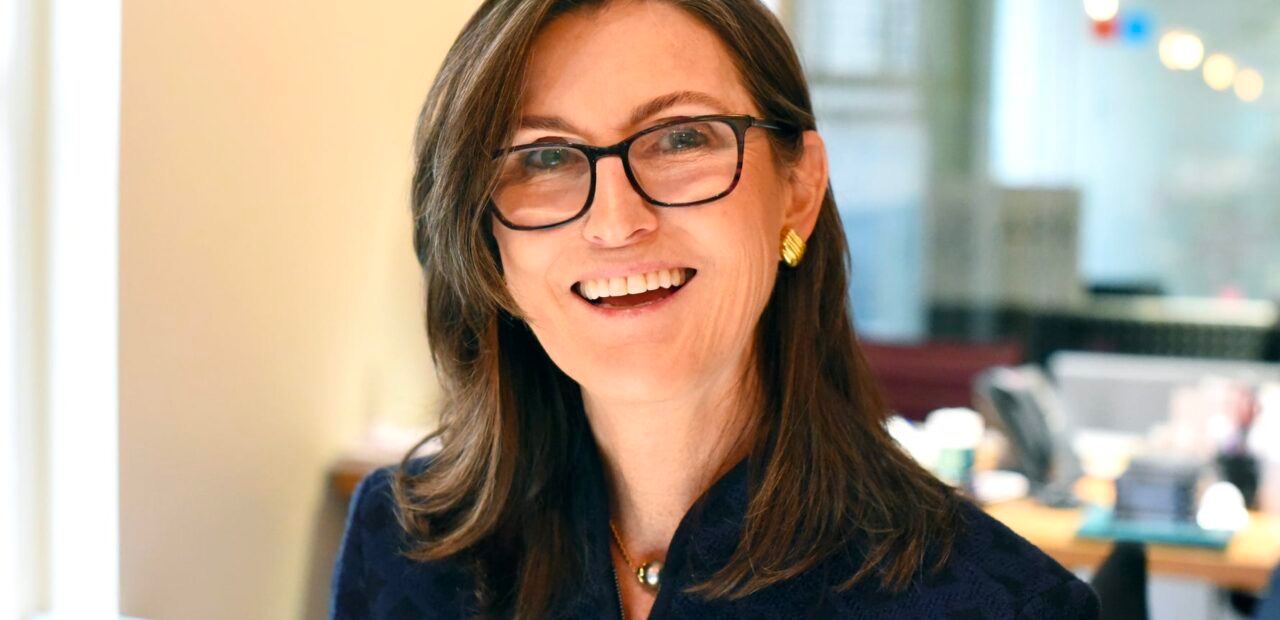
Cathie Wood says Elon Musk will return to ‘green’ Bitcoin, ETF is now more likely.
Ark Investment’s Cathie Wood believes BTC will rally to $500,000 and says the mining sector is increasingly embracing renewable energy.
Cathie Wood says Elon Musk will return to ‘green’ Bitcoin, ETF is now more likely.
The CEO of Ark Investment Management, Cathie Wood, believes the controversial Tesla CEO and Dogecoin proponent, Elon Musk, will again embrace Bitcoin once greater adoption of renewable energy has occurred within the mining sector.
Despite relations between Musk and the Bitcoin community souring, Wood predicted: “Elon will come back and be part of the Bitcoin ecosystem.”
Wood’s comments come on the same day that Ark’s Sam Korus published an update the firm’s “open-source Solar+Battery+Bitcoin mining model” to allow historic testing of the system’s efficacy.
Korus concluded: “The takeaway is that regardless of a Bitcoin bull of bear market, Bitcoin mining can incentivize additional solar and battery installations,” adding:
“The next step is to dimension solar+battery+Bitcoin mining at the household level.”
Musk replied to the post, noting that while such a system could be achieved over time, the recent “extreme” growth in Bitcoin’s hash rate could not have been supported by renewables.
He advocated for the top 10 mining pools by hash rate to post audited breakdowns of their energy sources.
With Wood anticipating renewables will soon represent a larger share of the energy fueling the mining sector, the Ark Invest founder is steadfast in her predictions of $500,000 BTC for the future despite the recent crash that saw prices tumble more than 50% over the course of two weeks.
Wood characterized the markets as having entered a “capitulation phase,” asserting it is “a really great time to buy” despite acknowledging: “You never know how low is low when a market gets very emotional.”
Wood is putting her money where her mouth is too, with Ark Invest accumulating shares in Coinbase while the stock has been trading below its direct listing reference price of $250.
The crypto downturn accelerated with Tesla CEO Elon Musk’s apparent u-turn on Bitcon, with Musk criticizing the environmental impacts of Bitcoin mining.
Wood also believes the heavy market retracement improves the prospects of U.S. regulators approving a Bitcoin exchange-traded fund, or ETF, stating: “The odds are going up now that we have had this correction.”
Ark Investment’s Cathie Wood believes BTC will rally to $500,000 and says the mining sector is increasingly embracing renewable energy.
Cathie Wood says Elon Musk will return to ‘green’ Bitcoin, ETF is now more likely.
The CEO of Ark Investment Management, Cathie Wood, believes the controversial Tesla CEO and Dogecoin proponent, Elon Musk, will again embrace Bitcoin once greater adoption of renewable energy has occurred within the mining sector.
Despite relations between Musk and the Bitcoin community souring, Wood predicted: “Elon will come back and be part of the Bitcoin ecosystem.”
Wood’s comments come on the same day that Ark’s Sam Korus published an update the firm’s “open-source Solar+Battery+Bitcoin mining model” to allow historic testing of the system’s efficacy.
Korus concluded: “The takeaway is that regardless of a Bitcoin bull of bear market, Bitcoin mining can incentivize additional solar and battery installations,” adding:
“The next step is to dimension solar+battery+Bitcoin mining at the household level.”
Musk replied to the post, noting that while such a system could be achieved over time, the recent “extreme” growth in Bitcoin’s hash rate could not have been supported by renewables.
He advocated for the top 10 mining pools by hash rate to post audited breakdowns of their energy sources.
With Wood anticipating renewables will soon represent a larger share of the energy fueling the mining sector, the Ark Invest founder is steadfast in her predictions of $500,000 BTC for the future despite the recent crash that saw prices tumble more than 50% over the course of two weeks.
Wood characterized the markets as having entered a “capitulation phase,” asserting it is “a really great time to buy” despite acknowledging: “You never know how low is low when a market gets very emotional.”
Wood is putting her money where her mouth is too, with Ark Invest accumulating shares in Coinbase while the stock has been trading below its direct listing reference price of $250.
The crypto downturn accelerated with Tesla CEO Elon Musk’s apparent u-turn on Bitcon, with Musk criticizing the environmental impacts of Bitcoin mining.
Wood also believes the heavy market retracement improves the prospects of U.S. regulators approving a Bitcoin exchange-traded fund, or ETF, stating: “The odds are going up now that we have had this correction.”
Chiliz takes to the track with Formula 1 fan tokens.
Socios now counts three racing teams in two leagues on their roster.
Chiliz takes to the track with Formula 1 fan tokens.
The popular ‘fan token’ reward and engagement blockchain Chiliz notched another win yesterday by signing a pair of popular European racing teams.
In a press release on Friday, Socios — a fan token app built on Chiliz — announced that Aston Martin Cognizant and Alfa Romeo Racing were the latest to launch tokens on the platform. Fan tokens have been used to distribute merchandise, create augmented reality marketing campaigns, and in certain instances allow fans to vote on things like team uniforms — a niche asset that has brought in over $150 million in revenues for Socios.
The Formula 1 teams weren’t the only wins for Chiliz this week, as they join NASCAR’s Roush Fenway Racing. The teams are among the first processional motor racing teams to experiment with blockchain technology — part of a growing number of sports and organizations using the tech to better connect with fans.
“Last week, in a single day, we announced five partnerships – from three different sports, across three continents – and now we’ve continued that momentum convincingly,” said Chiliz CEO Alex Dreyfus in a press release. “In the next few years a generation of passive fans will shift into active fans. That transition will take place through transactional fan engagement on our platform.”
While Chiliz has effectively cornered the fan token market, multiple platforms continue to battle over the NFTs, memorabilia, and collectibles space.
While Dapper Labs’ NBA Top Shot currently reigns supreme with nearly half a billion in collectible basketball highlight sales (and has attracted multiple billions in VC investment as of late), though last month prices suffered a “silent crash” amid a market-wide NFT pullback.
However, other chains and platforms are fighting to attract sports licensing as well, such as WAX’s collaboration with the iconic TOPPs baseball trading card company — part of an ongoing battle between NFT platforms over high-value IP.
Socios now counts three racing teams in two leagues on their roster.
Chiliz takes to the track with Formula 1 fan tokens.
The popular ‘fan token’ reward and engagement blockchain Chiliz notched another win yesterday by signing a pair of popular European racing teams.
In a press release on Friday, Socios — a fan token app built on Chiliz — announced that Aston Martin Cognizant and Alfa Romeo Racing were the latest to launch tokens on the platform. Fan tokens have been used to distribute merchandise, create augmented reality marketing campaigns, and in certain instances allow fans to vote on things like team uniforms — a niche asset that has brought in over $150 million in revenues for Socios.
The Formula 1 teams weren’t the only wins for Chiliz this week, as they join NASCAR’s Roush Fenway Racing. The teams are among the first processional motor racing teams to experiment with blockchain technology — part of a growing number of sports and organizations using the tech to better connect with fans.
“Last week, in a single day, we announced five partnerships – from three different sports, across three continents – and now we’ve continued that momentum convincingly,” said Chiliz CEO Alex Dreyfus in a press release. “In the next few years a generation of passive fans will shift into active fans. That transition will take place through transactional fan engagement on our platform.”
While Chiliz has effectively cornered the fan token market, multiple platforms continue to battle over the NFTs, memorabilia, and collectibles space.
While Dapper Labs’ NBA Top Shot currently reigns supreme with nearly half a billion in collectible basketball highlight sales (and has attracted multiple billions in VC investment as of late), though last month prices suffered a “silent crash” amid a market-wide NFT pullback.
However, other chains and platforms are fighting to attract sports licensing as well, such as WAX’s collaboration with the iconic TOPPs baseball trading card company — part of an ongoing battle between NFT platforms over high-value IP.

Mitsubishi, Banking & Telecom Giants Invest USD 62M in DeCurret.
The Japanese crypto exchange DeCurret has received a major boost with leading banks, conglomerates such as Mitsubishi and others participating in USD 62 million funding round for the fast-growing platform.
The Tokyo-based company will use the money to create a new “digital currency” platform and a smartphone, reported Nikkei and TechCrunch Japan.
The package will also see Toshihide Endo, the former head of the country’s top financial and crypto regulator, the Financial Services Agency (FSA), join the company as a special advisor from April. Endo served as the FSA commissioner from 2018 to 2020, during which time the FSA completely revamped its crypto policies in the wake of the devastating Coincheck hack of early 2018.
Endo also serves as an advisor to Sony and Fukoku Mutual Life Insurance.
The funding involved a third-party share allotment deal that was underwritten by its biggest shareholder, the internet service provider Internet Initiative Japan, which provided 30% of the funding.
Joining was a veritable who’s-who of high-level Japanese businesses, including the telecoms giants KDDI and the Nippon Telegraph and Telephone (NTT), as well as the banks Sumitomo Mitsui Banking Corporation, Mitsubishi UFJ Bank and the Japan Post Bank. The security firms Sohgo Security Services (ALSOK) and Secom also took part, as did the monolithic Mitsubishi Corporation. Another investor was SBI Holdings, the SBI Group’s holding company, and the operator of two rival crypto exchanges.
DeCurret did not reveal how much each company had invested, not how many shares had been allotted in each case.
The company did not go into details about its smartphone plans, but explained that it would seek to construct a “two-layer structure digital currency platform” that enables makes use of blockchain technology to create “privately issued digital currencies” and “implement “company-specific smart contracts.”
DeCurret last year formed a new “study group” including many of its new investors, with the group hopeful of creating a platform that the entire Japanese business community will be able to use for digital payments.
The Japanese crypto exchange DeCurret has received a major boost with leading banks, conglomerates such as Mitsubishi and others participating in USD 62 million funding round for the fast-growing platform.
The Tokyo-based company will use the money to create a new “digital currency” platform and a smartphone, reported Nikkei and TechCrunch Japan.
The package will also see Toshihide Endo, the former head of the country’s top financial and crypto regulator, the Financial Services Agency (FSA), join the company as a special advisor from April. Endo served as the FSA commissioner from 2018 to 2020, during which time the FSA completely revamped its crypto policies in the wake of the devastating Coincheck hack of early 2018.
Endo also serves as an advisor to Sony and Fukoku Mutual Life Insurance.
The funding involved a third-party share allotment deal that was underwritten by its biggest shareholder, the internet service provider Internet Initiative Japan, which provided 30% of the funding.
Joining was a veritable who’s-who of high-level Japanese businesses, including the telecoms giants KDDI and the Nippon Telegraph and Telephone (NTT), as well as the banks Sumitomo Mitsui Banking Corporation, Mitsubishi UFJ Bank and the Japan Post Bank. The security firms Sohgo Security Services (ALSOK) and Secom also took part, as did the monolithic Mitsubishi Corporation. Another investor was SBI Holdings, the SBI Group’s holding company, and the operator of two rival crypto exchanges.
DeCurret did not reveal how much each company had invested, not how many shares had been allotted in each case.
The company did not go into details about its smartphone plans, but explained that it would seek to construct a “two-layer structure digital currency platform” that enables makes use of blockchain technology to create “privately issued digital currencies” and “implement “company-specific smart contracts.”
DeCurret last year formed a new “study group” including many of its new investors, with the group hopeful of creating a platform that the entire Japanese business community will be able to use for digital payments.
‘Crypto will cause the next financial crisis’: Precious metals boss.
Metalla Royalty & Streaming CEO Brett Heath has warned that crypto will “lead the charge into the next financial crisis” and questioned the true intrinsic value of Bitcoin.
Brett Heath, CEO of precious metals royalty and streaming company Metalla Royalty & Streaming, has warned that crypto will “lead the charge into the next financial crisis.”
Metalla Royalty & Streaming is a Canadian-based firm founded in 1983 and has a current net worth of almost half a billion dollars. Metalla offers exposure to precious metals through gold and silver royalties and streams.
Speaking to financial news outlet Kitco News on Friday, Heath compared crypto to the tech induced crash of the early 2000s and the 2008 mortgage crisis, noting that:
“When you look back the last few decades and you look at all of the financial crises that happened, you know, they all have a couple of things in common. And one of them is the mass adoption of a new financial product or a new technology that’s not very well understood.”
“If we just rewind to the mortgage crisis of 2008 ... We had the mass adoption of mortgage-backed securities, collateralized debt obligations. And once the public had embraced this, this new financial product, then it crashed. It was a huge problem,” he added.
The CEO described cryptocurrencies as a “license for the private sector to print money” as he questioned the amount of liquidity that has been pumped into the market since the beginning of 2020.
Heath drew a comparison with the United States’ M1 — total liquid money in circulation — noting that since January 2020, the M1 has “increased by four and a half times.” According the Federal Reserve, the M1 went from $4.018 billion in January 2020 to around $18.935 billion as of April 2021. Heath emphasized that:
“That’s an extraordinary increase, and it’s such a short period of time. But if you look at cryptocurrency using the total market cap of cryptocurrency, it’s over tenfold.”
Heath appears to hold concerns over systemic risk from mass investment into an asset class that he feels holds “no intrinsic value,” with the end result being a sell-off similar to the tech crisis of the early 2000s:
“When you have that amount of capital wiped out of digital wallets across the globe, you better believe there’s going to be some significant financial repercussions that are felt,” he said.
The precious metals proponent appears unfazed by predictions of Bitcoin surpassing gold as a store of value. He also questioned the notion that Bitcoin’s max supply of 21 million gives it scarcity or value and pointed to other cryptocurrencies of lesser value that are backed by what he says is better technology:
“What about the other 10,000 cryptocurrency-related tokens and coins that exist today, many of which have better technology, better privacy, and use a ton of a lot less energy?”
“When there’s so much, what’s the value or what’s really that intrinsic value?” he added.
Metalla Royalty & Streaming CEO Brett Heath has warned that crypto will “lead the charge into the next financial crisis” and questioned the true intrinsic value of Bitcoin.
Brett Heath, CEO of precious metals royalty and streaming company Metalla Royalty & Streaming, has warned that crypto will “lead the charge into the next financial crisis.”
Metalla Royalty & Streaming is a Canadian-based firm founded in 1983 and has a current net worth of almost half a billion dollars. Metalla offers exposure to precious metals through gold and silver royalties and streams.
Speaking to financial news outlet Kitco News on Friday, Heath compared crypto to the tech induced crash of the early 2000s and the 2008 mortgage crisis, noting that:
“When you look back the last few decades and you look at all of the financial crises that happened, you know, they all have a couple of things in common. And one of them is the mass adoption of a new financial product or a new technology that’s not very well understood.”
“If we just rewind to the mortgage crisis of 2008 ... We had the mass adoption of mortgage-backed securities, collateralized debt obligations. And once the public had embraced this, this new financial product, then it crashed. It was a huge problem,” he added.
The CEO described cryptocurrencies as a “license for the private sector to print money” as he questioned the amount of liquidity that has been pumped into the market since the beginning of 2020.
Heath drew a comparison with the United States’ M1 — total liquid money in circulation — noting that since January 2020, the M1 has “increased by four and a half times.” According the Federal Reserve, the M1 went from $4.018 billion in January 2020 to around $18.935 billion as of April 2021. Heath emphasized that:
“That’s an extraordinary increase, and it’s such a short period of time. But if you look at cryptocurrency using the total market cap of cryptocurrency, it’s over tenfold.”
Heath appears to hold concerns over systemic risk from mass investment into an asset class that he feels holds “no intrinsic value,” with the end result being a sell-off similar to the tech crisis of the early 2000s:
“When you have that amount of capital wiped out of digital wallets across the globe, you better believe there’s going to be some significant financial repercussions that are felt,” he said.
The precious metals proponent appears unfazed by predictions of Bitcoin surpassing gold as a store of value. He also questioned the notion that Bitcoin’s max supply of 21 million gives it scarcity or value and pointed to other cryptocurrencies of lesser value that are backed by what he says is better technology:
“What about the other 10,000 cryptocurrency-related tokens and coins that exist today, many of which have better technology, better privacy, and use a ton of a lot less energy?”
“When there’s so much, what’s the value or what’s really that intrinsic value?” he added.

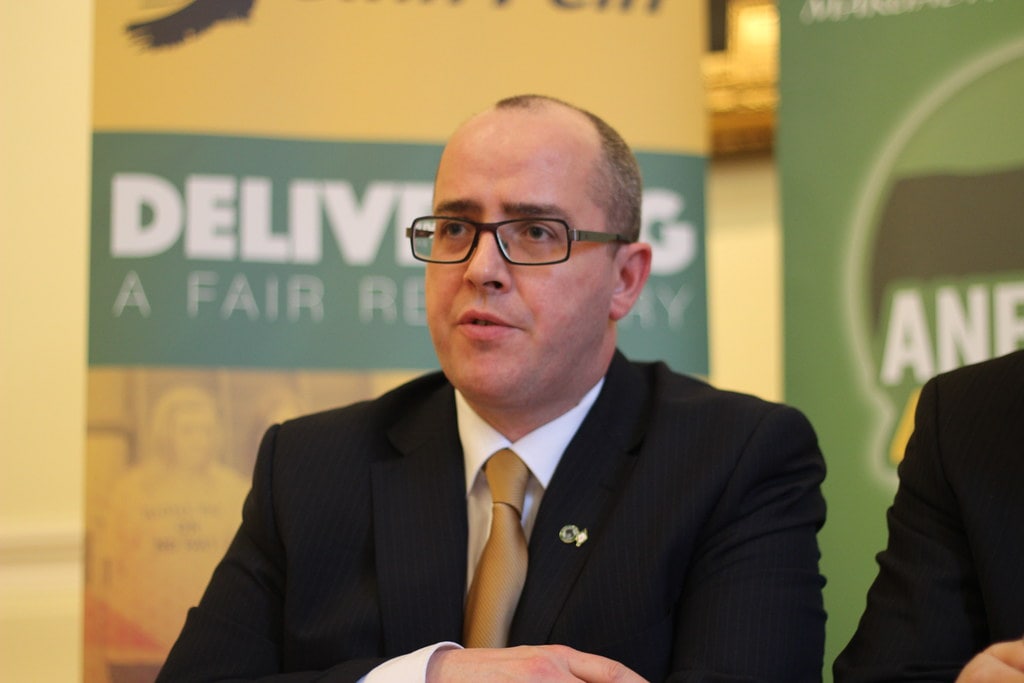
Irish MEP calls for stringent crypto regulations in Europe.
One Irish MEP wants even stricter stablecoin and crypto regulations in Europe.
Chris MacManus, a Member of the European Parliament (MEP) representing Midland Northwest, Ireland, has called for strict crypto regulations in Europe.
According to a report on Wednesday, the MEP from Sinn Féin wants wholesale changes to the European Union’s proposed cryptocurrency changes.
MacManus has submitted 45 amendments to the EU aimed at toughening crypto laws in the region. Detailing his proposed crypto regulations, the Irish MEP stated:
“Under my proposals, all new and existing crypto-assets will require authorisation by a ‘competent authority’ like the Central Bank. Currently, currency founders simply have to deposit a white paper that outlines the cryptos’ purpose and technology, with no scrutiny whatsoever. These white papers, under my amendments, would also require a lot more detail and transparency.”
MacManus is also going after mining and with the MEP stating that state authorities would have to examine the potential environmental impact of crypto activities before granting authorization to any project.
The Irish MEP’s recommendation also includes regulations for stablecoin issuers and virtual asset service providers (VASPs). On stablecoins, MacManus called for issuers to hold sufficient capital to back the value of their tokens in circulation.
Such a provision would mean that stablecoin holders will be able to redeem the value of their “coins” based on the fiat currency backing. For VASPs like exchanges, wallets, and third-party custodians, MacManus wants the EU’s crypto laws to mandate customer protection policies.
According to MacManus, his proposals would help to improve the transparency and security of the crypto market while combating the use of virtual currencies for criminal activities.
Back in May, Derville Rowland, financial conduct director at the Central Bank of Ireland, warned that Bitcoin was of great concern to regulators.
In September 2020, the European Commission published a regulatory proposal titled Markets in Crypto Assets (MiCA) as part of efforts to introduce region-wide cryptocurrency regulations.
MiCA has been the subject of significant debate among industry stakeholders with the International Association for Trusted Blockchain Applications (INATBA) warning that the proposed crypto rules will hamper the development of emerging crypto and blockchain startups.
One Irish MEP wants even stricter stablecoin and crypto regulations in Europe.
Chris MacManus, a Member of the European Parliament (MEP) representing Midland Northwest, Ireland, has called for strict crypto regulations in Europe.
According to a report on Wednesday, the MEP from Sinn Féin wants wholesale changes to the European Union’s proposed cryptocurrency changes.
MacManus has submitted 45 amendments to the EU aimed at toughening crypto laws in the region. Detailing his proposed crypto regulations, the Irish MEP stated:
“Under my proposals, all new and existing crypto-assets will require authorisation by a ‘competent authority’ like the Central Bank. Currently, currency founders simply have to deposit a white paper that outlines the cryptos’ purpose and technology, with no scrutiny whatsoever. These white papers, under my amendments, would also require a lot more detail and transparency.”
MacManus is also going after mining and with the MEP stating that state authorities would have to examine the potential environmental impact of crypto activities before granting authorization to any project.
The Irish MEP’s recommendation also includes regulations for stablecoin issuers and virtual asset service providers (VASPs). On stablecoins, MacManus called for issuers to hold sufficient capital to back the value of their tokens in circulation.
Such a provision would mean that stablecoin holders will be able to redeem the value of their “coins” based on the fiat currency backing. For VASPs like exchanges, wallets, and third-party custodians, MacManus wants the EU’s crypto laws to mandate customer protection policies.
According to MacManus, his proposals would help to improve the transparency and security of the crypto market while combating the use of virtual currencies for criminal activities.
Back in May, Derville Rowland, financial conduct director at the Central Bank of Ireland, warned that Bitcoin was of great concern to regulators.
In September 2020, the European Commission published a regulatory proposal titled Markets in Crypto Assets (MiCA) as part of efforts to introduce region-wide cryptocurrency regulations.
MiCA has been the subject of significant debate among industry stakeholders with the International Association for Trusted Blockchain Applications (INATBA) warning that the proposed crypto rules will hamper the development of emerging crypto and blockchain startups.
US Congressman expresses importance of crypto wallet privacy.
Cynthia Lummis and Warren Davidson speak on Bitcoin's importance and personal privacy during an interview at Bitcoin 2021 in Miami.
At the bustling Bitcoin 2021 conference in Miami, Congressman Warren Davidson, alongside United States Senator Cynthia Lummis, sat down to field interview questions. The interview took a turn toward privacy, with Davidson responding with comments on crypto wallets.
“At the end of the year, if you think about it, Secretary Mnuchin was talking about banning private wallets,” Davidson said, responding to a question about the possibility of over-regulation in crypto. “That’s a horrible approach,” he added. “If we don’t protect private wallets, someone is going to try to ban them.”
As Davidson mentioned, December 2020 saw the U.S. Treasury suggest strict overwatch on self-custodied digital asset wallets, with certain specifics, such as calling for more information from users transacting with wallets held away from crypto exchanges.
“I wish the country would take the threat to privacy as seriously as they take the threat to the second amendment,” he said. The second amendment of the U.S. Constitution gives citizens gun ownership rights.
Taking her turn at a response, Lummis noted the importance of teaching U.S. government folks on Bitcoin. “We’re trying to create a financial innovation caucus so we can use it to educate members of the U.S. Senate and their staffs about Bitcoin, its advantages, and why it is just such a fabulous asset to dovetail with the U.S. dollar,” she said. “It can be the underlying network, worldwide, to keep the dollar the global reserve currency, but still allow people to transact in a very freedom-loving way,” she said, adding:
“Whether you’re in Venezuela, where the inflation is outrageous and you’re trying to get your wealth out of the country, you can get it out through Bitcoin. And, the United States, if we get to the point where we’re experiencing the kind of inflation we’ve begun to see this year, we may want that alternative as well.”
In recent years, Venezuela has seen soaring levels of inflation amid a broad economic decline that was partially tied to the oil-price collapse of 2014.
The Bitcoin 2021 conference in Miami thus far has hosted significant action in terms of speakers and discussions. The event will continue for a second day on Saturday.
Cynthia Lummis and Warren Davidson speak on Bitcoin's importance and personal privacy during an interview at Bitcoin 2021 in Miami.
At the bustling Bitcoin 2021 conference in Miami, Congressman Warren Davidson, alongside United States Senator Cynthia Lummis, sat down to field interview questions. The interview took a turn toward privacy, with Davidson responding with comments on crypto wallets.
“At the end of the year, if you think about it, Secretary Mnuchin was talking about banning private wallets,” Davidson said, responding to a question about the possibility of over-regulation in crypto. “That’s a horrible approach,” he added. “If we don’t protect private wallets, someone is going to try to ban them.”
As Davidson mentioned, December 2020 saw the U.S. Treasury suggest strict overwatch on self-custodied digital asset wallets, with certain specifics, such as calling for more information from users transacting with wallets held away from crypto exchanges.
“I wish the country would take the threat to privacy as seriously as they take the threat to the second amendment,” he said. The second amendment of the U.S. Constitution gives citizens gun ownership rights.
Taking her turn at a response, Lummis noted the importance of teaching U.S. government folks on Bitcoin. “We’re trying to create a financial innovation caucus so we can use it to educate members of the U.S. Senate and their staffs about Bitcoin, its advantages, and why it is just such a fabulous asset to dovetail with the U.S. dollar,” she said. “It can be the underlying network, worldwide, to keep the dollar the global reserve currency, but still allow people to transact in a very freedom-loving way,” she said, adding:
“Whether you’re in Venezuela, where the inflation is outrageous and you’re trying to get your wealth out of the country, you can get it out through Bitcoin. And, the United States, if we get to the point where we’re experiencing the kind of inflation we’ve begun to see this year, we may want that alternative as well.”
In recent years, Venezuela has seen soaring levels of inflation amid a broad economic decline that was partially tied to the oil-price collapse of 2014.
The Bitcoin 2021 conference in Miami thus far has hosted significant action in terms of speakers and discussions. The event will continue for a second day on Saturday.
Bitcoin part of highest risk category in Basel's new bank capital plan.
The Basel Committee on Banking Supervision proposed tough requirements for banks that want to hold cryptocurrencies like Bitcoin.
The Basel Committee on Banking Supervision (BCBS), a global committee of banking supervisors and central banks, has proposed new requirements for banks that want to hold cryptocurrencies like Bitcoin (BTC).
In a consultation paper published Thursday, the committee provided preliminary proposals for the prudential treatment of crypto exposure by banks.
The paper built on the contents of the committee’s 2019 discussion paper and responses received from various stakeholders and international industry figures.
Crypto’s perceived volatility and potential for illicit use led the BCBS to recommend a 1,250% risk weight to Bitcoin. This essentially means that banks must hold one dollar in capital for each dollar worth of exposure it has to Bitcoin.
According to the paper, this would ensure that there is sufficient capital to absorb a full write-off of crypto asset exposures “without exposing depositors and other senior creditors of the banks to a loss.”
The BCBS proposed to split crypto assets into two broad categories: those eligible for treatment under the Basel Framework with some modifications; and assets like Bitcoin (BTC), which are subject to the new conservative prudential treatment.
The first category would include tokenized traditional assets as well as “crypto assets with effective stabilization mechanisms,” i.e. stablecoins.
The second group includes Bitcoin and other assets that “fail to meet any of the classification conditions” like applying a stabilization mechanism.
The BCBS noted that a high risk weight of 1,250% will lead to a “conservative outcome” for direct exposures of crypto assets. Regarding crypto derivatives, however, “care should be taken in defining what the ‘value’ is in the formula to ensure the outcome is similarly conservative,” the committee noted.
The Basel Committee on Banking Supervision proposed tough requirements for banks that want to hold cryptocurrencies like Bitcoin.
The Basel Committee on Banking Supervision (BCBS), a global committee of banking supervisors and central banks, has proposed new requirements for banks that want to hold cryptocurrencies like Bitcoin (BTC).
In a consultation paper published Thursday, the committee provided preliminary proposals for the prudential treatment of crypto exposure by banks.
The paper built on the contents of the committee’s 2019 discussion paper and responses received from various stakeholders and international industry figures.
Crypto’s perceived volatility and potential for illicit use led the BCBS to recommend a 1,250% risk weight to Bitcoin. This essentially means that banks must hold one dollar in capital for each dollar worth of exposure it has to Bitcoin.
According to the paper, this would ensure that there is sufficient capital to absorb a full write-off of crypto asset exposures “without exposing depositors and other senior creditors of the banks to a loss.”
The BCBS proposed to split crypto assets into two broad categories: those eligible for treatment under the Basel Framework with some modifications; and assets like Bitcoin (BTC), which are subject to the new conservative prudential treatment.
The first category would include tokenized traditional assets as well as “crypto assets with effective stabilization mechanisms,” i.e. stablecoins.
The second group includes Bitcoin and other assets that “fail to meet any of the classification conditions” like applying a stabilization mechanism.
The BCBS noted that a high risk weight of 1,250% will lead to a “conservative outcome” for direct exposures of crypto assets. Regarding crypto derivatives, however, “care should be taken in defining what the ‘value’ is in the formula to ensure the outcome is similarly conservative,” the committee noted.

🥁Hello Crypto enthusiasts🥁
Be among the first Swene liquidity providers to get the liquidity pool tokens at the best price and lock your liquidity forever to get the best yield!💎
🚀 PARTICIPATE NOW 🚀
The Step 1 ends on the 16/06/2021 or until the marketcap reaches $100K.
🚨What is a Liquidity Generation Event & how it works:
The Liquidity Generation Event (LGE) is designed to provide liquidity to our tokens: Swene (SWN) and Stable (STABLE) on the 2 largest AMMs: PancakeSwap V3 & Uniswap V3.
🔖Read the full Medium article
with the explanation of the Liquidity Generation Event.
💥Join our Telegram community!
Swene upcoming products:
SweneSwap - A crosschain AMM.
SweneYield - A yield aggregator.
SweneApp - An all-in-one fintech app.
STABLE - A stable coin pegged to the top five FIAT currencies.
🔗 Links:
LGE: https://event.swene.io
Website: https://swene.io
Blog: https://blog.swene.io
Announcements: https://t.me/sweneapp
Telegram: https://t.me/swenetalks
Be among the first Swene liquidity providers to get the liquidity pool tokens at the best price and lock your liquidity forever to get the best yield!💎
🚀 PARTICIPATE NOW 🚀
The Step 1 ends on the 16/06/2021 or until the marketcap reaches $100K.
🚨What is a Liquidity Generation Event & how it works:
The Liquidity Generation Event (LGE) is designed to provide liquidity to our tokens: Swene (SWN) and Stable (STABLE) on the 2 largest AMMs: PancakeSwap V3 & Uniswap V3.
🔖Read the full Medium article
with the explanation of the Liquidity Generation Event.
💥Join our Telegram community!
Swene upcoming products:
SweneSwap - A crosschain AMM.
SweneYield - A yield aggregator.
SweneApp - An all-in-one fintech app.
STABLE - A stable coin pegged to the top five FIAT currencies.
🔗 Links:
LGE: https://event.swene.io
Website: https://swene.io
Blog: https://blog.swene.io
Announcements: https://t.me/sweneapp
Telegram: https://t.me/swenetalks
Thai SEC bans exchanges from handling certain token types including NFTs.
Local exchanges now have until July 11 to update their rules for listing tokens in order to be in compliance with SEC guidelines.
Thailand’s Securities and Exchange Commission has approved guidelines prohibiting crypto exchanges in the country from supporting four different types of tokens in certain cases.
In a Friday announcement from the Thai SEC, the regulatory body said that Secretary-General Ruenvadee Suwanmongkol had approved crypto exchange guidelines, Notification 18/2564 on “Rules, Conditions and Procedures for Undertaking Digital Asset Business,” on Wednesday to go into effect. The new rules ban Thai exchanges from handling meme-based tokens, fan-based tokens, nonfungible tokens (NFTs) and exchange-issued tokens.
Source: Thai Securities and Exchange Commission
For tokens issued by exchanges, the SEC said that any cryptocurrencies had to precisely conform to the descriptions in their respective white papers as well as any existing guidelines for digital assets. If exchanges cannot meet these conditions, the regulatory body said they would have to delist the token. According to the SEC, Thai exchanges have 30 days to update their rules for listing tokens to be in compliance with the new guidelines.
This change in policy would purportedly affect tokens including Dogecoin (DOGE), a meme-based cryptocurrency whose price has risen significantly since last year, as well as Bitkub Coin (KUB), the native token of the local crypto exchange of the same name.
Thailand’s Securities and Exchange Commission has issued a number of guidelines and statements for individual traders and crypto firms this year, sometimes with harsh backlash from the public. The regulatory body proposed a 1 million baht — roughly $32,000 — minimum annual income requirement for crypto investment in Thailand, and officials have hinted that investors should be required to attend a cryptocurrency trading training course or pass a test to prove their knowledge.
The Southeast Asian country has had a complicated relationship with crypto for years. In February, Thailand’s tourism board focused on targeting Japanese crypto holders, seemingly in an effort to revive the industry during the pandemic (many nationalities are unable to enter the country without quarantining.) However, the government has also proposed stricter Know Your Customer requirements in the country, requiring exchanges to physically scan chips embedded in Thai citizen ID cards.
Local exchanges now have until July 11 to update their rules for listing tokens in order to be in compliance with SEC guidelines.
Thailand’s Securities and Exchange Commission has approved guidelines prohibiting crypto exchanges in the country from supporting four different types of tokens in certain cases.
In a Friday announcement from the Thai SEC, the regulatory body said that Secretary-General Ruenvadee Suwanmongkol had approved crypto exchange guidelines, Notification 18/2564 on “Rules, Conditions and Procedures for Undertaking Digital Asset Business,” on Wednesday to go into effect. The new rules ban Thai exchanges from handling meme-based tokens, fan-based tokens, nonfungible tokens (NFTs) and exchange-issued tokens.
Source: Thai Securities and Exchange Commission
For tokens issued by exchanges, the SEC said that any cryptocurrencies had to precisely conform to the descriptions in their respective white papers as well as any existing guidelines for digital assets. If exchanges cannot meet these conditions, the regulatory body said they would have to delist the token. According to the SEC, Thai exchanges have 30 days to update their rules for listing tokens to be in compliance with the new guidelines.
This change in policy would purportedly affect tokens including Dogecoin (DOGE), a meme-based cryptocurrency whose price has risen significantly since last year, as well as Bitkub Coin (KUB), the native token of the local crypto exchange of the same name.
Thailand’s Securities and Exchange Commission has issued a number of guidelines and statements for individual traders and crypto firms this year, sometimes with harsh backlash from the public. The regulatory body proposed a 1 million baht — roughly $32,000 — minimum annual income requirement for crypto investment in Thailand, and officials have hinted that investors should be required to attend a cryptocurrency trading training course or pass a test to prove their knowledge.
The Southeast Asian country has had a complicated relationship with crypto for years. In February, Thailand’s tourism board focused on targeting Japanese crypto holders, seemingly in an effort to revive the industry during the pandemic (many nationalities are unable to enter the country without quarantining.) However, the government has also proposed stricter Know Your Customer requirements in the country, requiring exchanges to physically scan chips embedded in Thai citizen ID cards.
Shiba Inu and Chiliz jump 33% and 26% on Coinbase Pro listings.
Memes and fan tokens were the order of the day after a Coinbase Pro listing sent SHIB and CHZ to significant gains.
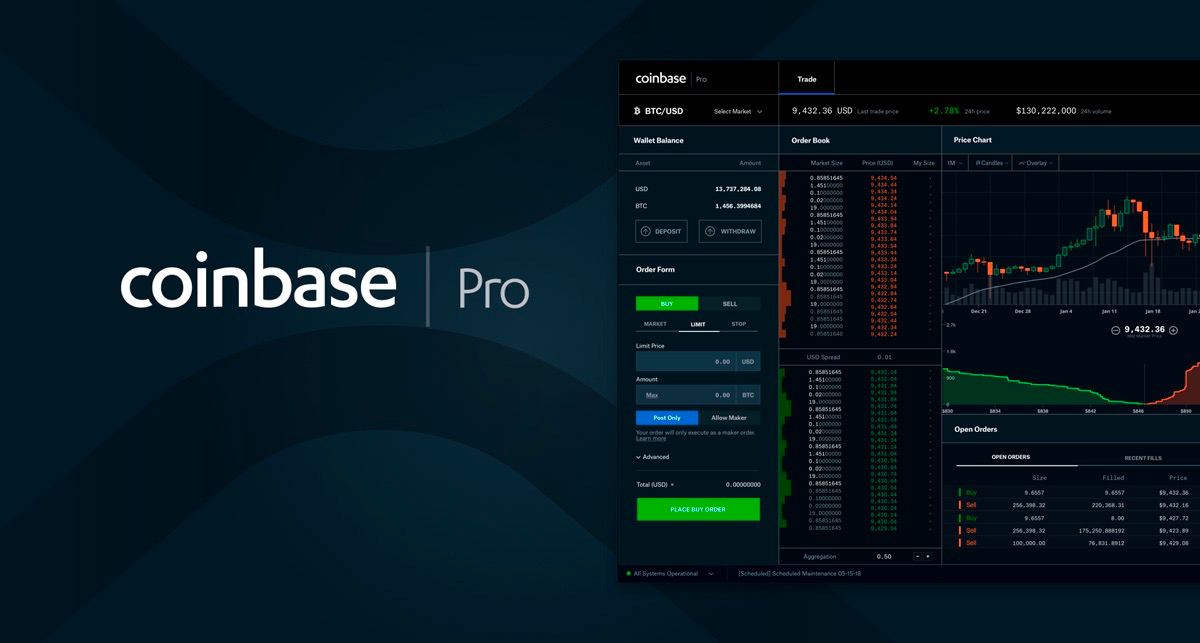
The token prices of Shiba Inu (SHIB) and Chiliz (CHZ) jumped 33% and 26% respectively on Wednesday, following the announcement of the pair’s listing on Coinbase Pro.
Inbound transfers for Shiba Inu and Chiliz were announced alongside Keep Network (KEEP) by Coinbase Pro on Tuesday, June 15. Trading is set to begin on Thursday, June 17, assuming liquidity conditions are met. The trading pairs will launch in three phases: post-only, limit-only and full trading.
Shiba Inu burst onto the scene in late April, seemingly as a bi-product of the attention brought on meme cryptocurrency Dogecoin (DOGE) by Tesla CEO Elon Musk. The token’s imagery features a meme version of the Shiba Inu dog breed, similar to Dogecoin. The token’s dollar valuation, while still well in the sub-cent range, increased by over 2,000,000% in the runup to its recent peak in early May, when it was listed for trading on Binance and other exchanges.
The SHIB valuation climbed from $0.000007002 to $0.000009331 in the hour or so following the Coinbase announcement, and had retained most of its gains one day on, standing as the top gainer among the market capitalization top 100 on Wednesday.
Chiliz followed close behind after its coin price increased from $0.2773 to $0.3495 leading into Wednesday morning, following a sustained 26% surge. Chiliz is the token behind the Socios.com fan token platform which enables the purchase of branded tokens associated with major sports clubs and organizations. Chiliz has recently facilitated the launch of fan tokens in partnership with FC Barcelona, Manchester City and a host of major European football clubs.
The other token lined up for trading on Coinbase, Keep Network, experienced a brief 26% surge as its valuation climbed from $0.49 to $0.62 in the wake of the exchange’s announcement. By the time of publication, it had given up some of its gains on the way back to the $0.56 range.
Keep Network focuses on providing storage for private data on public blockchains. The Keep Network platform comprises off-chain containers for private data which are only accessible via the Ethereum-based KEEP token. The project recently added compatibility for Bitcoin (BTC) users with tBTC — a fully backed ERC-20 version of Bitcoin.
Memes and fan tokens were the order of the day after a Coinbase Pro listing sent SHIB and CHZ to significant gains.
The token prices of Shiba Inu (SHIB) and Chiliz (CHZ) jumped 33% and 26% respectively on Wednesday, following the announcement of the pair’s listing on Coinbase Pro.
Inbound transfers for Shiba Inu and Chiliz were announced alongside Keep Network (KEEP) by Coinbase Pro on Tuesday, June 15. Trading is set to begin on Thursday, June 17, assuming liquidity conditions are met. The trading pairs will launch in three phases: post-only, limit-only and full trading.
Shiba Inu burst onto the scene in late April, seemingly as a bi-product of the attention brought on meme cryptocurrency Dogecoin (DOGE) by Tesla CEO Elon Musk. The token’s imagery features a meme version of the Shiba Inu dog breed, similar to Dogecoin. The token’s dollar valuation, while still well in the sub-cent range, increased by over 2,000,000% in the runup to its recent peak in early May, when it was listed for trading on Binance and other exchanges.
The SHIB valuation climbed from $0.000007002 to $0.000009331 in the hour or so following the Coinbase announcement, and had retained most of its gains one day on, standing as the top gainer among the market capitalization top 100 on Wednesday.
Chiliz followed close behind after its coin price increased from $0.2773 to $0.3495 leading into Wednesday morning, following a sustained 26% surge. Chiliz is the token behind the Socios.com fan token platform which enables the purchase of branded tokens associated with major sports clubs and organizations. Chiliz has recently facilitated the launch of fan tokens in partnership with FC Barcelona, Manchester City and a host of major European football clubs.
The other token lined up for trading on Coinbase, Keep Network, experienced a brief 26% surge as its valuation climbed from $0.49 to $0.62 in the wake of the exchange’s announcement. By the time of publication, it had given up some of its gains on the way back to the $0.56 range.
Keep Network focuses on providing storage for private data on public blockchains. The Keep Network platform comprises off-chain containers for private data which are only accessible via the Ethereum-based KEEP token. The project recently added compatibility for Bitcoin (BTC) users with tBTC — a fully backed ERC-20 version of Bitcoin.
Banque de France tests digital currency-based securities settlement.
The Bank of France has completed a central bank digital currency pilot for securities transactions in collaboration with Swiss crypto bank SEBA.
The central bank of France — Banque de France — is continuing its work on the development of a European central bank digital currency (CBDC).
On Monday the bank officially announced the successful completion of a CBDC experiment with major Switzerland-based cryptocurrency bank SEBA.
Conducted in collaboration with SEBA, Banque Internationale à Luxembourg, and Luxembourg central securities depository LuxCSD, the experiment used a CBDC to simulate the settlement and delivery of listed securities on TARGET2-Securities (T25), a European securities settlement engine.
SEBA purchased securities from Banque Internationale à Luxembourg, with post-trade settlement managed by LuxCSD.
Nathalie Aufauvre, general director of financial stability and operations at Banque de France, said that the latest CBDC test demonstrated the possibilities for conventional finance systems and distributed systems to interact. “It also paves the way for other alliances in order to benefit from the opportunities offered by financial assets in a blockchain environment,” Aufauvre said.
The bank noted that the new CBDC test is part of an experimental CBDC program launched in March 2020, that aims to test CBDC integration for settlements. The program’s other experiments will continue until mid-2021 as Banque de France, in addition to other central banks in Europe, tests the viability of CBDCs.
The Bank of France has completed a central bank digital currency pilot for securities transactions in collaboration with Swiss crypto bank SEBA.
The central bank of France — Banque de France — is continuing its work on the development of a European central bank digital currency (CBDC).
On Monday the bank officially announced the successful completion of a CBDC experiment with major Switzerland-based cryptocurrency bank SEBA.
Conducted in collaboration with SEBA, Banque Internationale à Luxembourg, and Luxembourg central securities depository LuxCSD, the experiment used a CBDC to simulate the settlement and delivery of listed securities on TARGET2-Securities (T25), a European securities settlement engine.
SEBA purchased securities from Banque Internationale à Luxembourg, with post-trade settlement managed by LuxCSD.
Nathalie Aufauvre, general director of financial stability and operations at Banque de France, said that the latest CBDC test demonstrated the possibilities for conventional finance systems and distributed systems to interact. “It also paves the way for other alliances in order to benefit from the opportunities offered by financial assets in a blockchain environment,” Aufauvre said.
The bank noted that the new CBDC test is part of an experimental CBDC program launched in March 2020, that aims to test CBDC integration for settlements. The program’s other experiments will continue until mid-2021 as Banque de France, in addition to other central banks in Europe, tests the viability of CBDCs.
Elon Musk agrees to speak with Twitter CEO Jack Dorsey at Bitcoin event.
Dorsey offered to let Musk share all his curiosities about crypto and otherwise at the July 21 event.
Tesla CEO and Dogecoin enthusiast Elon Musk may be speaking at an event aimed at educating institutional investors on Bitcoin.
In a Twitter discussion with Jack Dorsey overnight, Musk agreed to speak at The ₿ Word, a July 21 virtual event hosted by the Crypto Council for Innovation and featuring major players in the crypto space.
“As more companies and institutions get into the mix, we all want to help protect and spread what makes bitcoin open development so perfect,” said Dorsey. “This day is focused on education and actions to do just that.”
Musk responded to Dorsey with a sexual innuendo — he has seemingly never been shy about sharing such material — before agreeing to virtually sit down with him and discuss Bitcoin at the event.
Featured speakers at the event include Dorsey; Wood; Blockstream founder Adam Back; Michael Morell, former acting and deputy director of the United States Central Intelligence Agency; and John Newbery, director of Brink — a nonprofit focused on supporting Bitcoin (BTC) development. The organizers have said the event is intended to “destigmatize mainstream narratives about Bitcoin.”
In March, Musk made waves in the crypto space — and may have largely contributed to a BTC price surge — when he announced Tesla had added $1.5 billion worth of Bitcoin to its balance sheet and would start to accept the crypto asset as a form of payment for the electric vehicles. However, in May the Tesla CEO posted a tweet highlighting his concerns about Bitcoin’s energy usage and saying the company would no longer consider Bitcoin payments.
It’s unclear what effect a discussion with Dorsey or other major crypto players may have on Bitcoin policy at Tesla or for Musk personally. The Tesla CEO said earlier this month he would reconsider adding Bitcoin transactions at the firm “when there’s confirmation of reasonable (~50%) clean energy usage by miners with positive future trend.”
At the time of publication, the price of Bitcoin $32,805, having fallen 3.5% in the last 24 hours.
Dorsey offered to let Musk share all his curiosities about crypto and otherwise at the July 21 event.
Tesla CEO and Dogecoin enthusiast Elon Musk may be speaking at an event aimed at educating institutional investors on Bitcoin.
In a Twitter discussion with Jack Dorsey overnight, Musk agreed to speak at The ₿ Word, a July 21 virtual event hosted by the Crypto Council for Innovation and featuring major players in the crypto space.
“As more companies and institutions get into the mix, we all want to help protect and spread what makes bitcoin open development so perfect,” said Dorsey. “This day is focused on education and actions to do just that.”
Musk responded to Dorsey with a sexual innuendo — he has seemingly never been shy about sharing such material — before agreeing to virtually sit down with him and discuss Bitcoin at the event.
Featured speakers at the event include Dorsey; Wood; Blockstream founder Adam Back; Michael Morell, former acting and deputy director of the United States Central Intelligence Agency; and John Newbery, director of Brink — a nonprofit focused on supporting Bitcoin (BTC) development. The organizers have said the event is intended to “destigmatize mainstream narratives about Bitcoin.”
In March, Musk made waves in the crypto space — and may have largely contributed to a BTC price surge — when he announced Tesla had added $1.5 billion worth of Bitcoin to its balance sheet and would start to accept the crypto asset as a form of payment for the electric vehicles. However, in May the Tesla CEO posted a tweet highlighting his concerns about Bitcoin’s energy usage and saying the company would no longer consider Bitcoin payments.
It’s unclear what effect a discussion with Dorsey or other major crypto players may have on Bitcoin policy at Tesla or for Musk personally. The Tesla CEO said earlier this month he would reconsider adding Bitcoin transactions at the firm “when there’s confirmation of reasonable (~50%) clean energy usage by miners with positive future trend.”
At the time of publication, the price of Bitcoin $32,805, having fallen 3.5% in the last 24 hours.
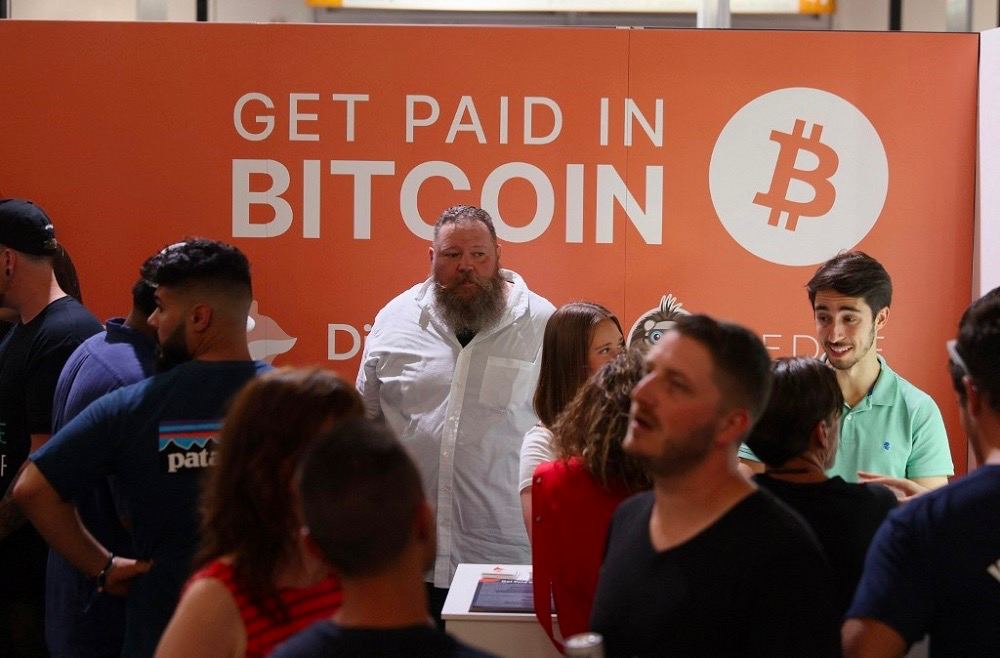
While the crypto market is sagging these days, it's time to find new method of earning money.
If you want to know big profit coin signal early then don't forget to join LikeThatCoin channel🚀
- I recommend you to follow this channel !
- The signals have 95% accuracy
- They are limited to members
- This link is only open for 24 hours
👇👇👇
https://t.me/likethatcoin
If you want to know big profit coin signal early then don't forget to join LikeThatCoin channel🚀
- I recommend you to follow this channel !
- The signals have 95% accuracy
- They are limited to members
- This link is only open for 24 hours
👇👇👇
https://t.me/likethatcoin
Telegram
LikeThatCoin
💎 LikeThatCoin Signal Group 💎
Our crypto signals earn 2 to 15x profit. 💵💵💵💵💵 2 Signals per month. Always free, no premium. Follow our signals for massive gains. 💪👀
Official Website:
www.likethatcoin.com
Our crypto signals earn 2 to 15x profit. 💵💵💵💵💵 2 Signals per month. Always free, no premium. Follow our signals for massive gains. 💪👀
Official Website:
www.likethatcoin.com