
Proof-of-Disagreement: Bitcoin's Work vs. Ethereum's Planned Staking.
In the never-ending battle between Bitcoin (BTC) and Ethereum (ETH), one of the biggest bones of contention is which consensus mechanism is best: proof-of-work (PoW) or proof-of-stake (PoS). This particular tussle has emerged amid Ethereum’s planned transition to PoS, and it’s gained fresh impetus in the light of recent efforts to accelerate the move.
While the Ethereum developers have decided that PoS is the best way forward for Ethereum, the question remains as to whether it might offer advantages to Bitcoin, which, as a store of value, has different aims.
Opinion is very much divided on this within the wider crypto community, with some believing that proof-of-work is ideal for Bitcoin, helping it to achieve greater stability and security. On the other hand, others contend that proof-of-stake offers similar levels of security while also providing more simplicity and scalability, and not to mention less of an environmental impact.
Different purposes
For some diehard Bitcoiners, the PoW vs. PoS debate isn’t even worth addressing. One BTC developer told that he isn’t the right person to comment for the purposes of this article, adding, “I don’t use shitcoins.”
However, less partisan commentators are willing to acknowledge that proof-of-work and proof-of-stake each have their own strengths and weaknesses, although many add that PoW is generally better for Bitcoin than PoS.
“While PoW is certainly a more time-tested model for securing and minting new coins on blockchains like Bitcoin, it requires huge amounts of energy, which some would even consider a feature. PoS, on the other hand, isn't’ as energy-intensive and is better at scaling blockchains,” said Mike Colyer, the CEO at crypto-mining finance company Foundry.
On the flipside, Colyer added that PoS is “theoretically more prone to centralization and has the inherent security issue of using the native tokens of a blockchain to decide the future of those tokens or the blockchain.”
Even people on the Ethereum side of the debate acknowledge that proof-of-work has its strengths, and has certainly provided the crypto industry with a strong foundation.
“One of the strongest advantages of proof of work is that it has worked as the chassis for cryptographic security for over 10 years, and now secures a trillion in value. It is technically and economically complex, which plays a role in attracting specialized mining companies to the work of maintaining the network,” said Lex Sokolin, the global fintech co-head at Ethereum-focused major blockchain company ConsenSys.
This diplomacy aside, Sokolin also affirms that PoS offers various advantages, while still providing many of the key properties of PoW.
Sokolin went on to explain that PoS is ideal for a network such as Ethereum, which is aiming to provide the digital infrastructure for a future decentralized/crypto-based financial system.
In the never-ending battle between Bitcoin (BTC) and Ethereum (ETH), one of the biggest bones of contention is which consensus mechanism is best: proof-of-work (PoW) or proof-of-stake (PoS). This particular tussle has emerged amid Ethereum’s planned transition to PoS, and it’s gained fresh impetus in the light of recent efforts to accelerate the move.
While the Ethereum developers have decided that PoS is the best way forward for Ethereum, the question remains as to whether it might offer advantages to Bitcoin, which, as a store of value, has different aims.
Opinion is very much divided on this within the wider crypto community, with some believing that proof-of-work is ideal for Bitcoin, helping it to achieve greater stability and security. On the other hand, others contend that proof-of-stake offers similar levels of security while also providing more simplicity and scalability, and not to mention less of an environmental impact.
Different purposes
For some diehard Bitcoiners, the PoW vs. PoS debate isn’t even worth addressing. One BTC developer told that he isn’t the right person to comment for the purposes of this article, adding, “I don’t use shitcoins.”
However, less partisan commentators are willing to acknowledge that proof-of-work and proof-of-stake each have their own strengths and weaknesses, although many add that PoW is generally better for Bitcoin than PoS.
“While PoW is certainly a more time-tested model for securing and minting new coins on blockchains like Bitcoin, it requires huge amounts of energy, which some would even consider a feature. PoS, on the other hand, isn't’ as energy-intensive and is better at scaling blockchains,” said Mike Colyer, the CEO at crypto-mining finance company Foundry.
On the flipside, Colyer added that PoS is “theoretically more prone to centralization and has the inherent security issue of using the native tokens of a blockchain to decide the future of those tokens or the blockchain.”
Even people on the Ethereum side of the debate acknowledge that proof-of-work has its strengths, and has certainly provided the crypto industry with a strong foundation.
“One of the strongest advantages of proof of work is that it has worked as the chassis for cryptographic security for over 10 years, and now secures a trillion in value. It is technically and economically complex, which plays a role in attracting specialized mining companies to the work of maintaining the network,” said Lex Sokolin, the global fintech co-head at Ethereum-focused major blockchain company ConsenSys.
This diplomacy aside, Sokolin also affirms that PoS offers various advantages, while still providing many of the key properties of PoW.
Sokolin went on to explain that PoS is ideal for a network such as Ethereum, which is aiming to provide the digital infrastructure for a future decentralized/crypto-based financial system.

✨DISCIPLINA is a project from the golden age of crypto, made by a relatively anonymous team✨
🤓It stores verified personal profiles based on academic and professional achievements. It is backed by Cardano founders, who invested in the project.
👉DISCIPLINA's blockchain is quite compact, just like Mina's. It also has a testnet and a Mac wallet.
🔅NFT's implementation is planned to validate the authenticity of platform's content and courses.
➕Pros:➕
✅ Great technology with its own blockchain, not another Ethereum-based token
✅ Strong team
✅ Backed and supported by Cardano founder
✅ Traction in China
✅ Launchpad IDO, sweet profit and BSC is expected - just the way we like it
🚀It’s gonna be a GEM!🚀
🤓It stores verified personal profiles based on academic and professional achievements. It is backed by Cardano founders, who invested in the project.
👉DISCIPLINA's blockchain is quite compact, just like Mina's. It also has a testnet and a Mac wallet.
🔅NFT's implementation is planned to validate the authenticity of platform's content and courses.
➕Pros:➕
✅ Great technology with its own blockchain, not another Ethereum-based token
✅ Strong team
✅ Backed and supported by Cardano founder
✅ Traction in China
✅ Launchpad IDO, sweet profit and BSC is expected - just the way we like it
🚀It’s gonna be a GEM!🚀
Bitcoin, Ethereum and Altcoins Lose Steam, Correct Lower.
Bitcoin price struggled to clear the USD 58,000 resistance zone. As a result, BTC reacted to the downside and traded below the USD 57,000 support. It is currently (12:00 PM UTC) showing signs of more losses and it could drop below USD 56,000.
Similarly, most major altcoins are declining. ETH is down over 5% and it even broke the USD 2,000 level. XRP/USD topped near USD 1.100 and corrected over 12%.
Bitcoin price
After losing momentum above USD 58,000, bitcoin price started another decline. BTC traded below the USD 57,200 and USD 57,000 support levels. The next major support is near the USD 55,500 level, below which there is a risk of a sharp decline in the coming sessions towards USD 52,000.
On the upside, an immediate resistance is near the USD 57,000 level. The main resistance is now forming near the USD 57,000 and USD 57,200 levels.
Ethereum price
Ethereum price failed to clear the USD 2,120 resistance zone, resulting in a bearish reaction. ETH broke the USD 2,075 and USD 2,050 support levels. The price even broke the USD 2,000 level and it may possibly test the USD 1,920 support zone.
On the upside, the price might face resistance near USD 2,050. The main resistance is still near the USD 2,120 level, followed by USD 2,150. |
BNB, ADA, litecoin, and XRP price
Binance Coin (BNB) topped near USD 415 and it started a major decline. BNB dropped below the USD 385 and USD 380 support levels. It is now approaching the USD 350 support zone. Any more losses could lead the price towards the USD 332 level. On the upside, the price could struggle near USD 380 and USD 382.
Cardano (ADA) trimmed all gains and it traded below the USD 1.200 support level. ADA even broke USD 1.165 and it is now trading near USD 1.150. Any more losses might call for a move toward the USD 1.050 level. On the upside, the bulls might struggle again near USD 1.200.
Litecoin (LTC) failed near USD 245 and it started a fresh decline. LTC traded below the USD 225 support and it is now approaching USD 212. The next key support is at USD 205. The main support is near the USD 200 level (the last key breakout zone).
XRP price spiked above USD 1.10 and recently started a downside correction. It traded below the USD 1.02 and USD 1.00 support levels. If there are more losses, the bears are likely to aim for a test of the USD 0.925 level. Conversely, there might be a fresh increase above the USD 1.02 level.
Bitcoin price struggled to clear the USD 58,000 resistance zone. As a result, BTC reacted to the downside and traded below the USD 57,000 support. It is currently (12:00 PM UTC) showing signs of more losses and it could drop below USD 56,000.
Similarly, most major altcoins are declining. ETH is down over 5% and it even broke the USD 2,000 level. XRP/USD topped near USD 1.100 and corrected over 12%.
Bitcoin price
After losing momentum above USD 58,000, bitcoin price started another decline. BTC traded below the USD 57,200 and USD 57,000 support levels. The next major support is near the USD 55,500 level, below which there is a risk of a sharp decline in the coming sessions towards USD 52,000.
On the upside, an immediate resistance is near the USD 57,000 level. The main resistance is now forming near the USD 57,000 and USD 57,200 levels.
Ethereum price
Ethereum price failed to clear the USD 2,120 resistance zone, resulting in a bearish reaction. ETH broke the USD 2,075 and USD 2,050 support levels. The price even broke the USD 2,000 level and it may possibly test the USD 1,920 support zone.
On the upside, the price might face resistance near USD 2,050. The main resistance is still near the USD 2,120 level, followed by USD 2,150. |
BNB, ADA, litecoin, and XRP price
Binance Coin (BNB) topped near USD 415 and it started a major decline. BNB dropped below the USD 385 and USD 380 support levels. It is now approaching the USD 350 support zone. Any more losses could lead the price towards the USD 332 level. On the upside, the price could struggle near USD 380 and USD 382.
Cardano (ADA) trimmed all gains and it traded below the USD 1.200 support level. ADA even broke USD 1.165 and it is now trading near USD 1.150. Any more losses might call for a move toward the USD 1.050 level. On the upside, the bulls might struggle again near USD 1.200.
Litecoin (LTC) failed near USD 245 and it started a fresh decline. LTC traded below the USD 225 support and it is now approaching USD 212. The next key support is at USD 205. The main support is near the USD 200 level (the last key breakout zone).
XRP price spiked above USD 1.10 and recently started a downside correction. It traded below the USD 1.02 and USD 1.00 support levels. If there are more losses, the bears are likely to aim for a test of the USD 0.925 level. Conversely, there might be a fresh increase above the USD 1.02 level.
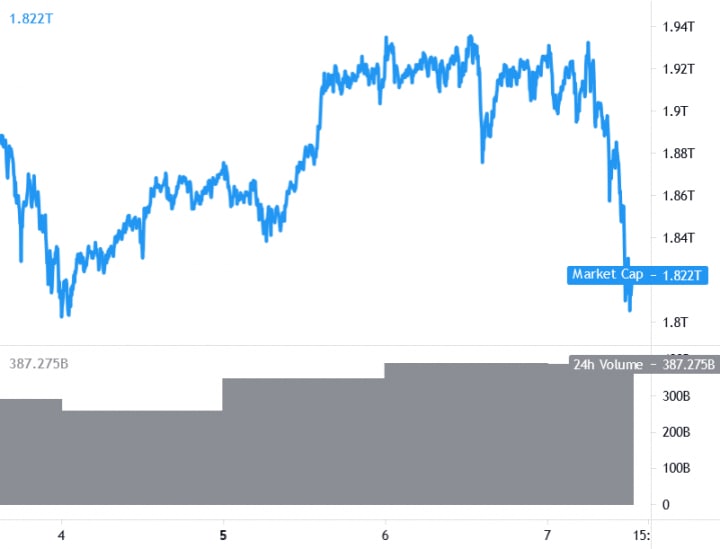
Settlement Is Most Likely Outcome in Ripple vs. SEC Case - Attorney.
While XRP has muscled its way back into the top-four cryptoassets by market capitalization as Ripple scored an important victory in the court, the legal battle with the US Securities and Exchange Commission (SEC) is far from over and most likely will end with a settlement, per an attorney.
According to Andrew Hinkes, attorney at Carlton Fields and adjunct professor at NYU School of Law and NYU Stern School of Business, Ripple’s ability to win discovery, leaving the SEC to serve up “disputed documents” on bitcoin and ether to the blockchain startup, was “significant.”
“Ripple will receive previously undisclosed materials providing insight into the SEC's view of bitcoin and ethereum, both of which to date have not been considered to be securities. Ripple has argued that it is entitled to see those materials to understand why the SEC views Ripple's conduct to violate the securities laws but why they do not consider the conduct associated with bitcoin and ethereum to have violated those same laws. The information should be informative, especially as to Ethereum, which, like Ripple, sold tokens to distribute its assets at inception,” said Hinkes.
While Ripple chief Brad Garlinghouse, who is named as a defendant in the lawsuit alongside Executive Chairman Chris Larsen and Ripple Labs, was seemingly empowered by the legal nod, he is not out of the woods yet.
“Ripple has vast financial resources and has hired an exceptional legal team, including several former high-ranking SEC officials. Unlike many large projects that have been sued by the SEC, they appear to have the resources to take the case to a judgment and appeal,” stressed Hinkes.
One of those officials is Mary Jo White, former chair of the SEC. Also, at the end of 2019, Ripple attracted USD 200m to its coffers in venture capital, with a valuation of USD 10bn attached.
However, per Hinkes, it's far too early to handicap their case.
“To date the SEC's interpretation and application of the securities laws to offerings and sales of digital assets has been supported by courts in virtually every instance,” he said.
The most likely outcome, according to the attorney, will be a negotiated settlement.
“It’s the most common outcome in high-stakes litigation,” he said.
As reported in February, counsels for the SEC, Ripple, and two of its executives said back then they "do not believe there is a prospect for settlement at this time." "Defendants agree with the statement, but note that previous settlement discussions took place under a previous administration and were principally with relevant division directors who have since left the SEC," Ripple and its executives added back then.
Messaging app Kik also fought a similar battle with the SEC, one that cost the company USD 5m, not to mention legal fees.
In either case, while there are still many twists and turns that will likely play out during the litigation, one thing that is clear that there is a lot at stake, and not just for Ripple.
“If the case is litigated to a judgment and the judgment is appealed, the appeal will go to the judges of the US Court of Appeals for the 2nd Circuit. The rulings on legal issues from the 2nd Circuit would be the first binding law specifically focused on the application of the securities laws to token issuances. The entire industry is watching this case,” said Hinkes.
While XRP has muscled its way back into the top-four cryptoassets by market capitalization as Ripple scored an important victory in the court, the legal battle with the US Securities and Exchange Commission (SEC) is far from over and most likely will end with a settlement, per an attorney.
According to Andrew Hinkes, attorney at Carlton Fields and adjunct professor at NYU School of Law and NYU Stern School of Business, Ripple’s ability to win discovery, leaving the SEC to serve up “disputed documents” on bitcoin and ether to the blockchain startup, was “significant.”
“Ripple will receive previously undisclosed materials providing insight into the SEC's view of bitcoin and ethereum, both of which to date have not been considered to be securities. Ripple has argued that it is entitled to see those materials to understand why the SEC views Ripple's conduct to violate the securities laws but why they do not consider the conduct associated with bitcoin and ethereum to have violated those same laws. The information should be informative, especially as to Ethereum, which, like Ripple, sold tokens to distribute its assets at inception,” said Hinkes.
While Ripple chief Brad Garlinghouse, who is named as a defendant in the lawsuit alongside Executive Chairman Chris Larsen and Ripple Labs, was seemingly empowered by the legal nod, he is not out of the woods yet.
“Ripple has vast financial resources and has hired an exceptional legal team, including several former high-ranking SEC officials. Unlike many large projects that have been sued by the SEC, they appear to have the resources to take the case to a judgment and appeal,” stressed Hinkes.
One of those officials is Mary Jo White, former chair of the SEC. Also, at the end of 2019, Ripple attracted USD 200m to its coffers in venture capital, with a valuation of USD 10bn attached.
However, per Hinkes, it's far too early to handicap their case.
“To date the SEC's interpretation and application of the securities laws to offerings and sales of digital assets has been supported by courts in virtually every instance,” he said.
The most likely outcome, according to the attorney, will be a negotiated settlement.
“It’s the most common outcome in high-stakes litigation,” he said.
As reported in February, counsels for the SEC, Ripple, and two of its executives said back then they "do not believe there is a prospect for settlement at this time." "Defendants agree with the statement, but note that previous settlement discussions took place under a previous administration and were principally with relevant division directors who have since left the SEC," Ripple and its executives added back then.
Messaging app Kik also fought a similar battle with the SEC, one that cost the company USD 5m, not to mention legal fees.
In either case, while there are still many twists and turns that will likely play out during the litigation, one thing that is clear that there is a lot at stake, and not just for Ripple.
“If the case is litigated to a judgment and the judgment is appealed, the appeal will go to the judges of the US Court of Appeals for the 2nd Circuit. The rulings on legal issues from the 2nd Circuit would be the first binding law specifically focused on the application of the securities laws to token issuances. The entire industry is watching this case,” said Hinkes.

Bitcoin Spikes Above USD 61K, Ethereum Hits New ATH.
The crypto market started this weekend in green, with the most popular cryptocurrency, bitcoin (BTC), jumping above USD 61,000 for the first time in almost a month, while the dominant smart contract platform, ethereum (ETH), reached its new all-time high (ATH) against USD.
BTC trades at USD 60,511, correcting lower from 61,206, reached earlier today. The price is up by almost 5% in a day and more than 2% in a week.
At the same time, ETH is up by 4.5% in a day, trading at USD 2,165, after it hit USD 2,198, or its new ATH (per Coingecko) today. The price is up by 1.5% in a week.
The crypto market started this weekend in green, with the most popular cryptocurrency, bitcoin (BTC), jumping above USD 61,000 for the first time in almost a month, while the dominant smart contract platform, ethereum (ETH), reached its new all-time high (ATH) against USD.
BTC trades at USD 60,511, correcting lower from 61,206, reached earlier today. The price is up by almost 5% in a day and more than 2% in a week.
At the same time, ETH is up by 4.5% in a day, trading at USD 2,165, after it hit USD 2,198, or its new ATH (per Coingecko) today. The price is up by 1.5% in a week.

Luno Hits the 7M Users Milestone, 'On Track' to 1B by 2030.
London-headquartered crypto platform Luno said it reached 7m customers worldwide, adding a million in less than two months, with the business growing exponentially as the interest in cryptoassets grows.
Per the company, in January 2021, they recorded a 60% increase in the number of app installs compared to December. Compared to January 2020, they saw over 300% growth year-on-year.
"In 2021, we expect to continue this exponential growth, on track to reaching our goal of 1 billion customers by 2030," Marcus Swanepoel, CEO and Co-Founder of Luno, was quoted as saying in an announcement.
In September 2020, as reported, Luno was acquired by US-based major crypto company Digital Currency Group (DCG), following an initial investment in Luno back in 2014. Since the acquisition, the number of active Luno users has increased by 167%, and the number of app installs has increased by 119%.
As of January 25, the average Luno user held over USD 7,000 in their wallet, which is up 56% from December 30, 2020.
"Luno’s expansion is telling of the bigger-picture market demand for cryptocurrencies globally," the company said, "as the industry continues to prove its reputation as building a sustainable financial infrastructure."
While infrastructure in certain parts of the world could not previously support the crypto market, this has improved "substantially," Luno said, and they themselves worked on these developments, particularly in major African economies and Asia-Pacific. In 2020, the platform provided 4.7m Africans and 1.1m Asians access to the crypto markets, they claimed, growing its African customer base by 2.3m and its Asian customer base by 300,000.
Luno has offices in London, South Africa, Malaysia, Indonesia, Nigeria, and Singapore, and customers in 40 countries. They said they've seen over 10% growth in staff numbers since March 2020.
London-headquartered crypto platform Luno said it reached 7m customers worldwide, adding a million in less than two months, with the business growing exponentially as the interest in cryptoassets grows.
Per the company, in January 2021, they recorded a 60% increase in the number of app installs compared to December. Compared to January 2020, they saw over 300% growth year-on-year.
"In 2021, we expect to continue this exponential growth, on track to reaching our goal of 1 billion customers by 2030," Marcus Swanepoel, CEO and Co-Founder of Luno, was quoted as saying in an announcement.
In September 2020, as reported, Luno was acquired by US-based major crypto company Digital Currency Group (DCG), following an initial investment in Luno back in 2014. Since the acquisition, the number of active Luno users has increased by 167%, and the number of app installs has increased by 119%.
As of January 25, the average Luno user held over USD 7,000 in their wallet, which is up 56% from December 30, 2020.
"Luno’s expansion is telling of the bigger-picture market demand for cryptocurrencies globally," the company said, "as the industry continues to prove its reputation as building a sustainable financial infrastructure."
While infrastructure in certain parts of the world could not previously support the crypto market, this has improved "substantially," Luno said, and they themselves worked on these developments, particularly in major African economies and Asia-Pacific. In 2020, the platform provided 4.7m Africans and 1.1m Asians access to the crypto markets, they claimed, growing its African customer base by 2.3m and its Asian customer base by 300,000.
Luno has offices in London, South Africa, Malaysia, Indonesia, Nigeria, and Singapore, and customers in 40 countries. They said they've seen over 10% growth in staff numbers since March 2020.
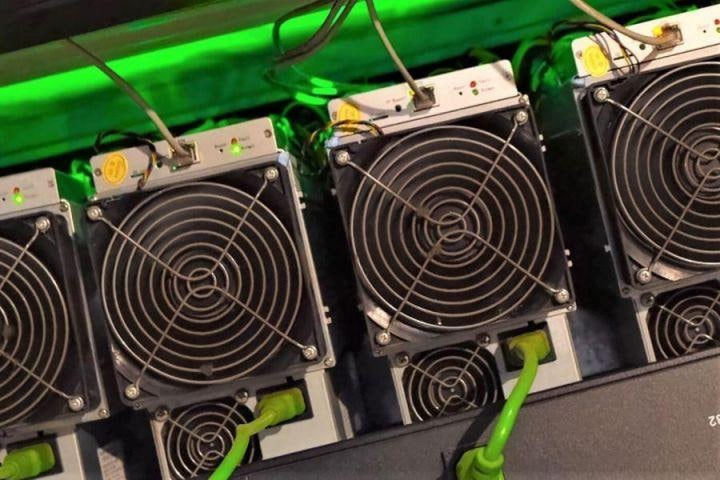
Bitcoin Hashrate Drops After China Coal Mine Explosion; Difficulty at ATH.
A coal mine explosion in Xinjiang, an autonomous region of China, may have led to a Bitcoin (BTC) hashrate drop at a time when Bitcoin mining difficulty went for a new all-time high.
Primitive Ventures co-founder Dovey Wan said that there was a coal mine explosion in northwest China's Xinjiang region which led to a "major" power outage. Per Wan, results of this incident included all data centres being shut down and an instant drop in Bitcoin hashrate, the computational power of the network.
Per Reuters' report from April 11, twenty-one miners were trapped in a flooded coalmine. A section of the mine filled with water, leading to power outages. Per an April 14 CCTV report, as well as Bloomberg's report yesterday, the rescuers were still working on saving the trapped miners, as well as draining the floodwater.
Per Wan, the "coal mine explosion is considered top level security incident leads to central authority’s scrutiny on individual mining operations and related local government agencies. Hence the cut off is under going amidst the central authority’s on-site inspections."
The current Bitcoin hashrate at 169 EH/s, down from 208.5 EH/s recorded late on April 15 - an 18.65% drop. It's still not as low as 143.2 EH/s seen just a day prior, on Wednesday.
Meanwhile, just yesterday, bitcoin mining difficulty, or the measure of how hard it is to compete for mining rewards, hit a new ATH as well. The difficulty went up 1.92%, reaching 23.58 T.
A coal mine explosion in Xinjiang, an autonomous region of China, may have led to a Bitcoin (BTC) hashrate drop at a time when Bitcoin mining difficulty went for a new all-time high.
Primitive Ventures co-founder Dovey Wan said that there was a coal mine explosion in northwest China's Xinjiang region which led to a "major" power outage. Per Wan, results of this incident included all data centres being shut down and an instant drop in Bitcoin hashrate, the computational power of the network.
Per Reuters' report from April 11, twenty-one miners were trapped in a flooded coalmine. A section of the mine filled with water, leading to power outages. Per an April 14 CCTV report, as well as Bloomberg's report yesterday, the rescuers were still working on saving the trapped miners, as well as draining the floodwater.
Per Wan, the "coal mine explosion is considered top level security incident leads to central authority’s scrutiny on individual mining operations and related local government agencies. Hence the cut off is under going amidst the central authority’s on-site inspections."
The current Bitcoin hashrate at 169 EH/s, down from 208.5 EH/s recorded late on April 15 - an 18.65% drop. It's still not as low as 143.2 EH/s seen just a day prior, on Wednesday.
Meanwhile, just yesterday, bitcoin mining difficulty, or the measure of how hard it is to compete for mining rewards, hit a new ATH as well. The difficulty went up 1.92%, reaching 23.58 T.
‘Alarm’ Rings as Crypto Trading Outpaces Stock Market in South Korea.
South Korean crypto trading volumes have outperformed stock market activity for the first time in the nation’s history, with crypto trading gathering pace at a rate some find “alarming.”
Media outlets such as Yonhap and Segye Ilbo, as well as Kyunghyang Shinmun reported that on April 15, crypto trading volume figures peaked at USD 21.5bn per day.
The combined daily total for the stock market – the KOSDAQ market plus the sum of the South Korean securities markets and South Korean traders’ activities on overseas markets – reached USD 18.8bn on average in March. April figures are not yet available.
The media outlets stated that the USD 21.5bn total had been calculated using CoinMarketCap data from 14 domestic exchanges that support fiat KRW-crypto pairings.
Stock market trading has also boomed during the pandemic, with the benchmark KOSPI’s volatility index (VKOSPI), known as the “fear index,” falling to its lowest level since the end of January 2020.
Segye Ilbo reported that the market has been buoyed by big overseas stock buys on the KOSPI, particularly in the field of semiconductors, with overseas investors keen to tap into South Korea’s large chipset market.
However, it appears that many – including some industry insiders – still feel the crypto market is being allowed to swell without appropriate guidance from the government.
Yonhap quoted Lee Jong-gu, a former member of the regulatory Financial Services Commission, and the current chairman of the Korea Blockchain Association’s self-regulatory committee, as stating,
“Even though millions of South Korean crypto investors conduct transactions of volumes worth tens of billions of dollars a day, we still have no consistent and unified regulation on cryptoassets.”
South Korean crypto trading volumes have outperformed stock market activity for the first time in the nation’s history, with crypto trading gathering pace at a rate some find “alarming.”
Media outlets such as Yonhap and Segye Ilbo, as well as Kyunghyang Shinmun reported that on April 15, crypto trading volume figures peaked at USD 21.5bn per day.
The combined daily total for the stock market – the KOSDAQ market plus the sum of the South Korean securities markets and South Korean traders’ activities on overseas markets – reached USD 18.8bn on average in March. April figures are not yet available.
The media outlets stated that the USD 21.5bn total had been calculated using CoinMarketCap data from 14 domestic exchanges that support fiat KRW-crypto pairings.
Stock market trading has also boomed during the pandemic, with the benchmark KOSPI’s volatility index (VKOSPI), known as the “fear index,” falling to its lowest level since the end of January 2020.
Segye Ilbo reported that the market has been buoyed by big overseas stock buys on the KOSPI, particularly in the field of semiconductors, with overseas investors keen to tap into South Korea’s large chipset market.
However, it appears that many – including some industry insiders – still feel the crypto market is being allowed to swell without appropriate guidance from the government.
Yonhap quoted Lee Jong-gu, a former member of the regulatory Financial Services Commission, and the current chairman of the Korea Blockchain Association’s self-regulatory committee, as stating,
“Even though millions of South Korean crypto investors conduct transactions of volumes worth tens of billions of dollars a day, we still have no consistent and unified regulation on cryptoassets.”

Ethereum Hits New ATH, Altcoins Gain, Bitcoin Still Consolidates.
Bitcoin price started recovering above the USD 54,000 level. BTC traded above the USD 55,000 and it is currently (13:05 UTC) showing positive signs. However, it is likely to face resistance near USD 56,500.
Besides, most major altcoins are rising steadily. ETH is outperforming, with a strong move above the USD 2,500 level. XRP/USD is stable above the USD 1.300 level and it might rise towards USD 1.35.
Bitcoin price
There was no major downside break in bitcoin price below USD 54,000. BTC started an upward move and it climbed above the USD 55,000 level. On the upside, the bulls are facing a major resistance near the USD 55,500 level. If there is an upside break above USD 55,500, the price could visit the USD 56,500 resistance zone.
On the downside, the USD 54,400 level is a short-term support. The key breakdown support is now forming near the USD 54,000 level.
Ethereum price
Ethereum price rallied over 10% and it broke the USD 2,500 level. ETH/USD traded to a new all-time high above USD 2,570 and it seems like there are chances of more upsides. A clear break above USD 2,600 could accelerate gains in the near term.
If there is a downside correction, the price might find bids near USD 2,520 and USD 2,500. The next key support is near USD 2,450, where the bulls might take a stand.
BNB, ADA, DOGE, and XRP price
Binance Coin (BNB) is now trading above USD 550. BNB is testing USD 565 and it might continue higher towards the USD 580 level. Any more gains could open the doors for a surge above the USD 600 resistance zone.
Cardano (ADA) is gaining pace and it is now trading above USD 1.220. If ADA clears the USD 1.245 level, it could rise towards the USD 1.285 resistance. The main resistance stands near the USD 1.300 level. Conversely, the bears might take control if there is a close below USD 1.200.
Dogecoin (DOGE) is down over 10% and it declined below the USD 0.300 level. It broke the USD 0.280 support and any more losses could lead the price towards the USD 0.20 level.
XRP price is showing a few positive signs above the USD 1.300 support zone. On the upside, the USD 1.332 level is a short-term resistance. The first key resistance is near USD 1.350, above which the price could surge towards the USD 1.40 level. On the downside, the USD 1.280 level might provide strong support.
Bitcoin price started recovering above the USD 54,000 level. BTC traded above the USD 55,000 and it is currently (13:05 UTC) showing positive signs. However, it is likely to face resistance near USD 56,500.
Besides, most major altcoins are rising steadily. ETH is outperforming, with a strong move above the USD 2,500 level. XRP/USD is stable above the USD 1.300 level and it might rise towards USD 1.35.
Bitcoin price
There was no major downside break in bitcoin price below USD 54,000. BTC started an upward move and it climbed above the USD 55,000 level. On the upside, the bulls are facing a major resistance near the USD 55,500 level. If there is an upside break above USD 55,500, the price could visit the USD 56,500 resistance zone.
On the downside, the USD 54,400 level is a short-term support. The key breakdown support is now forming near the USD 54,000 level.
Ethereum price
Ethereum price rallied over 10% and it broke the USD 2,500 level. ETH/USD traded to a new all-time high above USD 2,570 and it seems like there are chances of more upsides. A clear break above USD 2,600 could accelerate gains in the near term.
If there is a downside correction, the price might find bids near USD 2,520 and USD 2,500. The next key support is near USD 2,450, where the bulls might take a stand.
BNB, ADA, DOGE, and XRP price
Binance Coin (BNB) is now trading above USD 550. BNB is testing USD 565 and it might continue higher towards the USD 580 level. Any more gains could open the doors for a surge above the USD 600 resistance zone.
Cardano (ADA) is gaining pace and it is now trading above USD 1.220. If ADA clears the USD 1.245 level, it could rise towards the USD 1.285 resistance. The main resistance stands near the USD 1.300 level. Conversely, the bears might take control if there is a close below USD 1.200.
Dogecoin (DOGE) is down over 10% and it declined below the USD 0.300 level. It broke the USD 0.280 support and any more losses could lead the price towards the USD 0.20 level.
XRP price is showing a few positive signs above the USD 1.300 support zone. On the upside, the USD 1.332 level is a short-term resistance. The first key resistance is near USD 1.350, above which the price could surge towards the USD 1.40 level. On the downside, the USD 1.280 level might provide strong support.
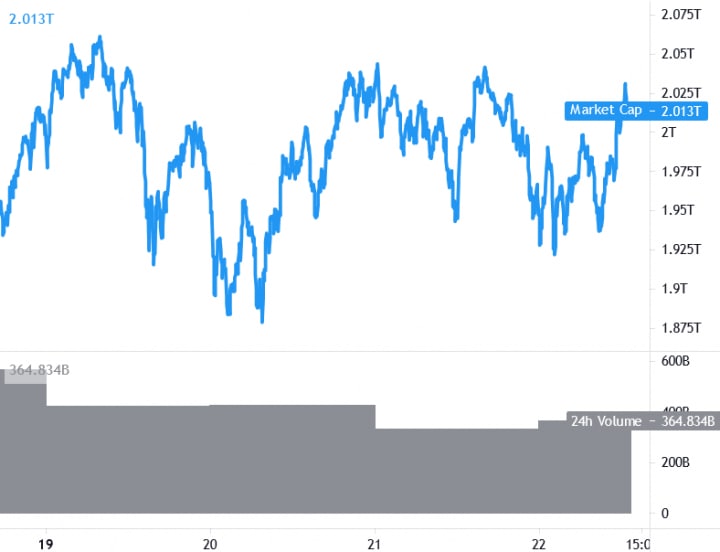
UK Banks Getting Tough on Bitcoin, But AML Rules Are The Real Problem.
NatWest, the UK retail bank, has announced it will not engage with business customers who accept payment in bitcoin or other cryptocurrencies. It follows recent announcements from HSBC that it won’t allow transfers from digital wallets and won’t enable customers to buy shares in companies associated with cryptocurrencies, such as Coinbase or MicroStrategy.
The feeling from both banks is that cryptocurrencies are high risk and therefore justify a cautious approach, though they note that their stance could change if and when regulation evolves.
Interestingly, this is not a view shared by institutions across the Atlantic. Both Morgan Stanley and Goldman Sachs are now offering their wealth management clients the opportunity to invest in bitcoin. Indeed, the initial uptake has been strong, with Morgan Stanley alone drawing in nearly USD 30m of investment in two weeks.
Why the caution?
The cautious approach of NatWest and HSBC stems from the 2012 recommendations of the Financial Action Task Force, a G7 initiative geared towards defeating money laundering. These recommendations mandate each member state to implement measures requiring their banks to scrutinize customers’ transactions for the purposes of money laundering and terrorist financing.
Under recommendation one, the anti-money laundering (AML) framework is to be applied on the basis of perceived risk. In other words, if a transaction or business activity is perceived to be more risky than usual, it needs closer scrutiny by the bank to ensure compliance with the framework.
This increases the strain on bank resources to verify that a transaction or business activity is safe to continue, but they also face large fines for non-compliance where there are deficiencies in their implementation of the framework or if things go wrong.
NatWest and HSBC are no strangers to being under the spotlight for compliance issues. HSBC was fined USD 1.9bn by US authorities in 2012, while NatWest faces charges over significant compliance breaches in the UK. While these charges relate to traditional money-laundering compliance breaches, perhaps it goes some way to explaining the caution of the two banks.
NatWest, the UK retail bank, has announced it will not engage with business customers who accept payment in bitcoin or other cryptocurrencies. It follows recent announcements from HSBC that it won’t allow transfers from digital wallets and won’t enable customers to buy shares in companies associated with cryptocurrencies, such as Coinbase or MicroStrategy.
The feeling from both banks is that cryptocurrencies are high risk and therefore justify a cautious approach, though they note that their stance could change if and when regulation evolves.
Interestingly, this is not a view shared by institutions across the Atlantic. Both Morgan Stanley and Goldman Sachs are now offering their wealth management clients the opportunity to invest in bitcoin. Indeed, the initial uptake has been strong, with Morgan Stanley alone drawing in nearly USD 30m of investment in two weeks.
Why the caution?
The cautious approach of NatWest and HSBC stems from the 2012 recommendations of the Financial Action Task Force, a G7 initiative geared towards defeating money laundering. These recommendations mandate each member state to implement measures requiring their banks to scrutinize customers’ transactions for the purposes of money laundering and terrorist financing.
Under recommendation one, the anti-money laundering (AML) framework is to be applied on the basis of perceived risk. In other words, if a transaction or business activity is perceived to be more risky than usual, it needs closer scrutiny by the bank to ensure compliance with the framework.
This increases the strain on bank resources to verify that a transaction or business activity is safe to continue, but they also face large fines for non-compliance where there are deficiencies in their implementation of the framework or if things go wrong.
NatWest and HSBC are no strangers to being under the spotlight for compliance issues. HSBC was fined USD 1.9bn by US authorities in 2012, while NatWest faces charges over significant compliance breaches in the UK. While these charges relate to traditional money-laundering compliance breaches, perhaps it goes some way to explaining the caution of the two banks.
This media is not supported in your browser
VIEW IN TELEGRAM
🔥HAPI @hapiHF will be one of the main partners of The BIGGEST Solana Hackathon YET. With Dona Mara as one of the main judges 🔥
🎉This incredible news mean that HAPI will be one of the invited guests on Solana Hackathon with Dyma Budorin and Dona Mara as main judges.
👉Further solidifying and consolidating our relationships with Solana
----------------------------------------------------
💰 TOTAL PRIZE POOL (Including grants): 1 000 000$
🟥 And special Prize from the Dona himself: 25 000$
✈️ GLOBAL PARTICIPATION: Yes. Hackathon will take place online
🗓 DATE: 15 May - 7 June 2021 (3 weeks in total)
-----------------------------------------------------
🔸What is Hackathon Solana Season?
The basic principles of Solana Hackathon are development of Solana ecosystem via facilitation of ideas and technological advancements on Solana blockchain.
------------------------------------------------------
📓 To know more about The Biggest Solana Hackathon yet visit solana.com/hackathon
🎉This incredible news mean that HAPI will be one of the invited guests on Solana Hackathon with Dyma Budorin and Dona Mara as main judges.
👉Further solidifying and consolidating our relationships with Solana
----------------------------------------------------
💰 TOTAL PRIZE POOL (Including grants): 1 000 000$
🟥 And special Prize from the Dona himself: 25 000$
✈️ GLOBAL PARTICIPATION: Yes. Hackathon will take place online
🗓 DATE: 15 May - 7 June 2021 (3 weeks in total)
-----------------------------------------------------
🔸What is Hackathon Solana Season?
The basic principles of Solana Hackathon are development of Solana ecosystem via facilitation of ideas and technological advancements on Solana blockchain.
------------------------------------------------------
📓 To know more about The Biggest Solana Hackathon yet visit solana.com/hackathon
5 Ways Visa Wants to Work with Crypto and CBDCs.
The Visa CEO Al Kelly has outlined five different opportunities his company sees for payments firms in the “crypto and bitcoin (BTC)” space – as well as the world of stablecoins and central bank-issued tokens.
Here are the “five opportunities” Visa claims it has identified:
Allowing users to buy crypto.
Visa wants to make it easier for end-users to buy BTC and altcoins with its cards. Kelly said Visa was also “working hard with wallets and exchanges” to “make sure we’re facilitating acceptance of people's ability to use their Visa cards to buy” crypto. This could involve incentivizing the use of Visa cards for crypto purchases on certain platforms.
Creating new fiat off-ramps.
Visa wants to help people to spend their crypto – using its cards, of course. Kelly spoke of partnerships with payment gateways like BitPay and the goal of “converting a digital currency to a fiat on a Visa credential, which then makes that those funds available for shopping” at Visa-accepting merchants’ outlets.
Providing crypto options for financial partners.
Using its crypto APIs, Visa wants to make it possible for companies like neobanks and commercial banks to have a “crypto option” for their customers – so that they can do business in “digital currencies” without having to develop their own tech solutions.
Settlement with stablecoins.
The payments firm says it has “upgraded our infrastructure to allow financial institutions to settle with Visa” using stablecoins – a process it has already started with USD coin (USDC). It says it will support “digital currencies” (read stablecoins here) as “an additional settlement currency on our network.” Kelly said that “on our end,” settling in USDC “is pretty similar to settling in USD, although it “requires just some integration work” with crypto custodial partners.
Developing CBDC Solutions.
Visa says it is already “talking to central banks” about public-private partnership options, and “in particular the criticality of acceptance.” The company thinks it can help with this due to its “long track record” – and this that “obviously” CBDCs “have to have some form of utility.”
The Visa CEO Al Kelly has outlined five different opportunities his company sees for payments firms in the “crypto and bitcoin (BTC)” space – as well as the world of stablecoins and central bank-issued tokens.
Here are the “five opportunities” Visa claims it has identified:
Allowing users to buy crypto.
Visa wants to make it easier for end-users to buy BTC and altcoins with its cards. Kelly said Visa was also “working hard with wallets and exchanges” to “make sure we’re facilitating acceptance of people's ability to use their Visa cards to buy” crypto. This could involve incentivizing the use of Visa cards for crypto purchases on certain platforms.
Creating new fiat off-ramps.
Visa wants to help people to spend their crypto – using its cards, of course. Kelly spoke of partnerships with payment gateways like BitPay and the goal of “converting a digital currency to a fiat on a Visa credential, which then makes that those funds available for shopping” at Visa-accepting merchants’ outlets.
Providing crypto options for financial partners.
Using its crypto APIs, Visa wants to make it possible for companies like neobanks and commercial banks to have a “crypto option” for their customers – so that they can do business in “digital currencies” without having to develop their own tech solutions.
Settlement with stablecoins.
The payments firm says it has “upgraded our infrastructure to allow financial institutions to settle with Visa” using stablecoins – a process it has already started with USD coin (USDC). It says it will support “digital currencies” (read stablecoins here) as “an additional settlement currency on our network.” Kelly said that “on our end,” settling in USDC “is pretty similar to settling in USD, although it “requires just some integration work” with crypto custodial partners.
Developing CBDC Solutions.
Visa says it is already “talking to central banks” about public-private partnership options, and “in particular the criticality of acceptance.” The company thinks it can help with this due to its “long track record” – and this that “obviously” CBDCs “have to have some form of utility.”

Ethernity Sports Legend Weekend Drop: The Muhammad Ali NFT Collection.
“We are thrilled to partner with Muhammad Ali Enterprises and Raf Grassetti on The Muhammad Ali Collection,” said Nick Rose, Founder and CEO at Ethernity Chain. “Muhammad Ali had a lifelong mission to help those in need, and our mission at Ethernity is to focus on charitable causes with our groundbreaking projects, making this partnership a natural fit.”
“Muhammad Ali inspired me in my personal and professional life as he did to most of us,” says artist Raf Grassetti. “It’s an honor and privilege to use my craft and work with new technologies to celebrate his life and create this collection to help us remember the Greatest Of All Time.”
Authentic Brands Group (ABG), a brand development, marketing, and entertainment company, owns Muhammad Ali Enterprises in partnership with Lonnie Ali as trustee of the Muhammad Ali Family Trust (MAFT).
About Muhammad Ali:
Muhammad Ali is one of the most influential athletes and humanitarians of the 20th century and has created some of the most legendary moments in sports and civil rights history. More than 50 years after he emerged as a Gold Medalist in Boxing at the 1960 Rome Olympics, Ali’s legacy extends beyond the ring and he continues to be widely recognized as one of the most celebrated and beloved icons of all time.
His incomparable work ethic, signature boxing techniques, and fearlessness towards standing up for his beliefs, all contribute to the legend that is Muhammad Ali. Among his countless awards and accolades, he was named Sports Illustrated’s “Sportsman of the Century,” GQ’s “Athlete of the Century,” a United Nations Messenger of Peace, and has received the Presidential Medal of Freedom and the Amnesty International Lifetime Achievement Award. Muhammad Ali’s legacy is celebrated across cultures and continues to inspire today’s most influential athletes, artists, musicians and humanitarians around the world.
“We are thrilled to partner with Muhammad Ali Enterprises and Raf Grassetti on The Muhammad Ali Collection,” said Nick Rose, Founder and CEO at Ethernity Chain. “Muhammad Ali had a lifelong mission to help those in need, and our mission at Ethernity is to focus on charitable causes with our groundbreaking projects, making this partnership a natural fit.”
“Muhammad Ali inspired me in my personal and professional life as he did to most of us,” says artist Raf Grassetti. “It’s an honor and privilege to use my craft and work with new technologies to celebrate his life and create this collection to help us remember the Greatest Of All Time.”
Authentic Brands Group (ABG), a brand development, marketing, and entertainment company, owns Muhammad Ali Enterprises in partnership with Lonnie Ali as trustee of the Muhammad Ali Family Trust (MAFT).
About Muhammad Ali:
Muhammad Ali is one of the most influential athletes and humanitarians of the 20th century and has created some of the most legendary moments in sports and civil rights history. More than 50 years after he emerged as a Gold Medalist in Boxing at the 1960 Rome Olympics, Ali’s legacy extends beyond the ring and he continues to be widely recognized as one of the most celebrated and beloved icons of all time.
His incomparable work ethic, signature boxing techniques, and fearlessness towards standing up for his beliefs, all contribute to the legend that is Muhammad Ali. Among his countless awards and accolades, he was named Sports Illustrated’s “Sportsman of the Century,” GQ’s “Athlete of the Century,” a United Nations Messenger of Peace, and has received the Presidential Medal of Freedom and the Amnesty International Lifetime Achievement Award. Muhammad Ali’s legacy is celebrated across cultures and continues to inspire today’s most influential athletes, artists, musicians and humanitarians around the world.

Turkey Prepares Crypto Regulations Amid 'Disturbing' Money Outflows.
The Governor, Şahap Kavcıoğlu, was appointed after the abrupt dismissal of his predecessor last month, and made waves in the crypto world by banning the use of crypto as a form of payment in a move earlier this month. After a decidedly rocky month for crypto in Turkey, investors had been bracing for the worst.
In an interview with a television network, the transcribed highlights of which were published by the newspaper Sözcü, Kavcıoğlu called crypto a “sensitive subject” with “no infrastructure, regulation and control mechanism.”
However, he added that the government “cannot fix” crypto “by just banning it.”
He added, “We are working on the regulations with the Ministry of Treasury and Finance. I believe that the efforts will come to a head in two weeks.”
But it appears the governor now wants to pursue a streamlined approach with the consent of all parties. He added that the issue was a thorny one as it was unclear whether crypto should be classified as an “asset or a property,” and that there were precious few international examples to follow when it comes to crypto.
However, he claimed that there was “very serious crypto traffic,” with funds flowing “to Europe and the United States, adding, “We don't know for sure where these cryptocurrencies are going.”
He called the “outflows” of money in crypto from Turkey “disturbing.”
The news comes after a torrid month for Turkey’s crypto community, with two large crypto exchange platforms folding in the space of a week, with at least one CEO reportedly placed in police custody.
Per Bloomberg, which quoted the Demiroren News Agency, the Vebitcoin trading platform has ceased operating due to “deteriorating financial conditions,” with its CEO, Ilker Bas, detained along with three other exchange employees.
The country’s Financial Crimes Investigation Board has placed a block on Vebitcoin’s bank accounts and launched an official investigation.
Earlier last week, the rival Thodex ground to halt after its own CEO, Faruk Fatih Ozer, reportedly vanished from the country.
Bloomberg quoted the Haberturk newspaper as reporting that a legal team representing investors stated the platform had around 390,000 active customers and had incurred losses of up to USD 2 billion.
In a notice posted on its website, Thodex angrily dismissed allegations of wrongdoing as “unfounded” and part of a “smear campaign” against it. The CEO wrote that he had traveled abroad on April 19 not to flee the authorities, but to conduct meetings with foreign investors.”
It claimed that only 30,000 accounts had been affected, and that its total usership was around 700,000.
However, the company conceded that it was “temporarily” closed to investigate “abnormal fluctuations” on company accounts – although it assured users that their funds were safe.
Last week, police made 62 arrests as the Financial Crimes Investigation Board expanded the scope of its probe into the exchange.
The Governor, Şahap Kavcıoğlu, was appointed after the abrupt dismissal of his predecessor last month, and made waves in the crypto world by banning the use of crypto as a form of payment in a move earlier this month. After a decidedly rocky month for crypto in Turkey, investors had been bracing for the worst.
In an interview with a television network, the transcribed highlights of which were published by the newspaper Sözcü, Kavcıoğlu called crypto a “sensitive subject” with “no infrastructure, regulation and control mechanism.”
However, he added that the government “cannot fix” crypto “by just banning it.”
He added, “We are working on the regulations with the Ministry of Treasury and Finance. I believe that the efforts will come to a head in two weeks.”
But it appears the governor now wants to pursue a streamlined approach with the consent of all parties. He added that the issue was a thorny one as it was unclear whether crypto should be classified as an “asset or a property,” and that there were precious few international examples to follow when it comes to crypto.
However, he claimed that there was “very serious crypto traffic,” with funds flowing “to Europe and the United States, adding, “We don't know for sure where these cryptocurrencies are going.”
He called the “outflows” of money in crypto from Turkey “disturbing.”
The news comes after a torrid month for Turkey’s crypto community, with two large crypto exchange platforms folding in the space of a week, with at least one CEO reportedly placed in police custody.
Per Bloomberg, which quoted the Demiroren News Agency, the Vebitcoin trading platform has ceased operating due to “deteriorating financial conditions,” with its CEO, Ilker Bas, detained along with three other exchange employees.
The country’s Financial Crimes Investigation Board has placed a block on Vebitcoin’s bank accounts and launched an official investigation.
Earlier last week, the rival Thodex ground to halt after its own CEO, Faruk Fatih Ozer, reportedly vanished from the country.
Bloomberg quoted the Haberturk newspaper as reporting that a legal team representing investors stated the platform had around 390,000 active customers and had incurred losses of up to USD 2 billion.
In a notice posted on its website, Thodex angrily dismissed allegations of wrongdoing as “unfounded” and part of a “smear campaign” against it. The CEO wrote that he had traveled abroad on April 19 not to flee the authorities, but to conduct meetings with foreign investors.”
It claimed that only 30,000 accounts had been affected, and that its total usership was around 700,000.
However, the company conceded that it was “temporarily” closed to investigate “abnormal fluctuations” on company accounts – although it assured users that their funds were safe.
Last week, police made 62 arrests as the Financial Crimes Investigation Board expanded the scope of its probe into the exchange.
CryptEx is throwing $350,000 ☄️ into Staking on May, 10
What is CryptEx?
CryptEx is a B2B set of security services for Binance Smart Chain projects. CryptEx charges customers, and 50% of the fees go to its holders.
How to earn 50% of the fees?
All you have to do is stake CRX from your wallet, and every time a client pays for CryptEx services, the stakers get 50% out of this payment. All the rewards are paid in 💰BNB
Ask any question in the official CryptEx telegram chat 👉 @cryptexlocker
What about $100,000?
Since February 20, CryptEx provided services to 52 projects, charging them a total of over $100 000. However, staking has been released only on May 2.
After May 10, CryptEx will distribute 50% out of earned income between all CRX stakers. APY SHOULD BE ON FIRE 🔥.
Also, CRX Stakers are getting 1 000 000 DROPS (more than $250,000)during the airdrop. The snapshot will be recorded after May 10, at a random time.
Tiсker: $CRX
Max Supply: 100,000 CRX
Current Price: $36.88
FD MCap: $3,687,867
Network: Binance Smart Chain
Where to buy: 1Inch, ApeSwap, PancakeSwap V1
Join the chat: 🔥 @cryptexlocker
What is CryptEx?
CryptEx is a B2B set of security services for Binance Smart Chain projects. CryptEx charges customers, and 50% of the fees go to its holders.
How to earn 50% of the fees?
All you have to do is stake CRX from your wallet, and every time a client pays for CryptEx services, the stakers get 50% out of this payment. All the rewards are paid in 💰BNB
Ask any question in the official CryptEx telegram chat 👉 @cryptexlocker
What about $100,000?
Since February 20, CryptEx provided services to 52 projects, charging them a total of over $100 000. However, staking has been released only on May 2.
After May 10, CryptEx will distribute 50% out of earned income between all CRX stakers. APY SHOULD BE ON FIRE 🔥.
Also, CRX Stakers are getting 1 000 000 DROPS (more than $250,000)during the airdrop. The snapshot will be recorded after May 10, at a random time.
Tiсker: $CRX
Max Supply: 100,000 CRX
Current Price: $36.88
FD MCap: $3,687,867
Network: Binance Smart Chain
Where to buy: 1Inch, ApeSwap, PancakeSwap V1
Join the chat: 🔥 @cryptexlocker
K-pop Stars Feature in Newly Released Crypto-themed Movie ‘Twenty Hacker’.
A galaxy of K-pop stars-turned-actors is likely to draw music and cinema fans to a new South Korean crypto-themed movie that will begin streaming on major international platforms in the coming days.
As reported last year, the pop star Kwon Hyun-bin, aka Viini, of the K-pop boyband JBJ, was recruited to play the lead role in what was originally filmed as a mini-series, but later edited into a movie. Originally tentatively named Romantic Hacker, the movie has now been released in South Korea as Twenty Hacker. Per Newsen, the film marks the star’s cinematic debut.
Also appearing in the movie is Cho Hyun-young, a former member of the girl group Rainbow. Cho has turned her hand to acting in recent years since the dissolution of the chart-topping group.
And another girl group star-turned-actress plays Kwon’s romantic interest – Im Na-young, a former member of the pop acts I.O.I and Pristin. Im performed one of the songs featured on the film’s soundtrack.
As if that is not enough, another boyband member, Lee Su-woong of Boys’ Republic also appears in the new film.
Twenty Hacker tells the tale of how Kwon’s character, Jae-min, sees his father driven to suicide after hackers use ransomware to attack his company’s servers. Jae-min resolves to take his revenge, and throws his energy into becoming a computer boffin, developing extraordinary “white” hacking skills.
His abilities catch the eye of Cho’s character, who recruits him to work for her clandestine gang of benevolent hackers.
Meanwhile, a small, rival cabal of young and elite but ill-intentioned hackers decided to reap havoc on the country’s biggest crypto exchange. They succeed in breaking through the tight defenses of the exchange’s security system and send the exchange’s many clients ominous text messages about the imminent withdrawal of the tokens in their wallets.
Kwon’s character, along with the rest of Cho’s gang, is forced into a race against time to stop the hackers from making off with the exchange users’ funds.
In a further crypto bent, Im plays one of Jae-min’s childhood friends – and turns to him for help when her father becomes the victim of a potentially crippling crypto-themed scam.
If all this cryptoasset-flavored South Korean screen fun leaves you wanting more – you’re in luck. Armed with an eye-watering USD 540m budget, production is ongoing on Pumping Time, which will feature not only A-listing stars from South Korea, but also Hollywood stars. Already shaping up to be the crypto world’s answer to Game of Thrones, the soon-to-be-released series is slated to run for 10 seasons.
A galaxy of K-pop stars-turned-actors is likely to draw music and cinema fans to a new South Korean crypto-themed movie that will begin streaming on major international platforms in the coming days.
As reported last year, the pop star Kwon Hyun-bin, aka Viini, of the K-pop boyband JBJ, was recruited to play the lead role in what was originally filmed as a mini-series, but later edited into a movie. Originally tentatively named Romantic Hacker, the movie has now been released in South Korea as Twenty Hacker. Per Newsen, the film marks the star’s cinematic debut.
Also appearing in the movie is Cho Hyun-young, a former member of the girl group Rainbow. Cho has turned her hand to acting in recent years since the dissolution of the chart-topping group.
And another girl group star-turned-actress plays Kwon’s romantic interest – Im Na-young, a former member of the pop acts I.O.I and Pristin. Im performed one of the songs featured on the film’s soundtrack.
As if that is not enough, another boyband member, Lee Su-woong of Boys’ Republic also appears in the new film.
Twenty Hacker tells the tale of how Kwon’s character, Jae-min, sees his father driven to suicide after hackers use ransomware to attack his company’s servers. Jae-min resolves to take his revenge, and throws his energy into becoming a computer boffin, developing extraordinary “white” hacking skills.
His abilities catch the eye of Cho’s character, who recruits him to work for her clandestine gang of benevolent hackers.
Meanwhile, a small, rival cabal of young and elite but ill-intentioned hackers decided to reap havoc on the country’s biggest crypto exchange. They succeed in breaking through the tight defenses of the exchange’s security system and send the exchange’s many clients ominous text messages about the imminent withdrawal of the tokens in their wallets.
Kwon’s character, along with the rest of Cho’s gang, is forced into a race against time to stop the hackers from making off with the exchange users’ funds.
In a further crypto bent, Im plays one of Jae-min’s childhood friends – and turns to him for help when her father becomes the victim of a potentially crippling crypto-themed scam.
If all this cryptoasset-flavored South Korean screen fun leaves you wanting more – you’re in luck. Armed with an eye-watering USD 540m budget, production is ongoing on Pumping Time, which will feature not only A-listing stars from South Korea, but also Hollywood stars. Already shaping up to be the crypto world’s answer to Game of Thrones, the soon-to-be-released series is slated to run for 10 seasons.

Nebraska bill to allow banks to offer crypto services moves forward.
Nebraska senators have favored a measure that would allow state banks to facilitate crypto transactions like those in Wyoming.
Nebraska bill to allow banks to offer crypto services moves forward.
Nebraska lawmakers are moving forward with an initiative that would allow state banks to offer cryptocurrency services.
State Senators favored the measure through the first of three required votes in the legislature, with 39 lawmakers voting to advance the bill for enrollment and initial review on Sunday.
Introduced by Republican Mike Flood in January, Legislature bill 649 aims to adopt the Nebraska Financial Innovation Act and create digital asset depository institutions as well as provide for charter, operation, supervision and regulation of such institutions.
The initiative would reportedly make Nebraska the second state in the United States to set up a formal charter for cryptocurrency-powered banks, allowing them to facilitate crypto transactions. Wyoming was the first state to do so, chartering its first cryptobank in September 2020.
Senator Flood said that he introduced the bill after talking with an entrepreneur friend who decided to move into the cryptocurrency industry in Wyoming. Flood said that Nebraska has an opportunity to become an early adopter of cryptocurrencies with the measure, which could help it benefit from technology and finance jobs. “This is a once in a lifetime opportunity not only for my district, but the state of Nebraska,” he said.
Some lawmakers questioned whether it was right for the state to move into crypto, expressing skepticism about consequences of the measure. “This bill is not anywhere close to being in a form where it could pass,” Senator Steve Erdman reportedly said.
As previously reported by Cointelegraph, Flood originally initiated two crypto-related bills, one of which outlines requirements for banks providing custodial services, providing classifications of digital assets and related technology like smart contracts and private keys. The regulatory initiative has not moved forward since a related hearing in February.
Nebraska senators have favored a measure that would allow state banks to facilitate crypto transactions like those in Wyoming.
Nebraska bill to allow banks to offer crypto services moves forward.
Nebraska lawmakers are moving forward with an initiative that would allow state banks to offer cryptocurrency services.
State Senators favored the measure through the first of three required votes in the legislature, with 39 lawmakers voting to advance the bill for enrollment and initial review on Sunday.
Introduced by Republican Mike Flood in January, Legislature bill 649 aims to adopt the Nebraska Financial Innovation Act and create digital asset depository institutions as well as provide for charter, operation, supervision and regulation of such institutions.
The initiative would reportedly make Nebraska the second state in the United States to set up a formal charter for cryptocurrency-powered banks, allowing them to facilitate crypto transactions. Wyoming was the first state to do so, chartering its first cryptobank in September 2020.
Senator Flood said that he introduced the bill after talking with an entrepreneur friend who decided to move into the cryptocurrency industry in Wyoming. Flood said that Nebraska has an opportunity to become an early adopter of cryptocurrencies with the measure, which could help it benefit from technology and finance jobs. “This is a once in a lifetime opportunity not only for my district, but the state of Nebraska,” he said.
Some lawmakers questioned whether it was right for the state to move into crypto, expressing skepticism about consequences of the measure. “This bill is not anywhere close to being in a form where it could pass,” Senator Steve Erdman reportedly said.
As previously reported by Cointelegraph, Flood originally initiated two crypto-related bills, one of which outlines requirements for banks providing custodial services, providing classifications of digital assets and related technology like smart contracts and private keys. The regulatory initiative has not moved forward since a related hearing in February.

NFT focused startup Drops ($DOP) have opened a whitelist for their upcoming IDO on Polkastarter:
🔹Whitelist form: clkmg.com/drop/whitelist
🔹Whitelist closes: 13th of May at 4 PM UTC
🔹IDO date: 21st of May
More details: https://dropsnft.medium.com/drops-dop-whitelist-for-polkastarter-ido-is-now-open-b21a6bcbeeb5
Drops have already successfully raised $1m in private round and will now be raising $200K during the IDO. They will be entering the market with the m.cap of $680K. Drops is a platform, which will bring a much needed DeFi-style infrastructure to the NFT market, providing such products as NFT trustless loans, NFT staking, liquid NFTs, and NFT vaults.
Find out more about Drops: https://t.me/drops_nft
Follow on Twitter: https://twitter.com/dropsnft
🔹Whitelist form: clkmg.com/drop/whitelist
🔹Whitelist closes: 13th of May at 4 PM UTC
🔹IDO date: 21st of May
More details: https://dropsnft.medium.com/drops-dop-whitelist-for-polkastarter-ido-is-now-open-b21a6bcbeeb5
Drops have already successfully raised $1m in private round and will now be raising $200K during the IDO. They will be entering the market with the m.cap of $680K. Drops is a platform, which will bring a much needed DeFi-style infrastructure to the NFT market, providing such products as NFT trustless loans, NFT staking, liquid NFTs, and NFT vaults.
Find out more about Drops: https://t.me/drops_nft
Follow on Twitter: https://twitter.com/dropsnft

Binance is reportedly under investigation from IRS and Justice Department.
The price of Bitcoin and Ether both fell between 3% and 5% as the report spread across social media.
Major cryptocurrency exchange Binance is reportedly under investigation by both the United States Department of Justice and Internal Revenue Service in an apparent effort to stymie illegal trading activity from users in the United States.
According to a Bloomberg report, the two government agencies are looking into Binance Holdings Ltd as part of an investigation into U.S. residents using cryptocurrencies for illegal transactions. Officials are reportedly seeking information from Binance employees and customers, but not all their inquiries are necessarily tied to allegations of wrongdoing. The report said the information came from unnamed sources who requested anonymity due to the confidential nature of the probe.
A Binance spokesperson said the company took their legal obligations "very seriously and engage with regulators and law enforcement in a collaborative fashion." CEO Changpeng Zhao, also known as CZ, said on Twitter that the crypto exchange was collaborating with the law enforcement agencies "to fight bad players" rather than seemingly being the target of any potential investigation.
In March, Bloomberg reported that the Commodity Futures Trading Commission was also investigating Binance. Regulators were reportedly determining whether U.S.-based Binance users purchased and sold cryptocurrency derivatives on the platform. At the time, CZ dismissed the report in a similar fashion, saying it had “no teeth” and denying any allegations of misconduct at Binance.
The price of major cryptocurrencies dropped as the report broke. The price of Bitcoin (BTC) fell 3.8% from $50,270 to reach $48,336 at the time of publication. Ether (ETH) experienced a more significant price drop, falling more than 5% from $3,854 to $3,661. However, Binance Coin (BNB), currently the third ranked cryptocurrency by market cap, took an even bigger hit, falling more than 10% from $605 to $542. At the time of publication, the BNB price is $561.
The price of Bitcoin and Ether both fell between 3% and 5% as the report spread across social media.
Major cryptocurrency exchange Binance is reportedly under investigation by both the United States Department of Justice and Internal Revenue Service in an apparent effort to stymie illegal trading activity from users in the United States.
According to a Bloomberg report, the two government agencies are looking into Binance Holdings Ltd as part of an investigation into U.S. residents using cryptocurrencies for illegal transactions. Officials are reportedly seeking information from Binance employees and customers, but not all their inquiries are necessarily tied to allegations of wrongdoing. The report said the information came from unnamed sources who requested anonymity due to the confidential nature of the probe.
A Binance spokesperson said the company took their legal obligations "very seriously and engage with regulators and law enforcement in a collaborative fashion." CEO Changpeng Zhao, also known as CZ, said on Twitter that the crypto exchange was collaborating with the law enforcement agencies "to fight bad players" rather than seemingly being the target of any potential investigation.
In March, Bloomberg reported that the Commodity Futures Trading Commission was also investigating Binance. Regulators were reportedly determining whether U.S.-based Binance users purchased and sold cryptocurrency derivatives on the platform. At the time, CZ dismissed the report in a similar fashion, saying it had “no teeth” and denying any allegations of misconduct at Binance.
The price of major cryptocurrencies dropped as the report broke. The price of Bitcoin (BTC) fell 3.8% from $50,270 to reach $48,336 at the time of publication. Ether (ETH) experienced a more significant price drop, falling more than 5% from $3,854 to $3,661. However, Binance Coin (BNB), currently the third ranked cryptocurrency by market cap, took an even bigger hit, falling more than 10% from $605 to $542. At the time of publication, the BNB price is $561.
Vitalik burns $6.7B of Shiba to reward generous hodlers.
Vitalik Buterin has burned nearly half of Shiba’s supply in response to the “generosity” of the “dog token communities.”
Ethereum co-founder Vitalik Buterin has burned nearly half of the supply of the popular Dogecoin (DOGE) clone Shiba Inu (SHIB).
In a statement embedded into the transaction on Sunday, Buterin explained why he had decided to burn $6.7 billion worth of SHIB tokens, emphasizing the “generosity” of the “dog token communities.”
“I’ve actually been impressed by how the dog token communities have treated the recent donations! Plenty of dog people have shown their generosity and their willingness to not just focus on their own profits but also be interested in making the world as a whole better. I support all who are earnestly doing that.”
The recent dog-themed bull run came to an abrupt end on Wednesday as Buterin liquidated trillions of the tokens he was gifted by Shiba’s creators and donated the proceeds to charity.
The Ethereum co-founder said he had decided to burn the remaining 90% of Shiba tokens in his wallet and allocate the remaining 10% to charitable causes. He added that charities with similar values as CryptoRelief — an Indian organization focused on supporting COVID-19 relief through crypto-asset donations — would be considered as potential recipients.
Buterin noted that simply holding the coins entrusted to him was not an option for security reasons, adding that he wanted to avoid the frenzied speculation that could arise from him making transactions using the dog tokens in the future.
He also asked people not to donate any more tokens to him as he did not want to be a “locus of power of that kind.”
The Shiba Inu token prices went ballistic when it was listed on Binance last week amid the surging popularity of Dogecoin and other dog tokens. The surge in canine-themed meme token trading was blamed for the recent spike in Ethereum network fees — which hit an average all-time high of $70 on Wednesday.
At the time of writing, SHIB has retreated 7% in 24 hours amid the latest crypto crash triggered by anti-Bitcoin sentiment expressed by the Twitter account of Elon Musk.
Bitcoin has retreated 7% over the past 24 hours to $44,600 as of this writing.
Vitalik Buterin has burned nearly half of Shiba’s supply in response to the “generosity” of the “dog token communities.”
Ethereum co-founder Vitalik Buterin has burned nearly half of the supply of the popular Dogecoin (DOGE) clone Shiba Inu (SHIB).
In a statement embedded into the transaction on Sunday, Buterin explained why he had decided to burn $6.7 billion worth of SHIB tokens, emphasizing the “generosity” of the “dog token communities.”
“I’ve actually been impressed by how the dog token communities have treated the recent donations! Plenty of dog people have shown their generosity and their willingness to not just focus on their own profits but also be interested in making the world as a whole better. I support all who are earnestly doing that.”
The recent dog-themed bull run came to an abrupt end on Wednesday as Buterin liquidated trillions of the tokens he was gifted by Shiba’s creators and donated the proceeds to charity.
The Ethereum co-founder said he had decided to burn the remaining 90% of Shiba tokens in his wallet and allocate the remaining 10% to charitable causes. He added that charities with similar values as CryptoRelief — an Indian organization focused on supporting COVID-19 relief through crypto-asset donations — would be considered as potential recipients.
Buterin noted that simply holding the coins entrusted to him was not an option for security reasons, adding that he wanted to avoid the frenzied speculation that could arise from him making transactions using the dog tokens in the future.
He also asked people not to donate any more tokens to him as he did not want to be a “locus of power of that kind.”
The Shiba Inu token prices went ballistic when it was listed on Binance last week amid the surging popularity of Dogecoin and other dog tokens. The surge in canine-themed meme token trading was blamed for the recent spike in Ethereum network fees — which hit an average all-time high of $70 on Wednesday.
At the time of writing, SHIB has retreated 7% in 24 hours amid the latest crypto crash triggered by anti-Bitcoin sentiment expressed by the Twitter account of Elon Musk.
Bitcoin has retreated 7% over the past 24 hours to $44,600 as of this writing.

LAUNCHED LESS THAN 24 HRS AGO, UNDER 500K MCAP
Welcome to Grill.Farm on #BSC!
The fingerlicious Chicken $GRILL is here to both satisfy your cravings for a community-centered, trusted and fair token, as well as rile up your appetite for some succulent and decadent chicken meat 🍗
📈 Charts:
1️⃣ https://poocoin.app/tokens/0x7853401a1095dd0b04edb92366233c37fb511e89
2️⃣ https://www.dextools.io/app/pancakeswap/pair-explorer/0xac7ffc46af6503fe0ce490eb7fa14733673bbfb2
✅ Contract: https://bscscan.com/address/0x7853401a1095dd0b04edb92366233c37fb511e89
🔒 Liquidity LOCKED
🗺 Check our roadmap:
https://grilled-chicken-token.medium.com/what-is-grilled-chicken-token-addf2a07aba2
🔗 Links:
Website: http://grill.farm/
Telegram: https://t.me/Grill_Farm
Announcements: https://t.me/GrillFarm
Discord: SOON
Twitter: https://twitter.com/Grill_Farm
Instagram: https://instagram.com/Grill_Farm
Welcome to Grill.Farm on #BSC!
The fingerlicious Chicken $GRILL is here to both satisfy your cravings for a community-centered, trusted and fair token, as well as rile up your appetite for some succulent and decadent chicken meat 🍗
📈 Charts:
1️⃣ https://poocoin.app/tokens/0x7853401a1095dd0b04edb92366233c37fb511e89
2️⃣ https://www.dextools.io/app/pancakeswap/pair-explorer/0xac7ffc46af6503fe0ce490eb7fa14733673bbfb2
✅ Contract: https://bscscan.com/address/0x7853401a1095dd0b04edb92366233c37fb511e89
🔒 Liquidity LOCKED
🗺 Check our roadmap:
https://grilled-chicken-token.medium.com/what-is-grilled-chicken-token-addf2a07aba2
🔗 Links:
Website: http://grill.farm/
Telegram: https://t.me/Grill_Farm
Announcements: https://t.me/GrillFarm
Discord: SOON
Twitter: https://twitter.com/Grill_Farm
Instagram: https://instagram.com/Grill_Farm