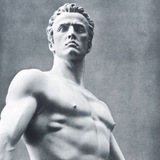
The spider spins from herself a delicate and ingenious web, drawing it out of her own substance; and this web, by the prey it ensnares, yields her a return. She is thus a creature whose dwelling lies within herself and is secreted from her own being. Man, however, is otherwise: his home does not arise from himself in the same immediate and organic manner, we are creatures of endless metamorphosis; our human essence, in its deepest core, possesses no fixed form. In caves and houses of stone, we resembled the stone itself; in dwellings of clay, we resembled the earth. Today, in our cities of plastic and glass, we resemble nothing but man.
"القيمة البيولوجية للجمال والقبح: إنّ ما نشعر نحوه بالنفور الغريزي من الوجهة الجمالية إنما يُحَسّ، وفقًا لأطول خبرةٍ راكمتها الإنسانية، على أنّه ضارٌّ وخطرٌ وجديرٌ بالريبة والاشتباه؛ فالتجلّي المفاجئ للغريزة الجمالية، كما في حالة الاشمئزاز، ينطوي في ذاته على فعلٍ من أفعال الحكم والتقدير. ومن هذه الجهة يندرج الجمال ضمن الفئة العامة للقيم البيولوجية: قيم المنفعة، والخير، وما يعزّز الحياة ويقوّيها. ولهذا فإنّ عددًا لا يُحصى من المثيرات التي اقترنت، عبر العصور، بالأشياء والأحوال النافعة، أو ذكّرت بها، يوقظ فينا إحساس الجمال؛ أي ذلك الازدياد في الشعور بالقوة. وليس الأمر مقتصرًا على الأشياء ذاتها، بل يشمل أيضًا الانفعالات المرتبطة بها أو بالرموز الدالّة عليها.
وعلى هذا النحو يُعترف بالجمال والقبح بوصفهما محدَّدَيْن بأعمق قيمنا الغريزية الرامية إلى حفظ الذات. أمّا افتراض وجود جمالٍ مطلق أو قبحٍ مطلق فليس إلا ضربًا من العبث؛ إذ لا وجود لجمالٍ مطلق، كما لا وجود لخيرٍ مطلق أو حقيقةٍ مطلقة. فالأمر، في كل حالةٍ بعينها، يتعلّق بشروط حفظ الذات الخاصة بنمطٍ معيّن من البشر؛ ولذلك فإنّ الإنسان القطيعي يملك إحساسًا بالجمال يختلف اختلافًا بيّنًا عن إحساس الإنسان الاستثنائي أو الإنسان الأعلى.
ومن المنظور الذي لا يرى إلا ما هو قريبٌ وماثلٌ في المقدّمة، أي الذي لا يلتفت إلا إلى النتائج المباشرة، تنشأ قيمة الجمال، كما تنشأ أيضًا قيمتا الخير والحقيقة.
إنّ جميع الأحكام الغريزية قصيرة النظر إزاء ترابط العواقب وتتابعها؛ فهي تُشير إلى ما ينبغي فعله على الفور. أمّا العقل فجوهره جهازٌ معيقٌ للاستجابة المباشرة لتلك الأحكام الغريزية؛ إنّه يوقفها، ويحسب، ويتتبّع سلسلة النتائج إلى مدى أبعد. فالأحكام المتعلقة بالجمال والقبح قصيرة النظر دائمًا، ولهذا يقف العقل منها موقف المعارضة؛ غير أنّها، مع ذلك، تبلغ من الإقناع أقصاه. فهي تخاطب غرائزنا في الموضع الذي تحسم فيه أمرها بأقصى سرعة، فتقول نعم أو لا بأدنى قدرٍ من التردّد، قبل أن يتسنّى للعقل أن يتدخّل.
وأكثر أحكام الجمال شيوعًا يعضد بعضها بعضًا على نحوٍ متبادل؛ فمتى بدأ «الدافع الجمالي» عمله، تبلورت حول الصورة الجميلة الواحدة جملةٌ من ضروب الكمال الأخرى، الغريبة عنها في الأصل. ومن ثمّ يستحيل أن يظلّ المرء موضوعيًا، بل يستحيل أن يتجرّد من تلك القدرة التي تؤول وتمنح وتحوّل وتُضفي بهاءً شعريًا على الأشياء؛ وهذه القدرة الأخيرة ليست سوى نسجٍ متواصلٍ من أحكام الإثبات والإقرار بالجمال ذاته. إنّ رؤية امرأةٍ جميلة…
وهكذا: إنّ الحكم على الجمال حكمٌ قصير النظر؛ إذ لا يرى سوى النتائج المباشرة. وهو يُغرق الموضوع الذي يثيره في هالةٍ من السحر والجاذبية تتشكّل من اقتران أحكامٍ جماليةٍ متعدّدة، مع أنّها أجنبيةٌ تمامًا عن ماهية ذلك الموضوع نفسه. ومن ثمّ فإنّ النظر إلى شيءٍ ما بوصفه جميلًا هو، بالضرورة، نوعٌ من النظر الخاطئ إليه؛ ولهذا السبب، وعلى سبيل المصادفة، كانت زيجات الحبّ، من الوجهة الاجتماعية، أكثر أشكال الزواج افتقارًا إلى المعقولية."
وعلى هذا النحو يُعترف بالجمال والقبح بوصفهما محدَّدَيْن بأعمق قيمنا الغريزية الرامية إلى حفظ الذات. أمّا افتراض وجود جمالٍ مطلق أو قبحٍ مطلق فليس إلا ضربًا من العبث؛ إذ لا وجود لجمالٍ مطلق، كما لا وجود لخيرٍ مطلق أو حقيقةٍ مطلقة. فالأمر، في كل حالةٍ بعينها، يتعلّق بشروط حفظ الذات الخاصة بنمطٍ معيّن من البشر؛ ولذلك فإنّ الإنسان القطيعي يملك إحساسًا بالجمال يختلف اختلافًا بيّنًا عن إحساس الإنسان الاستثنائي أو الإنسان الأعلى.
ومن المنظور الذي لا يرى إلا ما هو قريبٌ وماثلٌ في المقدّمة، أي الذي لا يلتفت إلا إلى النتائج المباشرة، تنشأ قيمة الجمال، كما تنشأ أيضًا قيمتا الخير والحقيقة.
إنّ جميع الأحكام الغريزية قصيرة النظر إزاء ترابط العواقب وتتابعها؛ فهي تُشير إلى ما ينبغي فعله على الفور. أمّا العقل فجوهره جهازٌ معيقٌ للاستجابة المباشرة لتلك الأحكام الغريزية؛ إنّه يوقفها، ويحسب، ويتتبّع سلسلة النتائج إلى مدى أبعد. فالأحكام المتعلقة بالجمال والقبح قصيرة النظر دائمًا، ولهذا يقف العقل منها موقف المعارضة؛ غير أنّها، مع ذلك، تبلغ من الإقناع أقصاه. فهي تخاطب غرائزنا في الموضع الذي تحسم فيه أمرها بأقصى سرعة، فتقول نعم أو لا بأدنى قدرٍ من التردّد، قبل أن يتسنّى للعقل أن يتدخّل.
وأكثر أحكام الجمال شيوعًا يعضد بعضها بعضًا على نحوٍ متبادل؛ فمتى بدأ «الدافع الجمالي» عمله، تبلورت حول الصورة الجميلة الواحدة جملةٌ من ضروب الكمال الأخرى، الغريبة عنها في الأصل. ومن ثمّ يستحيل أن يظلّ المرء موضوعيًا، بل يستحيل أن يتجرّد من تلك القدرة التي تؤول وتمنح وتحوّل وتُضفي بهاءً شعريًا على الأشياء؛ وهذه القدرة الأخيرة ليست سوى نسجٍ متواصلٍ من أحكام الإثبات والإقرار بالجمال ذاته. إنّ رؤية امرأةٍ جميلة…
وهكذا: إنّ الحكم على الجمال حكمٌ قصير النظر؛ إذ لا يرى سوى النتائج المباشرة. وهو يُغرق الموضوع الذي يثيره في هالةٍ من السحر والجاذبية تتشكّل من اقتران أحكامٍ جماليةٍ متعدّدة، مع أنّها أجنبيةٌ تمامًا عن ماهية ذلك الموضوع نفسه. ومن ثمّ فإنّ النظر إلى شيءٍ ما بوصفه جميلًا هو، بالضرورة، نوعٌ من النظر الخاطئ إليه؛ ولهذا السبب، وعلى سبيل المصادفة، كانت زيجات الحبّ، من الوجهة الاجتماعية، أكثر أشكال الزواج افتقارًا إلى المعقولية."
The more a person is afflicted by a disordered psychological or physiological constitution, the more he tends to be drawn toward images of death, impotence, decay, disease, the macabre, apocalyptic visions, depressive moods, ugliness, and weakness. Conversely, a person whose constitution is vigorous and healthy is more naturally attracted to beauty, strength, vitality, laughter, joy, irony, creativity, and images of permanence or immortality. What later appears as a matter of taste, preference, or intellectual interest is often rooted in a deeper and largely unconscious constitution (whether psychically or physiologically), one that precedes deliberate choice and silently guides the direction of desire, admiration, and judgment.
One of the unfortunate difficulties that arose with fixed settlement/the departure from wandering mode of life was the need to coexist not only with other people but also with the dead.
حول حدث وجود جمعيةٍ سرِّيَّةٍ ما:
ليس منشأُ ما يعتري عامَّةَ الناس من الضيق أو السُّخط تجاه الجمعيَّات السرِّيَّة أو النُّخَبويَّة أنَّ لهذه الجمعيَّات سلطانًا حقيقيًّا أو نفوذًا فعَّالًا بالضرورة في مسار الأحداث العالمية، وإنَّما مردُّ ذلك، في الغالب، إلى ما تنطوي عليه من معاني الاختصاص والامتياز والتفاوت والاصطفاء. فالجماعاتُ التاريخية، من قبيل الروزكروشيين والماسونيين، تُشعر الناظر إليها، بما تستبطنه من أسرار وما تضعه من حدودٍ للانتماء، بأنَّ الناس ليسوا سواءً في المنزلة ولا في الحظوة؛ إذ تقسِّمهم قسمين: أهلَ الدائرة ومن هم خارجها، وأربابَ المعرفة المكنونة ومن حُجِبوا عنها. وهكذا يجد المرءُ العاديُّ نفسه بإزاء احتمالٍ يثقل على النفس، وهو ألَّا يكون من المصطفَين، ولا من أهل التميُّز، ولا من الذين أُذن لهم بالنفاذ إلى تلك الأسرار. ومن ثمَّ فإنَّ ما يثير العداوة نحو هذه الجماعات ليس مقدارَ ما تملكه من قوَّةٍ فعلية بقدر ما هو الدلالةُ الرمزية التي يحملها وجودها ذاته؛ إذ تبدو شاهدًا على أنَّ البشر متفاوتون في المقام والاعتبار، وأنَّ الاعتراف والمكانة والتقدير لا تتوزع بينهم على السواء.
ومن هنا ينشأ الشكُّ والارتياب، وتتولد مشاعرُ السخط والضغينة، وتجد نظريَّاتُ المؤامرة في هذا المناخ النفسيِّ تربةً خصبةً للنموِّ والانتشار. وليس ذلك لأنَّ هذه الجماعات تمارس بالضرورة سلطانًا خفيًّا على مجرى الأحداث؛ فحتى لو سُلِّم بوجود مثل هذا السلطان، فإنَّ أكثر الناس يقضون حياتهم خاضعين لقوى وتوجيهات لا يعلمون أصلها ولا ماهيتها، ولا يشغلهم كثيرًا أن يدركوا مصدرها أو أن يتحرَّروا منها. وإنما يعود الأمر إلى أنَّ وجود هذه الجماعات يوقظ في النفوس شعورًا جارحًا بالاستبعاد، ويذكِّرها بأنَّ الامتياز والاختصاص والتميُّز حقائقُ راسخةٌ في الاجتماع البشري.
ليس منشأُ ما يعتري عامَّةَ الناس من الضيق أو السُّخط تجاه الجمعيَّات السرِّيَّة أو النُّخَبويَّة أنَّ لهذه الجمعيَّات سلطانًا حقيقيًّا أو نفوذًا فعَّالًا بالضرورة في مسار الأحداث العالمية، وإنَّما مردُّ ذلك، في الغالب، إلى ما تنطوي عليه من معاني الاختصاص والامتياز والتفاوت والاصطفاء. فالجماعاتُ التاريخية، من قبيل الروزكروشيين والماسونيين، تُشعر الناظر إليها، بما تستبطنه من أسرار وما تضعه من حدودٍ للانتماء، بأنَّ الناس ليسوا سواءً في المنزلة ولا في الحظوة؛ إذ تقسِّمهم قسمين: أهلَ الدائرة ومن هم خارجها، وأربابَ المعرفة المكنونة ومن حُجِبوا عنها. وهكذا يجد المرءُ العاديُّ نفسه بإزاء احتمالٍ يثقل على النفس، وهو ألَّا يكون من المصطفَين، ولا من أهل التميُّز، ولا من الذين أُذن لهم بالنفاذ إلى تلك الأسرار. ومن ثمَّ فإنَّ ما يثير العداوة نحو هذه الجماعات ليس مقدارَ ما تملكه من قوَّةٍ فعلية بقدر ما هو الدلالةُ الرمزية التي يحملها وجودها ذاته؛ إذ تبدو شاهدًا على أنَّ البشر متفاوتون في المقام والاعتبار، وأنَّ الاعتراف والمكانة والتقدير لا تتوزع بينهم على السواء.
ومن هنا ينشأ الشكُّ والارتياب، وتتولد مشاعرُ السخط والضغينة، وتجد نظريَّاتُ المؤامرة في هذا المناخ النفسيِّ تربةً خصبةً للنموِّ والانتشار. وليس ذلك لأنَّ هذه الجماعات تمارس بالضرورة سلطانًا خفيًّا على مجرى الأحداث؛ فحتى لو سُلِّم بوجود مثل هذا السلطان، فإنَّ أكثر الناس يقضون حياتهم خاضعين لقوى وتوجيهات لا يعلمون أصلها ولا ماهيتها، ولا يشغلهم كثيرًا أن يدركوا مصدرها أو أن يتحرَّروا منها. وإنما يعود الأمر إلى أنَّ وجود هذه الجماعات يوقظ في النفوس شعورًا جارحًا بالاستبعاد، ويذكِّرها بأنَّ الامتياز والاختصاص والتميُّز حقائقُ راسخةٌ في الاجتماع البشري.
Man and Woman — The qualitative differences between the masculine and feminine modes of intellect are profound. For reasons physiological, psychological, pedagogical, and social, the former tends toward sharpness of analysis, rationality, logical rigor, conceptual abstraction, and a certain impersonal detachment; the latter toward intuition, feeling, imagination, poetic apprehension, and the perception of concrete images and living relations, it is not necessary that an ontogenetic existence determine in any way the intellectual genus of one’s being: one may possess a “feminine” intellect while being a man, and vice versa. In fact, both inversions are empirically evident. The highest intellectual type is neither exclusively masculine nor exclusively feminine in this sense: it is that which sees all things as if they were within itself, and which restores the primordial unity of intellect prior to its differentiation, when both existed as complete unities between themselves in relation to the cosmos, devoid of any strifes, when such thing is no longer possible for him by fate, the individual must then succeed in uniting both dispositions within himself: the precision of reason with the depth of intuition, the clarity of the concept with the richness of the image, the discipline of analysis with the vitality of feeling, such a synthesis constitutes a more complete form of intellect than either tendency in isolation, the greatest historical intellects were characterised by both.
It is not another’s egoism that wounds us, but the injury it does to our own ego.
💯1
Conatus
Photo
There is a certain aesthetic and psychological intimacy that a book acquires through the excellence of its making, through the craftsmanship of its binding, the judicious choice of its paper, the beauty of its frontispiece, the character of its type, the harmony of its margins, and even the very measure of its size. By virtue of all these qualities, a book comes to resemble, in our eyes, some precious jewel, an object whose material presence is itself a source of delight even before its words are read.
To its spiritual significance is thus joined a sensuous pleasure, by which the book steals gently and almost imperceptibly into the soul. To pass one’s bare fingertips over its smooth and lustrous cover, to rest it against one’s cheek, to inhale the fragrance of its pages when first they are opened, these are no idle sensations nor frivolous delights. They are rather rites of preparation, disposing the mind to receive, awakening the intellect by gentle degrees, and fitting it for the words that are to follow. In such moments, the body itself becomes a companion to thought, lending its offices to the work of understanding.
If this be so, how shall one persuade the modern publishers that the soul itself has a palate for what it reads? That reading is not merely an encounter with meanings, but likewise with forms, textures, weights, fragrances, and harmonious proportions; that the soul approaches no book unattended, but comes in the company of all the senses.
To its spiritual significance is thus joined a sensuous pleasure, by which the book steals gently and almost imperceptibly into the soul. To pass one’s bare fingertips over its smooth and lustrous cover, to rest it against one’s cheek, to inhale the fragrance of its pages when first they are opened, these are no idle sensations nor frivolous delights. They are rather rites of preparation, disposing the mind to receive, awakening the intellect by gentle degrees, and fitting it for the words that are to follow. In such moments, the body itself becomes a companion to thought, lending its offices to the work of understanding.
If this be so, how shall one persuade the modern publishers that the soul itself has a palate for what it reads? That reading is not merely an encounter with meanings, but likewise with forms, textures, weights, fragrances, and harmonious proportions; that the soul approaches no book unattended, but comes in the company of all the senses.
Conatus
Photo
مفهومٌ أسمى للشاعر — يمكن أن يُضاف إلى ما قاله هوراس وبول فاليري وغيرهم من مُنظريّ هذا الفن اعتبارٌ آخر، ولو إنّ هذا التصوّر ليبدو أمرًا غريبًا أشدَّ الغرابة في عصرٍ تهيمن عليه روحُ المنفعة حيث تُقاس الأشياء بقيمتها العملية العاجلة وحيث يجرؤ أيُّ امرئٍ على أن ينتحل اسم «الشاعر» على سبيل التسمية الخاوية لا الحقيقة. فالشعر ليس لقبًا يُدَّعى، ولكنه قدرٌ إمّا أن يُوهب لصاحبه أو يُمنع عنه، فالمرء إمّا أن يكون قد كُتب له أن يكون شاعرًا، وإمّا ألّا يكون. فأن تكون شاعرًا معناه أن تُكرّس حياتك لرياضةٍ صارمةٍ من الوجود الفنّي، وجودٍ يتلاقى فيه كلُّ إدراك حسّي، وكلُّ خبرةٍ من خبرات الحياة المتشعّبة، لا على مقتضى المنفعة أو العمل، وإنما على مقتضى الجمال. وكلُّ ما يكتسبه الشاعر من معرفة، وكلُّ لقاءٍ بالعالم، وكلُّ فرحٍ وكلُّ حزن، إنّما يُستوعَب بقدر ما يخدم نموَّ شعره وعمقه واتّساعه. حتى أهونُ الوقائع وأتفهُها تُعاد صياغتها في باطن الشاعر، فتُرفع وتُصفّى وتُعظَّم، إلى أن تكتسب بهاء الصورة وجلالها.
وعلى هذا النحو يجوز لنا أن نتصوّر الشاعر إنسانًا ينسحب شيئًا فشيئًا من شواغل الحياة اليومية وتفاهاتها، مرتفعًا فوقها، لكي يرتفع فنُّه فوقها كذلك. إنّ فرديّته بأسرها، ورهافة حسّه، ومزاجه، وطريقته الخاصة في إدراك العالم وفهمه، تصبح جميعها الوعاء الذي تتلقّى فيه الصور الشعرية العظمى، كما تصبح في الوقت نفسه القوة الحيّة التي تتحوّل بها تلك الصور إلى أعمالٍ خالدة، لا مجرد أعمال مكرورة بلا وعي منه وبلا تكوينٌ شعريٌّ لشخصه، أو إستيعاب لما سلفه من الأعمال الشعريّة.
أن يكتب المرء الشعر بينما يبقى ذهنه مشغولًا بأمورٍ خارجةٍ عنه، أو أن ينصرف عنه ثم يعود فورًا إلى شؤون الحياة الاعتيادية، فذلك في ذاته إفساد للحياة الشعريّة. إنّه يكشف عن روحٍ لا ترى الشعر إلا شغلًا عارضًا لا المبدأ الذي تنتظم به حياته كلّها، وقد يمتلك مثل هذا الإنسان مهارةً فنيةً غير قليلة في قول الشعر، إلا أنّه يظلّ هاويًا بأسمى معاني الكلمة، ويظلّ، من الوجهة الروحية، رجلًا عامّيّ الذوق، غليظ الحسّ. فالشاعر الحقّ لا يقتصر على نظم القصائد، لكنه يحيا حياةً شعرية. يحمل في داخله شعلةً لا تنطفئ، حتى ليخالجه شيءٌ من التردّد، بل من الندم الخفيف، كلّما انصرف ساعةً من عمره إلى أمرٍ لا يمتّ إلى شعره بصلة، كأنّه قد زاغ، ولو لحظة، عن قدره الذي خُلق له. فالشعر ليس لهوًا، ولا حرفةً بين الحِرف يختارها المرء متى شاء، بل هو المبدأ الأعلى الذي تنتظم به حياته، والمركز الذي تعود إليه كلُّ فكرة، وكلُّ إدراك، وكلُّ عاطفة، وكلُّ فعلٍ من أفعال المعرفة، وإن كان للشعراء العظام شاغلٌ إلى جانب الشعر، فإن ذلك الشاغل لم يكن إلا امتدادًا لجوهرهم الشعري ذاته؛ إذ كانوا يتناولونه بفهمٍ شعري، سواء أكان رسمًا أم عمارةً، بل حتى حين انصرفوا إلى العلوم الطبيعية.
وعلى هذا النحو يجوز لنا أن نتصوّر الشاعر إنسانًا ينسحب شيئًا فشيئًا من شواغل الحياة اليومية وتفاهاتها، مرتفعًا فوقها، لكي يرتفع فنُّه فوقها كذلك. إنّ فرديّته بأسرها، ورهافة حسّه، ومزاجه، وطريقته الخاصة في إدراك العالم وفهمه، تصبح جميعها الوعاء الذي تتلقّى فيه الصور الشعرية العظمى، كما تصبح في الوقت نفسه القوة الحيّة التي تتحوّل بها تلك الصور إلى أعمالٍ خالدة، لا مجرد أعمال مكرورة بلا وعي منه وبلا تكوينٌ شعريٌّ لشخصه، أو إستيعاب لما سلفه من الأعمال الشعريّة.
أن يكتب المرء الشعر بينما يبقى ذهنه مشغولًا بأمورٍ خارجةٍ عنه، أو أن ينصرف عنه ثم يعود فورًا إلى شؤون الحياة الاعتيادية، فذلك في ذاته إفساد للحياة الشعريّة. إنّه يكشف عن روحٍ لا ترى الشعر إلا شغلًا عارضًا لا المبدأ الذي تنتظم به حياته كلّها، وقد يمتلك مثل هذا الإنسان مهارةً فنيةً غير قليلة في قول الشعر، إلا أنّه يظلّ هاويًا بأسمى معاني الكلمة، ويظلّ، من الوجهة الروحية، رجلًا عامّيّ الذوق، غليظ الحسّ. فالشاعر الحقّ لا يقتصر على نظم القصائد، لكنه يحيا حياةً شعرية. يحمل في داخله شعلةً لا تنطفئ، حتى ليخالجه شيءٌ من التردّد، بل من الندم الخفيف، كلّما انصرف ساعةً من عمره إلى أمرٍ لا يمتّ إلى شعره بصلة، كأنّه قد زاغ، ولو لحظة، عن قدره الذي خُلق له. فالشعر ليس لهوًا، ولا حرفةً بين الحِرف يختارها المرء متى شاء، بل هو المبدأ الأعلى الذي تنتظم به حياته، والمركز الذي تعود إليه كلُّ فكرة، وكلُّ إدراك، وكلُّ عاطفة، وكلُّ فعلٍ من أفعال المعرفة، وإن كان للشعراء العظام شاغلٌ إلى جانب الشعر، فإن ذلك الشاغل لم يكن إلا امتدادًا لجوهرهم الشعري ذاته؛ إذ كانوا يتناولونه بفهمٍ شعري، سواء أكان رسمًا أم عمارةً، بل حتى حين انصرفوا إلى العلوم الطبيعية.
Some are made entirely of their outward appearance. Were they to turn inward, they might well go nowhere.
The highest privilege is to seem to others what one truly is, and to be to oneself what one appears to others.
The highest privilege is to seem to others what one truly is, and to be to oneself what one appears to others.
Mystery is not a property of the object alone; it belongs to the relation between subject and object. It arises from the subject’s willingness to linger with the object, together with the recognition that no object can be grasped in a single instant of time. Every genuine object demands duration, revealing itself only through the course of its unfolding. What first appears opaque gradually becomes intelligible, and each disclosure opens the way to further depths, without any final completion, for in every becoming there lies a renewed possibility of knowledge. Rather than seeking to banish mystery through hasty impatience, we ought to dwell with the object long enough for it to draw near of its own accord, until it speaks freely and reveals itself according to the rhythm of its own unfolding. Knowledge, therefore, does not dissolve mystery; it inhabits it. Mystery is the temporal horizon within which every act of understanding unfolds, the inexhaustible condition that makes genuine knowledge possible.