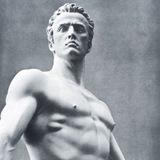
some comment on the last world event —
It already bears witness to the growing fragility of a nation’s spirit when it seeks immediate victory, for otherwise it would be exhausted by protracted wars and compelled to reveal the true measure of its strength once all coverings are stripped away. Observe how such nations cower and shrivel at the prospect of great wars with capable equals. For since when is war waged against those inferior to one’s lot and power? To do so is a disgrace to a soul that refuses to seek an enemy equal to itself, just as it is a disgrace to a nation.
A nation standing on the verge of its final flashes of decadence seeks refuge not in renewed strength or restored dignity, but in spectacle: in press and proclamation, in showiness and incessant media display, attempting to substitute appearance for power and noise for substance. Under the pressure of an ontological necessity to attest to its own existence, it tests its vanishing strength against weaker nations, just as the waning strength of old age tests itself against adolescence rather than confronting adulthood.
This thirst for immediacy reveals itself across every domain of national life and the greatest event of life: in political administration and the management of daily affairs no less than in art and cultural production. Life contracts into a spectacle of the immediate, for such a nation is too weak to endure, too weak to resist for long, to wage war for long, to plan for long, or to exercise sustained discipline.
It already bears witness to the growing fragility of a nation’s spirit when it seeks immediate victory, for otherwise it would be exhausted by protracted wars and compelled to reveal the true measure of its strength once all coverings are stripped away. Observe how such nations cower and shrivel at the prospect of great wars with capable equals. For since when is war waged against those inferior to one’s lot and power? To do so is a disgrace to a soul that refuses to seek an enemy equal to itself, just as it is a disgrace to a nation.
A nation standing on the verge of its final flashes of decadence seeks refuge not in renewed strength or restored dignity, but in spectacle: in press and proclamation, in showiness and incessant media display, attempting to substitute appearance for power and noise for substance. Under the pressure of an ontological necessity to attest to its own existence, it tests its vanishing strength against weaker nations, just as the waning strength of old age tests itself against adolescence rather than confronting adulthood.
This thirst for immediacy reveals itself across every domain of national life and the greatest event of life: in political administration and the management of daily affairs no less than in art and cultural production. Life contracts into a spectacle of the immediate, for such a nation is too weak to endure, too weak to resist for long, to wage war for long, to plan for long, or to exercise sustained discipline.
— حول التلصص الإيروسيّ.
إنّ التلصّص في الشهوة (voyeurism)، علامةٌ على خمود القوّة الفاعلة في النفس، ودليلٌ على ميلٍ إلى العجز في إنسان هذا العصر. ولم يكن هذا ممّا تألفه الطبائع السليمة عند الأوائل، ولا ممّا تقبله نفسٌ ارتقت في فهم الإيروس وعلّته؛ إذ ليس من شأن الشهوة التامّة أن ترضى بالمشاهدة حيث يُطلب الفعل، ولا بالتصوّر حيث تقتضي الطبيعة المشاركة، فهذا ما يزيد من شهوتها ويؤججها، اذ النفس لا تجد اشباعًا حقًا هنا. فإذا اعتُبر الميل الإيروتي هيئةً من هيئات النفس، وصورةً من صور تَشكُّلها، ونمطًا من أنماط تعلّقها بالعالم وبالغير، بان أنّ التلصّص ليس شهوةً مكتملة، بل أثرُ شهوةٍ منفعلة، وعلامةُ موقفٍ وجوديٍّ قوامه السلبية والرضا بالدونية. وهو تمثيلٌ رمزيٌّ لإنسانٍ يستلذّ بانحطاط مرتبته، ويأنس بأن يُختزل إلى حال التابع والملحق، بعد أن زالت عنه صفة الفاعل، وهي أجل ما يميز الإنسان.
ولهذا استُعملت المشاهدة القسرية، في بعض الأمم، أداةً من أدوات الإذلال؛ إذ كان يُجبر المغلوب على حضور أفعالٍ جنسية بوصفها علامةً على تمام القهر وسلب الفاعلية. ولم يكن المعنى هناك خفيًّا: أن تُنزَع من الإنسان قدرة الفعل، ويُترك له النظر وحده؛ وفي ذلك إشارةٌ مضاعفة إلى العجز في عالم الفعل، وهو غاية المهانة. وإذا تأمّل المرء عالم الحيوان، ولا سيّما تلك الأفعال الغريزية التي تشاكل في أصلها بعض أفعال الإنسان، وجد أنّ الكائنات سليمة الطبع تتحاشى التحديق في مثل هذه الوقائع بين أبناء جنسها؛ كأنّ في ذلك حدًّا غريزيًا يفصل بين الفعل الطبيعي وبين العبث بالنظر وبالعقل. فالإنسان الذي انحطّ إلى مرتبة التلصّص، إن عجز عن بلوغ الكمال الإنساني، فليطلب، على الأقل، حدّ السلامة الحيوانية.
وقد شاع هذا الضرب من الإشباع شيوعًا بالغًا حتى صار مألوفًا، بل كونيًّا: من صناعة الإباحية، إلى آلاتٍ تُتَّخذ بدل الشريك، فيُعوَّض بها حضوره أو يُلغى من الأصل. وليس في الإقرار بانتشار هذا النمط في حضاراتٍ غير حضارتنا ما يُنكره النظر؛ فإنّ هذا الصنف من الإنسان وُجد في كل زمان ومكان، بوصفه نمطًا وجدانيًا وكيانيًا يُفصح عن ذاته على هذا النحو. غير أنّ النفس الرفيعة تُعرَف من كيفية مباشرتها للشهوة؛ إذ لا تُكرم نفسها إلا إذا جعلت موضوع لذّتها جديرًا بها، لا مجرّد قوّةٍ تُصرَّف من غير روية، ولا اعتبارٍ للموضوع ولا لمرتبته؛ فإنّ العقل النبيل إنما يكشف عن نفسه، على أتمّ وجه، في مثل هذه المواطن. فما العفّة في الرجل، على التحقيق؟ ليست هي الامتناع المطلق، ولا الخوف، ولا الكفّ القسري باسم الخلق؛ بل هي سلامة الذوق في باب الشهوة، بحيث لا تميل النفس إلى الوحشي، ولا إلى المرضي، ولا إلى المتكلّف الماكر. وهي صيانة الإيروس من أن ينقلب إلى منظرٍ يُستهلك، أو حيلةٍ تُدار، أو بديلٍ يُستعاض به؛ ليبقى فعلًا حيًّا، وعلاقةً قائمة بين فاعلين، لا صورةً جامدة بين ناظرٍ ومنظور.
إنّ التلصّص في الشهوة (voyeurism)، علامةٌ على خمود القوّة الفاعلة في النفس، ودليلٌ على ميلٍ إلى العجز في إنسان هذا العصر. ولم يكن هذا ممّا تألفه الطبائع السليمة عند الأوائل، ولا ممّا تقبله نفسٌ ارتقت في فهم الإيروس وعلّته؛ إذ ليس من شأن الشهوة التامّة أن ترضى بالمشاهدة حيث يُطلب الفعل، ولا بالتصوّر حيث تقتضي الطبيعة المشاركة، فهذا ما يزيد من شهوتها ويؤججها، اذ النفس لا تجد اشباعًا حقًا هنا. فإذا اعتُبر الميل الإيروتي هيئةً من هيئات النفس، وصورةً من صور تَشكُّلها، ونمطًا من أنماط تعلّقها بالعالم وبالغير، بان أنّ التلصّص ليس شهوةً مكتملة، بل أثرُ شهوةٍ منفعلة، وعلامةُ موقفٍ وجوديٍّ قوامه السلبية والرضا بالدونية. وهو تمثيلٌ رمزيٌّ لإنسانٍ يستلذّ بانحطاط مرتبته، ويأنس بأن يُختزل إلى حال التابع والملحق، بعد أن زالت عنه صفة الفاعل، وهي أجل ما يميز الإنسان.
ولهذا استُعملت المشاهدة القسرية، في بعض الأمم، أداةً من أدوات الإذلال؛ إذ كان يُجبر المغلوب على حضور أفعالٍ جنسية بوصفها علامةً على تمام القهر وسلب الفاعلية. ولم يكن المعنى هناك خفيًّا: أن تُنزَع من الإنسان قدرة الفعل، ويُترك له النظر وحده؛ وفي ذلك إشارةٌ مضاعفة إلى العجز في عالم الفعل، وهو غاية المهانة. وإذا تأمّل المرء عالم الحيوان، ولا سيّما تلك الأفعال الغريزية التي تشاكل في أصلها بعض أفعال الإنسان، وجد أنّ الكائنات سليمة الطبع تتحاشى التحديق في مثل هذه الوقائع بين أبناء جنسها؛ كأنّ في ذلك حدًّا غريزيًا يفصل بين الفعل الطبيعي وبين العبث بالنظر وبالعقل. فالإنسان الذي انحطّ إلى مرتبة التلصّص، إن عجز عن بلوغ الكمال الإنساني، فليطلب، على الأقل، حدّ السلامة الحيوانية.
وقد شاع هذا الضرب من الإشباع شيوعًا بالغًا حتى صار مألوفًا، بل كونيًّا: من صناعة الإباحية، إلى آلاتٍ تُتَّخذ بدل الشريك، فيُعوَّض بها حضوره أو يُلغى من الأصل. وليس في الإقرار بانتشار هذا النمط في حضاراتٍ غير حضارتنا ما يُنكره النظر؛ فإنّ هذا الصنف من الإنسان وُجد في كل زمان ومكان، بوصفه نمطًا وجدانيًا وكيانيًا يُفصح عن ذاته على هذا النحو. غير أنّ النفس الرفيعة تُعرَف من كيفية مباشرتها للشهوة؛ إذ لا تُكرم نفسها إلا إذا جعلت موضوع لذّتها جديرًا بها، لا مجرّد قوّةٍ تُصرَّف من غير روية، ولا اعتبارٍ للموضوع ولا لمرتبته؛ فإنّ العقل النبيل إنما يكشف عن نفسه، على أتمّ وجه، في مثل هذه المواطن. فما العفّة في الرجل، على التحقيق؟ ليست هي الامتناع المطلق، ولا الخوف، ولا الكفّ القسري باسم الخلق؛ بل هي سلامة الذوق في باب الشهوة، بحيث لا تميل النفس إلى الوحشي، ولا إلى المرضي، ولا إلى المتكلّف الماكر. وهي صيانة الإيروس من أن ينقلب إلى منظرٍ يُستهلك، أو حيلةٍ تُدار، أو بديلٍ يُستعاض به؛ ليبقى فعلًا حيًّا، وعلاقةً قائمة بين فاعلين، لا صورةً جامدة بين ناظرٍ ومنظور.
The silence of night enfolds me deep,
I hear the moon whisper to the suns,
A secret speech no mortal keeps,
Heard only where the far light runs.
In the dim world where all sound dies,
The gates of hearing open wide;
Horizons stretch before the mind’s eyes,
And subtler voices drift and glide.
Alone, the solitary speaks with stars,
Bright, blinding, distant, yet near;
When the tumult of the day withdraws,
The high speech of the cosmos I hear.
— some verses by me.
I hear the moon whisper to the suns,
A secret speech no mortal keeps,
Heard only where the far light runs.
In the dim world where all sound dies,
The gates of hearing open wide;
Horizons stretch before the mind’s eyes,
And subtler voices drift and glide.
Alone, the solitary speaks with stars,
Bright, blinding, distant, yet near;
When the tumult of the day withdraws,
The high speech of the cosmos I hear.
— some verses by me.
لطالما استوقفتني صورةُ من يُسمَّون رجالَ الأدب، ولم أفهم يومًا لماذا لا يكون لي نصيبٌ من هذا المصير. لم يكن ذلك افتتانًا بتنوّع الموضوعات ولا بسعة الأجناس وحدها، على ما في ذلك من إغراء، بل كان انجذابي الأعمق إلى ذلك الشرط الخفيّ المُسبق: أن يُطالَب المرء بأن يعيش، لا عيشًا عابرًا، بل عيشًا يُستنفَد فيه الوجود، حتى تغدو الحياة نفسها مادةً قابلة لأن تُعاد صياغتها فنًّا بيد صاحبها. وأقف، ولا أنكر ذلك، فاغر الفم أمام جسامة هذا التكليف، كما يقف الفنان إزاء مادةٍ خامٍ ناقصة، يعلم أنّ عليه أن يستخرج منها صورة لم تكن كامنة فيها على هذا النحو. كذلك الأديب لا يُعطى فنه جاهزًا، بل ينتزعه من تشتّت الوقائع، ومن فوضى الحوادث، ومن تدفّق التجربة الذي لا ينتظم بذاته. وفي هذا الانتزاع بالذات تقوم مهارته، وتُختبَر أهليّته. وأشدّ ما يدهشني أن يبلغ الخيال في يده مبلغًا يتجاوز به التجربة نفسها، لا ليهرب منها، بل ليعلّق سلطانها، أو ليُقصي مبدأ الواقع حين يصبح عائقًا أمام حقيقةٍ أدبية أعمق.
وقد كتبتُ من قبل، ولا أزال على ذلك، أنّ القول بأن الحياة الأدبية حياةٌ غير معيشة قولٌ فاسدُ الأساس. إذ لا كتابة قبل حياةٍ استُنفِدت، ولا خلق قبل نشوةٍ دُفِعَت إلى تخومها القصوى، إلى انكسار الحدود، وإلى مجاوزة الرتيب واليوميّ. الحياة المكتملة وحدها هي التي تصير ذاكرةً حيّة، ومستودعًا للتجربة، يعود إليه الكاتب لا ليصفه كما هو، بل لينتقي منه ما يليق بأن يُستحال أدبًا. وليس التفكير في الحياة عوضًا عن عيشها، بل هو فسحةٌ بعد العاصفة، وتمرينٌ للعقل بعد أن يكون الجسد قد دفع الثمن. ولعلّ ما يمنح الأدب، عندي، معناه الأقصى أنّه يتيح لي أن أُبقي في ذاتي النزعات المتعارضة حيّة، بلا قمع ولا تسوية قسرية؛ أن يكون لكلّ صوتٍ مساره، ولكلّ اندفاع حقّه في الظهور، وهو أمرٌ يتعذّر في الحياة الواقعية لما بين تلك النزوعات من تفاوتٍ وتنافر، هذا بجانب ما يحتويه من تهذيبٍ للعقل عبر تشرب عقول الآخرين. وفي هذا الفضاء وحده تُرتَّل التجارب القاسية والمروّعة، كما اللحظات الجميلة والخيّرة، ترجيعًا واحدًا، فتُجمع في نسيج لا يُنكر الألم ولا يُقدِّسه، ولا يُنكر الجمال ولا يُبتذله. وأن أُحسن هذا الجمع، هذا النشيد المركّب للحياة، فذلك هو المهمّة القصوى للخلق الأدبي.
وقد كتبتُ من قبل، ولا أزال على ذلك، أنّ القول بأن الحياة الأدبية حياةٌ غير معيشة قولٌ فاسدُ الأساس. إذ لا كتابة قبل حياةٍ استُنفِدت، ولا خلق قبل نشوةٍ دُفِعَت إلى تخومها القصوى، إلى انكسار الحدود، وإلى مجاوزة الرتيب واليوميّ. الحياة المكتملة وحدها هي التي تصير ذاكرةً حيّة، ومستودعًا للتجربة، يعود إليه الكاتب لا ليصفه كما هو، بل لينتقي منه ما يليق بأن يُستحال أدبًا. وليس التفكير في الحياة عوضًا عن عيشها، بل هو فسحةٌ بعد العاصفة، وتمرينٌ للعقل بعد أن يكون الجسد قد دفع الثمن. ولعلّ ما يمنح الأدب، عندي، معناه الأقصى أنّه يتيح لي أن أُبقي في ذاتي النزعات المتعارضة حيّة، بلا قمع ولا تسوية قسرية؛ أن يكون لكلّ صوتٍ مساره، ولكلّ اندفاع حقّه في الظهور، وهو أمرٌ يتعذّر في الحياة الواقعية لما بين تلك النزوعات من تفاوتٍ وتنافر، هذا بجانب ما يحتويه من تهذيبٍ للعقل عبر تشرب عقول الآخرين. وفي هذا الفضاء وحده تُرتَّل التجارب القاسية والمروّعة، كما اللحظات الجميلة والخيّرة، ترجيعًا واحدًا، فتُجمع في نسيج لا يُنكر الألم ولا يُقدِّسه، ولا يُنكر الجمال ولا يُبتذله. وأن أُحسن هذا الجمع، هذا النشيد المركّب للحياة، فذلك هو المهمّة القصوى للخلق الأدبي.
a reflection on the beauty of gemstones
The awe one feels before colours, the ancient spell they cast upon the soul, the delicious ecstasy of the eye in its own activity, is not accomplished by colour alone, but by the glossed form through which colour discloses itself. No hue is ever identical to another; there exist only infinite gradations, subtle shades of blue, blue interwoven and interspersed with other hues. Moreover, there are peculiar forms that seem destined for particular colours, so intimately matched that they would neither inspire nor seize our attention without the stupendous harmony of colour and form.
This is what I meant by a masterpiece wrought by the very hands of the earth: an offering of the living experience of colour in its natural state. Unlike the artificial pigments of painting, which merely imitate, these are revelations rather than representations, stones that bear within them the quiet genius of the earth’s slow alchemy and her long, patient history. One may peruse directly, in their substance, the memory of the earth and its spiritual nature. Here is a painting in millennium, by the hand of a forlorn artist, whose subject is not depicted, only intuited through colour itself. One stands here at the shrine of time, in her ancient and hidden laboratory, where slowness and silence give birth to beauty, these little stones, childern of the earth, from whose warm womb they emerge like distinct offspring, each descended from a different father. In one place, cold winds and desert terrain have shaped them; in another, rain-heavy skies and lush green lands. Each stone stands as a silent testimony to climate, soil, solitude, and the secret tenderness of its origin.
The goldsmith’s hand brings to fruition what nature has intended only as a coarse beginning. In this, he becomes her accomplice, an aid rather than a rival, completing what she began in silence and left unfinished in raw beauty. The beauty of the gemstone lies, ultimately, in the hand of the goldsmith, who rescues it from its own fate. Left to time alone, it would weather and fade; its beauty would not descend into ugliness or horror, but into something more tragic, mere inanition. Lifted from the earth’s silence and placed within the human hand, it comes to rest not as an ornament alone, but as though it belonged in an art gallery, its splendour preserved, framed by form and intention.
The awe one feels before colours, the ancient spell they cast upon the soul, the delicious ecstasy of the eye in its own activity, is not accomplished by colour alone, but by the glossed form through which colour discloses itself. No hue is ever identical to another; there exist only infinite gradations, subtle shades of blue, blue interwoven and interspersed with other hues. Moreover, there are peculiar forms that seem destined for particular colours, so intimately matched that they would neither inspire nor seize our attention without the stupendous harmony of colour and form.
This is what I meant by a masterpiece wrought by the very hands of the earth: an offering of the living experience of colour in its natural state. Unlike the artificial pigments of painting, which merely imitate, these are revelations rather than representations, stones that bear within them the quiet genius of the earth’s slow alchemy and her long, patient history. One may peruse directly, in their substance, the memory of the earth and its spiritual nature. Here is a painting in millennium, by the hand of a forlorn artist, whose subject is not depicted, only intuited through colour itself. One stands here at the shrine of time, in her ancient and hidden laboratory, where slowness and silence give birth to beauty, these little stones, childern of the earth, from whose warm womb they emerge like distinct offspring, each descended from a different father. In one place, cold winds and desert terrain have shaped them; in another, rain-heavy skies and lush green lands. Each stone stands as a silent testimony to climate, soil, solitude, and the secret tenderness of its origin.
The goldsmith’s hand brings to fruition what nature has intended only as a coarse beginning. In this, he becomes her accomplice, an aid rather than a rival, completing what she began in silence and left unfinished in raw beauty. The beauty of the gemstone lies, ultimately, in the hand of the goldsmith, who rescues it from its own fate. Left to time alone, it would weather and fade; its beauty would not descend into ugliness or horror, but into something more tragic, mere inanition. Lifted from the earth’s silence and placed within the human hand, it comes to rest not as an ornament alone, but as though it belonged in an art gallery, its splendour preserved, framed by form and intention.
genius is the higher synthesis of all typologies of man, but the conscious selection of the most elevated.
Conatus
لطالما استوقفتني صورةُ من يُسمَّون رجالَ الأدب، ولم أفهم يومًا لماذا لا يكون لي نصيبٌ من هذا المصير. لم يكن ذلك افتتانًا بتنوّع الموضوعات ولا بسعة الأجناس وحدها، على ما في ذلك من إغراء، بل كان انجذابي الأعمق إلى ذلك الشرط الخفيّ المُسبق: أن يُطالَب المرء بأن…
The question of authorship is, at bottom, a question of individuality. It is of no true significance whether this or that thought, this or that sentence, has been previously uttered or committed to writing; what matters is how that thought or feeling has passed into the consciousness of the one who expresses it -whether a man has been strong enough to succeed in this- how it has been lived, assimilated, transformed, and how it stands in relation to the totality of his interior being. Whoever seeks to problematize this does so as though wishing to monopolize the very structure of the human mind, as though a mode of perception, a configuration of feeling, or a form of insight could belong by right to a single thinker who alone has merited access to it. Such a claim is nothing less than an attempt to privatize what is typological, to convert shared conditions of consciousness into personal property. This, of course, has nothing to do with those wormish insects, those venal instruments, those philistine plagiarists who traffic in borrowed forms without inward necessity, assimilation, and transformation.
the rudemintary and primordial life of the artist —
artists often animate their instincts, feelings, passions and desires, breathing them into life in the grip of sacred images, metaphors, colours or collection of melodies, weaving them together to erect a structurally coherent poem, a piece of composition, or a painting, which in the last analysis reveals the structure of those desires and inner life itself, the more harmonious and ordered; the more we are engrossed by them, they proceed to project them on the objects of that desire, further veiling their origins and evolution, so that when dissected they reveal themselves to be of such circularity, repetition, antiquity and mundanity across the succession of times, nevertheless their skill lies in polishing that inner life in the form of the beautiful, in perfecting a piece of dull raw material, the same rudimentary inner life that is found in the barbarian and in the savage if carefully excavated in their works, but we are still taken by an intense admiration and awe as if we were in front of extraterrestrial beings, moreover, the same primordial inner life undergoes a thousand metamorphoses at the hand of different number of men; as artists, as active men, as scientists, as craftsmen; that is, in creative and artistic men.
artists often animate their instincts, feelings, passions and desires, breathing them into life in the grip of sacred images, metaphors, colours or collection of melodies, weaving them together to erect a structurally coherent poem, a piece of composition, or a painting, which in the last analysis reveals the structure of those desires and inner life itself, the more harmonious and ordered; the more we are engrossed by them, they proceed to project them on the objects of that desire, further veiling their origins and evolution, so that when dissected they reveal themselves to be of such circularity, repetition, antiquity and mundanity across the succession of times, nevertheless their skill lies in polishing that inner life in the form of the beautiful, in perfecting a piece of dull raw material, the same rudimentary inner life that is found in the barbarian and in the savage if carefully excavated in their works, but we are still taken by an intense admiration and awe as if we were in front of extraterrestrial beings, moreover, the same primordial inner life undergoes a thousand metamorphoses at the hand of different number of men; as artists, as active men, as scientists, as craftsmen; that is, in creative and artistic men.
Conatus
On Man Ray’s Surrealist Photography The female face, with its vast range of expression, is an ideal subject for photography. Ordinary as it may appear to the casual observer, such ordinariness matters little to the artist. His task is to fashion images that…
each being has its dwelling: the eagle in its nest, the stars in the firmament, the stone in the ocean’s depths, the brute in the forest’s heart, and man in cave and house, but the surrealist mind would like to overturn the natural order of things, to relish the yet unsung possibilities of the mind.
On the semiotics of the human body; on immediate consciousness as an inward interpretation of the human organism: that which passes across the surface of consciousness, continually flowing hour by hour and day by day, as ink passes through the surface of paper, is nothing other than a conjunction of interpretations of inward physiological events and the minimal activity of the sensory apparatus. these processes, through their continual stimulation, manifest as moods, feelings, and thoughts, which appear to us as the proper language and symbolism of consciousness. yet this apparent language is itself the surface expression of an arcane and concealed semiotics, grounded in the communications and sign-relations of organ systems.
في مجتمعٍ شاد أنطولوجيّته على حقّ الظهور، وعلى الإكراه إلى المرئيّ الذي يطوي تحته اللامرئيّ بخديعة، وعلى الإفراط في تعرية الذات، وفي عالمٍ انحلّ فيه معنى الحياة الخاصّة، وصار الإنسان يعرّي نفسه طوعًا في الفضاء العام، حتى أضحى كلّ ما هو مستتر موضع ريبة، تغدو إعادةُ تعريف الإنسان بوصفه كينونةً اجتماعيّة ضرورةً لا غنى عنها. فالإنسان، من حيث هو كُلٌّ عضويّ لا مجرّد سطحٍ للانكشاف، لا يُحدَّد بما يُظهره، بل بما يمتنع عن الظهور. إنّ ماهيّته لا تُستمدّ من العرض الفاني، بل من الاحتجاب الدائم. الإنسان هو، في جوهره، ما يُخفيه دومًا: تراكُمٌ هشّ وبائس من الأسرار؛ إذ إنّ لحظات ظهوره الجزئيّ، تلك الشقوق العابرة في ستار الذات، لا تستنفده، ولا تُحيط بكيانه، ولا تعدو أن تكون شظايا متناثرة من كليّةٍ لا تُختزل. يظلّ الإنسان فائقًا على ما يكشف، ومتعاليًا على ما يُتاح للرؤية.
وزمانيّة الذات لا تنحبس في الحدث، ولا تُستنفد في الآنيّ واللحظيّ، بل تتعالى عليهما، لتتفتّح، كما الزهرة، عبر زمانها الكلّيّ، شبه الخالد. لقد قامت مجتمعاتٌ كانت تُقدّس السريّة بوصفها اختبارًا للفرد، كالجماعات الهرمسيّة والماسونيّة والبافاريّين المتنوّرين، على تراتبيّةٍ روحيّة تحفظ للفرد مقامه، وتؤسّس ما يشبه الأخوّة بين الأعضاء؛ حيث لا يُتاح الظهور الباطنيّ إلا لمن يُشاكل الذات في المرتبة الروحيّة. وفي ذلك صونٌ للذات من الابتذال، وحمايةٌ لها من الرذيلة المتأصّلة في النفس: رذيلة حبّ الظهور.
وزمانيّة الذات لا تنحبس في الحدث، ولا تُستنفد في الآنيّ واللحظيّ، بل تتعالى عليهما، لتتفتّح، كما الزهرة، عبر زمانها الكلّيّ، شبه الخالد. لقد قامت مجتمعاتٌ كانت تُقدّس السريّة بوصفها اختبارًا للفرد، كالجماعات الهرمسيّة والماسونيّة والبافاريّين المتنوّرين، على تراتبيّةٍ روحيّة تحفظ للفرد مقامه، وتؤسّس ما يشبه الأخوّة بين الأعضاء؛ حيث لا يُتاح الظهور الباطنيّ إلا لمن يُشاكل الذات في المرتبة الروحيّة. وفي ذلك صونٌ للذات من الابتذال، وحمايةٌ لها من الرذيلة المتأصّلة في النفس: رذيلة حبّ الظهور.