Conatus
ويا لَخَسارةِ العقلِ البشريِّ! فإنَّ أبعدَ الأمورِ عنه، وأقلَّها مَساسًا بحياتِه، كدَورانِ الكواكبِ في أُفُقِ السماءِ، هيَ أقربُ إلى ذهنِه، وأثبتُ في علمِه، وأوضحُ في تصوُّرِه؛ وأمَّا المعاني الأخلاقيَّةُ، وهيَ ممَّا يُلامِسُ نَفْسَه، ويُديرُ دَفَّةَ وُجودِه،…
مِن أهم مؤسسيّ فقه القانون الحديث.
يمكن للمرء أن يعرف الإنسان الكاتب معرفةً أصدق من خلال رسائله، وخصوصًا اللارسمية منها، أكثر ممّا يعرفه من خلال كتاباته المنهجيّة أو حتى فلسفته. ففي الرسائل يظهر الفرد في ضوءٍ أكثر حميميّةً وخصوصيّة، ويُفصح فيها عن ذاته على نحوٍ أعمق ممّا يحدث في أيّ جنسٍ أدبيّ آخر. فالمؤلَّف الفلسفيّ يتوجّه إلى جمهورٍ عامّ، إلى جمعٍ من القرّاء، أمّا الرسالة فتُوجَّه إلى شخصٍ بعينه، وفي هذه العلاقة المفردة تتجلّى جوانب من الطبع لا تكاد تنكشف في غيرها. ولهذا تتّسم الرسائل بصدقٍ خاصّ. إذ يقلّ فيها مجال التكلّف، أو صناعة الصورة العامّة، أو التمثّل أمام الآخرين. لا يكتب المرء رسالته كما يكتب رسالته العلميّة أو أطروحته؛ وإنما ليّلين فيها الأسلوب، ويغدو الفكر أكثر مباشرةً وحياةً وأقلّ تحفّظًا. حتى التناقضات والتردّدات والانفعالات العارضة تجد لها سبيلًا طبيعيًّا إلى الظهور.
كذلك تكشف المراسلات عمّا كان عليه وجود المرء الداخليّ يومًا بيوم: ما كان يقلقه، وما كان يبهجه، ومن كان يخشاه أو يُعجب به أو يحسده أو يحبّه. وعلى هذا النحو تظهر الرسائل كما لو إنها شذرات من حضورٍ معيش، تحفظ المزاج الإنسانيّ في جريانه الحيّ. ولعلّ هذا ما يجعل رسائل شخصيّات مثل فريدريش نيتشه وفرانز كافكا وجون كيتس وغيرهم تبدو أكثر باطنيّةً وكشفًا من أعمالهم الرسميّة؛ إذ تقدّم كتبهم الأفكار في صورتها المكتملة، كما لو كان المرء أمام لوحة مكتملة لا يعرف كيفيّة تشكلها، أمّا رسائلهم فتُظهر حركة الروح في طور تشكّلها. والرسائل، في نهاية الأمر، هي الطبع اليوميّ وقد أُقيم في صورةٍ فنيّة.
كذلك تكشف المراسلات عمّا كان عليه وجود المرء الداخليّ يومًا بيوم: ما كان يقلقه، وما كان يبهجه، ومن كان يخشاه أو يُعجب به أو يحسده أو يحبّه. وعلى هذا النحو تظهر الرسائل كما لو إنها شذرات من حضورٍ معيش، تحفظ المزاج الإنسانيّ في جريانه الحيّ. ولعلّ هذا ما يجعل رسائل شخصيّات مثل فريدريش نيتشه وفرانز كافكا وجون كيتس وغيرهم تبدو أكثر باطنيّةً وكشفًا من أعمالهم الرسميّة؛ إذ تقدّم كتبهم الأفكار في صورتها المكتملة، كما لو كان المرء أمام لوحة مكتملة لا يعرف كيفيّة تشكلها، أمّا رسائلهم فتُظهر حركة الروح في طور تشكّلها. والرسائل، في نهاية الأمر، هي الطبع اليوميّ وقد أُقيم في صورةٍ فنيّة.
what is legislation?
legislation can be interpreted as a subtle form of sublimated tyranny, which at the same time stands in the after history of all violent and explicit tyranny, it is the law-giving of the will of man who enacts them in codes, who adopts and selects himself as a rightful legislator not from a divine high revelation, nor from a mass appeal, but from an inward silent acknowledgement secretly whispered to himself at his exceptional rank and standing, whether greek or roman or an arab, it is the spirit of the man who kills softly, quietly and assuredly, who ferociously seeks to eliminate all that is foreign to him, but he does not halt there, he extends and orders them into a coherent body, over a society, a people, and whose origins are later on forgotten; but prevail long enough for millenniums, which duration has no relation to the power of those laws at all, nor to the constituent individuals that form the respective societies, for they merely obey them as if they were descended from above, from a god or a prophet, which is the truth in certain cases, in so far that that legislator hovers above them, in heights unreachable by a common soul, whether there will appear at some point in the future of these societies a virile and sovereign spirit that makes its will dominate for centuries in the same form, in conjunction and continuation to the original will, this is the decisive question at stake, in addition to the increase and condensation of terribleness that they ought display in advancement, should we try to foretell the future of the law of man in the light of his unmistakable past? either to form societies in their images, or to atrophy and destroy them further, in accordance with the strength of the will that enacted them, moral and religious commandments can be seen in the same light, of thou shall and shall not, which are at bottom more of a primitive and crude precursor to those lawgivers based on the institution and cultivation of fear, thus stands the justification for the necessity to the great renewal of those laws, as ragged pieces waiting for animation; as an unconscious battle in the most favorable sense waged for the domination of several wills for the lengths of millenniums, in absence of any restful finale, for among all those systems of law there are commonalities that cannot be mistaken for a perceptive eye, given their origination in the spirit, that may be incorporated in fragment of another system, furthermore, every development of man already presupposes such cycles of enlightened tyranny, a turnover that is akin to the turnover of dynamic and living bodies, their every tissues.
legislation can be interpreted as a subtle form of sublimated tyranny, which at the same time stands in the after history of all violent and explicit tyranny, it is the law-giving of the will of man who enacts them in codes, who adopts and selects himself as a rightful legislator not from a divine high revelation, nor from a mass appeal, but from an inward silent acknowledgement secretly whispered to himself at his exceptional rank and standing, whether greek or roman or an arab, it is the spirit of the man who kills softly, quietly and assuredly, who ferociously seeks to eliminate all that is foreign to him, but he does not halt there, he extends and orders them into a coherent body, over a society, a people, and whose origins are later on forgotten; but prevail long enough for millenniums, which duration has no relation to the power of those laws at all, nor to the constituent individuals that form the respective societies, for they merely obey them as if they were descended from above, from a god or a prophet, which is the truth in certain cases, in so far that that legislator hovers above them, in heights unreachable by a common soul, whether there will appear at some point in the future of these societies a virile and sovereign spirit that makes its will dominate for centuries in the same form, in conjunction and continuation to the original will, this is the decisive question at stake, in addition to the increase and condensation of terribleness that they ought display in advancement, should we try to foretell the future of the law of man in the light of his unmistakable past? either to form societies in their images, or to atrophy and destroy them further, in accordance with the strength of the will that enacted them, moral and religious commandments can be seen in the same light, of thou shall and shall not, which are at bottom more of a primitive and crude precursor to those lawgivers based on the institution and cultivation of fear, thus stands the justification for the necessity to the great renewal of those laws, as ragged pieces waiting for animation; as an unconscious battle in the most favorable sense waged for the domination of several wills for the lengths of millenniums, in absence of any restful finale, for among all those systems of law there are commonalities that cannot be mistaken for a perceptive eye, given their origination in the spirit, that may be incorporated in fragment of another system, furthermore, every development of man already presupposes such cycles of enlightened tyranny, a turnover that is akin to the turnover of dynamic and living bodies, their every tissues.
“Free as only one can be who has not himself been entirely swallowed by culture, in his musical vagrancy he picks up a broken glass by the roadside and holds it up to the sun so that all colors are refracted.”
“It is not so much that subjectivity is communicated or expressed by music as that in it, as in a theater, something objective is enacted, the identifiable face of which has been obliterated. It is rather that the orchestra plays within musical consciousness than that a consciousness is projected onto the orchestra.”
— Theodor Adorno, about Mahler: A musical physiognomy
“It is not so much that subjectivity is communicated or expressed by music as that in it, as in a theater, something objective is enacted, the identifiable face of which has been obliterated. It is rather that the orchestra plays within musical consciousness than that a consciousness is projected onto the orchestra.”
— Theodor Adorno, about Mahler: A musical physiognomy
"There are but three beings worthy of respect: the philosopher, the warrior and the poet. To know, to kill and to create. The rest of mankind may be taxed and drudged, they are born for the stable, that is to say, to practise what they call professions."
— Charles Baudelaire, My Heart Laid Bare.
— Charles Baudelaire, My Heart Laid Bare.
إنَّ نمطَ الحياةِ الاقتصاديَّةَ المُعاصِرةَ يقفُ على شفا هاويةٍ مُتصدِّعة، غيرَ أنّ الإنسانَ لا يريدُ أن يُطيلَ النظرَ إليها، كأنّه يظنُّ أنّ تجاهلَها كفيلٌ بمحوها وإحالتها عدمًا؛ مع أنّها ستنهارُ يومًا وتجرُّه معها لا محالة. فالضغطُ الشامل، والعبثُ اللامباليُّ باستنزافِ مواردِ الأرضِ الدامية، من أجلِ إدامةِ حياةٍ لا همَّ لها سوى الاستهلاك، والإغراقِ في الفراغِ القاتمِ الّذي يُولِّده هذا الهوسُ الاستهلاكيُّ حدَّ الثمالة، كلُّ ذلك إنّما يكشفُ عن طبيعةِ هذا العصرِ وأزمتهِ الدفينة. لقد كان ماركس، كما في كثيرٍ من تصوّراته، مخطئًا حين ظنَّ أنّ الإنتاجَ هو السِّمةُ الجوهريّةُ للاقتصادِ الحديث؛ إذ ليس الإنتاجُ سوى تابعٍ لشيءٍ أعمقَ منه: للاستهلاكِ الّذي يقودُ هذا النظامَ ويحفظُ دورانَه. إنّها سيرورةٌ لا تنقطعُ من تخليقِ الرغائبِ والحاجاتِ والأحلامِ والمخاوفِ والآمالِ الزائفة، تلك الّتي لا تُشبَعُ إلا عبرَ السلعِ والمنتجاتِ ضمنَ بناءٍ اقتصاديٍّ بالغِ التعقيد. وكيفيّةُ هذا التخليقِ أشبهُ بعمليّةِ إيحاءٍ نفسيّ؛ فالمستهلكُ لا يكونُ واعيًا أصلًا بوجودِ هذه الرغائبِ في ذاته، ولا بضرورتِها المزعومةِ لبقائه، وإنّما تُوحى إليه إيحاءً عبرَ الإعلاناتِ والإعلامِ وغيرِهما من أدواتِ التوجيهِ الحديثة، حتى تغدوَ جزءًا من تكوينِه النفسيّ.
والحالُ أنّ أكثرَ هذه الرغائبِ لا أصلَ لها سوى ذلك الإيحاءُ الّذي صنعها. ومن هنا يغدو الاستغناءُ عنها ضربًا من التحرّرِ العميقِ للنفسِ من فوائضِها وأثقالِها. ولهذا نرى الإنسانَ، في أزمنةِ الكوارثِ والأزماتِ، حين تصفعه الوقائعُ وتوقظه من سباته، يكتفي بأدنى الضروريّات، غيرَ عابئٍ بشيءٍ من تلك المُغرِقاتِ الّتي كانت تسمُّ جسدَه وروحَه معًا. وهكذا تُخلَّدُ هذه العمليّةُ بإقامةِ أساسِها في نفسِ المستهلكِ ذاتِه؛ إذ ينبغي، قبلَ كلِّ شيء، السيطرةُ على الداخل، على الرغبةِ والخيالِ والحاجة، لا على وسائلِ الإنتاجِ وحدَها. ومن ثمّ فإنّ الاضطغانَ الماركسيَّ لا يستطيعُ بلوغَ غاياتِه ما دام يُحيلُ المشكلةَ إلى الصُّنّاعِ والمُنتجين، بدلَ أن يردَّها، كما ينبغي، إلى المستهلكِ نفسِه. وحتى حين ألمحَ ماركسُ إلى المستهلك، فإنّما قصده بوصفِه أداةً لهدمِ النظامِ وتقويضِه، لا من جهةِ تحوّله الداخليّ أو مراجعتِه الذاتيّة؛ إذ ظلَّ مسكونًا بهاجسِ تغييرِ العالم، لا تغييرِ الإنسانِ في أعماقِه.
وما المشكلاتُ الديموغرافيّة، واستنزافُ مصادرِ الأرض، وتحويلُ الجماهيرِ إلى كتلٍ عديمةِ الملامح، إلا علاماتٌ يلتقطُها الشاعرُ قبلَ غيره. إنّ هذا النظامَ الحديثَ يعملُ كعطرٍ كثيفٍ يُخفي آثارَ التعفّن، غيرَ أنّ زوالَه سيجعلُ تلك المشكلاتِ تنتصبُ دفعةً واحدةً أمامَ الإنسان، عاريةً من كلِّ زينة. وعندئذٍ سيُدرَكُ حجمُ المهالكِ الّتي كانت الحضارةُ الحديثةُ تواريها خلفَ بريقِها، وهي الّتي ظنّت أنّها قد فكّكت لغزَ العالمِ وأحكمت السيطرةَ عليه. ولعلَّ النهايةَ المحتومةَ لمثلِ هذا المسارِ ليست سوى رجعةٍ قاسيةٍ إلى عصورِ الصيدِ والجمع؛ إذ حتى الزراعةُ، في صورتِها الراهنة، لم تعد تقومُ بذاتها، وإنّما تقومُ على الصناعةِ الّتي تجعلُ تضخيمَها وإكثارَها ممكنًا. فإذا انهارت تلك البنيةُ الصناعيّة، انهارَ معها كلُّ ما يتغذّى عليها. وحينئذٍ لن يبقى للإنسانِ سوى الصراعِ على ضروريّاتِ العيشِ الأولى.
والحالُ أنّ أكثرَ هذه الرغائبِ لا أصلَ لها سوى ذلك الإيحاءُ الّذي صنعها. ومن هنا يغدو الاستغناءُ عنها ضربًا من التحرّرِ العميقِ للنفسِ من فوائضِها وأثقالِها. ولهذا نرى الإنسانَ، في أزمنةِ الكوارثِ والأزماتِ، حين تصفعه الوقائعُ وتوقظه من سباته، يكتفي بأدنى الضروريّات، غيرَ عابئٍ بشيءٍ من تلك المُغرِقاتِ الّتي كانت تسمُّ جسدَه وروحَه معًا. وهكذا تُخلَّدُ هذه العمليّةُ بإقامةِ أساسِها في نفسِ المستهلكِ ذاتِه؛ إذ ينبغي، قبلَ كلِّ شيء، السيطرةُ على الداخل، على الرغبةِ والخيالِ والحاجة، لا على وسائلِ الإنتاجِ وحدَها. ومن ثمّ فإنّ الاضطغانَ الماركسيَّ لا يستطيعُ بلوغَ غاياتِه ما دام يُحيلُ المشكلةَ إلى الصُّنّاعِ والمُنتجين، بدلَ أن يردَّها، كما ينبغي، إلى المستهلكِ نفسِه. وحتى حين ألمحَ ماركسُ إلى المستهلك، فإنّما قصده بوصفِه أداةً لهدمِ النظامِ وتقويضِه، لا من جهةِ تحوّله الداخليّ أو مراجعتِه الذاتيّة؛ إذ ظلَّ مسكونًا بهاجسِ تغييرِ العالم، لا تغييرِ الإنسانِ في أعماقِه.
وما المشكلاتُ الديموغرافيّة، واستنزافُ مصادرِ الأرض، وتحويلُ الجماهيرِ إلى كتلٍ عديمةِ الملامح، إلا علاماتٌ يلتقطُها الشاعرُ قبلَ غيره. إنّ هذا النظامَ الحديثَ يعملُ كعطرٍ كثيفٍ يُخفي آثارَ التعفّن، غيرَ أنّ زوالَه سيجعلُ تلك المشكلاتِ تنتصبُ دفعةً واحدةً أمامَ الإنسان، عاريةً من كلِّ زينة. وعندئذٍ سيُدرَكُ حجمُ المهالكِ الّتي كانت الحضارةُ الحديثةُ تواريها خلفَ بريقِها، وهي الّتي ظنّت أنّها قد فكّكت لغزَ العالمِ وأحكمت السيطرةَ عليه. ولعلَّ النهايةَ المحتومةَ لمثلِ هذا المسارِ ليست سوى رجعةٍ قاسيةٍ إلى عصورِ الصيدِ والجمع؛ إذ حتى الزراعةُ، في صورتِها الراهنة، لم تعد تقومُ بذاتها، وإنّما تقومُ على الصناعةِ الّتي تجعلُ تضخيمَها وإكثارَها ممكنًا. فإذا انهارت تلك البنيةُ الصناعيّة، انهارَ معها كلُّ ما يتغذّى عليها. وحينئذٍ لن يبقى للإنسانِ سوى الصراعِ على ضروريّاتِ العيشِ الأولى.
You came to know, by yourself alone, many great and hidden truths; yet you grew bitter beneath their weight. They poisoned your soul, burdened it, and pressed heavily upon it. Thus you felt compelled to speak to the newcomers of truth. You cast fragments here and there with a kind of weary negligence, not because they would be understood, but because you could no longer endure their silence within you, as though they were mere stones cast into empty wells. To those foreign ears they meant nothing; yet you had to utter them nonetheless, as one final act of relief; for you had learned nothing of the bird’s swiftness in its passage across the seven skies.
يمكن تلخيص أنطولوجيا وسائل التواصل الاجتماعي باعتبارها انقلابًا على الكوجيتو الديكارتي، بحيث يغدو: «أنا مرئي، إذن أنا موجود». وذلك منذ نشأتها وبكافة التطورات التي خضعت لها؛ فكل شيء فيها يتمحور حول السطوح، والظهور، والاستعراض، والأداء، والمظهر، أي هيمنة مطلقة للخارجية في مقابل غياب شبه تام للباطنية الأصيلة. ولا بد من شهود عيان على ما يفعله المرء ويعمله ويأكله ويحبّه ويكرهه، ولو عاش هذا كله فعلًا بالمعنى الحق، لما تجرأ على بثّه إلى أناس لا يعرفهم في الغالب. ثم يأتيك كائنٌ تعسٌ يحدثك عن حريته في مناخٍ مبرمج على هذا النحو، رقميًا ونفسيًا.
إن مثل هذا الكائن، الذي يتكئ في وجوده على ذواتٍ رقمية لا يعرفها معرفةً حقيقية، يصبح أكثر ضعفًا وهشاشة، وأكثر قابليةً للتدجين والسيطرة. إنه يعيش حياةً مُراقَبة أكثر من أي وقت مضى؛ إذ تُجمع المعلومات حول تفضيلاته وهويته وتاريخه، وتُحلَّل تحليلاً نفسيًا دقيقًا من أجل ضبطٍ محكم لسلوكه وتوجيهه بالتنويم المغناطيسي. وفي مثل هذا النظام المحكم، شديد النسج خلف الأضواء، يغدو المرء أكثر فأكثر متطبّعًا بهذا النمط من الوجود، بدل أن يحيا اللحظة المعيشة في كثافتها وحضورها الفعلي.
إن مبدأ الباطنية نفسه لا يبقى بمنأى عن هذا التحول؛ إذ يُزَحْزَح ويُخرَج من عمقه ليُستبدل بشكلٍ أدائيٍّ مُعْلَن. فلم تعد الحياة الباطنية تُعاش بوصفها تجربة صامتة، بل تُستعرض وتُصاغ وتُقدَّم بوصفها مادةً للعرض. ويمكن أيضًا القول إن حيثما تسود الذهنية الجمعية وديناميات الجماعة، تميل الخارجية إلى الهيمنة، بينما ارتبطت الداخلية تاريخيًا بالعزلة: بصحراء الخلوة، وبالبراري، وبصورة الكائن المنفرد، ذاك الذي ينسحب من مرأى الآخرين كي يفكر ويحس ويكون خارج وساطة النظرات.
إن مثل هذا الكائن، الذي يتكئ في وجوده على ذواتٍ رقمية لا يعرفها معرفةً حقيقية، يصبح أكثر ضعفًا وهشاشة، وأكثر قابليةً للتدجين والسيطرة. إنه يعيش حياةً مُراقَبة أكثر من أي وقت مضى؛ إذ تُجمع المعلومات حول تفضيلاته وهويته وتاريخه، وتُحلَّل تحليلاً نفسيًا دقيقًا من أجل ضبطٍ محكم لسلوكه وتوجيهه بالتنويم المغناطيسي. وفي مثل هذا النظام المحكم، شديد النسج خلف الأضواء، يغدو المرء أكثر فأكثر متطبّعًا بهذا النمط من الوجود، بدل أن يحيا اللحظة المعيشة في كثافتها وحضورها الفعلي.
إن مبدأ الباطنية نفسه لا يبقى بمنأى عن هذا التحول؛ إذ يُزَحْزَح ويُخرَج من عمقه ليُستبدل بشكلٍ أدائيٍّ مُعْلَن. فلم تعد الحياة الباطنية تُعاش بوصفها تجربة صامتة، بل تُستعرض وتُصاغ وتُقدَّم بوصفها مادةً للعرض. ويمكن أيضًا القول إن حيثما تسود الذهنية الجمعية وديناميات الجماعة، تميل الخارجية إلى الهيمنة، بينما ارتبطت الداخلية تاريخيًا بالعزلة: بصحراء الخلوة، وبالبراري، وبصورة الكائن المنفرد، ذاك الذي ينسحب من مرأى الآخرين كي يفكر ويحس ويكون خارج وساطة النظرات.
Conatus
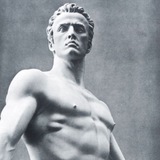
Beethoven statue by max klinger.
Of the many biographies written about him, these two remain my favorites. Their appeal lies not merely in the story they tell, but in the quality of their literary writing, one reads them as much for the prose as for the life they recount.