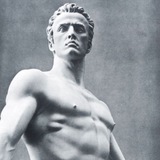
The archaic development of feelings and sensations was by no means oriented toward the contemplative or brooding individual removed from active life. In a far earlier and largely unconscious mode of existence, they functioned instead as vital signifiers of environmental importance: indications of threat or sustenance, of drought or provision, of what must be fled and what must be pursued.
Everything that later becomes conscious derives from these primitive conditions of animal life; had we not needed them, we would never have developed them.
In their origin, feelings were not objects of reflection but instruments of necessity: immediate communications from the body that compelled action, directing the organism toward self-preservation and, where possible, toward homeostasis when its resources ran short. Only later were these signals taken up into the sphere of consciousness, where they could be dwelt upon, interpreted, and transformed into the inner life of thought; wherein the great evil resides, because rather than taking the communications and interpretations at face value, the organism begins to commit intellectual falsification by all kinds of justifications and attaching of unreal causes as explanations of his mental states; he seeks outward causes for internal states; even if they were really present, the mental constitution of the man will commit such falsifications either ways, because the degree with which a cause is sought is itself dependent on the mental relational state.
The brooding inwardness of the religious or philosophical individual is thus merely a late invention, born from a physiological misunderstanding.
the more humanity comes to a better understanding and glorification of the functions, the more it diefies those functions and compose verses and poems in honour of the virtues of the body, rather than those of the spirit - for the latter is only an overflow of the first-: a history of the future is achieved by means of this temporal inversion.
Everything that later becomes conscious derives from these primitive conditions of animal life; had we not needed them, we would never have developed them.
In their origin, feelings were not objects of reflection but instruments of necessity: immediate communications from the body that compelled action, directing the organism toward self-preservation and, where possible, toward homeostasis when its resources ran short. Only later were these signals taken up into the sphere of consciousness, where they could be dwelt upon, interpreted, and transformed into the inner life of thought; wherein the great evil resides, because rather than taking the communications and interpretations at face value, the organism begins to commit intellectual falsification by all kinds of justifications and attaching of unreal causes as explanations of his mental states; he seeks outward causes for internal states; even if they were really present, the mental constitution of the man will commit such falsifications either ways, because the degree with which a cause is sought is itself dependent on the mental relational state.
The brooding inwardness of the religious or philosophical individual is thus merely a late invention, born from a physiological misunderstanding.
the more humanity comes to a better understanding and glorification of the functions, the more it diefies those functions and compose verses and poems in honour of the virtues of the body, rather than those of the spirit - for the latter is only an overflow of the first-: a history of the future is achieved by means of this temporal inversion.
time is constituted inwardly for us as a sum of discrete difference, no more can be said about it that transcends the limits of objectivity, which means as a pure metaphysical and psychological reality for the recognition of this difference to be possible at all, for to posit this difference as the foundation of time is to presuppose the existence of an observer who implicitly recognizes this difference, if an observer is cancelled, there is nothing left of time, it is we, our nervous system activity and sensory organs that uniquely construct for us a special lived time, in daydreaming we experience time differently than in activity or even sleep or some change of bodily state, consequently no universality of conception of time can be established at all, if an animal would write a treatise about his experience of time, we would not understand it, this non-identity of moments that flow indefinitely is the unconscious source of all conceptions of time, in the whole of its life it enters nowhere as a physical reality, least of all as a mathematical one, but those themselves can be neatly derived from the essential sources and later idealized for the sake of utility and more systemized general knowledge, otherwise the concept of events which has its roots in difference is anulled and reduced to sameness, thus to attempt out of good will to mathematicize time and posit it physically is a simple-mindedness.
Conatus
time is constituted inwardly for us as a sum of discrete difference, no more can be said about it that transcends the limits of objectivity, which means as a pure metaphysical and psychological reality for the recognition of this difference to be possible…
essentially the difference between newtonian time versus bergsonian time!
« إن الْأَخْلَاق هِي سببية- علية- وَاعِيَة ومخططة لِسُلُوك، وَهِيَ مَا خَلَا كُلّ خُصُوصِيَّات الْحَيَاة الواقعية وطابعها، شَيْءٌ مَا خَالِد وَصَحِيحٌ عَلَى مُسْتَوَى كَوْنِي، وَهِيَ لَيْسَتْ مَعْدُومَةٌ الزَّمَانِ فَقَطْ، بَلْ إنَّمَا هِيَ مُعَادِيه لَه، وَهِي، لِهَذَا السَّبَبِ بِالذَّات، 'حَقِيقَة'؛ وَحَتَّى لَوْ لَمْ يَكُنْ هُنَاكَ وُجُود لِلْجِنْس الْبَشَرِيّ، لَبَقِيَت الْأَخْلَاق حَقِيقَة وصحيحة- وَهَذَا لَيْسَ مُجَرَّدَ خُيَلَاء وَتَصَوُّر، بَلْ هُوَ تَعْبِيرٌ لِلْمَنْطِق الأخْلاقِي اللامتعضي مَنْطِق الْعَالِم الْمُدْرَك بِوَصْفِه مِنْهَاجًا جَرَى فِعْلًا اسْتِخْدَامِه؛ والفيلسوف قَدْ لَا يَتَنَازَلُ أَبَدًا عَنْ أَنَّهُ كَانَ مِنْ الْجَائِزِ لِلْأَخْلَاق تَطَوَّر واكتمال؛ إن الْفَرَاغ يُفْنِي الزَّمَان، و الْأَخْلَاق الْحَقِيقِيَّةُ هِيَ مُطلقَةٌ، خَالِدَة وكاملة، وَهِيَ نَفْسُهَا بِالذَّات؛ وَيَكْمُن دَاخِلٌ أَعْمَاقِهَا نَفْي دَائِمٌ لِلْحَيَاة، و امْتِنَاع عَنْهَا وَإِنْكَار يَبْلُغَان حُدُود التَّنَسُّك وَالزُّهْدَ حَتَّى الْمَوْت نَفْسِه؛ فَالنَّفْي وَاضِحٌ فِي كُلِّ جُمْلَةٍ مِنْ جملها- فالأخلاق الدِّينِيَّة تَحْتَوِي عَلَى نَوَاةٍ وتحريم لا عَلَى فَرَائِضِ؛ و التابو حَتَّى حَيْث يُؤَكِّد بِوُضُوح، هُو لاَئِحَةٌ مِنْ إنْكَارِ وتنصل؛ فَلَا سَبِيلَ إلَى تَحْرِير الْمَرْء نَفْسه مِنْ عَالم الْوَاقِع، وَإِن تَجَنَّب إِمْكانَات الْمَصِير، و أَنَّ النَّظَرَ دَائِمًا إِلَى العُنْصُر بِوَصْفِه عَدُوًّا يَتَرَبَّصُ بِهِ الدوائر- مَا هُوَ إلَّا مِنْهَاج قَاس وعقيدة وَإِرَادَة مُمَارَسَة؛ وَلَا يَتَوَجَّب عَلَى أَيِّ عَمَلٍ أَنْ يَكونَ أنْ يَكونَ سَبَبًا أَوْ محرضا دافعا- فَهَذَا الْأَمْرُ مَتْرُوكٌ للدم- فَكُلُّ شَيْءٍ يَجِبُ أَنْ يُقَدرَ عَلَى ضَوْءِ الدوافع وَالنَّتَائِج، و يَجِبُ أَنْ يَنْفُذَ 'حَسَبَ مَنْطُوقِ الْأَوَامِر'؛ و الْمَطْلُوب توتِر مُفرطٌ القَلَق كَيْلًا تَقَع فِي الْخَطِيئَةِ؛ وأَوَّل الْأُمُور المستوجبة هِيَ الْعِفَّةُ وَضَبْطِ النَّفْسِ عَنْ شَهَوَاتِهَا، وَعَمَّا يَتَعَلَّق بِالدَّم وَالْحبّ وَالزَّوَاج؛ فَالْحبّ وَالْبَغْضَاءَ فِي الْجِنْسِ البَشَرِيِّ هُمَا كونيان وشران، وَالْحبّ الجِنْسِيّ هُوَ عَلَى طَرَفَيْ نَقِيض وَالْحبّ وَالْخَوْفُ مِنْ اللَّهِ الَّذِينَ لَا زَمَان لَهُمَا، وَلِهَذَا فَإِنَّ هَذَا النَّوْعِ مِنْ الْحبِّ خَطِيئَة أَصْلِيَّةٌ طَرد مِنْ أَجْلِهَا آدَمَ مِنْ الْجَنَّةِ وأورث الجِنْسِ البَشَرِيِّ وِزْر خَطِيئَته {...}.»
أوسفالد شبينغلر، تَدَهْوَر الحَضَارَة الْغَرْبِيَّة، الْمُجَلَّد الثَّانِي، الْفَصْل الْعِشْرُون، مَشَاكِل الحَضارَةُ العَرَبِيَّةُ: فيثاغورس، مُحَمَّد، وكرومويل، ص ٣٥٥ - ٣٥٧.
أوسفالد شبينغلر، تَدَهْوَر الحَضَارَة الْغَرْبِيَّة، الْمُجَلَّد الثَّانِي، الْفَصْل الْعِشْرُون، مَشَاكِل الحَضارَةُ العَرَبِيَّةُ: فيثاغورس، مُحَمَّد، وكرومويل، ص ٣٥٥ - ٣٥٧.
The face is also one medium of artistic expression among others; nothing proves this more clearly than the versatility of its expressions and the countless metamorphoses it is capable of undergoing. if one were to reconstruct a physigonomy of the face development across his life history, a museum would suddenly appear.
إنما يستمدّ العبقريُّ إحساسَه بالأجزاء من رؤيته للكلّ، إذ هو لا يحيا إلا في هذه الرؤية الشاملة. وكلُّ ما في داخله أو خارجه إنما يقدّره بميزان تلك الرؤية؛ رؤيةٌ ليست عنده من وظائف الزمن، بل هي جزءٌ من الأبدية نفسها.
إن العالِم يأخذ الظواهر على ما تبدو عليه في ظاهرها، أمّا العظيم أو العبقري فيأخذها على ما ترمز إليه. فالبحر والجبل، والنور والظلمة، والربيع والخريف، والسَّرو والنخل، والحمامة والبجعة، كلُّها رموزٌ لديه؛ فهو لا يعتقد فحسب أنّ فيها شيئًا أعمق، بل يتعرّف فيه حقًّا على ذلك العمق الكامن. فاندفاعة الفالكيري ليست عنده وليدة الضغط الجوي، والنار السحرية ليست مجرّد نتيجةٍ لعملية أكسدة.
وكلُّ هذا ممكنٌ لديه لأنّ العالم الخارجي فيه من الامتلاء والاتصال بمقدار ما للعالم الداخلي؛ بل إنّ العالم الخارجي لا يبدو له إلا وجهًا خاصًّا من وجوه حياته الباطنة. فالكون والأنا قد أصبحا فيه شيئًا واحدًا، ولم يعد مضطرًّا إلى أن يجمع خبرته قطعةً قطعة وفق قاعدةٍ أو نظام. إنّ لانهاية الكون تجد في العبقري صدىً من إحساسٍ حقيقي باللانهاية في صدره هو نفسه؛ فهو يحمل في داخله الفوضى والنظام، والتفاصيل والكلّ، والكثرة والوحدة، والجمع والتفرّد.
— أوتو فايننغر، الجنس والشخصية، تحقيقٌ في المبادئ الأولى.
إن العالِم يأخذ الظواهر على ما تبدو عليه في ظاهرها، أمّا العظيم أو العبقري فيأخذها على ما ترمز إليه. فالبحر والجبل، والنور والظلمة، والربيع والخريف، والسَّرو والنخل، والحمامة والبجعة، كلُّها رموزٌ لديه؛ فهو لا يعتقد فحسب أنّ فيها شيئًا أعمق، بل يتعرّف فيه حقًّا على ذلك العمق الكامن. فاندفاعة الفالكيري ليست عنده وليدة الضغط الجوي، والنار السحرية ليست مجرّد نتيجةٍ لعملية أكسدة.
وكلُّ هذا ممكنٌ لديه لأنّ العالم الخارجي فيه من الامتلاء والاتصال بمقدار ما للعالم الداخلي؛ بل إنّ العالم الخارجي لا يبدو له إلا وجهًا خاصًّا من وجوه حياته الباطنة. فالكون والأنا قد أصبحا فيه شيئًا واحدًا، ولم يعد مضطرًّا إلى أن يجمع خبرته قطعةً قطعة وفق قاعدةٍ أو نظام. إنّ لانهاية الكون تجد في العبقري صدىً من إحساسٍ حقيقي باللانهاية في صدره هو نفسه؛ فهو يحمل في داخله الفوضى والنظام، والتفاصيل والكلّ، والكثرة والوحدة، والجمع والتفرّد.
— أوتو فايننغر، الجنس والشخصية، تحقيقٌ في المبادئ الأولى.
Incendium mundi. Destruction of the biosphere's protective strata, raw sunlight, solvet saeclum in favilla. Alone in chasms of darkness, a solitary cell masturbates, like Atum-Ra, and begets another. Multiplication. In a billion years, more or less, life becomes possible again at some point. The cell forms complete organisms. Two animals couple under Yucatán rains. Mushrooms as high as mountains. Monstrous carnivorous trees. Huge proboscises emerge from the water. A billion years more and behold Sophocles, Alexander, Lucretius, Caesar, the famous lovers, the great murderers, Copernicus, Sade, Freud, Einstein, Nuclear Energy, the end. Leti sub dentibus ipsis-in the very teeth of death. Throughout this constant swallowing and spewing of worlds without reality, man still dreams about the rationality and wisdom of history.
"Those who have been deeply wounded have the Olympian laughter; a man only has what he needs."
Extreme positions are not relieved by more moderate ones, but by extreme opposite positions."
"إن اللغة يسقط أكثرها ويبطل، بسقوط دولة أهلها، ودخول غيرهم عليهم في مساكنهم، أو بنقلهم عن ديارهم واختلاطهم بغيرهم. فإنما يفيد لغة الأمة علومها وأخبارها قوة دولتها ونشاط أهلها وفراغهم. وأما من تلفت دولتهم، وغلب عليهم عدوهم، واشتغلوا بالخوف والحاجة والذل وخدمة أعدائهم، فمضمون منهم موت الخواطر، وربما كان ذلك سببًا لذهاب لغتهم، ونسيان أنسابهم وأخبارهم وبيود علومهم. هذا موجود بالمشاهدة ومعلوم بالعقل ضرورة".
— أبن حزم الأندلسي.، الإحكام في أصول الأحكام.
"The decline of literature indicates the decline of a nation."
— Johann Wolfgang von Goethe
— أبن حزم الأندلسي.، الإحكام في أصول الأحكام.
"The decline of literature indicates the decline of a nation."
— Johann Wolfgang von Goethe
Every nation has the government it deserves; and the vanity by which a people, time and again, imagines itself entitled to a better one -without itself becoming better and superior in any sense- is the more contemptible illusion.
We remain, even today, under the spell of ancient modes of magical thinking when we expect our modern physician to heal us swiftly, almost instantaneously, as if healing were an act of grace performed upon us, a gesture of power rather than a process unfolding within us. The very expectation of rapid cure reveals how deeply rooted the older idea of the healer as a kind of magician still is, one who expels illness with a single decisive intervention, a long road had to be traversed before medicine could reach the subtlety with which nature truly operates in the body: not through abrupt transformations, but through delicate equilibria, hidden compensations, and the slow restoration of balance. This understanding of the body as a self-regulating harmony, was one of the great fruits of the Greek mind. Thus even in the age of modern medicine, our impatience betrays an older desire: to be saved by another’s power, rather than restored by nature’s slow intelligence which finds of illness a means toward health.
قد يعرف الناس أن أفلاطون فيلسوف، العامي في الشارع سمع ذلك سماعا، والطالب الجامعي مرت عليه مادة تحدثت عن أفلاطون في صفحة، ومراهق الفلسفة قرأ كلاما عن أفلاطون ولم يقرأ له، قِسْ على هذا أن منازل التحقيق ليست واحدة، فقد يسألُ سائل في قضية، فيجيبه أحدهم ممن لهم بالقضية علم، ولكنَّ الجوابَ للسائل كالعلم للمسؤول، الأول لا يستطيع الأخذ والرد لأنه يجهل القضية، والثاني حسبه ما يعرفه من علم، أما الشاهد هنا أن الاثنين يقفان عند حد علمهما، أيْ، وما أريد إيصاله، أن المسؤول صاحبَ الجواب ذاك لم تنتهِ عنده الأجوبة، فقد يذهب السائل لغيره ممن علمُهم أكثر، فيجد جوابا لا يستطيع الأخذ والرد معه أيضا؛ إنَّ مراتب معرفة أحدنا لفيلسوف ما تتباين تباينًا عظيمًا، مِن معرفةٍ ضحلة لأعمال وأفكار فيلسوف بشكلٍ متقطع وعرضي منفصل، إلى اتقانٍ تام لنظامه الفلسفي بأكمله حيث تتضح الرؤية بعمق لكل أجزاء فلسفته وكل المفاهيم، وبغياب هذا الترابط المفاهيمي والمنطقي المُحكم لفهم فيلسوفٍ ما؛ تبقى معرفته الدقيقة غائِبةٌ عن أذهاننا، ثم أضف هذا إلى التقليد الفلسفي الّذي ينتمي إليه، وكيف تأوّله، والمدرسة الّتي جاء في سياقها؛ والأثر الّذي مارسته على فكره، ومراحل تطور فكره والاتِّساق الّذي يجمع هذه المراحل المُختلفة، وما طُرح وما شُحِذ من مفهومٍ ما في مراحل تطوره، ومرحلة ظهوره، في أي مرحلة من تطوره الفكري، وما علاقته بالمفاهيم الأخرى الّتي قد ولدته أو تمخضت هي ذاتها عنه، وهكذا؛ إذ إنَّ المراحل المتأخرة تكاد تكون نتيجةً منطقية لتطور ونمو هذا الفكر واختمار هذه المفاهيم في ذهن الفيلسوف؛ ولا تجد لهذه المفاهيم نضجًا مُفاجئ، فهي لا تنبثق فجأةً؛ بل تحتمي على نار العقل الهادئة حتّى تنضج، وهذا بالضبط ما يضفي مقدارًا من الصرامة والقوّة لفكر فيلسوف ما عن غيره، إذ تبعده عن شبهة الصبيانية وغياب الجدية في نظامه الفلسفي، وما يتمخض من هذا هو إنَّ القراءة العشوائية اللازمنية لأعمال مفكر ما تحرم المرء من رؤية هذه التطورات بِشكل جلي، وقد تجعله يُسيء فهم مقاصده والعجز عن تحقيق اتقان لنظامه، فلا يتساوي كل قارئ في معرفة فيلسوف ما مع آخر، بل إن الفيلسوف ذاته واع لهذا الشيء، لذا قد تُقيم المصدات للفهم أو قد يُسَّهل السبيل أمام الفهم، فخذ كتابات أرسطو الخاصة الّتي لا نعرف عنها شيئًا، فهي قد كانت موجهةً للخاصة من أصدقاءه والفلاسفة، وذات أسلوب أدبي بديع في هيئة محاورات؛ كما نقل ذلك مؤرخي الفلسفة، فأرسطو في هذه الأعمال لا يعمد التوضيح المفرط؛ بل يكتب بتدفقٍ حر لأنه يعرف مقدار نضج العقول الّتي يوجه لها هذه الكتابات، ثم هناك على الجانب الآخر كتاباته الّتي عرفناها وعن طريقها وصلتنا فلسفته، فهي تعمد أسلوب المحاضرة والشرح أكثر مما تعمد أسلوب الإيجاز والبلاغة، لأنها كانت موجهة لعامة الجمهور، فترى الفيلسوف نفسه عارِف لهذه الحقيقة، قد نرى هذه النسقية في الفكر تُخالف من قبل بعض الفلاسفة كنيتشه وغيرهم؛ لكن حتّى نيتشه فهو نسقي، يمكن توسيم كتاباته بإنها ذي نسق شذري، والترابط فيما بينها جلي للقارئ، ذلك إذا كان للقارئ نباهة ونفس طويل لتتبع تطور الفكرة في هذا النسق وطبيعته، فترى إن النسقية شيئًا حتميًا في التفلسف؛ هذا الشيء تجده حتى في الطب في تباين منازل الفهم ودقيق الملاحظة فلا يتساوى أحد يعرف عن السل أو الصرع علاماته وأعراضه؛ وتاريخ ظهورها زمنيًا وتقدمها، ودورة كل نوع من تلك الأنواع المتعددة والعلامات والأعراض الخاصة بها، والعلاجات المختلفة لها وسبل الوقاية منها، والعملية الدقيقة لتقدم المرض؛ فتبين من كل هذا إنما غور المعرفة والفكرة وأبعادها والإحاطة بكل ذلك، من الأمور الّتي قد يستقصيها عقلًا وقد تغيب عن عقل آخر.
The popularity of media that address the senses directly is no modern phenomenon; nor is the vulgarity of soul they tend to breed anything new. Both are as old as man himself, and belong to a long-standing, subtle understanding of how to tame that animal called “man”, an understanding from which plato himself might well have fled into the desert, that desolate refuge from the ceaseless flow of images, or at best, would have plucked his eyes out!
The fact that man has achieved an unprecedented immortality of spirit in his artistic and cultural creations, in contrast to the enduring fragility of the body, the height to which he has raised the spirit, almost to divinity, against the earthliness of a body subject to illness, decay, exhaustion, and the need for sleep and nourishment, remains an unhealed wound to his egoism, one he cannot yet admit and thus persistently denies, a wound that even the most advanced achievements of medicine cannot mend; whereas the accomplishments of the Olympian gods were in keeping with the perfection of their physical constitution, man bears within himself the suffering of this duality, a stigma of his Promethean condemnation, his body falling short even of the mechanical precision and subtlety he has been able to construct outside himself, as though, in doing so, he sought to perfect himself indirectly, it is even possible herein that the achievements of the intellect become a compensation for the painful imperfections of the body, particularly those intellectual inventions and works that serve to strengthen and extend the body’s own powers.