There dwells a certain art in the ordinary motions of life: in the manner by which one undertakes and completes his work; in the choice of a subject for conversation and in the unfolding of its course; in the preparation of a meal; and even in the singular ways one may read or write. In each of these gestures, the self discloses itself more fully than it knows. The inexhaustible variety of such small everyday arts, multiplied across men, forms the very substratum from which the great cycles of high art are nourished. Indeed, the lives of the great artists testify that no artistic work of genius is born ex nihilo, but rather ripens upon this ground of the quotidian.
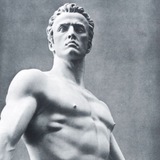
“There are men for whom winter is not an enemy, but a mirror. It reflects their own essence: cold and invincible.”
«هنا تكمن الصعوبة: لا يجمع الكاتب في شخصه عدة أشخاص فحسب، بل إن كل لحظة من ذاته تتبرأ من اللحظات الأخرى ولا تسمح بأي تصالح أو تسوية. وعلى الكاتب أن يستجيب في آن لعدة أوامر مطلقة ومختلفة كليّاً في ما بينها، فتتشكل أخلاقه من التقاء وتعارض قواعد شديدة التناحر.
تقول له إحداها: "لن تكتب، ستظلّ عدماً، ستظلّ صامتاً وتتجاهل الكلمات"
فيما تقول له الأخرى: "لن تعرف سوى الكلمات"
- اكتب لكن لا تقل شيئًا.
- اكتب وقل شيئًا ما.
- لا تكتب عملًا، وإنما تجربتك أنت، اكتب كي تعرف ما هو مجهول لك.
- اكتب عملًا، عملًا حقيقيًا يعترف به الآخرون ويكون مهمًا في نظرهم.
- غيّب القارئ.
- غيّب ذاتك أمام القارئ.
- اكتب لكي تكون صائبًا.
- اكتب من أجل الحقيقة.
- كن كاذبًا، إذًا، لأن الكتابة في سبيل الحقيقة تعني كتابة ما هو ليس صائبًا بعد وربما لن يكون كذلك البتة.
- دعك من الحقيقة، اكتب بغرض الفعل.
- اكتب ما دمت تخاف من الفعل.
- دع الحرية تتحدث من خلالك.
- حذار من أن تفسح للحرية المجال لتصير كلمة!
أي من هذه القوانين تنبغي إطاعته؟ إلى أي صوت ينبغي الإنصات؟ إنما عليه إطاعتها جميعًا! أي فوضى هذه! والوضوح، أليس هو الآخر قانوناً؟ بلى، الوضوح أيضًا. عليه إذًا أن يدخل في تعارض دائم مع نفسه: أن ينكر ذاته وهو يؤكدها، أن يجد عمق الليل في سهولة النهار، وفي الظلمات التي لا بدء لها النورَ الأكيد الذي لا ينضب. عليه أن يُنقذ العالم وأن يكون الهاوية، أن يسوّغ الوجود ويتيح الكلام لما هو ليس موجودًا. هل هو ذلك كله؟ الأدب هو ذلك كله، وفيه.»
- موريس بلانشو، "حصّة النار".
تقول له إحداها: "لن تكتب، ستظلّ عدماً، ستظلّ صامتاً وتتجاهل الكلمات"
فيما تقول له الأخرى: "لن تعرف سوى الكلمات"
- اكتب لكن لا تقل شيئًا.
- اكتب وقل شيئًا ما.
- لا تكتب عملًا، وإنما تجربتك أنت، اكتب كي تعرف ما هو مجهول لك.
- اكتب عملًا، عملًا حقيقيًا يعترف به الآخرون ويكون مهمًا في نظرهم.
- غيّب القارئ.
- غيّب ذاتك أمام القارئ.
- اكتب لكي تكون صائبًا.
- اكتب من أجل الحقيقة.
- كن كاذبًا، إذًا، لأن الكتابة في سبيل الحقيقة تعني كتابة ما هو ليس صائبًا بعد وربما لن يكون كذلك البتة.
- دعك من الحقيقة، اكتب بغرض الفعل.
- اكتب ما دمت تخاف من الفعل.
- دع الحرية تتحدث من خلالك.
- حذار من أن تفسح للحرية المجال لتصير كلمة!
أي من هذه القوانين تنبغي إطاعته؟ إلى أي صوت ينبغي الإنصات؟ إنما عليه إطاعتها جميعًا! أي فوضى هذه! والوضوح، أليس هو الآخر قانوناً؟ بلى، الوضوح أيضًا. عليه إذًا أن يدخل في تعارض دائم مع نفسه: أن ينكر ذاته وهو يؤكدها، أن يجد عمق الليل في سهولة النهار، وفي الظلمات التي لا بدء لها النورَ الأكيد الذي لا ينضب. عليه أن يُنقذ العالم وأن يكون الهاوية، أن يسوّغ الوجود ويتيح الكلام لما هو ليس موجودًا. هل هو ذلك كله؟ الأدب هو ذلك كله، وفيه.»
- موريس بلانشو، "حصّة النار".
worn out ideals — There is no spectacle more grievous to the spirit than that moment in which the highest ideals, once reverently enthroned within the soul, are discovered lying in fragments, shattered like an ancient mirror, dimmed by years and suddenly struck beyond all repair. Only in that hour of disenchantment does one awaken to a sterner wisdom: that ideals are not to be sought as relics of devotion, but must be forged anew in the likeness of one’s own highest image.
Conatus
https://youtu.be/oPpGxrUHLO4?si=lM5BEVVtFBqLH-Uk
If our time and spirit are too precious to be tarnished by what is merely popular, then we ought to lend our ears only to what is sublime and enduring in sound. For if music is to be a spiritual exercise of purification, it must not merely silence things -ourselves included- but rather confer upon them a greater power to speak through it, even when they remain in the dim background.
إِنَّ الكَلِماتِ لَبُيُوتٌ صِغارٌ، لِكُلِّ بَيتٍ سِردابٌ وَعَلِيَّة. يَأوِي العَقلُ العَامُّ إِلى سُفْلِها، مُقِيمًا عَلى عَتبَةِ السُّوقِ، يُجَاوِرُ المَارَّةَ، وَلا يَرتَقِي فِي الحُلْمِ. أَمَّا مَن صَعِدَ فِي دَرَجِ الكَلِمَةِ، فَقَدِ اعْتَزَلَ شَيْئًا فَشَيْئًا، وَأَمَّا مَن هَبَطَ إِلَى سِرْدَابِهَا، فَقَدْ غَاصَ فِي رُؤًى بَعِيدَةٍ، وَتَاهَ فِي دَهَالِيزَ مِنْ أَصْلٍ غَابِرٍ، يَلْتَمِسُ كُنُوزًا لَا تُنَالُ مِنْ ظَاهِرِ اللَّفْظِ. وَهَكَذَا حَيَاةُ الشَّاعِرِ: يَصْعَدُ وَيَنْزِلُ فِي الكَلِمَةِ ذَاتِهَا، لَا يَأْنَفُ مِنَ العُلُوِّ، وَلَا يَهَابُ الغَوْرَ.
— غاستون باشلار
— غاستون باشلار
"According to whether a people feels: the rights, the keenness of vision, and the gifts of leading, etc., are with the few or with the many, it constitutes an oligarchic or a democratic community.
Monarchy represents the belief in a man who is completely superior - a leader, a saviour, a demigod.
Aristocracy represents the belief in a chosen few - in a higher caste.
Democracy represents the disbelief in all great men and in all élite societies: everybody is everybody else’s equal. “At bottom we are all herd and mob.”"
Monarchy represents the belief in a man who is completely superior - a leader, a saviour, a demigod.
Aristocracy represents the belief in a chosen few - in a higher caste.
Democracy represents the disbelief in all great men and in all élite societies: everybody is everybody else’s equal. “At bottom we are all herd and mob.”"
i thought it better to publish them instead of lying in my notes for years now.
Conatus
https://zakarialyahya.wordpress.com/2026/03/13/some-reflections-on-criminality-pt1/
Zakaria
reflections on criminality pt2
Which of us, if favoured by circumstances, would not already have committed every possible crime?… That is why one should never say: “Thou shouldst never have done such and such a thing,” but…
Recently it has begun to dawn on me that every event and every activity which does not bear the stamp of eternity, which does not shine forth to other moments and activities of the same kind and survive its own passing, is scarcely worth participating in or occupying oneself with. Whatever one undertakes ought, in some manner, to outlive its author, so that it may perpetuate its value toward eternity.
Conatus
Recently it has begun to dawn on me that every event and every activity which does not bear the stamp of eternity, which does not shine forth to other moments and activities of the same kind and survive its own passing, is scarcely worth participating in or…
only the ephemeral which bears the stamp of the eternal is worth living in.
dusk, that phenomenal time in which we witness the rebirth of days, from their conception in the womb of a prior day to their genesis, birth, growth and death, each delineated from the other in features resembling those of a human countenance throughout its life, the very gradations of colours of the sky, their delicate transitions with the flight of the chariot of time, as if we are witnessing the god of time as an artist painting his great canvas in the stygian sky culminating in its completion by the end of the day, to the general physical harmony that pervades us when witnessing the outset of a day, and of everyday, which amounts to witnessing the very birth of time, of the first day of time ever.
Conatus
Photo
Being a musician in a populous city is no nimble task. The countless interruptions, interventions, and flights of mind inevitably exert a corrupting influence upon his mastery of any piece and may drive him to despair. It is almost paradoxical to attempt to weave order from turmoil, organization from mayhem, to wrench a piece of music from the realms of clamour, consonance from dissonance, harmony from chaos, for the materials out of which he fashions his art are nothing but nature's, and those of the city are far removed from nature.
Thus he ought to plunge himself into worlds encompassed wholly by silence: into deserts of solitude, into the deep waters beneath the sea, and there perform for beings who know of nothing yet except music, beings to whom music is not an art but a native element. For such a truth is already revealed in the musicality of nature itself: in water and in air, where music is woven out of silence, where music is nothing other than the play of silence.
Thus he ought to plunge himself into worlds encompassed wholly by silence: into deserts of solitude, into the deep waters beneath the sea, and there perform for beings who know of nothing yet except music, beings to whom music is not an art but a native element. For such a truth is already revealed in the musicality of nature itself: in water and in air, where music is woven out of silence, where music is nothing other than the play of silence.
إِنَّ أَعْمَقَ كَلِمَةٍ قِيلَتْ فِي التَّارِيخِ، هِيَ مَا جَاءَ فِي مَشْهَدِ المُمَثِّلِ فِي «هَامْلِت»: إِذِ التَّارِيخُ هُوَ جَسَدُ الزَّمَانِ، وَالمَسْرَحُ هُوَ الصُّورَةُ الَّتِي تَطْبَعُ عَلَيْهِ مَعَالِمَ الشَّكْل.
لعلَّ نهايةَ التاريخ - على الصعيد الشخصي والفردي، على الأقل - هي الانتقالُ من الاكتشاف واللعب، وهما من خصائص المواسم الطويلة في الحياة، إلى العمل والروتين، اللذين يجزّئان الزمن إلى مواسم قصيرة متكرّرة. ففي الشباب، أو في لحظات اليقظة والانكشاف، تنبسط الحياة ببطء، وتعمل كلُّ تجربةٍ فيها على توسيع العالم؛ غير أنّ الرتابة تضغط الزمن وتقبضه، حتى تغدو الأيام متشابهة لا يكاد يُميَّز بعضها من بعض، فيتحوّل الكائن بذلك إلى موجودٍ بلا تاريخ، ومن هناك يبهت التاريخ العامّ الكوني الذي يتشكّل من نشاط الأفراد على نحوِ مايكروسكوبي.
ولهذا كانت الرحلات في الطرق، وصعود الجبال، والمشي الطويل، على نحوٍ من الأنحاء، ضربًا من مقاومة نهاية التاريخ؛ إذ تعيد فتح مجال اكتشاف العالم للفرد، وتُحدِث في آنٍ معًا رحلةً إلى الخارج في العالم، وتحولًا إلى الداخل في النفس.
ولهذا كانت الرحلات في الطرق، وصعود الجبال، والمشي الطويل، على نحوٍ من الأنحاء، ضربًا من مقاومة نهاية التاريخ؛ إذ تعيد فتح مجال اكتشاف العالم للفرد، وتُحدِث في آنٍ معًا رحلةً إلى الخارج في العالم، وتحولًا إلى الداخل في النفس.