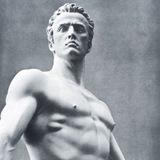
Insanity is nothing less than an absolute sinking into oneself: a total immersion, as though seized by a storm or lost within a maze whose paths fold endlessly inward. In such a state, imagination is released from all bounds. And should one, by some chance, attempt escape, no exit presents itself; for one has been locked within oneself, an excess of interiority from which there is no outward passage, mundane consciousness, by contrast, does not sink into itself. It moves outward; it cruises, externalizes itself, and remains oriented toward its surroundings, yet it does so without truly internalizing what it encounters. It registers, names, and navigates, but it does not descend. In the insane, however, it is the inner world that becomes law. Objects and things cease to appear as independent realities and are reduced instead to images, accessories, and reflections, mere extensions of an interior world.
Thus the self, having withdrawn into its own abyss, loses its anchor in the world. What emerges is an excessive overflow of imagination turned back upon itself, no longer regulated by the principles of understanding, and yet this self was not formed in isolation, It was shaped within the whirlwind of the world itself, only to fracture at a certain point in its development, severing its bond with exteriority, having turned inward beyond measure, the insane subject no longer receives the world as given but works upon it as it has received it, and begins to transfigure it, and bends it toward a further becoming of the mind, that of the insane mind, one no longer constrained by shared reality, but governed by the inexhaustible depths of its own interior life, thus the inner world becomes an object for the mind of the insane.
Thus the self, having withdrawn into its own abyss, loses its anchor in the world. What emerges is an excessive overflow of imagination turned back upon itself, no longer regulated by the principles of understanding, and yet this self was not formed in isolation, It was shaped within the whirlwind of the world itself, only to fracture at a certain point in its development, severing its bond with exteriority, having turned inward beyond measure, the insane subject no longer receives the world as given but works upon it as it has received it, and begins to transfigure it, and bends it toward a further becoming of the mind, that of the insane mind, one no longer constrained by shared reality, but governed by the inexhaustible depths of its own interior life, thus the inner world becomes an object for the mind of the insane.
"لا دوامَ لشيء، حقًّا، ولا يُعتدّ من الزمن إلا باللحظات؛ غير أنّ اللحظة لا تفصح عن بهائها إلا لمن تخيّلها أبدية. وليس جديرًا بالاعتبار إلا الزائلُ الذي يتلبّس هيئة الخلود".
— نيكولاس غوميز داڤيلا؛ ترجمة شخصية من النص الإسباني الأصلي.
— نيكولاس غوميز داڤيلا؛ ترجمة شخصية من النص الإسباني الأصلي.
يكون المرء فنانًا بقدر ما يرى كلَّ ما يسمّيه الناس غيرُ الفنيّين «شكلًا» هو الجوهر الحقيقي، وهو الأمر «الأساسي» بعينه. وبهذه الرؤية ينتمي الإنسان، بلا ريب، إلى عالمٍ مقلوب؛ إذ يغدو الجوهر، منذ ذلك الحين، شيئًا شكليًّا محضًا في نظره، بل إنّ خطّ حياته نفسه لا يخرج عن هذا الحكم، بوصفها موضوعًا فنّيًّا. وقد يشرق له عندئذٍ إدراك مفاده أنّ كلَّ جوهرٍ ممكن أو متخيَّل يمكن أن يُتَّخذ موضوعًا للفن، ما دام قادرًا على أن يضفي عليه شكلًا، ومن ثم يتولد لديه تصورٌ عن الإمكانات اللامحدودة لفنونٍ لم تولد بعد، طالما ينجح خياله في إضفاء الأشكال مع ما يتناسب مع المادة الخام.
Conatus
for the new year.
For the New Year, one might read Proclus’ Hymn to the Sun, as a token of gratitude to that luminous source. The New Year itself marks the completion of one cycle of the Earth around this exquisite star, which in its daily labor never grows weary, never exhausts itself. The Sun remains ever generous, always abundant, bestowing anew through the turning of the seasons. Humanity may be fickle, changeable in its desires and attentions, but not the eternal bodies, not the Sun, whose constancy surpasses the frailty of men.
http://lases.blogspot.com/2012/06/june-21st-summer-solstice-proclus-hymn.html
من أجل فهم أعمق لهذه الترنيمة، لا بد من الاطلاع على بعض فلسفة بروكلوس النيوافلاطونية، لفهم السياق الذي نُظمت فيه. ومع ذلك، فإن القصيدة بذاتها غنية بالمعاني وجميلة في ألفاظها، فيمكن أن تُستمتع بها وتُقرأ لذاتها دون حاجة لأي خلفية فلسفية.
من أجل فهم أعمق لهذه الترنيمة، لا بد من الاطلاع على بعض فلسفة بروكلوس النيوافلاطونية، لفهم السياق الذي نُظمت فيه. ومع ذلك، فإن القصيدة بذاتها غنية بالمعاني وجميلة في ألفاظها، فيمكن أن تُستمتع بها وتُقرأ لذاتها دون حاجة لأي خلفية فلسفية.
On Naming —
To name human beings or things is an exceedingly laborious task. For it lies in the very essence of names, at least insofar as they claim legitimacy, that they are meant to encompass and encapsulate within themselves not only the essential but also the accidental attributes of a thing. In a cryptic and abbreviated sign, a name is presumed to contain all that a thing is, and not merely that, but also how it will unfold, how it will become; which is to say, how it will contradict itself indefinitely, how it will fracture its identity innumerable times, each fracture either consuming, birthing, and growing out of the other, or annihilating it entirely, only to erect and reform it again from the ground up. A name, therefore, is the fixation of knowledge at a particular phase in the life of a thing. It implicitly ossifies the whole process of becoming by seizing upon a single moment, whether out of laziness or haste, and generalizing it into a universal and exhaustive image. At best, it projects itself forward as a compulsive imposition: a foreign and incongruous image that touches the thing neither from near nor from afar. In this way, names inflict innumerable injuries and injustices upon both the thing itself and its knowledge.
If one takes seriously the biblical adage according to which the name of a thing is the vessel of its entire identity and nature, then one must also be granted the courtesy of altering one's name innumerable times within a single lifetime, each alteration corresponding to a violent transformation of essence. Only the total constellation of these names, taken together, would constitute the man himself. Herein lies, as well, the reason one changes one's friends in correspondence with one's own growth and transformation: both names and friendships function as mirrors of former selves. One ought not, therefore, acquiesce to the common, supposedly objective semantics of a name; rather, one should saturate it with meanings drawn from one's own interiority, so as to christen each phase of one's life with a name that gathers within itself the sum of its highest possibilities.
To name human beings or things is an exceedingly laborious task. For it lies in the very essence of names, at least insofar as they claim legitimacy, that they are meant to encompass and encapsulate within themselves not only the essential but also the accidental attributes of a thing. In a cryptic and abbreviated sign, a name is presumed to contain all that a thing is, and not merely that, but also how it will unfold, how it will become; which is to say, how it will contradict itself indefinitely, how it will fracture its identity innumerable times, each fracture either consuming, birthing, and growing out of the other, or annihilating it entirely, only to erect and reform it again from the ground up. A name, therefore, is the fixation of knowledge at a particular phase in the life of a thing. It implicitly ossifies the whole process of becoming by seizing upon a single moment, whether out of laziness or haste, and generalizing it into a universal and exhaustive image. At best, it projects itself forward as a compulsive imposition: a foreign and incongruous image that touches the thing neither from near nor from afar. In this way, names inflict innumerable injuries and injustices upon both the thing itself and its knowledge.
If one takes seriously the biblical adage according to which the name of a thing is the vessel of its entire identity and nature, then one must also be granted the courtesy of altering one's name innumerable times within a single lifetime, each alteration corresponding to a violent transformation of essence. Only the total constellation of these names, taken together, would constitute the man himself. Herein lies, as well, the reason one changes one's friends in correspondence with one's own growth and transformation: both names and friendships function as mirrors of former selves. One ought not, therefore, acquiesce to the common, supposedly objective semantics of a name; rather, one should saturate it with meanings drawn from one's own interiority, so as to christen each phase of one's life with a name that gathers within itself the sum of its highest possibilities.
Conatus
On Naming — To name human beings or things is an exceedingly laborious task. For it lies in the very essence of names, at least insofar as they claim legitimacy, that they are meant to encompass and encapsulate within themselves not only the essential but…
I had published this text on my previous channel, but I am republishing it here after adding to and modifying some of its sections.
The idea dawned upon me with such force that it bordered on paralysis, a heavy dizziness, as though the arrow and trajectory of time had reversed themselves. For how could it be that man, born upon land yet claiming descent from aquatic creatures, returns once more to water, to his primordial homeland, as it were? Of a stature and constitution wholly terrestrial, what did the first man who ever learned to swim say to himself? Was he seized by some cosmic, primordial memory of the entire organic world, encrypted in the recesses of the universe and of the Earth, at once singularly his own but belonging to all else For what else does the act of swimming signify, if not this: that man contains within himself the multiplicity of what has been, and at the same time the potentialities of what he is not yet, whether by some rare combination of those multiplicities or by a fortunate accident? One lives in unity with the totality of earthly species not by dissolution into them, but by carrying within oneself a share of their modes of being. Thus man becomes a synthesis of terrestrial and aquatic existence.
And now, by mediation, he learns even to fly, taking on something of the nature of celestial beings, metaphorically, at least. In this sense, man is indeed all creatures in one. Myth had already presented this truth: man himself is a living expression of the primordial longing of the human spirit to reach beyond its horizons, to seek both depths and heights, to imitate other beings and to metamorphose himself according to their modes of activity, whether in swimming and the consequent invention of ships, or in flying and the invention of airplanes. This eternal urge toward the appropriation of land and sea, of earth and sky, reveals that flight is not originally a human luxury, but one allotted to the leisurely gods. Even in its modern, realized form, where myth is brought into actuality and the boundary between imagination and reality is partially effaced, in aeronautics we find only an illusory semblance of the longed-for experience of flying. For here the machine performs the flight: it transports and communicates, but stands as an intermediary, even a wall, forbidding direct experience. In doing so, it divests flight of its original meaning as a yearning toward totality. Yet within this crystallization lie the origins of science itself. Myth is an ever-present portrait of the human spirit; it foretells the future of man, for within it he unwittingly narrates the unfolding of his own fate.
And now, by mediation, he learns even to fly, taking on something of the nature of celestial beings, metaphorically, at least. In this sense, man is indeed all creatures in one. Myth had already presented this truth: man himself is a living expression of the primordial longing of the human spirit to reach beyond its horizons, to seek both depths and heights, to imitate other beings and to metamorphose himself according to their modes of activity, whether in swimming and the consequent invention of ships, or in flying and the invention of airplanes. This eternal urge toward the appropriation of land and sea, of earth and sky, reveals that flight is not originally a human luxury, but one allotted to the leisurely gods. Even in its modern, realized form, where myth is brought into actuality and the boundary between imagination and reality is partially effaced, in aeronautics we find only an illusory semblance of the longed-for experience of flying. For here the machine performs the flight: it transports and communicates, but stands as an intermediary, even a wall, forbidding direct experience. In doing so, it divests flight of its original meaning as a yearning toward totality. Yet within this crystallization lie the origins of science itself. Myth is an ever-present portrait of the human spirit; it foretells the future of man, for within it he unwittingly narrates the unfolding of his own fate.
some comment on the last world event —
It already bears witness to the growing fragility of a nation’s spirit when it seeks immediate victory, for otherwise it would be exhausted by protracted wars and compelled to reveal the true measure of its strength once all coverings are stripped away. Observe how such nations cower and shrivel at the prospect of great wars with capable equals. For since when is war waged against those inferior to one’s lot and power? To do so is a disgrace to a soul that refuses to seek an enemy equal to itself, just as it is a disgrace to a nation.
A nation standing on the verge of its final flashes of decadence seeks refuge not in renewed strength or restored dignity, but in spectacle: in press and proclamation, in showiness and incessant media display, attempting to substitute appearance for power and noise for substance. Under the pressure of an ontological necessity to attest to its own existence, it tests its vanishing strength against weaker nations, just as the waning strength of old age tests itself against adolescence rather than confronting adulthood.
This thirst for immediacy reveals itself across every domain of national life and the greatest event of life: in political administration and the management of daily affairs no less than in art and cultural production. Life contracts into a spectacle of the immediate, for such a nation is too weak to endure, too weak to resist for long, to wage war for long, to plan for long, or to exercise sustained discipline.
It already bears witness to the growing fragility of a nation’s spirit when it seeks immediate victory, for otherwise it would be exhausted by protracted wars and compelled to reveal the true measure of its strength once all coverings are stripped away. Observe how such nations cower and shrivel at the prospect of great wars with capable equals. For since when is war waged against those inferior to one’s lot and power? To do so is a disgrace to a soul that refuses to seek an enemy equal to itself, just as it is a disgrace to a nation.
A nation standing on the verge of its final flashes of decadence seeks refuge not in renewed strength or restored dignity, but in spectacle: in press and proclamation, in showiness and incessant media display, attempting to substitute appearance for power and noise for substance. Under the pressure of an ontological necessity to attest to its own existence, it tests its vanishing strength against weaker nations, just as the waning strength of old age tests itself against adolescence rather than confronting adulthood.
This thirst for immediacy reveals itself across every domain of national life and the greatest event of life: in political administration and the management of daily affairs no less than in art and cultural production. Life contracts into a spectacle of the immediate, for such a nation is too weak to endure, too weak to resist for long, to wage war for long, to plan for long, or to exercise sustained discipline.
— حول التلصص الإيروسيّ.
إنّ التلصّص في الشهوة (voyeurism)، علامةٌ على خمود القوّة الفاعلة في النفس، ودليلٌ على ميلٍ إلى العجز في إنسان هذا العصر. ولم يكن هذا ممّا تألفه الطبائع السليمة عند الأوائل، ولا ممّا تقبله نفسٌ ارتقت في فهم الإيروس وعلّته؛ إذ ليس من شأن الشهوة التامّة أن ترضى بالمشاهدة حيث يُطلب الفعل، ولا بالتصوّر حيث تقتضي الطبيعة المشاركة، فهذا ما يزيد من شهوتها ويؤججها، اذ النفس لا تجد اشباعًا حقًا هنا. فإذا اعتُبر الميل الإيروتي هيئةً من هيئات النفس، وصورةً من صور تَشكُّلها، ونمطًا من أنماط تعلّقها بالعالم وبالغير، بان أنّ التلصّص ليس شهوةً مكتملة، بل أثرُ شهوةٍ منفعلة، وعلامةُ موقفٍ وجوديٍّ قوامه السلبية والرضا بالدونية. وهو تمثيلٌ رمزيٌّ لإنسانٍ يستلذّ بانحطاط مرتبته، ويأنس بأن يُختزل إلى حال التابع والملحق، بعد أن زالت عنه صفة الفاعل، وهي أجل ما يميز الإنسان.
ولهذا استُعملت المشاهدة القسرية، في بعض الأمم، أداةً من أدوات الإذلال؛ إذ كان يُجبر المغلوب على حضور أفعالٍ جنسية بوصفها علامةً على تمام القهر وسلب الفاعلية. ولم يكن المعنى هناك خفيًّا: أن تُنزَع من الإنسان قدرة الفعل، ويُترك له النظر وحده؛ وفي ذلك إشارةٌ مضاعفة إلى العجز في عالم الفعل، وهو غاية المهانة. وإذا تأمّل المرء عالم الحيوان، ولا سيّما تلك الأفعال الغريزية التي تشاكل في أصلها بعض أفعال الإنسان، وجد أنّ الكائنات سليمة الطبع تتحاشى التحديق في مثل هذه الوقائع بين أبناء جنسها؛ كأنّ في ذلك حدًّا غريزيًا يفصل بين الفعل الطبيعي وبين العبث بالنظر وبالعقل. فالإنسان الذي انحطّ إلى مرتبة التلصّص، إن عجز عن بلوغ الكمال الإنساني، فليطلب، على الأقل، حدّ السلامة الحيوانية.
وقد شاع هذا الضرب من الإشباع شيوعًا بالغًا حتى صار مألوفًا، بل كونيًّا: من صناعة الإباحية، إلى آلاتٍ تُتَّخذ بدل الشريك، فيُعوَّض بها حضوره أو يُلغى من الأصل. وليس في الإقرار بانتشار هذا النمط في حضاراتٍ غير حضارتنا ما يُنكره النظر؛ فإنّ هذا الصنف من الإنسان وُجد في كل زمان ومكان، بوصفه نمطًا وجدانيًا وكيانيًا يُفصح عن ذاته على هذا النحو. غير أنّ النفس الرفيعة تُعرَف من كيفية مباشرتها للشهوة؛ إذ لا تُكرم نفسها إلا إذا جعلت موضوع لذّتها جديرًا بها، لا مجرّد قوّةٍ تُصرَّف من غير روية، ولا اعتبارٍ للموضوع ولا لمرتبته؛ فإنّ العقل النبيل إنما يكشف عن نفسه، على أتمّ وجه، في مثل هذه المواطن. فما العفّة في الرجل، على التحقيق؟ ليست هي الامتناع المطلق، ولا الخوف، ولا الكفّ القسري باسم الخلق؛ بل هي سلامة الذوق في باب الشهوة، بحيث لا تميل النفس إلى الوحشي، ولا إلى المرضي، ولا إلى المتكلّف الماكر. وهي صيانة الإيروس من أن ينقلب إلى منظرٍ يُستهلك، أو حيلةٍ تُدار، أو بديلٍ يُستعاض به؛ ليبقى فعلًا حيًّا، وعلاقةً قائمة بين فاعلين، لا صورةً جامدة بين ناظرٍ ومنظور.
إنّ التلصّص في الشهوة (voyeurism)، علامةٌ على خمود القوّة الفاعلة في النفس، ودليلٌ على ميلٍ إلى العجز في إنسان هذا العصر. ولم يكن هذا ممّا تألفه الطبائع السليمة عند الأوائل، ولا ممّا تقبله نفسٌ ارتقت في فهم الإيروس وعلّته؛ إذ ليس من شأن الشهوة التامّة أن ترضى بالمشاهدة حيث يُطلب الفعل، ولا بالتصوّر حيث تقتضي الطبيعة المشاركة، فهذا ما يزيد من شهوتها ويؤججها، اذ النفس لا تجد اشباعًا حقًا هنا. فإذا اعتُبر الميل الإيروتي هيئةً من هيئات النفس، وصورةً من صور تَشكُّلها، ونمطًا من أنماط تعلّقها بالعالم وبالغير، بان أنّ التلصّص ليس شهوةً مكتملة، بل أثرُ شهوةٍ منفعلة، وعلامةُ موقفٍ وجوديٍّ قوامه السلبية والرضا بالدونية. وهو تمثيلٌ رمزيٌّ لإنسانٍ يستلذّ بانحطاط مرتبته، ويأنس بأن يُختزل إلى حال التابع والملحق، بعد أن زالت عنه صفة الفاعل، وهي أجل ما يميز الإنسان.
ولهذا استُعملت المشاهدة القسرية، في بعض الأمم، أداةً من أدوات الإذلال؛ إذ كان يُجبر المغلوب على حضور أفعالٍ جنسية بوصفها علامةً على تمام القهر وسلب الفاعلية. ولم يكن المعنى هناك خفيًّا: أن تُنزَع من الإنسان قدرة الفعل، ويُترك له النظر وحده؛ وفي ذلك إشارةٌ مضاعفة إلى العجز في عالم الفعل، وهو غاية المهانة. وإذا تأمّل المرء عالم الحيوان، ولا سيّما تلك الأفعال الغريزية التي تشاكل في أصلها بعض أفعال الإنسان، وجد أنّ الكائنات سليمة الطبع تتحاشى التحديق في مثل هذه الوقائع بين أبناء جنسها؛ كأنّ في ذلك حدًّا غريزيًا يفصل بين الفعل الطبيعي وبين العبث بالنظر وبالعقل. فالإنسان الذي انحطّ إلى مرتبة التلصّص، إن عجز عن بلوغ الكمال الإنساني، فليطلب، على الأقل، حدّ السلامة الحيوانية.
وقد شاع هذا الضرب من الإشباع شيوعًا بالغًا حتى صار مألوفًا، بل كونيًّا: من صناعة الإباحية، إلى آلاتٍ تُتَّخذ بدل الشريك، فيُعوَّض بها حضوره أو يُلغى من الأصل. وليس في الإقرار بانتشار هذا النمط في حضاراتٍ غير حضارتنا ما يُنكره النظر؛ فإنّ هذا الصنف من الإنسان وُجد في كل زمان ومكان، بوصفه نمطًا وجدانيًا وكيانيًا يُفصح عن ذاته على هذا النحو. غير أنّ النفس الرفيعة تُعرَف من كيفية مباشرتها للشهوة؛ إذ لا تُكرم نفسها إلا إذا جعلت موضوع لذّتها جديرًا بها، لا مجرّد قوّةٍ تُصرَّف من غير روية، ولا اعتبارٍ للموضوع ولا لمرتبته؛ فإنّ العقل النبيل إنما يكشف عن نفسه، على أتمّ وجه، في مثل هذه المواطن. فما العفّة في الرجل، على التحقيق؟ ليست هي الامتناع المطلق، ولا الخوف، ولا الكفّ القسري باسم الخلق؛ بل هي سلامة الذوق في باب الشهوة، بحيث لا تميل النفس إلى الوحشي، ولا إلى المرضي، ولا إلى المتكلّف الماكر. وهي صيانة الإيروس من أن ينقلب إلى منظرٍ يُستهلك، أو حيلةٍ تُدار، أو بديلٍ يُستعاض به؛ ليبقى فعلًا حيًّا، وعلاقةً قائمة بين فاعلين، لا صورةً جامدة بين ناظرٍ ومنظور.