Conatus
On Man Ray’s Surrealist Photography The female face, with its vast range of expression, is an ideal subject for photography. Ordinary as it may appear to the casual observer, such ordinariness matters little to the artist. His task is to fashion images that…
"He looks upon things and persons, bowed and discerning, like a mad entomologist and from behind the screen of professional earnestness he almost takes pleasure in what is revealed by his gushing light of desire, in what a surprised and defenseless face unconsciously offers of its grace or misery, in an anatomized nudity, in front of an inner strength or just a presumption. All this could seem meaninglessly cruel if his desire were not always fused with mercy, a mercy born out of a profound and clear understanding of the mortal weakness common to matter and to our senses. Seen through his desire, humans and things suffer and reveal the same fate."
— Carlo Mollino on Man Ray
— Carlo Mollino on Man Ray
https://www.aldiwan.net/poem35922.html
لعلّها من أبدع ما طالعتُ في باب المديح؛ وإن كنتُ لا أميل إلى المديح لما يشوبه من إفراطٍ ومبالغة، فإنّي لا أملك إلّا أن أقرّ بجمال هذه القصيدة.
لعلّها من أبدع ما طالعتُ في باب المديح؛ وإن كنتُ لا أميل إلى المديح لما يشوبه من إفراطٍ ومبالغة، فإنّي لا أملك إلّا أن أقرّ بجمال هذه القصيدة.
الديوان
قسما بالليل وما وسقا - لسان الدين بن الخطيب - الديوان
قَسماً باللّيلِ وما وسَقا وإيَاةِ البدْرِ إذا اتّسَقا والنّجْمِ الثّاقِبِ حينَ هَوى رجْماً والصُبْحِ إذا انْفَلَقا وبنورِ الطُّوْرِ وقدْ أضْحى مُوسَى لجلالَتِهِ صَعِقا لَمَخائِلُ مُلْكِكَ
Conatus
Photo
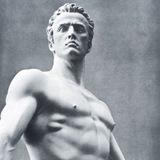
Wilhelm Rode as Wotan and Henny Trundt as Brünnhilde
in Richard Wagner's "Die Walküre", Act 2
Munich, 1933
"You speak to Wotan's will,
you tell me what you want;
who am I, if I were not your will?"
in Richard Wagner's "Die Walküre", Act 2
Munich, 1933
"You speak to Wotan's will,
you tell me what you want;
who am I, if I were not your will?"
gothic cathedrals are forests made of stone, the blend of the brutal and the sublime.
Conatus
Photo
further reflections on architecture:
Light pours through the columns as though it were blood coursing through the membranes of a human heart, reviving, animating, and quietly nourishing the building from within. It is the soul of the structure, that which sustains and enlivens it, and never a mere accessory or a stupendous luxury. Rather, it is just as essential as the artistic structure itself, for it is the background against which the transparent totality of the building is exhibited.
The beautiful outward buildings of man are made to conform to his inward life. Each feeling, emotion, memory, image, and thought is incarnated in a particular arch, room, cellar, attic, or ornament. The harmony that pervades the interior soul is reflected in the harmony that pervades the interior of a building. A color becomes the symbol of a feeling, or of its subtle gradations; a drawer or cabinet serves as an extension of living memory; and the very form of structures stands as the instantiation of thought itself.
Every architect, in the succession of his works, dreams of a kind of divine penultimate, one through which his genius and the full height of his artistic skill might finally be incarnated.
It is equally possible that a particular architectural epoch may itself represent, and exhaust, the highest possibilities of the art: past, in that it gathers and refines the finest achievements of earlier styles; future, in that it offers a supreme model toward which all imitation thereafter inevitably turns.
Light pours through the columns as though it were blood coursing through the membranes of a human heart, reviving, animating, and quietly nourishing the building from within. It is the soul of the structure, that which sustains and enlivens it, and never a mere accessory or a stupendous luxury. Rather, it is just as essential as the artistic structure itself, for it is the background against which the transparent totality of the building is exhibited.
The beautiful outward buildings of man are made to conform to his inward life. Each feeling, emotion, memory, image, and thought is incarnated in a particular arch, room, cellar, attic, or ornament. The harmony that pervades the interior soul is reflected in the harmony that pervades the interior of a building. A color becomes the symbol of a feeling, or of its subtle gradations; a drawer or cabinet serves as an extension of living memory; and the very form of structures stands as the instantiation of thought itself.
Every architect, in the succession of his works, dreams of a kind of divine penultimate, one through which his genius and the full height of his artistic skill might finally be incarnated.
It is equally possible that a particular architectural epoch may itself represent, and exhaust, the highest possibilities of the art: past, in that it gathers and refines the finest achievements of earlier styles; future, in that it offers a supreme model toward which all imitation thereafter inevitably turns.
Conatus
the dog by Francisco Goya.
مِنْ بَيْنِ رُسُومِ قَصْرِ الصَّمْتِ لِغُويا، أَحْبَبْتُ خَاصَّةً، وَأَشْهَدُ أَنَّهُ كَانَ مَحْبُوبًا خَالِصًا، مَا عَدَا صُورَةَ لِيُوكَادِيَا وَايسْ، رَأْسَ ٱلْكَلْبِ.
فِي رُسُومِ غُويا، ثَمَّةَ أَلْفُ كَلْبٍ، كِلَابٌ تَسْرُهَا ٱلْحَيَاةُ فِي مَدْرِيدَ ٱلْجَمِيلِ ٱلْمُتَرَاهِنِ عَلَى مَنُولُوسَ وَٱلْمَاجُوسَ، وَكَلْبُ دُوكْتُورَةِ أَلْبَا ٱلصَّغِيرُ ٱلسَّعِيدُ لِأَنَّ لَهَا سَيِّدَةً تَسْتَطِيعُ أَنْ تُشْعِلَ قُوًى مِنَ ٱلْعَظَمَةِ، وَقَدْ كَانَ ذَلِكَ عَمِيقًا فِي خِفَّتِهَا، كِلَابُ ٱلسَّرَاءِ، كِلَابُ ٱلْعَاصِفَةِ، كِلَابُ ٱلْفَرَحِ بَيْنَ أَسْلِحَةِ ٱلصَّيْدِ، كِلَابٌ تَفْرَحُ بَيْنَ أَيْدٍ جَمِيلَةٍ، كِلَابٌ تَنْظُرُ إِلَى ٱلْعُرُوضِ تَمُوتُ؛ وَلَيْسَ فِي ذَلِكَ شَكٌّ فِي أَنَّهَا كِلَابٌ حَقِيقِيَّةٌ، أَمَّا ذَلِكَ ٱلْكَلْبُ فِي ٱلْقَصْرِ فَلَيْسَ كَلْبًا، بَلْ هُوَ رُؤْيَا لِلْحَالَةِ ٱلْإِنْسَانِيَّةِ. لِذَلِكَ لَمْ أَلْعَبْ بِذَلِكَ ٱلْكَلْبِ، ٱلَّذِي لَنْ يَرَى أَحَدٌ ذَيْلَهُ أَبَدًا. وَقَدْ دُفِنَ الْكَلْبُ فِي الرِّمَالِ، أَوْ يُقَاتِلُ عَلَى الْجَرَى، وَكَانَ الْفَنَّانُ مُبْهَمًا، لَعَلَّهُ لَمْ يُرِدِ الْإِكْمَالَ، إِذْ أَدْرَكَ أَنَّ تِلْكَ الرَّأْسَ الْغَارِقَةَ فِي كَتْلَةٍ مِنْ مَرَارَةٍ لَا تُحَدُّ، وَفَوْقَهَا فَضَاءٌ عَظِيمٌ، عَدِيمُ الْحُدُودِ، لَعَلَّهُ خَالٍ أَوْ مَأْهُولٌ بِمَخَاوِفٍ غَيْرِ مَرْئِيَّةٍ، لَعَلَّهُ عَارٍ أَوْ مُتَجَلٍّ بِحُلَّةِ اللَّهِ، فَضَاءٌ لاَ يُمْكِنُ لِلَّوْنِ الْغَرِيبِ أَنْ يُسَمِّيهِ إِلاَّ فِي مَعْنًى بَاطِنٍ عَمِيقٍ، السَّمَاءُ، وَهِيَ صُورَةٌ مِنَ اللَّانِهَايَةِ، لاَ يُجْوَزُ أَنْ تُزَاحَ عَنْهَا إِلَى غَيْرِهَا، وَلاَ تُفْسَدَ بِإِضَافَاتٍ وَتَمَامَاتٍ كَاذِبَةٍ، وَٱلرَّمْلُ أَوِ ٱلْمَاءُ وَرَمَادُ ٱلْبَرَاكِينِ، وَٱلْفَرَاغُ ٱلْحُلُمِيُّ، فِي كُلِّ تَجَلٍّ مِنْ تَجَلِّياتِ ٱلْجُوعِ ٱلْكَوْنِيِّ، وَٱلْغَمْرِ ٱلَّذِي لَا يُسَمَّى، حَيْثُ يُمْسَكُ ٱلْإِنْسَانُ مِنْ أَقْدَامِهِ فَيُسحبَ إِلَى ٱلْأَسْفَلِ، وَحَيْثُ ٱلسُّقُوطُ لَا يَنْتَهِي، أَوْ حَيْثُ يُبْتَلَعُ وَيُطْمَرُ بٱلْبُطْءِ، أَوْ يَنْمُو فَيَغْمُرُ وَيَسْحَبُ مِنَ ٱلْحَلْقِ دُعَاءً يَئِيسًا، وَصَرْخَةً مَذْهُولَةً مِنَ ٱلْمَزْمُورِ مِئَةٍ وَثَلَاثِينَ {مِنَ ٱلْأَعْمَاقِ دَعَوْتُكَ يَا رَبِّ}، {مِنَ ٱلْأَعْمَاقِ نَادَيْتُكَ يَا رَبِّي}. فِيهَا جَعَلَ غُويا كَلْبَهُ. فَلَيْسَتْ بِمَكَانٍ، بَلْ هِيَ ٱلْمَكَانُ ٱلْإِنْسَانِيُّ، أَحْشَاءٌ بِلَا رُؤُوسٍ، وَأَعْمَاقٌ نَسْكُنُهَا.
وَحَيَاةُ ذَٰلِكَ ٱلْكَلْبِ، ٱلَّتِي هِيَ تَحْوِيلٌ مَبْدَعٌ عَلَى جِصٍّ صَرْخَةً لا تُضَاهَى، تُفْرِضُ حَاجَةَ ٱلتَّسَوُّلِ، وَٱلسَّيْرَ لِلطَّلَبِ، جُوعًا لَا يَفْرُغُ، إِلَى ٱللَّهِ. وَٱلْلاهُوْتُ ٱلْمَظْهَرُ فِي ذلْكَ ٱلرَّجَاءِ ٱلْكَلْبِيِّ أَضْيَقُ وَأَفْقَرُ مِنْ لَاهُوتِ ٱلْمَزْمُورِ، ٱلَّذِي عَلَى أَكْتَافِهِ النَّحِيلَةِ نُحَاسُ ٱلتَّعْدِيلِ وَذَهَبُ ٱلذَّنْبِ ٱلْيَهُودِيِّ وَٱلْبَابِلِيِّ. فَهُوَ لَاهُوتُ ٱلْضَّلَالَةِ وَٱلْسُّقُوطِ، حِينَ لَا يَبْقَى عَصًى، وَحِينَ لَا يُرْتَقَبُ إِلَّا نَصْرٌ عَاجِلٌ مِنَ ٱلسَّمَآءِ. وَهُوَ ٱلْمُسَاعَدَةُ ٱلْمُبَاشِرَةُ، ٱلْمُقَدَّمَةُ مِنَ ٱلْعُلْيَاء. هذا الكلبُ المُصَلِّي، الأسيرُ في المَيِمْ رَبِّيمْ، المياهِ الغامرةِ العظيمة، الأسيرُ في المايا، كما ذاك الناسكُ نارادا حين بعثه فِشنو ليطلب له ماءً، هو كلبٌ بكل ما تعني الكلبيّة، إلى حدٍّ لا يُطاق، بحيث لا تسكّنه مفارقةٌ لاهوتيّة، ولا تُنيرُهُ أنوارُ ماوراءَ الطبيعة، مهما رَقّتْ أو تعمّقت؛
إنما يُفصحُ عن وحدةٍ عميقة، عن حِرمانٍ مُقيم، عن حاجةٍ لا تُوصف. هو جُوعُنا الكلبيّ، وكلبيّتُنا نحن، في صورتها العارية
في حاله ذاك، لا أدري، بل وبالكاد، أيمكن إدراكُ تلك الدهشة المنزونيّة: «أقامتك العنايةُ شقاءً بين المظلومين»؛ فإنّ مثلَ هذا، حتّى هو، يحتاج إلى أرضٍ تحت القدمين.
ولا يصحّ أن يُحدَّث ذلك الكلب عن العلّة الأولى، ولا عن المحبّة العقليّة لله، فهذه لا تُبعد اللقمة المُرّة لغرقٍ محتوم، إنما تُعلِّمنا حتميّة الغرق، بحُكمٍ إلهيّ، كأنّه قضاءٌ لا رادّ له.
وقد كتب غويا تعقيبًا على الكابريتشو الثامن والخمسين:
“من يعيش بين الناس فسيُغتصب لا محالة؛ وإن أراد أن ينجو، فعليه أن يفرّ إلى الجبال. وهناك أيضًا سيُدرك أن الحياة، ما هي إلا اغتصاب آخر.” وإنّ التمثيلَ الأسمى للإنسان الـمُغتصَب، من الله، من الحياة، من الناس، من الجينوم، من كلّ شيء، هو هذا الكلب في اللوحات السوداء، هذا الكلبُ الذي لا حدّ لوحدته.
فِي رُسُومِ غُويا، ثَمَّةَ أَلْفُ كَلْبٍ، كِلَابٌ تَسْرُهَا ٱلْحَيَاةُ فِي مَدْرِيدَ ٱلْجَمِيلِ ٱلْمُتَرَاهِنِ عَلَى مَنُولُوسَ وَٱلْمَاجُوسَ، وَكَلْبُ دُوكْتُورَةِ أَلْبَا ٱلصَّغِيرُ ٱلسَّعِيدُ لِأَنَّ لَهَا سَيِّدَةً تَسْتَطِيعُ أَنْ تُشْعِلَ قُوًى مِنَ ٱلْعَظَمَةِ، وَقَدْ كَانَ ذَلِكَ عَمِيقًا فِي خِفَّتِهَا، كِلَابُ ٱلسَّرَاءِ، كِلَابُ ٱلْعَاصِفَةِ، كِلَابُ ٱلْفَرَحِ بَيْنَ أَسْلِحَةِ ٱلصَّيْدِ، كِلَابٌ تَفْرَحُ بَيْنَ أَيْدٍ جَمِيلَةٍ، كِلَابٌ تَنْظُرُ إِلَى ٱلْعُرُوضِ تَمُوتُ؛ وَلَيْسَ فِي ذَلِكَ شَكٌّ فِي أَنَّهَا كِلَابٌ حَقِيقِيَّةٌ، أَمَّا ذَلِكَ ٱلْكَلْبُ فِي ٱلْقَصْرِ فَلَيْسَ كَلْبًا، بَلْ هُوَ رُؤْيَا لِلْحَالَةِ ٱلْإِنْسَانِيَّةِ. لِذَلِكَ لَمْ أَلْعَبْ بِذَلِكَ ٱلْكَلْبِ، ٱلَّذِي لَنْ يَرَى أَحَدٌ ذَيْلَهُ أَبَدًا. وَقَدْ دُفِنَ الْكَلْبُ فِي الرِّمَالِ، أَوْ يُقَاتِلُ عَلَى الْجَرَى، وَكَانَ الْفَنَّانُ مُبْهَمًا، لَعَلَّهُ لَمْ يُرِدِ الْإِكْمَالَ، إِذْ أَدْرَكَ أَنَّ تِلْكَ الرَّأْسَ الْغَارِقَةَ فِي كَتْلَةٍ مِنْ مَرَارَةٍ لَا تُحَدُّ، وَفَوْقَهَا فَضَاءٌ عَظِيمٌ، عَدِيمُ الْحُدُودِ، لَعَلَّهُ خَالٍ أَوْ مَأْهُولٌ بِمَخَاوِفٍ غَيْرِ مَرْئِيَّةٍ، لَعَلَّهُ عَارٍ أَوْ مُتَجَلٍّ بِحُلَّةِ اللَّهِ، فَضَاءٌ لاَ يُمْكِنُ لِلَّوْنِ الْغَرِيبِ أَنْ يُسَمِّيهِ إِلاَّ فِي مَعْنًى بَاطِنٍ عَمِيقٍ، السَّمَاءُ، وَهِيَ صُورَةٌ مِنَ اللَّانِهَايَةِ، لاَ يُجْوَزُ أَنْ تُزَاحَ عَنْهَا إِلَى غَيْرِهَا، وَلاَ تُفْسَدَ بِإِضَافَاتٍ وَتَمَامَاتٍ كَاذِبَةٍ، وَٱلرَّمْلُ أَوِ ٱلْمَاءُ وَرَمَادُ ٱلْبَرَاكِينِ، وَٱلْفَرَاغُ ٱلْحُلُمِيُّ، فِي كُلِّ تَجَلٍّ مِنْ تَجَلِّياتِ ٱلْجُوعِ ٱلْكَوْنِيِّ، وَٱلْغَمْرِ ٱلَّذِي لَا يُسَمَّى، حَيْثُ يُمْسَكُ ٱلْإِنْسَانُ مِنْ أَقْدَامِهِ فَيُسحبَ إِلَى ٱلْأَسْفَلِ، وَحَيْثُ ٱلسُّقُوطُ لَا يَنْتَهِي، أَوْ حَيْثُ يُبْتَلَعُ وَيُطْمَرُ بٱلْبُطْءِ، أَوْ يَنْمُو فَيَغْمُرُ وَيَسْحَبُ مِنَ ٱلْحَلْقِ دُعَاءً يَئِيسًا، وَصَرْخَةً مَذْهُولَةً مِنَ ٱلْمَزْمُورِ مِئَةٍ وَثَلَاثِينَ {مِنَ ٱلْأَعْمَاقِ دَعَوْتُكَ يَا رَبِّ}، {مِنَ ٱلْأَعْمَاقِ نَادَيْتُكَ يَا رَبِّي}. فِيهَا جَعَلَ غُويا كَلْبَهُ. فَلَيْسَتْ بِمَكَانٍ، بَلْ هِيَ ٱلْمَكَانُ ٱلْإِنْسَانِيُّ، أَحْشَاءٌ بِلَا رُؤُوسٍ، وَأَعْمَاقٌ نَسْكُنُهَا.
وَحَيَاةُ ذَٰلِكَ ٱلْكَلْبِ، ٱلَّتِي هِيَ تَحْوِيلٌ مَبْدَعٌ عَلَى جِصٍّ صَرْخَةً لا تُضَاهَى، تُفْرِضُ حَاجَةَ ٱلتَّسَوُّلِ، وَٱلسَّيْرَ لِلطَّلَبِ، جُوعًا لَا يَفْرُغُ، إِلَى ٱللَّهِ. وَٱلْلاهُوْتُ ٱلْمَظْهَرُ فِي ذلْكَ ٱلرَّجَاءِ ٱلْكَلْبِيِّ أَضْيَقُ وَأَفْقَرُ مِنْ لَاهُوتِ ٱلْمَزْمُورِ، ٱلَّذِي عَلَى أَكْتَافِهِ النَّحِيلَةِ نُحَاسُ ٱلتَّعْدِيلِ وَذَهَبُ ٱلذَّنْبِ ٱلْيَهُودِيِّ وَٱلْبَابِلِيِّ. فَهُوَ لَاهُوتُ ٱلْضَّلَالَةِ وَٱلْسُّقُوطِ، حِينَ لَا يَبْقَى عَصًى، وَحِينَ لَا يُرْتَقَبُ إِلَّا نَصْرٌ عَاجِلٌ مِنَ ٱلسَّمَآءِ. وَهُوَ ٱلْمُسَاعَدَةُ ٱلْمُبَاشِرَةُ، ٱلْمُقَدَّمَةُ مِنَ ٱلْعُلْيَاء. هذا الكلبُ المُصَلِّي، الأسيرُ في المَيِمْ رَبِّيمْ، المياهِ الغامرةِ العظيمة، الأسيرُ في المايا، كما ذاك الناسكُ نارادا حين بعثه فِشنو ليطلب له ماءً، هو كلبٌ بكل ما تعني الكلبيّة، إلى حدٍّ لا يُطاق، بحيث لا تسكّنه مفارقةٌ لاهوتيّة، ولا تُنيرُهُ أنوارُ ماوراءَ الطبيعة، مهما رَقّتْ أو تعمّقت؛
إنما يُفصحُ عن وحدةٍ عميقة، عن حِرمانٍ مُقيم، عن حاجةٍ لا تُوصف. هو جُوعُنا الكلبيّ، وكلبيّتُنا نحن، في صورتها العارية
في حاله ذاك، لا أدري، بل وبالكاد، أيمكن إدراكُ تلك الدهشة المنزونيّة: «أقامتك العنايةُ شقاءً بين المظلومين»؛ فإنّ مثلَ هذا، حتّى هو، يحتاج إلى أرضٍ تحت القدمين.
ولا يصحّ أن يُحدَّث ذلك الكلب عن العلّة الأولى، ولا عن المحبّة العقليّة لله، فهذه لا تُبعد اللقمة المُرّة لغرقٍ محتوم، إنما تُعلِّمنا حتميّة الغرق، بحُكمٍ إلهيّ، كأنّه قضاءٌ لا رادّ له.
وقد كتب غويا تعقيبًا على الكابريتشو الثامن والخمسين:
“من يعيش بين الناس فسيُغتصب لا محالة؛ وإن أراد أن ينجو، فعليه أن يفرّ إلى الجبال. وهناك أيضًا سيُدرك أن الحياة، ما هي إلا اغتصاب آخر.” وإنّ التمثيلَ الأسمى للإنسان الـمُغتصَب، من الله، من الحياة، من الناس، من الجينوم، من كلّ شيء، هو هذا الكلب في اللوحات السوداء، هذا الكلبُ الذي لا حدّ لوحدته.
غويا، هذا الحدث الأعظم، هو في جوهره قديمٌ لا يرحم، لا يشغله إلا الجوهري: الإنسان في حضرة الله، الإنسان المسحور، الإنسان المُلتهِب، الإنسان المصارع، الإنسان المغتصب. فكما جعلنا شارل الخامس كلّنا فرسانًا، فإنّ غويا الرائي، في كلبه السرمدي، يجعلنا جميعًا مغتصَبين، اذهبوا إلى البرادو، وتعلّموا أن تلك العين هي عينكم أنتم، أنتم المتخبطون، الضائعون، الماسكون بأذيال الذاكرة، المتوقون أن تذكُروا خالقكم، وأن تُذكَروا به (الجامعة ١٢:١)؛ وتلك الرمال أو غيرها، حيث يغرق الكلب، هي دياركم، مدينتكم، تاريخكم الوطني الذي لا يُهضم، هي العالم، هي دائرة الحياة، هي المجموع الشمسي كلّه، هي الحياة وحلم الحياة.
I am opposed to the theory that the individual studies the interests of the species, or of posterity, at the cost of his own advantage: all this is only apparent. The excessive importance which he attaches to the sexual instinct is not the result of the latter’s importance to the species; for procreation is the actual performance of the individual, it is his greatest interest, and therefore it is his highest expression of power (not judged from the standpoint of consciousness, but from the very centre of the individual).