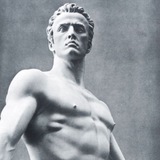
The archaic development of feelings and sensations was by no means oriented toward the contemplative or brooding individual removed from active life. In a far earlier and largely unconscious mode of existence, they functioned instead as vital signifiers of environmental importance: indications of threat or sustenance, of drought or provision, of what must be fled and what must be pursued.
Everything that later becomes conscious derives from these primitive conditions of animal life; had we not needed them, we would never have developed them.
In their origin, feelings were not objects of reflection but instruments of necessity: immediate communications from the body that compelled action, directing the organism toward self-preservation and, where possible, toward homeostasis when its resources ran short. Only later were these signals taken up into the sphere of consciousness, where they could be dwelt upon, interpreted, and transformed into the inner life of thought; wherein the great evil resides, because rather than taking the communications and interpretations at face value, the organism begins to commit intellectual falsification by all kinds of justifications and attaching of unreal causes as explanations of his mental states; he seeks outward causes for internal states; even if they were really present, the mental constitution of the man will commit such falsifications either ways, because the degree with which a cause is sought is itself dependent on the mental relational state.
The brooding inwardness of the religious or philosophical individual is thus merely a late invention, born from a physiological misunderstanding.
the more humanity comes to a better understanding and glorification of the functions, the more it diefies those functions and compose verses and poems in honour of the virtues of the body, rather than those of the spirit - for the latter is only an overflow of the first-: a history of the future is achieved by means of this temporal inversion.
Everything that later becomes conscious derives from these primitive conditions of animal life; had we not needed them, we would never have developed them.
In their origin, feelings were not objects of reflection but instruments of necessity: immediate communications from the body that compelled action, directing the organism toward self-preservation and, where possible, toward homeostasis when its resources ran short. Only later were these signals taken up into the sphere of consciousness, where they could be dwelt upon, interpreted, and transformed into the inner life of thought; wherein the great evil resides, because rather than taking the communications and interpretations at face value, the organism begins to commit intellectual falsification by all kinds of justifications and attaching of unreal causes as explanations of his mental states; he seeks outward causes for internal states; even if they were really present, the mental constitution of the man will commit such falsifications either ways, because the degree with which a cause is sought is itself dependent on the mental relational state.
The brooding inwardness of the religious or philosophical individual is thus merely a late invention, born from a physiological misunderstanding.
the more humanity comes to a better understanding and glorification of the functions, the more it diefies those functions and compose verses and poems in honour of the virtues of the body, rather than those of the spirit - for the latter is only an overflow of the first-: a history of the future is achieved by means of this temporal inversion.
time is constituted inwardly for us as a sum of discrete difference, no more can be said about it that transcends the limits of objectivity, which means as a pure metaphysical and psychological reality for the recognition of this difference to be possible at all, for to posit this difference as the foundation of time is to presuppose the existence of an observer who implicitly recognizes this difference, if an observer is cancelled, there is nothing left of time, it is we, our nervous system activity and sensory organs that uniquely construct for us a special lived time, in daydreaming we experience time differently than in activity or even sleep or some change of bodily state, consequently no universality of conception of time can be established at all, if an animal would write a treatise about his experience of time, we would not understand it, this non-identity of moments that flow indefinitely is the unconscious source of all conceptions of time, in the whole of its life it enters nowhere as a physical reality, least of all as a mathematical one, but those themselves can be neatly derived from the essential sources and later idealized for the sake of utility and more systemized general knowledge, otherwise the concept of events which has its roots in difference is anulled and reduced to sameness, thus to attempt out of good will to mathematicize time and posit it physically is a simple-mindedness.
Conatus
time is constituted inwardly for us as a sum of discrete difference, no more can be said about it that transcends the limits of objectivity, which means as a pure metaphysical and psychological reality for the recognition of this difference to be possible…
essentially the difference between newtonian time versus bergsonian time!
« إن الْأَخْلَاق هِي سببية- علية- وَاعِيَة ومخططة لِسُلُوك، وَهِيَ مَا خَلَا كُلّ خُصُوصِيَّات الْحَيَاة الواقعية وطابعها، شَيْءٌ مَا خَالِد وَصَحِيحٌ عَلَى مُسْتَوَى كَوْنِي، وَهِيَ لَيْسَتْ مَعْدُومَةٌ الزَّمَانِ فَقَطْ، بَلْ إنَّمَا هِيَ مُعَادِيه لَه، وَهِي، لِهَذَا السَّبَبِ بِالذَّات، 'حَقِيقَة'؛ وَحَتَّى لَوْ لَمْ يَكُنْ هُنَاكَ وُجُود لِلْجِنْس الْبَشَرِيّ، لَبَقِيَت الْأَخْلَاق حَقِيقَة وصحيحة- وَهَذَا لَيْسَ مُجَرَّدَ خُيَلَاء وَتَصَوُّر، بَلْ هُوَ تَعْبِيرٌ لِلْمَنْطِق الأخْلاقِي اللامتعضي مَنْطِق الْعَالِم الْمُدْرَك بِوَصْفِه مِنْهَاجًا جَرَى فِعْلًا اسْتِخْدَامِه؛ والفيلسوف قَدْ لَا يَتَنَازَلُ أَبَدًا عَنْ أَنَّهُ كَانَ مِنْ الْجَائِزِ لِلْأَخْلَاق تَطَوَّر واكتمال؛ إن الْفَرَاغ يُفْنِي الزَّمَان، و الْأَخْلَاق الْحَقِيقِيَّةُ هِيَ مُطلقَةٌ، خَالِدَة وكاملة، وَهِيَ نَفْسُهَا بِالذَّات؛ وَيَكْمُن دَاخِلٌ أَعْمَاقِهَا نَفْي دَائِمٌ لِلْحَيَاة، و امْتِنَاع عَنْهَا وَإِنْكَار يَبْلُغَان حُدُود التَّنَسُّك وَالزُّهْدَ حَتَّى الْمَوْت نَفْسِه؛ فَالنَّفْي وَاضِحٌ فِي كُلِّ جُمْلَةٍ مِنْ جملها- فالأخلاق الدِّينِيَّة تَحْتَوِي عَلَى نَوَاةٍ وتحريم لا عَلَى فَرَائِضِ؛ و التابو حَتَّى حَيْث يُؤَكِّد بِوُضُوح، هُو لاَئِحَةٌ مِنْ إنْكَارِ وتنصل؛ فَلَا سَبِيلَ إلَى تَحْرِير الْمَرْء نَفْسه مِنْ عَالم الْوَاقِع، وَإِن تَجَنَّب إِمْكانَات الْمَصِير، و أَنَّ النَّظَرَ دَائِمًا إِلَى العُنْصُر بِوَصْفِه عَدُوًّا يَتَرَبَّصُ بِهِ الدوائر- مَا هُوَ إلَّا مِنْهَاج قَاس وعقيدة وَإِرَادَة مُمَارَسَة؛ وَلَا يَتَوَجَّب عَلَى أَيِّ عَمَلٍ أَنْ يَكونَ أنْ يَكونَ سَبَبًا أَوْ محرضا دافعا- فَهَذَا الْأَمْرُ مَتْرُوكٌ للدم- فَكُلُّ شَيْءٍ يَجِبُ أَنْ يُقَدرَ عَلَى ضَوْءِ الدوافع وَالنَّتَائِج، و يَجِبُ أَنْ يَنْفُذَ 'حَسَبَ مَنْطُوقِ الْأَوَامِر'؛ و الْمَطْلُوب توتِر مُفرطٌ القَلَق كَيْلًا تَقَع فِي الْخَطِيئَةِ؛ وأَوَّل الْأُمُور المستوجبة هِيَ الْعِفَّةُ وَضَبْطِ النَّفْسِ عَنْ شَهَوَاتِهَا، وَعَمَّا يَتَعَلَّق بِالدَّم وَالْحبّ وَالزَّوَاج؛ فَالْحبّ وَالْبَغْضَاءَ فِي الْجِنْسِ البَشَرِيِّ هُمَا كونيان وشران، وَالْحبّ الجِنْسِيّ هُوَ عَلَى طَرَفَيْ نَقِيض وَالْحبّ وَالْخَوْفُ مِنْ اللَّهِ الَّذِينَ لَا زَمَان لَهُمَا، وَلِهَذَا فَإِنَّ هَذَا النَّوْعِ مِنْ الْحبِّ خَطِيئَة أَصْلِيَّةٌ طَرد مِنْ أَجْلِهَا آدَمَ مِنْ الْجَنَّةِ وأورث الجِنْسِ البَشَرِيِّ وِزْر خَطِيئَته {...}.»
أوسفالد شبينغلر، تَدَهْوَر الحَضَارَة الْغَرْبِيَّة، الْمُجَلَّد الثَّانِي، الْفَصْل الْعِشْرُون، مَشَاكِل الحَضارَةُ العَرَبِيَّةُ: فيثاغورس، مُحَمَّد، وكرومويل، ص ٣٥٥ - ٣٥٧.
أوسفالد شبينغلر، تَدَهْوَر الحَضَارَة الْغَرْبِيَّة، الْمُجَلَّد الثَّانِي، الْفَصْل الْعِشْرُون، مَشَاكِل الحَضارَةُ العَرَبِيَّةُ: فيثاغورس، مُحَمَّد، وكرومويل، ص ٣٥٥ - ٣٥٧.
The face is also one medium of artistic expression among others; nothing proves this more clearly than the versatility of its expressions and the countless metamorphoses it is capable of undergoing. if one were to reconstruct a physigonomy of the face development across his life history, a museum would suddenly appear.
إنما يستمدّ العبقريُّ إحساسَه بالأجزاء من رؤيته للكلّ، إذ هو لا يحيا إلا في هذه الرؤية الشاملة. وكلُّ ما في داخله أو خارجه إنما يقدّره بميزان تلك الرؤية؛ رؤيةٌ ليست عنده من وظائف الزمن، بل هي جزءٌ من الأبدية نفسها.
إن العالِم يأخذ الظواهر على ما تبدو عليه في ظاهرها، أمّا العظيم أو العبقري فيأخذها على ما ترمز إليه. فالبحر والجبل، والنور والظلمة، والربيع والخريف، والسَّرو والنخل، والحمامة والبجعة، كلُّها رموزٌ لديه؛ فهو لا يعتقد فحسب أنّ فيها شيئًا أعمق، بل يتعرّف فيه حقًّا على ذلك العمق الكامن. فاندفاعة الفالكيري ليست عنده وليدة الضغط الجوي، والنار السحرية ليست مجرّد نتيجةٍ لعملية أكسدة.
وكلُّ هذا ممكنٌ لديه لأنّ العالم الخارجي فيه من الامتلاء والاتصال بمقدار ما للعالم الداخلي؛ بل إنّ العالم الخارجي لا يبدو له إلا وجهًا خاصًّا من وجوه حياته الباطنة. فالكون والأنا قد أصبحا فيه شيئًا واحدًا، ولم يعد مضطرًّا إلى أن يجمع خبرته قطعةً قطعة وفق قاعدةٍ أو نظام. إنّ لانهاية الكون تجد في العبقري صدىً من إحساسٍ حقيقي باللانهاية في صدره هو نفسه؛ فهو يحمل في داخله الفوضى والنظام، والتفاصيل والكلّ، والكثرة والوحدة، والجمع والتفرّد.
— أوتو فايننغر، الجنس والشخصية، تحقيقٌ في المبادئ الأولى.
إن العالِم يأخذ الظواهر على ما تبدو عليه في ظاهرها، أمّا العظيم أو العبقري فيأخذها على ما ترمز إليه. فالبحر والجبل، والنور والظلمة، والربيع والخريف، والسَّرو والنخل، والحمامة والبجعة، كلُّها رموزٌ لديه؛ فهو لا يعتقد فحسب أنّ فيها شيئًا أعمق، بل يتعرّف فيه حقًّا على ذلك العمق الكامن. فاندفاعة الفالكيري ليست عنده وليدة الضغط الجوي، والنار السحرية ليست مجرّد نتيجةٍ لعملية أكسدة.
وكلُّ هذا ممكنٌ لديه لأنّ العالم الخارجي فيه من الامتلاء والاتصال بمقدار ما للعالم الداخلي؛ بل إنّ العالم الخارجي لا يبدو له إلا وجهًا خاصًّا من وجوه حياته الباطنة. فالكون والأنا قد أصبحا فيه شيئًا واحدًا، ولم يعد مضطرًّا إلى أن يجمع خبرته قطعةً قطعة وفق قاعدةٍ أو نظام. إنّ لانهاية الكون تجد في العبقري صدىً من إحساسٍ حقيقي باللانهاية في صدره هو نفسه؛ فهو يحمل في داخله الفوضى والنظام، والتفاصيل والكلّ، والكثرة والوحدة، والجمع والتفرّد.
— أوتو فايننغر، الجنس والشخصية، تحقيقٌ في المبادئ الأولى.
Incendium mundi. Destruction of the biosphere's protective strata, raw sunlight, solvet saeclum in favilla. Alone in chasms of darkness, a solitary cell masturbates, like Atum-Ra, and begets another. Multiplication. In a billion years, more or less, life becomes possible again at some point. The cell forms complete organisms. Two animals couple under Yucatán rains. Mushrooms as high as mountains. Monstrous carnivorous trees. Huge proboscises emerge from the water. A billion years more and behold Sophocles, Alexander, Lucretius, Caesar, the famous lovers, the great murderers, Copernicus, Sade, Freud, Einstein, Nuclear Energy, the end. Leti sub dentibus ipsis-in the very teeth of death. Throughout this constant swallowing and spewing of worlds without reality, man still dreams about the rationality and wisdom of history.
"Those who have been deeply wounded have the Olympian laughter; a man only has what he needs."