Line shuts down crypto exchange to focus on blockchain and LN token.
The Japanese messaging giant will still continue to support its Line blockchain ecosystem and the Link token despite the ongoing industry challenges.
The Japanese messaging giant Line has decided to shut down its cryptocurrency exchange business amid the ongoing crypto winter.
Line-owned crypto exchange Bitfront officially announced on Nov. 27 a plan to completely close down the platform by March 2023.
According to the statement, the closure was driven by the continued cryptocurrency bear market and other issues in the crypto industry.
Despite the exchange’s closure, Line will still continue to run its other blockchain ventures, including the Line blockchain ecosystem and Link (LN) token, the announcement notes, stating:
“Despite our efforts to overcome the challenges in this rapidly-evolving industry, we have regretfully determined that we need to shut down Bitfront in order to continue growing the Line blockchain ecosystem and Link token economy.”
Bitfront also emphasized that the decision to close the exchange was made for the “best interest” of the Line ecosystem and is unrelated to the ongoing industry scandal involving the FTX exchange.
According to the announcement, Bitfront will take a gradual approach to suspend its services, stopping signups and credit card payments on Nov. 28. The platform then plans to suspend additional deposits and interest payments of LN interest products and proceed with the related LN withdrawals by mid-December.
By the end of December, Bitfront aims to stop all cryptocurrency and fiat deposits alongside trading suspension and cancellation of open orders. Total suspension of withdrawals is scheduled for March 31, 2023, while customers would still be able to claim their assets in different jurisdictions of the United States.
As previously reported by Cointelegraph, Line launched its proprietary crypto exchange in 2018 as a Singapore-based business. Originally known as BitBox, the company was rebranded to Bitfront and moved to the United States in February 2020. The exchange has been downscaling some of its operations in recent years, suspending services in South Korea in August 2021.
The Japanese messaging giant will still continue to support its Line blockchain ecosystem and the Link token despite the ongoing industry challenges.
The Japanese messaging giant Line has decided to shut down its cryptocurrency exchange business amid the ongoing crypto winter.
Line-owned crypto exchange Bitfront officially announced on Nov. 27 a plan to completely close down the platform by March 2023.
According to the statement, the closure was driven by the continued cryptocurrency bear market and other issues in the crypto industry.
Despite the exchange’s closure, Line will still continue to run its other blockchain ventures, including the Line blockchain ecosystem and Link (LN) token, the announcement notes, stating:
“Despite our efforts to overcome the challenges in this rapidly-evolving industry, we have regretfully determined that we need to shut down Bitfront in order to continue growing the Line blockchain ecosystem and Link token economy.”
Bitfront also emphasized that the decision to close the exchange was made for the “best interest” of the Line ecosystem and is unrelated to the ongoing industry scandal involving the FTX exchange.
According to the announcement, Bitfront will take a gradual approach to suspend its services, stopping signups and credit card payments on Nov. 28. The platform then plans to suspend additional deposits and interest payments of LN interest products and proceed with the related LN withdrawals by mid-December.
By the end of December, Bitfront aims to stop all cryptocurrency and fiat deposits alongside trading suspension and cancellation of open orders. Total suspension of withdrawals is scheduled for March 31, 2023, while customers would still be able to claim their assets in different jurisdictions of the United States.
As previously reported by Cointelegraph, Line launched its proprietary crypto exchange in 2018 as a Singapore-based business. Originally known as BitBox, the company was rebranded to Bitfront and moved to the United States in February 2020. The exchange has been downscaling some of its operations in recent years, suspending services in South Korea in August 2021.

❤2👏2👍1😁1😢1
NFT Sales Surge Over 43% in Past Week, Topping $397 Million
Sales of non-fungible token (NFT) assets over the last seven days rose 43.97% compared to the previous week, according to statistics recorded on Feb. 18, 2023. The volume of NFT sales reached $397.86 million this week, with 345,716 NFT buyers and roughly 1.62 million transactions.
Source
https://t.me/bitcoin_day
Sales of non-fungible token (NFT) assets over the last seven days rose 43.97% compared to the previous week, according to statistics recorded on Feb. 18, 2023. The volume of NFT sales reached $397.86 million this week, with 345,716 NFT buyers and roughly 1.62 million transactions.
Source
https://t.me/bitcoin_day
🔥2🤔2👏1😱1🤩1
🇸🇻 El Salvador President Nayib Bukele Rocks again in Bitcoin World
El Salvador president Nayib Bukele again in news surrounding Bitcoin. The recent industry events like FTX crash and TerraUSD collapse in 2022, shook the faith of the citizens on crypto-king. But the leader’s vision remains unwavered. Bitcoin is going to change the world,” other nations join the array of accepting Bitcoin as legal tender.
Nayib Bukele, El Salvador president who has been running the office for the last four years, went against the International Monetary Fund, while adopting Bitcoin as legal tender in 2021, according to Bloomberg recent report. After a few days of Sam Bankman-Fried led crypto exchange FTX collapsed in 2022, the president announced to buy one Bitcoin (BTC) daily. Crypto mogul and founder of the biggest blockchain DAO ecosystem Tron, Justin Sun soon also declared the same. They implemented Dollar Cost Averaging (DCA).
https://t.me/bitcoin_day
El Salvador president Nayib Bukele again in news surrounding Bitcoin. The recent industry events like FTX crash and TerraUSD collapse in 2022, shook the faith of the citizens on crypto-king. But the leader’s vision remains unwavered. Bitcoin is going to change the world,” other nations join the array of accepting Bitcoin as legal tender.
Nayib Bukele, El Salvador president who has been running the office for the last four years, went against the International Monetary Fund, while adopting Bitcoin as legal tender in 2021, according to Bloomberg recent report. After a few days of Sam Bankman-Fried led crypto exchange FTX collapsed in 2022, the president announced to buy one Bitcoin (BTC) daily. Crypto mogul and founder of the biggest blockchain DAO ecosystem Tron, Justin Sun soon also declared the same. They implemented Dollar Cost Averaging (DCA).
https://t.me/bitcoin_day
❤2🔥2🥰1😱1🤩1
📉 Bitcoin (BTC) Miners Sell Most in 5 Years
The bear market has been going on for a year now. Who still has the strength to sell their BTC after 365 days of suffering and pain in the crypto market? The answer is simple: Bitcoin miners. Rising global electricity prices and the falling price of BTC have made cryptocurrency mining increasingly unprofitable.
In today’s analysis, BeInCrypto looks at the indicators of Bitcoin Production Cost and Bitcoin Miner Sell Pressure (BMSP). In addition, we compare them with the recent breakout on the chart of BTC inflows to exchanges and with the Bitcoin network hashrate. Then, increased sales by miners signal a major overvaluation of the cryptocurrency market and usually occur during and at the end of a long-term bull market.
https://t.me/bitcoin_day
The bear market has been going on for a year now. Who still has the strength to sell their BTC after 365 days of suffering and pain in the crypto market? The answer is simple: Bitcoin miners. Rising global electricity prices and the falling price of BTC have made cryptocurrency mining increasingly unprofitable.
In today’s analysis, BeInCrypto looks at the indicators of Bitcoin Production Cost and Bitcoin Miner Sell Pressure (BMSP). In addition, we compare them with the recent breakout on the chart of BTC inflows to exchanges and with the Bitcoin network hashrate. Then, increased sales by miners signal a major overvaluation of the cryptocurrency market and usually occur during and at the end of a long-term bull market.
https://t.me/bitcoin_day
👏2🤔2👍1👎1😱1
FTX Warns Community of Phony 'Debt Tokens' and Scams Claiming to Be Affiliated With the Bankrupt Exchange
On Friday, debtors who control the official FTX Twitter account warned the community to “be on alert for scams from entities claiming to be affiliated with FTX.” They also noted that neither FTX debtors nor any entity related to the company has issued any IOU crypto assets or “debt tokens.” The alert comes as a token called “FUD (FTX User’s Debt)” has been circulating on the Tron blockchain and is listed on Huobi.
Source
https://t.me/bitcoin_day
On Friday, debtors who control the official FTX Twitter account warned the community to “be on alert for scams from entities claiming to be affiliated with FTX.” They also noted that neither FTX debtors nor any entity related to the company has issued any IOU crypto assets or “debt tokens.” The alert comes as a token called “FUD (FTX User’s Debt)” has been circulating on the Tron blockchain and is listed on Huobi.
Source
https://t.me/bitcoin_day
❤2👏2😁2🥰1🤮1
🇿🇲 Zambia Testing Technology to Regulate Cryptocurrency — Government Minister
The Bank of Zambia and the country’s securities regulators are currently testing the technology to regulate cryptocurrencies, a Zambian government minister has said. According to Felix Mutati, cryptocurrency is a revolutionary technology that embodies a future his country desires to achieve.
The Zambian central bank and the country’s Securities and Exchange Commission are in the process of “testing” technology to regulate cryptocurrencies, the country’s minister of Technology and Science, Felix Mutati, has said. In his remarks published on the ministry’s website, Mutati argued that Zambia needs to regulate this “revolutionary technology” because it encapsulates “the future the country desires to achieve.”.Mutati also revealed that the testing of the regulatory technology will soon be upscaled as part of measures.
https://t.me/bitcoin_day
The Bank of Zambia and the country’s securities regulators are currently testing the technology to regulate cryptocurrencies, a Zambian government minister has said. According to Felix Mutati, cryptocurrency is a revolutionary technology that embodies a future his country desires to achieve.
The Zambian central bank and the country’s Securities and Exchange Commission are in the process of “testing” technology to regulate cryptocurrencies, the country’s minister of Technology and Science, Felix Mutati, has said. In his remarks published on the ministry’s website, Mutati argued that Zambia needs to regulate this “revolutionary technology” because it encapsulates “the future the country desires to achieve.”.Mutati also revealed that the testing of the regulatory technology will soon be upscaled as part of measures.
https://t.me/bitcoin_day
🔥2👏2👍1👎1🤯1
Robert Kiyosaki Warns About Stocks, Bonds, Mutual Funds — Says Bitcoin Best for ‘Unstable Times’
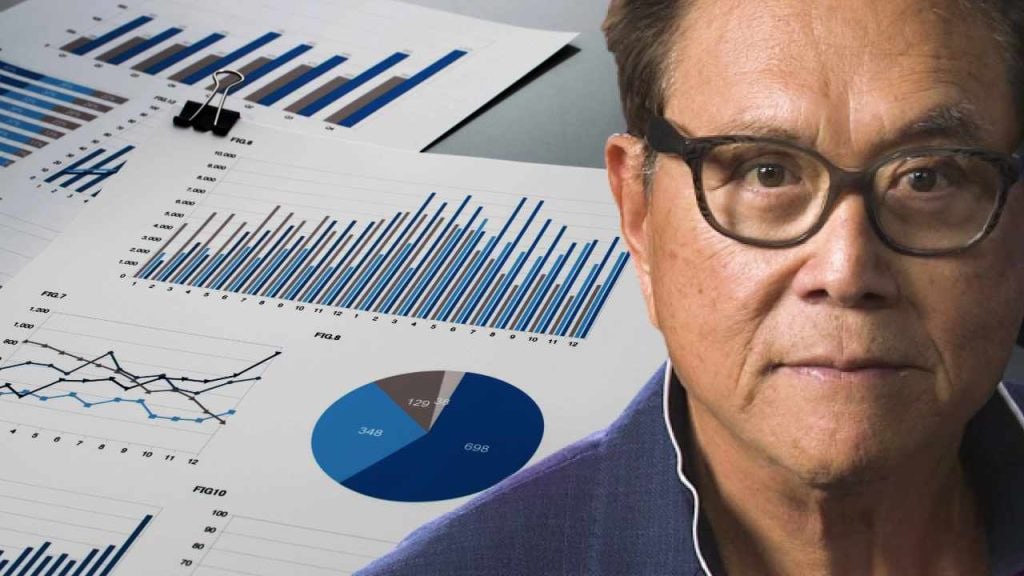
The famous author of the best-selling book Rich Dad Poor Dad, Robert Kiyosaki, has warned that investing in a well-diversified portfolio of stocks, bonds, mutual funds, and exchange-traded funds (ETFs) is “very risky” advice. Kiyosaki stressed that gold, silver, and bitcoin are the best investments for “unstable times.”
The author of Rich Dad Poor Dad, Robert Kiyosaki, gave some more investment advice this week. Rich Dad Poor Dad is a 1997 book co-authored by Kiyosaki and Sharon Lechter. It has been on the New York Times Best Seller List for over six years. More than 32 million copies of the book have been sold in over 51 languages across more than 109 countries.
Kiyosaki tweeted Friday:
For years, I have been saying, ‘Saving money & investing in a well-diversified portfolio of stocks, bonds, mutual funds & ETFs is risky advice.’ Today very risky advice. I still believe gold, silver, bitcoin best for unstable times, although prices will go up and down.
The famous author previously said: “I do not love stocks, bonds, mutual funds, or ETFs.” However, he noted that investors should invest in what they love. In April last year, he said bonds are “the riskiest investment” in a global meltdown. “Tragically, rookie investors follow rookie advice of 60 (stocks) 40 (bonds) mix,” he opined, recommending investors buy gold, silver, and bitcoin “as insurance against morons running the world.” He also said in July last year: “I do not touch paper gold or silver ETFs. I only want real gold or silver coins.”
As for mutual funds, Kiyosaki has said for several years: “I just don’t like mutual funds. I think they’re a rip-off.” He explained in 2019: “Financial planners are henchmen for banks and mutual funds. They sell you their products, take your money, charge you fees, and use your money to get richer.”
Many people on Twitter disagreed with Kiyosaki, telling him that a well-diversified portfolio of stocks, bonds, mutual funds, and ETFs is a lot less risky than investing in gold, silver, and bitcoin. Some accused the famous author of pumping BTC for his personal gain.
Kiyosaki has been recommending gold, silver, and BTC for quite some time. He said last December that owners of the three investments will get richer when the Federal Reserve pivots and prints trillions of dollars. He predicted that by 2025, gold will be at $5,000, silver at $500, and bitcoin at $500,000. In addition, he expects gold to soar to $3,800 and silver to rise to $75 this year. Kiyosaki previously explained that he is a bitcoin investor, not a trader, so he gets excited whenever BTC hits a new bottom.
Moreover, the renowned author has repeatedly said that he does not trust the Biden administration, the Treasury Department, the Federal Reserve, or Wall Street. He has warned many times that the Fed is destroying the economy and the U.S. dollar. In October 2021, he tweeted: “I love bitcoin because I do not trust Fed, Treasury, or Wall Street.” The Rich Dad Poor Dad author recently cautioned that “everything will crash” and a depression is possible. In January, he said we are in a global recession, warning of soaring bankruptcies, unemployment, and homelessness.
The famous author of the best-selling book Rich Dad Poor Dad, Robert Kiyosaki, has warned that investing in a well-diversified portfolio of stocks, bonds, mutual funds, and exchange-traded funds (ETFs) is “very risky” advice. Kiyosaki stressed that gold, silver, and bitcoin are the best investments for “unstable times.”
The author of Rich Dad Poor Dad, Robert Kiyosaki, gave some more investment advice this week. Rich Dad Poor Dad is a 1997 book co-authored by Kiyosaki and Sharon Lechter. It has been on the New York Times Best Seller List for over six years. More than 32 million copies of the book have been sold in over 51 languages across more than 109 countries.
Kiyosaki tweeted Friday:
For years, I have been saying, ‘Saving money & investing in a well-diversified portfolio of stocks, bonds, mutual funds & ETFs is risky advice.’ Today very risky advice. I still believe gold, silver, bitcoin best for unstable times, although prices will go up and down.
The famous author previously said: “I do not love stocks, bonds, mutual funds, or ETFs.” However, he noted that investors should invest in what they love. In April last year, he said bonds are “the riskiest investment” in a global meltdown. “Tragically, rookie investors follow rookie advice of 60 (stocks) 40 (bonds) mix,” he opined, recommending investors buy gold, silver, and bitcoin “as insurance against morons running the world.” He also said in July last year: “I do not touch paper gold or silver ETFs. I only want real gold or silver coins.”
As for mutual funds, Kiyosaki has said for several years: “I just don’t like mutual funds. I think they’re a rip-off.” He explained in 2019: “Financial planners are henchmen for banks and mutual funds. They sell you their products, take your money, charge you fees, and use your money to get richer.”
Many people on Twitter disagreed with Kiyosaki, telling him that a well-diversified portfolio of stocks, bonds, mutual funds, and ETFs is a lot less risky than investing in gold, silver, and bitcoin. Some accused the famous author of pumping BTC for his personal gain.
Kiyosaki has been recommending gold, silver, and BTC for quite some time. He said last December that owners of the three investments will get richer when the Federal Reserve pivots and prints trillions of dollars. He predicted that by 2025, gold will be at $5,000, silver at $500, and bitcoin at $500,000. In addition, he expects gold to soar to $3,800 and silver to rise to $75 this year. Kiyosaki previously explained that he is a bitcoin investor, not a trader, so he gets excited whenever BTC hits a new bottom.
Moreover, the renowned author has repeatedly said that he does not trust the Biden administration, the Treasury Department, the Federal Reserve, or Wall Street. He has warned many times that the Fed is destroying the economy and the U.S. dollar. In October 2021, he tweeted: “I love bitcoin because I do not trust Fed, Treasury, or Wall Street.” The Rich Dad Poor Dad author recently cautioned that “everything will crash” and a depression is possible. In January, he said we are in a global recession, warning of soaring bankruptcies, unemployment, and homelessness.
👍2🤔2❤1😁1🙏1
Helium Network Migration to Solana Blockchain in March Drives Significant Gains for SOL and HNT Tokens
Over the past seven days, the crypto asset solana has increased more than 23% against the U.S. dollar after the announcement that the Helium Network plans to migrate to the Solana blockchain on March 27. Helium Network’s native token, helium, has also risen, jumping 25% over the past week against the greenback.
Source
https://t.me/bitcoin_day
Over the past seven days, the crypto asset solana has increased more than 23% against the U.S. dollar after the announcement that the Helium Network plans to migrate to the Solana blockchain on March 27. Helium Network’s native token, helium, has also risen, jumping 25% over the past week against the greenback.
Source
https://t.me/bitcoin_day
🔥2👏2🥰1🤯1😱1
📣 Bitcoin is now less volatile than S&P 500 and Nasdaq
A rare 2% daily loss for the U.S. dollar index gives Bitcoin and stocks an opportunity for gains, but BTC still undercuts the rest on volatility. Bitcoin held gains above $21,000 into Nov. 5 as the U.S. dollar posted a rare major daily decline. BTC/USD building on prior strength to hit highs of $21,473 on Bitstamp — a new seven-week high.
The pair had benefited from the latest United States economic data, while the dollar conversely suffered. The U.S. dollar index (DXY) lost 2% in a day for the first time in years, helping fuel a risk asset rally. BTC had previously become notorious for its lack of volatility and narrow trading range, helping it beat even stocks for the first time ever. “For the first time in history, bitcoin is less volatile than both the S&P 500 and Nasdaq.
https://t.me/bitcoin_day
A rare 2% daily loss for the U.S. dollar index gives Bitcoin and stocks an opportunity for gains, but BTC still undercuts the rest on volatility. Bitcoin held gains above $21,000 into Nov. 5 as the U.S. dollar posted a rare major daily decline. BTC/USD building on prior strength to hit highs of $21,473 on Bitstamp — a new seven-week high.
The pair had benefited from the latest United States economic data, while the dollar conversely suffered. The U.S. dollar index (DXY) lost 2% in a day for the first time in years, helping fuel a risk asset rally. BTC had previously become notorious for its lack of volatility and narrow trading range, helping it beat even stocks for the first time ever. “For the first time in history, bitcoin is less volatile than both the S&P 500 and Nasdaq.
https://t.me/bitcoin_day
❤2👍2🤔1🎉1🙏1
📣 Fidelity turns its attention to retail investors with new crypto offering
The investment powerhouse opened up a waiting list for Fidelity Crypto, which it says will offer commission-free trading of bitcoin and ether alongside traditional stock investments in one app. Other cryptocurrencies are being evaluated and could be added in the future.
The product is getting rolled out just weeks after Fidelity Institutional President Michael Durbin said he sees more room for crypto in consumer portfolios. Fidelity has been quicker to embrace digital assets than most other large investment companies. The company offers a bitcoin exchange-traded fund in Canada, multiple crypto and metaverse-related ETFs in the U.S. It has also allowed investment in bitcoin through 401(k) retirement accounts.
https://t.me/bitcoin_day
The investment powerhouse opened up a waiting list for Fidelity Crypto, which it says will offer commission-free trading of bitcoin and ether alongside traditional stock investments in one app. Other cryptocurrencies are being evaluated and could be added in the future.
The product is getting rolled out just weeks after Fidelity Institutional President Michael Durbin said he sees more room for crypto in consumer portfolios. Fidelity has been quicker to embrace digital assets than most other large investment companies. The company offers a bitcoin exchange-traded fund in Canada, multiple crypto and metaverse-related ETFs in the U.S. It has also allowed investment in bitcoin through 401(k) retirement accounts.
https://t.me/bitcoin_day
😁2🤔2👍1😱1🤬1
Most Retail Crypto Investors Lost Money Over the Last 7 Years, According to BIS Analysis
According to data from the Bank for International Settlements (BIS), published in the latest BIS Bulletin No. 69, researchers assessed that, on average, most users lost money on their investments over the past seven years. Onchain data, metrics from exchanges, and cryptocurrency application download statistics gathered by BIS researchers suggest that most median retail crypto investors lost money from August 2015 to the end of 2022.
Source
https://t.me/bitcoin_day
According to data from the Bank for International Settlements (BIS), published in the latest BIS Bulletin No. 69, researchers assessed that, on average, most users lost money on their investments over the past seven years. Onchain data, metrics from exchanges, and cryptocurrency application download statistics gathered by BIS researchers suggest that most median retail crypto investors lost money from August 2015 to the end of 2022.
Source
https://t.me/bitcoin_day
👍2🔥2👏2👎1💩1
📣 MoneyGram app adds bitcoin, ether and litecoin crypto trading tools
MoneyGram, a publicly traded peer-to-pay payments company, has added crypto investment tools to its mobile app as fellow fintech firms bolster offerings in the sector. Available in the majority of U.S. states today, users are now able to buy, sell and hold bitcoin, ether and litecoin, the company said in a statement.
The move follows previous forays into crypto by the company, which recently partnered with Stellar to enable payment settlements and local currency payouts using USDC. It also holds a minority stake in crypto cash exchange and crypto infrastructure provider Coinme, which provides the crypto trading tools. MoneyGram enables instant access to over 120 currencies around the globe.
https://t.me/bitcoin_day
MoneyGram, a publicly traded peer-to-pay payments company, has added crypto investment tools to its mobile app as fellow fintech firms bolster offerings in the sector. Available in the majority of U.S. states today, users are now able to buy, sell and hold bitcoin, ether and litecoin, the company said in a statement.
The move follows previous forays into crypto by the company, which recently partnered with Stellar to enable payment settlements and local currency payouts using USDC. It also holds a minority stake in crypto cash exchange and crypto infrastructure provider Coinme, which provides the crypto trading tools. MoneyGram enables instant access to over 120 currencies around the globe.
https://t.me/bitcoin_day
🤯2🤩2❤1🎉1🙏1
💰 $500 billion asset manager Apollo launches Bitcoin custody for institutional clients
Apollo Global Management Inc., with $515 billion of assets under management, has begun storing crypto on behalf of its clients via a relationship with the digital asset platform Anchorage Digital. After that, Apollo became involved in Anchorage’s Series D fundraising round, which concluded in December 2021.
Interestingly, the decision comes amid a challenging year for the crypto sector, with Bitcoin (BTC), the flagship digital asset, down more than 50% since the beginning of 2022, as investors have grown increasingly concerned about macroeconomic conditions such as rising inflation, interest hikes, and foreign exchange rates, Reuters reported on October 31. Apollo, which neglected to reveal the sorts of crypto assets it owns.
https://t.me/bitcoin_day
Apollo Global Management Inc., with $515 billion of assets under management, has begun storing crypto on behalf of its clients via a relationship with the digital asset platform Anchorage Digital. After that, Apollo became involved in Anchorage’s Series D fundraising round, which concluded in December 2021.
Interestingly, the decision comes amid a challenging year for the crypto sector, with Bitcoin (BTC), the flagship digital asset, down more than 50% since the beginning of 2022, as investors have grown increasingly concerned about macroeconomic conditions such as rising inflation, interest hikes, and foreign exchange rates, Reuters reported on October 31. Apollo, which neglected to reveal the sorts of crypto assets it owns.
https://t.me/bitcoin_day
❤2🔥2👏1🤩1💩1
US Federal Trade Commission Investigates Marketing Schemes of Crypto Firm Voyager
According to a court document filed recently in the Voyager Digital bankruptcy case, the U.S. Federal Trade Commission (FTC) is investigating the marketing of the crypto firm. Like the U.S. Securities and Exchange Commission (SEC), the FTC has objected to Binance US purchasing Voyager’s assets.
Source
https://t.me/bitcoin_day
According to a court document filed recently in the Voyager Digital bankruptcy case, the U.S. Federal Trade Commission (FTC) is investigating the marketing of the crypto firm. Like the U.S. Securities and Exchange Commission (SEC), the FTC has objected to Binance US purchasing Voyager’s assets.
Source
https://t.me/bitcoin_day
🤔2🤯2❤1👍1😢1
Lebanon Financial Crisis: Banks Torched After Pound Taps New Low Versus the US Dollar 🔻
The Lebanese pound’s fall to its lowest ever versus the U.S. dollar, 80,000 to 1, has piled more misery on residents whose local currency-denominated savings have been decimated by inflation. The ongoing strike by banks demanding the passage of capital control legislation has compounded matters for residents.
According to several local media reports, Lebanon’s currency recently plunged to a new all-time low of 80,000 per U.S. dollar on the unofficial foreign exchange market. The Lebanese pound’s fall on the parallel market came less than a month after it was devalued by more than 90% on the official market.
Although the currency’s devaluation from 1,507 to 15,000 per dollar was seen as monetary authorities’ attempt to unify the pound’s multiple exchange rates, some experts have argued that the new official exchange rate is pegged way below the rates where most trade takes place.
➖The currency’s latest plunge meanwhile has piled more misery on Lebanese residents who have already seen the country’s high inflation rate decimate their pound-denominated savings.
To compound matters for residents, the country’s banks recently went on strike and are demanding the passage of capital control laws that restrict foreign and local currency withdrawals. The International Monetary Fund (IMF), which reached a bailout deal with the Lebanese government in April 2022, has reportedly asked for capital control reforms to be carried out before it releases funding.
However, in response to the move by banks as well as the pound’s latest plunge, Lebanese residents reportedly attacked the closed banking outlets. In one video shared on social media, angry Lebanese protesters are seen attempting to set on fire the home of the president of the Association of Lebanese Banks.
On Twitter, some users shared pictures and videos of burning bank buildings while crypto enthusiasts used the Lebanese banks’ ability to block clients’ access to funds to highlight the risks of using a digital currency issued by central banks.
The Lebanese pound’s fall to its lowest ever versus the U.S. dollar, 80,000 to 1, has piled more misery on residents whose local currency-denominated savings have been decimated by inflation. The ongoing strike by banks demanding the passage of capital control legislation has compounded matters for residents.
According to several local media reports, Lebanon’s currency recently plunged to a new all-time low of 80,000 per U.S. dollar on the unofficial foreign exchange market. The Lebanese pound’s fall on the parallel market came less than a month after it was devalued by more than 90% on the official market.
Although the currency’s devaluation from 1,507 to 15,000 per dollar was seen as monetary authorities’ attempt to unify the pound’s multiple exchange rates, some experts have argued that the new official exchange rate is pegged way below the rates where most trade takes place.
➖The currency’s latest plunge meanwhile has piled more misery on Lebanese residents who have already seen the country’s high inflation rate decimate their pound-denominated savings.
To compound matters for residents, the country’s banks recently went on strike and are demanding the passage of capital control laws that restrict foreign and local currency withdrawals. The International Monetary Fund (IMF), which reached a bailout deal with the Lebanese government in April 2022, has reportedly asked for capital control reforms to be carried out before it releases funding.
However, in response to the move by banks as well as the pound’s latest plunge, Lebanese residents reportedly attacked the closed banking outlets. In one video shared on social media, angry Lebanese protesters are seen attempting to set on fire the home of the president of the Association of Lebanese Banks.
On Twitter, some users shared pictures and videos of burning bank buildings while crypto enthusiasts used the Lebanese banks’ ability to block clients’ access to funds to highlight the risks of using a digital currency issued by central banks.

👍2🔥2🤔2👏1🤩1
TUSD Leverages Chainlink Proof of Reserve for Real-Time Verification of Stablecoin Minting
On Wednesday, the stablecoin project Trueusd announced that it is leveraging Chainlink Proof of Reserve (POR) technology to provide real-time verification for the minting of trueusd tokens. The trueusd crypto asset has a circulating supply of over 968 million tokens and is the sixth-largest stablecoin by market capitalization.
Source
https://t.me/bitcoin_day
On Wednesday, the stablecoin project Trueusd announced that it is leveraging Chainlink Proof of Reserve (POR) technology to provide real-time verification for the minting of trueusd tokens. The trueusd crypto asset has a circulating supply of over 968 million tokens and is the sixth-largest stablecoin by market capitalization.
Source
https://t.me/bitcoin_day
❤2👍2👏1😁1😢1
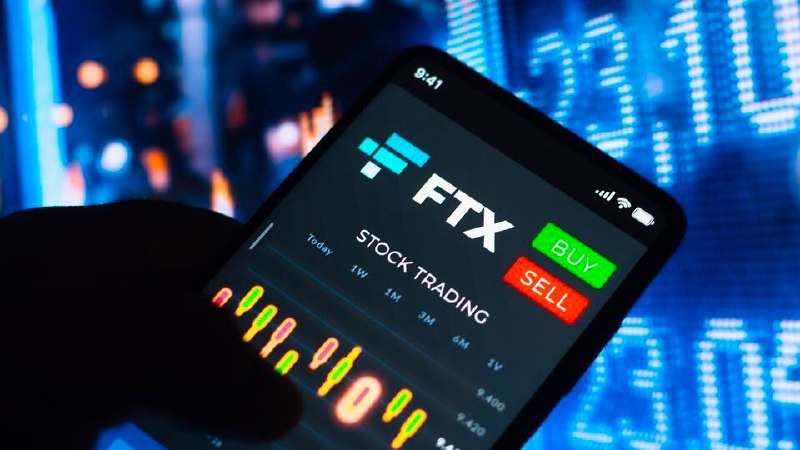
FTX poked the bear and the bear is pissed — O’Leary on the crypto crackdown.🧐
Kevin O’Leary believes U.S. lawmakers are “fatigued” and “pissed” with the cryptocurrency industry after having to deal with one blowup after another.
Shark Tank investor and venture capitalist Kevin O’Leary has urged crypto exchanges to “get on board with regulation” if they want to “stay out of the way” of Gary Gensler and the United States Securities Exchange Commission.
In a Feb. 20 interview with TraderTV Live, O’Leary said that U.S. lawmakers are “fatigued” over crypto collapses and that they’re only going to get more ruthless if companies continue to not comply:
“You got to get on board with regulation, you got to stay out of the way of Gensler at the SEC and other regulators. Those hombres men in Washington are not happy. FTX poked the bear, the bear is awake, and it is pissed.”
“These senators are really fatigued, they’re really tired of gathering every six months when the next crypto company blows up and goes to zero,” he said, adding “because they’re totally unregulated and they keep issuing tokens that are worthless.”
O’Leary said the SEC whacking Kraken for $30 million🥴 and ordering them to immediately cease its staking services should put the industry on alert and to comply by all means.
In light of the recent regulatory crackdowns, the Shark Tank investor predicted that regulated trading platforms will be better investments than their unregulated counterparts over the next few years:
”I think the value of regulated exchanges is going to go up over the next few years, while the unregulated ones get put out of business or go to zero by the regulators.”
O’Leary recently confessed to losing basically 100% of the $15 million😰 that FTX paid him to be its official spokesperson.
Kevin O’Leary believes U.S. lawmakers are “fatigued” and “pissed” with the cryptocurrency industry after having to deal with one blowup after another.
Shark Tank investor and venture capitalist Kevin O’Leary has urged crypto exchanges to “get on board with regulation” if they want to “stay out of the way” of Gary Gensler and the United States Securities Exchange Commission.
In a Feb. 20 interview with TraderTV Live, O’Leary said that U.S. lawmakers are “fatigued” over crypto collapses and that they’re only going to get more ruthless if companies continue to not comply:
“You got to get on board with regulation, you got to stay out of the way of Gensler at the SEC and other regulators. Those hombres men in Washington are not happy. FTX poked the bear, the bear is awake, and it is pissed.”
“These senators are really fatigued, they’re really tired of gathering every six months when the next crypto company blows up and goes to zero,” he said, adding “because they’re totally unregulated and they keep issuing tokens that are worthless.”
O’Leary said the SEC whacking Kraken for $30 million🥴 and ordering them to immediately cease its staking services should put the industry on alert and to comply by all means.
In light of the recent regulatory crackdowns, the Shark Tank investor predicted that regulated trading platforms will be better investments than their unregulated counterparts over the next few years:
”I think the value of regulated exchanges is going to go up over the next few years, while the unregulated ones get put out of business or go to zero by the regulators.”
O’Leary recently confessed to losing basically 100% of the $15 million😰 that FTX paid him to be its official spokesperson.
❤2🥰2🔥1🤬1🎉1
🇺🇦 Ukrainian agricultural holding
AGROGLORYTIME continues to work confidently and delight investors in the conditions of war.
🔗A token of the unique ACTI model, correctly tokenized agribusiness for the first time in the world. The price has increased from 3 to 8 cents in 8 months
🔗Actually paid 85% per annum a ten-level referral program of its own design, which allows us to build a large passive income by promoting our ideas
🔗Referral program participants already earn hundreds of dollars a week. And when building new generations, it will be thousands of dollars
🔗The unique utilitarian function AGTInw is being patented, which allows generating value by distributed computing and has the potential to significantly increase the value of the AGTI token
https://t.me/bitcoin_day
AGROGLORYTIME continues to work confidently and delight investors in the conditions of war.
🔗A token of the unique ACTI model, correctly tokenized agribusiness for the first time in the world. The price has increased from 3 to 8 cents in 8 months
🔗Actually paid 85% per annum a ten-level referral program of its own design, which allows us to build a large passive income by promoting our ideas
🔗Referral program participants already earn hundreds of dollars a week. And when building new generations, it will be thousands of dollars
🔗The unique utilitarian function AGTInw is being patented, which allows generating value by distributed computing and has the potential to significantly increase the value of the AGTI token
https://t.me/bitcoin_day
👍2👏2🔥1😱1🙏1
🇨🇷 Costa Rican congresswoman proposes bill to regulate, recognize cryptocurrency
Costa Rican Congresswoman Johana Obando proposed a bill titled “Cryptoassets Market Law (MECA),” to regulate and recognize cryptocurrency in the Central American country. Costa Rica to foreign investors and fintech companies as well as create job opportunities for Costa Ricans.
The bill was proposed alongside Congressmen Luis Diego Vargas and Jorge Dengo, who also mentioned the government should not tax cryptocurrency profits generated from mining, but that profits from crypto trading should be taxed. Additionally, the bill aims to preserve individual virtual assets, self-custody of crypto assets.
https://t.me/bitcoin_day
Costa Rican Congresswoman Johana Obando proposed a bill titled “Cryptoassets Market Law (MECA),” to regulate and recognize cryptocurrency in the Central American country. Costa Rica to foreign investors and fintech companies as well as create job opportunities for Costa Ricans.
The bill was proposed alongside Congressmen Luis Diego Vargas and Jorge Dengo, who also mentioned the government should not tax cryptocurrency profits generated from mining, but that profits from crypto trading should be taxed. Additionally, the bill aims to preserve individual virtual assets, self-custody of crypto assets.
https://t.me/bitcoin_day
🔥2🤯2❤1😁1😱1
Commodity Strategist Mike McGlone Predicts a Recession as Top Catalyst for Gold's Rise Above $2,000
This week, Bloomberg Intelligence Senior Macro Strategist Mike McGlone shared his March outlook and noted that the “top catalyst” that could push gold above the $2,000-per-ounce range is a recession. McGlone further explained in an update about bitcoin and the Nasdaq that a key ingredient to force the U.S. Federal Reserve to pivot its stance is “a sharp drop in the stock market.”
Source
https://t.me/bitcoin_day
This week, Bloomberg Intelligence Senior Macro Strategist Mike McGlone shared his March outlook and noted that the “top catalyst” that could push gold above the $2,000-per-ounce range is a recession. McGlone further explained in an update about bitcoin and the Nasdaq that a key ingredient to force the U.S. Federal Reserve to pivot its stance is “a sharp drop in the stock market.”
Source
https://t.me/bitcoin_day
❤2🎉2👎1🥰1🤩1
🇺🇸 US Regulators Caution Banks On The Risks Of Crypto Liquidity
US regulators have issued a warning to banks regarding the potential liquidity risks associated with cryptocurrencies, particularly in times of market stress. The warning comes amid growing interest in cryptocurrencies among banks and other financial institutions.
According to a joint statement from the Federal Reserve and other US financial regulators, crypto creates serious liquidity risks, further supporting their drive to discourage lenders from lending on digital assets in general. For the first time ever, a warning regarding stablecoin reserves was included in the letter that was released by the Federal Reserve, the Federal Deposit Insurance Corporation, and the Office of the Comptroller of the Currency. The latest in a series of formal warning pronouncements makes it obvious that any institution playing.
https://t.me/bitcoin_day
US regulators have issued a warning to banks regarding the potential liquidity risks associated with cryptocurrencies, particularly in times of market stress. The warning comes amid growing interest in cryptocurrencies among banks and other financial institutions.
According to a joint statement from the Federal Reserve and other US financial regulators, crypto creates serious liquidity risks, further supporting their drive to discourage lenders from lending on digital assets in general. For the first time ever, a warning regarding stablecoin reserves was included in the letter that was released by the Federal Reserve, the Federal Deposit Insurance Corporation, and the Office of the Comptroller of the Currency. The latest in a series of formal warning pronouncements makes it obvious that any institution playing.
https://t.me/bitcoin_day
👍2🤯2🔥1🤔1🎉1